Why Cutting Crape Myrtle Suckers Doesn’t Stop Them From Growing Back In Arkansas
Snipping a single sucker feels like progress, until it isn’t. Something stubborn lives beneath your stump, silently waiting for its moment. Arkansas soil quietly holds secrets most gardeners never notice.
Roots quietly store energy your pruning shears can never touch. Dormant buds wait quietly underground, ready to fire on cue. Trees interpret pruning as a signal, not a setback.
Instincts kick in immediately, redirecting stored sugars toward new growth. Suckers aren’t just random annoyance; they’re a calculated response to cutting. Trimming triggers hormonal shifts that quickly flood the base with energy.
Growth then accelerates precisely where you least want it. Summers across Arkansas speed up the cycle, pushing shoots skyward fast. Frustration builds fast when your effort repeats every season.
Nothing about this stubborn cycle is accidental or unlucky. Momentum always favors the tree unless you truly understand its strategy.
Every single cut you make sends new instructions to the roots. You need to know what’s actually happening underground before you cut again.
1. Root Systems Store Energy For Regrowth
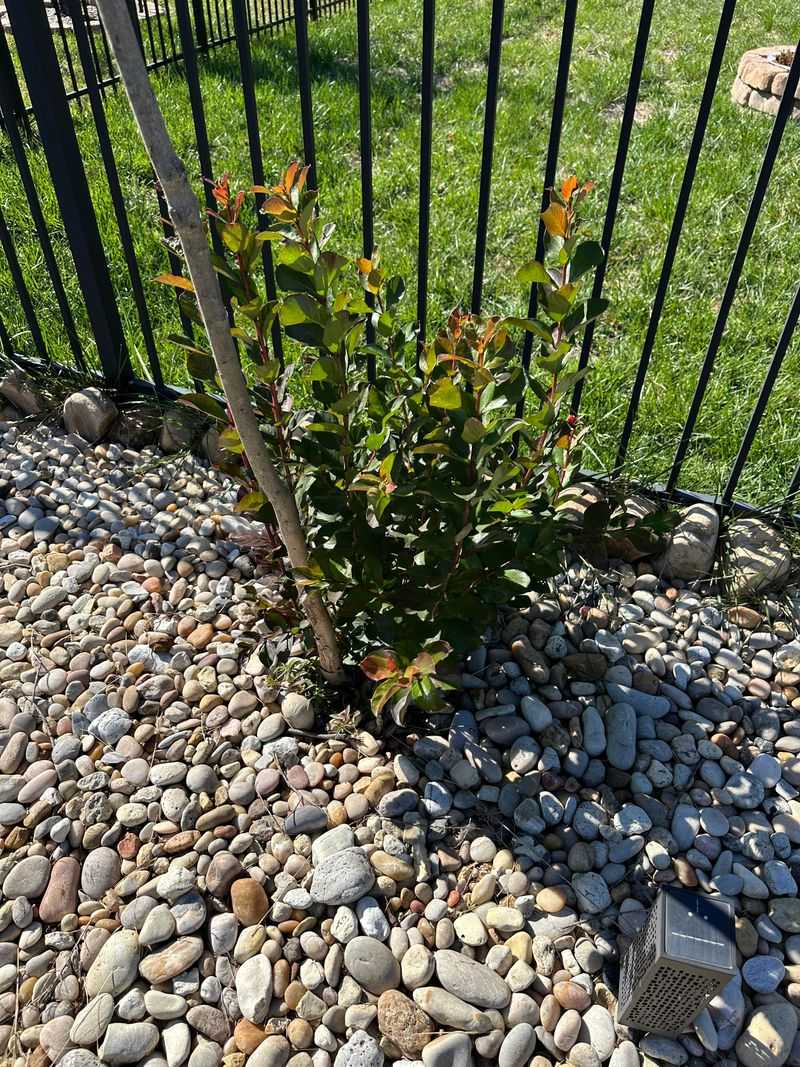
Roots are basically the tree’s secret fuel tank. Crape myrtles store massive amounts of carbohydrates deep in their root systems, ready to power new growth at any moment.
When you cut a sucker off at ground level, the roots below barely notice. All that stored energy still needs somewhere to go, and the tree sends it right back up through new shoots.
Think of it like squeezing a tube of toothpaste. Push it down in one spot, and it pops up somewhere else nearby.
The root system of a mature crape myrtle can spread far beyond the canopy. Those roots are actively feeding dozens of potential sucker sites across a wide area.
Crape myrtles evolved in warm climates where surviving drought and stress mattered most. Storing energy underground is a built-in survival tool that pruning simply cannot override.
Each time you remove a sucker, the root system interprets that removal as damage. It responds by mobilizing even more stored energy to push out replacement growth.
Cutting suckers more frequently can sometimes lead to more vigorous regrowth than less frequent removal. The frequent stimulation keeps the root system in a constant state of high-alert regrowth mode.
The only real way to reduce sucker production long-term is to address root health and stress levels. Cutting alone just keeps the cycle spinning without ever breaking it.
2. Cutting Stimulates Dormant Buds Near Roots
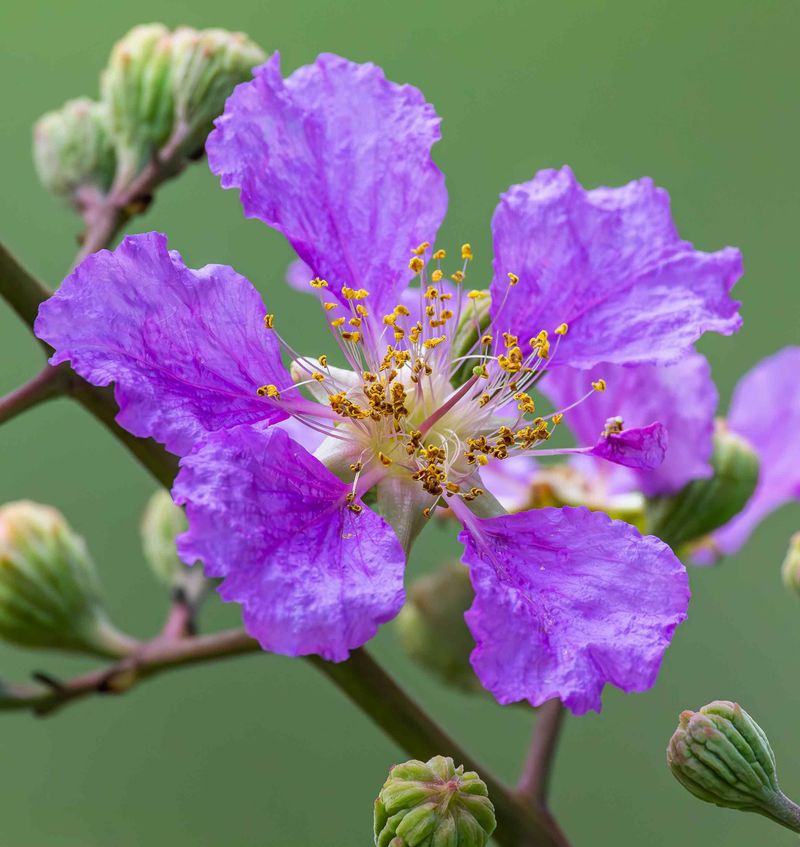
Snipping a sucker sends a signal that wakes up dormant buds. Crape myrtles have hundreds of tiny, sleeping buds tucked along their roots and crown, just waiting for a signal to wake up. That signal? A fresh cut.
When you remove a shoot, the plant senses a loss and activates nearby dormant buds almost immediately.
Plant scientists call this process apical dominance disruption. In simple terms, the cut removes the hormone that was keeping those sleepy buds from sprouting.
Once that hormone signal disappears, the buds fire up fast. New growth can emerge quickly after cutting, especially during warm weather.
Your Arkansas Garden Changes Every Week. Your Plan Should Too.
Gardening in Arkansas changes quickly throughout the season. Every Friday you’ll receive a simple weekly plan showing exactly what to plant, prune, fertilize, harvest, and protect so you never miss the right timing.
Crape myrtles can have clusters of dormant buds packed tightly around the root crown. One cut near that zone can trigger several buds to sprout simultaneously.
This is why many homeowners feel like they are losing ground. They cut one sucker and find three new ones appearing in its place the following week.
The pattern is not random. The tree is following a biological program that prioritizes survival above all else, and dormant buds are the backup system for that program.
Understanding this helps you see why mechanical removal alone never wins long-term. You are working against the tree’s own built-in recovery system every single time you reach for those clippers.
3. Arkansas’s Warm Climate Speeds Sucker Growth
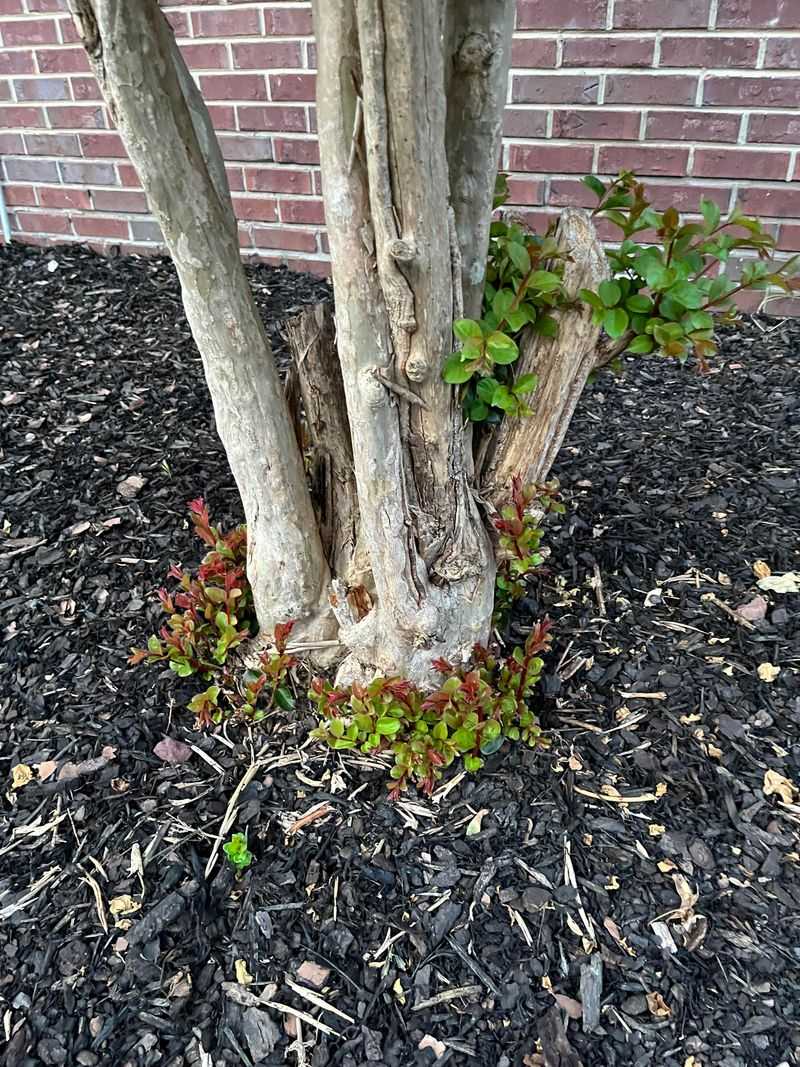
Arkansas summers are no joke. Heat, humidity, and long sunny days create a perfect growing environment for crape myrtle suckers to thrive quickly.
In cooler states, sucker growth might slow down enough for homeowners to stay ahead of it. In Arkansas, the warm climate keeps crape myrtles in active growth mode for months longer than average.
Soil temperatures in Arkansas stay warm well into fall. Warm soil means active roots, and active roots mean a constant supply of energy pushing toward new shoots above ground.
The growing season here often stretches from early spring through late October, though exact timing varies by region within the state.
That gives suckers a huge window to sprout, grow tall, and establish themselves before any frost slows them down.
High humidity also plays a role. Moist air reduces water stress on new shoots, letting them establish quickly without drying out before they can root properly.
Crape myrtles are native to Asia and thrive in climates similar to the American South. Arkansas essentially hands these trees the ideal conditions to grow vigorously.
Many Arkansas gardeners find that suckers cut in spring return by summer, and summer cuts return by early fall. The warm climate just keeps the engine running without pause.
Knowing this, it becomes clear that timing and frequency of cuts matter a lot. Warm-season growth in Arkansas makes sucker management a season-long commitment, not a one-time fix.
4. Stress From Pruning Triggers Defensive Suckering
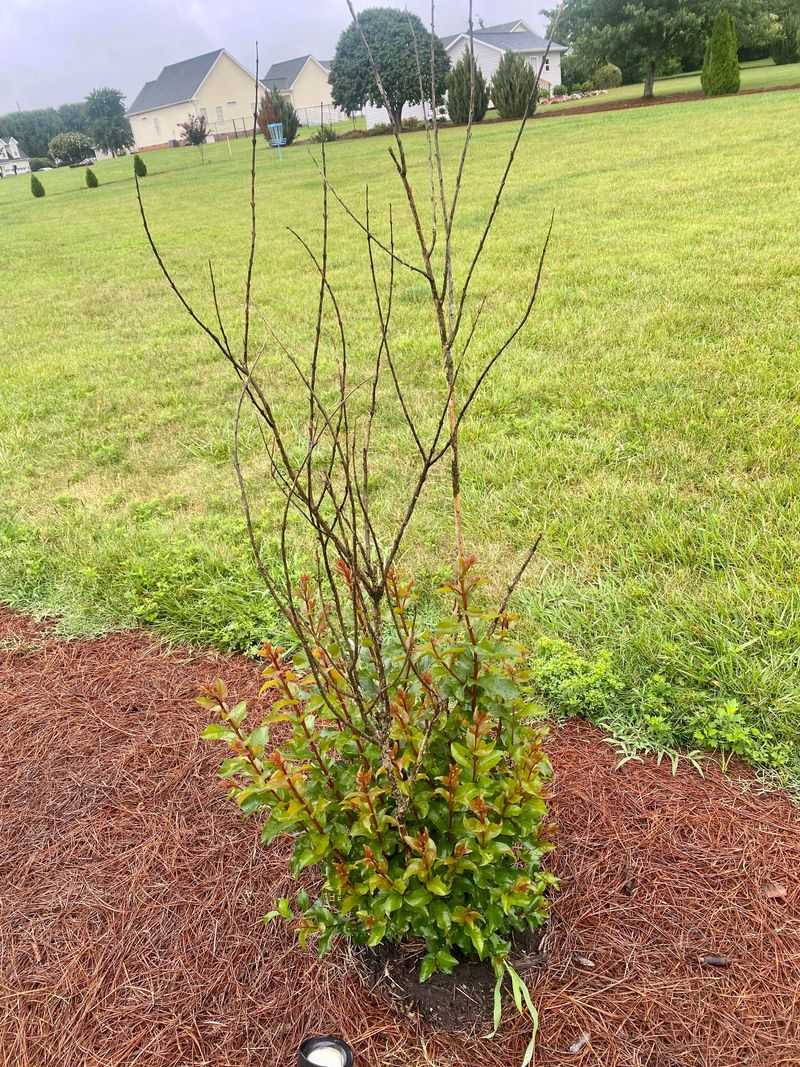
Every time you prune a crape myrtle hard, you stress it out. Trees under stress respond by sending out as many new shoots as possible.
Suckering is a defensive response. When the tree senses that its canopy has been reduced, it works overtime to replace lost leaf area as fast as it can.
The practice of heavy crape myrtle pruning, sometimes called crape murder, is extremely common in the South. Unfortunately, aggressive cuts make sucker problems significantly worse over time.
Each major pruning event sends a stress signal throughout the entire vascular system. The tree responds by activating every available growth point, including dozens of root buds near the base.
Repeated stress cycles teach the tree nothing. Instead, they reinforce the pattern of heavy suckering because the tree never gets the chance to settle into a stable, low-stress growth rhythm.
Minimally pruned crape myrtles actually produce fewer suckers than heavily pruned ones. The tree is calmer, its hormone balance is stable, and there is less urgent need for defensive regrowth.
Stress-induced suckering can also spread laterally. Roots far from the trunk may begin pushing up shoots in response to canopy stress, creating suckers in unexpected spots across your lawn.
Reducing pruning intensity is one of the most effective ways to calm sucker production. Fewer cuts mean less stress, and less stress means fewer of those persistent, unwanted shoots appearing at the base.
5. Grafted Rootstock Often Suckers More Aggressively
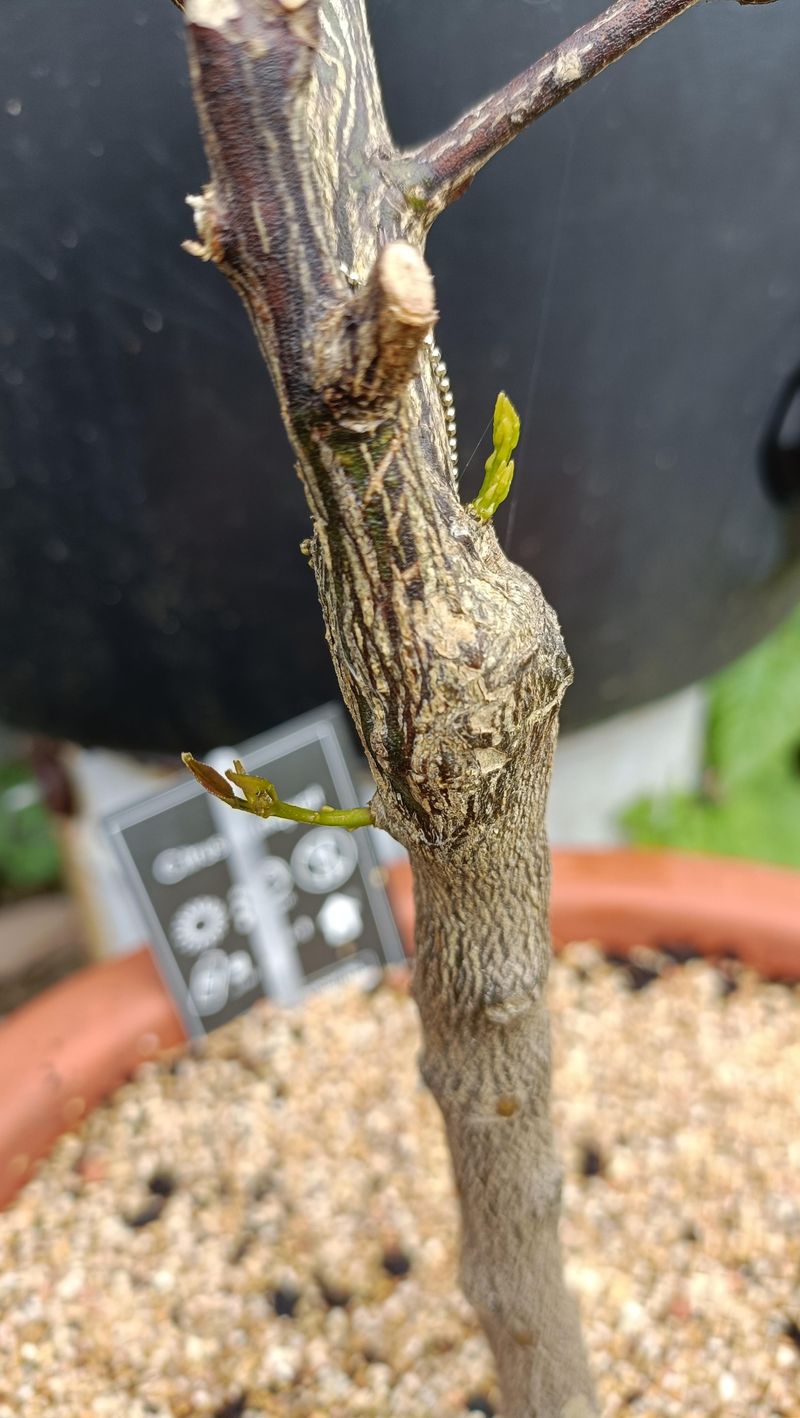
Some crape myrtles are grown on grafted rootstock, though most modern commercial varieties are propagated from cuttings and grow on their own roots. When grafting is used, a desirable variety sits atop a different, hardier rootstock.
That rootstock has its own personality, and it is often a wild or vigorous type selected for toughness rather than beauty. Wild rootstock is genetically inclined to sucker aggressively, regardless of your landscaping goals.
Suckers from grafted rootstock grow below the graft union. They are genetically different from the top portion of the tree and often look slightly different in leaf shape or color.
If you cut these rootstock suckers, you are not dealing with the ornamental variety at all. You are fighting a separate, often more vigorous plant that shares the same root system.
Rootstock types used in commercial nurseries are chosen for survival, not aesthetics. They tend to produce more suckers, grow faster, and respond more aggressively to any cutting or disturbance.
Some homeowners accidentally encourage rootstock dominance by cutting grafted suckers repeatedly. Over time, the rootstock can outcompete the grafted top if enough energy is redirected toward its shoots.
Identifying the graft union on your tree is worth the effort. Look for a slight bulge or scar low on the trunk, usually within the first foot above ground level.
Managing grafted trees requires extra attention near the base. Removing suckers as close to the root origin as possible slows regrowth, but the rootstock’s drive to push new shoots never fully disappears.
6. Shallow Cuts Leave Live Tissue Behind

Most people cut suckers at ground level and call it done. The problem is that cutting at the surface almost always leaves live meristematic tissue behind just below the soil.
Meristematic tissue is the plant’s growth zone. Even a tiny piece of it left intact has everything it needs to generate a brand-new shoot quickly.
Picture an iceberg. What you see above ground is just the tip, but the real mass is hidden below, and that is where the regrowth originates every single time.
To genuinely slow regrowth, you need to remove the sucker back to its point of origin on the root. That means digging a bit and cutting where the sucker connects to the main root.
Most gardeners skip this step because it is time-consuming and a little messy. But surface cuts are essentially a temporary fix, and regrowth often follows within a few weeks.
The remaining tissue heals quickly in warm soil. Arkansas heat accelerates that healing process, meaning regrowth after a shallow cut can appear faster here than in cooler regions.
Sharp, clean cuts at the correct depth also matter. Ragged cuts create more wound surface area, which can actually stimulate more aggressive bud activation around the cut site.
Investing in a good narrow-blade pruning tool helps you reach the sucker’s true origin point. That small extra effort makes a meaningful difference in how quickly the sucker returns after removal.
7. Nutrient-Rich Soil Fuels Vigorous New Shoots

Great garden soil creates a tradeoff with crape myrtles. Rich, well-amended soil gives your ornamentals everything they need to thrive, but it also supercharges sucker production at the base.
Suckers are opportunists. They tap directly into the same nutrient stream feeding the main tree, and in fertile soil, that stream is loaded with nitrogen, phosphorus, and minerals ready for rapid growth.
High-nitrogen fertilizers are especially problematic near crape myrtles. Nitrogen drives leafy, vegetative growth, which is exactly what suckers are programmed to produce when resources are available.
Many Arkansas homeowners fertilize their lawns heavily in spring and fall. That fertilizer soaks into the soil and reaches crape myrtle roots, giving suckers a nutrient boost right when they are most likely to sprout.
Compost-amended beds around the tree base create the same effect. Organic matter breaks down and releases nutrients slowly, keeping the soil rich and sucker-friendly for months at a time.
Reducing fertilizer near the root zone of your crape myrtle can help moderate sucker intensity. You do not need to starve the tree, just avoid overfeeding the area directly around the base.
Mulching heavily over sucker zones also helps by blocking light and making it physically harder for shoots to push through. A thick layer of wood chip mulch can slow surface emergence noticeably.
Soil management is an underrated tool in the sucker control strategy. Adjusting what you put into the ground can change how aggressively crape myrtle suckers push their way back up through it.
8. Sunlight Exposure Encourages Base Growth
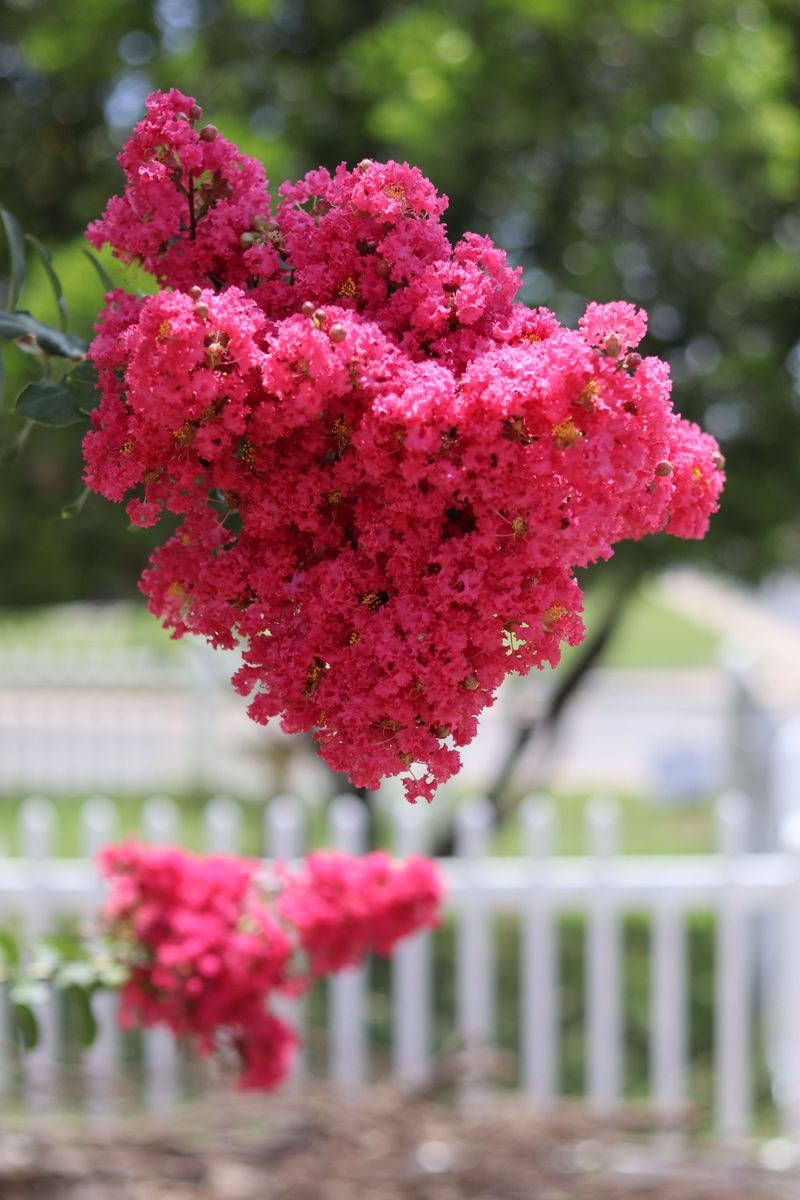
Sunlight is a key trigger for sucker growth. When light reaches the base of a crape myrtle, dormant buds near the soil surface interpret that signal as an invitation to grow.
Crape myrtles planted in open, sunny spots produce far more base suckers than those in partial shade. The more direct sun hits that root crown area, the more active those low buds become.
Plants evolved to fill available light gaps. A sunny base zone looks like an open opportunity to the tree’s growth system, and it responds by sending shoots toward that light source aggressively.
Crape myrtles in Arkansas are often planted as lawn specimens in wide-open spaces. Full sun all day long means the base never gets a break from light stimulation throughout the growing season.
Shading the base of the tree can reduce sucker pressure noticeably. Ground cover plants, dense mulch layers, or nearby companion plantings that cast partial shade on the root zone all help discourage new shoot emergence.
Thinning the canopy too aggressively also increases light reaching the base. When you remove upper branches, more sunlight filters down to the trunk and root zone, accidentally triggering the very sucker growth you want to prevent.
Observation matters here. Walk around your crape myrtle on a sunny afternoon and notice exactly where light hits the base. Those bright spots are likely where your next round of suckers will appear.
Managing light at the base is one more layer of the sucker puzzle. Understanding why cutting crape myrtle suckers alone never solves the problem starts with seeing the whole picture, from roots to rays of sunlight.