The Meaning Behind Seeing A Mockingbird In Your Arkansas Yard
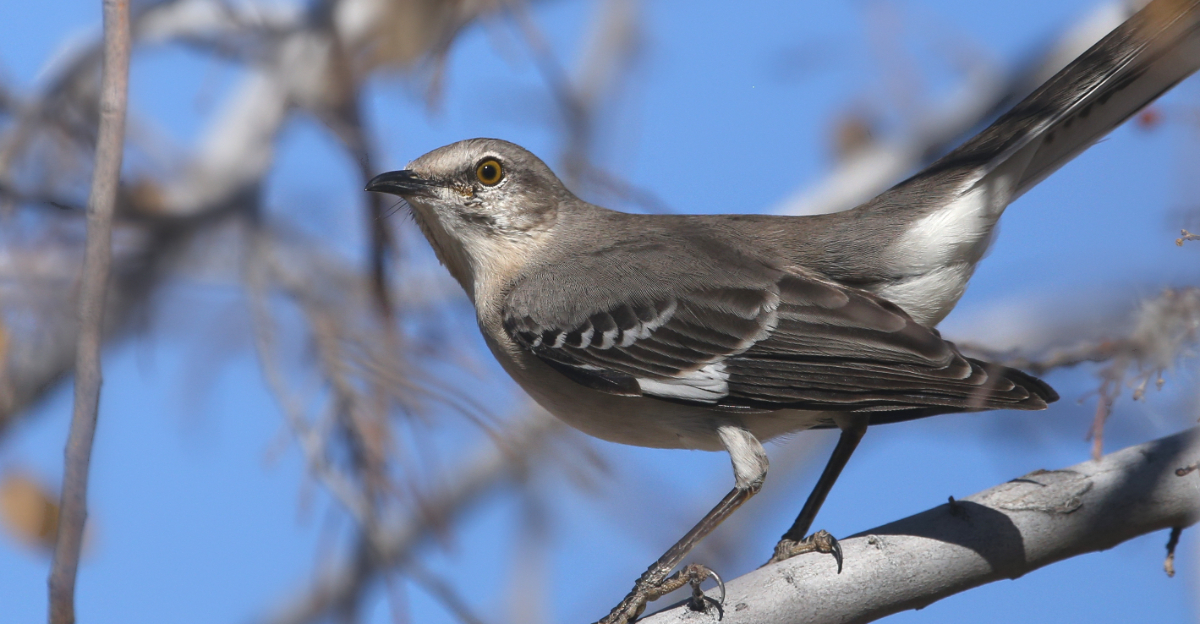
Six songs, no repeats, and your fence post just became a stage. That kind of vocal range usually means one bird: the Northern Mockingbird, showing off exactly the way it’s built to.
This isn’t random noise from a random visitor. Mockingbirds audition territory before they claim it, so a singing male on your property is casting a vote for your yard specifically.
Arkansas backyards earn that vote through open lawn edges, scattered shrubs, and berry-producing plants nearby. Skip those features and the birds skip the address, no matter how many feeders line the porch.
A mockingbird belting out its playlist at dawn signals your space passed a real test. Cover, food, and visibility all lined up well enough to convince a notoriously selective species to stick around.
That fence-post concert, in other words, is a compliment your landscaping earned.
One Loud, Territorial Songbird Has Strong Reasons For Claiming Your Yard
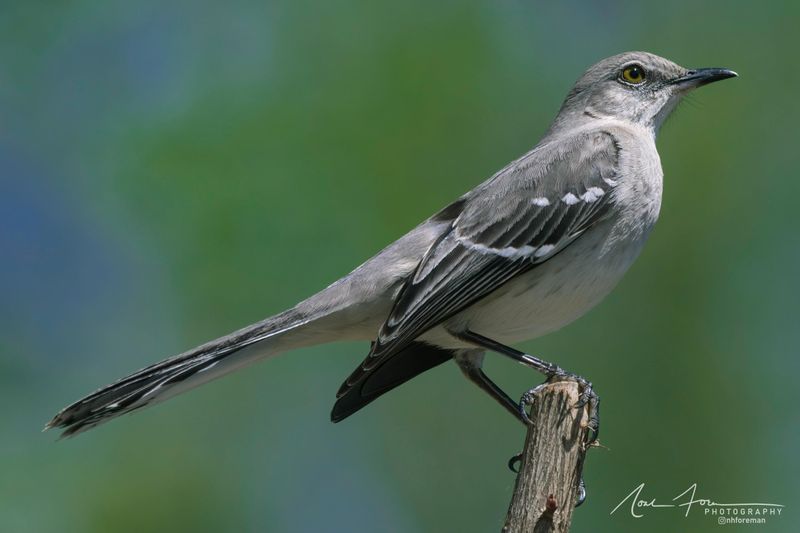
That bird on your fence is not just passing through. A Northern Mockingbird picks a yard the same way you pick a neighborhood.
Mockingbirds are year-round residents across Arkansas. When one shows up in your yard, it has made a deliberate choice to be there.
These birds scout for spots with good food, open sightlines, and places to perch high. Your yard checked enough boxes to earn its attention.
Mockingbirds are fiercely loyal to their chosen territory. Once a bird claims your yard, it will often return in the following seasons.
Seeing one means your outdoor space offers real value to wildlife. That is not something every yard can claim, so take it as a genuine compliment.
The meaning behind seeing a mockingbird in your Arkansas yard often starts with habitat quality. Your trees, shrubs, and open lawn created conditions this species finds hard to resist.
Mockingbirds also tend to be highly visible because they want to be seen. Staying low or hidden would defeat the whole point of territorial ownership for them.
A bird this bold and deliberate in its habits is telling you something clear. Your yard has earned a resident, not just a visitor passing through on a random afternoon.
Mockingbirds Defend Territory With Constant Singing And Bold Behavior
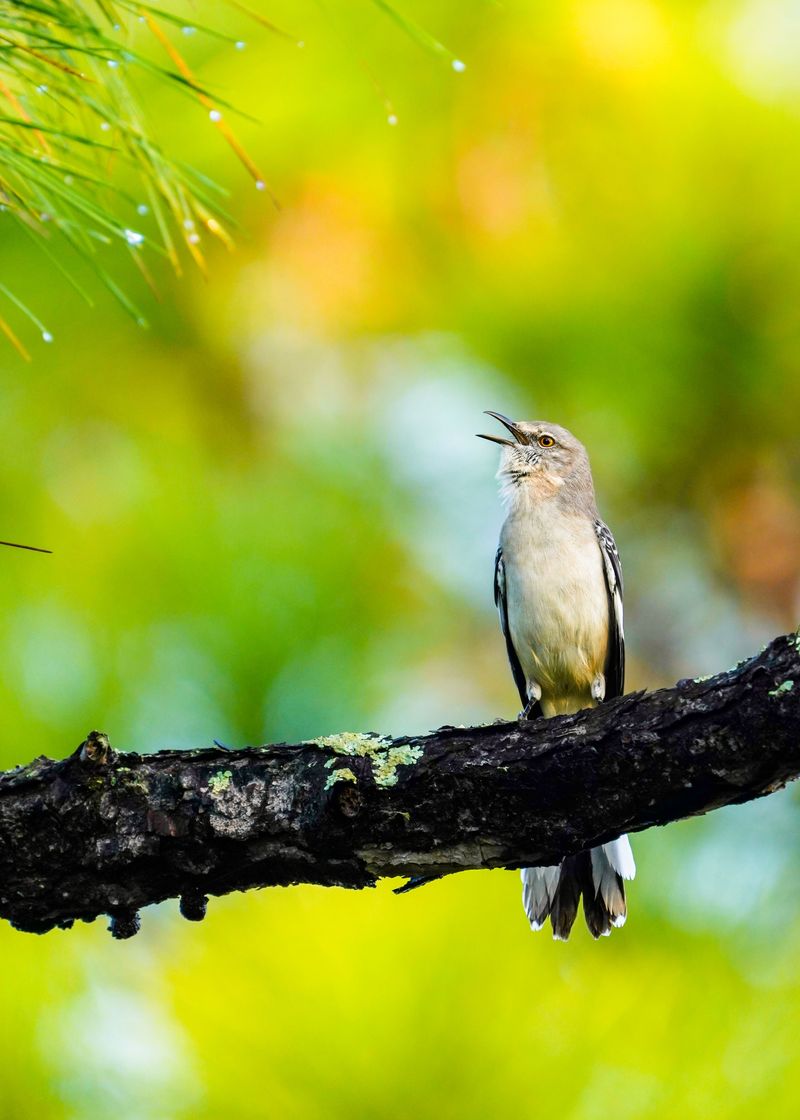
No bird in the yard is louder or more relentless than a mockingbird on a mission. Singing is not just entertainment for this species.
Male mockingbirds sing to announce ownership of their space. They belt out songs during the day and sometimes straight through the night without stopping.
That nighttime singing can catch you off guard the first time you hear it. A mockingbird singing at 2 a.m. is not confused. It is working.
Singing serves as a boundary marker, like an invisible fence made of sound. Other mockingbirds hear it and know this territory is already spoken for.
Bold posturing goes along with the vocal performance. A mockingbird will spread its wings in a slow, dramatic display to flash white wing patches at rivals.
That wing-flashing move is believed to startle insects hiding in grass. It doubles as both a hunting trick and a territorial statement.
Your Arkansas Garden Changes Every Week. Your Plan Should Too.
Gardening in Arkansas changes quickly throughout the season. Every Friday you’ll receive a simple weekly plan showing exactly what to plant, prune, fertilize, harvest, and protect so you never miss the right timing.
The meaning behind seeing a mockingbird in your Arkansas yard includes witnessing one of nature’s most determined communicators up close. Few birds invest this much energy into claiming space.
Watching this behavior from your porch is genuinely fascinating once you understand what you are seeing. Every song and flash is a calculated move in a high-stakes game of real estate.
A Yard With Berries And Open Lawn Appeals To This Species
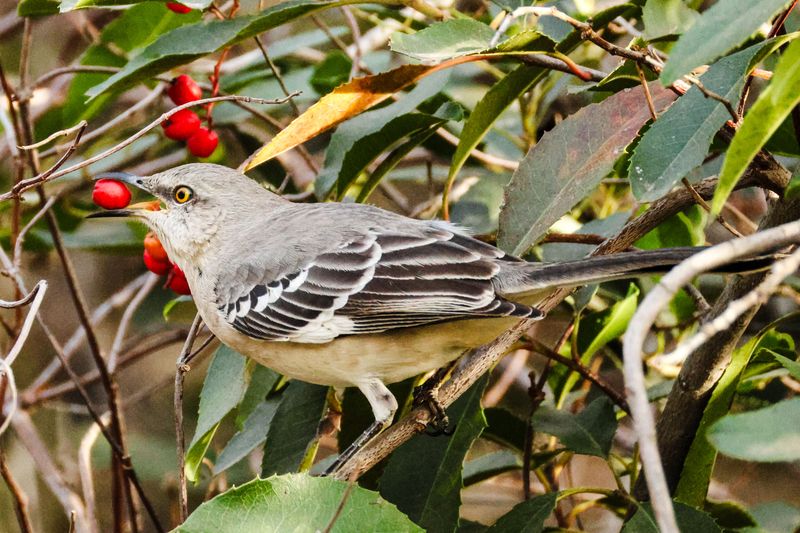
Mockingbirds are not picky eaters, but they are definitely strategic ones. A yard that offers both open ground and fruiting shrubs is basically a five-star buffet for them.
Berries from holly, dogwood, and pyracantha are among their favorites. Plant any of these in your yard and you are practically sending out a formal invitation.
Open lawn areas matter just as much as the berry supply. Mockingbirds hunt insects by walking across grass and pausing to watch for movement below.
That stop-and-go walk you might notice is a hunting technique. The bird is watching for bugs, worms, and beetles hiding just beneath the surface of the soil.
A yard with tall fencing, scattered shrubs, and patches of open ground hits every point on a mockingbird’s checklist. Yours apparently passed the inspection with flying colors.
Fruit availability shifts their diet through the seasons. In warmer months they lean heavily on insects, then switch to berries when temperatures drop and bugs disappear.
Planting native fruiting shrubs does double duty in your yard. You support mockingbirds and other wildlife while also adding color and texture to your landscaping without much extra effort.
The meaning behind seeing a mockingbird in your Arkansas yard often traces back to what you have planted. Your choices created the conditions that brought this charismatic bird straight to your door.
Repeating Other Birds’ Songs Serves A Real Purpose
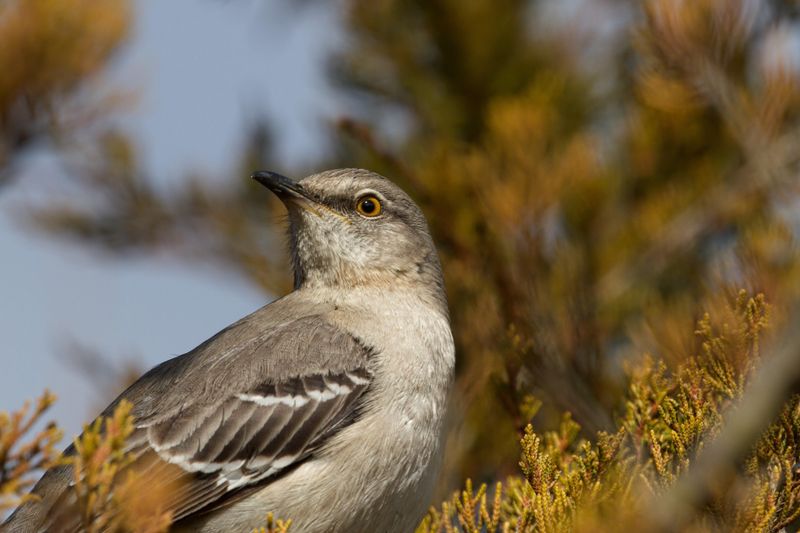
Hearing a mockingbird cycle through a dozen different bird calls in one sitting is genuinely mind-bending. It sounds like every bird in the neighborhood showed up at once.
Mockingbirds are true mimics, capable of copying dozens of other species with remarkable accuracy. Some individuals have been recorded singing over 200 distinct song types throughout their lives.
That mimicry is not random noise or showing off for fun. A larger song library signals to potential mates that the singer is experienced, healthy, and worth choosing.
Females pay close attention to how many songs a male knows. A bird with a wider repertoire has likely survived longer and holds better territory than a younger rival.
Young males start with fewer songs and keep adding new ones each year. Hearing a mockingbird add a car alarm, a dog bark, or a squeaky gate to its set is surprisingly common.
Mimicry also serves a defensive purpose in some situations. Imitating a hawk call, for example, can scatter smaller birds away from a food source the mockingbird wants.
Paying attention to what songs your yard mockingbird sings can tell you which other species live nearby. The bird is essentially giving you a free local bird census every morning.
Repeating other birds’ calls is one of the most remarkable skills in the animal world. Watching it happen right outside your window makes the experience feel almost unreal.
Protective Swooping Is Normal Nesting Season Behavior
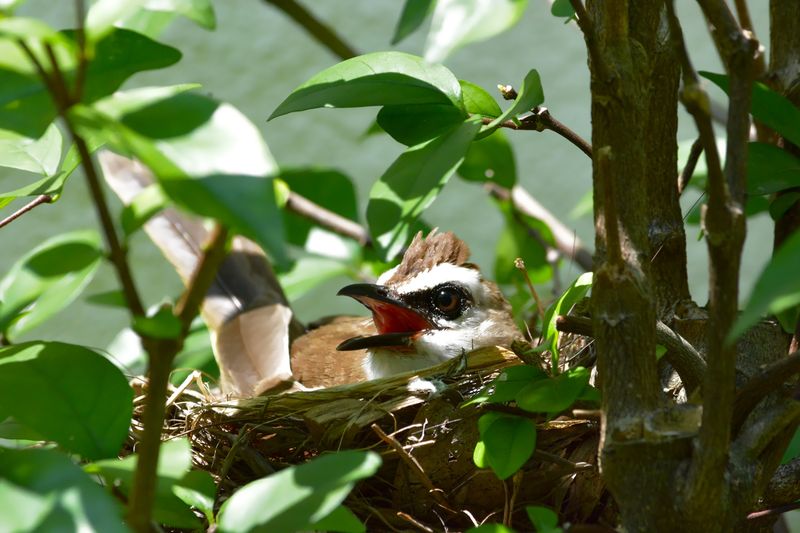
Getting swooped by a mockingbird is one of those experiences that happens fast and leaves you blinking in confusion. One second the yard is calm, the next something is buzzing your head.
Swooping is a standard defensive move during nesting season, which runs roughly from spring through midsummer in Arkansas. The bird is not being aggressive without cause.
A nest nearby is almost always the reason for the swoop. Mockingbirds build nests low in shrubs or small trees, which makes them vulnerable to passing people and pets.
The bird targets anything it perceives as a threat, including cats, dogs, squirrels, and humans who walk too close. Size does not matter to a protective mockingbird parent.
Being struck is rare, but the bird will come close enough to make you flinch. The goal is intimidation, not injury, and it works extremely well on most intruders.
If you get swooped, the simplest fix is to change your path slightly. Walking a few feet away from the target area usually satisfies the bird enough to stop the behavior.
Pets are at higher risk because they tend to linger near shrubs. Keeping your dog or cat away from dense plantings during nesting season protects both the animal and the bird.
That swooping moment is actually a sign of healthy, thriving wildlife right in your yard. A mockingbird defending its nest this fiercely is one of nature’s most committed parenting displays.
A Mockingbird’s Presence Says Something About Your Yard’s Habitat
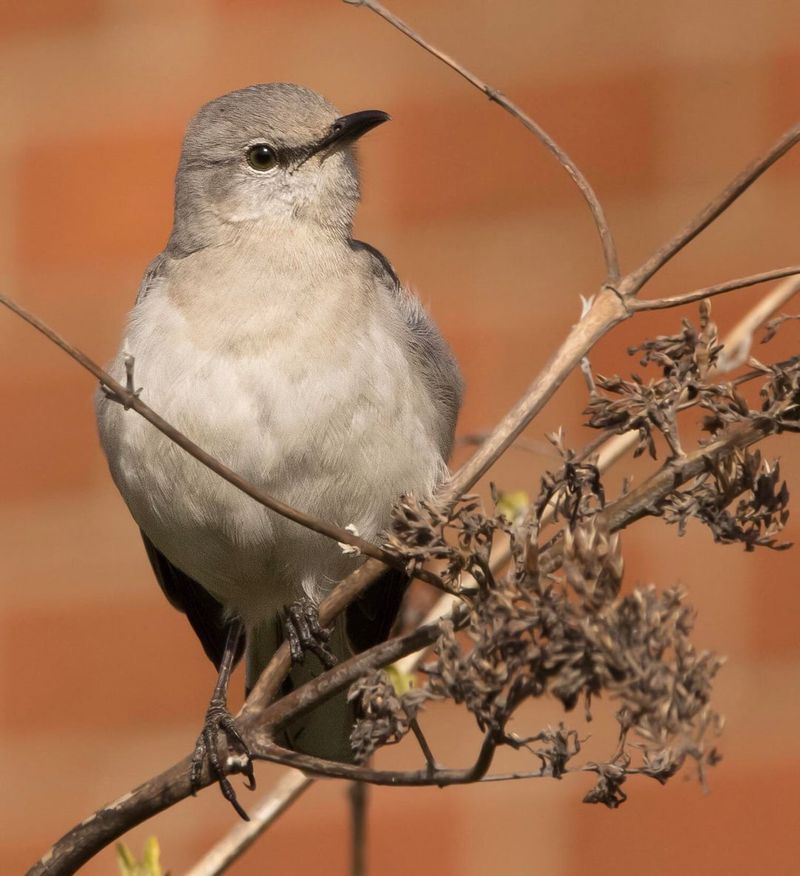
A mockingbird choosing your yard is a quiet vote of confidence in the habitat you have created. These birds do not settle just anywhere without good reason.
They need a mix of open space, dense shrubs, and reliable food sources all within a compact area. If your yard delivers all three, you have built something genuinely useful for local wildlife.
Native plants play a huge role in attracting this species. Yards filled with non-native ornamentals tend to support fewer insects, which means less food for insectivore-heavy birds like mockingbirds.
A mockingbird settling in also suggests your yard has low enough disturbance for a bird to feel safe raising a family. Constant noise or heavy foot traffic tends to push them away.
Neighbors may not realize what a well-balanced yard looks like from a wildlife perspective. Yours is apparently doing something right that many surrounding properties are not.
You do not need a massive property to attract mockingbirds. Even a modest backyard with thoughtful plantings and a calm atmosphere can become prime territory for this species.
Avoiding pesticides helps significantly because it keeps the insect population healthy. Mockingbirds need bugs as much as they need berries, especially when feeding young chicks in the nest.
The meaning behind seeing a mockingbird in your Arkansas yard is ultimately this: your space supports life. That is worth protecting, nurturing, and paying close attention to every single day.