The Summer Mowing Mistake Many Arkansas Bermuda Grass Owners Make
Mowers hum across Arkansas yards every summer, chasing one goal: a tight, sharp lawn that holds its color through July’s heat. One quiet habit undoes that effort, leaving Bermuda grass thin and blotchy before the season peaks.
Bermuda grass shrugs off kids, dogs, and dry spells from Little Rock to Fayetteville, filling bare patches almost on its own. Push it too far, though, and that resilience runs out fast.
The real culprit isn’t the mowing schedule or the hour you cut. It’s the blade height, and once you spot the pattern, fixing it is simple.
Cutting Bermuda Grass Too Short Is The Mistake
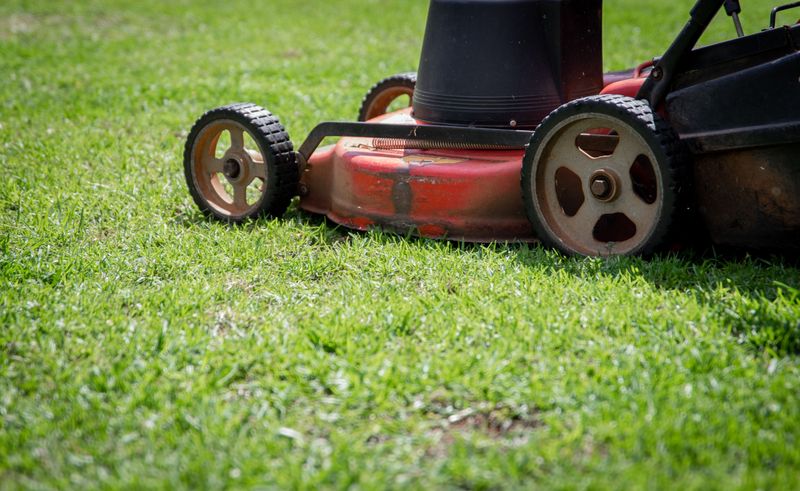
Your mower might be working against you right now. Cutting Bermuda grass too short is the single most common summer mowing mistake Arkansas lawn owners make, and most do not even realize they are doing it.
Bermuda grass has a natural growth habit that depends on leaf blade length. When blades are cut too short, the plant loses its ability to absorb sunlight efficiently.
Less sunlight means less energy for root development. Roots carry Bermuda grass through summer. Shallow roots often struggle to reach moisture stored deeper in the soil.
That leads to rapid drought stress, even when you are watering regularly. Many homeowners cut low because they want that golf course look.
The problem is that professional turf managers use specialized equipment and intensive care schedules. Backyard lawns rarely hold up under that same treatment.
Cutting below one inch during summer months is where the real damage starts. The grass loses its protective canopy, and soil temperatures spike.
Hot soil speeds up moisture evaporation and slows root recovery. The frustrating part is that the lawn looks fine for a day or two after a too-short cut.
Then the browning begins, and most people blame the heat or drought rather than the mower setting. Recognizing that the blade height is the real culprit gives you the power to fix the problem before it spirals.
Scalping Stresses The Grass In Summer Heat
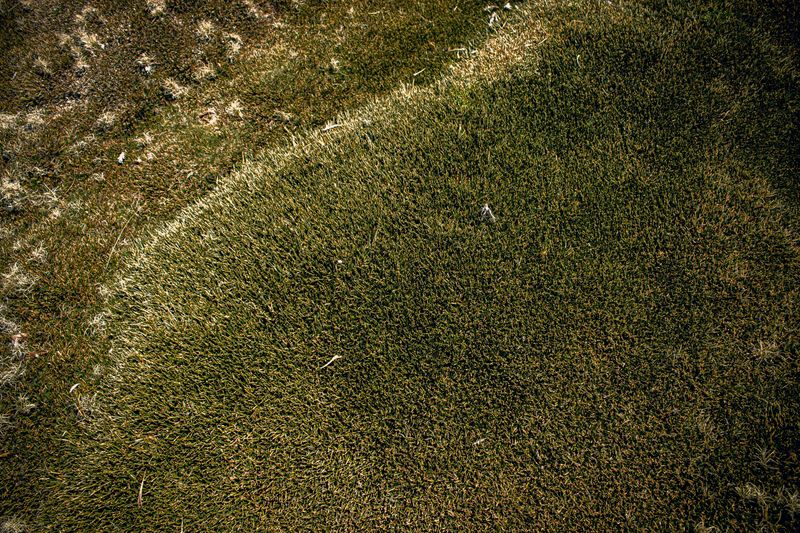
Scalped grass looks like a bad haircut that went terribly wrong. When you cut Bermuda grass so low that brown stems and bare soil become visible, that is called scalping, and summer is a particularly risky time to do it.
Heat stress and scalping together create a tough combination. Bare soil absorbs more sunlight and radiates heat upward into the grass canopy.
Soil temperatures can climb well above air temperature on a hot Arkansas afternoon. Bermuda grass stores energy reserves in its stems and roots.
Scalping removes the green leaf tissue that produces that energy through photosynthesis. Without enough leaf surface, the plant burns through reserves faster than it can replenish them.
Weeds love scalped lawns. Thin, weakened turf creates open gaps where crabgrass, spurge, and other summer weeds move in fast.
Once weeds establish, they compete directly with recovering Bermuda grass for water and nutrients.
Recovery from scalping takes real time.
Your Arkansas Garden Changes Every Week. Your Plan Should Too.
Gardening in Arkansas changes quickly throughout the season. Every Friday you’ll receive a simple weekly plan showing exactly what to plant, prune, fertilize, harvest, and protect so you never miss the right timing.
Bermuda grass can bounce back, but it needs several weeks of proper care, consistent watering, and favorable conditions to fill back in. Meanwhile, your lawn looks rough and uneven.
Scalping is sometimes done intentionally in early spring to remove dry material and promote green-up. That timing works because temperatures are mild and the grass is just waking up.
Doing the same thing in July or August tells a different story, and the consequences show up fast.
Ideal Mowing Height For Summer Months
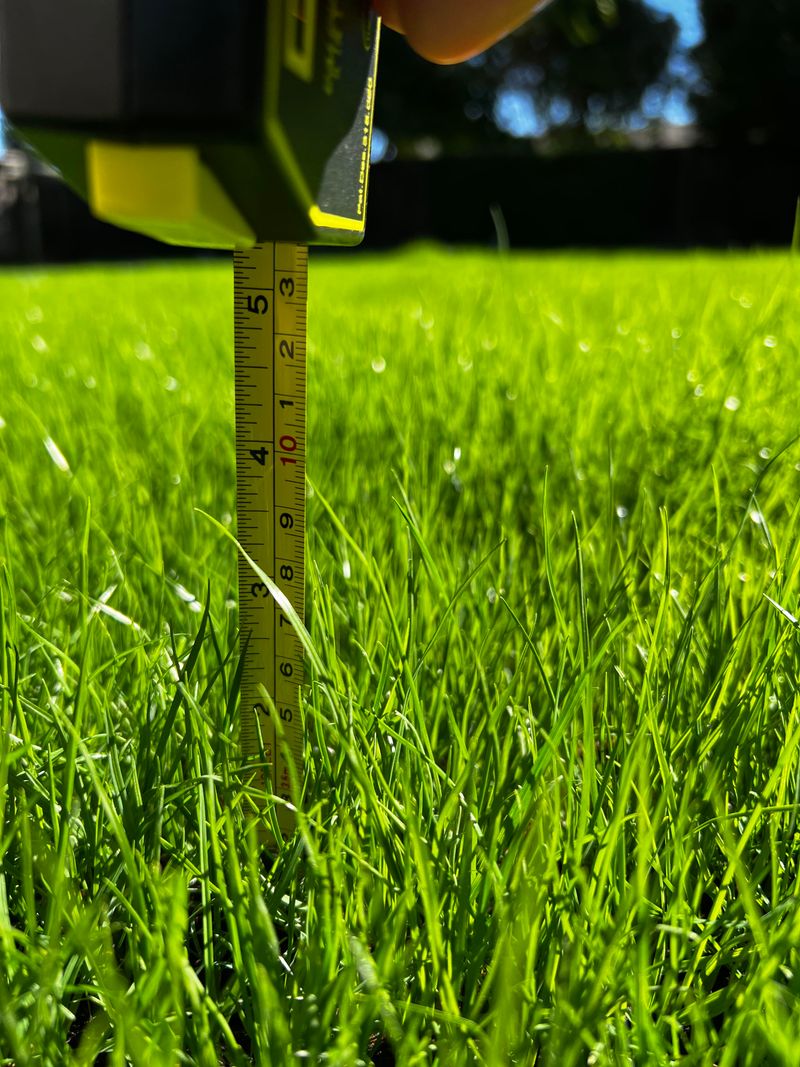
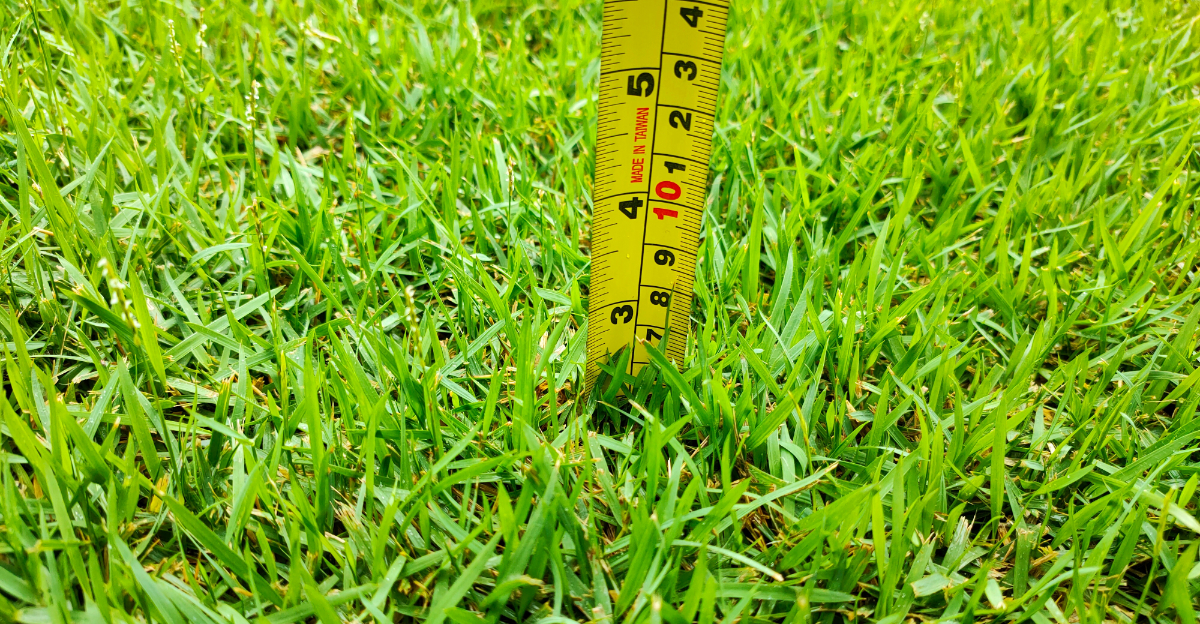
Getting the height right makes a real difference. For most home lawns in Arkansas, Bermuda grass should be mowed to a height between one and two inches during the summer growing season.
That range gives the grass enough leaf surface to keep photosynthesis running strong. It also shades the soil, which helps retain moisture between watering sessions.
Shaded soil stays cooler and holds water longer. Hybrid Bermuda varieties like Tifway 419 can handle slightly lower cuts around three-quarters of an inch.
Common Bermuda, which is what most residential lawns have, performs best closer to one and a half inches during peak summer heat. Check your mower deck setting before every cut. Many homeowners set the deck low once and forget to adjust it as conditions change.
A quick check takes less than a minute and can save weeks of recovery time. Mowing at the right height also improves the lawn’s appearance.
Bermuda grass cut at the correct summer height has a dense, carpet-like look that resists foot traffic well. Neighbors will notice the difference.
A simple rule to follow is the one-third rule. Avoid removing more than one-third of the grass blade in a single mow.
If your lawn has grown tall between cuts, raise the deck slightly for the first pass, then lower it gradually over the next few mowings. Patience here pays off with a stronger, healthier lawn all summer long.
How Often To Mow During Peak Growth

Bermuda grass does not wait around in summer. During peak growing season, it can push out new growth fast enough to need mowing every five to seven days in Arkansas heat.
Skipping mowing sessions is tempting when summer gets busy. But letting Bermuda grass grow too tall before cutting creates its own set of problems.
Tall grass forces you to cut off more blade, which triggers stress similar to scalping. Consistency is the key ingredient in a healthy summer mowing routine.
Regular cuts at the right height keep the lawn dense and even. Dense turf naturally crowds out weeds with far less extra effort from you.
Morning mowing works best during hot months. Cutting in the early hours gives the grass time to recover before afternoon heat peaks.
Evening mowing leaves cut surfaces exposed overnight, which can invite fungal issues in humid conditions. If rainfall has been heavy, expect to mow more frequently.
Bermuda grass responds quickly to moisture and nitrogen, pushing aggressive growth spurts after a good rain. Staying ahead of that growth keeps your routine manageable.
Track your mowing schedule loosely over a few weeks to find your lawn’s natural rhythm. Some yards in full sun need weekly cuts, while shaded sections grow slower.
Adjusting your frequency based on actual growth rather than a fixed calendar gives you better results and a healthier lawn that stays green all season.
Signs Your Lawn Has Been Cut Too Low

Your lawn will tell you when something is wrong. Knowing how to read those signals early can save you from weeks of repair work and a lot of frustration under the summer sun.
Yellowing or browning that appears within two to three days after mowing is a strong warning sign. Healthy Bermuda grass should stay green and vibrant after a proper cut.
Rapid color change points directly to stress from too-short cutting. A reddish tint across the lawn is another clue.
That discoloration happens when the grass is struggling to protect itself from intense UV exposure. It means the blades are too short to shade the crowns and stems properly.
Bare patches that seem to appear out of nowhere are a classic result of repeated low cuts. Each too-short mowing session weakens the turf a little more.
Eventually the grass thins out and bare soil becomes visible. Weed pressure that spikes after mowing is also worth noticing.
Crabgrass and other summer annuals move into thin turf almost immediately. If weeds seem to multiply right after you mow, your cut height is likely contributing to the problem.
One more telltale sign is slow recovery after rain. Healthy Bermuda grass bounces back quickly after a shower. Stressed, over-cut turf takes much longer to green up and fill in gaps.
Catching these signs early lets you raise the deck and give the lawn a real chance to recover before summer damage compounds.
Adjusting Mower Height As Seasons Change
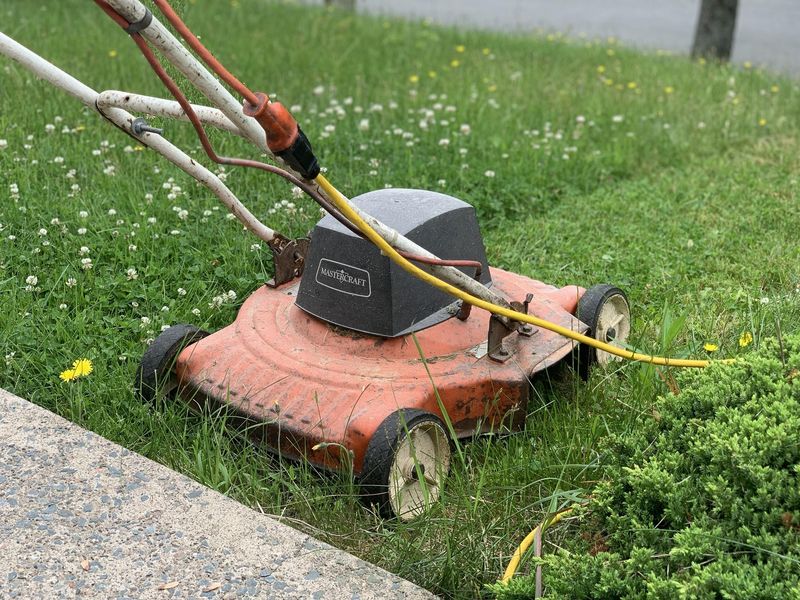
Mowing height is not a set-it-and-forget-it decision. Bermuda grass has different needs at different points in the year, and your mower deck should reflect those changing conditions.
In early spring, a lower cut helps remove winter dormancy debris and encourages faster green-up. Many lawn care professionals recommend a one-time scalp cut in late February or early March before new growth begins.
That window is safe because temperatures are still mild. As temperatures climb through May and June, begin raising the deck gradually.
Moving the cut height up by a quarter inch every few weeks allows the grass to adjust without shock. Gradual changes tend to be gentler than sudden ones.
Peak summer height should hold steady between one and two inches for most home lawns. Keep that setting consistent through July and August, when heat stress is at its highest.
Resist the urge to drop the deck just because the lawn looks a little shaggy between cuts. When September arrives and temperatures start to ease, you can begin lowering the height slightly again.
Shorter cuts in early fall help prepare the lawn for overseeding or winter dormancy, depending on your lawn goals. Keeping a simple seasonal mowing chart on your phone or garage wall takes the guesswork out of the process.
The summer mowing mistake many Arkansas Bermuda grass owners make is often just a lack of seasonal awareness. A small adjustment at the right time makes a big difference across the entire growing year.