What Black Swallow-Wort Does To Michigan Butterfly Gardens Before Monarchs Ever Arrive
A butterfly garden can look completely ready for monarch season and still have trouble hiding in plain sight.
Milkweed pushes up. Coneflowers fill out. The sunny edge starts looking exactly like the pollinator haven you planned.
Then one vine begins threading quietly through the scene.
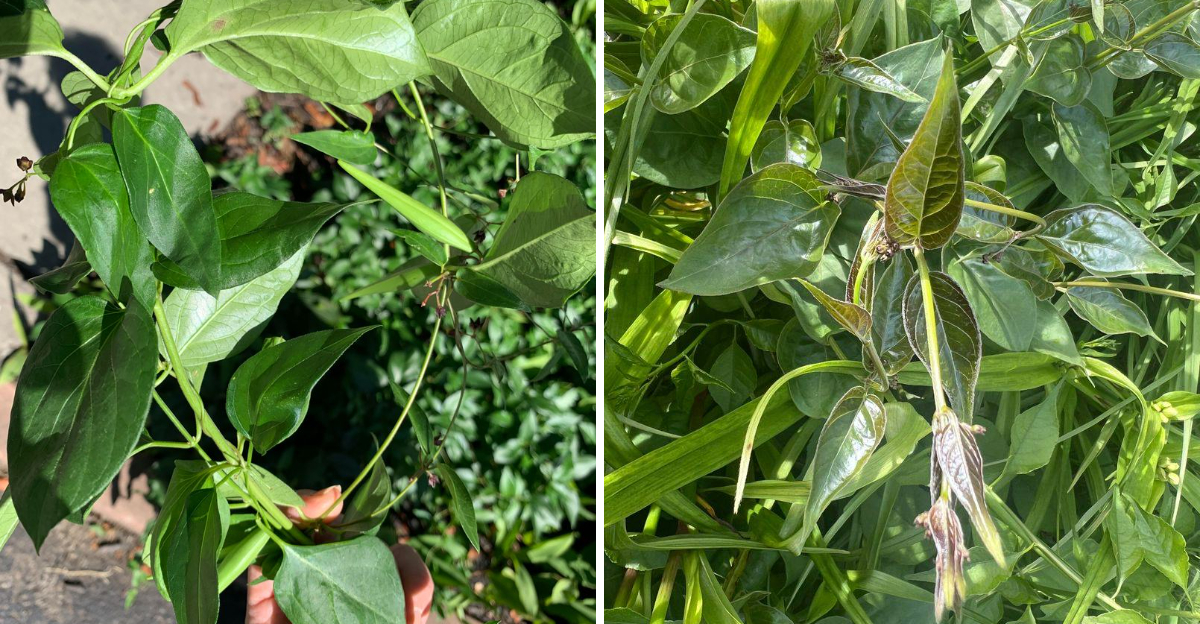
At first, it does not look especially threatening. The leaves are green. The stems seem harmless. It may even blend into the plants you actually wanted there.
That is what makes the timing so frustrating.
By the time monarchs begin searching the yard, this visitor may already be climbing, competing, and preparing to spread far beyond the original patch.
So what should Michigan gardeners be watching for before the butterflies arrive?
The answer starts with a vine that can imitate just enough of the right plant family to cause trouble, then take advantage of every bit of space gardeners leave open.
Spot it early, and the story changes. Miss it, and your butterfly garden may quietly become something very different before summer truly gets moving.
1. Monarchs Can Mistake It For The Milkweed They Need
A monarch looking for a place to lay eggs does not arrive with a plant label in hand.
She relies on chemical and visual cues to find members of the milkweed family. Black swallow-wort belongs to that same plant family, which is part of what makes it such a problem in a butterfly garden.
Monarchs can sometimes lay eggs on it.
The trouble starts after that. Monarch caterpillars cannot successfully develop on black swallow-wort, so the vine may look close enough to attract attention without providing the food larvae actually need.
That makes accurate identification worth learning before monarch activity picks up.
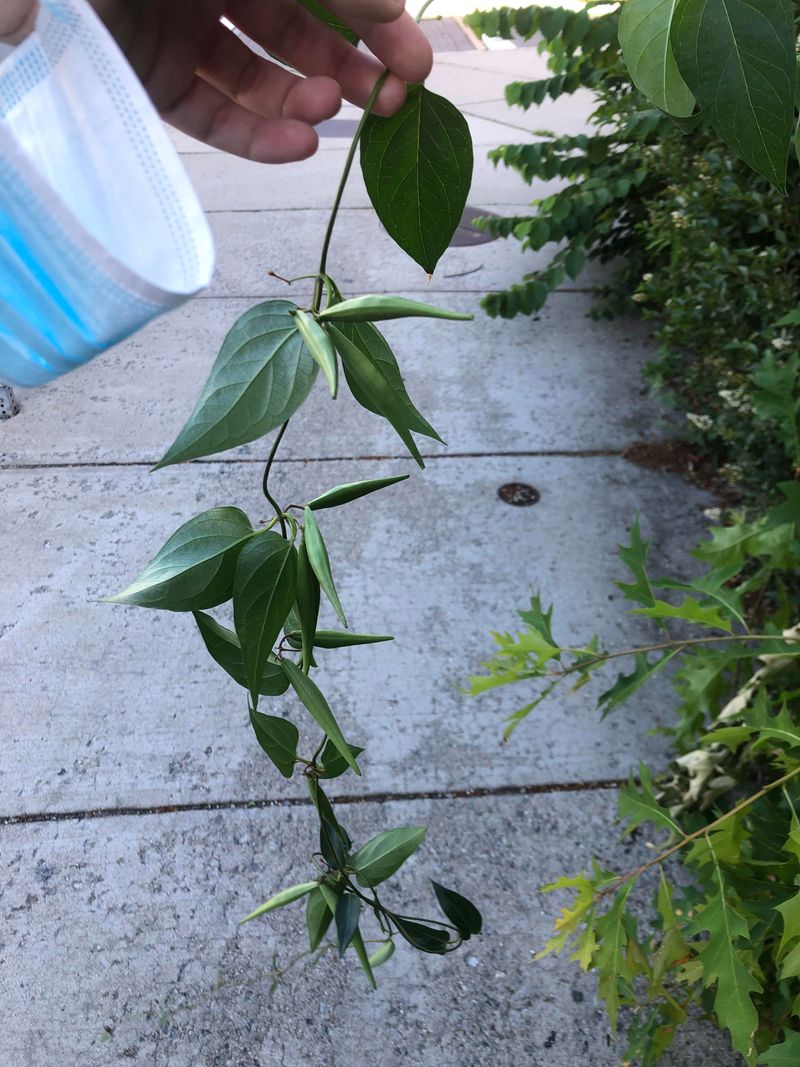
Black swallow-wort has glossy, opposite leaves on twining stems. Its flowers are small, dark purple, and star-shaped. Common milkweed looks very different once mature, with broad leaves and larger pink flower clusters.
Check sunny beds, fence lines, and the edges of established milkweed patches in late spring and early summer. Young vines can hide among desirable plants before they start climbing above them.
Remove small plants before flowering when possible, taking the root crown with them.
The goal is not to make the garden perfectly tidy. It is to keep the real host plants easy to find.
Monarchs already have enough navigation work to do. Your butterfly bed does not need a convincing decoy mixed into the route.
2. Native Butterfly Plants Can Lose Space Before Summer Peaks

Black swallow-wort does not need to chase native plants out of the garden overnight.
It can win slowly.
The vine climbs into open light, spreads across neighboring stems, and competes for the same moisture, nutrients, and space that milkweeds and nectar plants need. Over time, a thick patch can leave fewer resources for the plants butterflies actually use.
That matters beyond monarchs.
Common milkweed, butterfly weed, wild bergamot, coneflower, and other flowering natives help support a broader mix of pollinators through the season. When one aggressive vine begins dominating the bed, that variety can shrink.
Your Michigan Garden Changes Every Week. Your Plan Should Too.
Gardening in Michigan changes quickly throughout the season. Every Friday you’ll receive a simple weekly plan showing exactly what to plant, prune, fertilize, harvest, and protect so you never miss the right timing.
Walk the garden before everything gets tall enough to hide the problem.
Look for glossy leaves arranged in opposite pairs and thin stems beginning to twist around nearby plants. Check behind established perennials, around fences, and along the back of borders where vines can grow for weeks without much attention.
Pull or dig small plants promptly when practical. Then give the desirable plants room to recover rather than leaving a bare patch for the next weed to claim.
A butterfly garden works best as a collection of useful plants, not a green wall made by one opportunist.
Black swallow-wort may arrive quietly, but it is not shy about taking elbow room.
Your milkweed should not have to fight for the seat you planted it to fill.
3. Twining Vines Can Smother The Shape Of The Garden
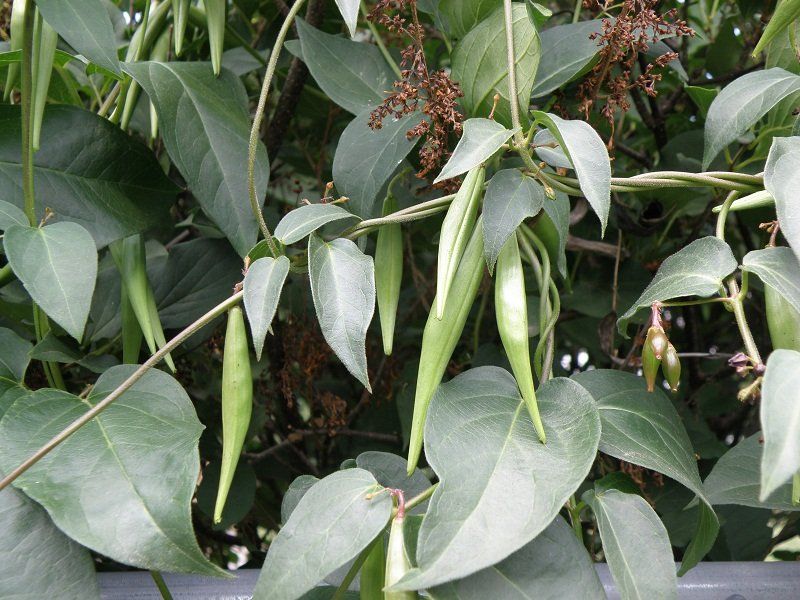
The first black swallow-wort stem can look almost too flimsy to worry about.
Give it a little time.
This perennial vine can climb several feet in a season, wrapping itself around milkweed stalks, ornamental grasses, fencing, and whatever else offers support. One stem becomes several. Several become a tangle.
That physical growth changes the garden before flowers and seed pods ever become the main concern.
Dense vines can shade shorter plants and pull them together into a crowded mass. Milkweeds and nectar plants underneath may get less light and less room to develop normally.
Spring is the easier time to catch the problem.
Young shoots are simpler to trace before they disappear into surrounding foliage. Follow each stem toward the soil and remove the root crown when the infestation is small enough to dig.
Wear gloves during removal because the sap may irritate some people’s skin.
Then keep checking the same area. Black swallow-wort can return from established underground parts, so one satisfying pull does not always end the job.
Fence lines deserve extra attention. They give twining stems an instant ladder and can hide the plant from casual view.
There is a point when a vine stops borrowing support and starts redecorating the whole bed.
Catch black swallow-wort before it reaches that point, and your perennials get to keep their personal space.
4. Windblown Seeds Can Carry The Problem Beyond One Bed
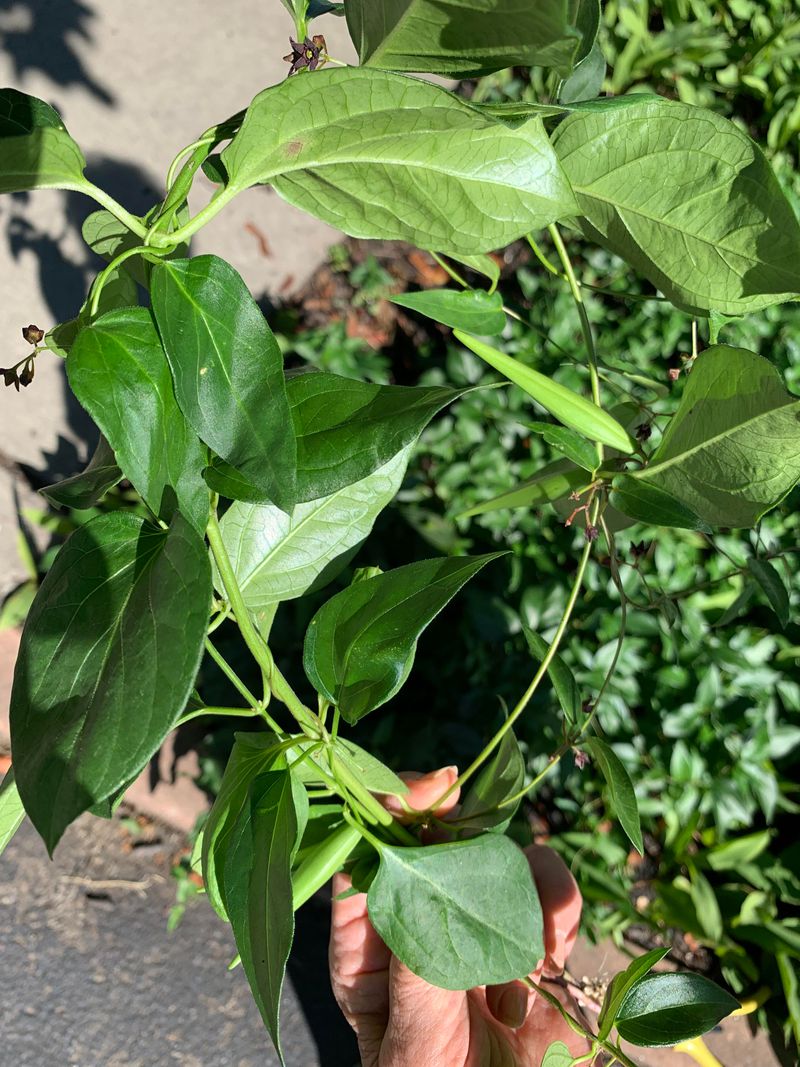
Black swallow-wort saves one of its biggest tricks for late summer.
The pods open.
Each slender pod can release seeds attached to silky fibers that catch the wind. Once those little parachutes lift off, the problem can move beyond the original garden bed and into neighboring yards, roadsides, and natural areas.
That is why pod timing matters so much.
Watch established vines as summer progresses. Green pods may look harmless while they are still closed, but waiting for them to split gives the seeds a chance to travel wherever the breeze takes them.
Remove seed-bearing material carefully before that happens.
Bag pods and vines rather than tossing them onto an open compost pile. Seeds can continue developing after stems are cut, so casual disposal can undo a lot of careful removal work.
Check the area around the original patch too. New plants do not always appear directly beside the parent vine. Wind can scatter seed across surprising distances within the landscape.
Neighbors can help here. A patch on the other side of a fence can keep sending new seed into a cleaned-up garden even after your own plants are gone.
This is one invasive plant that does not respect property lines or garden plans.
Stopping the pods before they open keeps the problem local.
Letting them fly gives every breeze a chance to become the delivery driver.
5. Root Crowns Can Turn One Cut Into A Repeat Chore
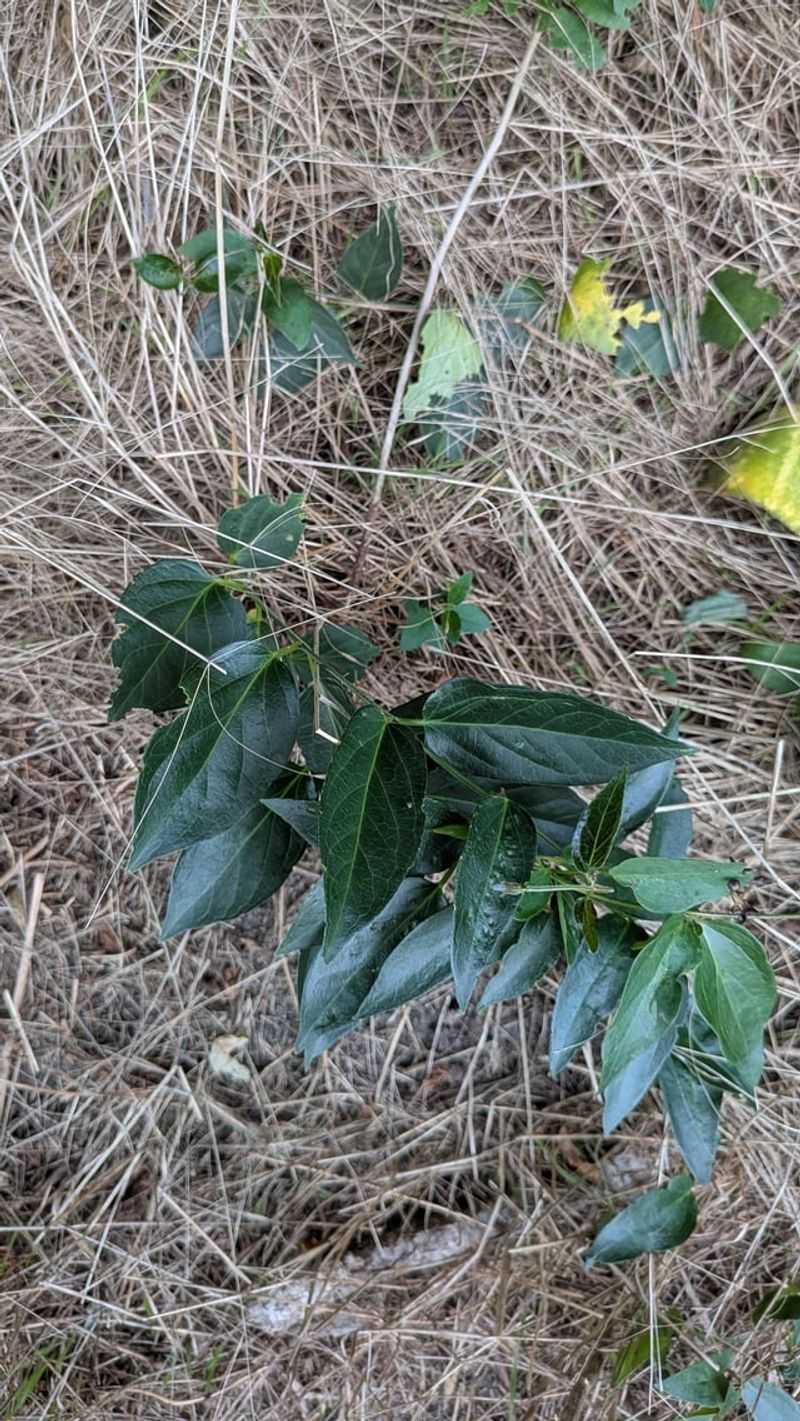
Cutting black swallow-wort at ground level can feel wonderfully final.
The roots may have other plans.
Established plants grow from a persistent crown near the soil surface. When only the top growth disappears, that underground structure can send up new stems and turn your neat cleanup into a repeat appointment.
For a small patch, digging usually gives you a better shot at slowing the plant down.
Work when the soil is moist and loosen the area around the crown with a narrow garden fork or trowel. Lift as much of the crown and upper root system as you can without tearing through nearby desirable plants.
Then mark the spot.
That tiny step saves a surprising amount of time later. New shoots can blend into surrounding growth, especially once perennials fill the bed. A marker reminds you exactly where to look during follow-up checks.
Do not expect one removal session to solve every established patch. Root pieces may remain, and seedlings already waiting in the soil can appear later.
Return every few weeks through the growing season and deal with regrowth while it is still small.
Larger infestations may require a more involved management plan than hand digging alone.
Black swallow-wort plays the long game underground.
Gardeners have to play one too, only with better tools and a much less annoying comeback schedule.
6. Shrubs And Perennials Can Become Free Climbing Frames
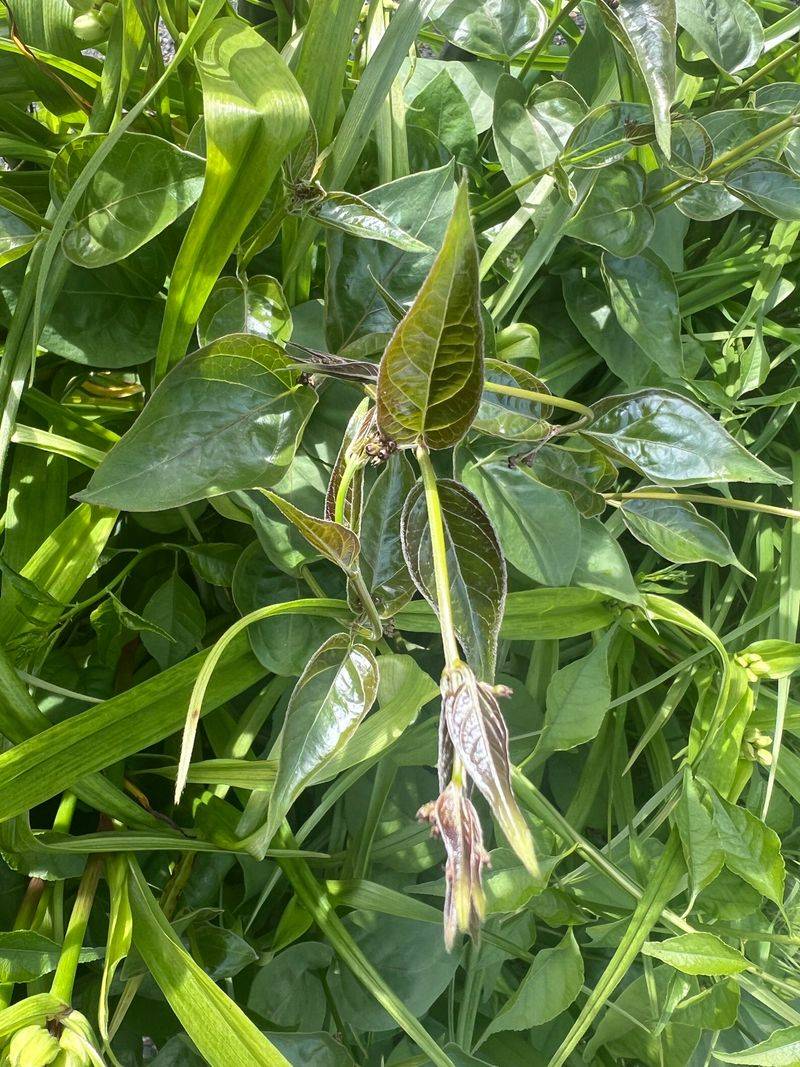
Black swallow-wort becomes especially irritating once it finds a shrub.
The branches do all the climbing work for it.
Thin vines wind through native viburnums, buttonbush, tall perennials, and ornamental shrubs, using those plants like ready-made trellises.
By the time you notice the glossy leaves near the top, the stem may already be threaded through several layers of growth.
Do not yank first and investigate later.
Pulling a tangled vine hard can snap tender branches, bend flower stems, or uproot smaller plants along with it. Trace the vine toward the base instead.
Cut the stem low near the crown. Then leave the upper portion in place briefly when necessary so it can dry and loosen. Once the vine loses flexibility, it is often easier to unwind without turning the host plant into collateral damage.
Check around the shrub’s base for additional stems too. What looks like one vine overhead may be several plants climbing through the same canopy.
Monthly walks from late spring through summer can make this job much easier. Young stems are far simpler to remove before they reach shoulder height.
Your shrubs already have enough responsibilities. They make flowers, berries, shade, and structure.
Serving as free scaffolding for an invasive vine should not be added to the list.
Catch the climber low, and the shrub gets to keep the spotlight.
7. Small Patches Are Much Easier To Stop Before Pods Open
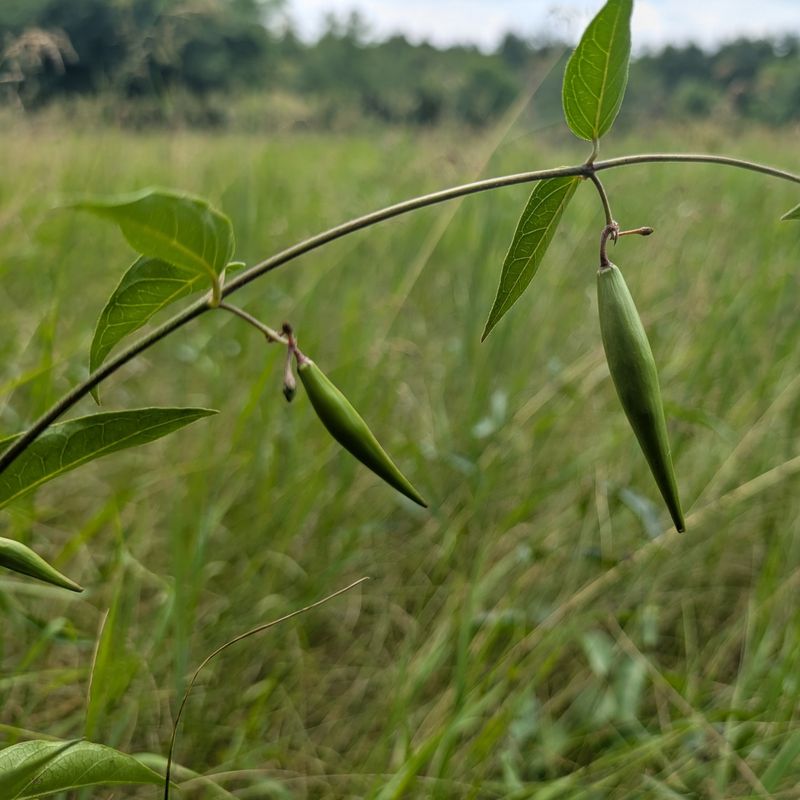
Finding only a few black swallow-wort plants is one of those rare garden problems that counts as good news.
Small patches are far easier to manage before roots spread widely and seed pods begin opening.
Start with the crown.
Loosen moist soil around each plant with a trowel or narrow fork, then lift the crown and as much attached root material as practical. Pulling only the vine tops may leave enough underground growth for another round.
Seed pods change the cleanup routine.
Any plant carrying pods should go directly into a bag. Do not drag it across the garden first, and do not toss it onto a home compost pile. Even green pods may continue to mature after cutting.
Once the patch is cleared, mark the location and come back.
Check every few weeks through the rest of the growing season. New shoots from missed root pieces and young seedlings are much easier to handle while they are small.
Keep that same spot on next spring’s garden checklist too. Seeds already present in the soil can make the patch look like it returned from nowhere.
Early removal is less dramatic than battling a wall of mature vines, and that is exactly the point.
A small infestation is the moment to be boring, thorough, and persistent.
Future you will be very grateful that present you brought the trowel.
8. Replanting With Natives Gives Butterflies Their Space Back
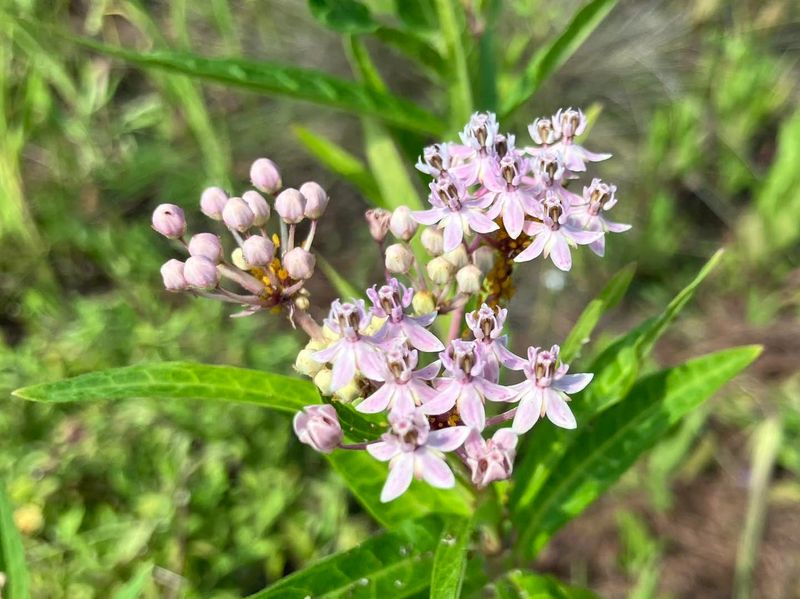
Removing black swallow-wort leaves one more decision behind.
What gets the empty space?
Bare soil rarely stays empty for long. New weeds can move in, and swallow-wort seedlings may get another easy opening if the cleaned area sits exposed.
Refill that space with plants you actually want.
Choose Michigan native species suited to the site’s light and moisture. Common milkweed can work in sunny areas with average to drier soil.
Butterfly weed suits well-drained spots. Wild bergamot and purple coneflower add nectar and color through summer.
A fuller native planting does more than make the bed look finished.
Established roots occupy soil space, leaves shade the ground, and desirable plants make it easier to notice an unfamiliar vine trying to sneak back into the mix.
Keep checking the restored patch during the first couple of growing seasons. Pull new swallow-wort seedlings while the roots are still small and easy to remove.
Do not let successful replanting create false confidence. Old seed in the soil can keep producing surprises for a while.
The reward is worth the follow-up.
Instead of leaving a gap where an invasive vine once dominated, you rebuild the exact habitat the garden was supposed to provide in the first place.
That is a much better comeback story.
The swallow-wort loses ground, and the butterflies finally get the garden you meant to give them.