This Is Where Spider Mites Damage Michigan Fall Crops First
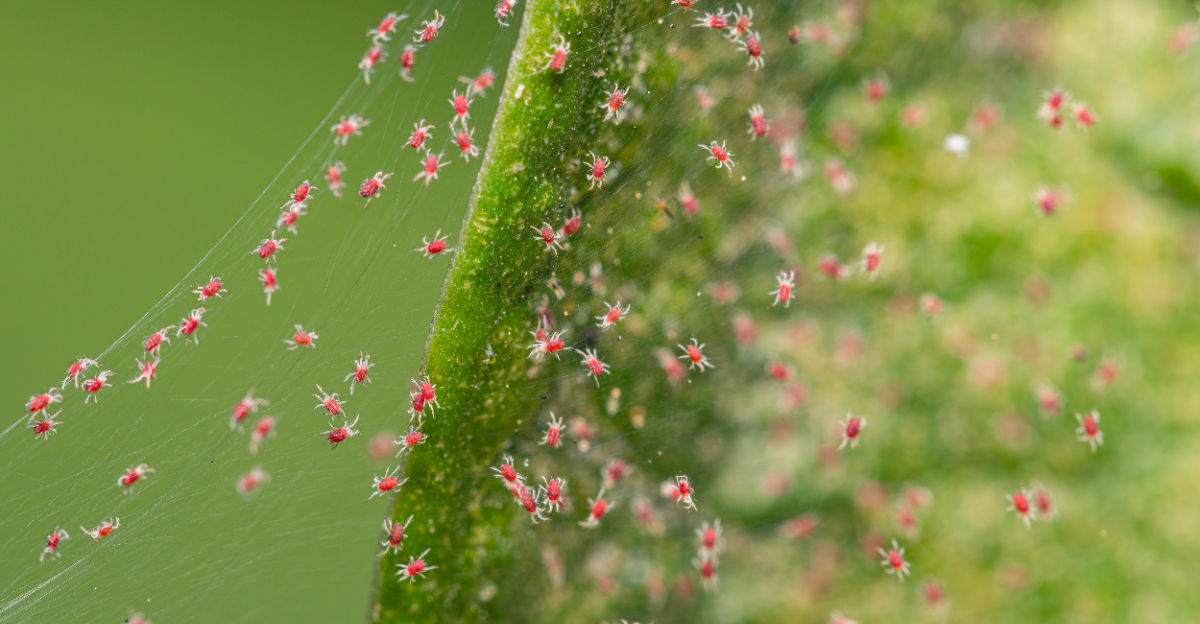
Spider mites don’t disappear once summer heat fades, and Michigan fall crops face their own specific vulnerability that most gardeners never think to check.
By the time obvious damage becomes visible, these pests have often already spread significantly further than expected.
There’s a particular spot on fall crops where feeding tends to start, one that rarely gets checked until problems are already well underway. Understanding exactly where to look changes how early you can catch an infestation before it spreads across an entire planting.
Many gardeners assume mite season ends with summer, missing the fact that fall crops face this same threat all over again. Once you know where to check first, spotting early damage becomes far easier than most people realize.
Catching this now could protect your fall harvest from a problem that’s much harder to manage once it takes hold.
1. Start With The Lower Leaves
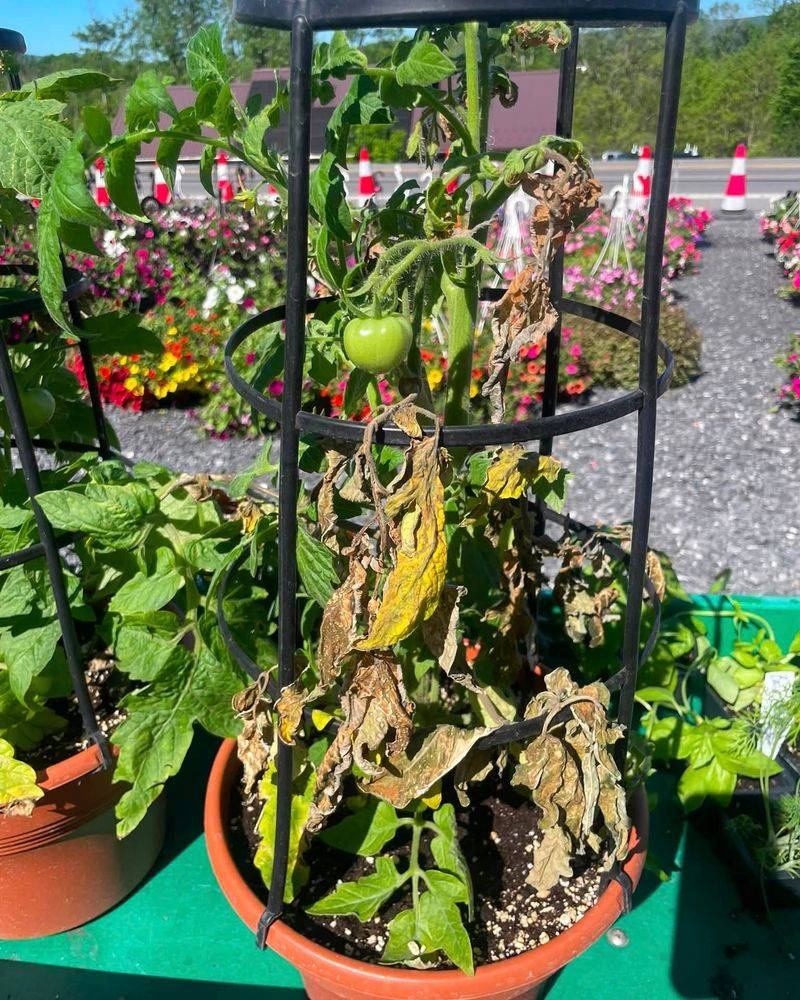
Older leaves near the bottom of a plant often tell the first part of the story. Spider mites like to settle there because those leaves are shaded, calm, and easy to reach.
Lower foliage also tends to be a little weaker than the fresh growth on top. That makes it a comfortable place for mites to feed and multiply without much disturbance.
When you scout your fall crops, kneel down and study the leaves closest to the soil first. These are the ones most likely to show early speckling, fading color, or a tired, worn look.
Because these leaves are older, gardeners sometimes ignore them and blame the changes on age or cool nights. That mistake lets a small problem grow into a bigger one.
A smart habit is to check the bottom third of each plant every few days. You are not looking for anything dramatic yet, just small hints that something is nibbling.
Crops like beans, cucumbers, and tomatoes often show mite clues on lower leaves before anywhere else. Leafy greens can react the same way when the air stays dry.
If you spot trouble down low, you can act before it climbs upward toward the healthy new leaves. Removing a few badly spotted lower leaves can also slow the pests down.
Think of the lower leaves as your early warning zone. Checking them first turns a quick glance into real protection for the whole plant.
2. Turn The Leaves Over
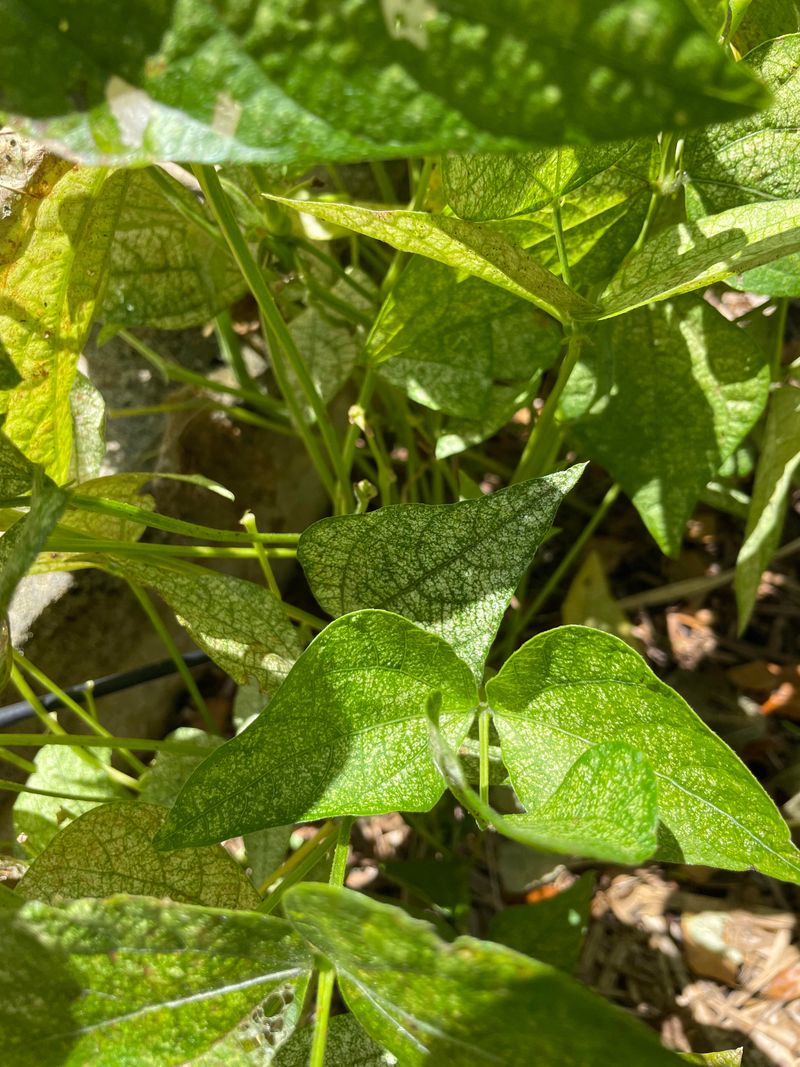
The top of a leaf might look perfectly fine while trouble hides right underneath. Spider mites love the sheltered underside, where they feel safe and protected from wind and rain.
Flipping leaves over is one of the smartest moves a gardener can make. That hidden surface is where mites feed, lay their eggs, and raise their young.
Up close, you might notice tiny moving dots, round pale eggs, or a slightly grainy texture. These are all signs that a colony has moved in and started to grow.
Because mites are so small, a magnifying glass or phone camera zoom really helps. Even a quick photo can reveal specks your eyes would normally miss.
Your Michigan Garden Changes Every Week. Your Plan Should Too.
Gardening in Michigan changes quickly throughout the season. Every Friday you’ll receive a simple weekly plan showing exactly what to plant, prune, fertilize, harvest, and protect so you never miss the right timing.
When you check your fall crops, gently lift several leaves from different parts of the plant. Focus on the shaded inner leaves as well as the lower ones.
Eggs are especially important to spot early. A cluster of eggs today can turn into a crowd of hungry mites in just a week or two.
Rain and overhead watering bother mites, which is one reason they hide beneath leaves. That habit works against them, though, because it tells you exactly where to search.
Make leaf flipping part of your regular routine, not just something you do when a plant looks sick. Two or three times a week is plenty during warm, dry stretches.
By checking undersides often, you catch mites while their numbers are still small and easy to handle.
3. Look For Tiny Pale Specks
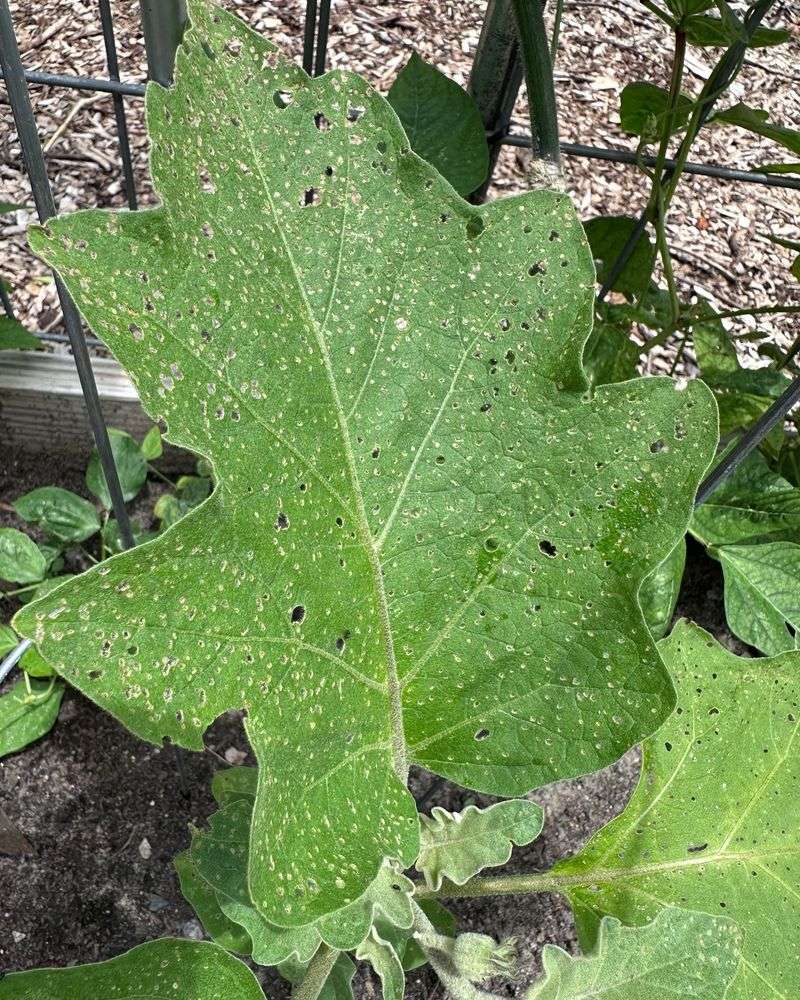
One of the earliest signs of spider mites is a scatter of small pale dots across the leaves. These little specks are often yellow or almost white and easy to overlook.
Each dot marks a spot where a mite has poked the leaf and sipped out the juices inside. As more mites feed, more dots appear and start to blend together.
Gardeners call this pattern stippling, and it looks a bit like someone sprinkled tiny grains of salt on the leaf. From a distance the leaf might just seem faded or dull.
Catching this stage is a real win because the plant is still mostly healthy. The damage is light, and you have plenty of time to respond.
Hold a leaf up toward the light and look closely at the surface. The pale specks often show up more clearly when sunlight passes through the leaf.
Fall crops like beans, eggplants, and greens tend to show stippling first on the leaves that mites reach earliest. That usually means the older or lower foliage.
If the dots start spreading and joining into larger patches, the mite numbers are climbing fast. That is your signal to take stronger action right away.
A gentle spray of water on leaf undersides can knock many mites off during these early days. Doing this a few times can slow their spread. Learning to spot these small specks early gives you the upper hand before real harm sets in.
4. Watch For A Dusty Look
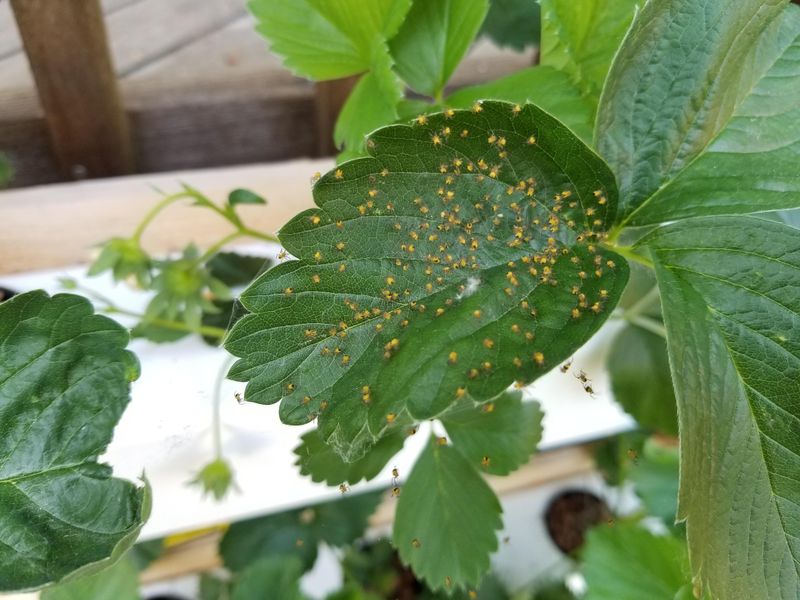
Sometimes a leaf just looks dirty, as if fine dust settled on it and never washed away. That grimy appearance can actually be an early sign of spider mites at work.
What seems like dust is often a mix of tiny mites, shed skins, and the first threads of webbing. Together they give the leaf a dull, powdery coating.
Because it looks so ordinary, many gardeners wipe it off and move on. Taking a closer look instead can save you a lot of trouble later.
Run your finger gently across the surface and watch for movement. If the dust seems to shift or crawl, you are likely dealing with mites.
This messy stage means the colony has been growing for a little while. It sits between the first faint specks and the heavy webbing that comes later.
Fall plants in dry corners of the garden often show this dusty look first. Low airflow and warm afternoons let mites build up quietly.
Checking with a magnifier makes the difference clear. Real dust stays still, while mites and their leftover skins create a busy, textured mess.
Spotting the dusty stage is a helpful middle warning. You still have good options, but you should act soon rather than wait.
Rinsing leaves with a firm spray of water can remove much of the buildup and many of the mites. Repeating this every couple of days keeps their numbers down. Never brush off a dusty leaf without a second glance during warm weather.
5. Check The Driest Plants First
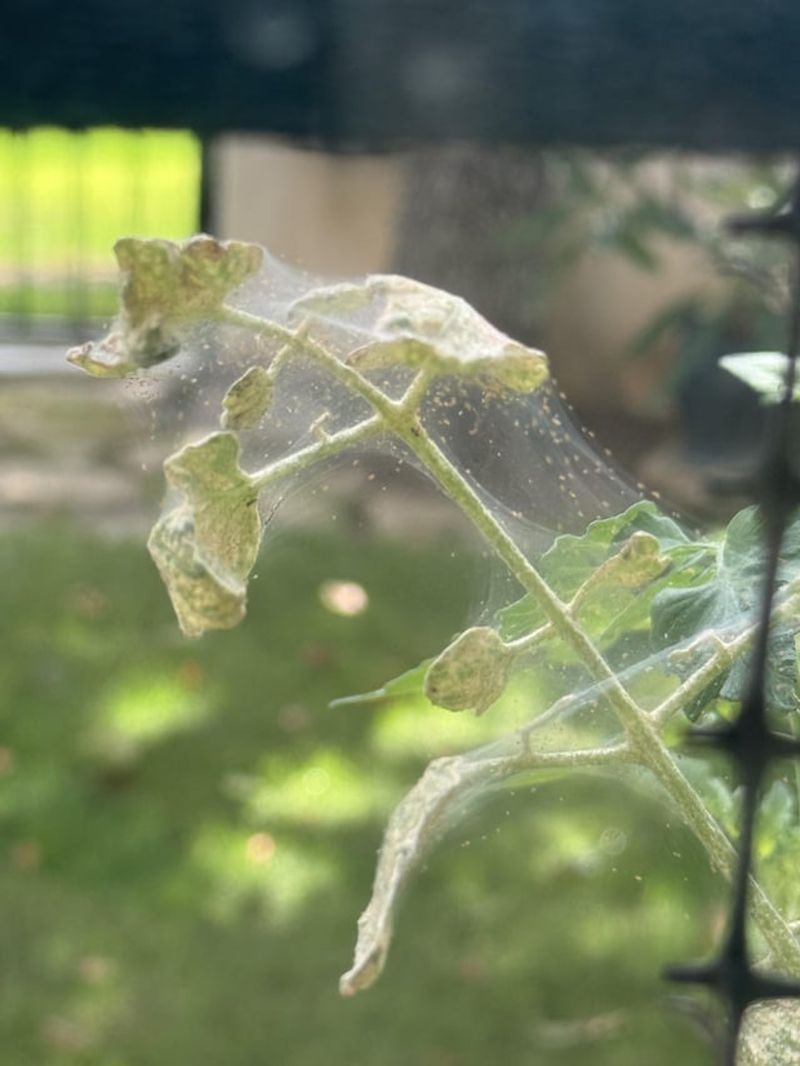
Thirsty, stressed plants are like open invitations for spider mites. When the weather turns hot and dry, these pests breed faster and spread with surprising speed.
Plants that lack water grow weaker and struggle to defend themselves. That makes their leaves easier targets for hungry mites looking for a meal.
During a warm Michigan fall, the driest spots in your garden deserve your first inspection. Check plants near walls, fences, or sunny edges where moisture disappears quickly.
Mites thrive in dusty, dry conditions, so gardens that miss regular watering face higher risk. A few dry days in a row can trigger a population boom.
Look at plants that wilt in the afternoon or have crisp, curling leaf edges. These stressed plants often show mite damage before their well-watered neighbors.
Keeping soil evenly moist is one of the simplest ways to slow mites down. Steady watering helps plants stay strong and less inviting.
A light misting of leaves on hot days also makes the area less friendly to mites. They prefer things dry, so extra moisture works against them.
Mulch around your plants to hold water in the soil and reduce dusty conditions. Less dust often means fewer mites settling in.
When you scout, start with the crops that look thirstiest and work toward the healthiest ones. That order helps you find hot spots fast. Paying attention to dry, stressed plants gives you a clear map of where mites will likely appear first.
6. Do Not Wait For Webbing
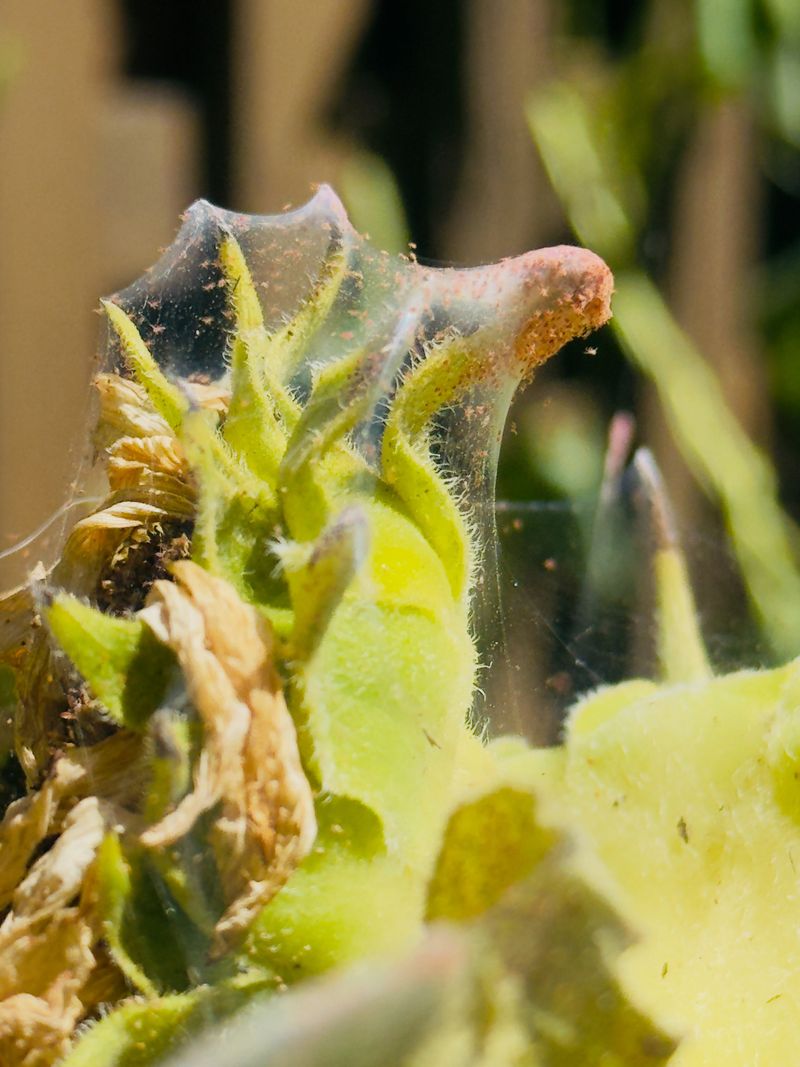
Fine silky webbing stretched across leaves might look almost pretty, but it is a warning you should not ignore. By the time webbing appears, the mite population is usually large.
Those threads come from thousands of mites moving, feeding, and spreading. Webbing means the problem has been building quietly for a while.
Many gardeners only notice mites at this stage because the webbing finally catches their eye. Unfortunately, that late discovery makes the pests harder to manage.
Heavy webbing helps mites travel from leaf to leaf and even to nearby plants. It also shields them, making sprays and washes less effective.
The lesson here is simple: catch mites long before webbing forms. Regular scouting for specks and dusty leaves keeps you ahead of the game.
If you do find webbing, act quickly and firmly. Prune the most heavily covered leaves and remove them from the garden completely.
Follow up with strong sprays of water aimed at the undersides of remaining leaves. Doing this several days in a row helps break the cycle.
Watch nearby plants closely, since mites often spread outward from the first webbed one. Early attention keeps a small outbreak from becoming a garden-wide issue.
Think of webbing as a red flag rather than the starting point of your battle. The real work happens during the quiet stages before it shows. Staying watchful and treating problems early means you rarely have to face heavy webbing at all.
7. Compare Healthy And Damaged Leaves
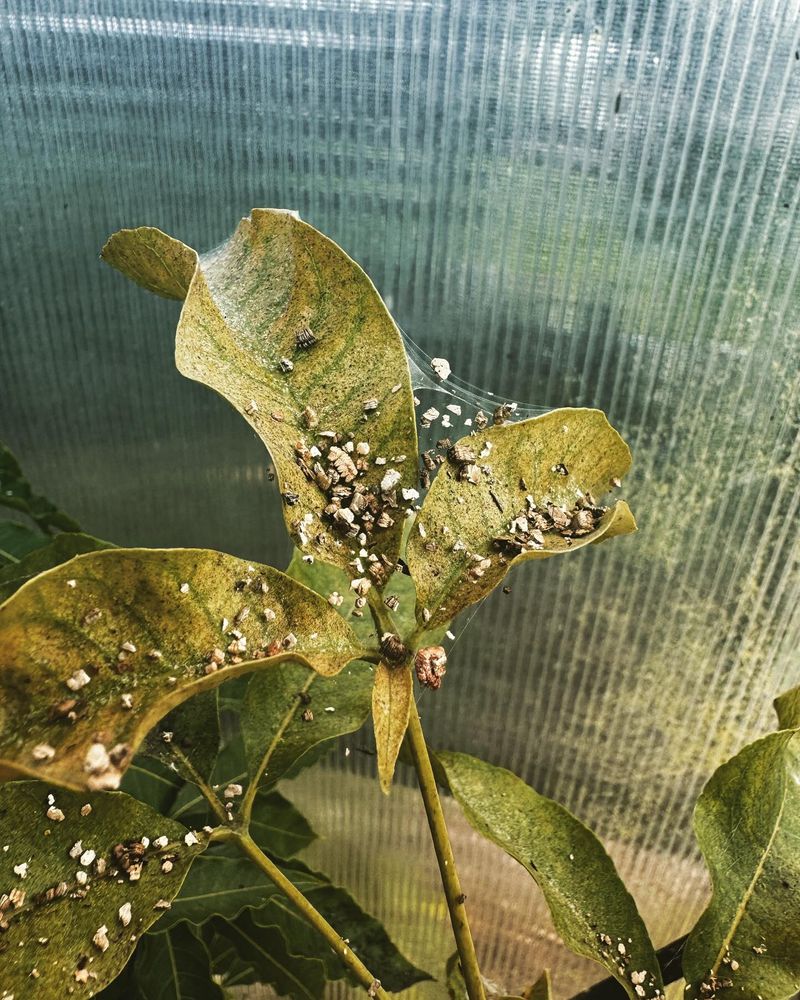
Sometimes the easiest way to spot trouble is to hold two leaves side by side. A healthy leaf and a damaged one look very different once you compare them directly.
Early mite damage can be subtle, so a single leaf might not raise any alarm. Next to a bright green neighbor, though, the differences jump right out.
Look for a leaf that seems paler, duller, or slightly bronzed compared to the others. That faded tone often points to mites feeding underneath.
Bronzing happens when many tiny feeding spots blend together and give the leaf a brownish sheen. It is a clue that damage is moving past the earliest stage.
When you walk your garden, pick a leaf that looks off and grab a healthy one from the same plant. Compare their color, texture, and shine.
This side-by-side trick trains your eyes to notice small changes faster. Over time, you will spot early stippling almost without thinking.
Comparing leaves also helps you tell mite damage apart from other issues. Weather stress, sunscorch, and nutrient problems each leave their own patterns.
If the damaged leaf shows fine specks and a dusty underside, mites are the likely cause. That confirmation helps you choose the right response.
Try comparing leaves on several plants during each scouting trip. The contrast makes hidden trouble easier to catch across your whole garden. A simple side-by-side look turns guesswork into a clear, confident diagnosis every time.
8. Scout Before Leaves Turn Brown
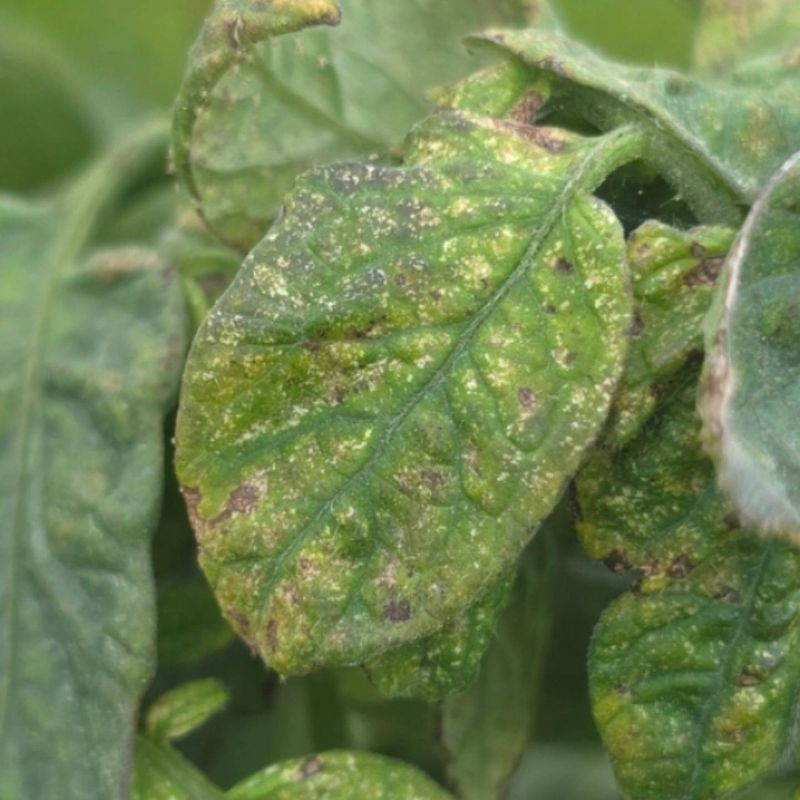
The best time to find spider mites is well before leaves start browning. Once foliage turns crisp and brown, the plant has already lost a lot of strength.
Regular scouting during the green, healthy stage gives you far more choices. You can rinse, prune, or treat while the plant is still able to bounce back.
Waiting until brown patches appear limits what you can do. At that point, much of the damage is set, and recovery becomes slower and harder.
Set a simple schedule to walk your fall crops every few days. A short, careful look each time beats one long inspection once a week.
During warm, dry spells, check even more often since mites move fast in that weather. Consistency is what keeps you ahead of them.
Bring a magnifier or use your phone camera to spot mites while numbers are low. Early sightings mean gentle, easy fixes.
Strong sprays of water, careful pruning, and steady moisture often handle small outbreaks nicely. These simple steps work best when you start early.
Healthy plants also resist mites better, so good watering and feeding pay off. A vigorous crop can shrug off light feeding with little trouble.
Think of scouting as a habit that protects all your hard work. A few minutes of looking saves you from big losses later. Catch mites while leaves are still green, and your fall garden stays strong right through the season.