More Purple Martins In Your Texas Skies Means Fewer Mosquitos In August
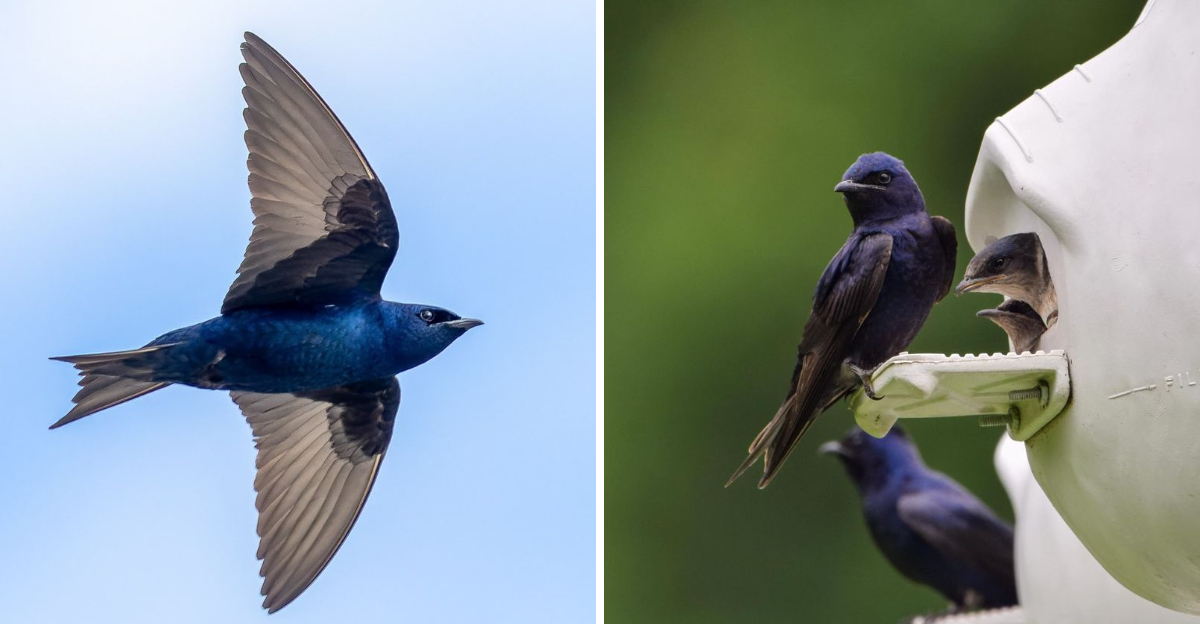
Texas skies can look surprisingly busy on an August evening.
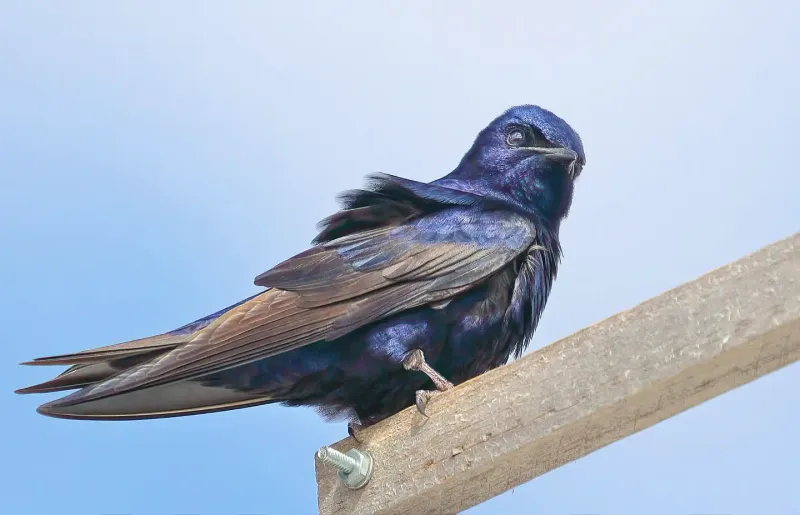
Purple martins sweep overhead. Wings flash against the sunset. Whole groups bank across open air like they have somewhere important to be.
Meanwhile, one mosquito finds your ankle in about twelve seconds.
So what exactly is going on up there?
It is tempting to connect more insect-eating birds with fewer bites below. The idea sounds almost too perfect. Invite the right birds, let them patrol the sky, and enjoy the patio without becoming dinner yourself.
Nature is a little less convenient than that.
Purple martins really are remarkable aerial hunters, and Texas gives bird lovers some spectacular late-summer activity to watch.
Their menu, feeding height, and daily rhythm simply tell a more interesting story than the old mosquito-control claim suggests.
That does not make a martin colony any less worth welcoming.
It just means the best August backyard plan has two parts: enjoy what the birds actually do overhead, then handle the mosquito problem where it really begins down below.
1. Let Purple Martins Hunt Flying Insects Overhead
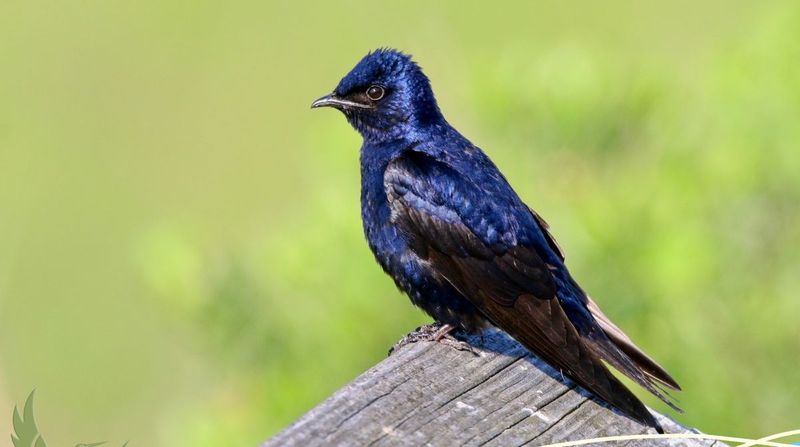
Purple martins turn insect hunting into an aerial performance.
These birds spend much of the day catching food in flight, sweeping across open spaces and snapping up insects as they go.
Their broad mouths help them grab prey without landing, which makes a busy colony fascinating to watch over a Texas yard.
That activity is real insect control in the broadest sense. Martins eat flying insects while feeding themselves and their young. The important detail is that they are generalists, not tiny mosquito patrol officers with assigned neighborhoods.
Their menu changes with whatever is abundant in the air. Beetles, flying ants, moths, mayflies, wasps, and other insects can all become part of the hunt.
Watch them after a weather change and you may notice their flight pattern shift. Insects move differently with temperature, wind, and cloud cover, and the birds follow the food.
Open space helps. Martins need clear flight lanes around their housing so they can approach, leave, and feed without weaving through dense branches.
That makes a large lawn, field edge, pond area, or other open setting especially useful.
So yes, those birds overhead are working for dinner.
Just do not hand them the entire mosquito-control department. Purple martins are impressive hunters, but their job description is much broader than the old backyard legend suggests.
2. Expect Larger Flying Insects On The Menu
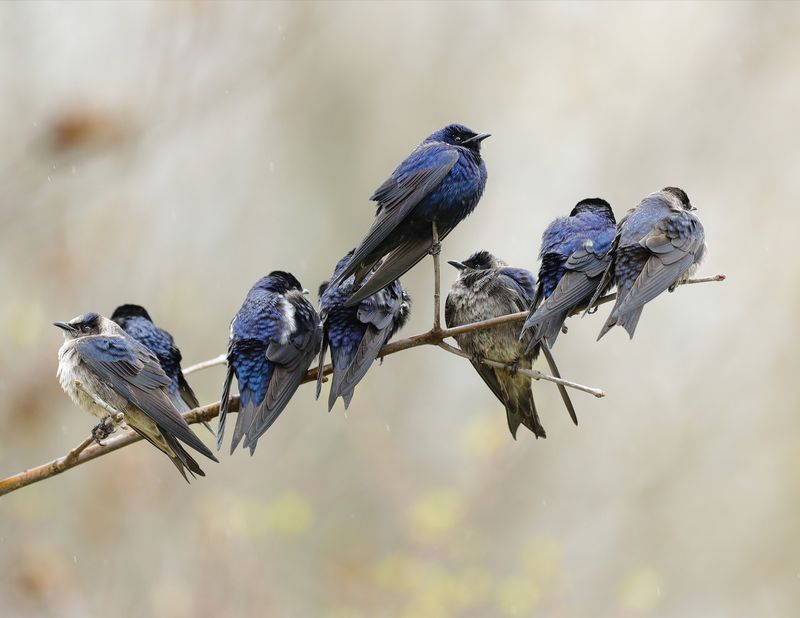
A purple martin is not looking for the smallest insect in the sky first.
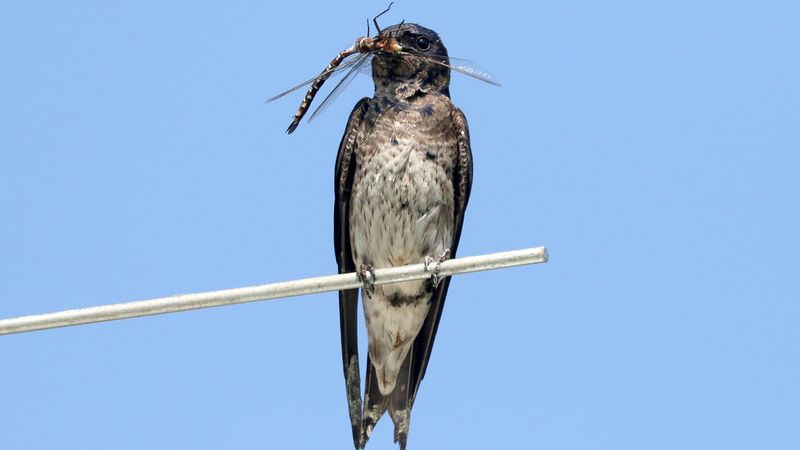
Larger flying prey can offer a much better return for the effort. Beetles, dragonflies, moths, flying ants, mayflies, and wasps all fit naturally into the martin diet when those insects are available.
That helps explain why mosquito expectations often get exaggerated.
Mosquitoes are tiny. Many stay low around vegetation, shaded corners, people, and animals. Purple martins spend much of their feeding time in more open airspace, where larger insects may be easier to spot and catch.
A martin can certainly eat a mosquito that crosses its path. That does not make mosquitoes a major or dependable part of the menu.
Your Texas Garden Changes Every Week. Your Plan Should Too.
Gardening in Texas changes quickly throughout the season. Every Friday you’ll receive a simple weekly plan showing exactly what to plant, prune, fertilize, harvest, and protect so you never miss the right timing.
For Texas gardeners, that distinction matters. Attracting martins can add wildlife value and plenty of aerial insect hunting without guaranteeing quieter ankles at sunset.
You can still enjoy every swoop.
Watch a colony around a field or pond and you will quickly see how active these birds are. They constantly adjust speed and direction as prey moves through the air.
That is plenty impressive without turning them into something they are not.
Purple martins are more like airborne generalists at an all-you-can-catch buffet. Mosquitoes may end up on the plate occasionally, but the birds are not standing around waiting for that one tiny appetizer.
3. Keep Mosquito Claims In Proper Perspective
The old mosquito story sounds so good that it refuses to disappear.
Put up a purple martin house, attract a colony, and let the birds handle the biting insects. That idea has circulated for years, but the biology does not support purple martins as dependable mosquito control.
The birds do eat insects. They simply do not focus on mosquitoes enough to replace proven backyard protection.
Timing creates part of the mismatch. Many mosquitoes become especially active around dawn, dusk, and nighttime. Purple martins feed during daylight, so the schedules do not line up perfectly.
Location matters too. Mosquitoes often stay close to low vegetation, damp shade, and nearby hosts. Martins commonly hunt in open air above much of that activity.
That leaves Texas homeowners with a useful way to approach the birds.
Welcome them because they are native aerial insect hunters, fascinating migrants, and lively additions to the summer sky. Then treat mosquito reduction as a separate backyard job.
Use repellent when mosquito pressure is high. Keep screens repaired. Remove standing water. Pay attention to shaded resting areas around patios and shrubs.
None of that takes away from the martin experience.
The birds can still own the sky while you handle the ground crew.
Your ankles will appreciate the division of labor, and the martins will probably be relieved nobody handed them an impossible performance review.
4. Remember Feeding Height Changes The Prey
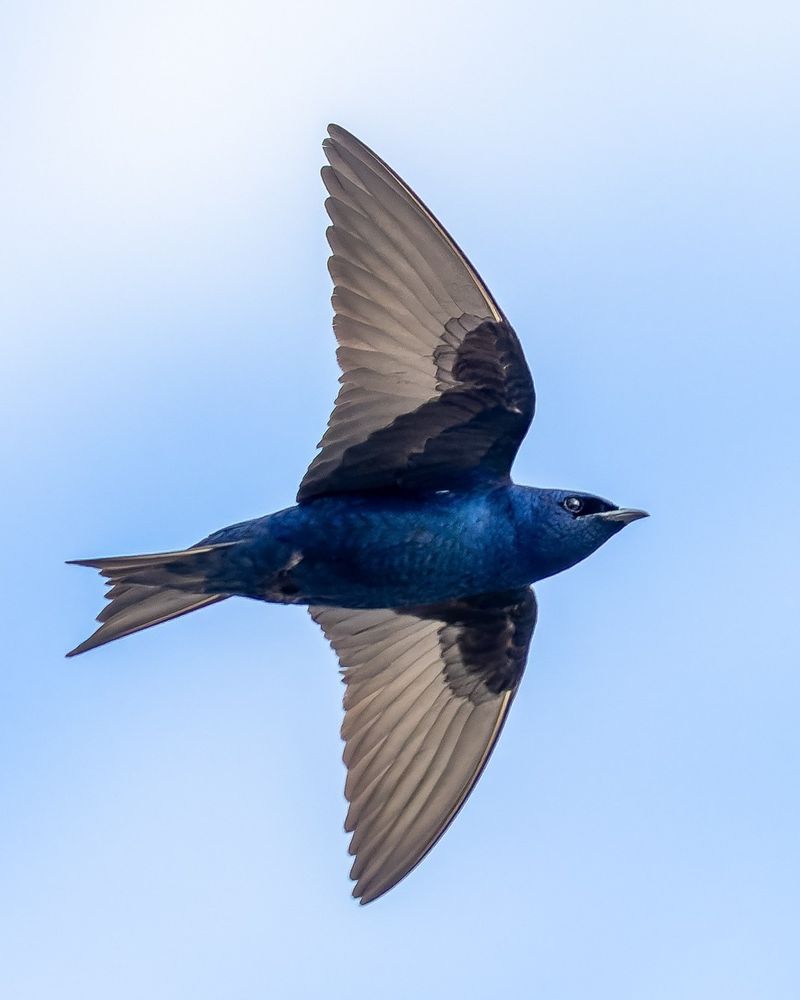
A mosquito beside your chair and a purple martin thirty feet overhead occupy very different dining rooms.
That vertical separation explains a lot.
Purple martins often chase insects through open air, sometimes high above yards, ponds, and fields. Mosquitoes commonly spend more time closer to people, animals, vegetation, and other humid spots near ground level.
So even a sky full of martins may leave plenty of mosquito activity untouched below.
Weather can move the birds lower. Cool or cloudy conditions may keep flying insects closer to the ground, and martins can follow them. Warm conditions can send insect activity higher again.
That movement makes the evening sky fun to watch, but it does not create a predictable mosquito shield around the patio.
For gardeners, the lesson is practical.
Enjoy the birds where they naturally feed. Handle mosquito habitat where mosquitoes actually spend their time.
Trim overly dense vegetation around sitting areas when it creates damp, sheltered pockets. Check under decks, along fence lines, and behind shrubs where humid shade lingers.
Most importantly, look for water nearby.
A bird cannot catch a mosquito that has not emerged yet, and preventing larvae from developing is far more reliable than hoping an aerial predator intercepts every adult later.
Martins work upstairs.
Mosquito control starts downstairs, which may be the clearest backyard job assignment anyone gets all August.
5. Watch August Martins Gather Before Migration
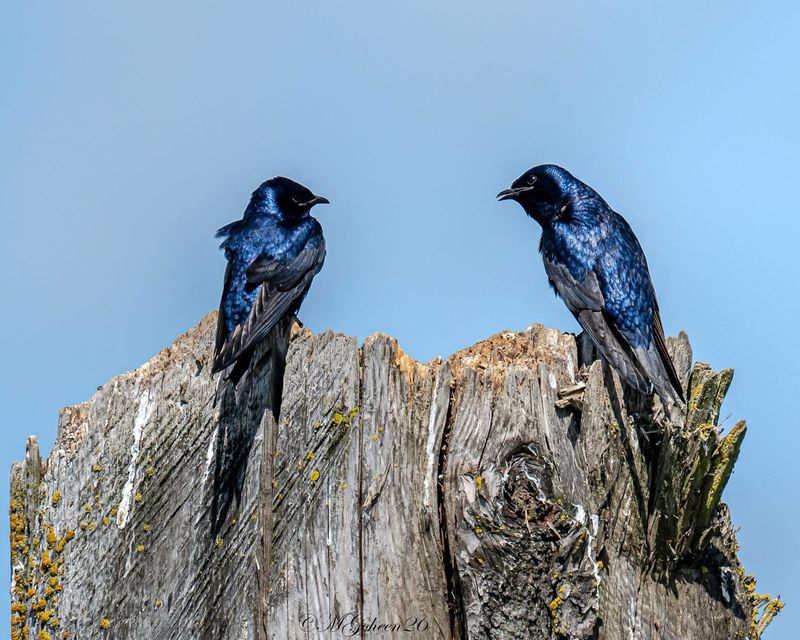
August can turn the Texas sky into a purple martin gathering place.
By late summer, breeding activity is winding down and birds begin assembling before migration. Large communal roosts can form as martins prepare for the long trip toward South America.
That creates a completely different reason to look up.
Thousands of birds may gather around some roost sites, swirling through the evening sky before settling. Even smaller local groups can put on an impressive show as they feed heavily and build energy reserves.
This period also creates the illusion that martins suddenly became a giant mosquito-control squad.
More birds certainly means more aerial feeding. It does not mean those birds have switched to a mosquito-focused diet. They are still taking whatever suitable flying insects are available.
Treat the gathering as wildlife spectacle first.
Keep some distance from active roosts and avoid disturbing birds with bright lights or repeated close approaches. Binoculars can make the view better without putting you directly under the action.
Local birding groups may also track major roosts during the season, giving interested Texans a chance to see one before migration pulls the crowd south.
Then the skies quiet down surprisingly quickly.
For a few August evenings, though, the whole neighborhood can feel like an airport departure lounge with wings.
The mosquitoes, unfortunately, never seem impressed by the travel schedule.
6. Protect Open Airspace Around Martin Housing
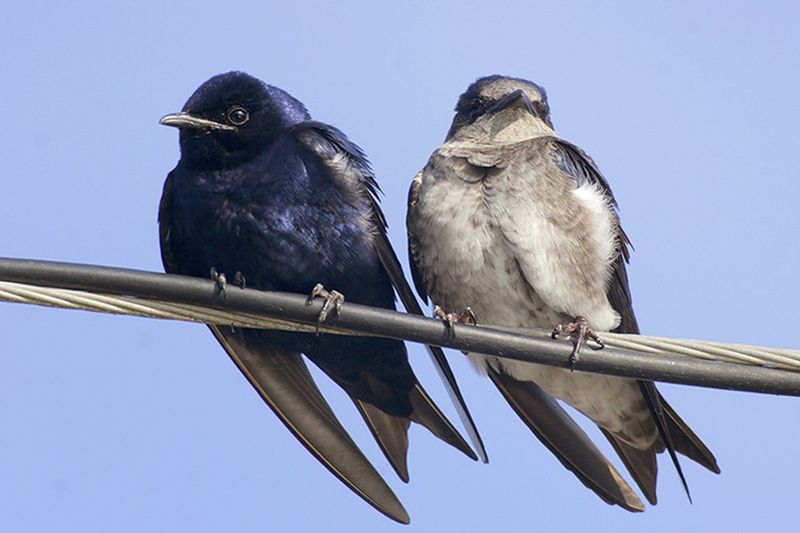
A martin house needs more than a tall pole and good intentions.
Open airspace is one of the biggest advantages you can give the birds. Purple martins need clear approaches for feeding, landing, and leaving their housing without dodging dense tree branches every few seconds.
Place housing in an open area with generous clearance from nearby trees and structures. That setup makes the site easier for martins to use and lets you enjoy their aerial activity without turning every arrival into an obstacle course.
Height matters too.
Martin houses and gourds are commonly mounted high enough to provide clear access while still allowing regular maintenance. A system that can be lowered safely makes nest checks and seasonal cleaning much more practical.
Add predator protection to the pole. Raccoons and snakes can reach colonies without an effective guard, turning a promising setup into a risky one.
Management does not end after installation.
Monitor the housing, deal with competing invasive birds where legally appropriate, and clean old nesting material after the martins leave for the season.
Close unused housing when needed so it does not become winter real estate for unwanted occupants.
A successful martin colony can return year after year, which makes good setup worth the effort.
Build for the birds you want, not the mosquito miracle you were promised.
The reward is a sky full of acrobatics, and that is already a pretty generous return on one pole.
7. Use Proven Mosquito Control Near The Ground
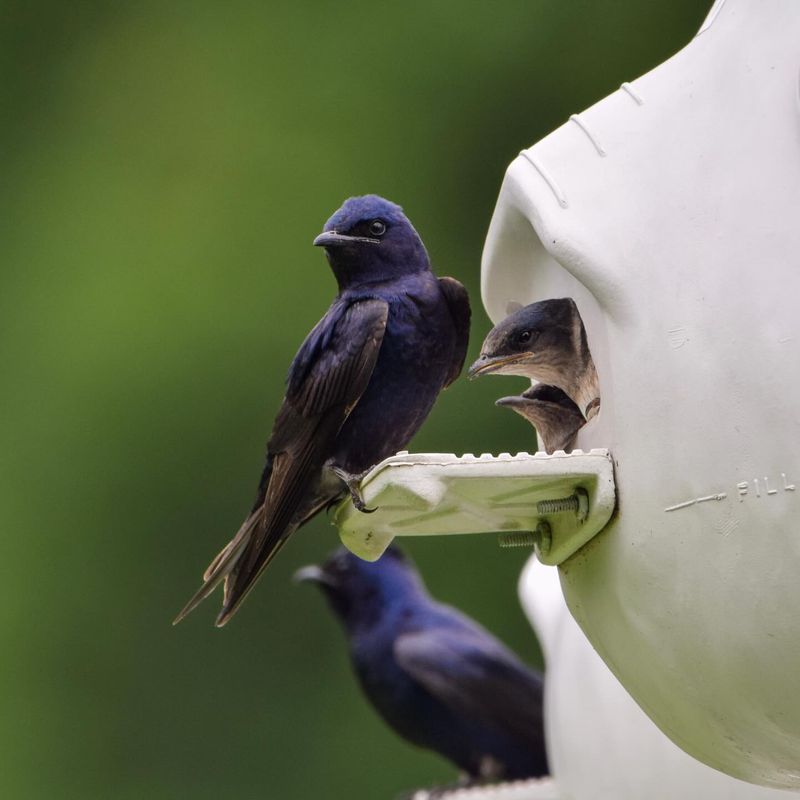
Purple martins can patrol the air while you handle mosquito pressure at human height.
Start with personal protection.
Long sleeves and pants can reduce exposed skin during periods of heavy mosquito activity. EPA-registered repellents such as DEET, picaridin, or oil of lemon eucalyptus can also help when used according to label directions.
Then check the house itself.
Repair torn window and door screens. Mosquitoes do not need much of an opening, and one neglected corner can turn a calm evening indoors into an unexpected hunt.
The landscape deserves attention too.
Dense, shaded vegetation can create humid resting areas during the day. Trim overly crowded growth around patios, doors, and other places where people spend time. Better airflow can make those sheltered spots less inviting.
None of this requires giving up a wildlife-friendly yard.
You can maintain pollinator plants, provide bird habitat, and still reduce mosquito pressure around the areas people actually use. The trick is separating useful habitat from forgotten pockets of stagnant water and heavy, damp clutter.
A martin colony adds one layer of natural insect predation overhead.
Your repellent, screens, and yard maintenance handle the much more personal problem near the skin.
That combination is not as magical as “put up a birdhouse and forget mosquitoes.”
It is much more likely to make the patio enjoyable, which is the part everyone actually wanted.
8. Remove Standing Water Instead Of Relying On Birds
One forgotten saucer can matter more than a sky full of purple martins.
Mosquitoes need standing water to complete their early life stages, and Texas summer heat can move that cycle along quickly. Small containers deserve just as much attention as obvious puddles.
Walk the yard once a week.
Dump water from flowerpot saucers, toys, buckets, tarps, wheelbarrows, and anything else that caught rain or irrigation. Refresh birdbaths regularly instead of leaving the same water sitting for long stretches.
Check gutters too. Leaves and debris can trap shallow water where mosquitoes develop above eye level and out of mind.
Rain barrels need protection as well. Keep openings securely screened or covered so adult mosquitoes cannot reach the stored water to lay eggs.
Do not dismiss tiny containers. Even a small amount of water can provide enough habitat for larvae.
This is where backyard mosquito control becomes wonderfully unglamorous.
No dramatic predator is required. No bird needs to eat thousands of anything. You simply remove the nursery before the next generation takes flight.
Keep the purple martin house for the birds. Enjoy every swoop, chatter, and late-summer gathering overhead.
Then grab the bucket, inspect the gutters, and empty the saucers.
The most effective mosquito hunter in the yard may turn out to be the person carrying the watering can.