Why Arizona Gardeners Never Remove Shade Cloths From Their Plants In August
August in the Arizona desert does not simply arrive, it lands with full force, turning yards into test zones for anything green. Most people assume their garden survived the worst back in July.
That assumption gets tested fast as triple-digit afternoons stack up week after week. Leaves that looked fine on Monday can look scorched by Friday, and the damage rarely reverses.
Longtime desert gardeners have quietly built habits around this exact stretch of summer, small routines that outsiders barely notice but locals treat as non-negotiable. Shade cloth stays above their plants far longer than newcomers expect.
The reason behind that choice says a lot about what desert soil and sun actually do to root systems when nobody is watching closely enough.
August Heat Peaks Later Than Most People Expect
Most people picture July as the cruelest summer month in the desert Southwest. August quietly sneaks up and proves everyone wrong, delivering some of the highest recorded ground temperatures of the entire year.
Soil surface temps in the Phoenix area can exceed 160 degrees Fahrenheit in direct sunlight during August. That number is not a typo, and it is not an exaggeration either.
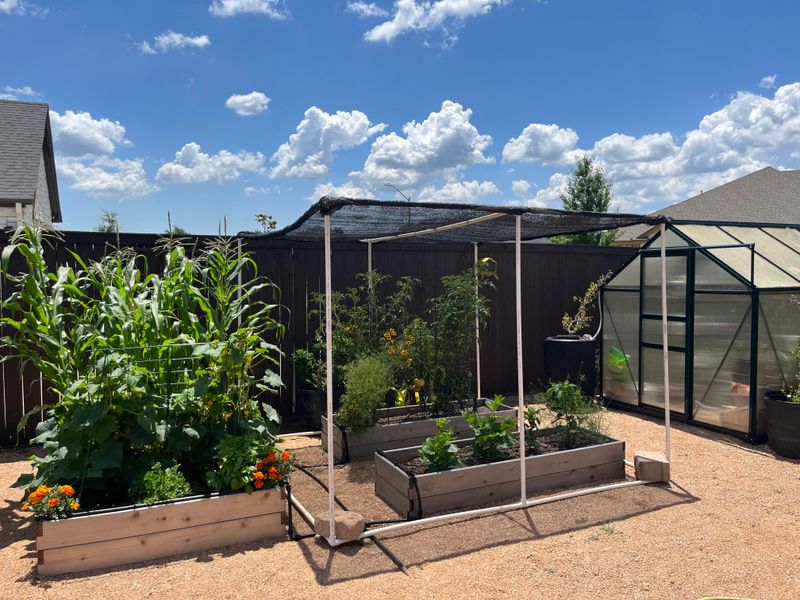
Shade cloths in Arizona gardens act as a critical barrier between that brutal heat and the plants below. Removing them in August would expose roots, stems, and leaves to conditions they simply cannot handle.
The monsoon season adds moisture to the air, but it does not cool things down enough to matter for sensitive plants. Humidity plus extreme heat can actually make stress worse for certain vegetables.
Experienced desert gardeners track soil temperature, not just air temperature. Air readings feel bad enough, but the ground tells the real story of what your plants are surviving each day.
August heat in the desert peaks later in the afternoon and stays elevated well into the evening. Plants get no real relief, which is exactly why shade cloths stay up without question.
Pulling the cover off in August is like taking away sunscreen at noon on a beach vacation. Your garden worked hard to survive this far, and it deserves that continued protection until conditions actually change.
Removing It Early Undoes Weeks Of Protection
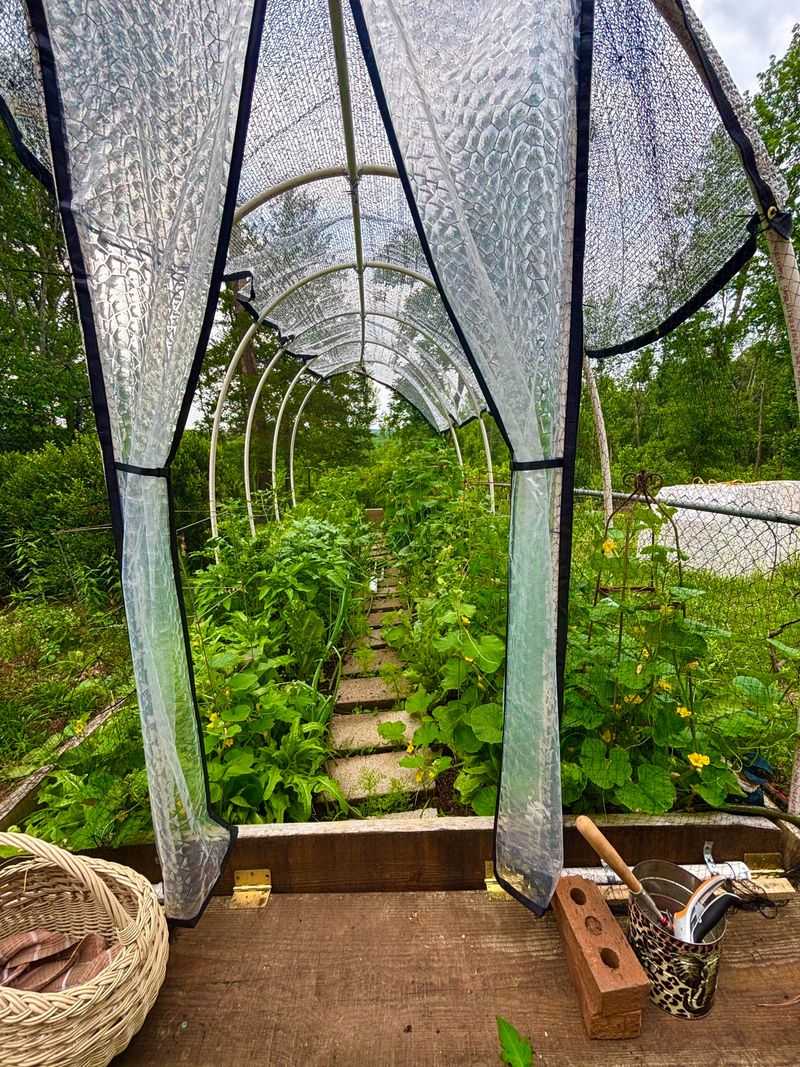
Weeks of careful watering, monitoring, and adjusting all add up to one thing: a plant that has learned to survive inside a protected environment. Pulling the shade cloth off too soon resets all of that hard work instantly.
Plants adapt to the light and temperature conditions they live in day after day. When you suddenly expose them to full desert sun, their cells are not prepared for that level of intensity.
This sudden change is called transplant shock, but it can happen to plants that never moved an inch. Changing their light environment drastically has the same effect as uprooting them.
Leaves that formed under filtered light are thinner and less waxy than leaves grown in full sun. Exposing those delicate leaves to direct August rays causes rapid moisture loss and visible burning within hours.
Your Arizona Garden Changes Every Week. Your Plan Should Too.
Gardening in Arizona changes quickly throughout the season. Every Friday you’ll receive a simple weekly plan showing exactly what to plant, prune, fertilize, harvest, and protect so you never miss the right timing.
Some gardeners try removing the cloth in the early morning, thinking the cooler temps make it safer. But by 9 a.m. in Arizona, the sun is already intense enough to cause real damage to unprotected foliage.
The protection a shade cloth provides is cumulative, building a stable microclimate over time. Disrupting that microclimate even briefly during August can set plants back by two weeks or more.
Think of shade cloths like a cast on a broken bone. Taking it off before healing is complete does not speed recovery, it just creates a new injury that takes even longer to fix.
Soil And Roots Stay Vulnerable Even In Late Summer
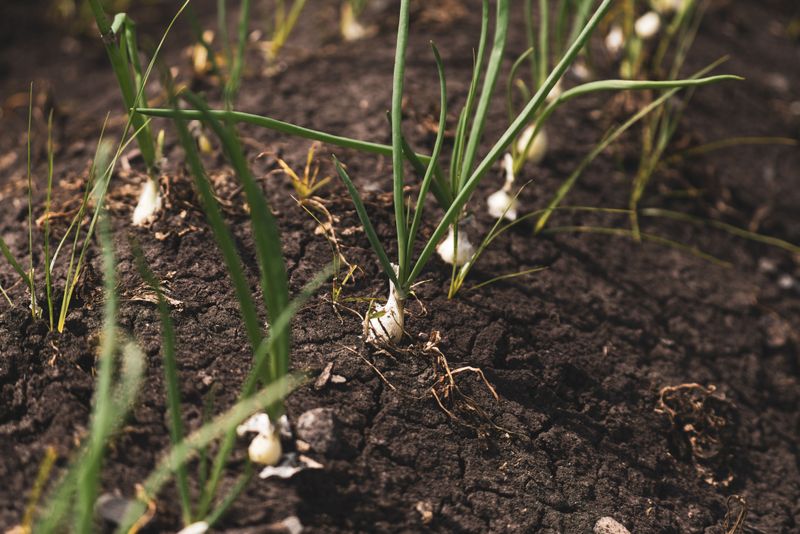
Underground is where the real challenge unfolds in an Arizona summer. Roots are working overtime to pull moisture through soil that is essentially being baked from above and below at the same time.
Even when air temperatures drop slightly after a monsoon storm, soil temperatures stay dangerously high for hours afterward. The ground holds heat the way a cast-iron skillet holds warmth long after the burner turns off.
Shade cloths dramatically reduce soil surface temperature, sometimes by 20 to 30 degrees compared to uncovered ground. That difference means roots can function properly instead of shutting down from heat stress.
Root shutdown is a real physiological response in plants. When soil gets too hot, roots stop absorbing water, which causes the plant to wilt even when the soil is moist.
Late August does not bring the cooling relief that most people hope for in the desert. Ground temperatures remain elevated until well into September, which means root protection is still critical during that stretch.
Sandy desert soils heat up even faster than clay-heavy soils found in other climates. This makes Arizona gardens especially sensitive to any loss of overhead coverage during peak summer months.
Protecting the soil surface is not just about the plants you can see above ground. The living root system below is the foundation of your garden, and keeping it cool keeps the whole system alive and functioning through the toughest weeks of the year.
New Growth Is Especially Sensitive To Sudden Sun
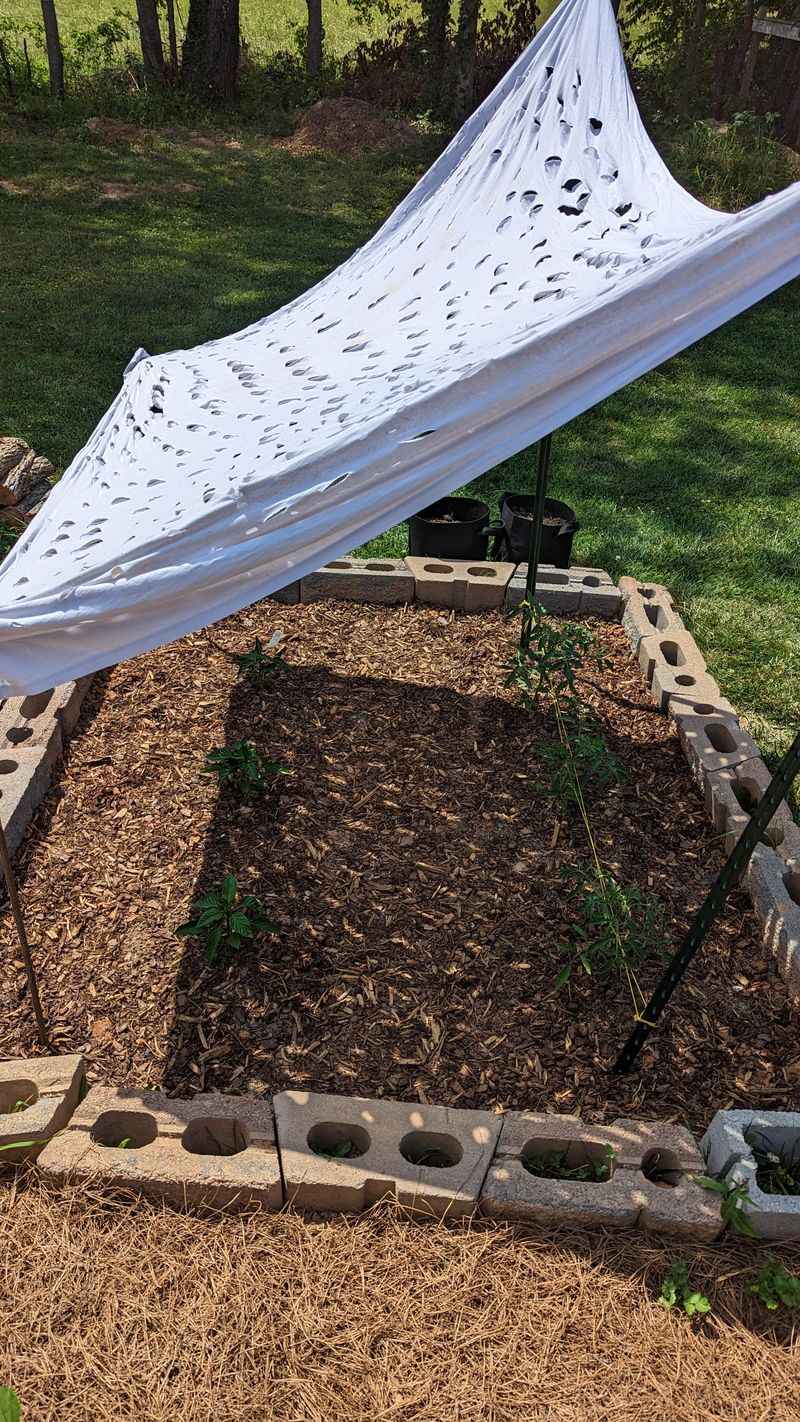
Fresh growth is the most exciting thing to spot in a summer garden. Those bright green shoots are also the most fragile part of any plant, and August sun can destroy them within a single afternoon.
New leaves have not yet developed the thick cuticle layer that helps older foliage resist heat and UV exposure. Exposing them to full desert sun is like sending someone with no sunscreen to the beach on the hottest day of summer.
Monsoon rains often trigger a burst of new growth in July and August. Gardeners get excited seeing their plants perk up, but that new growth needs even more protection, not less.
The tender shoots that emerge after rain are loaded with water and nutrients. Direct sun in August pulls that moisture out rapidly, causing the new growth to shrivel before it ever gets a chance to mature.
Shade cloths filter the harsh UV rays while still allowing enough light for photosynthesis to happen. Plants can grow steadily under the cloth without the constant stress of overexposure.
Removing shade cloth when you notice new growth is one of the most common mistakes desert gardeners make. The new growth is a sign the plant is recovering, not a signal that it is ready for full sun.
Protecting new growth through August gives those shoots time to harden off naturally. By September, they will be tough enough to handle more light, and your patience will pay off with a stronger, healthier plant.
Signs Your Garden Still Needs The Extra Cover
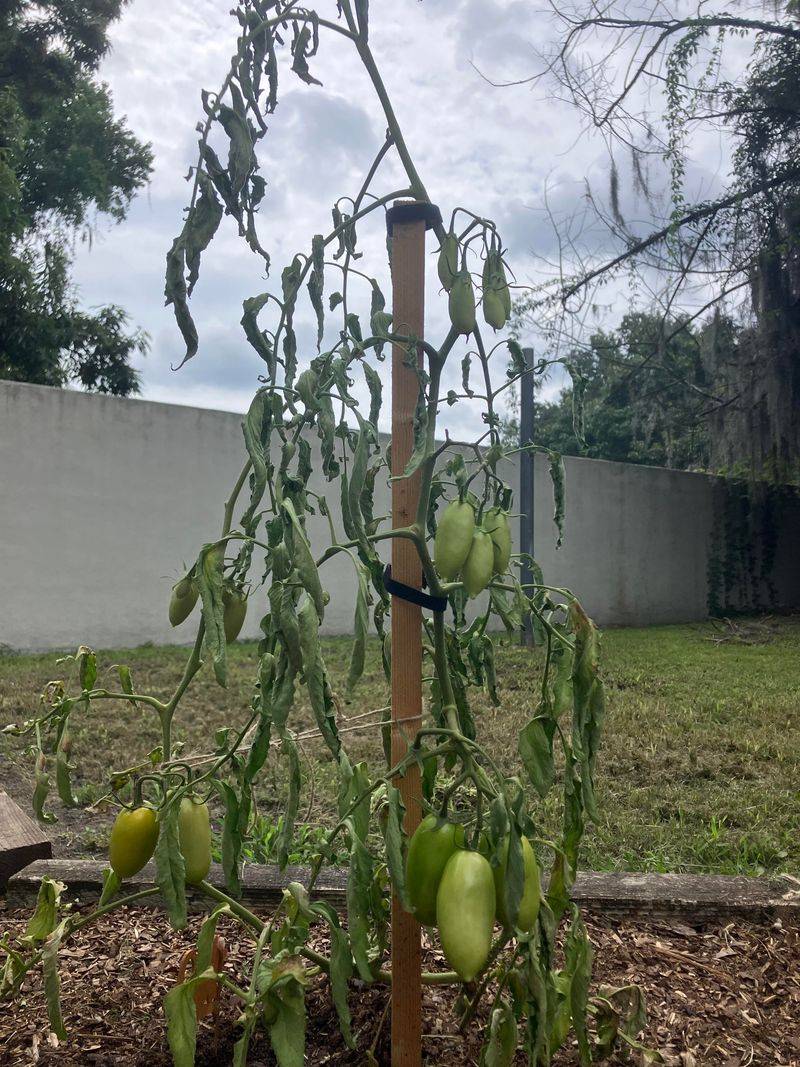
Your plants will tell you exactly what they need if you know how to listen. Watching for specific signs of heat stress is the most reliable way to decide whether shade cloth should stay put.
Leaf curling is one of the first signals that a plant is struggling with heat and light exposure. Leaves curl inward to reduce the surface area exposed to the sun, which is a survival response, not a growth pattern.
Wilting in the early morning hours is another red flag that deserves attention. Plants typically wilt in the afternoon heat, but morning wilting means the root system is already too stressed to recover overnight.
Yellowing leaves in August are not always a sign of nutrient deficiency. Sometimes they signal that the plant is shedding foliage to reduce water loss under extreme conditions.
Scorched or bleached patches on leaves are a direct result of too much UV exposure. These patches signal tissue that will not recover, which makes prevention far more effective than trying to fix the problem after it starts.
Fruit drop on tomatoes, peppers, and citrus is a classic stress response to high heat. If your plants are dropping fruit or flowers in August, extra coverage is still very much needed.
Checking your garden in the early morning gives you the clearest picture of overnight stress levels. A garden that looks tired at sunrise in August is a garden that still needs its shade cloth firmly in place.
The Right Moment To Take It Down
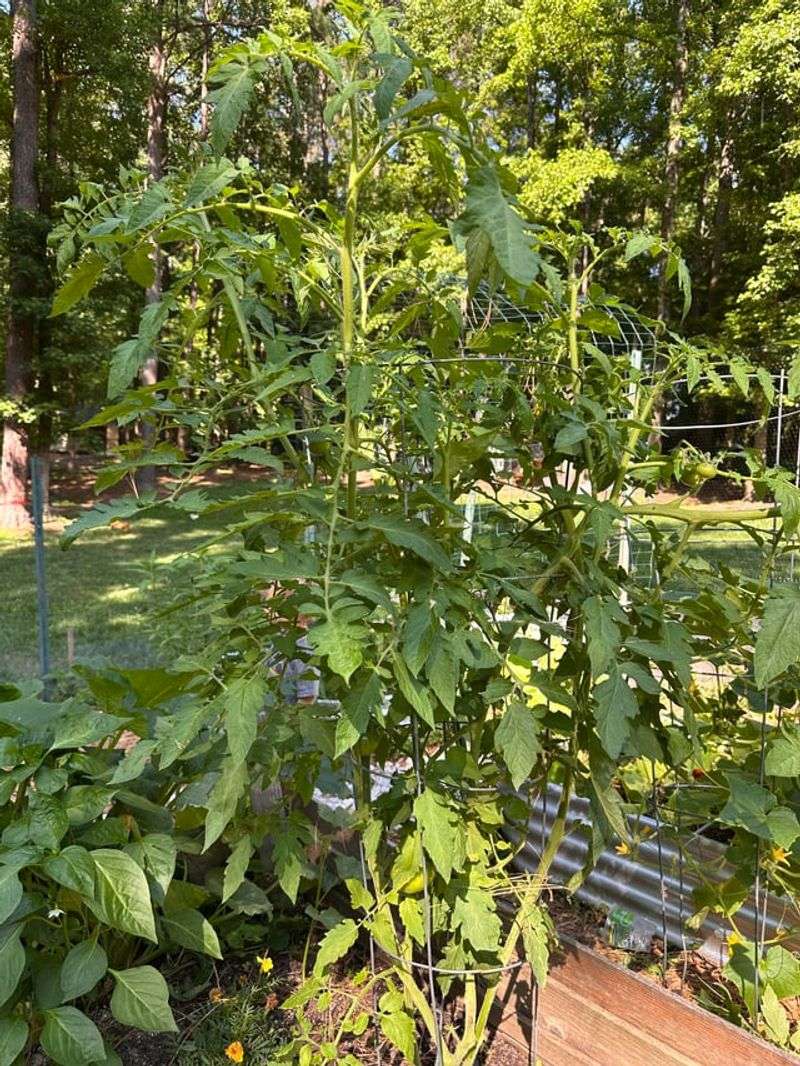
Patience is the most underrated gardening tool in the desert. Timing the removal of shade cloth matters just as much as recognizing why it stayed up in the first place.
Most experienced desert gardeners wait until daytime highs consistently drop below 100 degrees before considering removal. In the Phoenix area, that shift typically happens in mid to late September, not August.
Watching the forecast for a week-long stretch of lower temperatures gives you a reliable window for safe removal. One cooler day is not enough, because the heat often surges back within 48 hours.
The angle of the sun also changes meaningfully by late September. Lower sun angles mean less direct intensity on leaves, which makes unprotected plants far less vulnerable than they were just weeks earlier.
Transitioning plants out of shade cloth gradually works better than removing it all at once. Some gardeners pull back one side for a few days, letting plants adjust before full exposure.
Morning removal followed by afternoon monitoring for the first few days helps you catch any stress signals early. If leaves start curling or wilting, add the cover back and wait another week before trying again.
Taking down shade cloths at the right time in Arizona is a small act that carries big rewards. Your plants come through summer stronger, your soil stays healthier, and your garden is ready to thrive through the beautiful fall growing season that follows.