Why Oregon Fig Trees Look Healthy But Barely Produce Ripe Fruit
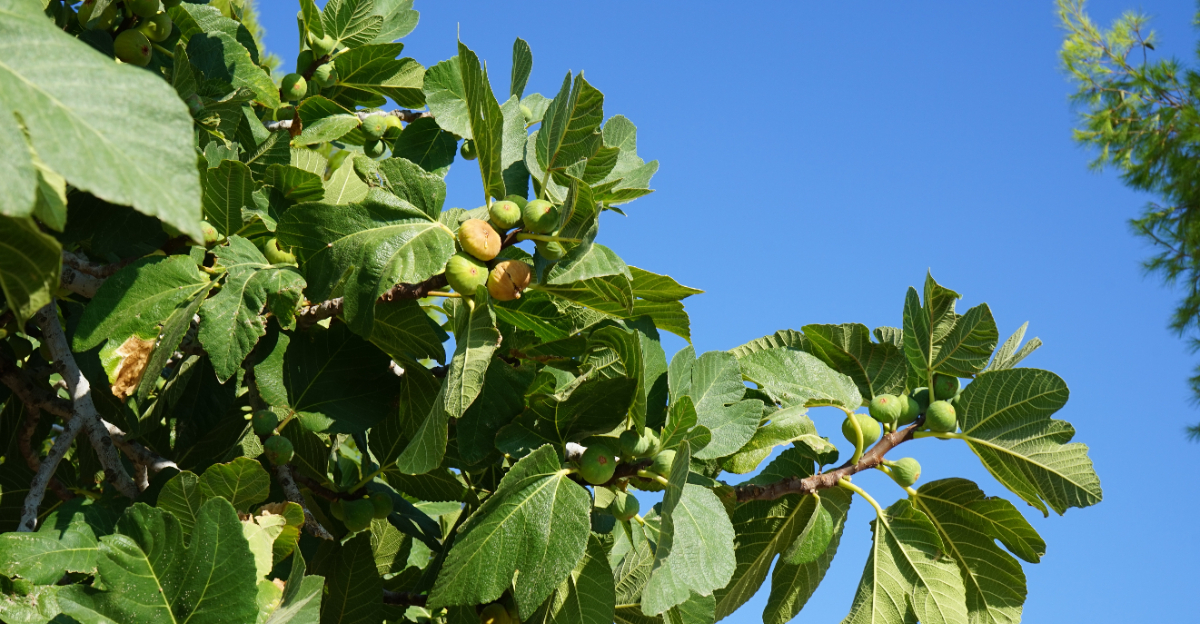
A fig tree can look like it is doing everything right and still leave an Oregon gardener staring at a disappointing harvest.
The leaves are lush, the branches are growing, and little figs may even appear exactly where you hoped.
Then harvest time rolls around, and somehow very few of them make it to that soft, sweet, perfectly ripe stage.
That can be especially confusing when the tree itself looks healthy. There may be no dramatic wilting, obvious damage, or other clear sign that anything is off.
Instead, the fruit simply seems to take forever, stall halfway, or sit there looking promising while your patience slowly disappears. Very considerate.
Fig growing in Oregon can come with its own set of seasonal quirks, and a vigorous-looking tree does not always guarantee bowls of ripe fruit. Timing, growing conditions, and the way the season unfolds can all matter more than appearances suggest.
If your fig tree seems determined to grow everything except a satisfying crop, it is worth looking beyond those healthy green leaves. The clues may be easier to spot once you know where to look.
1. Too Much Shade Can Leave Fruit Green For Too Long
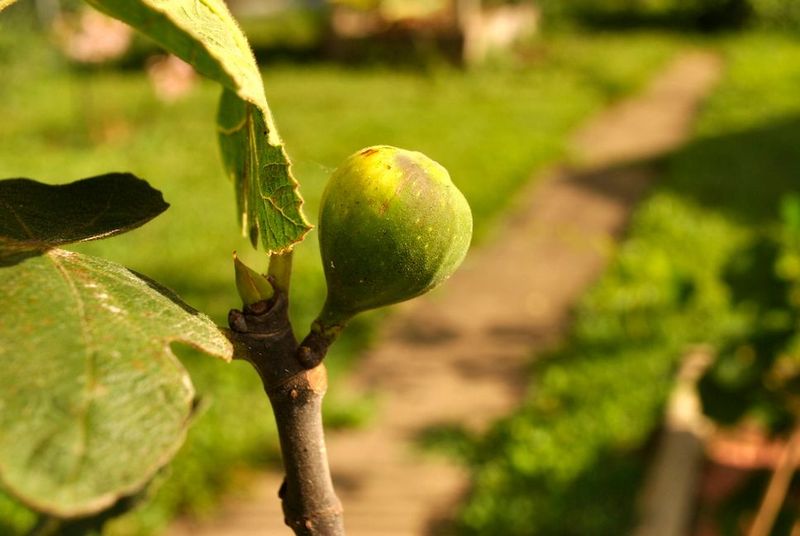
Sunlight is basically fuel for ripening fruit. Without enough direct sun, figs stay green and hard long after they should have softened.
Many backyard fig trees end up planted too close to fences, tall shrubs, or large trees that cast shade for a good chunk of the day.
A fig tree can tolerate some shade and still look completely healthy. The leaves will stay green, the branches will grow, and the tree will even set fruit.
But ripening is a different story. Fruit ripening depends heavily on sunlight hitting the fruit directly.
When shade covers the canopy for most of the afternoon, the figs simply do not get warm enough to complete the ripening process.
Full sun means at least six to eight hours of direct sunlight each day. If your tree is getting less than that, consider trimming nearby branches or shrubs that are blocking the light.
In some cases, it may be worth transplanting a young tree to a sunnier spot in the yard. For established trees, thinning out some of the tree’s own inner branches can help sunlight reach more of the fruit.
Even opening up the canopy slightly can improve air circulation and warmth inside the tree. More sun reaching the fruit means a much better chance of enjoying fully ripe, sweet figs before the season ends.
2. Excess Nitrogen Can Push Leaves Instead Of Ripe Figs
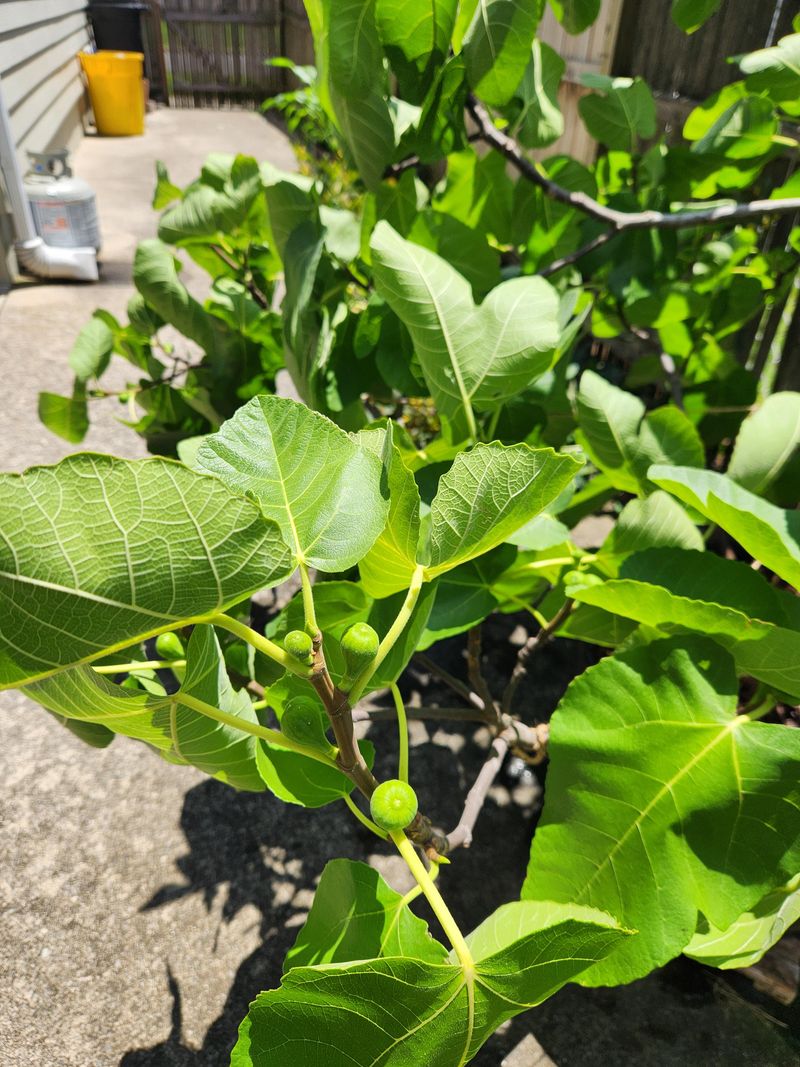
Walk past a fig tree that has been overfed with nitrogen and it looks stunning. The leaves are huge, deep green, and almost waxy.
But flip through the branches and you will find very little fruit, and what is there tends to stay green and hard. That lush look is actually a warning sign.
Nitrogen is the nutrient most responsible for leafy, green growth. When a fig tree gets too much of it, the tree shifts its energy toward producing more leaves and stems rather than developing and ripening fruit.
Your Oregon Garden Changes Every Week. Your Plan Should Too.
Gardening in Oregon changes quickly throughout the season. Every Friday you’ll receive a simple weekly plan showing exactly what to plant, prune, fertilize, harvest, and protect so you never miss the right timing.
Fertilizers high in nitrogen, including many common lawn fertilizers, can accidentally encourage this imbalance when applied near fig trees.
Figs actually prefer lean soil conditions. They tend to fruit better when they are not being heavily fed.
If your fig tree is growing in rich garden soil or near a lawn that gets regular fertilizer treatments, that could be part of the problem.
Cutting back on fertilizer, especially nitrogen-heavy products, can help redirect the tree’s energy back toward fruit production.
If you do want to feed your fig, look for a fertilizer with lower nitrogen and higher phosphorus and potassium. These nutrients support flowering and fruit development rather than leafy growth.
Sometimes doing less is truly the better choice when it comes to getting a fig tree to ripen its fruit.
3. Cool Summers Can Slow Fig Ripening
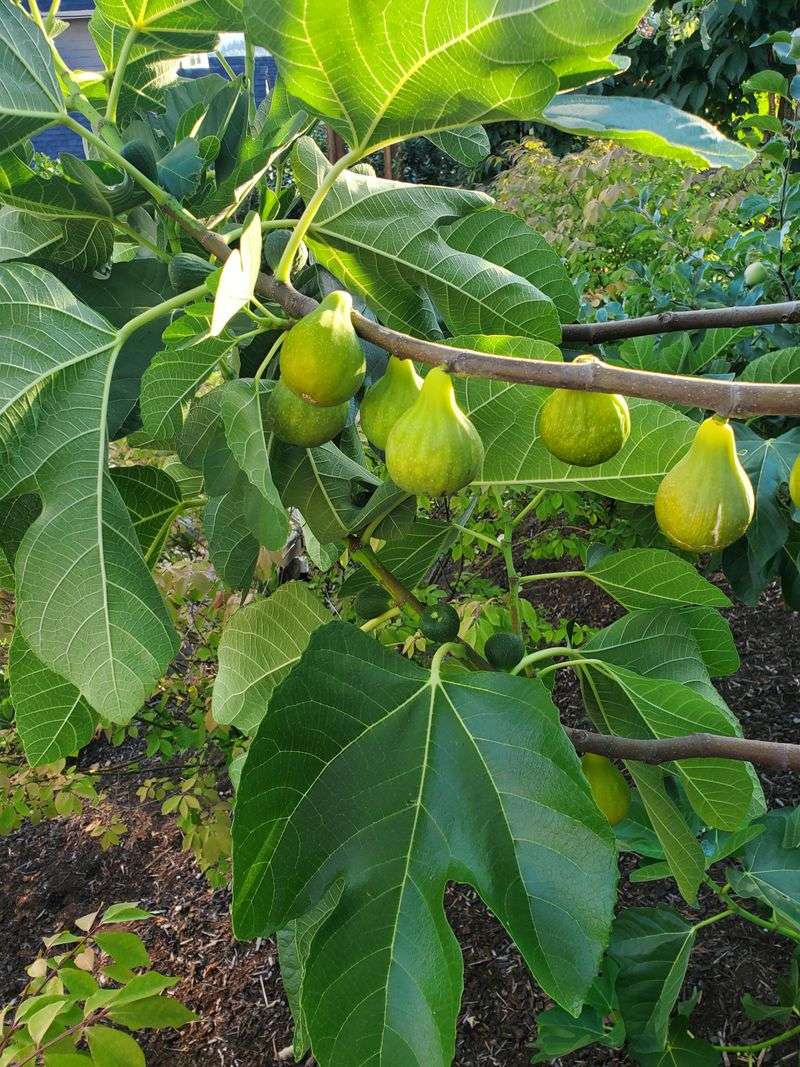
Figs need heat to ripen, and that is where things get tricky in the Pacific Northwest. Most fig varieties need long stretches of warm weather, often 90 to 100 days of consistent heat, to fully develop sweet, soft fruit.
When summer temperatures stay mild and cloudy, the fruit just stalls out. Cool summers are one of the most common reasons fig trees look perfectly fine but produce fruit that never softens.
The tree puts energy into growing leaves and branches, but the figs stay firm and green because there simply is not enough warmth to push them to ripeness.
This is not a soil problem or a watering problem. It is a climate problem. One helpful trick is to grow your fig tree against a south-facing wall or fence. Walls absorb heat during the day and release it at night, giving the tree a warmer microclimate.
You can also try covering the tree with a clear plastic canopy during cooler stretches to trap warmth. Choosing an early-ripening variety also helps a lot.
Some figs need far less heat to ripen than others, which makes them a much better fit for regions where summers tend to be short and mild.
Small adjustments like these can make a noticeable difference in how many figs actually ripen before the cool fall weather arrives.
4. Late-Forming Fruit May Run Out Of Warm Weather
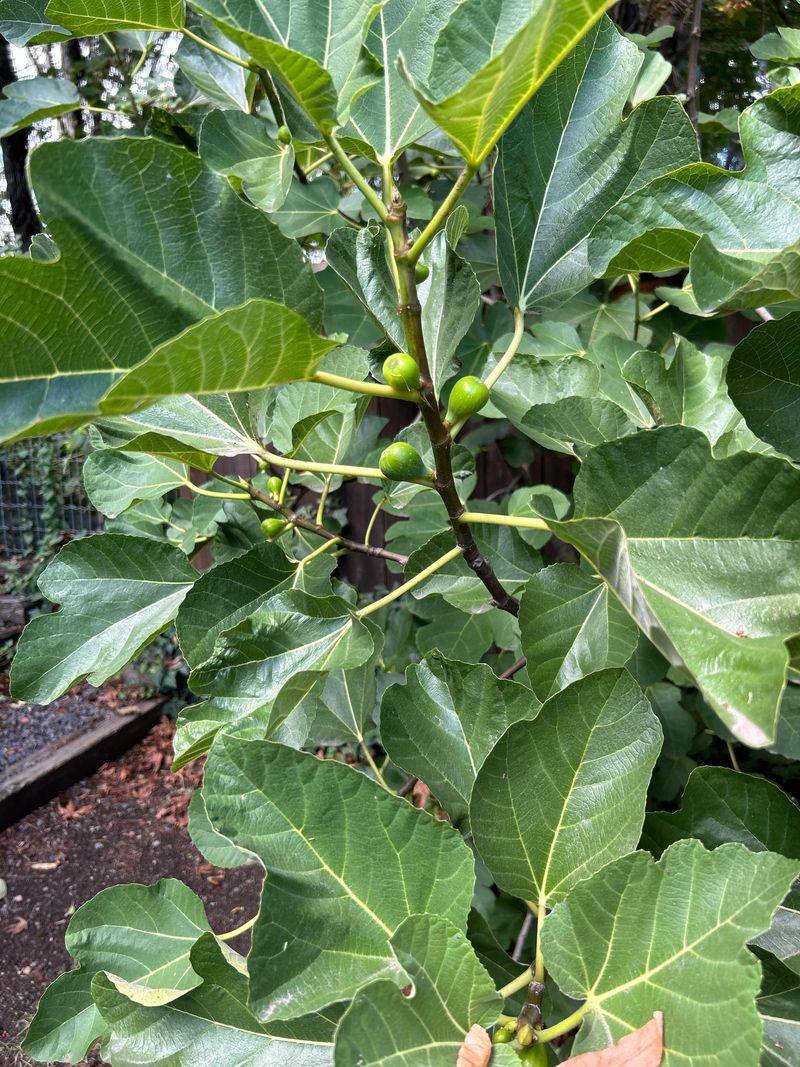
Figs are a little unusual compared to most fruit trees. They can produce two crops in a season.
The first crop, called the breba crop, grows on old wood from last year and ripens in early summer. The second and larger crop forms on new growth during the current season and ripens in late summer or fall.
In regions with shorter warm seasons, that second crop often forms too late to fully ripen before temperatures drop.
The tree sets fruit in midsummer, but by the time those figs have had enough time to develop, cool fall weather has already moved in.
The result is a tree loaded with firm, green figs that never soften before the season ends.
One way to help is to pinch off the growing tip of new shoots in midsummer. This is called tip-pinching, and it tells the tree to stop pushing out more growth and start putting energy into ripening the fruit that is already there.
Removing very young, late-forming figs that clearly will not have time to ripen is also a smart move.
It sounds counterintuitive, but fewer figs on the tree means more energy goes toward the ones that actually have a chance.
Timing matters a lot with figs, and being a bit strategic about fruit load can really improve your harvest results each year.
5. Too Much Water Can Keep Growth Soft And Vigorous
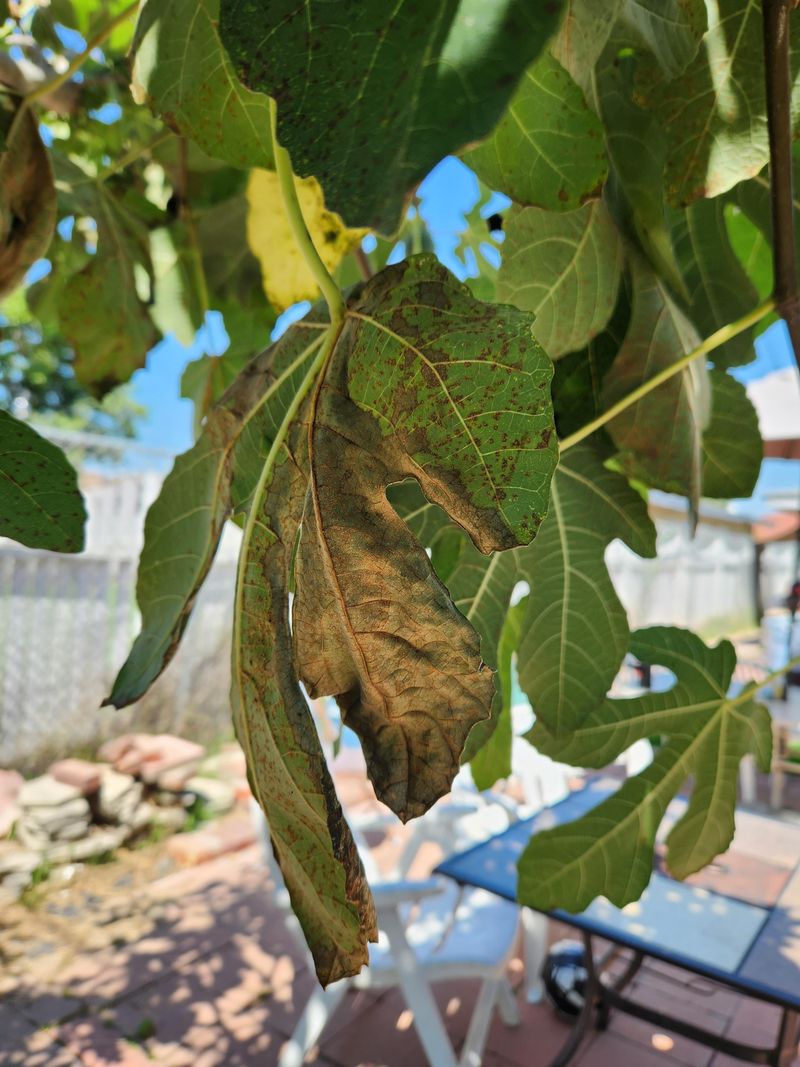
Overwatering a fig tree is an easy mistake to make, especially when the summer feels dry and hot. Fig trees actually prefer drier conditions once they are established.
They are native to the Mediterranean, where summers are long, hot, and very dry. Too much water confuses them in a way.
When fig trees get more water than they need, they respond by putting out lots of soft, lush growth. The branches grow fast, the leaves get big, and everything looks vibrant and healthy.
But just like too much nitrogen, excessive water pushes the tree toward vegetative growth rather than fruit ripening.
The fruit that does form tends to stay watery and soft in the wrong way, sometimes splitting before it fully ripens.
For established fig trees, deep watering once every week or two during summer is usually enough. In cooler, cloudier summers, you may need even less.
Letting the soil dry out slightly between waterings encourages the tree to slow down its leafy growth and focus on finishing its fruit. Reducing water in late summer is a particularly useful technique.
Slightly stressing the tree by cutting back on irrigation in August and September signals it to stop growing and start ripening.
It sounds harsh, but fig trees are quite tough and respond well to this kind of managed dryness as the season winds down.
6. A Warm South-Facing Spot Can Make A Big Difference
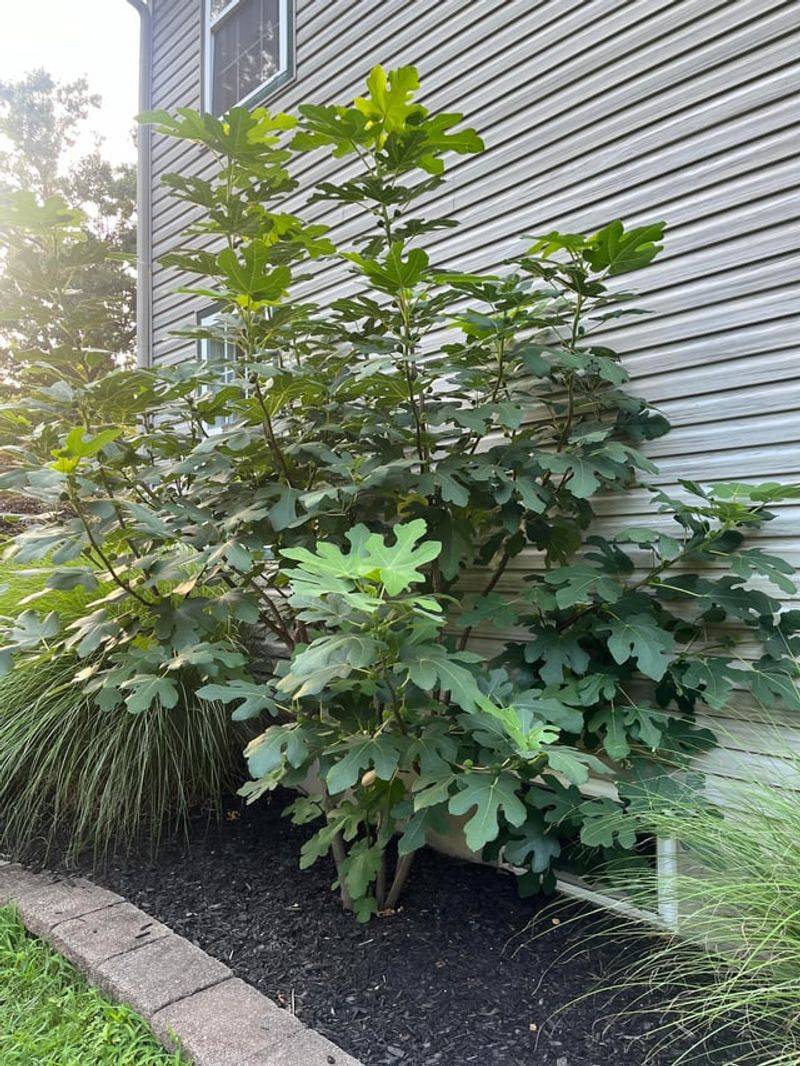
Where you plant a fig tree matters just as much as how you care for it. A south-facing wall or fence can completely change how much heat a fig tree receives throughout the growing season.
Walls and fences that face south absorb sunlight all day long and radiate that heat back toward the tree, especially in the evening when temperatures naturally start to drop.
This kind of sheltered, warm microclimate can add several degrees of warmth to the area around the tree. For fig trees, even a few extra degrees can mean the difference between green fruit and ripe, sweet figs.
Gardeners in cooler climates have used this trick for centuries to grow fruit that would otherwise struggle in their region.
If you are planting a new fig tree, choosing a south or southwest-facing wall is one of the best decisions you can make. Brick and stone walls work especially well because they hold heat longer than wood.
If your tree is already planted somewhere else, consider adding a reflective surface nearby, like a light-colored fence or wall, to bounce extra warmth toward the tree.
You can also lay dark-colored mulch or gravel around the base of the tree to absorb heat from the sun and keep the root zone warmer.
These small environmental tweaks can add up to a noticeably better fruit harvest without changing anything about how you care for the tree itself.
7. Some Fig Varieties Ripen Better In Oregon Than Others
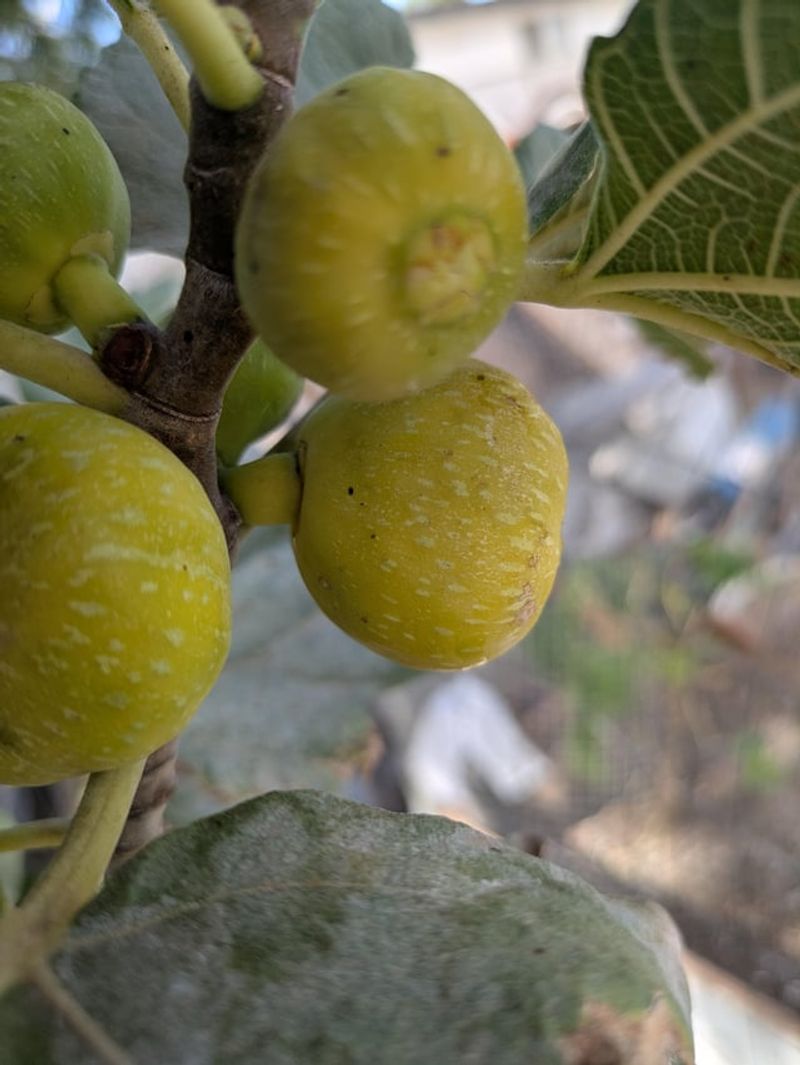
Not all figs are created equal when it comes to ripening in cooler climates. Some varieties need a long, hot growing season to develop properly.
Others were bred or selected specifically to ripen quickly, even when summer warmth is limited. Choosing the right variety from the start can save a lot of frustration.
Varieties like Desert King, Lattarula, and Strawberry Verte are known to perform well in the Pacific Northwest.
Desert King in particular is popular because it reliably produces a good breba crop on old wood in early summer, which means those figs get a head start on the season.
Brown Turkey is another common choice, though results can vary depending on the specific location.
Varieties that need lots of heat, like Black Mission or Calimyrna, often struggle to fully ripen in areas with cool summers. They look fine on the tree, but the fruit tends to stay firm and underwhelming.
When shopping for a fig tree in Oregon, ask specifically about varieties suited for the Pacific Northwest climate.
Local nurseries often carry regionally tested options that are much better matched to the conditions here.
Growing the right variety for your climate is one of the simplest and most effective changes you can make. It does not require extra work or special equipment. It just requires picking the right tree in the first place.
8. Heavy Pruning Can Remove Wood That Would Have Fruited
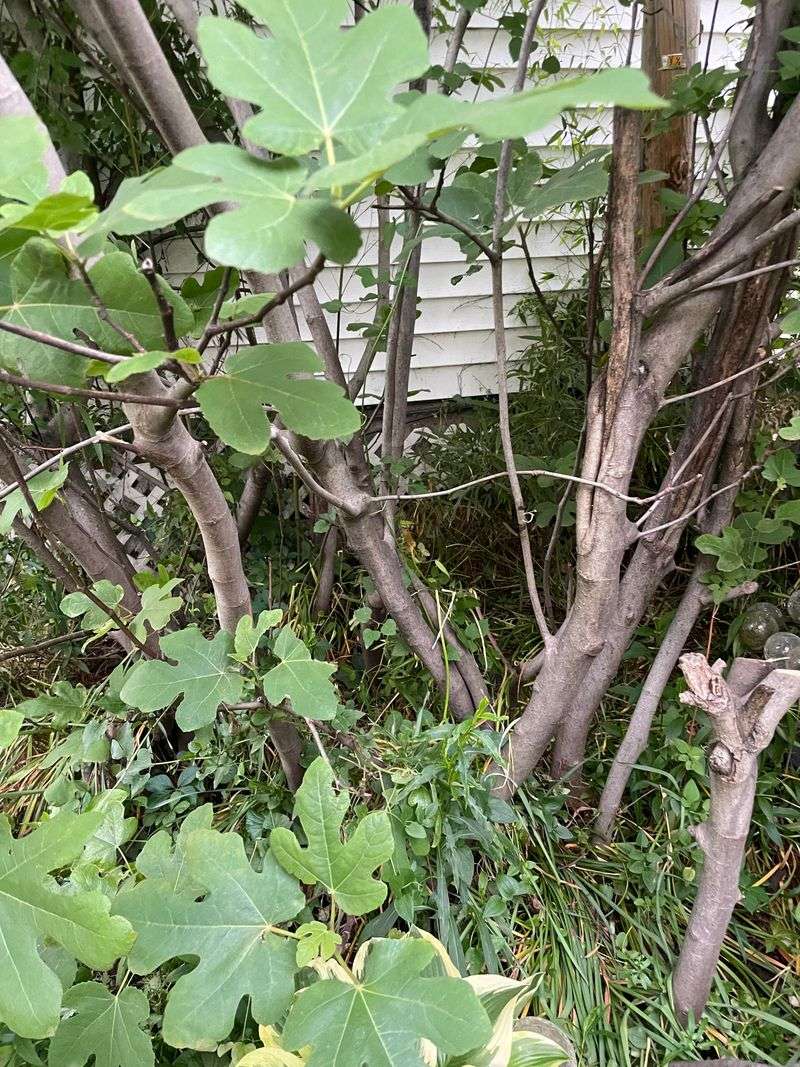
Pruning a fig tree too aggressively is a surprisingly common reason for poor fruit production.
Many gardeners assume that cutting back a fruit tree hard will encourage more fruiting the following year. With some trees that logic works well, but figs behave differently from apples or peaches.
Figs produce their breba crop, the early summer harvest, on wood that grew the previous year.
When you prune that old wood away in fall or winter, you are also removing the branches that would have given you those early figs.
Heavy pruning can set your harvest back by a full season or more, even when the tree bounces back quickly with vigorous new growth.
Light, targeted pruning is usually the better approach. Remove crossing or crowded branches to improve airflow and light penetration.
Take out any damaged or weak growth. But try to preserve as much healthy older wood as possible, especially branches that carried fruit last season.
If you do need to reshape the tree, spread the pruning over two or three years rather than doing it all at once. Timing also matters.
Pruning in late winter just before new growth begins is generally safer than pruning in fall. Giving the tree time to harden off new growth before cool weather returns helps protect the wood that will carry next year’s fruit crop.
Thoughtful pruning keeps the tree productive rather than constantly recovering.
9. Young Trees May Look Strong Before They Become Productive
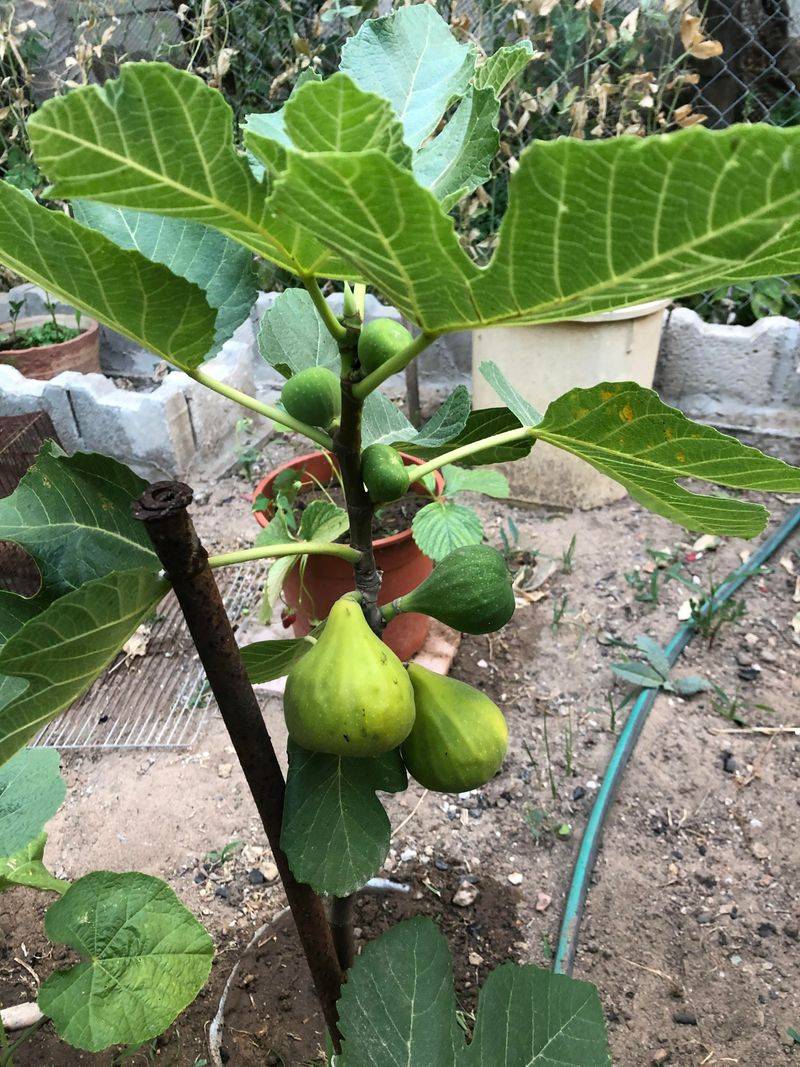
There is something exciting about planting a young fig tree and watching it take off in its first season. The growth can be surprisingly fast.
Leaves unfurl, branches extend, and the whole tree looks full of promise. But fruit? That often takes more patience than new growers expect.
Young fig trees typically spend their first two to four years building a strong root system and establishing their branch structure. During this time, the tree may produce a handful of figs or none at all.
Even when fruit does form, it often drops before ripening because the tree does not yet have the resources to support it through to maturity. That is completely normal behavior and not a sign that something is wrong.
Caring for a young tree well during this establishment phase is what sets up a productive future. Give it a warm, sunny spot with well-drained soil.
Water consistently but do not overdo it. Avoid heavy fertilizing that pushes too much leafy growth.
Let the tree focus on getting established rather than trying to force early fruit production. Some growers remove any fruit that forms in the first two years to help the tree build strength faster.
By year three or four, most fig trees start producing more reliably. The wait can feel long, but a well-established fig tree can produce generous harvests for decades, making those early years of patience very much worth it.