More Bluebirds In Your Texas Garden, Less Grasshoppers (Here’s How To Attract Them)
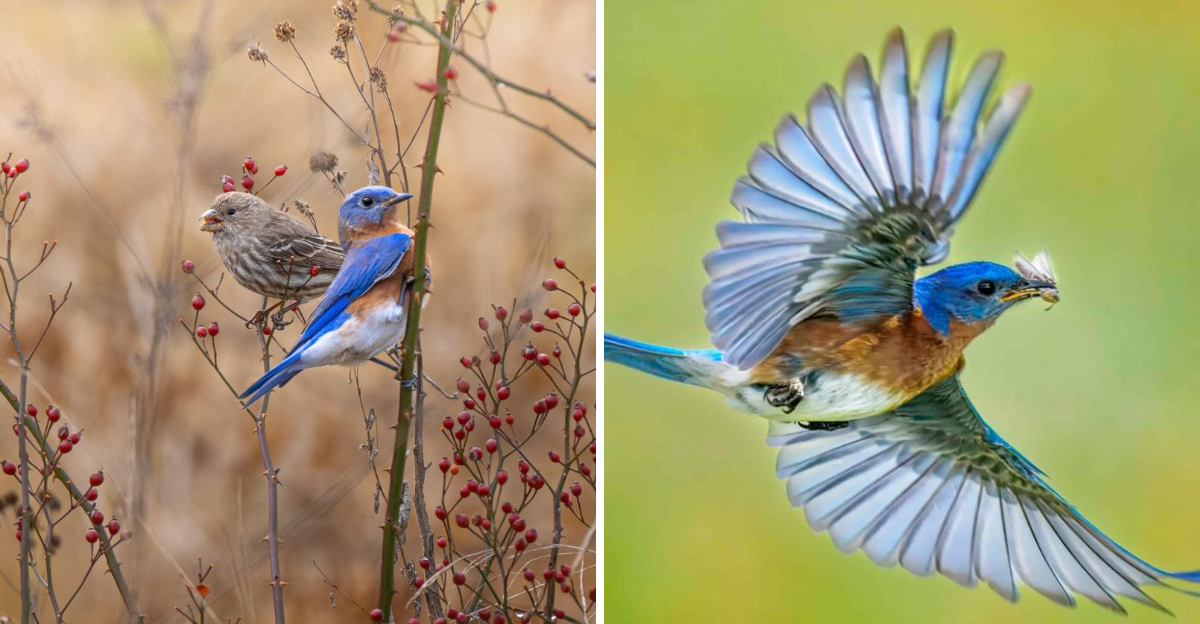
A flash of blue lands on the fence, pauses for half a second, then drops straight into the grass.
Something small disappears.
Texas gardeners who notice that little hunting routine may start looking at their lawns differently. The bird is not just passing through for scenery. It is watching, waiting, and searching for movement below.
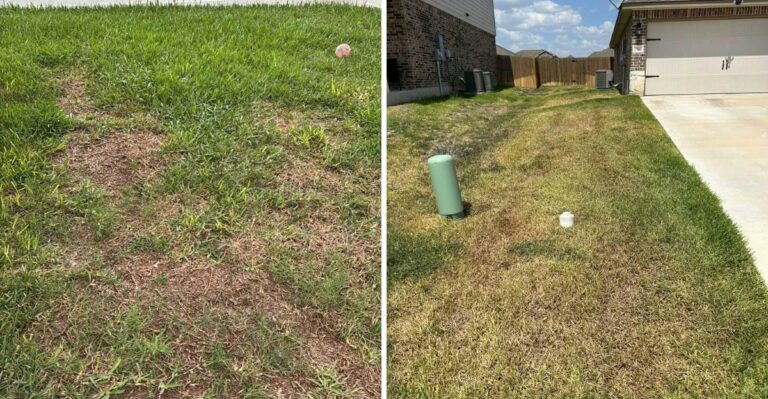
That can be very good news when August grasshoppers seem determined to sample everything you planted.
So can a garden actually tempt more of these bright hunters to stick around?
Yes, but the answer is not a feeder stuffed with seed. Bluebirds want a yard that works for the way they live. Open hunting space matters. Safe nesting spots matter. Water, perches, and a healthy supply of insects matter too.
Get those pieces right, and your garden can become far more interesting from a fence post.
The grasshoppers may notice the new neighbors as well.
Bluebirds will not erase every pest, but they can become one very welcome part of a livelier Texas backyard ecosystem.
1. Give Bluebirds Open Ground To Hunt
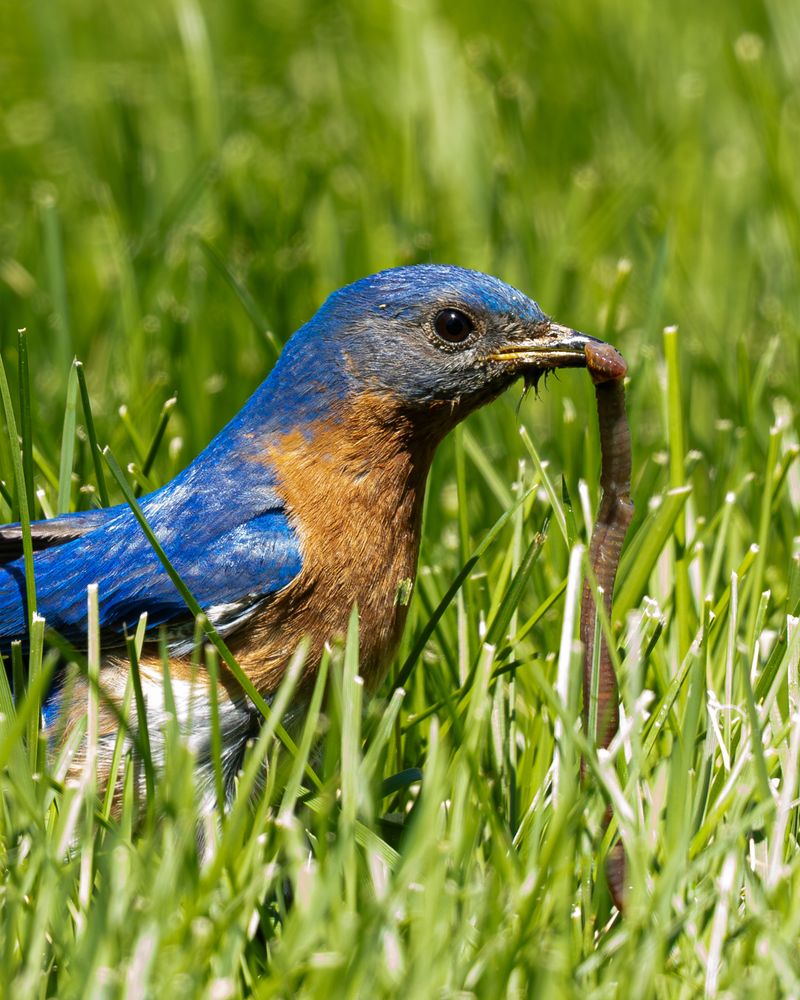
A bluebird needs to see dinner before it can drop down and grab it.
That makes open ground one of the most useful features in a Texas yard. Eastern Bluebirds often hunt from a fence post, low branch, or other perch.
They scan the soil and short vegetation, spot movement, then make a quick trip down for grasshoppers, beetles, crickets, and other insects.
Dense grass makes that job harder. Tall weeds and thick ground cover give prey more places to disappear before a bird can strike.
You do not need to turn the lawn into a golf course. Keep enough open space that a bluebird can watch the ground clearly from above. A moderate mowing height can help while still leaving the yard looking like a yard.
Leave some useful perches around the edges too. Fence posts, scattered trees, and simple garden stakes can become hunting stations without cluttering the open area.
This is where your yard starts to feel useful instead of merely pretty. Every clear patch gives a bluebird another place to scan for movement.
Grasshoppers may still show up. The difference is that somebody with wings may be watching them too.
Give bluebirds a clear view, and the lawn becomes less like empty space and more like their lunch counter.
2. Mount The Right Nest Box On A Metal Pole
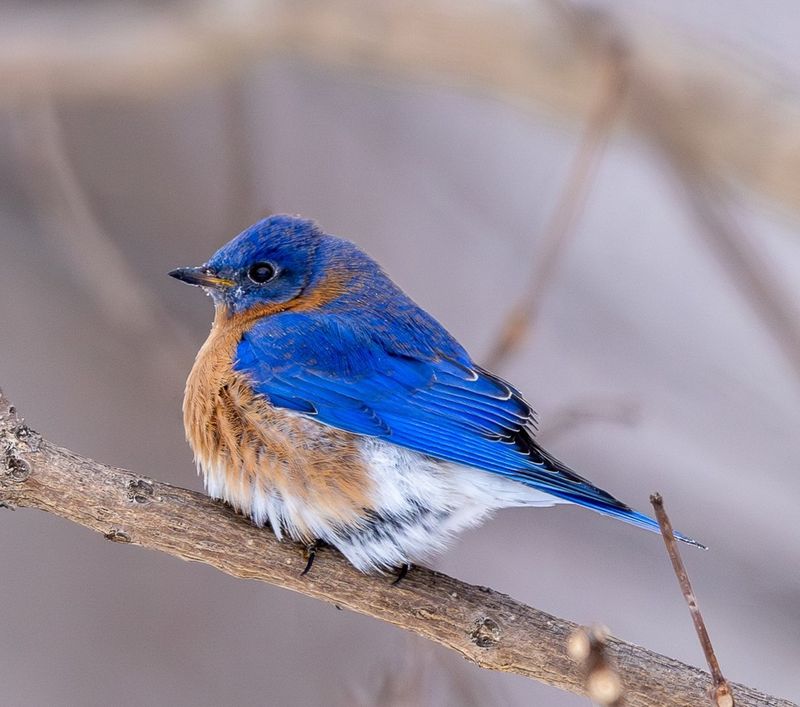
A good nest box can turn a bluebird visit into something much more interesting.
Eastern Bluebirds use cavities for nesting, so a properly built box gives them something many tidy neighborhoods lack.
The box should have suitable interior dimensions, ventilation, drainage, and easy access for seasonal cleaning.
Mount it on a freestanding metal pole rather than directly on a tree. Smooth metal makes the route harder for raccoons, snakes, and squirrels, especially when you add a proper predator baffle below the box.
Keep the box around four to six feet above the ground so you can monitor it without turning every nest check into a ladder project.
Your Texas Garden Changes Every Week. Your Plan Should Too.
Gardening in Texas changes quickly throughout the season. Every Friday you’ll receive a simple weekly plan showing exactly what to plant, prune, fertilize, harvest, and protect so you never miss the right timing.
Location matters just as much as construction. Put the box beside open hunting ground with clear flight paths. A bluebird should be able to approach the entrance without weaving through dense branches.
Avoid a crowded corner under large trees. That may look cozy to us, but bluebirds usually prefer a more open setup.
Once the box is up, keep an eye on it through the season. A nest box is habitat, not lawn decoration.
That little bit of maintenance can pay off with adults hunting across the yard and chicks waiting inside for insect deliveries.
You provide the address. The bluebirds decide if the neighborhood has enough restaurants.
3. Keep The Entrance Hole At Bluebird Size
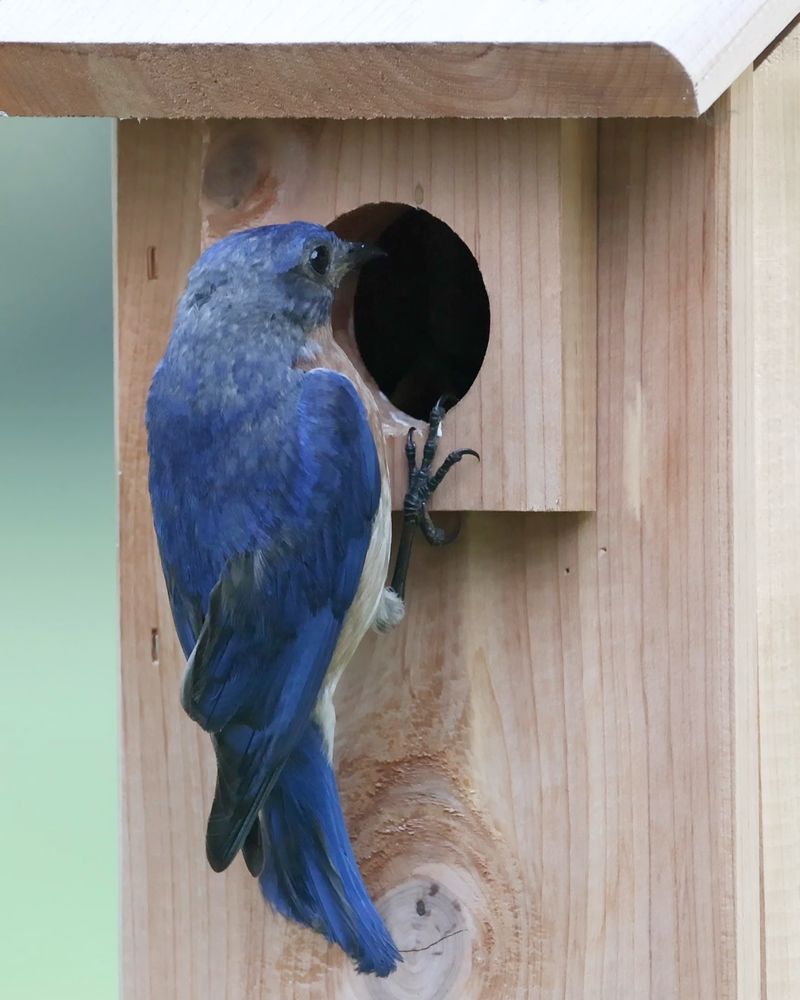
One small measurement can decide who gets through the front door.
For an Eastern Bluebird box, the entrance hole should be about one and one-half inches in diameter. That size gives bluebirds access while helping exclude larger European Starlings.
An oversized hole can turn a carefully placed box into attractive real estate for the wrong tenant. A hole that is too small simply keeps the bluebirds out.
Measure before the box goes on the pole. Commercial boxes are not always identical, so a quick check with a ruler saves frustration later.
A metal entrance plate or wooden repair piece can help correct a hole that was cut too large. Keep the edges smooth so birds do not scrape feathers as they enter and leave.
Entrance size alone will not solve every competition problem. House Sparrows can still use bluebird-sized openings, so regular monitoring remains important.
This is the part many gardeners skip because the difference looks tiny. To the birds, half an inch can completely change who gets access.
Once the dimensions are right, pair the box with open ground, a predator guard, and good placement.
Then let the bluebirds inspect your work.
A nest box does not need fancy trim or a miniature front porch. The birds care much more about a safe doorway and useful hunting ground nearby.
4. Skip The Perch Beneath The Entrance
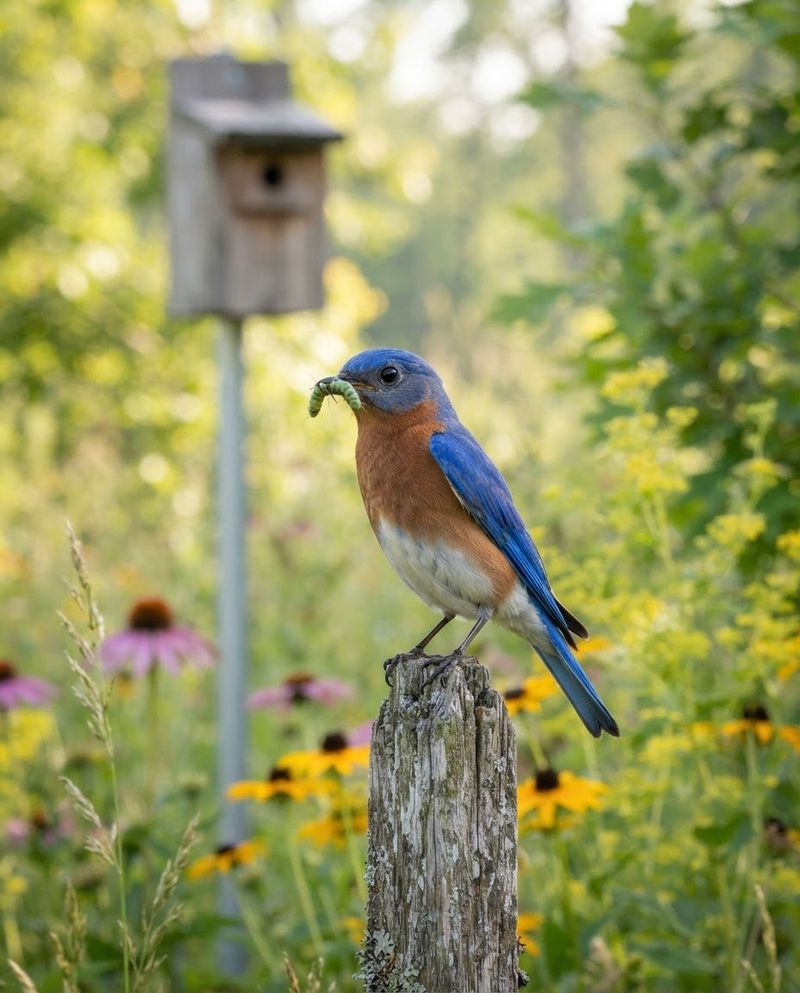
That cute little perch under a nest-box entrance is mostly there for humans.
Bluebirds do not need it.
They can fly directly to the entrance, grip the opening, and slip inside without a wooden dowel beneath their feet. Removing the perch can also make the box less convenient for some unwanted visitors and predators.
Check any box you already own. A decorative dowel can usually come off with a screwdriver or a careful twist. Seal the leftover hole so rain does not find an easy path into the wood.
The inside is different. A rough interior surface below the entrance can help young birds grip when the time comes to climb toward the opening. Shallow grooves in unfinished wood can provide that traction without adding anything outside.
Keep the exterior simple. No porch. No landing rail. No tiny bird balcony required.
This is a nice reminder that wildlife habitat does not always improve when we make it cuter.
Bluebirds want a dry cavity, the correct opening, safe placement, and an easy flight path. They are perfectly capable of handling the final few inches on their own.
Take the perch off and save the decorative touches for the patio.
The bluebirds will not miss it, and your nest box will look a little more like serious habitat and a little less like a dollhouse with feathers.
5. Add A Shallow Clean Water Source
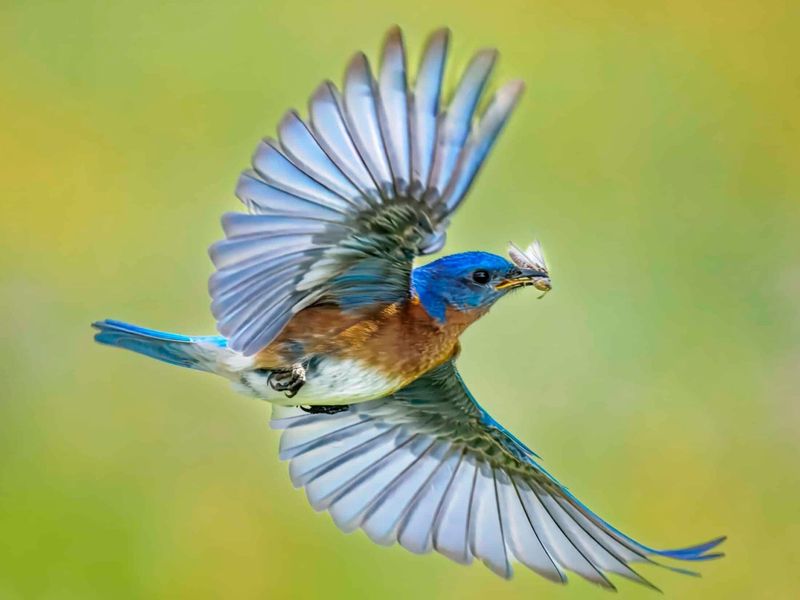
Texas heat can make a clean water source almost as interesting as a nest box.
Bluebirds drink and bathe, so a shallow birdbath can give them another reason to stop in your garden. Keep the water only about one to two inches deep, with an easy place for small birds to stand.
A flat stone or coarse gravel can add secure footing. Slick, steep-sided basins may look beautiful, but a bird should not need swimming lessons just to get a drink.
Place the bath where bluebirds can reach a nearby branch or perch after they splash around. Partial shade can also keep the water more comfortable during hot afternoons.
Cleanliness matters in August. Dump old water and scrub the basin every few days, then refill it with fresh water. That routine helps keep the bath pleasant for birds and prevents stagnant water from becoming useful to mosquitoes.
A small dripper or gentle water mover can make the bath easier for passing birds to notice. Movement catches the eye, especially in a quiet yard.
Keep the setup simple and consistent.
Bluebirds may arrive for a drink before they ever inspect your nest box. Once they learn that your yard offers water, open hunting ground, and safe perches, they have several reasons to return.
Your birdbath gets visitors. Your grasshoppers get a much less relaxing neighborhood.
6. Plant Native Species That Support Insects
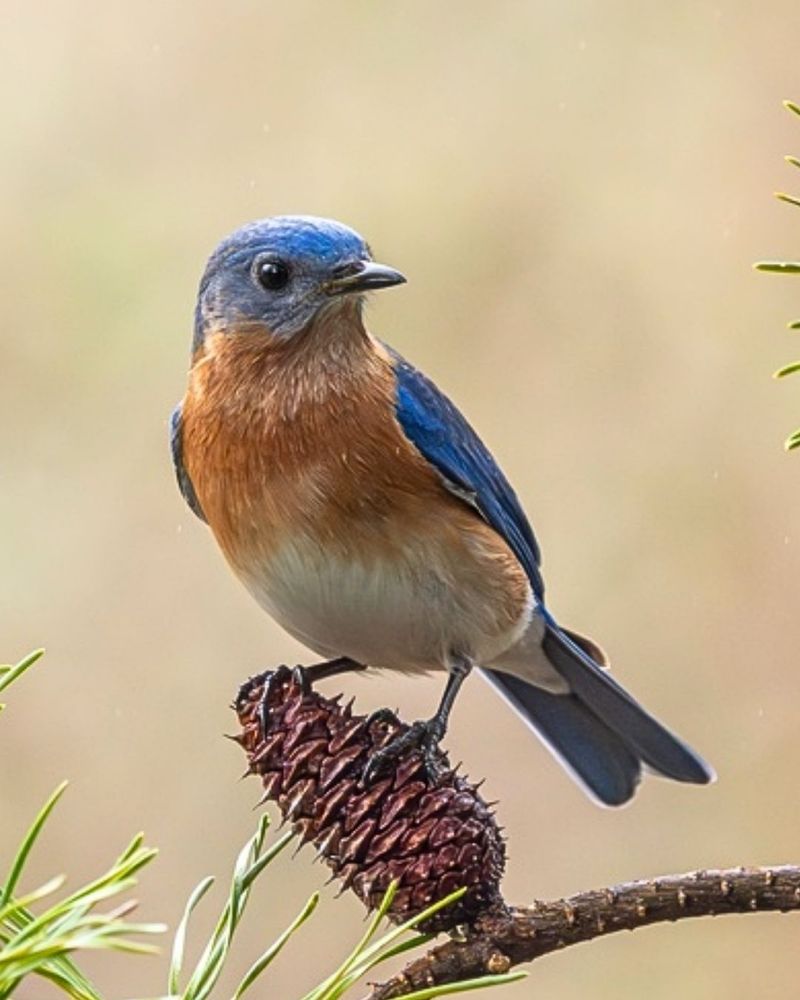
A bluebird-friendly garden still needs insects.
That sounds strange when grasshoppers are chewing through leaves, but the goal is not to wipe every six-legged creature from the yard. Bluebirds depend on a varied supply of prey, especially while they feed young.
Native plants can help support that food web.
Texas species such as cedar elm, Texas persimmon, yaupon holly, little bluestem, black-eyed Susan, and prairie verbena add layers of foliage, flowers, bark, and seed that support insect life through the season.
Some native shrubs also provide berries when insect numbers drop later in the year.
You do not need to replace the whole landscape at once. Start with one sunny border or a corner that currently does very little.
Mix plant heights instead of creating a solid wall across the bluebirds’ hunting space. Keep the denser habitat near edges while leaving open ground nearby for those quick drops from perch to prey.
That balance matters. Insects get places to live, and bluebirds still get places to hunt them.
The point is not to build a grasshopper resort. It is to create enough biological activity that insect-eating birds have a reason to stick around.
A sterile yard offers bluebirds very little.
A diverse one gives them breakfast, lunch, and maybe a berry course once the weather cools.
7. Keep Broad Insecticides Away From Habitat
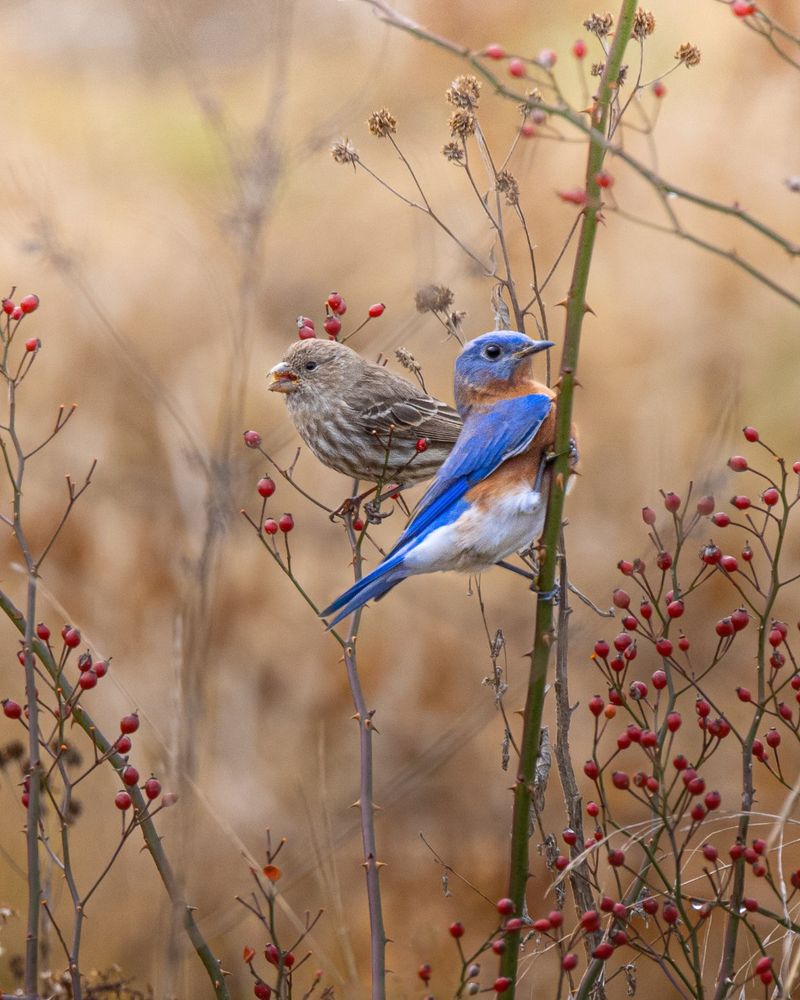
A yard full of bluebirds and a lawn soaked in broad insecticide do not make an easy match.
Bluebirds rely heavily on insects, and nesting pairs need a steady supply to feed growing chicks. A treatment that removes insects across the entire property can also remove much of the food that attracted the birds in the first place.
Use a more targeted approach when garden pests become troublesome.
Start with the specific plant and pest rather than the whole yard. Hand-pick grasshoppers where practical. Protect small vegetable beds with physical barriers when that makes sense.
Treat only the affected area when a pesticide becomes necessary.
Read the label and use the product exactly as directed. More is not better, especially in habitat you hope birds will use.
This does not mean gardeners must surrender every leaf to insects. It means pest control can stay focused instead of turning the entire landscape into an empty pantry.
Watch what the bluebirds are already doing too. A pair that repeatedly drops into the lawn is actively using the prey base you have.
Give them a chance to keep hunting.
The goal is balance, not a yard with zero bugs.
Grasshoppers may take a few bites. Bluebirds may take a few grasshoppers. Your garden gets to keep an actual food web instead of a very tidy ecological waiting room.
8. Leave Nearby Perches For Ground Hunting
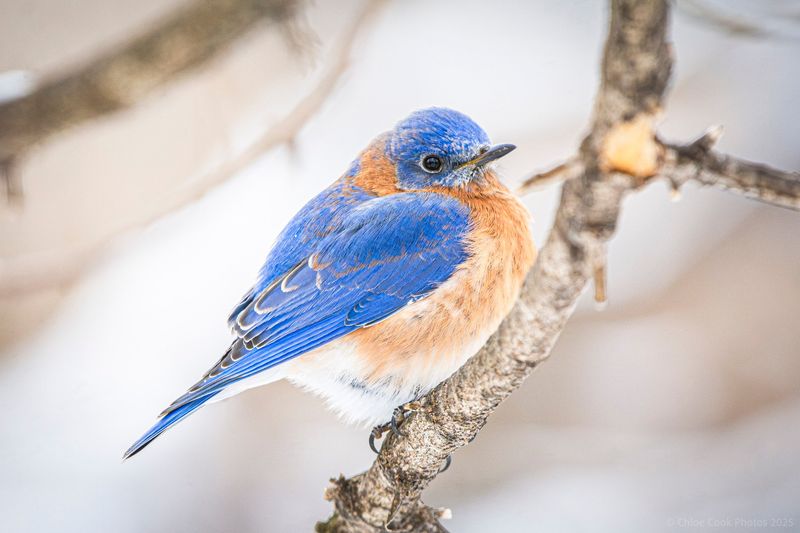
A fence post can be more useful to a bluebird than another bird feeder.
Eastern Bluebirds often hunt from a perch. They sit above open ground, watch for movement, then drop quickly after grasshoppers, beetles, crickets, and other prey.
Leave a few good lookout points around the yard.
Fence posts, low bare branches, wooden stakes, and sturdy plant stems can all work. Place them near open ground so a bird has a clear view and a short flight to the soil.
You do not need a forest of posts. A few well-placed perches along the edge of a lawn or meadow can give bluebirds several angles from which to hunt.
Keep those perches away from the nest-box pole itself when they might give predators easier access. The nest site should stay protected even while the rest of the garden offers convenient hunting stations.
This is one of the cheapest habitat improvements you can make. An old fence section may already be doing the job without any help from you.
Then comes the entertaining part.
A bluebird lands, tilts its head toward the grass, and suddenly dives. Seconds later, it is back on the post with lunch.
That tiny hunting cycle is exactly what you wanted.
Give the bird a lookout, and let the grasshoppers worry about what happens next.