What Happens If You Prune Oregon Roses During This Late-Summer Heat?
A pair of pruning shears can be dangerously tempting when Oregon roses start looking a little unruly.
One scraggly stem becomes three, a few spent blooms catch your eye, and suddenly you are standing in the garden considering a full cleanup while the thermometer is still showing off.
Hot weather, however, can make ordinary garden timing feel a lot less ordinary.
Roses are already dealing with intense sun, warm soil, and long stretches of dry conditions, so adding pruning into the mix raises an important question: is this really the moment to start cutting?
It is easy to assume a quick trim will simply make the plant look neater. Gardening rarely lets anything stay that simple, of course.
The way a rose responds can depend on timing, conditions, and exactly what you decide to remove.
So before giving those bushes an enthusiastic haircut, take a closer look at what the weather is doing and where your roses are in their seasonal rhythm.
A few thoughtful snips may be one thing, but grabbing the pruners without a plan is another story entirely.
1. Fresh Cuts Can Dry Out Faster In Hot Weather
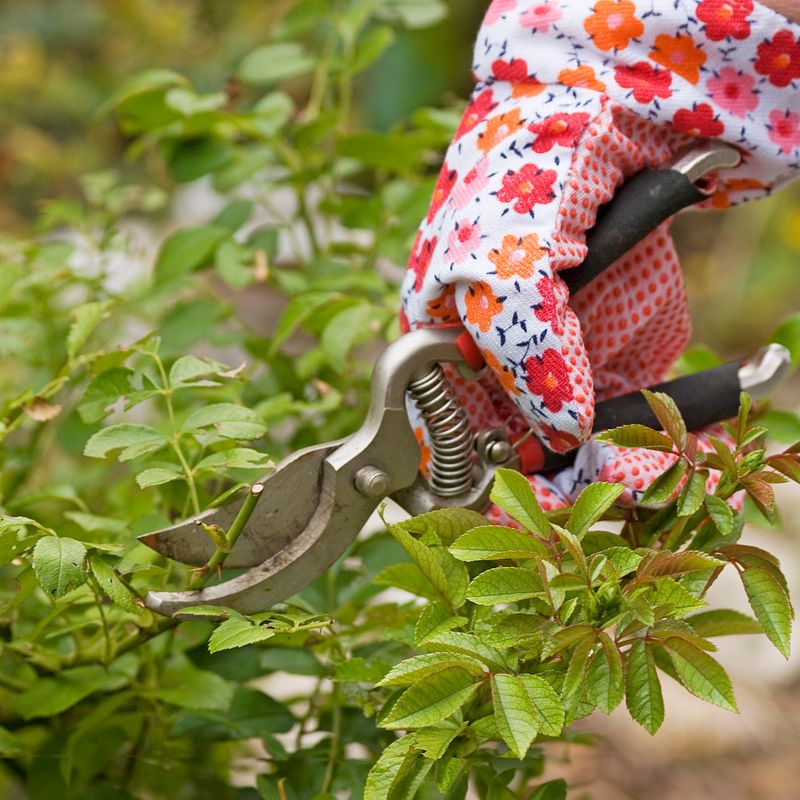
Most gardeners do not realize how quickly a fresh cut can lose moisture on a hot day. When you snip a cane, the open wound is exposed to dry air, intense sunlight, and low humidity all at once.
That combination pulls water out of the plant faster than it can replace it. Roses need water to heal. The tissue at the cut site needs to stay moist enough to callous over properly.
When the air temperature is high, that healing process gets interrupted before it even gets started.
Think of it like a scraped knee that you leave in direct sun with no bandage. The wound dries out, cracks, and takes much longer to close up.
The same thing happens to rose canes when you cut them on a sweltering afternoon.
Timing your pruning matters more than most people think. Early morning cuts give the plant a few cooler hours before the midday heat arrives.
Even that small window makes a real difference in how well the cut heals.
If you must trim something during hot weather, water your roses deeply the day before. Well-hydrated plants handle cuts better and recover faster.
Keeping canes hydrated from the inside out gives them a fighting chance when the temperatures climb.
2. Hard Pruning Can Stress Roses That Are Already Heat-Stressed
Late summer is already a tough season for roses. The heat alone puts a strain on the plant’s system.
Adding a hard pruning on top of that is like asking someone to run a marathon right after they have been sick for a week.
When temperatures stay high for days at a time, roses shift their energy toward basic survival. They focus on keeping their roots cool and their leaves hydrated.
Pruning during this phase forces the plant to redirect that energy toward healing cuts instead.
Hard pruning means removing a lot of the plant at once. Cutting back more than a third of the plant during a heat wave can push it past its comfort zone.
Your Oregon Garden Changes Every Week. Your Plan Should Too.
Gardening in Oregon changes quickly throughout the season. Every Friday you’ll receive a simple weekly plan showing exactly what to plant, prune, fertilize, harvest, and protect so you never miss the right timing.
The result is a plant that looks worse after pruning than it did before.
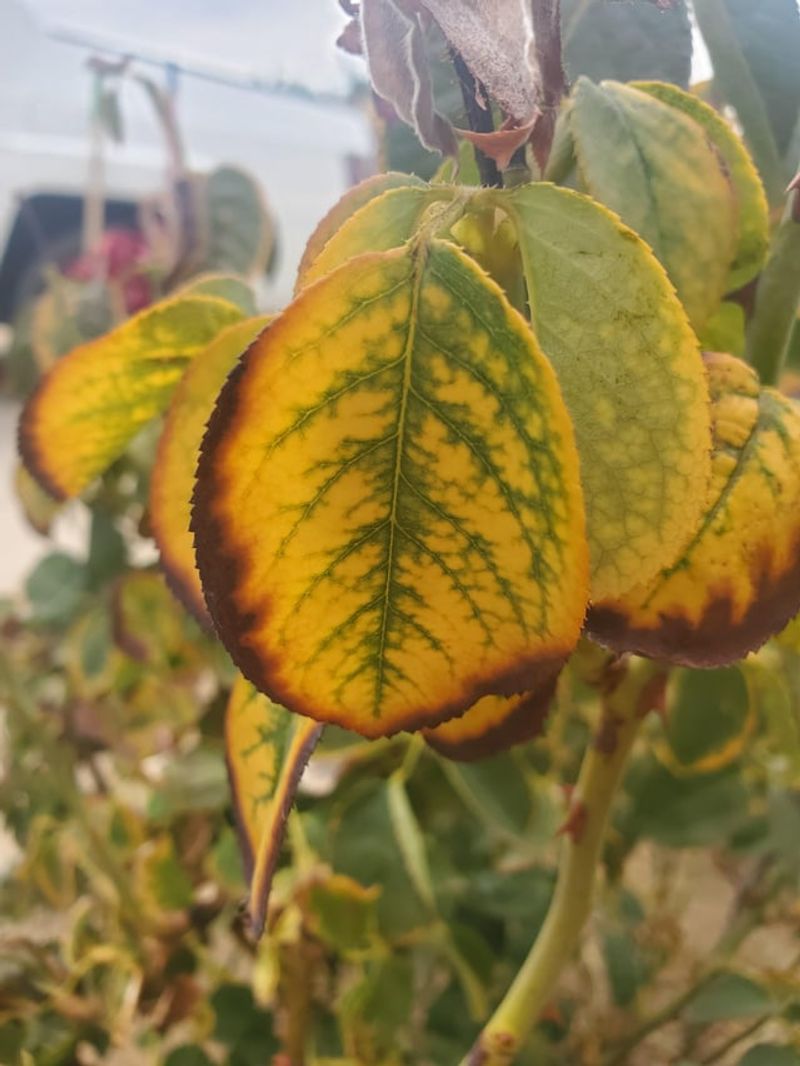
Signs of heat stress in roses include wilting leaves in the morning, browning leaf edges, and fewer blooms than usual.
If your plant is already showing any of these signs, hold off on major pruning until the weather cools down.
A stressed rose is not in a good place to handle extra trauma. Patience is the better move here.
Waiting just a few weeks for temperatures to drop can make a huge difference in how your plant responds to pruning and how quickly it bounces back afterward.
3. Removing Too Much Foliage Exposes Canes To More Sun
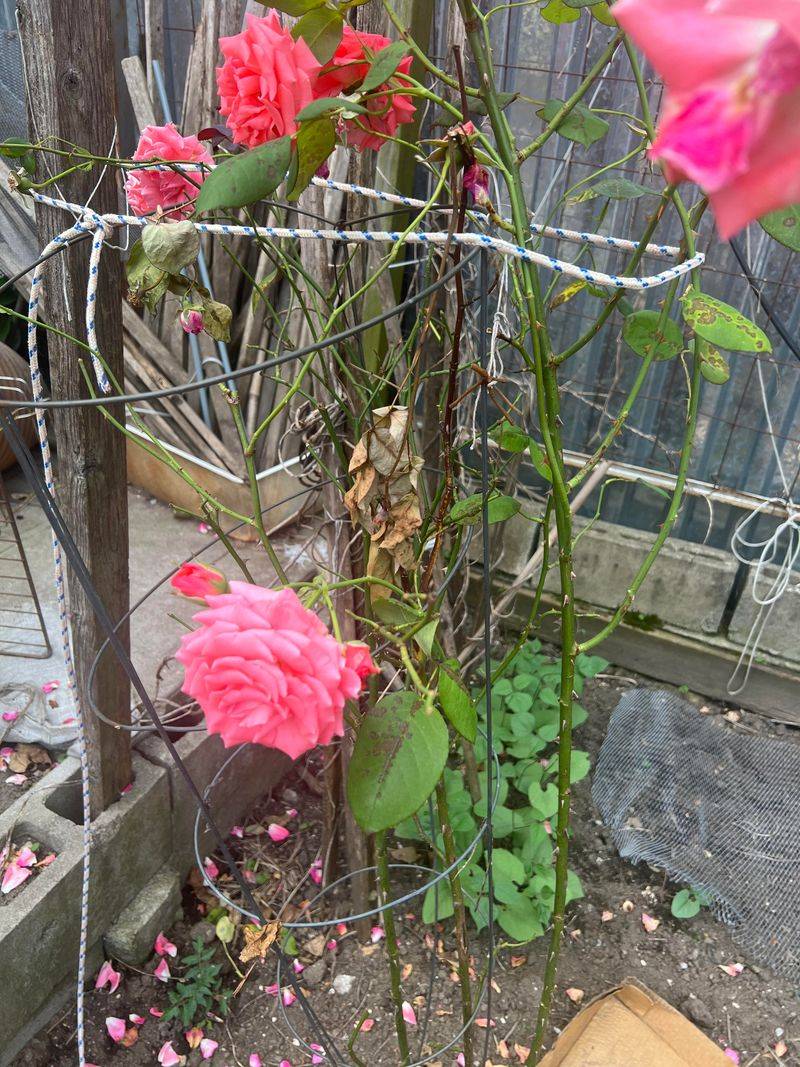
Leaves do more than just look pretty on a rose bush. They act as a natural shield for the canes underneath.
When you remove a lot of foliage during a pruning session, those canes suddenly have no protection from the sun.
Sunscald is a real problem for roses in late summer. It happens when direct sunlight hits canes that are not used to being exposed.
The outer layer of the cane can blister, crack, or turn a pale, dried-out color. Once sunscald sets in, those canes are weakened and more likely to have problems later on.
Foliage also helps regulate the temperature around the plant. A dense canopy of leaves keeps the soil cooler and slows down water evaporation.
Strip that away, and the root zone heats up faster, which adds even more stress to an already struggling plant.
Gardeners in hot climates often learn this lesson the hard way. You prune back hard, thinking you are helping the plant breathe, and then a week later the canes look scorched and sad.
The fix takes much longer than the pruning did.
Leaving more foliage in place during hot weather is a protective choice. Even if the plant looks a little wild or overgrown, that greenery is doing important work.
Let it stay until the heat breaks, and then you can shape things up properly.
4. Tender New Growth Can Struggle In Late-Summer Heat
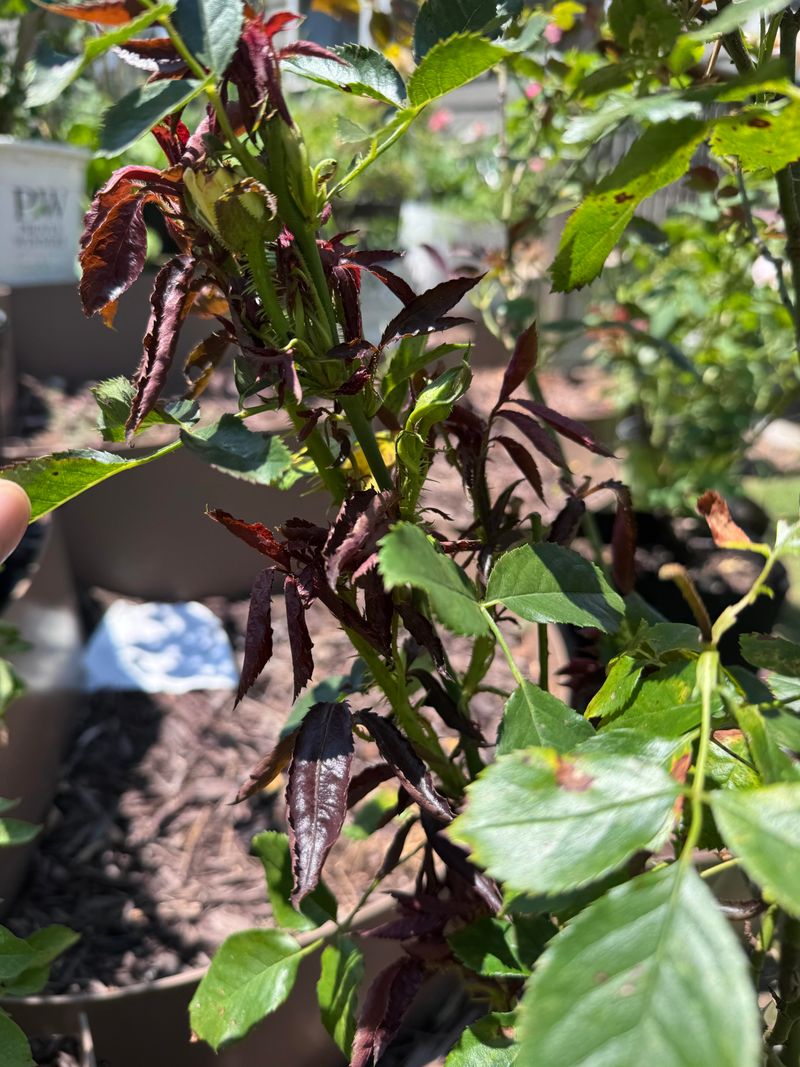
One of the sneaky side effects of pruning roses in late summer is that it triggers new growth. Roses respond to cuts by pushing out fresh shoots.
Under normal conditions, that is exactly what you want. But in the middle of a heat wave, that new growth faces a brutal environment right from the start.
Fresh shoots are soft and delicate. They have not had time to toughen up or develop a thick outer layer.
When they emerge into intense heat and bright sunlight, they can wilt, burn, or shrivel before they even get a chance to mature.
New growth also needs a lot of water. The plant is already working hard to stay hydrated.
Sending energy into tender new shoots on top of that creates extra demand that the roots may not be able to keep up with during a dry, hot stretch of weather.
In Oregon, late-summer heat can linger for weeks without much rain. That means new growth triggered by pruning has to survive in tough conditions with little help from natural rainfall.
Without regular watering, those soft shoots can dry out quickly. Waiting until temperatures cool down means new growth emerges into gentler conditions.
The shoots have a much better chance of developing into strong, healthy canes when the weather is mild and water is easier for the plant to access from the soil.
5. Heavy Cutting Can Slow The Plant’s Recovery
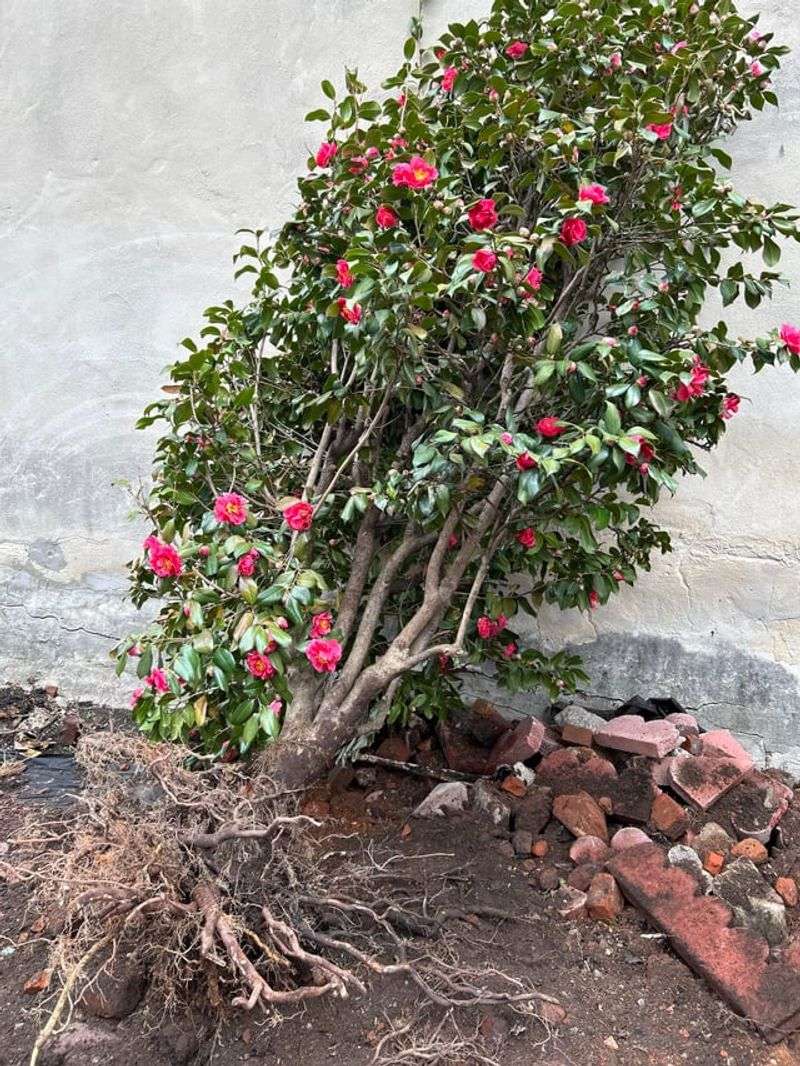
Roses are resilient, but they are not invincible. When you cut back heavily during the hottest part of the year, you are asking the plant to do a lot of healing at the worst possible time.
Recovery slows down significantly when temperatures are high and water is scarce.
A plant that has been heavily pruned needs to rebuild. It has to grow new canes, push out new leaves, and restore its overall shape.
All of that takes energy. In cooler weather, roses can channel energy into regrowth fairly quickly. In summer heat, that process drags out.
The slower recovery also leaves the plant vulnerable for longer. A rose bush that looks sparse and bare is more likely to be bothered by pests and disease.
Aphids, mites, and fungal issues tend to move in when a plant is already weakened.
Gardeners sometimes expect a quick bounce-back after pruning, but that bounce is much slower in hot weather.
What might take two to three weeks in spring can stretch to six weeks or more in late summer. That is a long time for a plant to look rough and feel stressed.
Scaling back how much you cut during summer helps the plant stay stronger overall. Light maintenance trims are far less disruptive than a full cutback.
Your roses will thank you when fall arrives and they are still in solid shape to push out one more round of beautiful blooms.
6. Deadheading Is Safer Than A Major Cutback
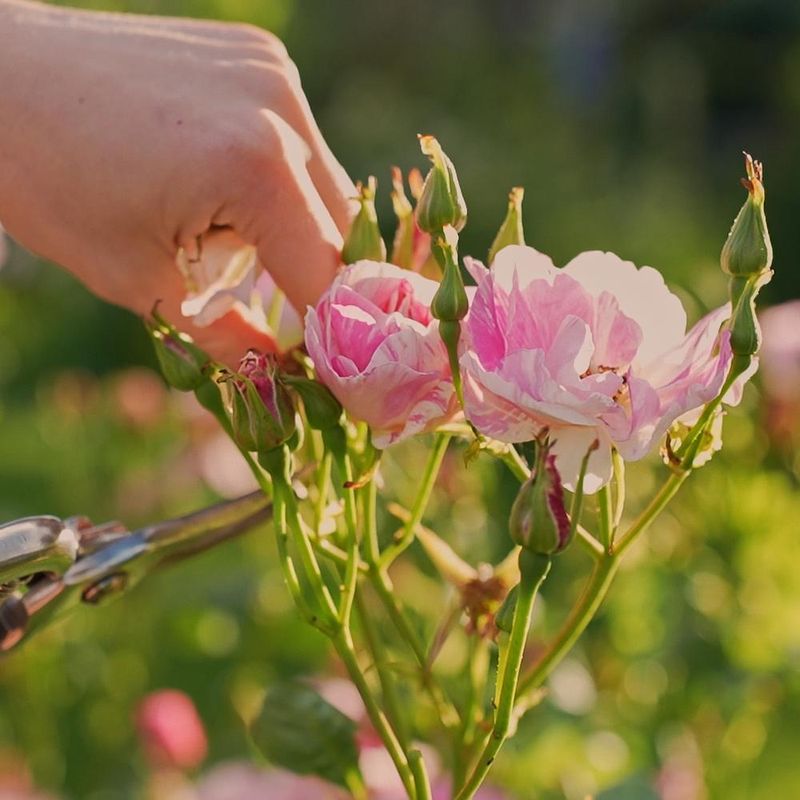
If you are itching to do something for your roses during the summer heat, deadheading is your best friend.
Removing spent blooms is a light, low-risk task that keeps your rose bush looking tidy without putting the plant under serious stress.
Deadheading means cutting off flowers that have finished blooming. You are removing the old bloom and a small section of stem just below it.
This small cut heals quickly and does not expose large sections of cane to the sun or heat.
Beyond keeping things neat, deadheading actually encourages more blooms. When a rose produces a seed pod, it puts energy into that pod instead of making new flowers.
Removing the old bloom redirects that energy back into flowering. That is a win for you and for the plant.
The key is to keep the cuts small and clean. Use sharp, clean shears and make your cut just above a leaf set with five leaflets.
That is where the strongest new growth will come from. Dull blades crush the stem instead of cutting it cleanly, which slows healing.
Deadheading works well throughout the summer without the risks that come with harder pruning. You can do it regularly, every week or two, and the plant handles it easily even in warm weather.
For rose lovers in hot climates, this simple habit keeps gardens looking great all season long without causing extra stress to the plant.
7. Save Serious Reshaping For Cooler Weather
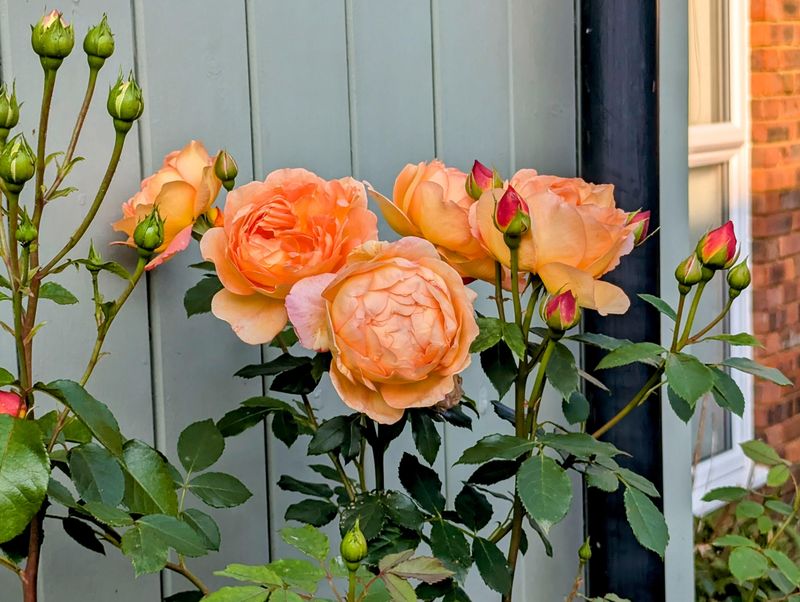
Big pruning jobs are worth waiting for. If your rose bush needs serious reshaping, a major height reduction, or removal of old woody canes, plan to do that work when the weather cools down.
Fall is a much friendlier time for the plant to handle that kind of work.
Cooler temperatures mean the plant is not already fighting to stay hydrated. Cuts heal faster when the air is mild and moist.
New growth that emerges after a fall pruning comes up in gentler conditions, which gives it a much better chance of thriving.
Many experienced rose growers in Oregon do their biggest pruning jobs in late winter or early spring.
At that point, the plant has rested, temperatures are rising slowly, and there is usually plenty of rain to help with recovery.
That timing lines up perfectly with the plant’s natural growth cycle.
Waiting does not mean ignoring your roses all summer. You can still deadhead, water consistently, feed with a balanced fertilizer, and watch for pests.
All of those tasks help the plant stay strong until you are ready to do more serious work.
Patience is one of the most valuable tools in a gardener’s kit. Holding off on that big cutback for a few weeks can mean the difference between a struggling plant and one that bounces back beautifully.
Let the heat pass, then get to work with your shears when the timing is actually on your side.