Why Tree-Of-Heaven Is Becoming A Bigger Problem In Oregon Yards Than Most Gardeners Realize
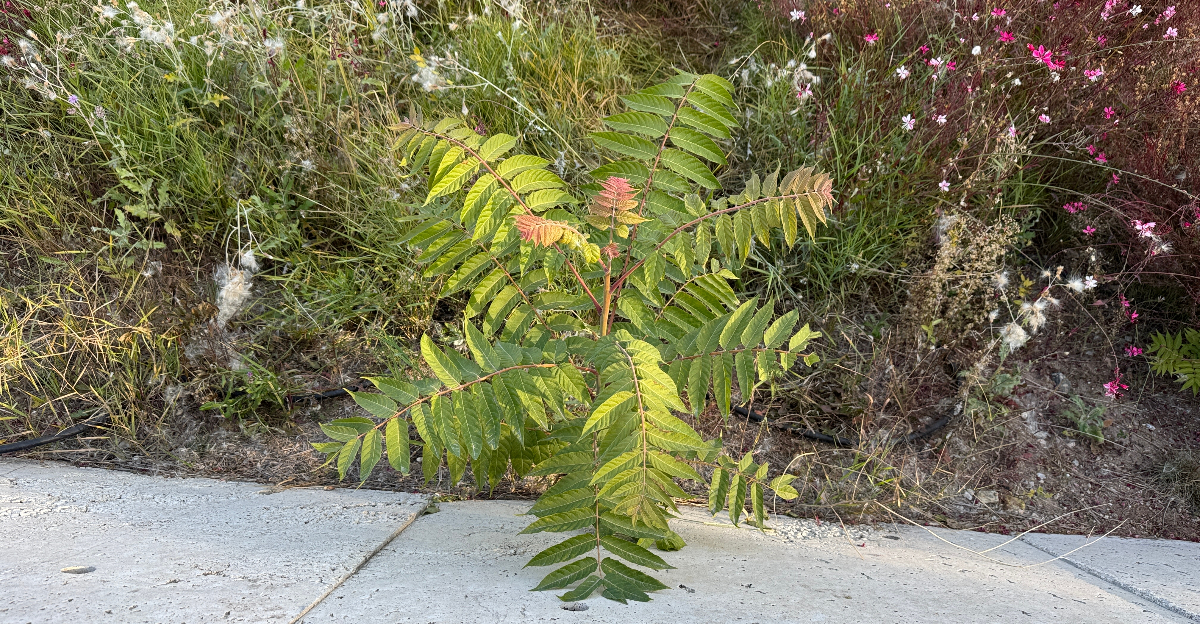
Tree-of-heaven has the kind of name that sounds like it belongs in a peaceful botanical garden, not on a homeowner’s growing list of yard concerns.
Yet across Oregon, this oddly named tree is getting harder for gardeners to ignore. That contrast alone deserves a raised eyebrow. Part of what makes the situation so easy to overlook is appearance.
A tree can blend into a fence line, pop up near an unused corner, or simply look like another bit of greenery until someone finally asks, “Wait, what exactly is that?” By then, curiosity tends to arrive with plenty of questions.
Oregon gardeners already have enough to keep track of, including watering, pruning, weeds, pests, and whatever the weather decides to do next. Adding one more unfamiliar tree to the mental checklist is hardly thrilling.
Still, tree-of-heaven is worth recognizing before it becomes background scenery. If you have spotted an unfamiliar young tree appearing around your yard, driveway, alley, or property edge, taking a closer look could reveal more than you expected.
1. It Spreads Fast Through Seeds And Root Suckers
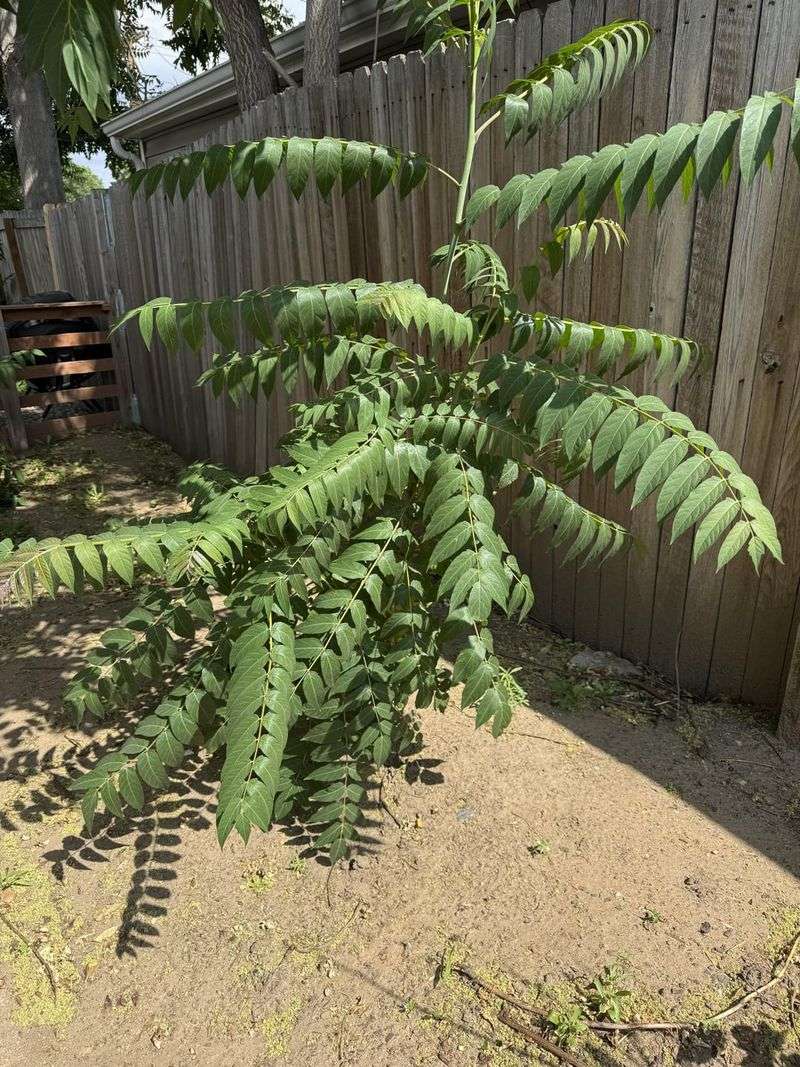
Few plants in the plant world can match the sheer reproductive speed of Tree-of-Heaven. A single mature tree can produce up to 325,000 seeds in one growing season.
Those seeds are lightweight and winged, so the wind carries them easily into neighboring yards, garden beds, and open soil.
Once a seed lands in a good spot, it germinates quickly. Seedlings can grow several feet in their first year alone.
That kind of speed means a small problem can become a big one before most gardeners even notice what is happening in the corners of their property.
On top of seeds, the tree also spreads through root suckers. These are new shoots that sprout up from the underground root system.
They can pop up several feet away from the original tree, sometimes in the middle of a lawn or along a fence line. Root suckers are especially hard to deal with because pulling one out does not stop others from forming nearby.
The roots stay active underground and keep sending up new growth. Checking your yard regularly for small sprouts with large, feather-like leaves is one of the best ways to catch this plant early before it gets a strong foothold in your garden space.
2. Cutting It Down Can Trigger Even More Shoots
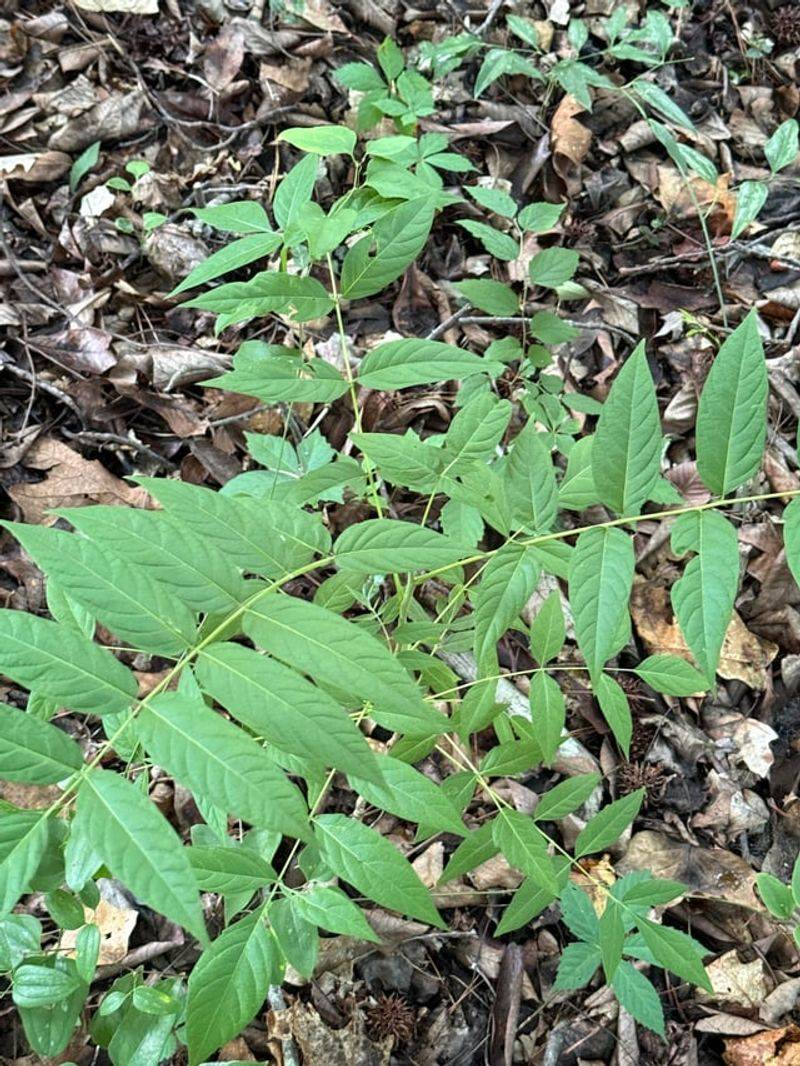
Here is something that surprises most homeowners. Cutting down a Tree-of-Heaven does not get rid of it.
In fact, removing the main trunk often makes the problem worse by triggering a flush of new root suckers from the stump and surrounding roots.
The tree has a built-in survival response. When the trunk is removed, the root system senses the loss and pushes energy into producing new sprouts.
You might cut one tree and find five or ten new shoots coming up within a few weeks. Those new sprouts grow fast and can reach several feet tall in a single season if left unchecked.
This is one of the most frustrating things about dealing with this plant. The harder you fight it with simple cutting, the more aggressively it seems to come back.
Your Oregon Garden Changes Every Week. Your Plan Should Too.
Gardening in Oregon changes quickly throughout the season. Every Friday you’ll receive a simple weekly plan showing exactly what to plant, prune, fertilize, harvest, and protect so you never miss the right timing.
Timing matters a lot when trying to manage it. Cutting during active growth periods, like late spring, can sometimes reduce the energy the roots have stored.
But cutting alone, without any follow-up treatment or monitoring, rarely keeps the plant from returning. Gardeners who have tried cutting it year after year often find the root system just gets bigger and more established over time.
A consistent, multi-step approach works much better than a single removal attempt.
3. Roots Can Travel Far Beyond The Original Tree
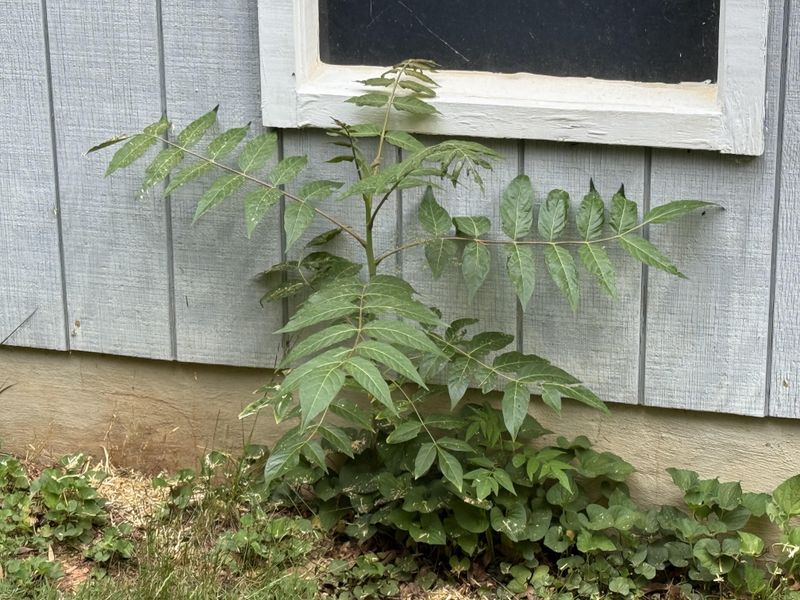
What you see above ground is only part of the story. Tree-of-Heaven has an aggressive root system that spreads horizontally in all directions, often reaching much farther than the branches above.
Roots from a single tree can extend 20 feet or more from the base of the trunk.
Those traveling roots can cause real problems for yards and structures. They are known to push up through sidewalks, crack driveways, and even work their way into drainage systems.
Homeowners sometimes find new shoots sprouting in their flower beds or vegetable gardens, far from where the original tree is standing. That is the underground root network doing its job.
The roots also release chemicals into the soil that can slow or stop the growth of nearby plants. Scientists call this process allelopathy.
Essentially, the tree uses its root system as a tool to reduce competition from other plants around it. This makes it harder for grass, garden plants, and native species to thrive in areas where Tree-of-Heaven is established.
If you notice patches of poor plant growth near a suspicious-looking tree, the roots could be the reason. Mapping out where the tree is rooted can help you plan a more effective removal strategy rather than just addressing what you see above the soil.
4. Young Trees Are Easy To Mistake For Something Harmless
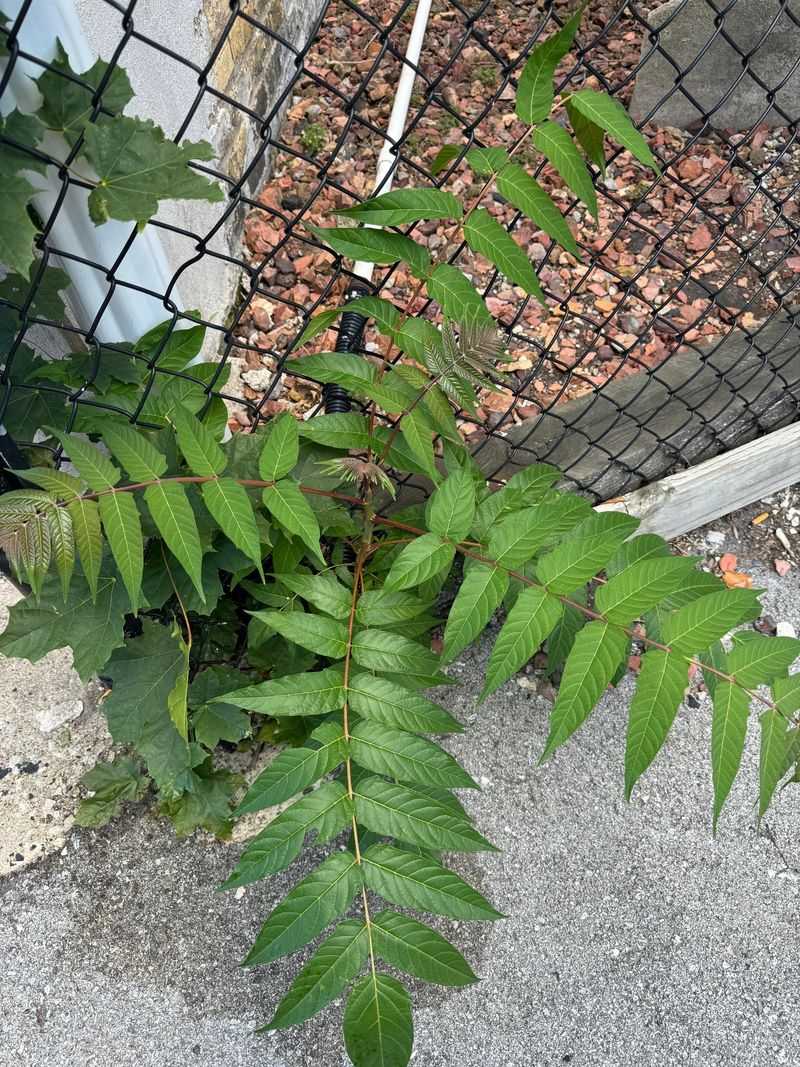
Spotting this plant early is harder than it sounds. Young Tree-of-Heaven plants look a lot like several native and harmless species.
The long, feather-like compound leaves are similar in appearance to black walnut, sumac, and even some native ash trees. Many gardeners see a small seedling and assume it belongs there.
One reliable way to tell the difference is the smell. If you crush or tear a leaf from a young Tree-of-Heaven, it releases a strong, unpleasant odor that many people compare to peanut butter left out too long or something slightly rotten.
Native trees with similar-looking leaves do not produce that same smell. Getting close and checking the scent is one of the quickest identification tricks you can use.
Another clue is the leaf base. Each leaflet on a Tree-of-Heaven has one or two small notches or bumps near the base, called glands.
These glands are a key identifying feature that sets it apart from look-alike plants. Learning to recognize these small details early gives you a big advantage.
The sooner you correctly identify a young plant, the easier it is to remove it before the root system grows deep. Misidentifying it as something harmless and leaving it alone is one of the most common reasons this tree gets out of control in home gardens across the Pacific Northwest.
5. It Can Crowd Out More Useful Yard Plants
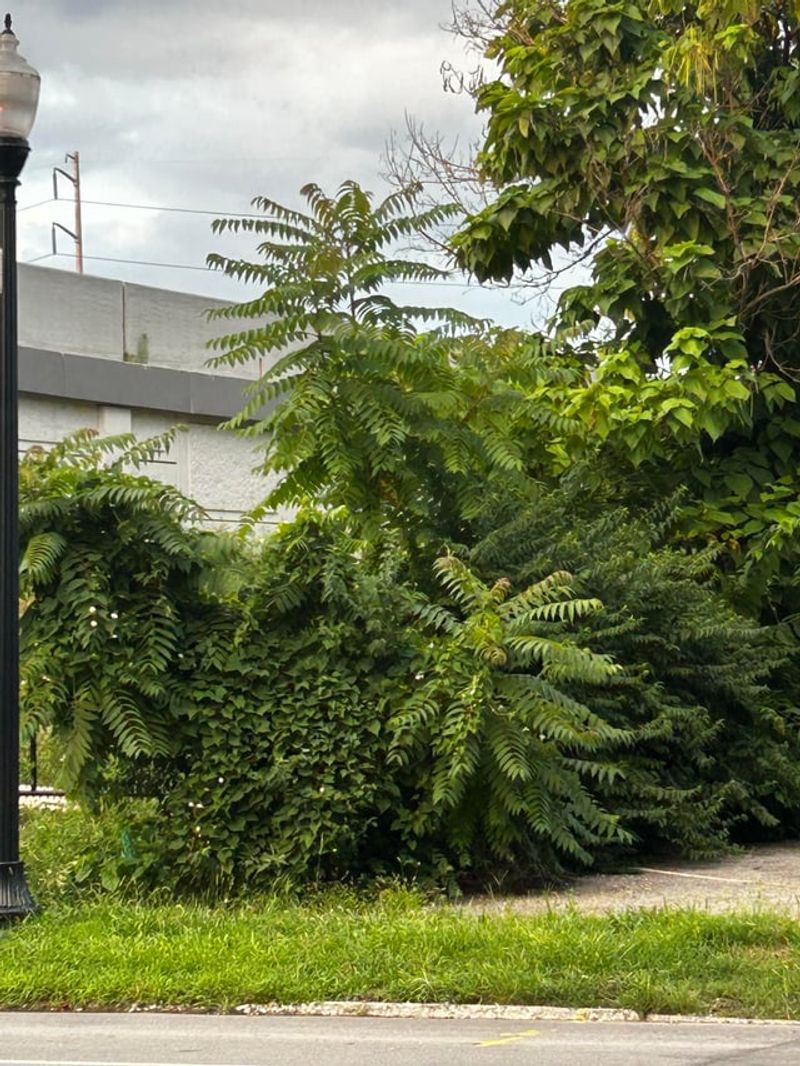
Speed and shade are two of this tree’s biggest weapons against your other plants. Tree-of-Heaven grows so quickly that it can overtop slower-growing shrubs, perennials, and even small ornamental trees within just a few seasons.
Once it is taller, it casts dense shade that reduces sunlight for the plants growing beneath it.
Beyond shade, the chemicals released by its roots make the soil less hospitable for other species. Garden favorites like tomatoes, beans, and many flowering perennials can struggle in soil where this tree is well established.
Native plants that wildlife depends on for food and shelter are also pushed out when this invasive species takes over a section of yard.
Losing useful plants to an invasive species is more than just a cosmetic problem. A yard full of Tree-of-Heaven offers very little food value for local birds, bees, and butterflies compared to native plants.
The ecological balance of your outdoor space shifts when one aggressive species takes over. Homeowners who work hard to grow pollinator-friendly gardens or productive vegetable beds can lose years of effort if this tree is allowed to spread unchecked.
Keeping your garden diverse and full of useful plants means staying alert and removing invasive seedlings before they get big enough to start competing seriously for light, water, and nutrients in your yard.
6. Sidewalk Cracks And Fence Lines Give It Easy Openings
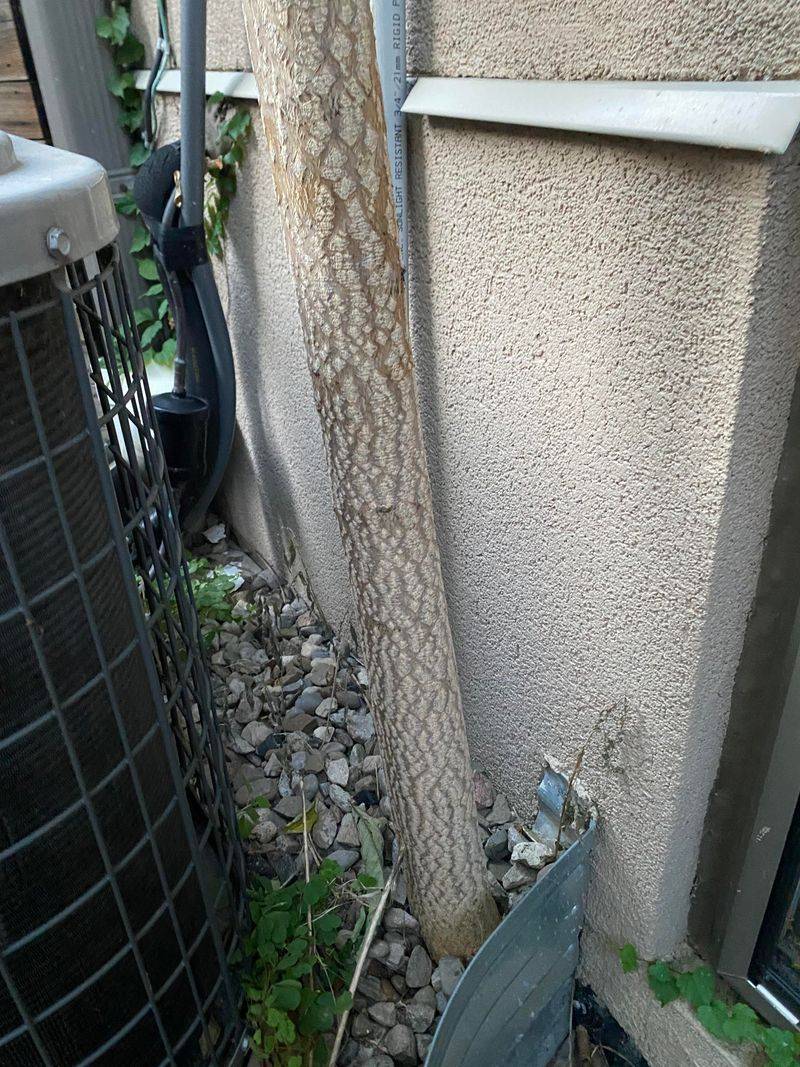
Disturbed areas are where this tree thrives most. Cracks in sidewalks, gaps along fence lines, spaces between pavers, and the edges of driveways are all prime spots for Tree-of-Heaven to get started.
The seeds are small enough to settle into tight spaces, and the seedlings are tough enough to push through hard surfaces as they grow.
Fence lines are especially vulnerable because they are often neglected. Many homeowners focus on the main garden beds and lawn but skip the edges and boundaries.
That neglect gives invasive plants a head start. A seedling growing along a fence can go unnoticed for a whole season, giving it time to build a root system that becomes much harder to remove later.
Urban areas in Oregon see this pattern a lot. Roadsides, alleyways, and the edges of parking lots are often the first places Tree-of-Heaven shows up in a neighborhood.
From those spots, seeds blow into nearby yards. Checking fence lines and hard-surface edges a few times a year is a simple habit that can prevent a lot of future work.
Pulling seedlings when they are small, before roots go deep, takes only a few seconds. Waiting until they are established can mean hours of difficult work and repeated follow-up visits to the same spot to manage regrowth from the leftover root system.
7. One Tree Can Turn Into A Whole Patch
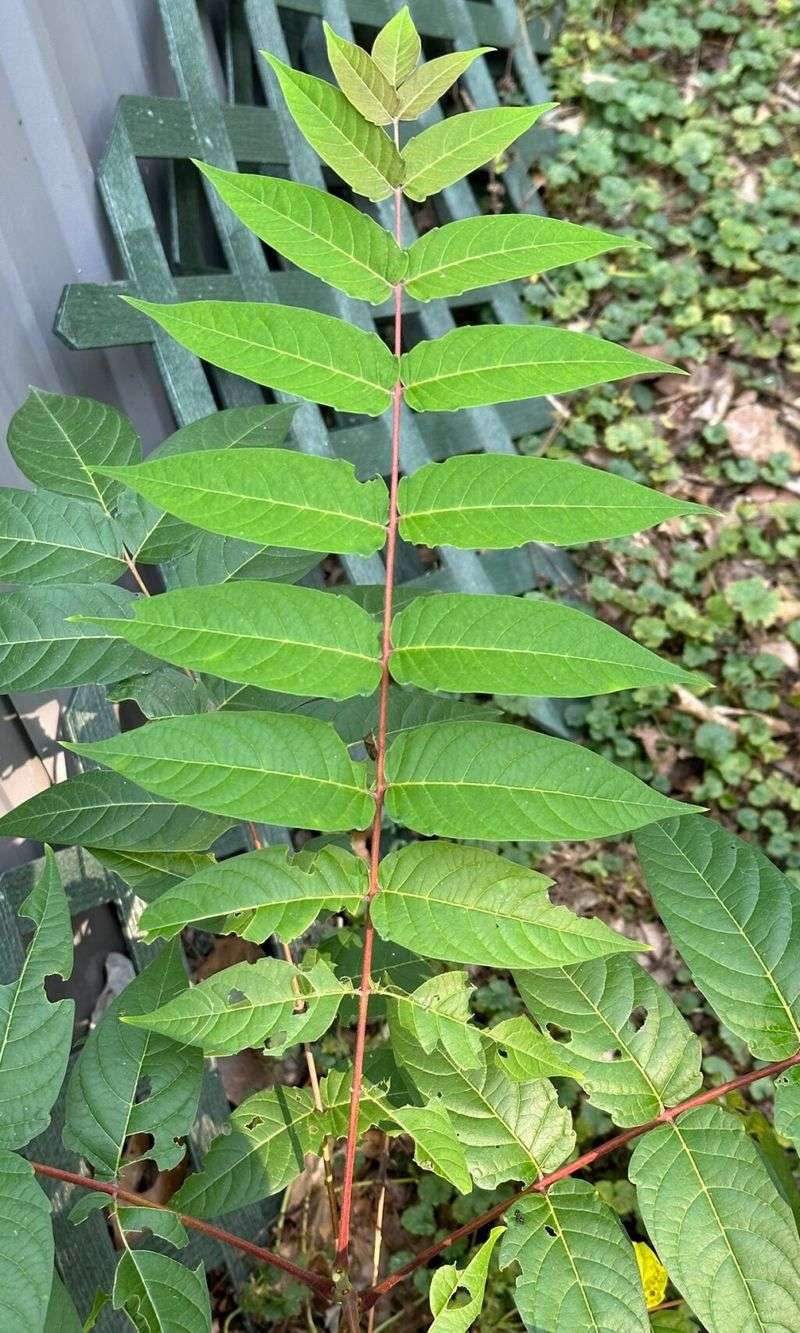
Most invasive plant problems start with just one plant. With Tree-of-Heaven, that one plant can multiply into a dense thicket surprisingly fast.
Between seed production, root suckers, and the tree’s ability to resprout after being cut, a single tree left unmanaged for three to five years can become a grove of dozens.
Once multiple stems are growing close together, they share a connected root network underground. That shared system makes the whole patch harder to manage because removing one stem just redirects energy to the others.
Gardeners who have dealt with established patches often describe it as a frustrating cycle of cutting and regrowing that seems to have no end.
Prevention is far easier than patch control. Catching the first tree or even the first few seedlings before they mature is the most effective strategy available to homeowners.
A single seedling can be pulled by hand in under a minute. A mature patch with an extensive root system can require months of repeated effort to bring under control.
Sharing information with neighbors also helps, because a patch in one yard sends seeds into surrounding properties. Coordinating removal efforts across a few neighboring yards at the same time is much more effective than one household working alone while the surrounding trees keep dropping seeds and sending out new roots into shared spaces.
8. Repeated Mowing Rarely Solves The Root Problem
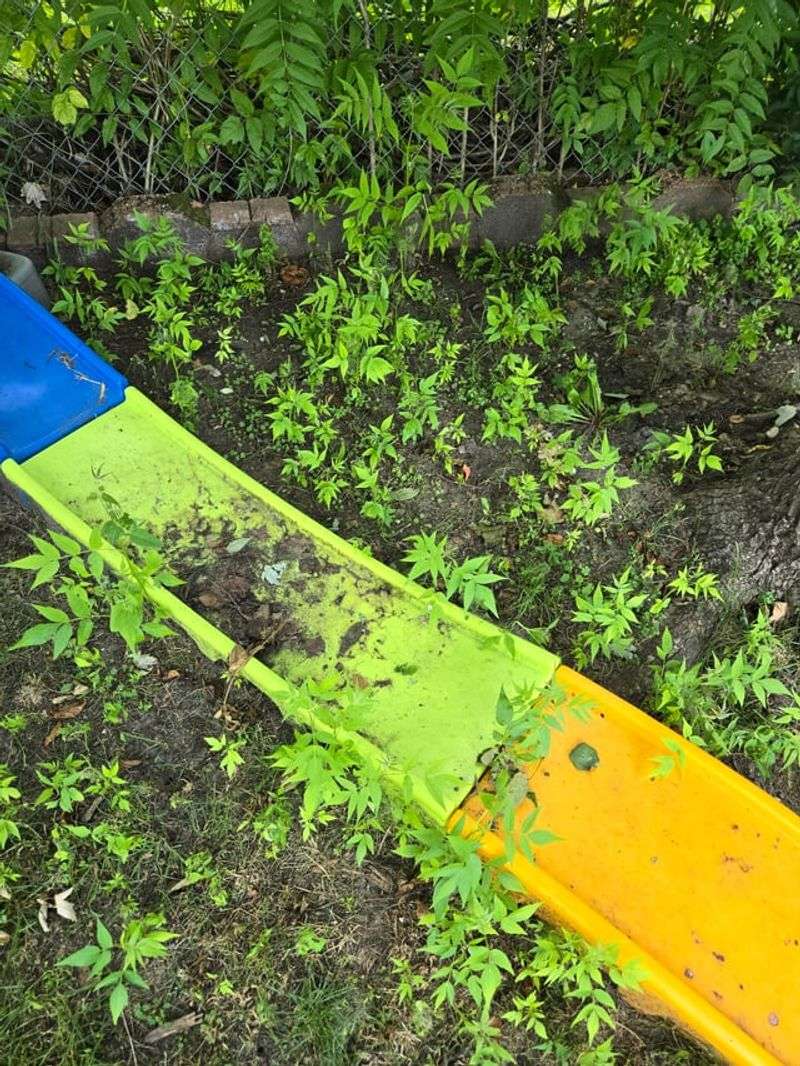
Mowing over Tree-of-Heaven sprouts in a lawn might seem like a quick fix, but it mostly just delays the problem. The mower cuts the above-ground growth, but the root system underneath stays completely intact.
Roots store energy, and they use that stored energy to push up new sprouts after each cutting.
Over time, repeated mowing can actually stimulate the root system to spread wider as it works harder to sustain itself. Some studies on invasive woody plants suggest that regular mowing without any other treatment can cause the underground root network to expand rather than shrink.
That means more sprouts popping up across a larger area of your lawn over the following seasons.
Consistent removal of young sprouts by hand, combined with targeted treatment of the root system, is a more effective long-term approach. Pulling sprouts when the soil is moist makes it easier to get more of the root out with each pull.
Keeping a close eye on areas where sprouts have appeared before is also important, because the roots do not disappear after one removal attempt. Patience and consistency matter more than any single dramatic effort.
Many gardeners find that keeping a simple log of where sprouts appear helps them track progress and stay on top of regrowth before it gets out of hand across the yard again.