What Oregon Gardeners Should Do Before The First Real Heat Wave Of Summer Arrives
The first real heat wave can catch an Oregon garden off guard. Plants that looked strong in mild June weather may suddenly wilt, curl, or stall once hot days stack up.
That makes the days before the heat arrives more important than most gardeners realize.
This is the moment to check soil moisture, protect young plants, refresh mulch, and move containers before stress hits hard.
A little prep can help roots stay cooler and leaves handle the shift with less shock.
It can also save you from frantic watering when the sun is already beating down. Oregon summers can turn dry quickly, especially after a gentle spring.
Give your garden a head start now, and the first heat wave will feel less like a crisis and more like a challenge your plants are ready to face.
1. Deep Watering Before The Heat Arrives
Most gardeners water the surface and call it a day, but shallow watering barely touches the roots that actually need moisture most. Before a heat wave rolls in, give your garden a long, slow, deep drink.
Water that soaks 6 to 8 inches down into the soil stays available to roots much longer than a quick spray ever could.
Deep watering encourages roots to grow downward rather than sideways near the surface.
Plants with deep roots can handle high temperatures far better because they have access to cooler, moister soil layers.
This simple habit makes a dramatic difference when triple-digit heat arrives unexpectedly.
The best time to do this is early morning, a day or two before the heat wave is forecast to begin.
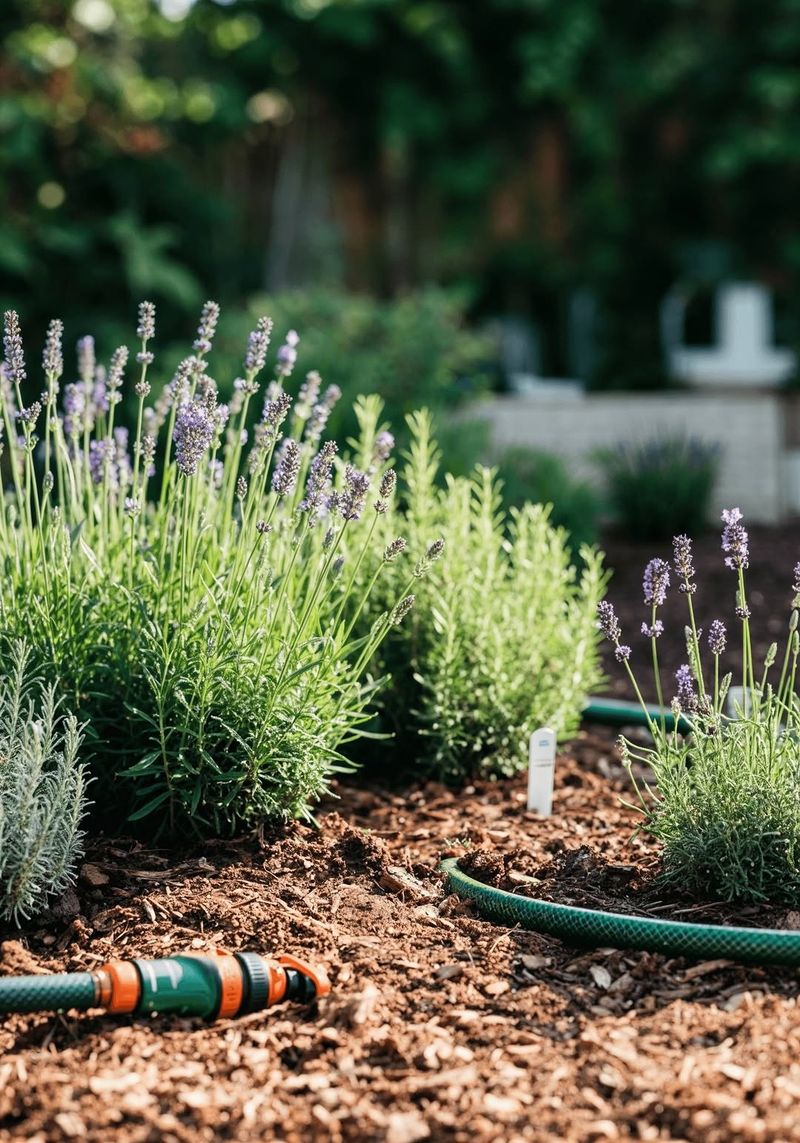
Water slowly using a soaker hose or a low-flow nozzle so the soil can absorb it without runoff.
Sandy soils drain fast, so water twice if needed. Clay soils hold moisture longer, but they also need time to absorb water deeply without pooling.
Checking the soil with your finger or a moisture meter before and after watering helps you know if you have reached the right depth. A well-hydrated garden going into a heat wave is a resilient garden.
2. Fresh Mulch Around Trees And Garden Beds
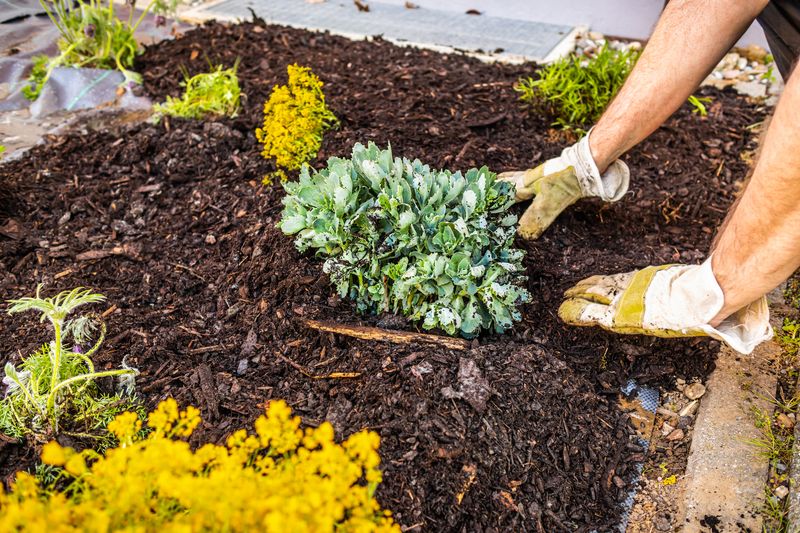
Bare soil bakes quickly in summer heat. It can reach temperatures hot enough to damage shallow roots and dry out in just a few hours of direct sun.
Mulch acts like a blanket that works in reverse, keeping soil cool and moist when the air above it is scorching hot.
Adding 2 to 4 inches of fresh mulch around trees, shrubs, and garden beds before a heat wave is one of the most effective things you can do. Wood chips, straw, and bark dust all work well.
They slow evaporation, reduce soil temperature, and also cut down on weed growth at the same time.
Make sure to keep mulch a few inches away from the base of tree trunks and plant stems. Mulch piled directly against stems can trap moisture and cause rot over time.
Spread it in a wide, even layer instead, extending out toward the drip line of the plant if possible.
Your Oregon Garden Changes Every Week. Your Plan Should Too.
Gardening in Oregon changes quickly throughout the season. Every Friday you’ll receive a simple weekly plan showing exactly what to plant, prune, fertilize, harvest, and protect so you never miss the right timing.
Fresh mulch also improves soil health as it breaks down slowly, feeding beneficial organisms living below the surface.
Gardeners who mulch regularly tend to have plants that bounce back faster after heat stress.
It is a low-cost, high-reward task that takes less than an afternoon and protects your garden through the hottest days of the year.
3. Shade Cloth For Tender Vegetables And Seedlings
Young seedlings and heat-sensitive vegetables like lettuce, spinach, and cilantro can go from thriving to wilted in just one afternoon of intense sun.
Shade cloth is one of the most practical tools a gardener can have when a heat wave is on the way.
It cuts direct sunlight by 30 to 50 percent while still letting air and water pass through.
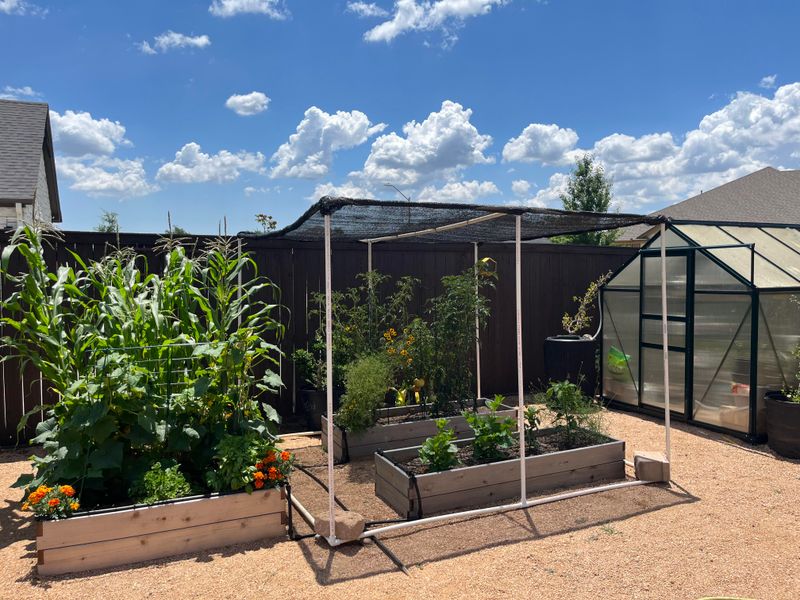
Setting up shade cloth before the heat hits gives your plants time to adjust. You can buy it by the roll at most garden centers or online, and it comes in different densities.
A 30 to 40 percent shade rating works well for most vegetables. Tomatoes and peppers can handle more sun, but they also benefit from afternoon shading when temperatures push past 100 degrees.
Simple PVC hoops, wooden stakes, or wire frames can hold shade cloth above your beds without touching the plants. The goal is to create a buffer zone between the harsh afternoon sun and your crops.
Even a few hours of shading during the hottest part of the day can prevent leaf scorch and blossom drop. Remove the cloth in the evening so plants still get morning sun the next day.
Once you try shade cloth during a heat wave, it will become a permanent part of your summer gardening toolkit without question.
4. Checking Drip Systems Before Temperatures Spike
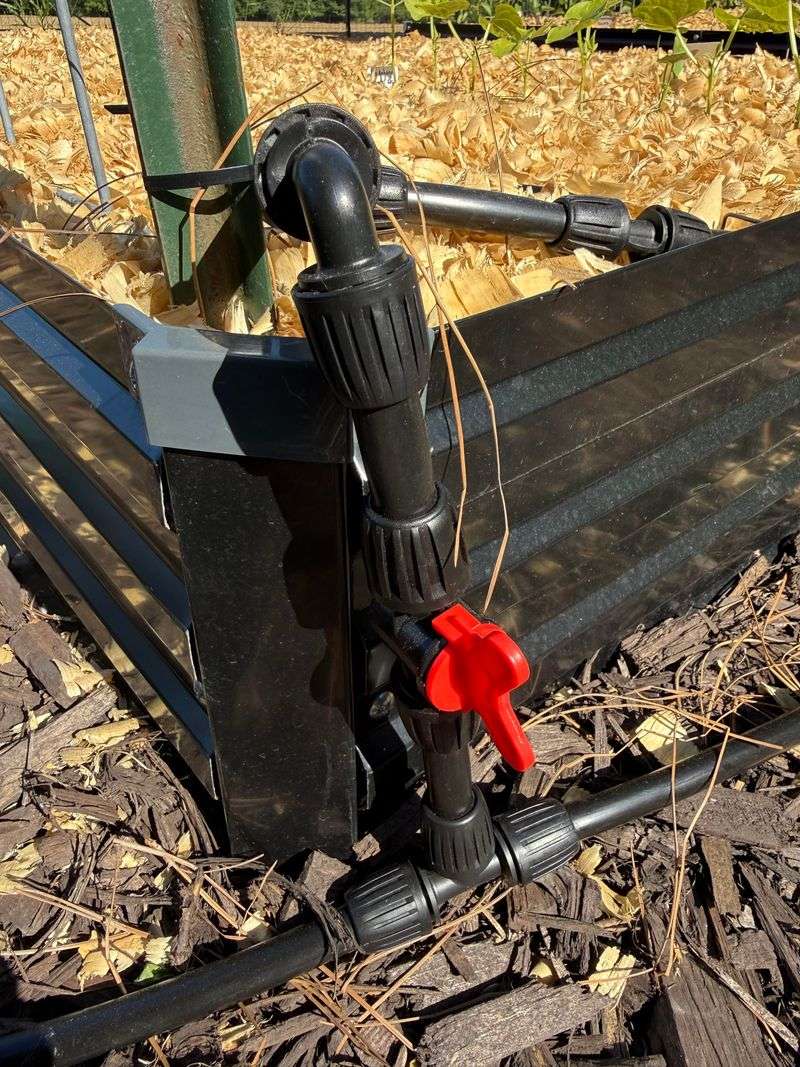
A drip system that has a clogged emitter or a cracked line is worse than no system at all, because you might think your plants are getting water when they are not.
Before heat wave season really kicks in, walk through your entire drip system and test every zone.
Turn it on and watch each emitter to make sure water is actually flowing.
Emitters can get blocked by mineral buildup, small debris, or root intrusion over the winter and spring months. Replacing a clogged emitter costs almost nothing and takes about 30 seconds.
Finding a split or cracked line early means you can fix it with a simple coupler before a heat wave exposes the problem in the worst possible way.
Also check your timer settings. Many gardeners set their systems in spring and forget to increase run times as summer temperatures climb.
What worked in May may not be enough in July. Adjust watering frequency and duration based on the forecast.
Most vegetables need more water when temperatures exceed 85 degrees for several days in a row. Make sure your backflow preventer and filter screen are also clean and functioning.
A drip system that runs reliably during a heat wave is one of the greatest gardening advantages you can have. Spending 30 minutes checking it now can save an entire season of work later.
5. Watering Containers Before They Wilt
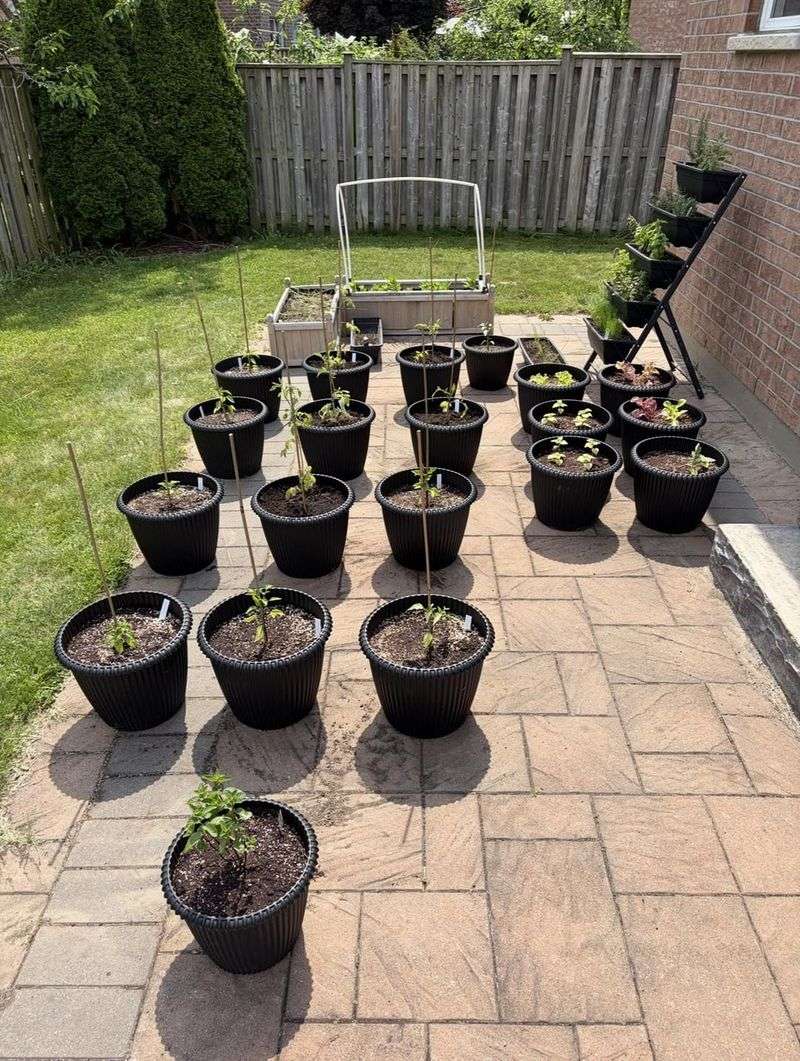
Container plants are some of the most vulnerable during a heat wave. Pots heat up fast, especially dark-colored or metal ones sitting in direct sun.
The soil inside dries out much faster than ground soil, sometimes within just a few hours on a hot day. Waiting until plants look wilted is waiting too long.
Water your containers deeply before the heat wave begins, not just enough to dampen the top inch. Water until it flows freely out of the drainage holes at the bottom.
This tells you the entire root zone has been soaked. For very dry pots, the water may run straight through at first.
In that case, water slowly, wait a few minutes, then water again.
Grouping containers together in a shadier spot can help reduce moisture loss. Pots that share space create a slightly more humid microclimate around each other.
You can also place saucers under pots to catch drainage water, which roots can draw from as the soil dries.
Self-watering containers are worth considering for next season if you find yourself constantly struggling to keep up with pot watering during summer.
For now, plan to check containers at least once a day during extreme heat, and twice a day for small pots in full sun.
Consistent watering is the single best thing you can do to keep container plants healthy through a heat wave.
6. Skipping Pruning Right Before A Heat Wave
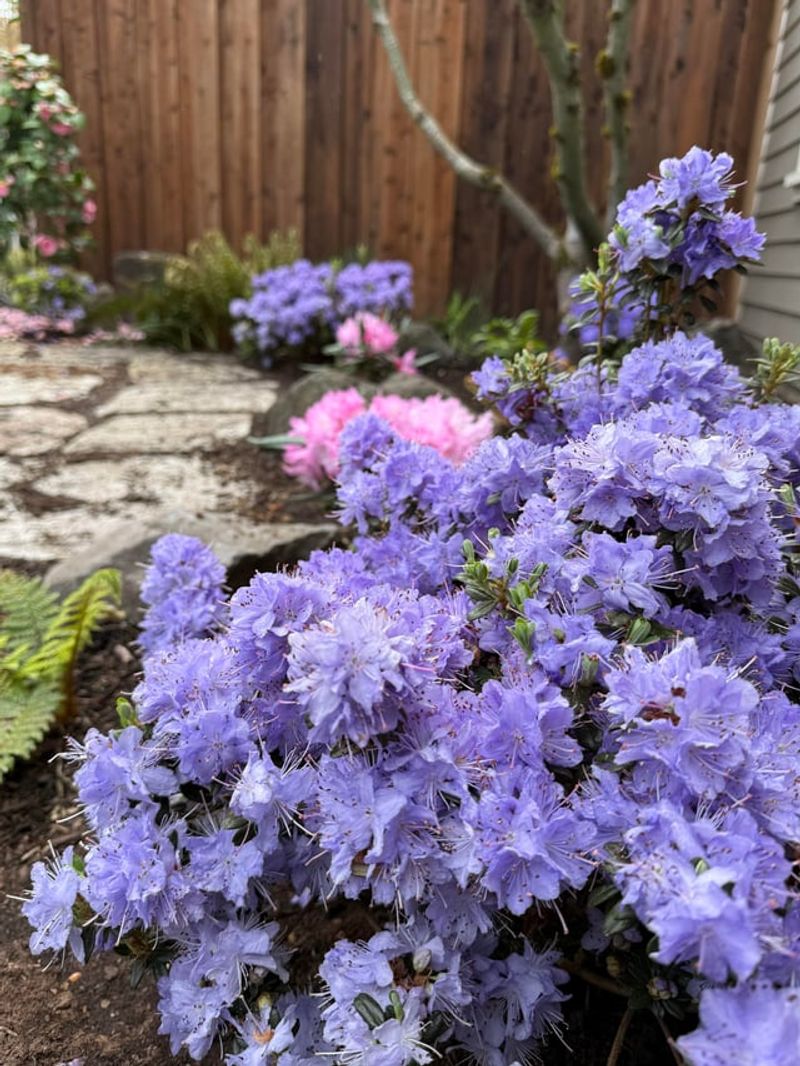
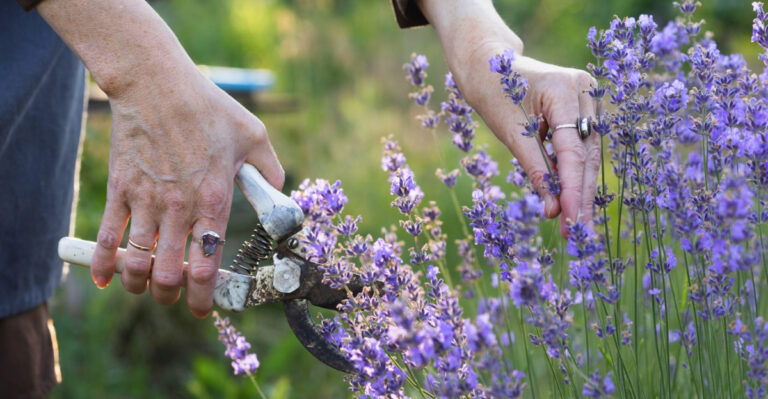
Pruning feels productive, and many gardeners reach for their shears as a natural response to a busy garden.
But cutting back plants right before a heat wave is one of the more common mistakes made this time of year.
Fresh cuts stress plants and expose inner stems and foliage that have not hardened to direct sun.
Leaves that have been shaded by other foliage all spring can get scorched almost instantly when suddenly exposed to intense summer sun.
That green canopy your plants have built up over the season actually serves a protective purpose.
It shades the soil, keeps roots cooler, and reduces moisture loss from the ground below.
Wait until after the heat wave passes and temperatures settle back down before doing any significant pruning.
Light deadheading of spent flowers is generally fine, but hold off on cutting back branches, removing large amounts of foliage, or shaping shrubs until conditions are cooler.
If you must prune something before the heat, do it very early in the morning and water the plant well afterward. Give it a day or two to recover before temperatures peak.
Most plants respond much better to pruning when they are not simultaneously fighting off heat stress.
Patience now means healthier, stronger plants when cooler weather returns in late summer or early fall.
7. Pulling Weeds Before They Steal Moisture
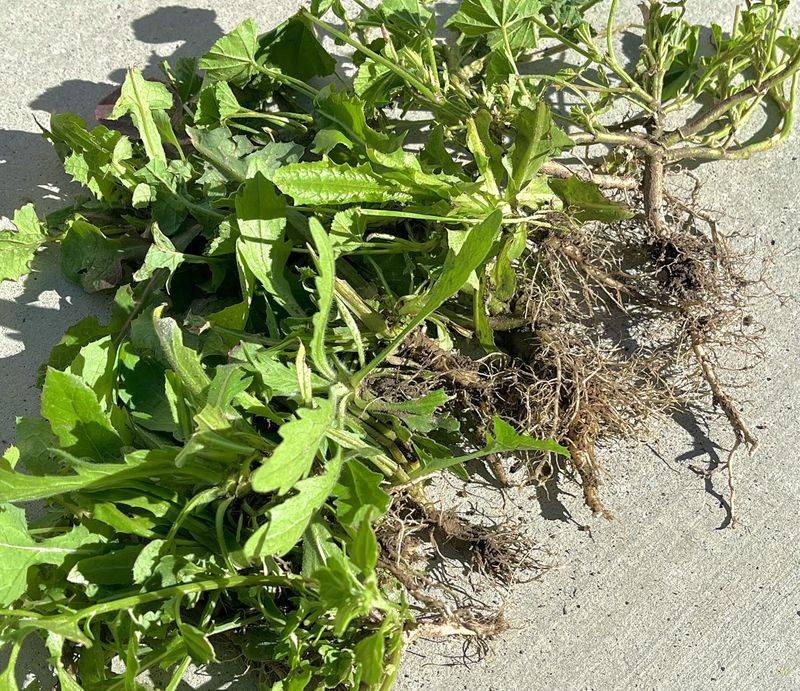
Weeds are sneaky competitors. They look harmless enough when they are small, but every weed growing in your garden is pulling water and nutrients away from the plants you actually want to be there.
Right before a heat wave, that competition becomes especially costly because soil moisture is about to become scarce.
Pulling weeds when the soil is still moist from recent watering or rain is the easiest time to do it.
Roots come out cleanly without breaking, which matters because weeds that snap off at the surface just regrow from the remaining root.
A hand weeder or hoe makes the job faster and easier on your back.
Pay special attention to weeds growing right at the base of your vegetables, fruit trees, and ornamental plants. These are stealing moisture from the exact root zone your plants depend on most.
After pulling weeds, top the area with a fresh layer of mulch to suppress any new weed seeds from sprouting.
A weed-free garden going into a heat wave is a more efficient garden because every drop of water you apply goes directly to the roots that need it.
Clearing weeds now also makes it easier to monitor your plants during the heat wave. You will be able to spot signs of stress, dry soil, or pest activity much faster when the beds are clean and tidy.
8. Moving Potted Plants Out Of Harsh Afternoon Sun
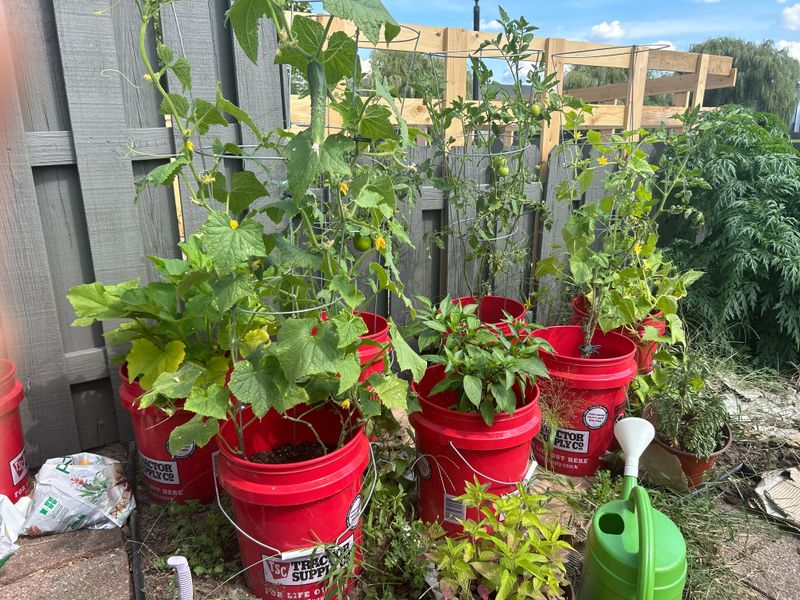
One of the great advantages of growing plants in containers is that you can move them.
Before a heat wave arrives, take a good look at where your pots are sitting and ask yourself whether those spots will become danger zones when temperatures climb.
South and west-facing patios can turn brutally hot in the afternoon.
Even sun-loving plants like geraniums, petunias, and herbs can struggle when pot temperatures soar and soil dries out in just a few hours.
Moving containers to a spot that gets morning sun but afternoon shade can make a significant difference in how well they handle several days of extreme heat.
A spot under a patio cover, beside a north or east-facing fence, or under a large tree can provide the protection your potted plants need without completely cutting off their light.
If moving large pots feels like a challenge, a wheeled plant caddy makes the job much easier and saves your back at the same time.
Even shifting pots just a few feet to get them out of the hottest afternoon sun can be enough to prevent serious heat stress.
After the heat wave passes and temperatures return to normal, you can move them back to their original sunny spots.
This small act of repositioning before extreme heat is a simple habit that keeps container gardens looking their best all summer long.
9. Soaking Young Trees Before Hot Dry Winds Arrive
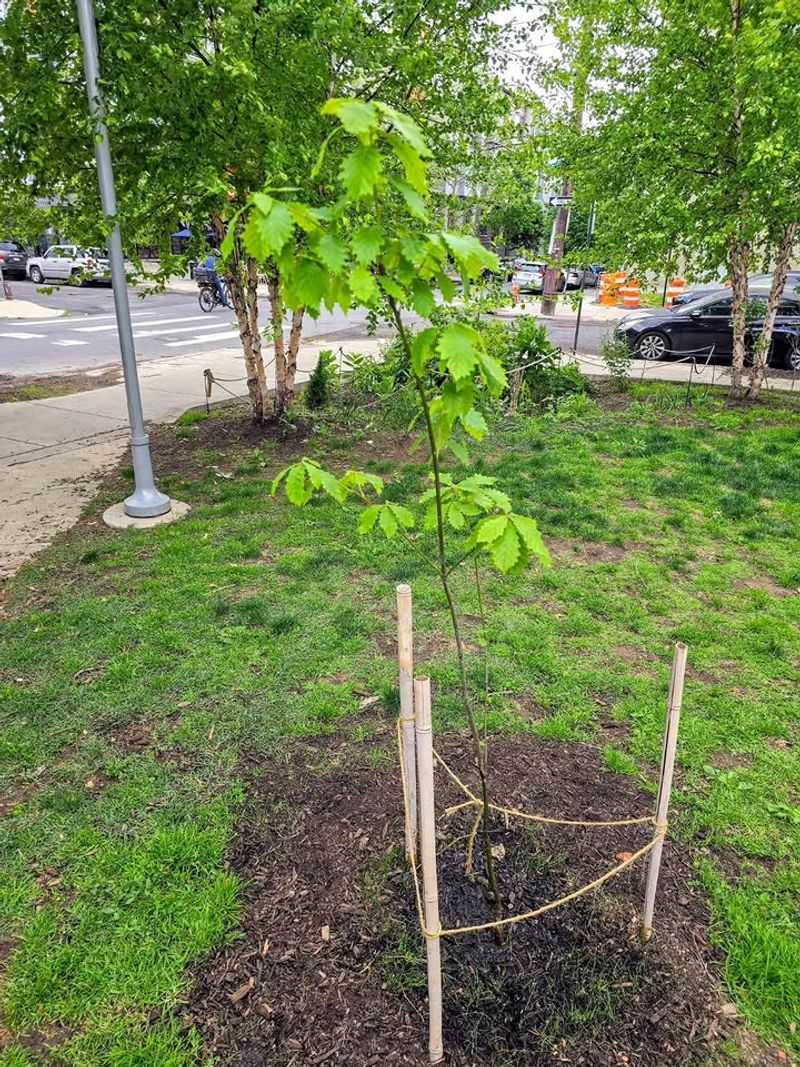
Young trees planted within the last one to three years are in a vulnerable stage of development.
Their root systems have not yet spread wide and deep enough to handle extended periods of drought or extreme heat on their own.
A deep soaking before a heat wave can be genuinely life-saving for these trees.
Water slowly at the base of the tree, well beyond where you think the roots end. Tree roots often extend much farther out than the canopy suggests.
Using a soaker hose looped around the root zone for 30 to 60 minutes gives the water time to penetrate deep into the soil where it stays cool and available longer.
Hot, dry winds are especially hard on young trees because they pull moisture out of leaves faster than roots can replace it.
Leaf scorch, wilting, and branch dieback are all signs of heat and wind stress that can weaken a young tree for seasons to come.
After soaking, make sure you have a fresh 3 to 4 inch layer of mulch spread around the base to hold that moisture in place. Avoid mulching right up against the trunk.
Gardeners in drier parts of our state should pay extra attention to this step. Eastern and southern regions often see hotter, windier conditions earlier than areas west of the Cascades.