Why Pennsylvania Gardeners Are Staying Out Of Their Garden Beds After Heavy Rains
Heavy rain can make a Pennsylvania garden look strangely irresistible.
The weeds loosen. The soil turns dark. Beds smell rich, soft, and ready for attention. After days of rain against the windows, a hoe can feel like the obvious next move.
That urge can cause more trouble than the storm did.
The problem sits below the surface, where water fills spaces that normally hold air. One step, one shovel, or one enthusiastic round with the cultivator can change that soil long after the puddles disappear.
So how do experienced gardeners know when to stay out?
They stop with the calendar and start with the ground. Texture, drainage, depth, and even the way a handful of soil falls apart can tell you far more than a sunny afternoon after rain.
The garden may look ready before it actually is.
Sometimes the smartest move in Pennsylvania after a downpour is very simple: admire the weeds, leave the boots by the door, and wait for just a little while longer before you go.
1. Keep Boots Off Saturated Soil
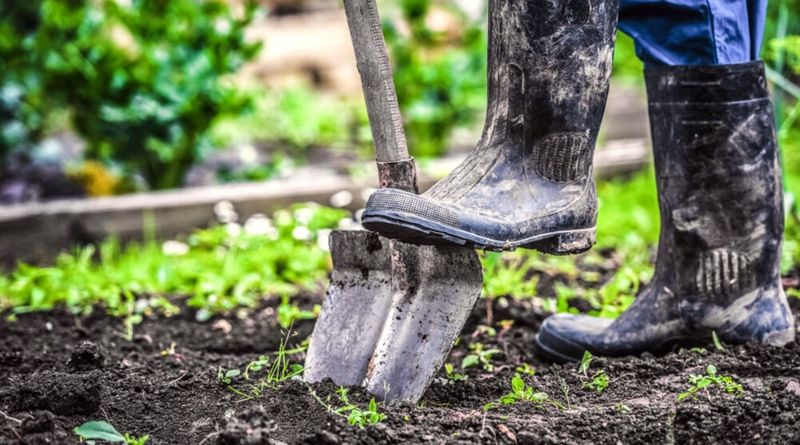
A muddy footprint can look harmless after a Pennsylvania downpour.
Underneath, the soil may be taking a much bigger hit.
When a bed is saturated, the spaces between soil particles fill with water. Those spaces normally hold a mix of air and moisture that roots and soil organisms need. Step onto that wet ground and the pressure can squeeze particles closer together.
That is compaction, and heavy clay soils can be especially vulnerable.
You may not notice the effect immediately. The plants still look green. The footprint dries. Everything seems normal again. Later, though, water may drain more slowly and roots can have a harder time pushing through the denser soil.
This is where restraint earns its garden gloves.
Stay on permanent paths after heavy rain. Raised-bed gardeners have an advantage because most work can happen from the edges without stepping into the growing area.
For a bed you absolutely need to reach, a wide board can spread your weight over a larger area. It is still better to wait when the ground feels saturated.
Check the path first. A shoe that sinks or leaves a slick, deep print is a pretty good warning about what the softer bed is doing.
Mud washes off boots quickly. Compacted soil can remember the visit much longer.
2. Protect Soil Structure From Compaction
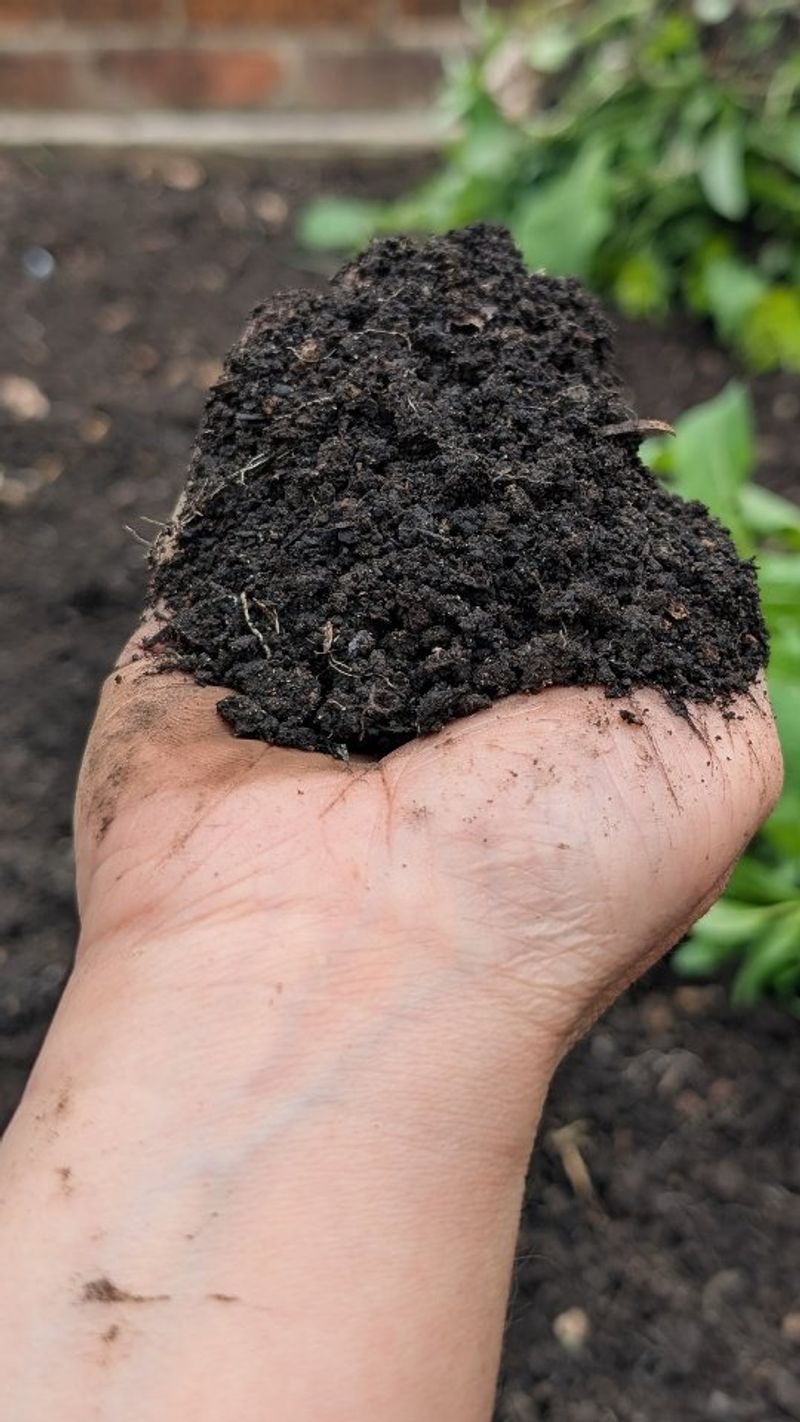
Good garden soil should have a little crumble to it.
After heavy rain, that structure becomes easier to damage.
Healthy soil is made of particles grouped into small aggregates, with tiny spaces running between them. Those spaces help water move downward, let oxygen reach roots, and give growing roots pathways through the bed.
Press or work the soil while it is saturated and those aggregates can break down. The surface may smear smooth instead of breaking into loose crumbs.
That shiny look is worth noticing.
It can be tempting to call dark, wet soil “rich” and start digging immediately. In reality, a glossy surface may be telling you the bed needs more drying time, not more attention.
Your Pennsylvania Garden Changes Every Week. Your Plan Should Too.
Gardening in Pennsylvania changes quickly throughout the season. Every Friday you’ll receive a simple weekly plan showing exactly what to plant, prune, fertilize, harvest, and protect so you never miss the right timing.
Once compacted, soil can become frustrating. Water may sit longer after the next storm, and plant roots may struggle in areas that used to feel loose.
Repair takes patience. Compost, cover crops, mulch, roots, and soil organisms can gradually improve structure, but prevention is much easier than rebuilding it.
So protect that chocolate-cake texture while you have it.
Walk the edges. Keep traffic on designated paths. Leave the fork and hoe alone until the bed starts breaking apart cleanly again.
The weeds can enjoy their temporary victory lap.
They are much easier to deal with than a garden bed that has been pressed into something resembling pottery clay.
3. Let Root Zones Regain Air
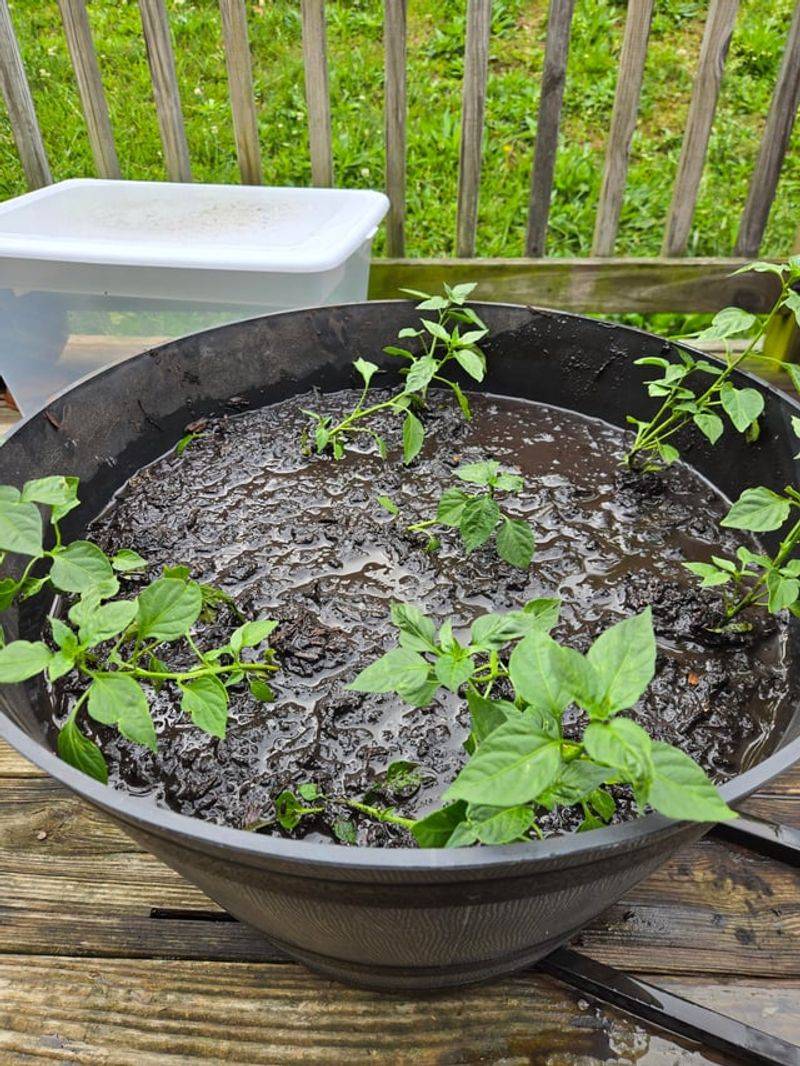
Plants need water, but their roots also need oxygen.
After a heavy Pennsylvania rain, that balance can temporarily disappear.
Water fills the pore spaces in saturated soil and pushes out much of the air. Roots sitting in those conditions may slow down, especially when drainage is poor or the soil stays wet for an extended stretch.
Adding more water only keeps the problem going.
Skip irrigation until the root zone has had time to drain. A dry-looking surface can fool you here. The top inch may lose moisture quickly while soil several inches below remains sticky and saturated.
Use a trowel to check deeper.
Take a small sample from three or four inches down and feel it. Soil that smears between your fingers or feels slick and heavy probably needs more time.
Raised beds often recover faster than low in-ground beds. Soil with good organic matter and structure may also drain more efficiently than dense, compacted ground.
Pay attention to repeat trouble spots. A section that stays soggy long after every ordinary storm may be telling you something about drainage, grading, or soil condition.
That clue is more useful than another watering schedule.
Give the bed a chance to exchange water for air again before you start digging, planting, or irrigating.
Roots do plenty of work underground without making noise about it.
After a storm, one of the nicest things you can give them is simply some breathing room.
4. Wait Until Soil Crumbles In Your Hand
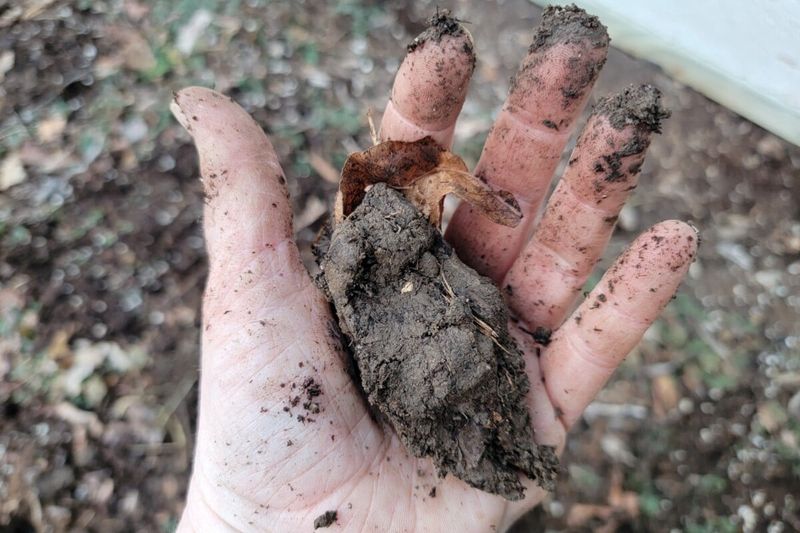
Forget guessing how many days a garden bed needs after rain.
Your hand can give you a better answer.
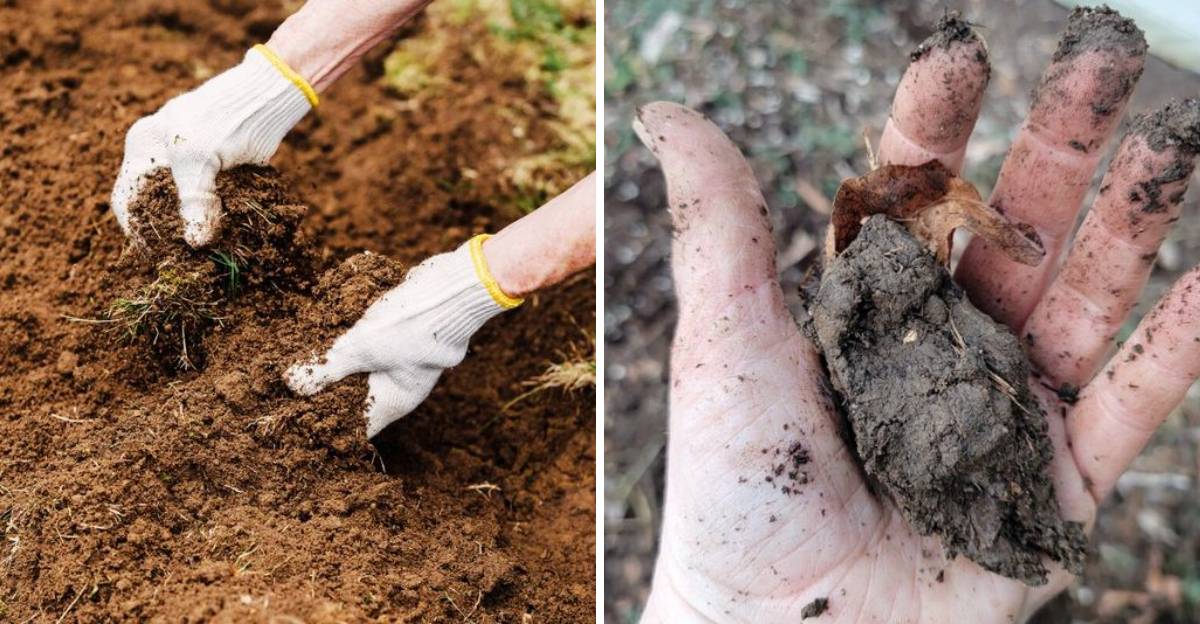
Take a small handful of soil from several inches below the surface and squeeze it gently. Then open your palm and give the clump a light poke.
Wet soil that stays in a sticky ball, smears across your skin, or bends without breaking is probably not ready for cultivation.
Workable soil behaves differently.
It should break into smaller crumbs with gentle pressure instead of acting like modeling clay. That texture suggests enough excess water has drained away for normal garden work to cause less structural damage.
Do the test in more than one place.
Pennsylvania beds can dry unevenly, especially around low areas, downspouts, slopes, and heavier patches of clay. One crumbly corner does not necessarily speak for the whole garden.
Check below the surface too. Sunshine can dry the top quickly and create a convincing disguise while the root zone stays wet underneath.
This little test takes less time than finding your gloves.
It can also save you from turning a productive bed into a clod-filled mess that needs weeks of patient repair.
There is no magic two-day or three-day rule after every storm. Soil type, rainfall, shade, temperature, and drainage all change the answer.
Let the dirt make the decision.
When it crumbles instead of squishes, your tools can finally come out of hiding.
5. Keep Tools Out Of Sticky Ground
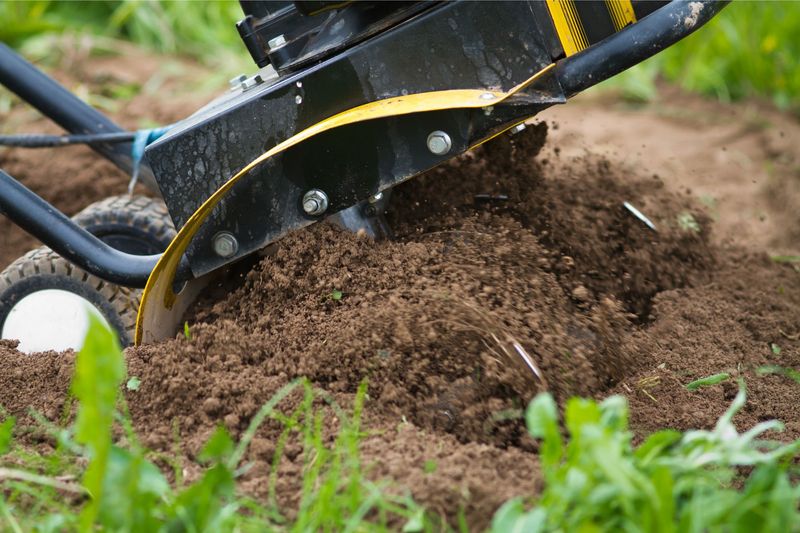
Wet soil can make garden tools feel productive when they are doing the opposite.
Push a shovel into saturated ground and the sides of the cut may smear smooth. Run a hoe through sticky soil and clumps can mash together instead of loosening. A powered tiller can create even more disturbance in a very short time.
That is not the fluffy bed you were aiming for.
Wet cultivation can break soil aggregates apart and compress material below the working depth. Once that layer dries, it may become dense and stubborn enough to slow drainage and root growth.
The frustrating part comes later.
Those giant wet clods that looked manageable during digging can harden as they dry. Then you are left breaking apart lumps that your earlier work helped create.
Give the bed another day when the shovel comes up coated in sticky soil.
Use the hand test first and save deeper cultivation for conditions that let soil fall away from the tool rather than cling to it.
Light tasks near established paths may be fine once the surface firms, but broad digging deserves more patience.
Your tiller will still be there tomorrow.
The weeds will probably be there too, looking smug, but that is a temporary problem.
A few extra weeds are easier to fix than a compacted layer hiding under the bed.
Sometimes the best tool after heavy rain is the shed door staying closed.
6. Delay Weeding That Churns Wet Soil
Rain makes weeds look wonderfully easy to pull.
That can be a trap.
A single weed near the edge may slide out cleanly with very little disturbance. Marching through a saturated bed with a hoe is a completely different job.
Wet soil smears, compresses, and clumps as you drag tools through it. Pulling large weeds can also lift heavy chunks of soil around the roots, leaving the bed churned and uneven.
Keep the scale small while the ground is wet.
Work from a path and remove an isolated weed that comes free easily. Leave the full weeding session for the day the soil passes the crumble test.
Waiting can actually make the job cleaner.
In workable soil, roots often release without bringing half the bed along with them. A hoe skims the surface more smoothly, and your shoes do not collect enough mud to start their own raised bed.
This is also a good time to prioritize.
Snip off flowers or seed heads from a weed that cannot wait, then return for the roots after conditions improve. You stop the immediate seed problem without stomping through wet soil.
Gardening does not have to be all or nothing after rain.
Do the small jobs from solid footing. Postpone the ones that require traffic and heavy disturbance.
The weeds may get a short extension on their lease.
Just do not give them permanent residency.
7. Check Drainage Before Walking Back In
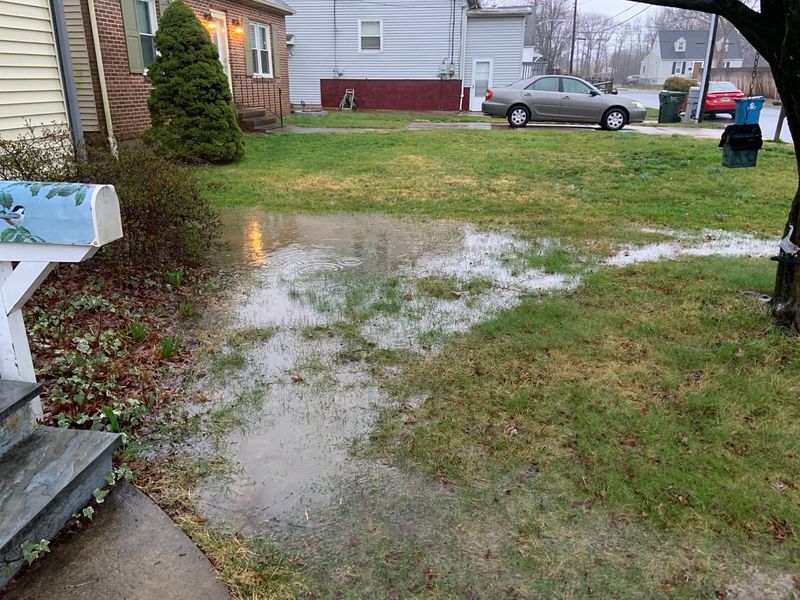
Not every corner of a Pennsylvania garden dries at the same speed.
A raised bed in full sun may become workable while an in-ground bed ten feet away still feels like pudding.
Walk the perimeter after heavy rain and look for clues before stepping inside.
Puddles are obvious. Shiny patches, soft paths, washed mulch, and soil that gives under your shoe can tell you just as much. Pay special attention near downspouts, low spots, retaining walls, and places where runoff naturally collects.
Paths deserve inspection too.
Years of foot traffic can compact them enough that rain runs sideways instead of soaking in. That water may collect along bed edges and keep those areas wet longer than the center.
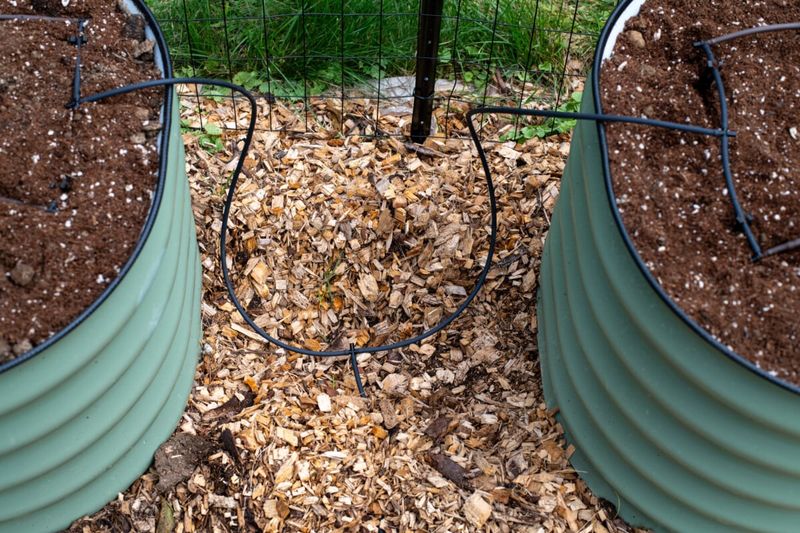
Wood chips, gravel, or other suitable path materials can help keep traffic confined and improve the surface you work from.
Make a mental map of the slow spots.
After several storms, patterns start becoming obvious. One corner may always need another day. Another bed may drain quickly enough to work first.
That information can guide future improvements such as adding organic matter, correcting runoff problems, or changing what you plant in persistently damp areas.
You do not need a moisture meter and a spreadsheet to learn your garden’s drainage personality.
A slow walk after rain tells you plenty.
Let the driest workable beds go first. The soggy ones can join the schedule when they stop trying to steal your shoes.
8. Return Once Beds Become Workable
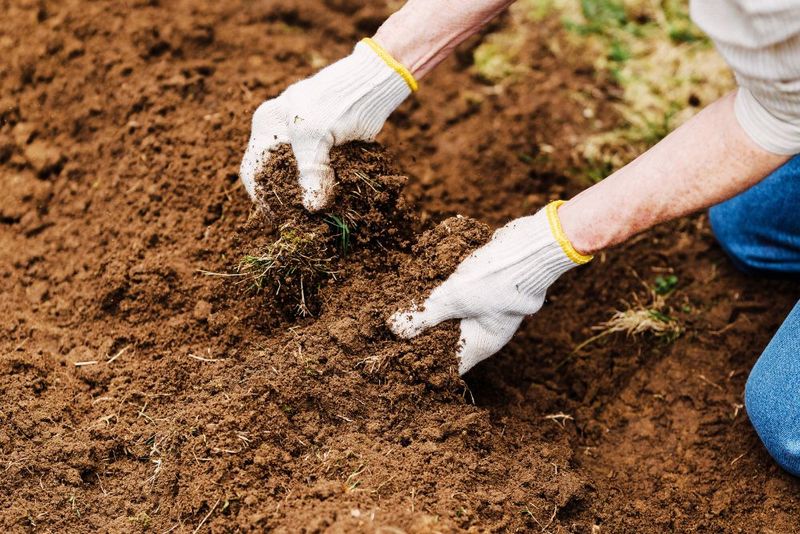
Eventually, the waiting ends.
The surface loses its shine. The deeper soil stops smearing. A squeezed handful breaks apart into clean crumbs instead of holding the shape of your fist.
That is your invitation back into the bed.
Start gently.
Hand weed from paths, set a transplant, or lightly cultivate the surface before jumping into major digging. The soil may be workable without needing to be turned from top to bottom.
Post-rain conditions can actually be useful once excess water drains. Moisture remains deeper in the bed, which can help new transplants settle in and make weed roots easier to remove.
Keep unnecessary tillage to a minimum.
Soil organisms, plant roots, and organic matter build structure over time. Constant deep disturbance can undo some of that work even when conditions are dry enough to cultivate.
This is where the patience finally pays you back.
Tools move more easily. Soil falls away instead of sticking to every blade. Roots can spread through spaces you did not crush while the bed was saturated.
You may even finish the job faster than you would have on the muddy day when every instinct told you to start.
Heavy rain makes gardeners feel behind.
You usually are not.
Give Pennsylvania soil time to recover, wait for the crumble, and then get back to work.
The garden did not need rescuing. It just needed you to stay off the dance floor until it dried.