The Indoor Plants That Handle Arizona’s Dry Summer Air Without Fuss
Arizona summer does something strange to a houseplant collection.
Outside, the heat feels relentless. Inside, the air conditioner keeps rooms comfortable while quietly stripping moisture from the air.
Suddenly, plants that looked flawless in spring start collecting brown tips, curled edges, and a generally offended expression.
The temptation is to mist everything in sight.
But what if the easier answer starts with the plant itself?
Some houseplants arrive with their own backup plan. Thick leaves, swollen stems, or water-storing roots help them cope with dry rooms that leave fussier tropical plants begging for attention.
That makes plant choice matter more than another gadget beside the windowsill.
The trick is knowing which ones can handle bright Arizona interiors without turning every watering day into a negotiation.
A few still need careful light and drainage. None should be forgotten completely.
But choose well, and your summer plant routine gets much simpler.
Your air conditioner can keep doing its thing, and the windowsill does not have to look crispy, even by late July.
1. Grow Aloe Vera Near Strong Light
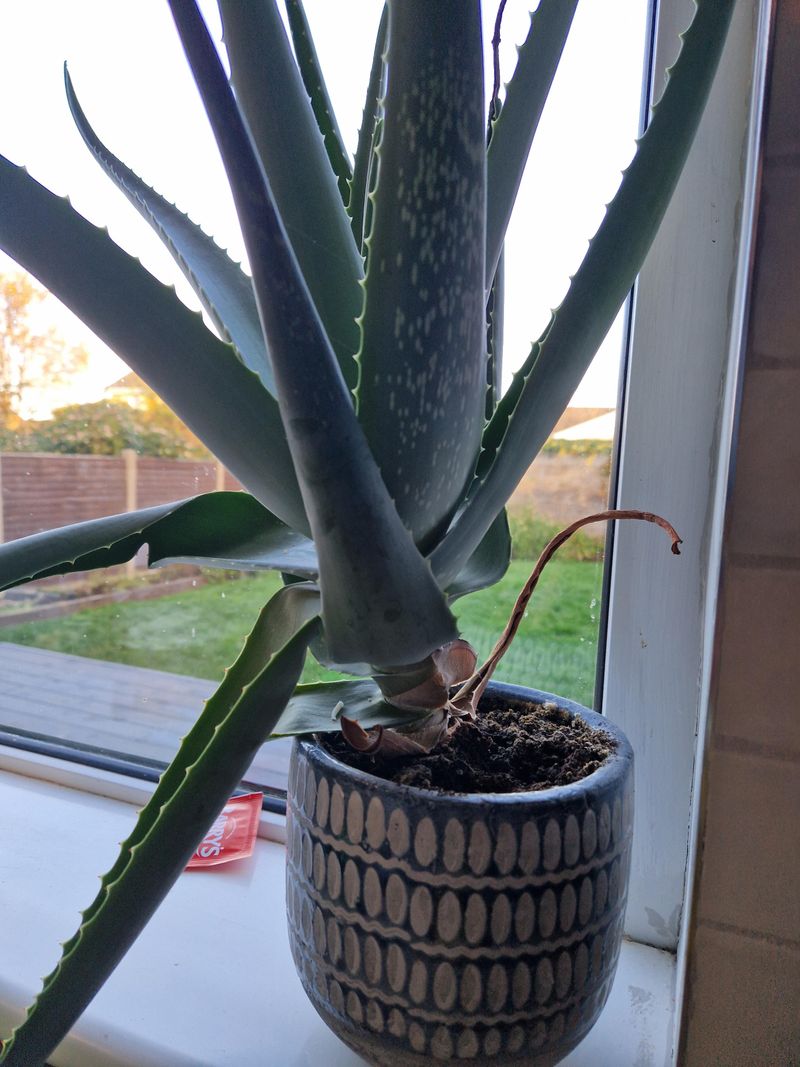
Aloe vera does not need Arizona indoor air to feel tropical.
Its thick, gel-filled leaves already store the moisture it needs between waterings, which makes dry, air-conditioned rooms much easier for it to handle than many leafy houseplants.
Give it strong light. A bright south-facing window can work well, though brutal afternoon sun through hot glass may scorch the tips. A few inches back from the pane can make a big difference when summer heat intensifies.
Water only after the potting mix dries well below the surface. This is where aloe owners often get too helpful. Constantly damp soil can lead to soft roots long before dry air causes any real concern.
Use a gritty cactus-and-succulent mix and a container with drainage holes. Terracotta can help the mix dry faster than glazed ceramic or plastic, which suits aloe nicely.
Rotate the pot every few weeks so growth stays more even instead of leaning hard toward the light.
Winter deserves one extra note. Keep the plant away from very cold window glass because temperatures below about 50 degrees Fahrenheit can stress the leaves.
In summer, though, aloe is wonderfully low drama.
It wants light, drainage, and restraint.
Give it those three things, and the dry Arizona air can keep minding its own business.
2. Let Ponytail Palm Handle Dry Indoor Air
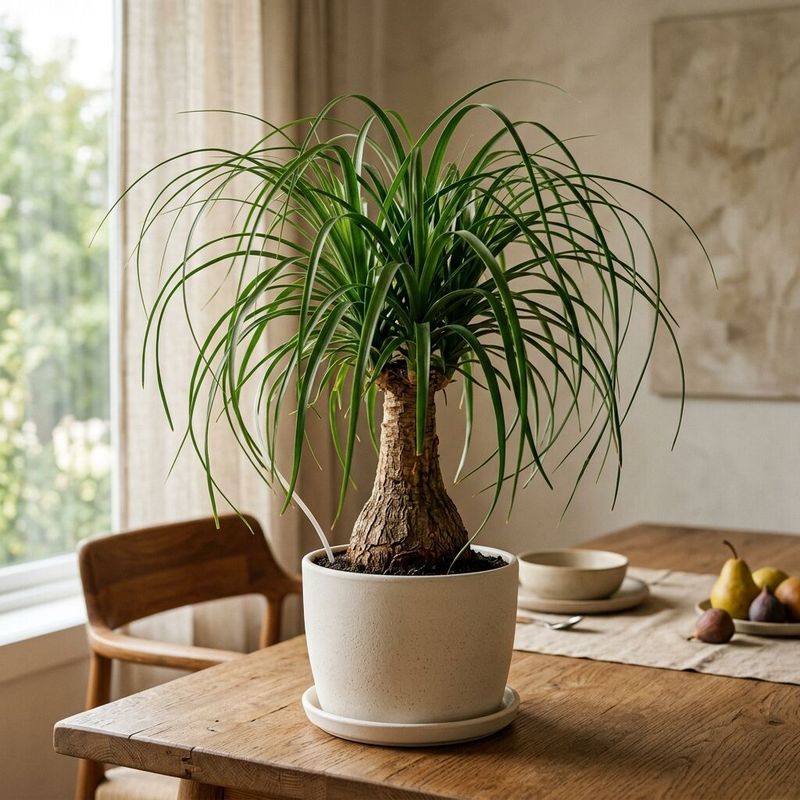
Ponytail palm looks like it forgot to read the houseplant rulebook.
That swollen base is the giveaway. Beaucarnea recurvata stores water there, which lets it coast through dry indoor conditions that make fussier plants complain almost immediately.
Bright light keeps it happiest. A spot near a south- or east-facing window helps the long, strappy leaves stay healthy and the plant maintain its characteristic form.
Do not move it into a dim corner just because it grows slowly. Slow growth is normal. Very low light is not the same thing as a relaxed plant.
Water thoroughly, then wait until the top several inches of potting mix dry before you water again. Summer growth may use moisture faster, while winter calls for an even lighter touch.
Your Arizona Garden Changes Every Week. Your Plan Should Too.
Gardening in Arizona changes quickly throughout the season. Every Friday you’ll receive a simple weekly plan showing exactly what to plant, prune, fertilize, harvest, and protect so you never miss the right timing.
Container size matters too. A huge pot around a small root system can hold moisture much longer than the plant needs. Choose a container only slightly larger than the root ball and make sure excess water can escape freely.
A fast-draining mix helps keep the roots from sitting wet.
This plant rewards people who forget to fuss over it every three days.
It does not need misting, spa treatments, or a daily pep talk.
Give the bulbous base time to do its job, and ponytail palm can make dry Arizona rooms feel almost unfairly easy to decorate.
3. Use Jade Plant In A Bright Room
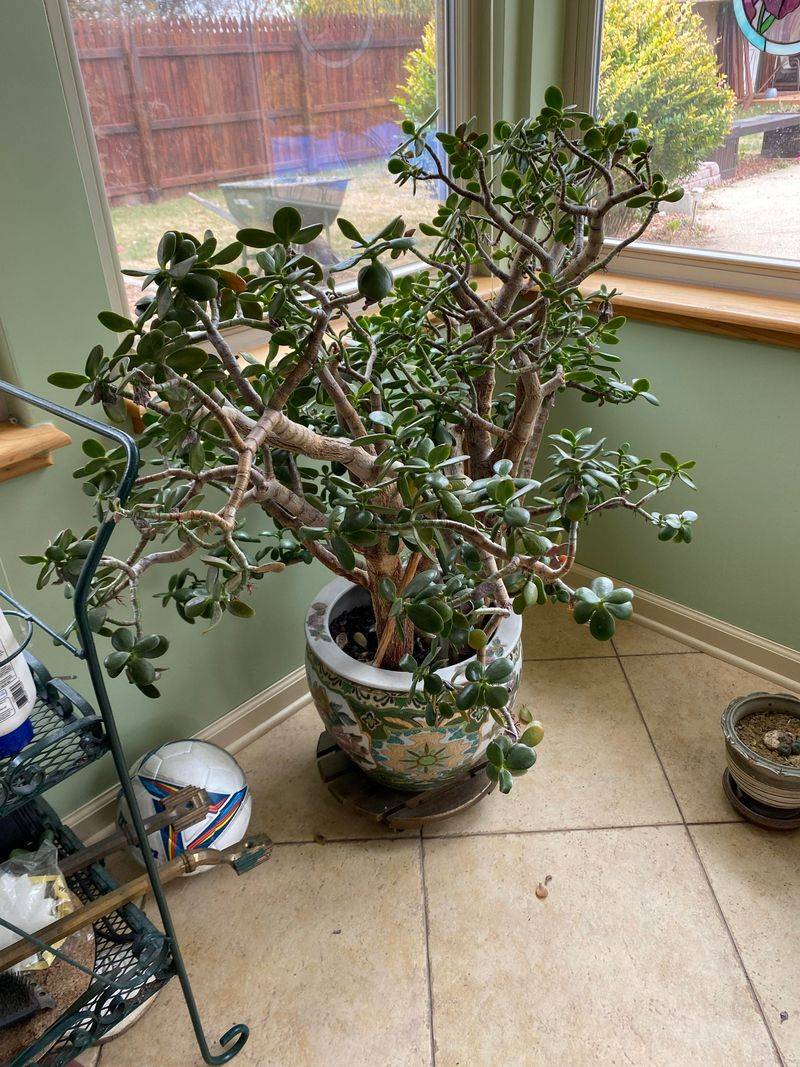
Jade plant wears its water reserves right on its sleeves.
Those thick, oval leaves stay plump because Crassula ovata stores moisture inside them, which helps the plant tolerate the low humidity common in Arizona homes during summer.
Start with bright light. A south- or west-facing window usually gives jade the intensity it prefers, but direct afternoon sun through hot glass can become a little too much.
Slightly reddish leaf edges can show up under strong light, so move the plant back from the pane when needed.
Let the potting mix dry between waterings.
Jade may look sturdy enough to forgive anything, but constantly wet roots are one thing it does not appreciate. Use a fast-draining mix and a pot with a drainage hole so extra water has somewhere to go.
Pruning can keep older plants compact. Cut back long or leggy stems after a growth flush to encourage more branching and a fuller shape.
Pet owners should place jade carefully because the plant is mildly toxic to cats and dogs.
The best part is longevity. With good light and restrained watering, a jade plant can stay in the same bright room for years and keep looking better as the stems thicken.
Dry air barely gets a vote.
The bigger challenge is convincing yourself not to water it just because the can is already in your hand.
4. Trail Burro’s Tail From A Sunny Shelf
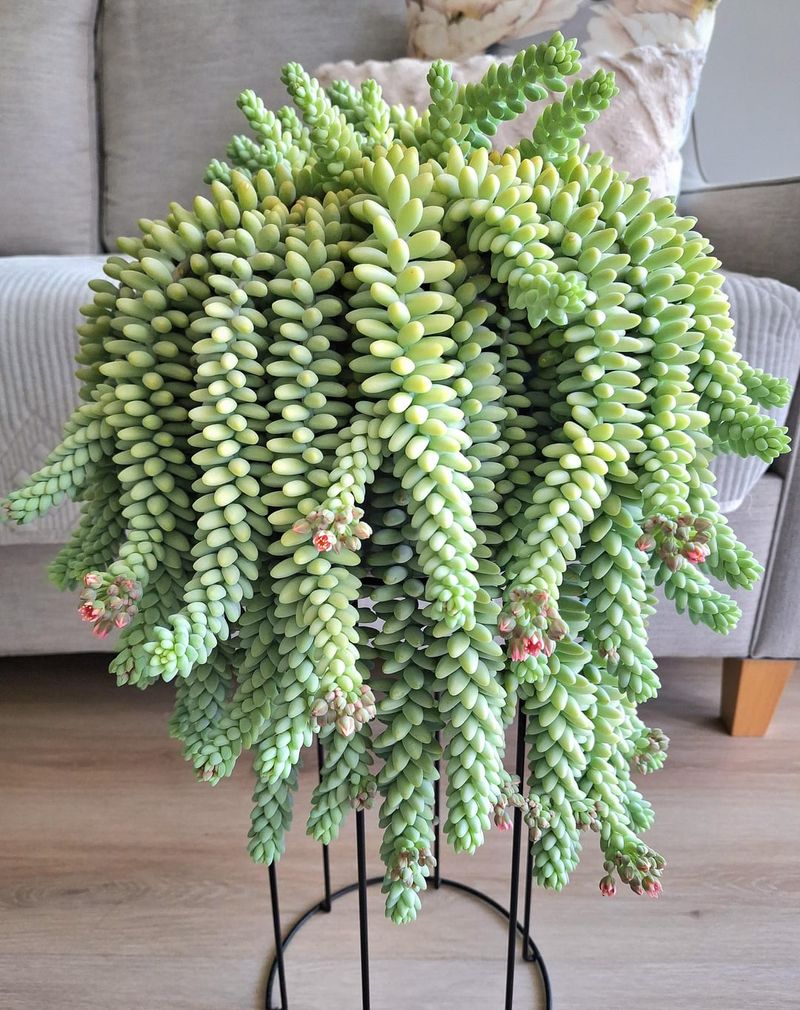
Burro’s tail makes dry indoor air look like part of the design.
Its trailing stems are packed with plump blue-green leaves that store water, which makes Sedum morganianum and the closely related Sedum burrito comfortable in bright, low-humidity rooms.
Give the plant strong light from a south- or east-facing window. Without enough brightness, the stems stretch and the leaves spread farther apart, turning a dense trailing plant into something much thinner.
Arizona’s west windows can be intense. A sheer curtain can soften the hardest afternoon sun without pushing the plant into deep shade.
Then resist the urge to keep moving it.
Burro’s tail drops leaves with almost comic ease. A sleeve, watering can, or curious hand can knock off a surprising number in seconds. Find a stable shelf or hanging spot and let it stay there.
Water thoroughly, then allow the mix to dry well before the next round. A gritty, fast-draining soil and a pot with drainage holes help keep the roots comfortable.
Fallen leaves are not a total loss. Set healthy ones on dry soil and they can sometimes start new plants.
That makes the occasional accident feel slightly less tragic.
Burro’s tail is not difficult. It is simply touchy about being touched.
Give it light, drainage, and personal space, and it can trail happily through an Arizona summer without asking for humid air.
5. Grow Euphorbia In A High Light Spot
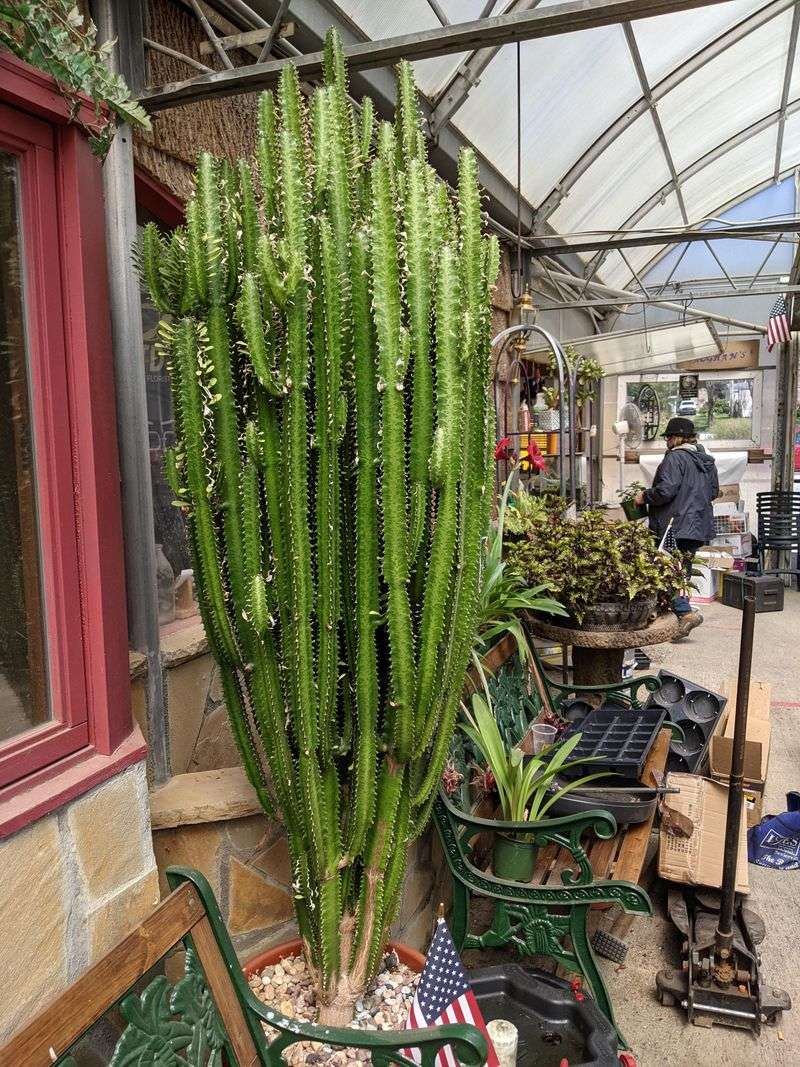
Euphorbia can bring serious architecture to a dry Arizona room.
Species such as Euphorbia trigona, often called African milk tree, and Euphorbia tirucalli, known as pencil cactus, store water in their succulent stems. That helps them tolerate low indoor humidity without much drama.
Strong light matters more than extra moisture in the air.
Place them near a bright south- or west-facing window where they can maintain firm, upright growth. In dimmer conditions, stems may lean and growth can lose its compact look.
Water thoroughly, then let the potting mix dry before you reach for the watering can again. Fast-draining soil and a container with drainage holes are essential because these plants do not appreciate constantly wet roots.
There is one part of Euphorbia care that deserves real respect.
Cut or damaged stems release a milky white latex sap that can irritate skin and eyes. Wear gloves when you prune or repot, wash your hands afterward, and keep the plants away from curious children and pets.
That caution does not make the plant high maintenance. It simply means pruning day should not become a bare-handed experiment.
Once settled in the right bright spot, Euphorbia handles dry indoor summer air with very little fuss.
The stems provide the drama.
Your care routine does not need to.
6. Keep Desert Cacti In The Driest Rooms
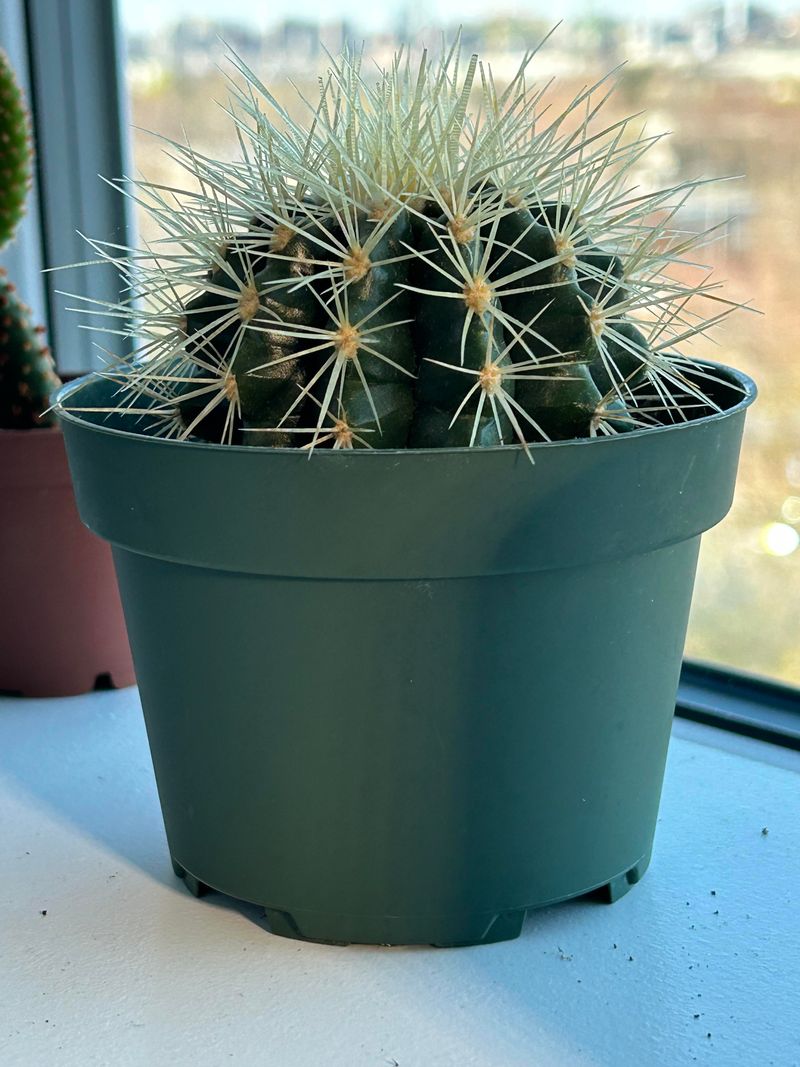
Desert cacti are about as comfortable with dry indoor air as a plant can get.
Low humidity, bright light, and long stretches between waterings resemble the conditions many species already know how to handle. Arizona air conditioning is far less alarming to them than it is to a humidity-loving tropical plant.
Light is still the deal breaker.
Do not tuck a cactus into a dark room because it looks tough. Most desert cacti need several hours of direct or very bright indirect light each day to keep their shape and grow well. A south-facing window is often the strongest choice.
Water during active summer growth only after the potting mix dries thoroughly. Then soak the soil and let the extra water drain from the bottom of the pot.
Empty the saucer afterward. A cactus may tolerate dry air, but sitting in a puddle is another story.
Use a fast-draining cactus mix rather than standard potting soil that stays damp for long stretches.
Species differences matter too. A barrel cactus and a tall columnar type may not want identical care, so learn the needs of the plant you actually own.
Group a few small cacti on a bright sill and the display can look impressive without creating a complicated routine.
The driest room in the house finally gets a plant collection that does not complain about the climate.
7. Fill Sunny Windows With Small Succulents
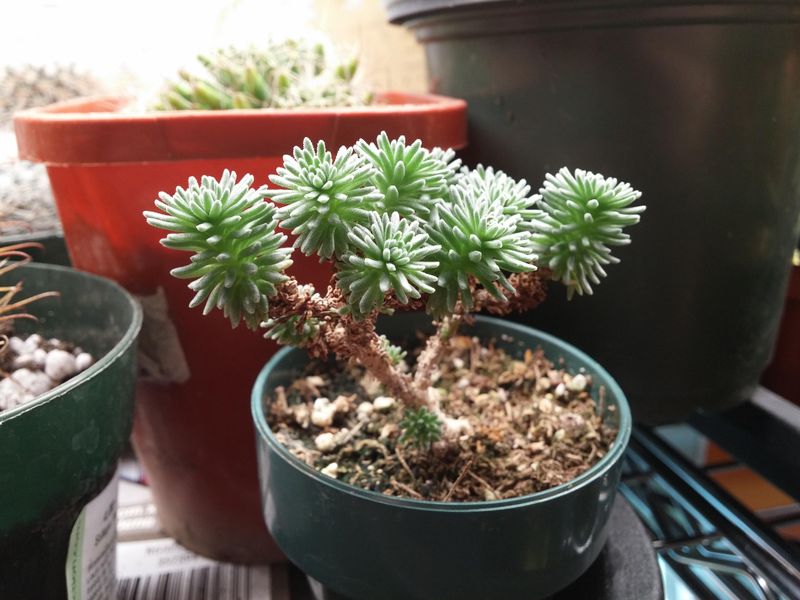
A sunny Arizona windowsill can hold an entire small succulent garden.
Echeveria, Haworthia, Graptopetalum, and Sedum all bring different shapes and textures while handling dry indoor air far better than many tropical houseplants.
The trick is matching each plant to the window.
South-facing exposure gives strong, steady light and works well for sun-loving rosette succulents such as Echeveria.
East windows offer gentler morning sun, which can suit Haworthia better. West windows provide plenty of brightness but can become intensely hot through the glass on summer afternoons.
Watch the leaves instead of assuming every sunny window behaves the same.
Rotate pots a quarter turn every week or two so growth stays even. That simple habit helps rosettes remain balanced instead of leaning hard toward one side.
Water by soil condition, not by calendar. Let the mix dry several inches down, then water thoroughly and allow all excess moisture to drain.
Different pots dry at different speeds. A tiny terracotta pot may need water sooner than a larger glazed container, even when both plants sit on the same sill.
That is why one schedule for an entire collection rarely works well.
Start with just a few plants and learn their rhythm.
Soon that sunny window becomes less like a houseplant challenge and more like a miniature desert neighborhood where everyone prefers the thermostat exactly where Arizona already keeps it.