These Pennsylvania Perennials Need To Be Divided In August
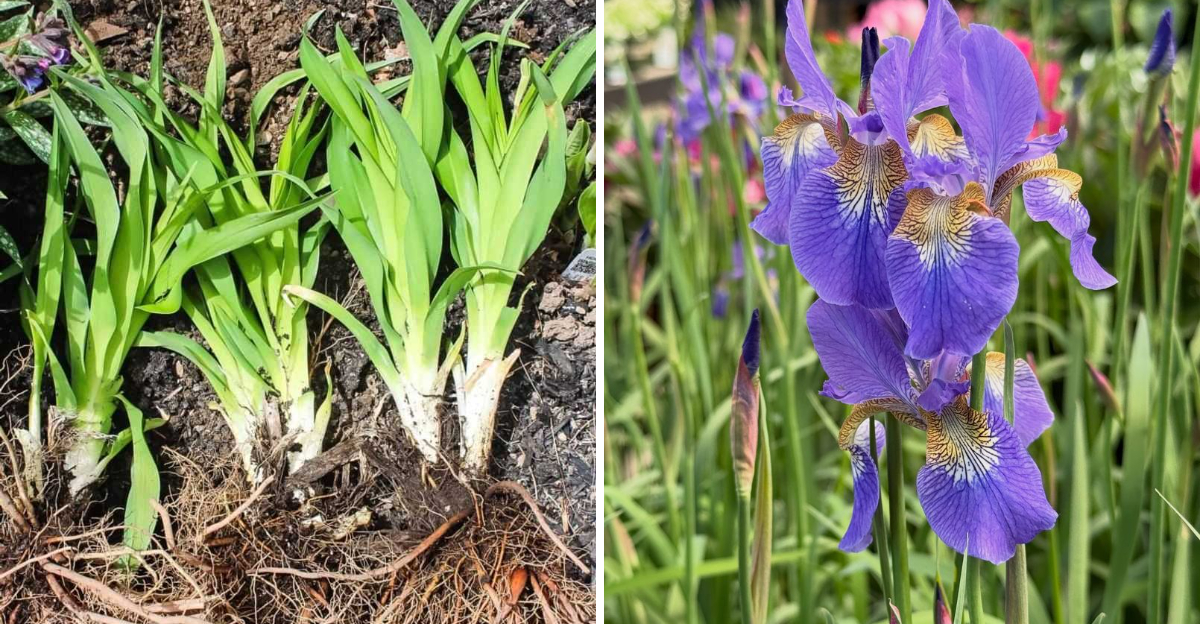
August is not the month most Pennsylvania gardeners think about dividing perennials. It’s hot, the season feels well underway, and the idea of digging up established plants during the warmest stretch of summer seems like the kind of thing you save for spring or fall when conditions are more forgiving.
For most perennials, that instinct is exactly right. But certain Pennsylvania perennials are the exception.
There’s a group of perennials that actually benefits from August division, plants whose growth cycle and root development make late summer the ideal window for splitting and replanting.
Get the timing right and these divisions establish quickly, develop strong root systems before winter, and come back the following spring with noticeably more vigor than they would have shown if left undivided.
Miss the August window and you either wait another full year or divide at a time that produces weaker results.
Knowing which perennials belong in the August division category and how to handle them correctly during the heat makes all the difference between divisions that thrive and ones that merely survive.
1. Bearded Iris
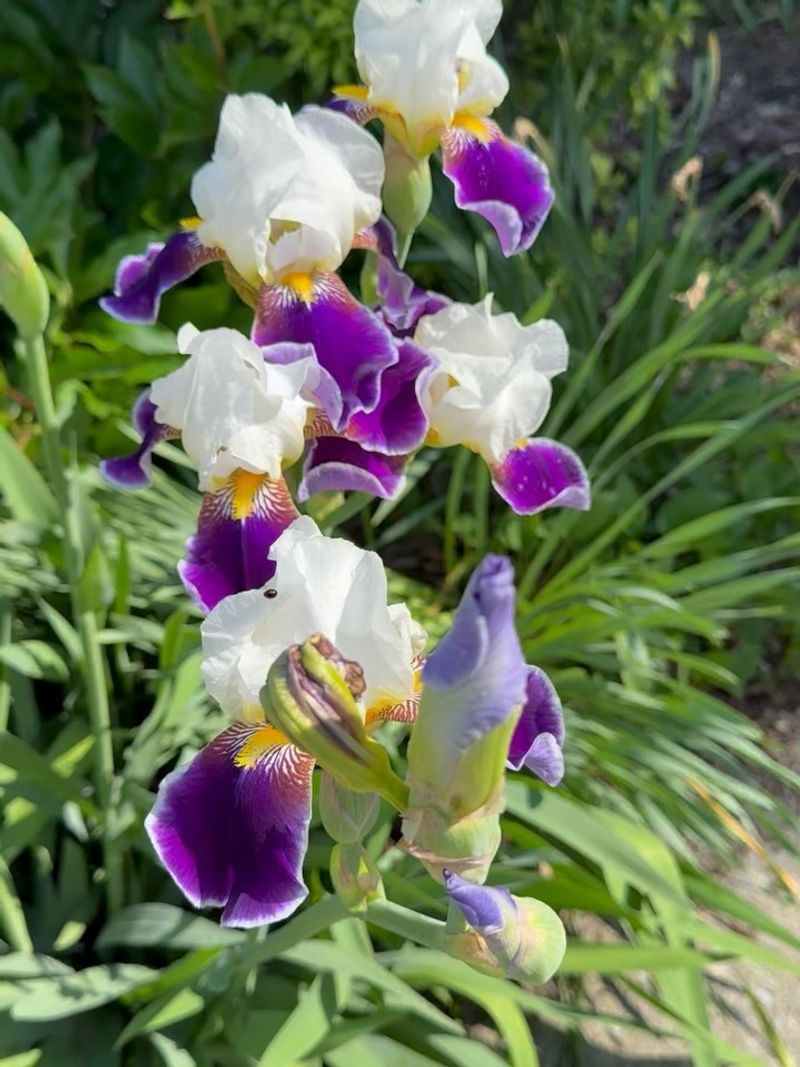
Few plants put on a show quite like the Bearded Iris. Those bold, ruffled blooms in shades of purple, gold, white, and blue are a staple in Pennsylvania gardens, and they reward gardeners who give them a little attention every few years.
July and August are the ideal window to divide them, right after the flowers have finished for the season.
When irises become too crowded, the rhizomes compete for space and sunlight. You will notice fewer blooms and more foliage.
That is your signal. Carefully dig up the clump with a garden fork, shake off the extra soil, and look for the firm, healthy rhizomes.
Trim away any soft or shriveled sections, and cut the remaining fan of leaves back to about four to six inches tall.
Each healthy rhizome division should have at least one good fan of leaves attached. Replant them so the top of the rhizome sits just at or slightly above the soil surface.
Burying them too deep is one of the most common mistakes gardeners make with irises. They need sunlight on their rhizomes to bloom well the following spring.
Space your new divisions about twelve to eighteen inches apart to give them room to spread. Water them in well after planting, and keep the soil moist but not soggy for the first few weeks.
Pennsylvania summers can still be warm in August, so check the soil regularly. With a little care now, your irises will reward you with a stunning display next May and June.
2. Peonies
Peonies are one of the most beloved perennials in Pennsylvania gardens, and for good reason. Their lush, fragrant blooms can stop you in your tracks every June.
What many gardeners do not realize is that these plants can thrive in the same spot for decades, but they do occasionally need to be divided when they become overcrowded or when you want to move them to a new location.
Your Pennsylvania Garden Changes Every Week. Your Plan Should Too.
Gardening in Pennsylvania changes quickly throughout the season. Every Friday you’ll receive a simple weekly plan showing exactly what to plant, prune, fertilize, harvest, and protect so you never miss the right timing.
Late August is when the division window starts to open up. Waiting until the summer heat begins to ease makes the process less stressful for the plant.
Peonies do not need to be divided often, so only tackle this job if the plant is clearly struggling, producing fewer blooms, or if you simply need to relocate it. Mature plants that have been in the ground for at least four to five years are the best candidates.
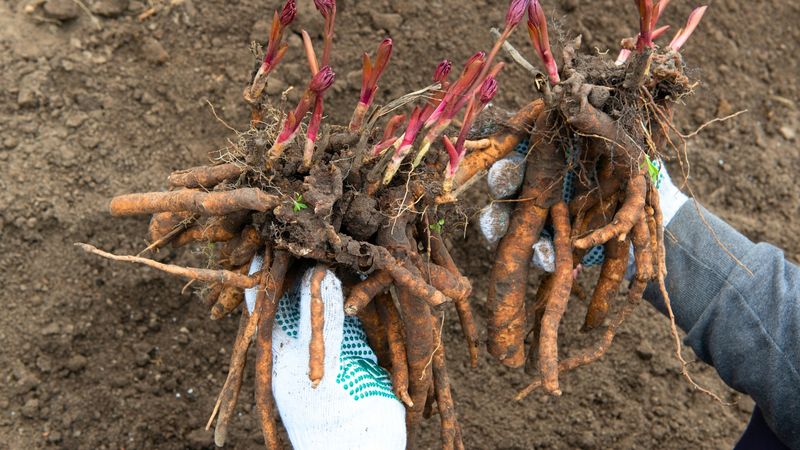
When you dig up the clump, you will find thick, fleshy roots. Use a clean, sharp knife to cut through the root mass, making sure each division has at least three to five healthy eyes, which are the small pinkish-red buds visible near the crown.
These eyes are what will produce next year’s stems and flowers.
Replant the divisions so the eyes sit no more than one to two inches below the soil surface. Planting too deep is the number one reason peonies refuse to bloom.
Choose a sunny spot with well-draining soil, and be patient. It is completely normal for newly divided peonies to skip a bloom season or two while they settle in and rebuild their energy.
3. Daylilies
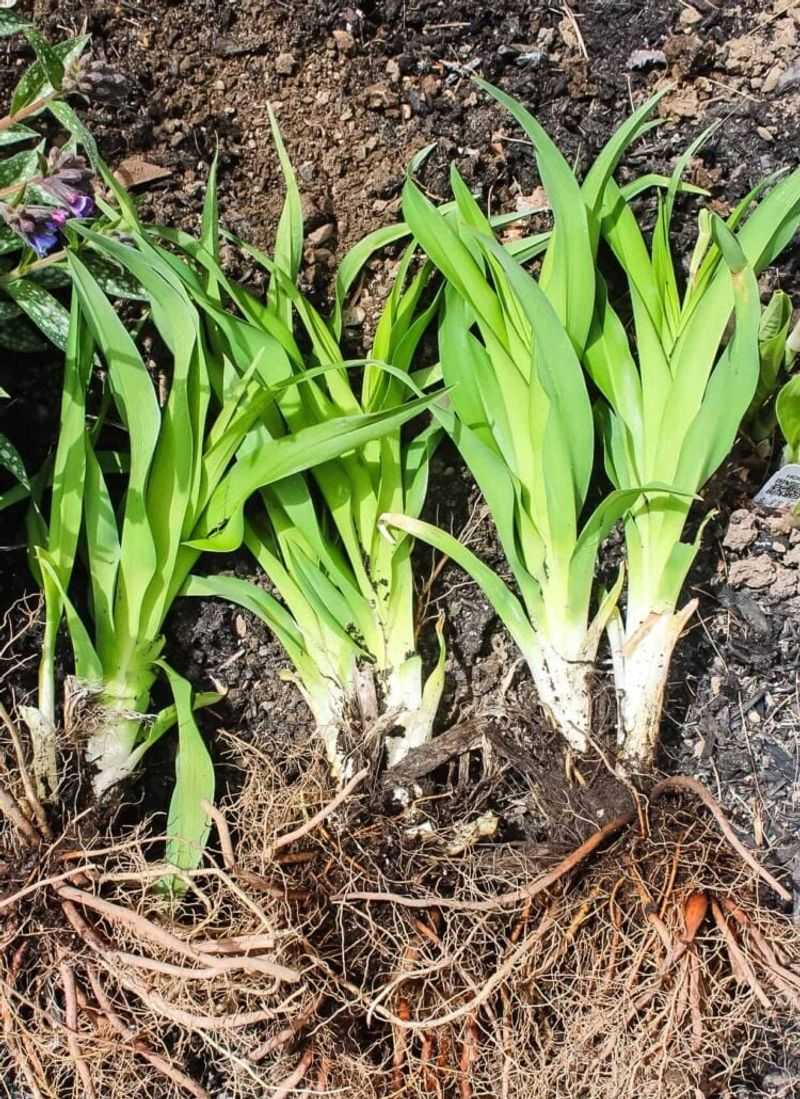
Daylilies are the workhorses of the perennial garden. They are tough, colorful, and remarkably forgiving.
You have probably seen them growing along roadsides, in front yards, and in every kind of garden bed across Pennsylvania.
But even these resilient plants can get too crowded over time, and when that happens, the blooms start to shrink and the center of the clump begins to look thin and worn out.
The best time to divide daylilies is right after they finish flowering for the season. In Pennsylvania, that usually falls somewhere in mid to late summer, making August a perfect time to act.
Older, congested clumps often bounce back with noticeably stronger blooming once they have been split apart and given fresh soil and space to spread.
Start by digging around the outside of the clump with a garden fork. Lift the entire mass out of the ground and set it on a flat surface.
Daylily roots can be surprisingly tangled, so you may need two garden forks placed back to back to pry the clump apart. Alternatively, a sharp spade works well for cutting through dense sections.
Each division should have several fans of leaves and a healthy root system attached. Trim the foliage back to about six to eight inches before replanting to reduce stress on the plant.
Space divisions about eighteen to twenty-four inches apart in a sunny location with well-draining soil. Water thoroughly after planting and keep the area moist for a couple of weeks.
You will likely see new growth pushing up within days, which is always an encouraging sign.
4. Astilbe
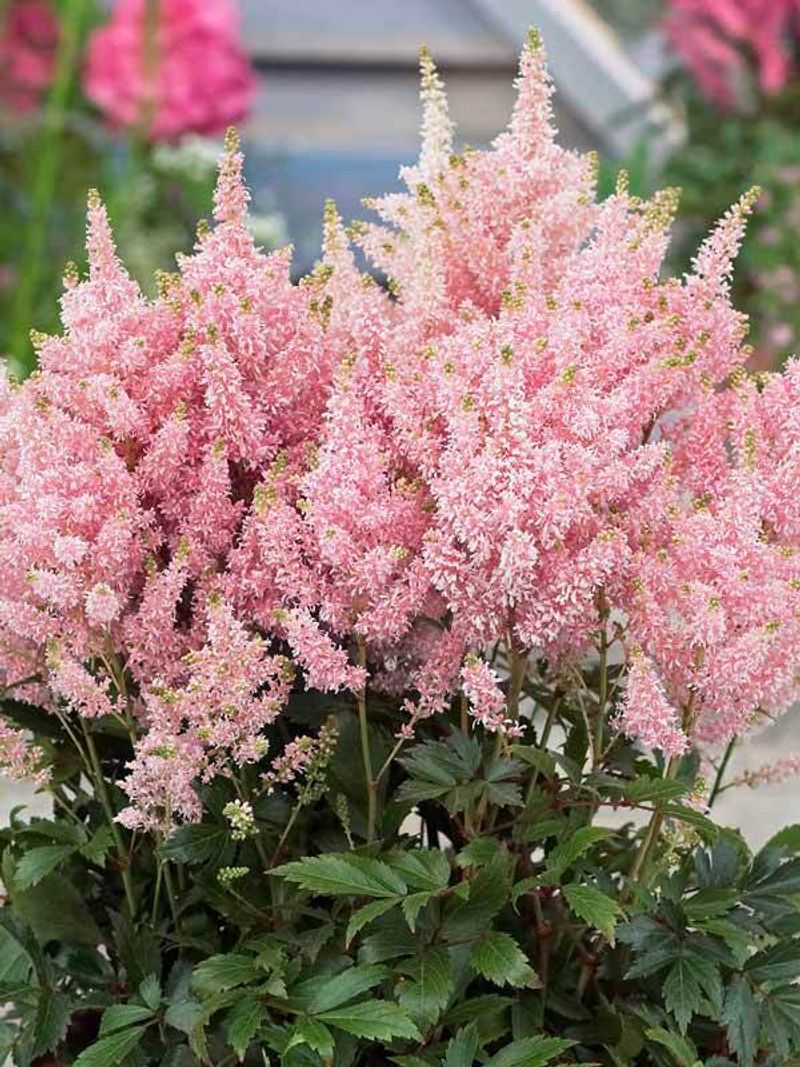
Astilbe is one of those plants that makes a shaded garden feel magical. Those feathery plumes in shades of pink, red, white, and lavender rise above the fern-like foliage and create a soft, airy look that is hard to match.
They are also one of the more low-maintenance perennials you can grow, but after a few years, the clumps can become overcrowded and the blooms may start to thin out.
Late summer is a perfectly acceptable time to divide established astilbe clumps in Pennsylvania. The key is to work on a cooler day when temperatures have dropped a bit, since astilbe prefer moist, cool conditions.
Dividing during a heat wave can put extra strain on the plant, so watch the forecast and pick your moment wisely.
Dig up the entire clump carefully, trying to keep as much of the root system intact as possible. Astilbe roots are dense and fibrous, and they can be quite tough to separate.
A sharp spade or a sturdy garden knife is your best tool here. Cut the clump into sections, making sure each piece has a good portion of roots and several healthy crowns attached.
Replant divisions in a spot that gets partial to full shade, since astilbe do not love intense afternoon sun. Amend the soil with compost before planting to help retain moisture, as these plants prefer consistently damp conditions.
Water well after planting and mulch around the base to help hold in soil moisture. Division can truly rejuvenate an overcrowded astilbe, often bringing back fuller, more vibrant blooms the following season.
5. Siberian Iris
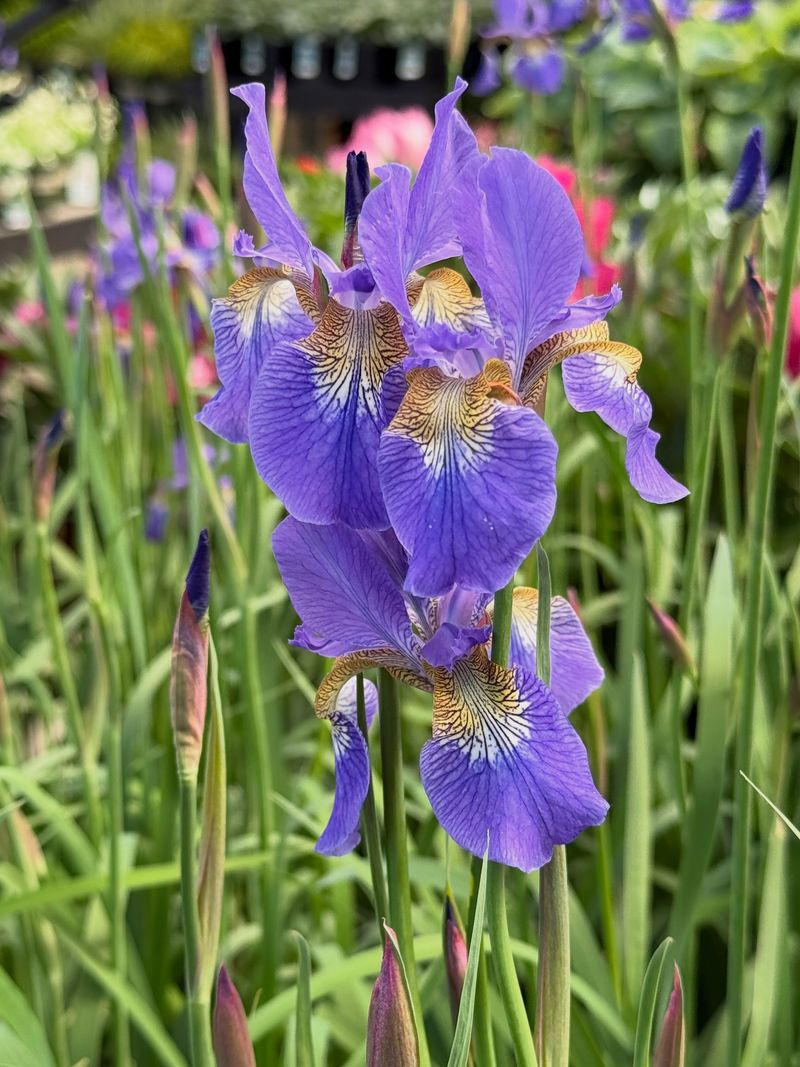
Siberian Iris has a quiet elegance that sets it apart from other garden perennials. Unlike its bearded cousin, it has slender, upright foliage and delicate blooms that flutter like butterflies above the leaves.
It is also more adaptable, tolerating wetter soils and needing less fuss overall. Still, after several years in the ground, even Siberian Iris clumps benefit from being divided.
As Pennsylvania gardens begin shifting toward fall, late summer is a good window to tackle this task. The goal is to give the divisions enough time to establish their roots before the ground freezes.
Waiting too long into autumn can leave newly divided plants without enough time to settle in, which may affect how well they survive the winter.
Digging up a mature Siberian Iris clump can be a workout. These plants develop a dense, fibrous root system that holds the soil tightly.
Use a sturdy garden fork to loosen the clump from all sides before attempting to lift it. Once it is out of the ground, you can use two forks back to back, a sharp spade, or even a pruning saw to cut through the mass.
Each division should have several healthy fans of foliage and a firm section of roots. Trim the leaves back to about six inches to reduce stress on the plant.
Replant in a sunny to partly shaded location with moist, well-draining soil. Water the divisions thoroughly and check on them every few days during the first couple of weeks.
With a little attention now, your Siberian Iris will reward you with a beautiful flush of blooms come next spring.
6. Oriental Poppies
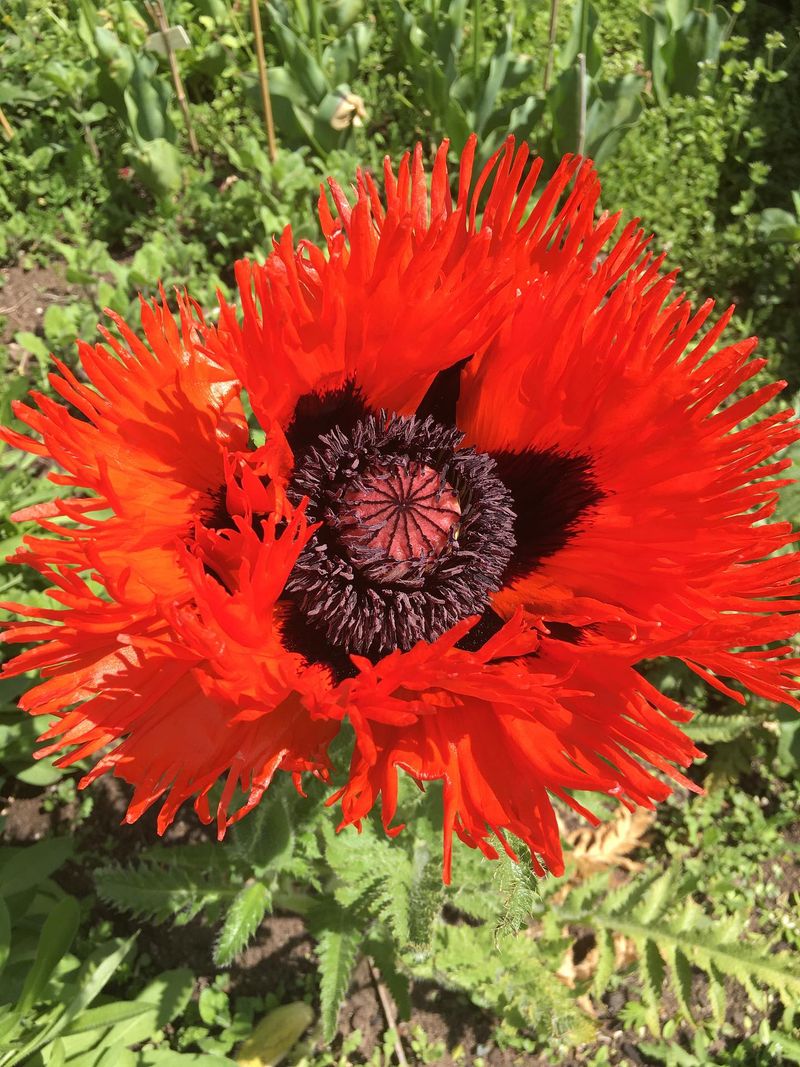
Oriental Poppies have a dramatic, almost theatrical personality. Those giant, tissue-paper blooms in shades of scarlet, orange, salmon, and white appear in late spring, steal the spotlight for a few weeks, and then quietly go dormant for the rest of the summer.
That summer dormancy is actually what makes late summer the smartest time to divide them.
Trying to move or divide Oriental Poppies during their active spring growth is risky and rarely goes well. Their fleshy roots are fragile and do not appreciate being disturbed when the plant is putting all its energy into flowering.
But by late summer, the plant has settled into dormancy, and the roots are far less sensitive to being handled. That is your opportunity to step in.
Before you dig, make sure the clump actually needs dividing. Oriental Poppies do not need to be split often, and they can go many years without any intervention.
If the clump is clearly overcrowded, blooming less than it used to, or you simply want to move it to a new spot, then late August is the right time to act.
Dig carefully around the root zone, as the fleshy roots can snap if you are not gentle. Each division should include a healthy section of root with some visible crown buds.
Replant immediately in a sunny location with loose, well-draining soil. Oriental Poppies do not like wet feet, so avoid low spots in the garden where water tends to collect.
Water the divisions in well and mark the spot, since they will not show much top growth until cooler weather arrives in fall.
7. Coral Bells
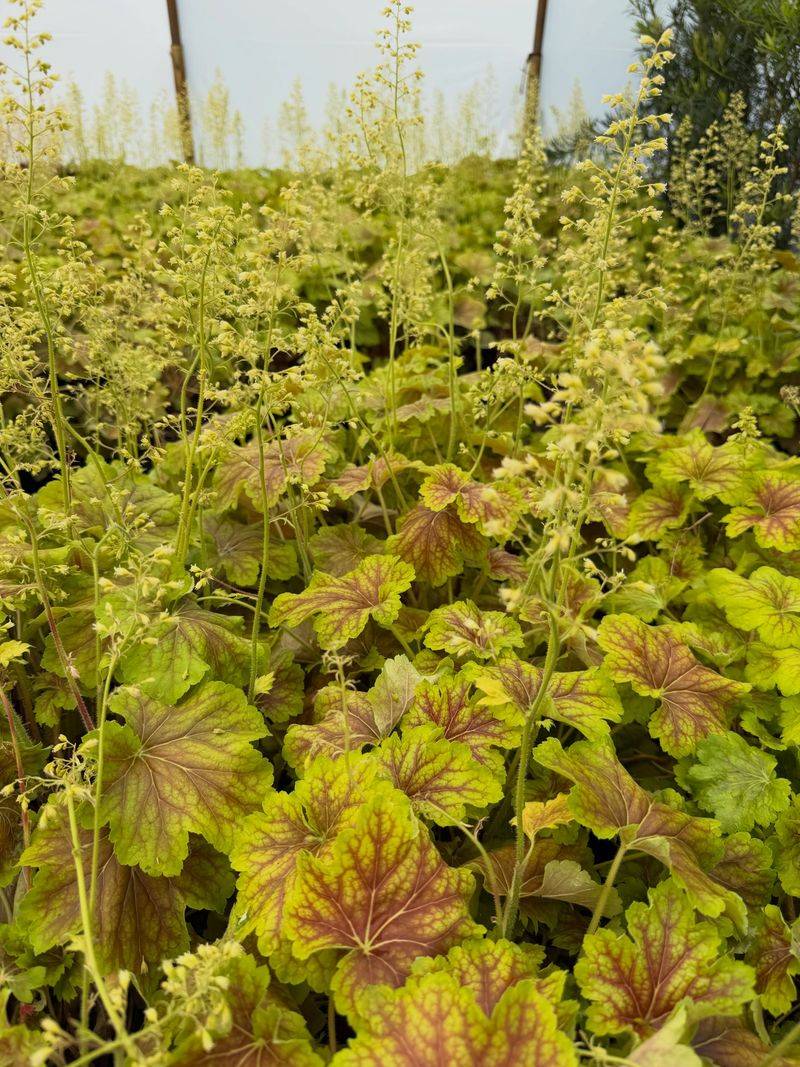
Coral Bells, known botanically as Heuchera, have become one of the most popular foliage plants in Pennsylvania gardens over the past couple of decades. And honestly, it is easy to see why.
The leaves come in a stunning range of colors, from deep burgundy and chocolate to bright lime green and silvery purple. They add color and texture even when nothing else in the garden is blooming.
Over time, Coral Bells develop a quirky habit of pushing themselves up out of the soil. The woody crown slowly heaves upward, leaving the roots partially exposed and the plant looking a little awkward.
This is a natural process, but it does mean the plant benefits from periodic division and replanting to keep it healthy and looking its best.
Late August into early fall is the right time to tackle this task. Start by digging up the entire clump and brushing away the soil so you can see the crown clearly.
You will likely notice that the center of the plant looks old and woody, while the outer edges have newer, more vigorous growth. Those outer sections are what you want to save and replant.
Use a clean, sharp knife to cut away the healthier outer portions of the crown. Make sure each piece has roots and at least a few leaves attached.
Discard the old, woody center section. Replant the divisions at the correct depth, making sure the crown sits right at the soil surface and is not left exposed.
Water well after planting and add a light layer of mulch to help protect the roots as temperatures begin to drop in the coming weeks.