What Sudden Mushrooms In Your Illinois Lawn Actually Mean After Rain
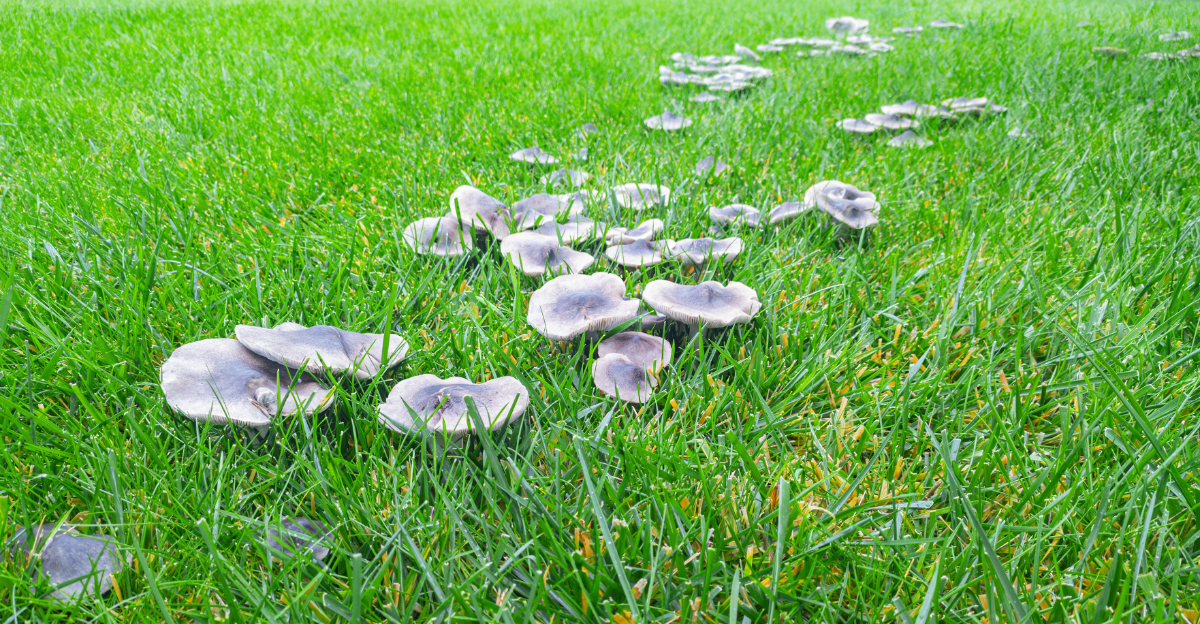
Rain does more than water your grass overnight. Sometimes it wakes up something else entirely, and by morning your yard looks like it belongs in a different story altogether.
Those pale clusters scattered across the lawn didn’t arrive by accident. They’re reacting to conditions that have been building underground for weeks, long before the storm ever rolled in.
Most people glance at the yard, shrug, and move on with their day. But there’s a reason this keeps happening after every downpour, and it has almost nothing to do with luck.
See what’s actually driving this, and the whole lawn starts making a lot more sense.
The Real Reason Mushrooms Pop Up Overnight
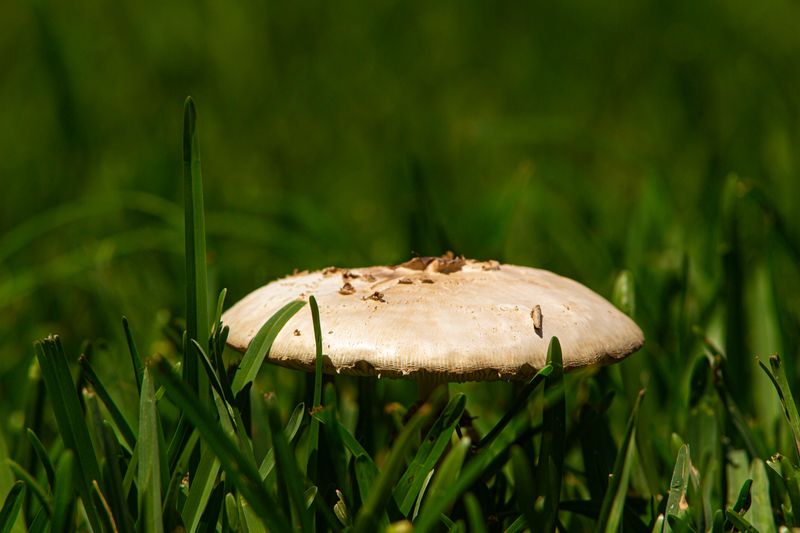
Rain hits, and boom, mushrooms appear like magic. Most people assume something is wrong, but the truth is surprisingly simple.
Mushrooms grow from fungi that already live underground. The rainstorm does not create them, it just wakes them up.
Fungal networks, called mycelium, spread quietly beneath your lawn for months or even years. They wait for the right mix of moisture and warmth to fruit above ground.
When Illinois gets a warm, heavy rain in spring or summer, conditions become perfect. The soil soaks up water, humidity rises, and mycelium gets the signal to produce mushrooms fast.
Mushrooms can appear in just a few hours after conditions line up. That overnight explosion you see is actually the result of weeks of underground activity you never noticed.
The fungi are not attacking your grass at all. Most of the time, they are quietly breaking down buried organic matter like old tree roots or decomposing wood.
Think of mushrooms as the above-ground announcement of a much bigger underground system. They pop up, release spores, and then disappear just as quickly as they came.
Your lawn is not broken or diseased just because mushrooms appeared. In most cases, their presence simply points to a soil ecosystem that’s thriving underground, doing exactly what it should.
Common Mushroom Types Found In Illinois Lawns
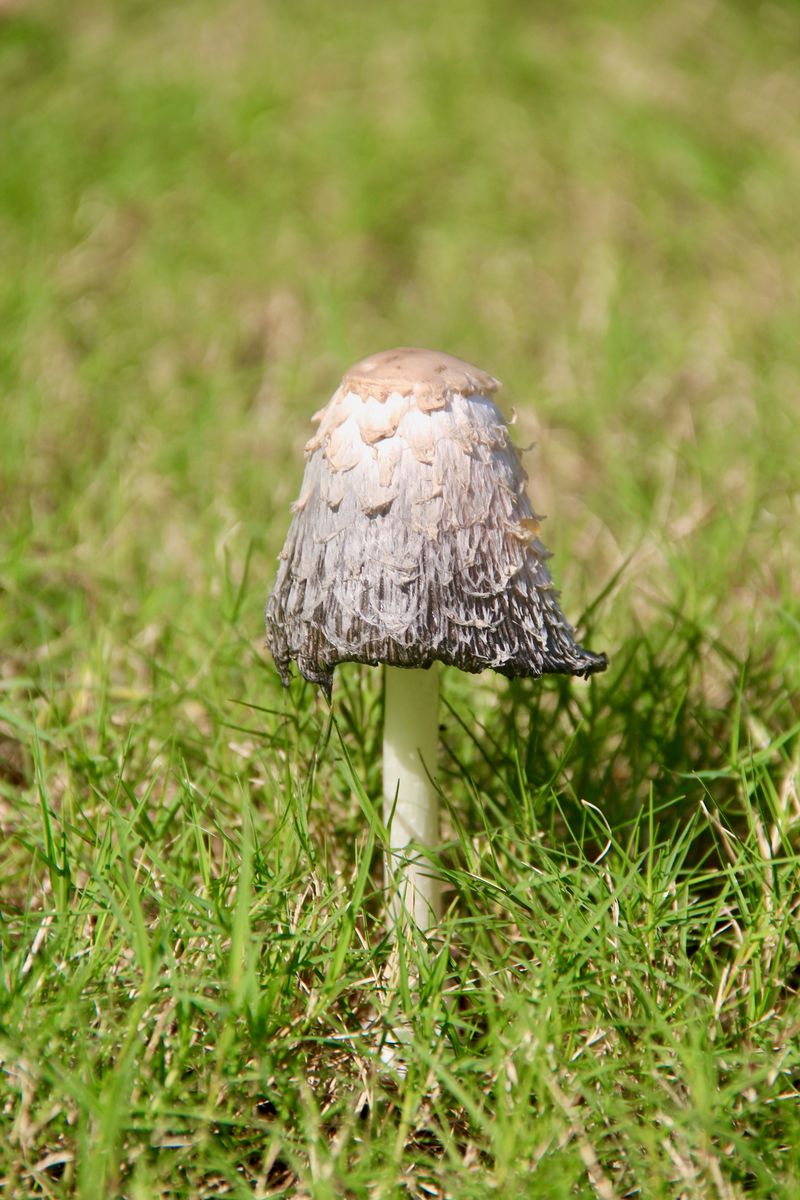
Not all lawn mushrooms look the same, and being able to identify what’s growing can ease a lot of worry. Illinois yards host a surprisingly wide variety of fungal species.
Puffballs are round, white, and look almost like golf balls sitting in the grass. They are among the most common types spotted after summer rains in the Midwest.
Ink cap mushrooms are tall and slender with dark, fringed caps that curl upward. They often appear in clusters and dissolve into a black, inky liquid as they age.
Agaricus species are the mushrooms that look most like grocery store varieties. These brown-capped fungi are extremely common in Illinois suburban lawns after heavy rainfall.
Fairy ring mushrooms grow in circular or arc-shaped patterns across the grass. The rings can range from a few inches wide to several feet across depending on how long the fungal network has been active underground.
Stinkhorn fungi are unforgettable once you encounter them. They emerge from white egg-like sacs and produce a powerful odor that attracts flies for spore dispersal.
Your Illinois Garden Changes Every Week. Your Plan Should Too.
Gardening in Illinois changes quickly throughout the season. Every Friday you’ll receive a simple weekly plan showing exactly what to plant, prune, fertilize, harvest, and protect so you never miss the right timing.
Yellow houseplant mushrooms, often called Leucocoprinus birnbaumii, sometimes appear in outdoor beds too. Their bright yellow color makes them easy to spot against green grass.
Identifying your specific mushroom type gives you a clearer picture of what is happening underground. Most common Illinois lawn species are harmless to grass, though some can be toxic if eaten by children or pets, so identification matters.
The Role Soil Moisture And Organic Matter Play
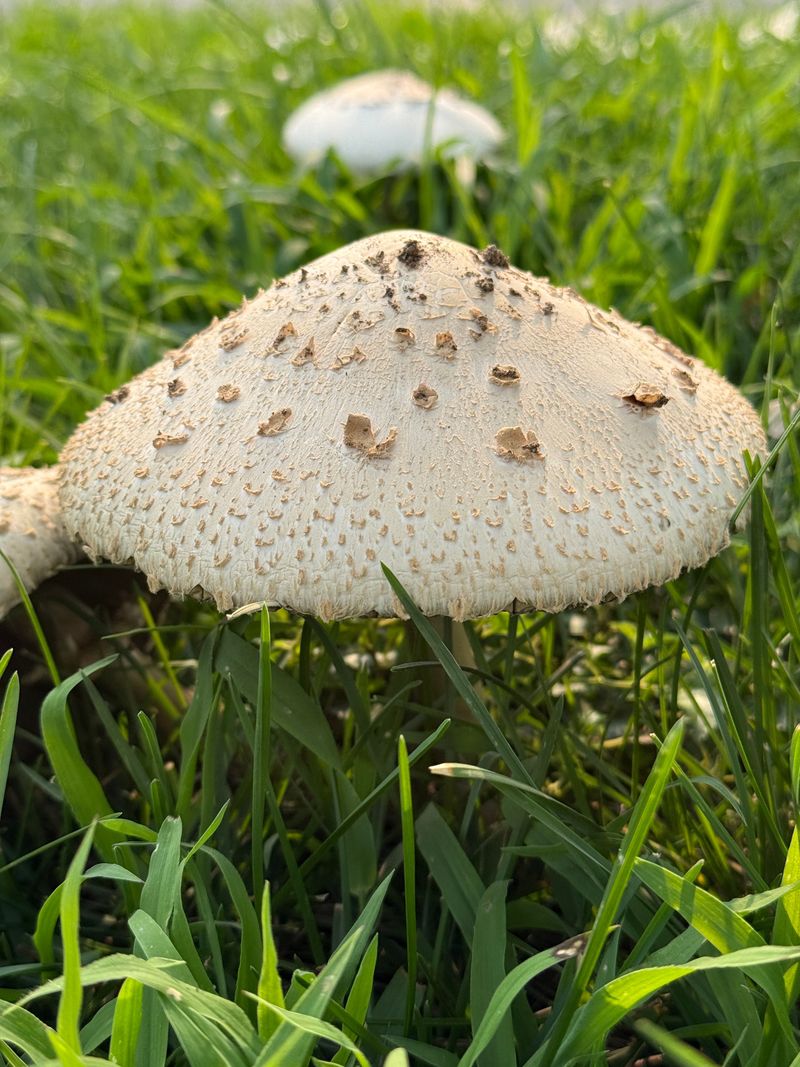
Wet soil is the engine that drives mushroom growth in your yard. Without consistent moisture, the fungi underground stay dormant and invisible.
Illinois summers bring heavy, sudden rainstorms that saturate the soil fast. That rapid soaking creates the exact conditions fungal networks need to push mushrooms above ground.
Soil moisture alone is not enough, though. Organic matter buried in the soil is the actual food source that keeps fungal networks alive and growing year after year.
Old tree stumps, decayed roots, buried lumber, and decomposing leaves all feed underground fungi. The more organic debris your lawn has below the surface, the more likely mushrooms are to appear after rain.
Clay-heavy Illinois soil holds water longer than sandy soil does. That extended moisture window gives fungi more time to produce fruiting bodies, which is the technical term for the mushrooms you see above ground.
Lawns that stay shaded tend to dry out more slowly after rain. Shaded areas see more frequent mushroom growth simply because moisture lingers longer under tree canopies.
Compacted soil can also trap moisture near the surface and encourage fungal activity in the top layer. Core aeration helps water move deeper and reduces surface saturation over time.
Seeing how moisture and organic matter work together explains why some spots in your yard tend to sprout mushrooms more than others. Targeting those specific areas is the smartest way to manage future growth after rain.
Are These Mushrooms A Sign Of A Bigger Problem
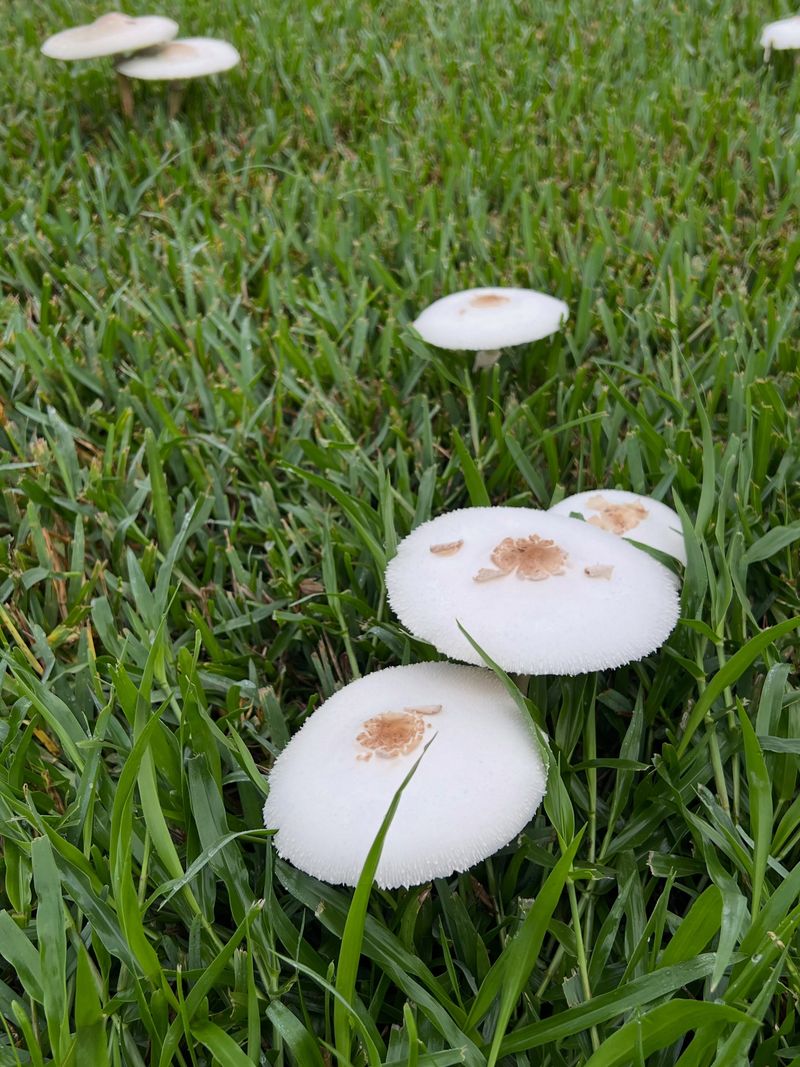
Seeing mushrooms pop up can feel alarming, but most of the time they are not a warning sign. They are simply evidence of a healthy, active soil ecosystem doing its job.
Fairy rings are the one exception worth paying attention to. These circular patterns can sometimes cause grass to grow in uneven patches, with darker or lighter rings visible in the turf.
The fungal mycelium inside a fairy ring can become so dense that it blocks water from reaching grass roots. This is called soil hydrophobicity, and it can cause dry, stressed turf even right after rainfall.
Mushrooms appearing near old tree stumps or along a straight line are usually tracking a buried root system. The fungi are decomposing that wood, which is actually a helpful process for your soil.
A sudden explosion of mushrooms in one spot can sometimes indicate poor drainage in that area. Standing water after rain encourages fungal growth and can also lead to root rot in your grass.
If mushrooms keep returning to the same spot season after season, something substantial is buried beneath. Old construction debris, a buried log, or a large root mass could be the ongoing food source.
Mushrooms that appear scattered randomly across the whole lawn are rarely a cause for concern. Widespread growth just means your soil is biologically rich and responding normally to moisture.
In most cases, their sudden appearance is a positive sign rather than a warning, unless fairy rings or drainage problems are also present.
Removing Mushrooms Safely From Your Lawn
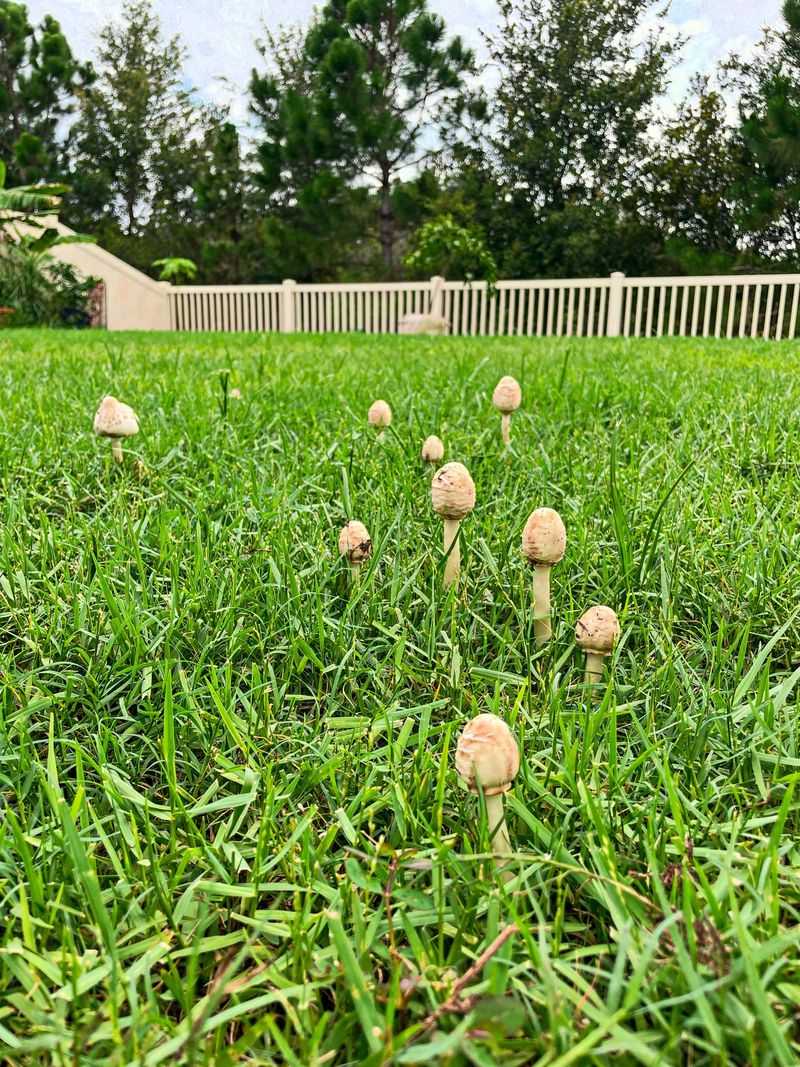
Pulling mushrooms by hand is the quickest way to get them out of your yard. Grab them at the base and twist gently to remove the stem along with the cap.
Wear gloves when handling unknown mushrooms. Some species can irritate skin, and a few are genuinely toxic if accidentally transferred to your mouth or eyes.
Removing the fruiting body does not eliminate the fungal network beneath. The mycelium stays active underground regardless of what you do above the surface.
Mowing over mushrooms is a fast but messy option. The mower will shred and spread spores across your lawn, which can actually encourage more mushrooms to appear in new spots.
Bagging removed mushrooms is the smartest disposal method. Placing them in a sealed plastic bag before tossing them in the trash prevents spores from spreading across your yard or garden beds.
Some homeowners try pouring dish soap and water mixtures into the soil near mushroom clusters. This can disrupt fungal growth temporarily but rarely provides a lasting solution.
Fungicide products are available at garden centers, but they are not highly effective against established mycelium networks. Most lawn care experts recommend physical removal over chemical treatments for casual mushroom problems.
Removing mushrooms promptly also protects children and pets who might be tempted to touch or taste them. A few minutes of cleanup after each rain event keeps your yard safer and looking tidier throughout the season.
Preventing Mushroom Regrowth After Future Rainfall
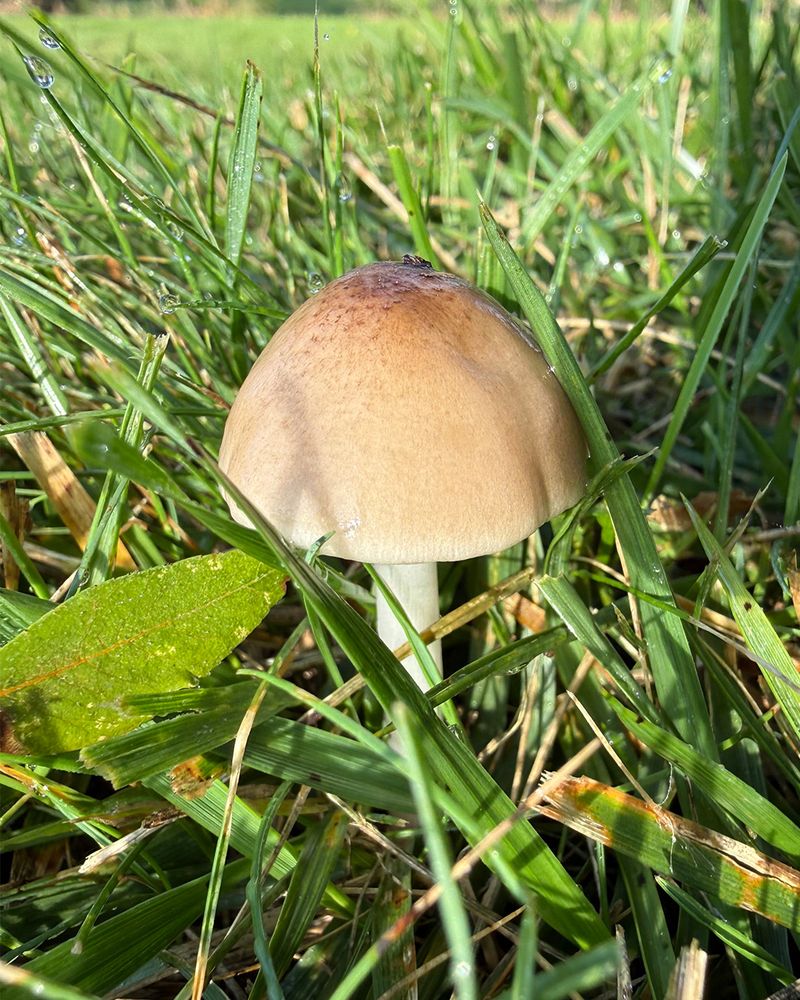
Stopping mushrooms from coming back starts with understanding what is feeding the fungi underground. Remove buried organic debris whenever you can find it.
Old tree stumps are one of the biggest culprits behind recurring mushroom growth. Grinding a stump down below the soil line removes the main food source and dramatically reduces future fungal activity.
Improving drainage in soggy lawn areas is another powerful prevention strategy. Regrading low spots or installing a French drain keeps water from pooling and creating the wet conditions fungi love.
Core aeration every fall or spring helps water move deeper into the soil profile. Better drainage means the surface dries faster after rain, giving fungi a shorter window to produce mushrooms.
Raking and bagging grass clippings after mowing removes one layer of organic material that can feed underground networks over time. Less surface debris means less fungal food accumulating near the roots.
Topdressing your lawn with a thin layer of compost can shift the soil biology in a helpful direction. Introducing diverse microorganisms creates competition that can slow the spread of specific fungal networks.
Adjusting your irrigation schedule also makes a difference. Watering deeply but less frequently encourages roots to grow downward and helps the surface dry between waterings.
Consistency is the key to keeping mushrooms at bay. Combining drainage improvements, debris removal, and smart watering habits gives you the best shot at keeping fungal fruiting to a minimum, rain after rain.