The Ideal Time To Divide Daylilies In Illinois For Fuller Clumps Next Year
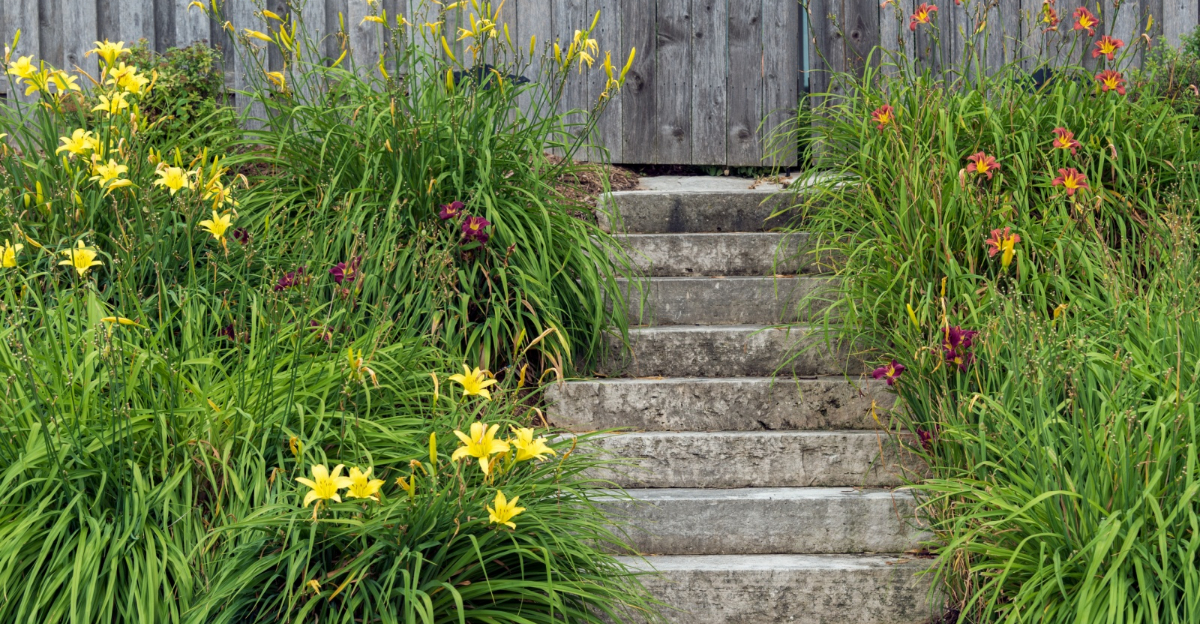
Your daylilies are showing clear signs of overcrowding. Crowded roots stop flowering long before you notice. Nobody warns you how fast healthy clumps decline.
Illinois summers accelerate every mistake you make. Timing decides everything, not your luck or memory. Wait past the window and blooms fade for a year without warning.
Rush the job and delicate roots tear instantly. Soil temperature matters more than any date on paper. Established clumps hide damage you cannot see from above.
Roots tangle, nutrients dwindle, and your flowers slow down. Gardeners across Illinois pay for delay every July. Something always has to give, and it should never be your patient garden.
Divide now and next summer rewards you in full. Skip it and lukewarm results become your only real option.
Every choice you make this week decides next year’s color. Once you know the right week to divide, your garden bed never looks the same.
Early Fall Is The Best Time To Divide Daylilies In Illinois
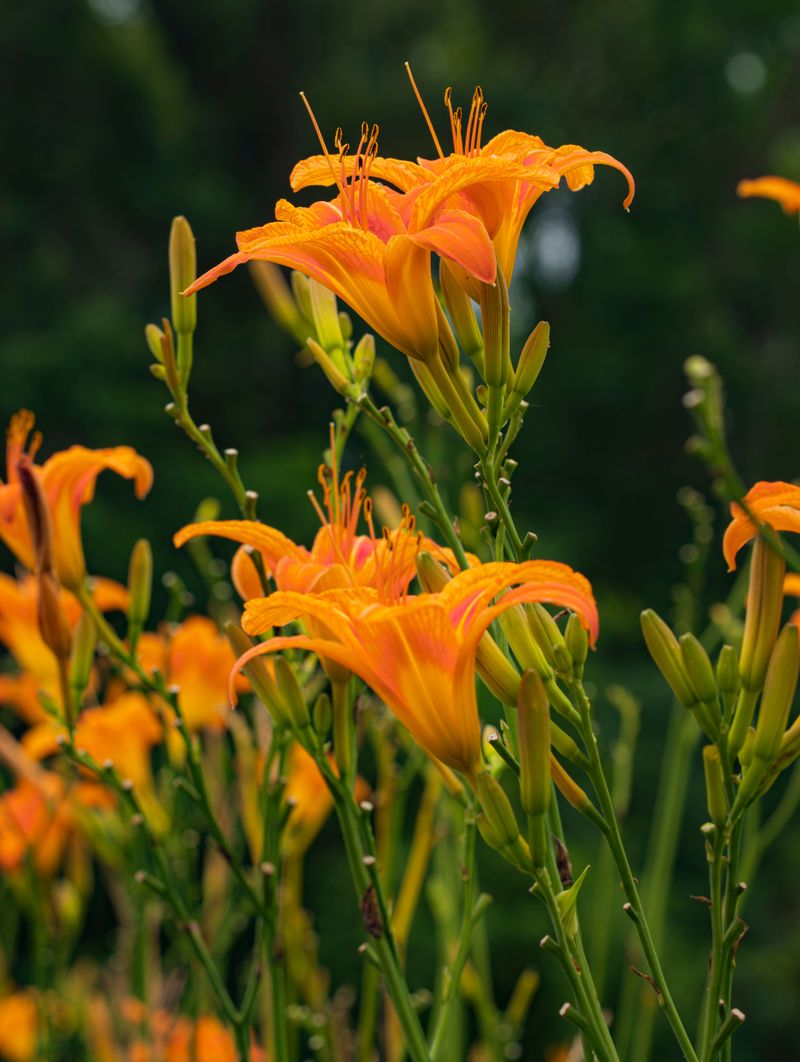
Timing is everything in gardening. The ideal time to divide daylilies in Illinois falls in late August through September, when the summer heat finally backs off.
Cooler soil temperatures make it easier for roots to settle in before winter arrives. Plants divided in early fall have weeks to establish new root systems underground.
Waiting until spring might seem logical, but fall division gives plants a head start. Roots grow actively in cool soil, even when the top growth slows down noticeably.
Illinois gardeners benefit from the state’s distinct seasonal shifts. That window between summer heat and hard frost is the ideal time to act.
Soil moisture in early fall tends to be more consistent than in dry summer months. Consistent moisture helps freshly divided plants recover without added stress or shock.
A good rule of thumb is to divide at least six weeks before the ground freezes solid. That typically means finishing up by mid-October in most parts of the state.
Early morning is the best time of day to do the actual digging work. Cooler air keeps both you and the plants from overheating during the process.
Some gardeners also divide in early spring, just as new shoots emerge from the ground. But fall remains the preferred season for the most reliable and rewarding results.
Mark your calendar now, because missing that fall window means waiting a full year. Your future blooms depend on the timing you choose today.
How To Tell When A Daylily Clump Is Ready To Be Divided
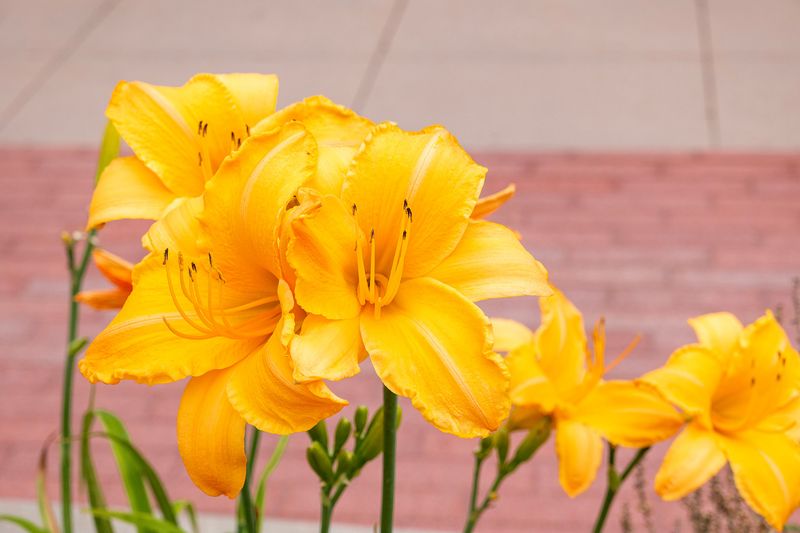
Fewer flowers are the loudest warning sign a clump gives you. When a once-spectacular plant barely blooms, overcrowding has likely choked out its energy and production.
A healthy daylily typically produces many blooms per season on strong, upright scapes, though counts vary by variety. A crowded one often pushes out thinner stems with fewer, smaller flowers.
Look at the center of the clump carefully on your next garden walk. Brown foliage in the middle usually means the inner fans have run out of space.
Your Illinois Garden Changes Every Week. Your Plan Should Too.
Gardening in Illinois changes quickly throughout the season. Every Friday you’ll receive a simple weekly plan showing exactly what to plant, prune, fertilize, harvest, and protect so you never miss the right timing.
Roots pushing up above the soil line are another clear giveaway worth noticing. Exposed roots mean the clump has outgrown its spot and needs to be broken apart soon.
Clumps that spread more than two feet wide are often a sign the plant is due for splitting, though this varies by variety. The outer edges stay lively, but the crowded center becomes weak and unproductive over time.
You might also notice reduced vigor in the leaves themselves during the growing season. Pale, narrow, or stunted foliage suggests the plant is competing hard for nutrients and water underground.
Some fast-growing varieties often need dividing every three years to stay at their best. Slower spreaders may go four or five years before showing signs of stress or decline.
Trust what you observe in your own yard rather than following a rigid schedule. Your plants will always tell you exactly what they need if you pay close attention.
Tools And Techniques For Dividing Daylilies Without Damaging Roots
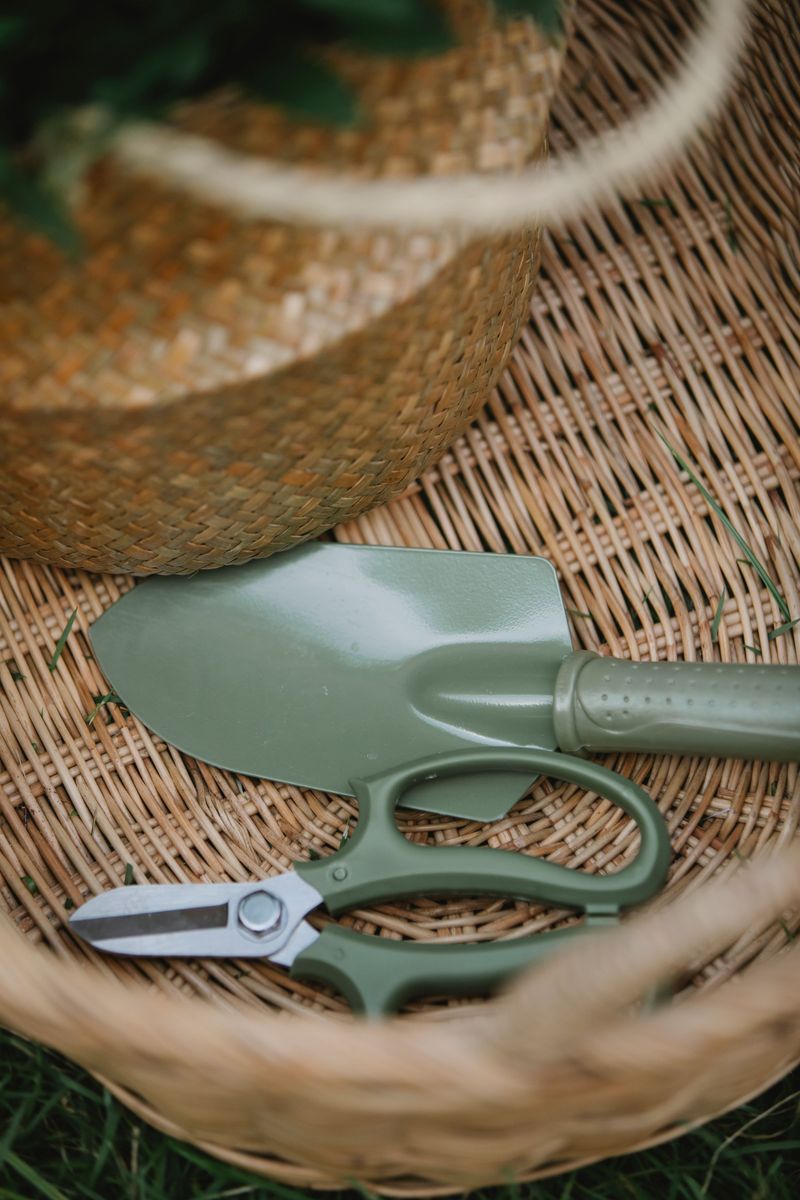
Sharp tools make the whole job cleaner and faster than you might expect. A dull spade tears roots messily, while a sharp one slices through with minimal damage to the plant.
Start by cutting a wide circle around the clump before lifting it from the ground. Giving yourself plenty of room prevents accidentally slicing through the root ball too close to the crown.
Once the clump is out, set it on a flat surface like a tarp or lawn. Working on solid ground gives you better control when separating individual fans from the mass.
Two garden forks placed back-to-back work brilliantly for pulling large clumps apart. Push the forks into the center and lever them outward to split the root mass naturally.
For stubborn clumps, a sharp knife or even an old bread knife gets the job done. Cut straight down between fans, keeping at least three to five fans per division for best results.
Rinse the roots with a garden hose after separating the sections cleanly. Washing off excess soil lets you see the roots clearly and spot any that are damaged or rotting.
Trim any brown or mushy roots with clean pruning shears before replanting each section. Healthy white or tan roots are what you want to see going back into fresh ground.
Label your divisions if you grow multiple named varieties in the same bed area. Keeping track now saves a lot of guessing when everything looks similar in early spring.
Best Soil And Site Prep For Replanting Divided Daylilies
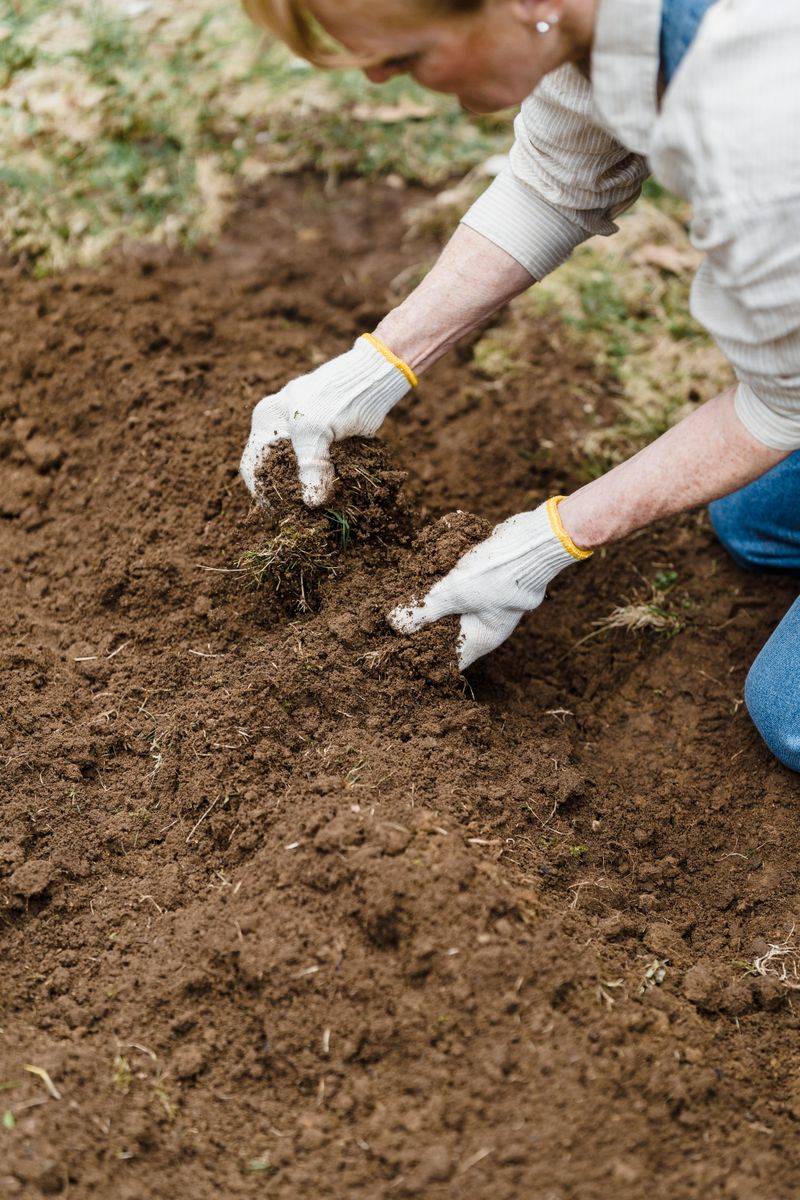
Fresh soil prep is what separates a thriving replant from a struggling one. Giving divided plants loose, nutrient-rich ground gives them a strong foundation for next summer’s blooms.
Start by loosening the soil at least twelve inches deep in the new planting area. Compacted ground forces roots to fight for space instead of spreading freely and establishing quickly.
Mix in a few inches of compost before placing any divisions back into the earth. Compost improves drainage in heavy clay soils and adds nutrients that support fast root development.
Daylilies prefer a slightly acidic to neutral soil pH, somewhere between 6.0 and 6.5. A quick and inexpensive soil test from a local garden center confirms whether adjustments are needed.
Full sun to partial shade works well for most common varieties grown across the Midwest. Aim for at least six hours of direct sunlight per day for the most impressive flowering performance.
Avoid planting divisions in low spots where water tends to collect after heavy rain. Soggy roots lead to rot, and rot undoes all the effort you put into dividing carefully.
Space divisions about eighteen to twenty-four inches apart to allow room for natural spreading. Tight spacing creates another crowded clump faster than you want, sending you back to square one.
Water each division thoroughly right after planting to close air pockets around the roots. Strong establishment now sets the stage for the fuller, more vibrant clumps you are working toward.
How Often Illinois Gardeners Should Divide Their Daylilies
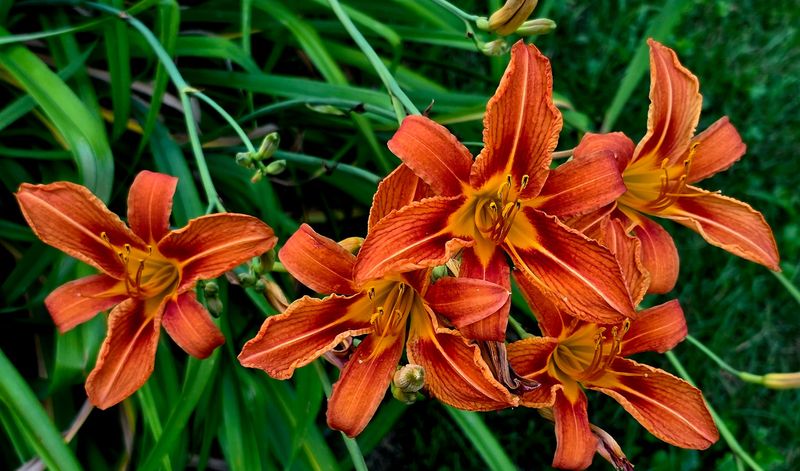
Not every daylily needs dividing on the same schedule, and that is perfectly fine. Variety, growing conditions, and soil fertility all influence how quickly a clump outgrows its space.
Most gardeners find that a three-to-four-year cycle works well for average-growing varieties. Fast spreaders like Stella de Oro may need attention every two to three years to stay productive.
Slower, more compact types can often go five or even six years between divisions. Watching bloom performance each season gives you better guidance than any fixed calendar schedule ever could.
A clump that still blooms heavily and looks full probably does not need splitting yet. Unnecessary division stresses healthy plants and delays flowering for an entire growing season afterward.
Keeping a simple garden journal helps track when each clump was last divided. A quick note each fall saves you from guessing years later when things start looking crowded again.
Fertilizer habits also affect how often division becomes necessary in your specific garden. Rich soil and regular feeding push plants to spread faster, meaning more frequent attention from your shovel.
Some gardeners divide half their bed one year and the other half the following year. This staggered approach keeps part of the display blooming beautifully even during the recovery period.
The ideal time to divide daylilies in Illinois stays the same regardless of frequency. Stick to that early fall window and your plants will bounce back stronger every single time.
Common Mistakes That Lead To Weak Growth Next Summer
Planting divisions too deep is one of the most common errors gardeners make during fall replanting. The crown of each fan should sit no more than one inch below the soil surface.
Burying plants too deep restricts blooming and can cause crown rot over a wet winter. Keep that crown shallow and visible, almost peeking out from the top of the soil.
Skipping post-division watering is another mistake that costs gardeners dearly come next summer. Dry soil after replanting causes new roots to shrivel before they ever get a real chance to establish.
Dividing too late in the season leaves plants without enough time to root before frost. Pushing past mid-October in most of Illinois significantly reduces the chances of successful establishment.
Using dull or dirty tools spreads disease between plants without the gardener ever realizing it. Wipe blades with rubbing alcohol between cuts to keep fungal problems from spreading across your garden.
Replanting back into the same exhausted soil without adding compost limits recovery from the start. Old, depleted ground lacks the nutrients that freshly divided plants need to grow strong new roots.
Overcrowding new divisions to fill a bare spot quickly creates the same problem you just fixed. Resist the urge to pack them in, and trust that proper spacing pays off by midsummer.
The ideal time to divide daylilies in Illinois only works if the follow-through is solid. Avoid these pitfalls and next summer’s garden will reward every bit of effort you put in.