What Florida’s Fall Vegetable Garden Needs You To Plant In August
August still feels like deep summer across Florida.
The soil is hot. Afternoon storms can soak one bed and miss the next. Tomatoes from the old crop may still hang on while fall seed packets wait beside the shed.
That does not mean the fall garden should wait.
This month opens a narrow handoff between warm-season crops and the vegetables that can carry beds toward cooler weather.
The useful list changes fast from North Florida to Central Florida to the southern end of the state, so one calendar rarely fits every backyard.
What deserves space right now?
Beans, squash, tomatoes, peppers, eggplant, cucumbers, and carrots all have August opportunities somewhere in Florida, but their regional windows do not line up neatly.
That is where smart timing earns its keep.
Use August to match each crop to your part of the state, give transplants a gentler start, and sow quick crops while warm soil still works in your favor.
Fall may feel distant.
Your garden calendar already knows better this week.
1. Plant Bush Beans In North And Central Florida
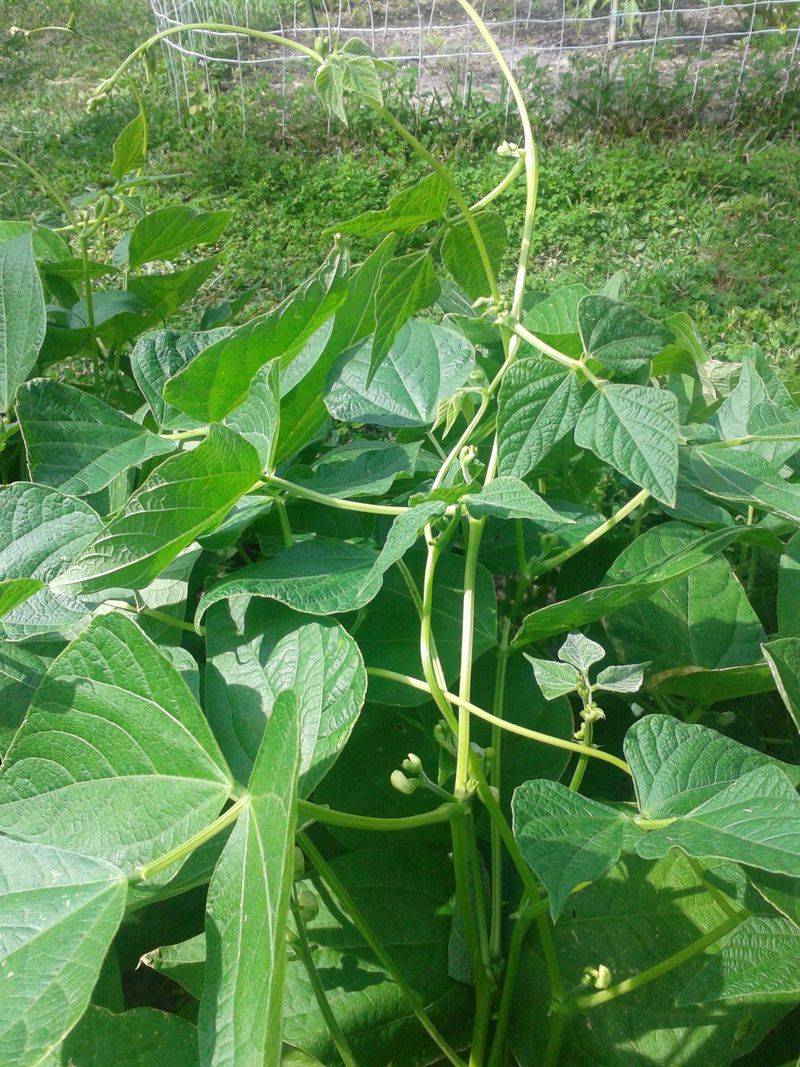
A bare row can turn productive fast once bush bean seed hits warm August soil.
North and Central Florida both have bush beans on the current August list, while South Florida gets its main bean window later. That regional split matters because one state can hold three very different garden calendars at once.
Sow directly into the bed.
Bush beans dislike unnecessary root disturbance, and warm soil usually gives seed a quick start. The statewide vegetable table lists seed about 1 to 1½ inches deep, with roughly 2 to 4 inches between plants.
Most crops reach harvest in about 45 to 60 days.
Keep the seed zone evenly moist through emergence, then shift toward deeper water as roots expand. Florida sand can dry fast between storms, while one heavy afternoon downpour can supply more than enough moisture for the day.
Skip a heavy nitrogen push.
Beans can produce plenty of leaves at the expense of pods when nitrogen gets excessive. A soil test and modest fertility plan make more sense than a rich fertilizer routine.
Plant a second short row a couple of weeks later when space allows. That can stretch harvest instead of putting every pod in the kitchen at once.
Bush beans like speed.
August gives North and Central Florida just enough runway for a crisp fall payoff.
2. Get Pole Beans Climbing For Fall
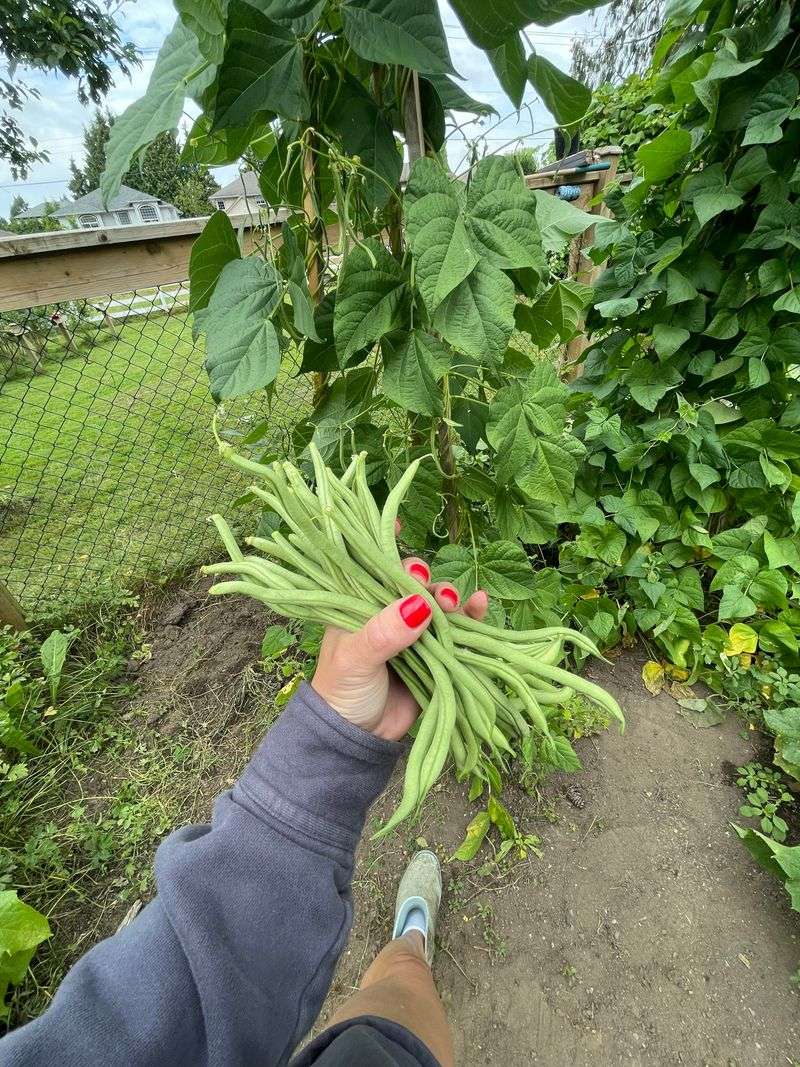
That empty trellis can earn its keep before summer fully lets go.
Pole beans join bush beans on the August list for North and Central Florida. South Florida usually gets its broader bean window later, so the trellis calendar changes as you move down the peninsula.
Set the support before seed goes into the soil.
Once vines start to climb, a late trellis installation can snap stems and disturb roots. A sturdy fence panel, cattle panel, or tall garden frame gives the plants a clear route from the start.
Direct sow seed about 1 to 1½ inches deep. The statewide table allows roughly 3 to 5 inches between plants and lists about 50 to 70 days to harvest.
Your Florida Garden Changes Every Week. Your Plan Should Too.
Gardening in Florida changes quickly throughout the season. Every Friday you’ll receive a simple weekly plan showing exactly what to plant, prune, fertilize, harvest, and protect so you never miss the right timing.
Pole types need more time than bush beans, but they can offer pods across a longer stretch when harvest stays regular.
Keep air space around the vines.
Florida humidity can make a packed wall of foliage far less charming by September. Give leaves room, water near the soil, and check both sides of foliage for pests before damage spreads.
Go easy on nitrogen here too. Too much can favor vines and leaves over a useful pod crop.
Harvest while pods stay tender.
A trellis full of old, mature beans tells the plant the season is nearly complete.
Pick often, and your August vines may answer with another round.
3. Sow Summer Squash Across Much Of Florida
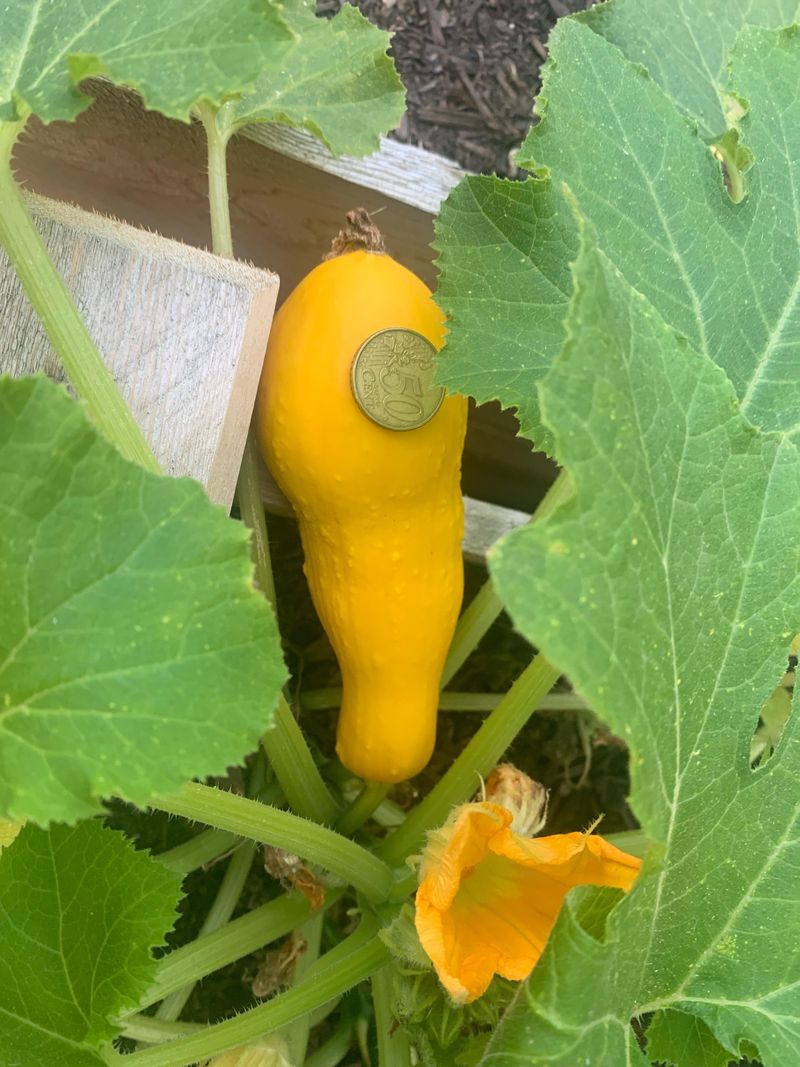
A fast crop makes August feel much more generous.
Summer squash appears on the current August list for both North and Central Florida. The latest month-by-month list does not place standard squash seed on South Florida’s August list, so gardeners there can follow the later regional window instead.
Warm soil suits direct seed well.
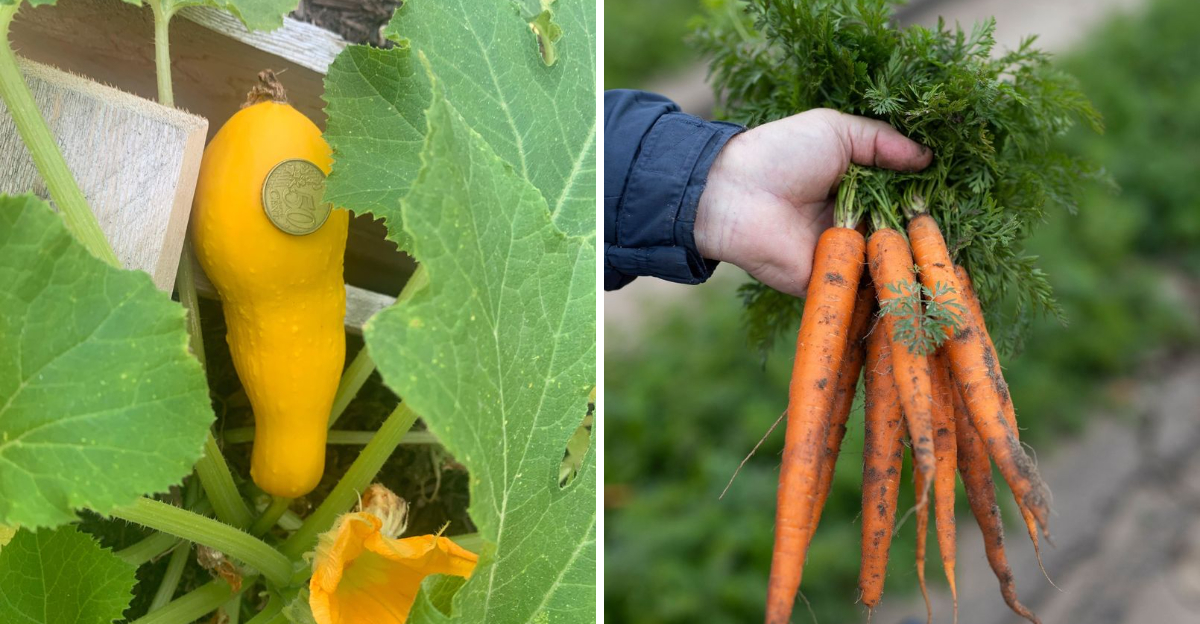
The statewide table lists summer squash at about 40 to 50 days to harvest, with seed around 1 to 1½ inches deep and roughly 12 to 24 inches between plants. That short calendar gives an August crop real potential before fall settles in.
Give each plant elbow room.
A crowded squash patch traps humid air, and late-summer vegetables already face strong insect and disease pressure.
Hot August and September weather can favor many garden pests, so check leaves often rather than wait for a whole plant to look rough.
Water the root zone and let foliage stay as dry as practical. A light mulch can soften moisture swings without crowding the crown.
Then harvest young.
Six-foot zucchini jokes start with one missed afternoon, and oversized fruit also asks the plant to spend more energy on seed.
Pick tender squash often and the plant gets the message to keep the crop coming.
This August choice works because it knows how to hurry.
Give it sun, room, steady moisture, and a calendar with very little wasted space.
4. Plant Cucumbers In North Florida
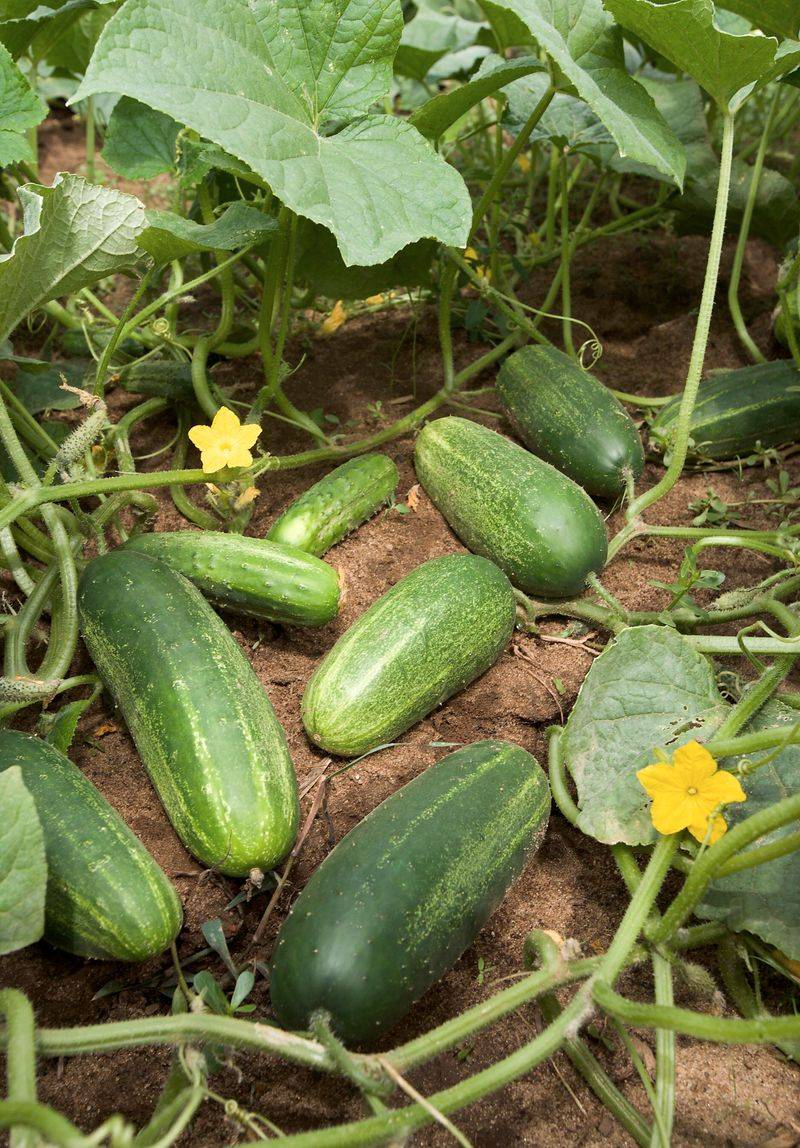
North Florida gets one August advantage that the rest of the state should not copy too early.
Cucumbers sit on the current August seed list for North Florida. Central Florida moves into its cucumber window in September, and South Florida follows from September onward.
That makes this crop a good example of why a Florida fall garden needs a regional calendar, not one statewide date.
Direct seed makes sense here.
The statewide table lists cucumber seed about ½ to ¾ inch deep, plants roughly 6 to 12 inches apart, and harvest in about 40 to 65 days.
Set a trellis first when vertical culture is part of the plan.
The vines can stay cleaner, fruit becomes easier to spot, and the bed gets more open space. Leave enough room for pollinators to reach flowers because cucumbers rely on insect pollination for fruit set.
Keep moisture steady through the first stretch.
A dry seed row followed by a sudden soak can make the first week much rougher than it needs to be. Add mulch after seedlings gain some size so the soil holds moisture through hot afternoons.
August also brings pest pressure.
Check leaves twice a week and remove overripe fruit promptly. Late-summer crops can face more insects and disease than vegetables that enter the garden later.
North Florida gets the cucumber green light now.
Farther south, patience still belongs on the seed packet.
5. Set Out Tomatoes By Regional Window
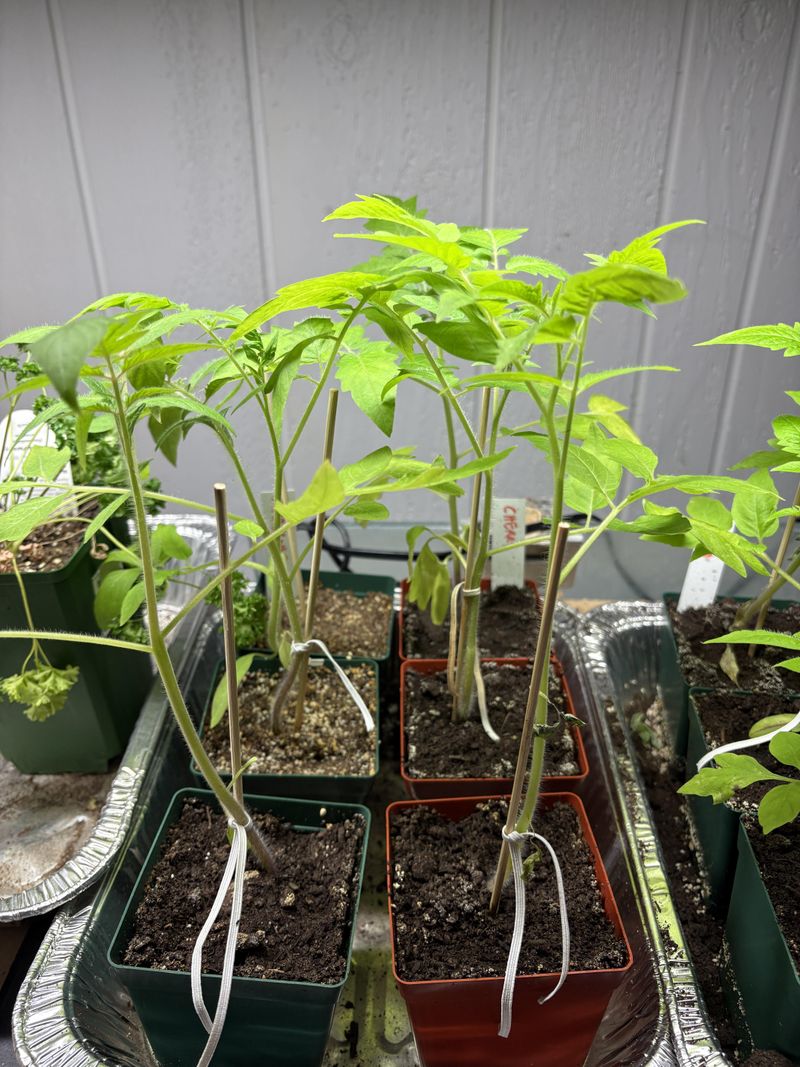
The fall tomato crop starts while the weather still feels completely unreasonable.
Current August lists include tomato transplants in North, Central, and South Florida. The statewide table narrows that further to August in North Florida, August through September in Central Florida, and August through February in South Florida.
Use sturdy transplants rather than direct seed at this point.
Set them out late in the day or under temporary shade so the first hours in the bed do not come with the hardest sun. Keep the root ball evenly moist through the first stretch, then move toward deeper water with more space between irrigations.
Support belongs in place early.
Cages or stakes keep stems off wet soil and make later harvest much easier. The statewide table places supported tomatoes roughly 18 to 32 inches apart and lists about 70 to 90 days from transplant to first harvest.
Do not panic over a few dropped blossoms during the hottest stretch.
High temperatures can interfere with tomato fruit set, so a healthy transplant may look far more productive once nights ease.
Mulch can help moderate soil moisture and keep splash off lower foliage.
Then scout often for whiteflies, leafminers, wilt symptoms, and damaged leaves.
August tomatoes ask for patience before they offer bragging rights.
Get roots settled now, and cooler weeks can handle more of the fruit-set work later.
6. Give Peppers Their August Start
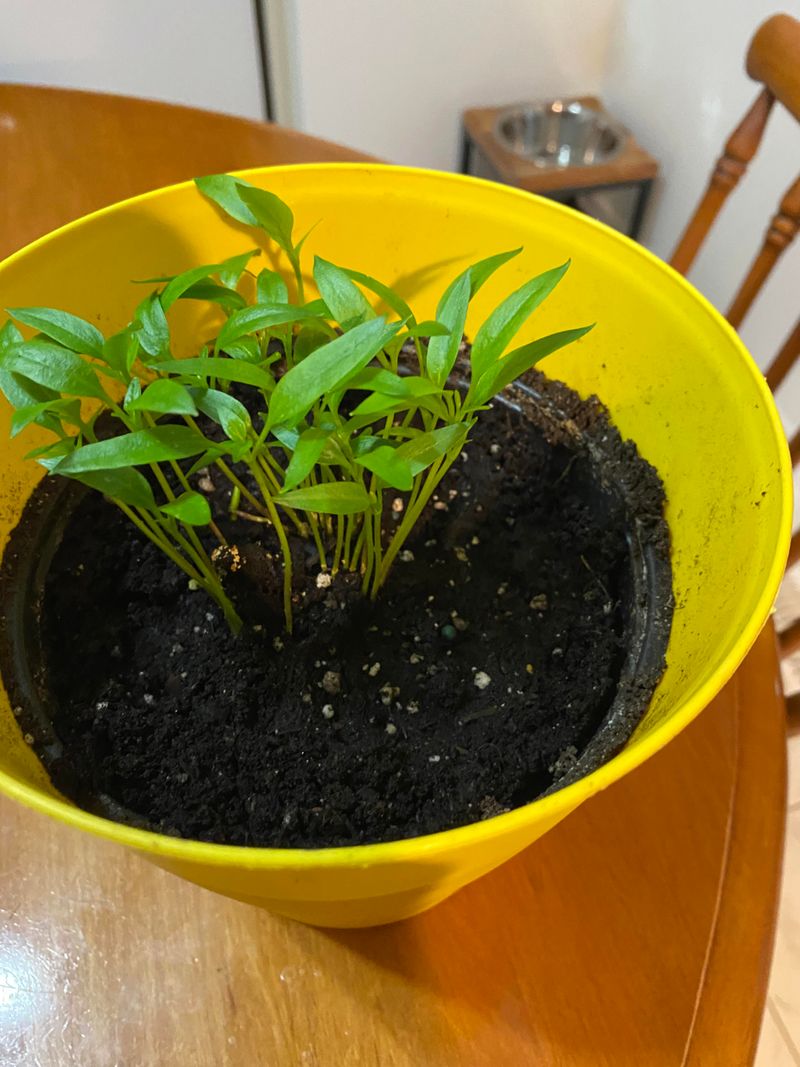
A transplant tray full of peppers does not need to wait for sweater weather.
Peppers belong on the current August transplant list in all three Florida regions. The statewide table gives North Florida a July-through-August window, Central Florida August through September, and South Florida August through February.
That makes this month a real handoff point.
Choose compact, healthy transplants with no obvious pest damage. Put them in the bed near evening so roots get several cooler hours before the next hard afternoon.
Keep moisture even through the first weeks.
Peppers appreciate mulch because it reduces fast moisture loss from sandy soil and softens soil-temperature swings. Transplants also tend to outperform direct seed for a late-season start.
Give plants room for airflow and support heavier branches before fruit load starts to pull them down.
Sweet types such as California Wonder and Red Knight appear on the recommended variety list, along with hot types such as Jalapeno M, Hungarian Hot Wax, and Habanero.
Resist a heavy fertilizer dose just because the transplant looks small.
Steady growth beats a burst of soft foliage in hot, humid weather. A soil test can guide fertility more accurately than a general fertilizer habit.
Watch new leaves for aphids, mites, or whiteflies, then deal with a real pest rather than spray on a schedule.
Peppers already speak fluent Florida summer.
August simply gives them time to settle before fall makes the garden a little easier.
7. Plant Eggplant In Central And South Florida
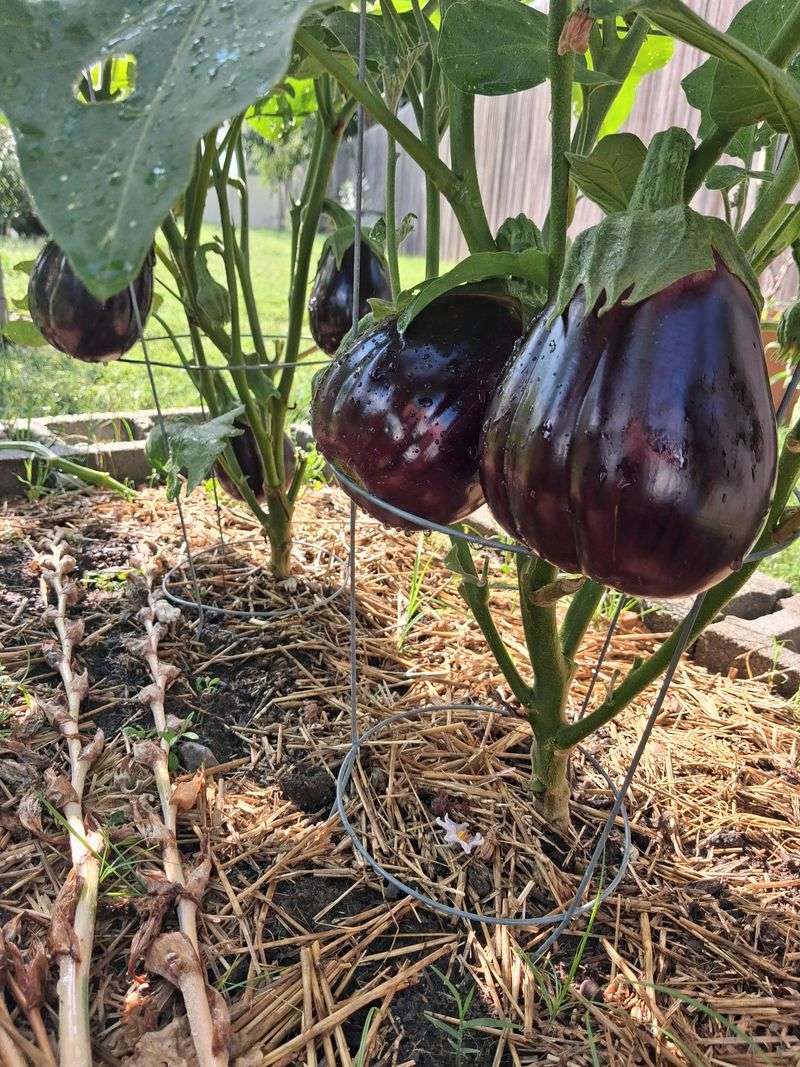
Warm soil still has one more job before the cool-season crops take over.
Eggplant appears on the current August transplant list for North, Central, and South Florida.
That month-specific list gives northern gardeners an August option, while the broader statewide table places the strongest fall windows in Central Florida from August through September and South Florida from August through February.
Use transplants with a strong root system.
A small plant can settle faster than an oversized specimen that already carries flowers and fruit. Put it into full sun, water the root ball well, and give the first few days some relief from harsh afternoon exposure when transplant stress shows up.
Space matters.
The statewide table allows about 18 to 40 inches between plants, based on cultivar and garden layout. First harvest often arrives about 70 to 90 days after transplant.
Stake plants that carry large fruit.
Black Beauty, Ichiban, Dusky, and several other types appear on the Florida variety list. Hot weather and drought can contribute to bitter fruit, so steady soil moisture remains important through the first weeks.
Check leaves for flea beetles and mites, especially while plants are small. A few holes do not justify panic, but a young transplant has less foliage to spare.
Eggplant likes the heat more than many fall crops.
That makes August less of an obstacle and more of a launch pad, especially once roots settle before the better harvest weather arrives.
8. Sow Carrots In Central Florida
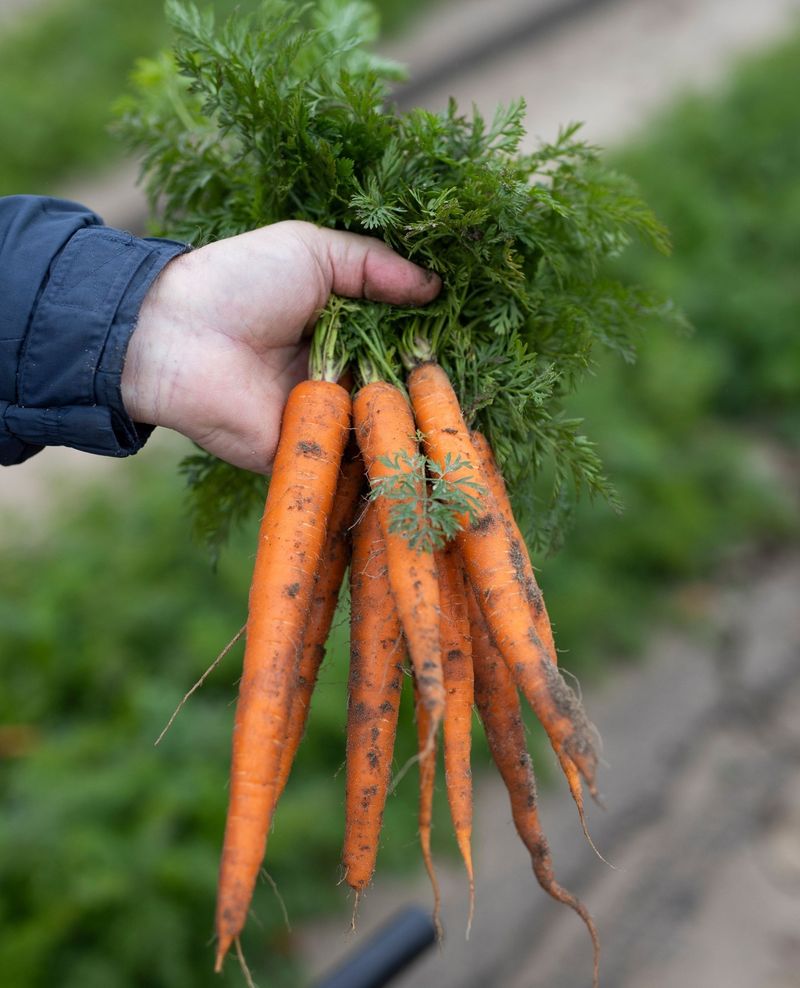
A tiny seed row can be the first real sign that the cool-season garden is on its way.
Carrots now appear on the August seed list for North and Central Florida. South Florida’s current monthly list holds them until a later month.
The broader vegetable table still shows August through March for Central Florida and September through March for North and South, so local timing deserves extra attention while statewide dates continue to receive updates.
Start with the bed, not the packet.
Carrots need loose soil with no large stones or hard clods. A raised row can help roots develop more evenly, and the statewide table specifically recommends raised beds for better results.
Sow shallowly, around ¼ inch deep.
The seed can take its time, so keep the upper soil consistently moist through germination. A dry crust over tiny seed can end the crop before the tops ever appear. Thin seedlings once they reach about an inch tall so roots have room to size up.
Nantes, Danvers, Chantenay, and Imperator all appear on the recommended list.
Do not crowd them with a heavy fertilizer push. Good soil texture and steady moisture matter far more than a dramatic fertilizer schedule.
August carrots require more patience than squash.
That is part of the charm.
One crop races toward the kitchen. The other quietly builds its best work underground.