The One Thing North Carolina Butterfly Bush Needs In August To Keep Blooming Into Fall
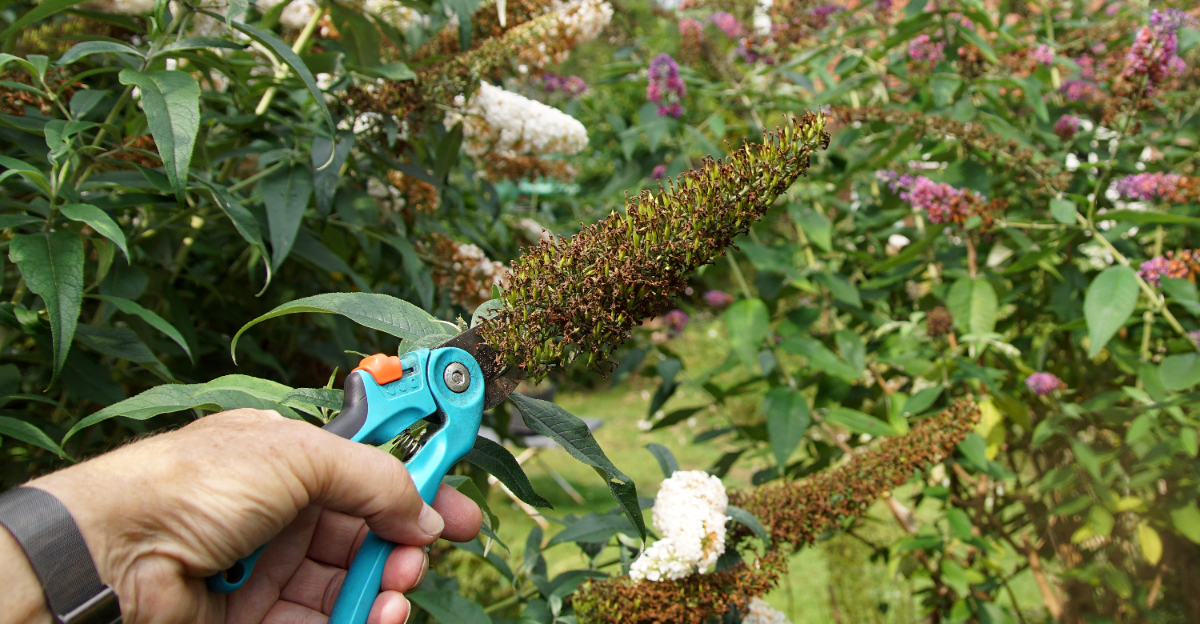
Butterfly bush often starts looking tired by August, its blooms fading just as pollinators are still searching for late season nectar. Many North Carolina gardeners assume this slowdown is simply the plant reaching the end of its natural cycle for the year.
But that’s not necessarily true, and one small habit can completely change how much longer your butterfly bush keeps flowering.
It has nothing to do with fertilizer or extra watering, and everything to do with a task most gardeners skip without realizing its impact. Once you understand what’s actually happening, keeping those blooms going becomes surprisingly simple.
The difference between a butterfly bush that quits in August and one that blooms into October often comes down to this single overlooked step.
It takes only a few minutes each week but makes a noticeable difference by the time fall arrives. Your pollinators will notice the difference too.
1. Remove Faded Flowers
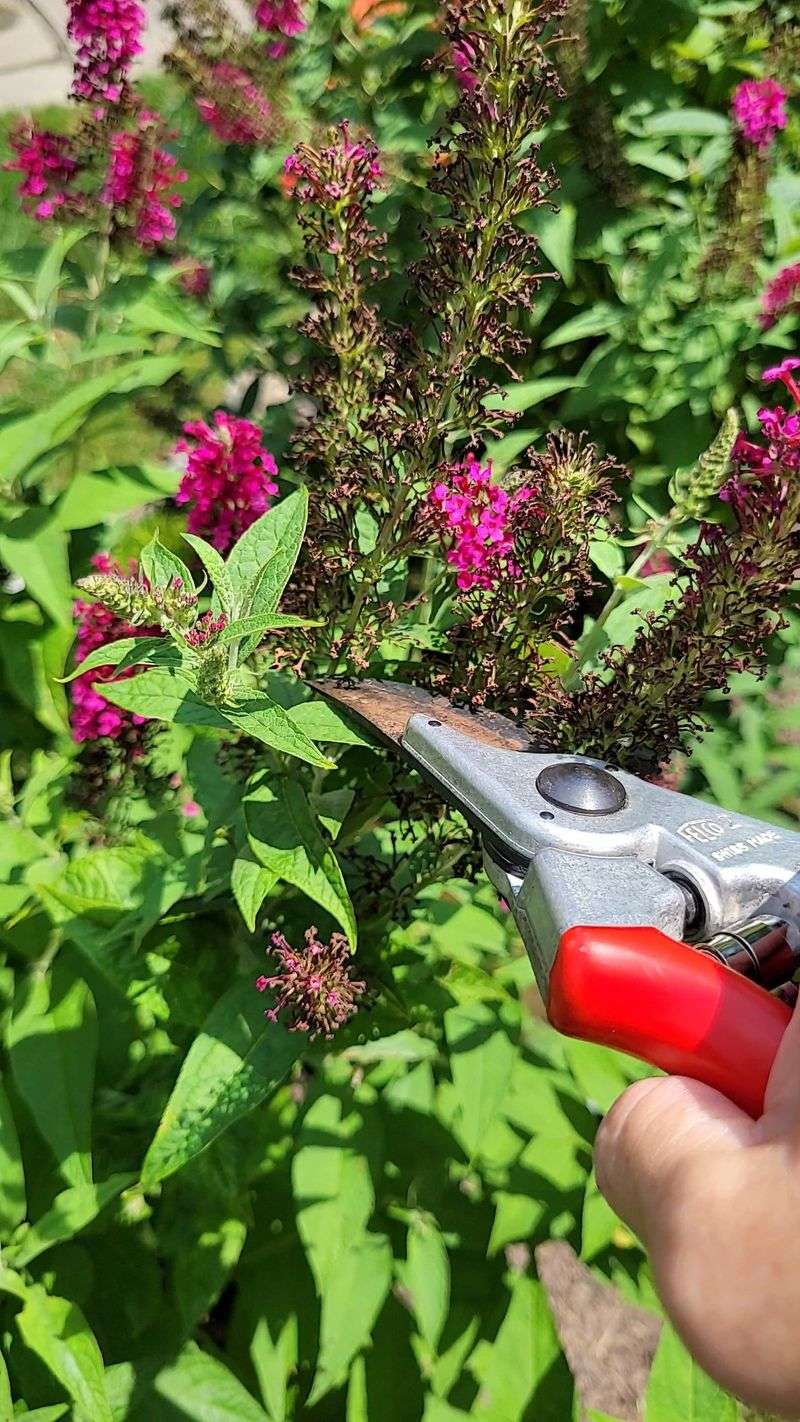
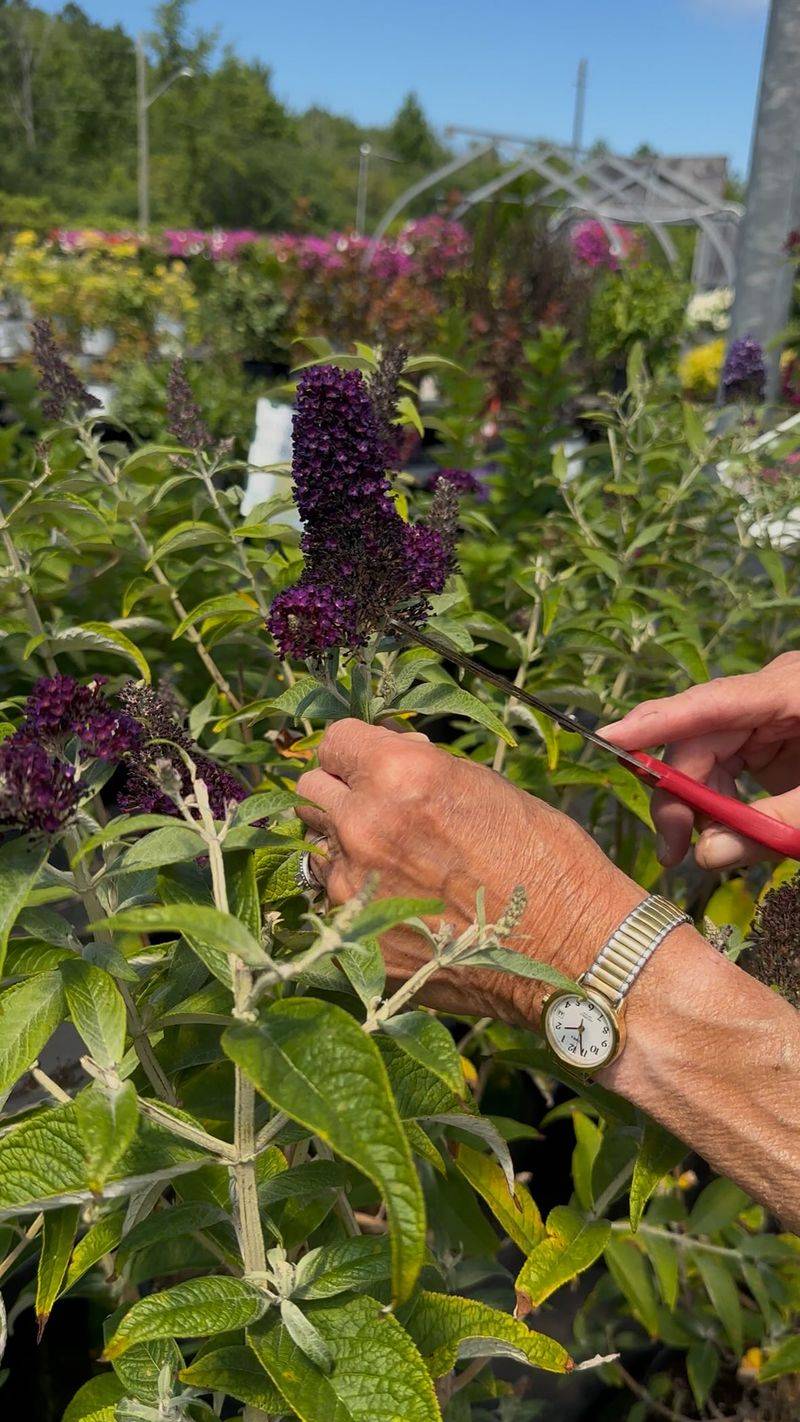
Snipping off those tired, browning flower clusters is the single best trick to keep your butterfly bush blooming. When a flower fades, the plant naturally wants to focus its energy on making seeds. That shift slows down new bloom production fast.
By clipping away the old spikes, you send a friendly message to the plant. Instead of putting energy into seeds, it pushes out fresh flower buds. Many butterfly bushes respond within a week or two with brand new color.
Think of it like giving your plant a fresh start. Each faded cluster you remove opens the door for more blooms to form along the stem tips. The more you tidy, the more nectar-filled spikes appear for bees and butterflies to enjoy.
August is the perfect month to stay on top of this. Heat and long days keep the plant growing, so it can replace old flowers quickly if you help it along. A quick check every few days makes the job simple.
You do not need fancy tools either. A clean pair of hand pruners or even sharp scissors works great for small clusters. Just aim for the spent flower right where it starts to fade.
Regular flower removal keeps the whole bush looking neat and full. Gardeners who skip this step often notice blooming slows way down by early September.
A few minutes of care now stretches the flower show far into fall, giving you weeks of extra beauty and busy pollinators.
2. Cut Just Below The Flowers
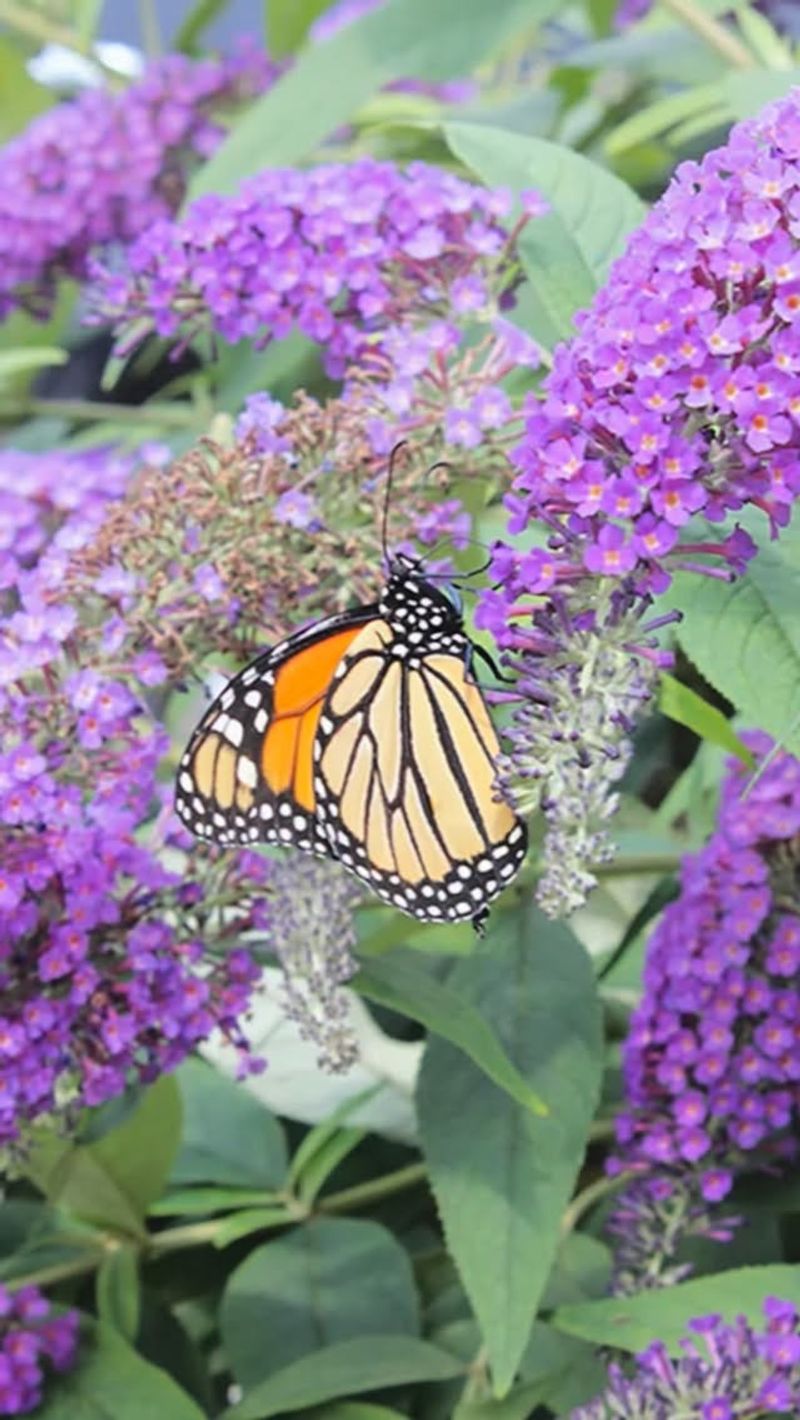
Where you cut matters just as much as the cutting itself. To keep your bush strong, snip only the finished flower spike and a tiny bit of the stem right beneath it. Leave the healthy green leaves and branches alone.
Aim for the spot just below the faded cluster, usually where you see the first set of leaves or a small side shoot. That gentle trim removes the old bloom without shocking the whole plant.
Heavy chopping in summer can slow everything down. If you cut too far back into thick, woody stems, the plant spends its energy healing instead of blooming. A light touch keeps the color coming.
Your North Carolina Garden Changes Every Week. Your Plan Should Too.
Gardening in North Carolina changes quickly throughout the season. Every Friday you’ll receive a simple weekly plan showing exactly what to plant, prune, fertilize, harvest, and protect so you never miss the right timing.
Look closely and you will often spot tiny buds forming near those leaf joints. Cutting right above them encourages those buds to open into fresh flower spikes. It is a small detail that makes a big difference.
Sharp, clean tools help you make a smooth cut. Ragged tears can invite problems, so wipe your blades and keep them sharp. A quick, clean snip heals faster and looks tidier.
This method works for almost every butterfly bush color and size. Whether you grow a tall lavender variety or a compact pink one, cutting just below the spent flower keeps the shape neat and the blooms flowing.
Take your time and enjoy the process. A few careful cuts here and there let your plant keep its full, bushy look while pumping out new flowers all through late summer and into the cooler days ahead.
3. Keep New Buds Intact
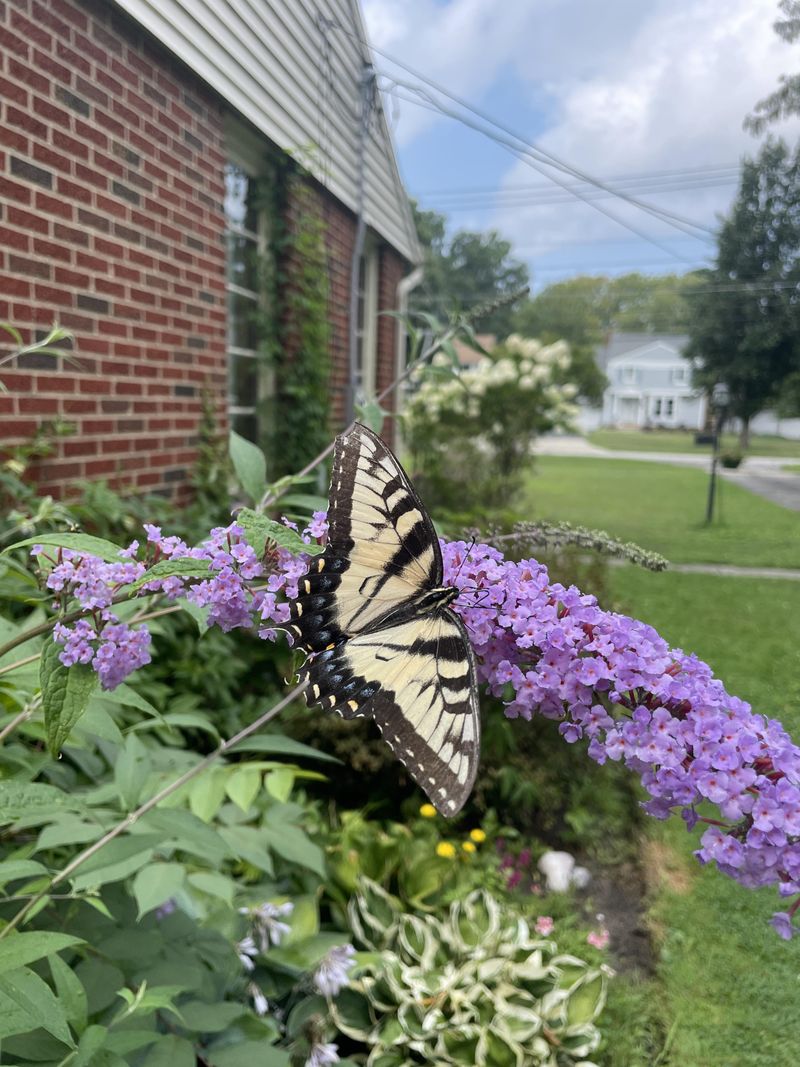
While you tidy up old blooms, watch out for the little buds waiting their turn. Those small green tips are your next round of flowers, and they are easy to snip off by accident if you rush.
Fresh buds often hide right below or beside the faded spike you want to remove. Look for tiny cone-shaped points that are still green and firm. Those are the flowers of tomorrow.
Slowing down for a moment saves you a lot of color. When you accidentally cut developing buds, the plant has to start over and grow new ones, which delays the bloom show you are working so hard to keep.
A good habit is to trace each faded cluster back with your eyes before you cut. Find the browning spike, spot the new buds nearby, and place your snip just above them. That way the old goes and the new stays.
Good lighting helps too. Morning sun makes it easier to tell the difference between a spent brown flower and a fresh green bud. A quick check keeps your cuts accurate.
If you are unsure, gently touch the tip. Faded flowers feel dry and papery, while young buds feel plump and smooth. That simple test keeps your bush loaded with future blooms.
Protecting those buds means a steady stream of nectar for butterflies and bees. Each one you save turns into another spike of color, keeping your garden lively and buzzing well past the peak of summer heat.
4. Check It Through August
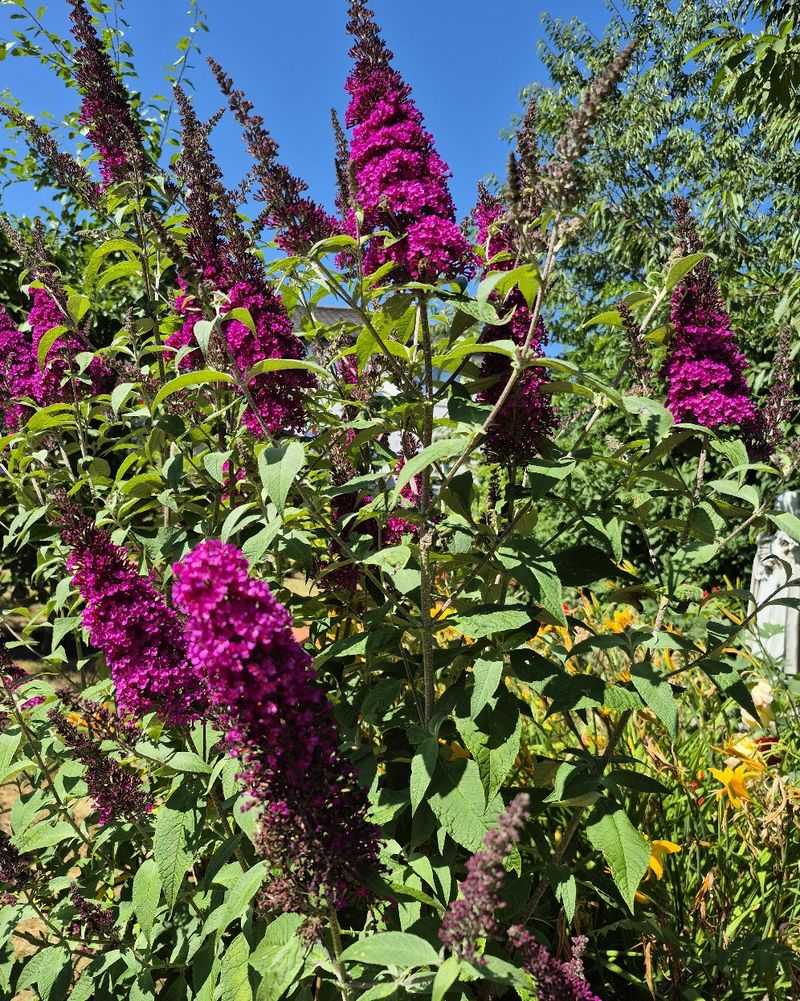
One tidy-up session is not enough to keep the flowers coming. Butterfly bushes bloom on new growth, so they keep making spikes as long as you keep clearing the old ones away. August is prime time to stay in the routine.
Set a simple schedule that works for you. A quick walk around the plant every three or four days lets you catch fading flowers before they turn to seed. Little visits add up to big results.
The plant rewards steady attention. Each time you remove a spent spike, fresh buds get the signal to open. Skip a couple of weeks and you may notice the blooming slow to a crawl.
Bring a small bucket or bag along to collect the trimmings. It keeps your garden neat and makes the whole job feel easy. In just five minutes you can refresh an entire bush.
Hot North Carolina afternoons push these plants to grow fast, which is great news. That quick growth means your bush can replace old flowers almost as fast as you remove them, keeping the color rolling.
Suitable varieties can bloom for weeks longer when you stay on top of this. Gardeners who check regularly often enjoy flowers straight into October, long after neighbors watch theirs fade.
Make it part of your morning coffee stroll or evening watering. Turning the chore into a habit keeps your butterfly bush full, fragrant, and covered in busy pollinators from now through the crisp start of fall.
5. Give It Full Sun
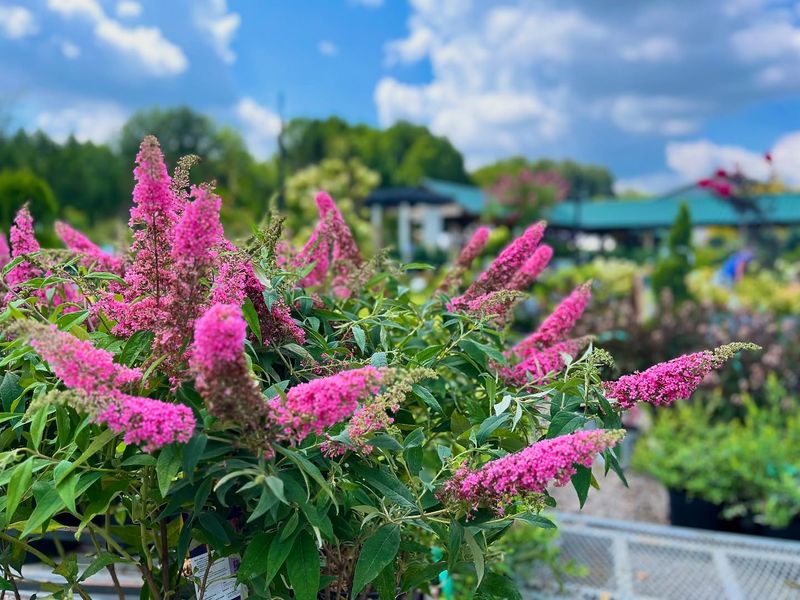
Sunshine is the secret fuel behind every big, colorful spike. Butterfly bushes are true sun lovers, and they bloom their best when they soak up at least six to eight hours of direct light each day.
Plants tucked in shady corners tell a different story. With less light, they grow leggy, produce fewer flowers, and lose that eye-catching fullness. More sun almost always means more blooms.
Sunlight powers the plant’s food-making process, which it turns into energy for flowers. The brighter the spot, the more nectar-packed spikes your bush can push out for butterflies and bees to visit.
If your bush lives in a pot, you have an easy fix. Move it to the sunniest spot in your yard, like along a fence, patio, or open bed where nothing blocks the light.
For bushes planted in the ground, watch how shadows move across your yard during the day. Trees and buildings can steal sun without you noticing. Trimming a nearby branch might open up hours of extra light.
Full sun also helps the plant dry off quickly after rain or morning dew. Dry leaves stay healthier, and a healthy plant blooms far more freely than a stressed one.
North Carolina summers deliver plenty of bright days, so take advantage. Pairing that strong sun with regular flower removal creates the perfect recipe for nonstop color.
Give your butterfly bush the sunniest home you can, and it will thank you with wave after wave of flowers.
6. Skip Heavy August Pruning
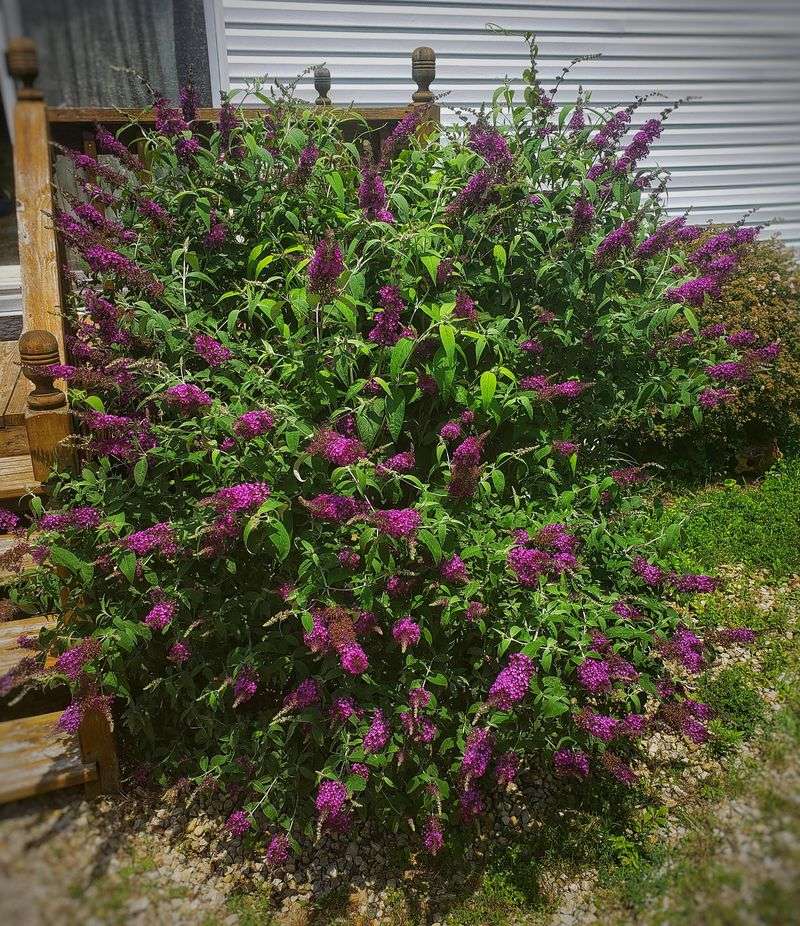
Grabbing the loppers for a big chop in August is a tempting mistake. Heavy pruning in the middle of summer can actually slow your flower show right when you want it at its peak.
When you cut a butterfly bush way back during the growing season, it pours energy into regrowing branches instead of making blooms. The result is a bare, sad-looking plant for weeks.
Light trimming is a whole different thing. Removing faded flowers and a bit of stem is gentle and helpful. Save the serious cutting for a better time of year.
Late winter or early spring is when heavy pruning pays off. Cutting the bush back hard while it is resting encourages strong, bushy new growth once warm weather returns. That fresh growth carries loads of flowers.
In North Carolina, many gardeners prune down to about one or two feet in February or March. The plant bounces back fast and rewards them with a fuller shape and more blooms all summer.
Doing that same big cut in August leaves too little time for recovery before cool weather. You could lose most of your fall color for no good reason.
Stick to light touches during summer. A quick snip of spent spikes keeps the plant neat and blooming without stressing it out.
Think of pruning as a seasonal task with the right timing. Gentle grooming now, bold pruning later. Follow that rhythm and your butterfly bush stays covered in flowers from late summer into the crisp fall days.
7. Know Your Variety
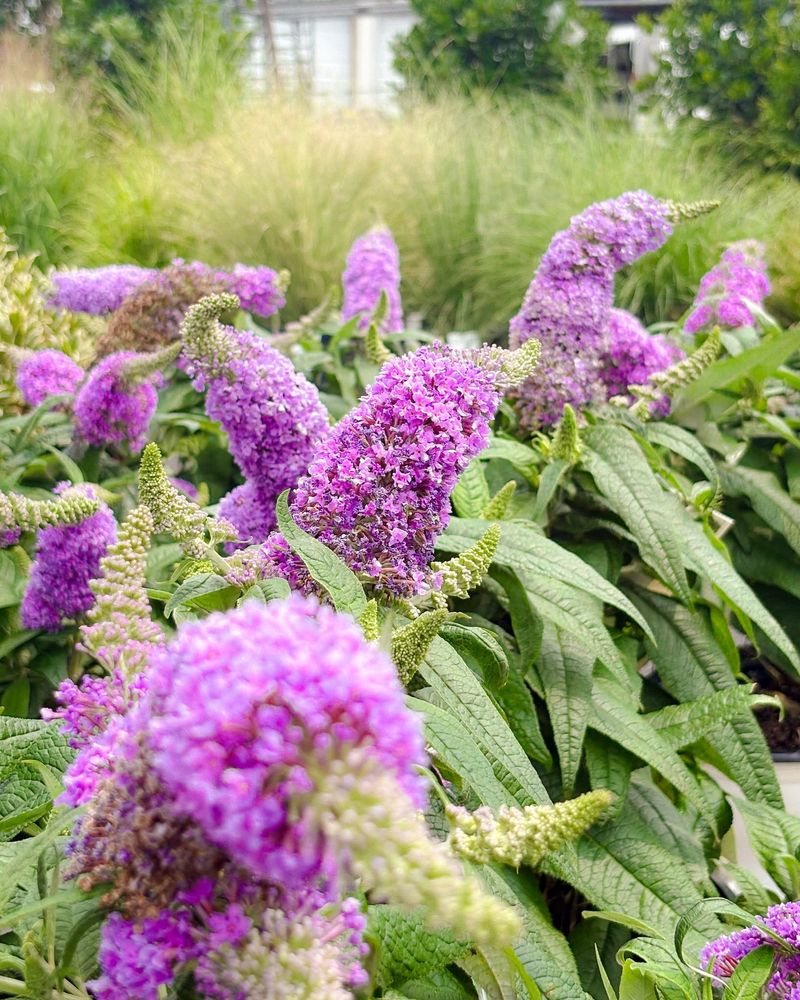
Not every butterfly bush needs the same care, and knowing yours saves you time. Newer sterile types are bred to bloom on their own, often without any flower removal at all.
Sterile varieties make little to no seed, so they do not slow down to make seed pods. That means they can keep pumping out flowers continuously through the season with hardly any help from you.
Popular sterile lines like the Lo and Behold series or Miss Molly stay compact and colorful. Gardeners love them because they offer plenty of blooms and much less fuss.
Older, traditional types tell a different story. They set seed easily, so removing faded flowers really does boost their blooming and keeps them tidy.
Checking your plant tag is the easiest way to learn what you have. Many labels proudly mention if the plant is sterile, non-invasive, or seedless. Snap a photo of the tag when you buy it.
If you inherited a mystery bush, watch how it behaves. One that forms lots of brown seed pods is likely a fertile older type that benefits from regular trimming.
Matching your care to your variety makes gardening feel effortless. Sterile bushes let you relax and enjoy the color, while fertile ones reward a little extra attention.
Either way, knowing your plant helps you make smart choices. You will spend your time on what actually helps, keeping your butterfly bush blooming beautifully from the heat of August straight into the cooler charm of fall.
8. Stop Seeds From Spreading
There is a bigger reason to remove old flowers beyond just more blooms. On fertile Buddleja davidii, faded spikes turn into thousands of tiny seeds that can drift far beyond your garden.
Those seeds travel easily on wind and water. Once they land in wild areas, they sprout and crowd out native plants that local wildlife depends on.
In North Carolina, this is a real concern in the Mountains and Piedmont regions. Buddleja davidii is considered invasive there, meaning it spreads where it is not wanted and causes trouble for natural habitats.
Clipping off spent flowers before they form seed pods is a simple act of good gardening. You keep the beauty of the plant while stopping it from escaping into the countryside.
Timing helps a lot here. Remove the fading spikes while they are still brown and dry but before they crack open and scatter. A weekly check makes this easy to manage.
Bagging the trimmings is smart too. Instead of tossing them in the yard, seal them up so stray seeds do not sneak into compost or garden beds.
If you want a worry-free option, choose one of the sterile varieties that make little or no viable seed. They give you all the color with none of the spreading concern.
Caring for your butterfly bush this way protects both your garden and the wild spaces around it. A few minutes of flower removal keeps native plants safe while your bush stays gorgeous into fall.