The One Thing You Should Never Do To North Carolina Mint In Late Summer
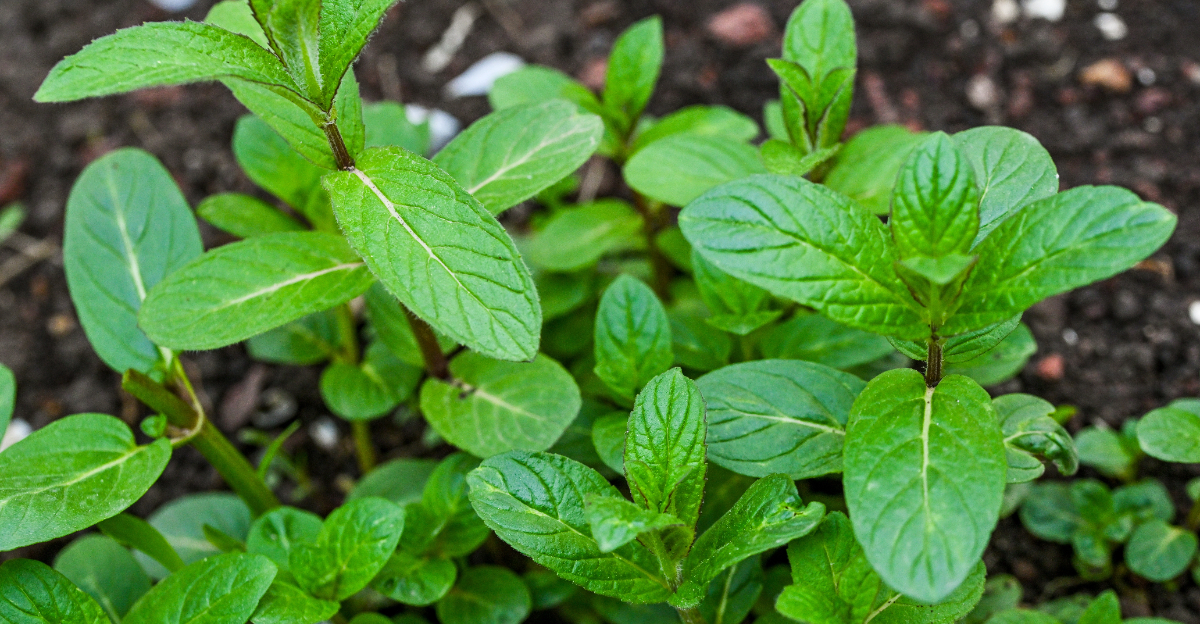
Mint feels like one of the easiest herbs to grow, thriving with almost no effort throughout a North Carolina summer.
That easy going reputation is exactly why so many gardeners make one particular mistake without even realizing it’s a problem until much later.
It seems harmless at the time, even reasonable, which is what makes this misstep so common among both new and experienced gardeners alike.
By the time the consequences become obvious, undoing the damage takes far more effort than avoiding it ever would have.
Late summer is when this mistake causes the most lasting trouble, setting up problems that can linger for years afterward. Knowing what to avoid now could save you an enormous headache down the road.
It’s a small decision that carries a surprisingly big impact once you understand what’s really at stake.
1. Stop Fertilizing Mint
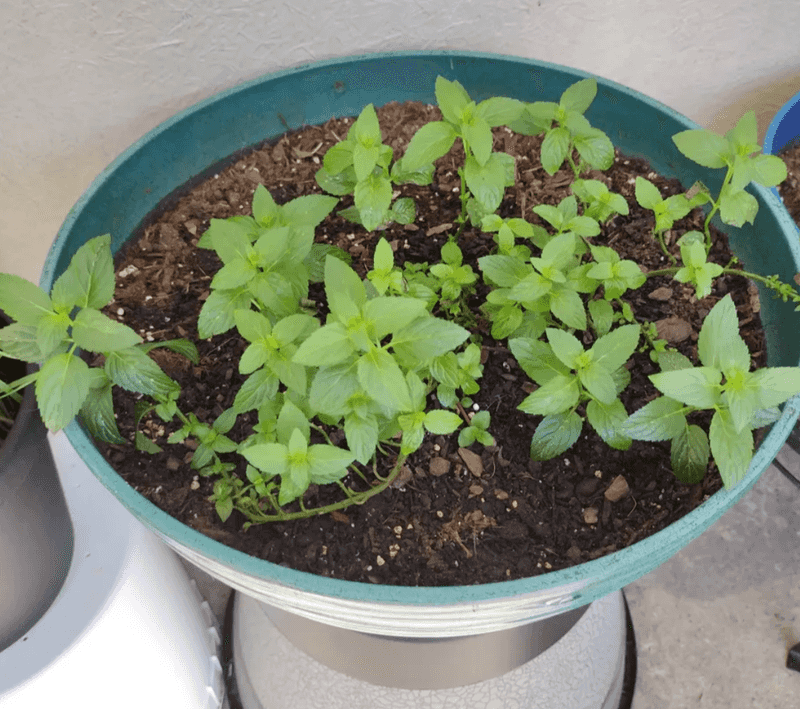
Here is the big one that catches many gardeners off guard. Once early August rolls around, mint no longer needs any extra feeding, and adding more can actually cause problems instead of helping.
Mint grows fast on its own. During spring and early summer, it spreads and fills out with almost no help. By the time late summer arrives, the plant has already done most of its growing for the year. Feeding it now sends the wrong signal.
When you add fertilizer late in the season, you push the plant to grow when it should be slowing down. That fresh growth shows up at a time when it cannot fully toughen up before cooler weather settles in over the state.
North Carolina summers stay warm well into September, which can trick gardeners into thinking there is plenty of growing time left. The truth is that the plant is getting ready to rest, and extra nutrients only confuse that natural process.
Skipping the fertilizer also saves you money and time. You get to relax while your mint takes care of itself, which is one of the reasons people love growing it in the first place.
If you feel the urge to help, focus on watering and light care instead. Your mint will reward you with strong roots and a healthy return next spring.
Sometimes doing less really is the smarter move, and this is one of those moments where stepping back pays off.
2. Extra Nitrogen Pushes New Growth
Nitrogen is the nutrient that makes leaves grow, and mint loves leafy growth. That sounds great until you understand what happens when you give it too much at the wrong time.
Most fertilizers are packed with nitrogen. When you feed mint in late summer, all that nitrogen tells the plant to produce a burst of soft new stems and leaves almost right away.
The new growth looks pretty at first. Bright green shoots pop up, and the plant seems full of energy. Underneath that fresh look, though, the plant is spending resources it should be saving for the harder months ahead.
Soft growth is also weaker growth. Tender new leaves and stems have thin walls and hold lots of water, which makes them fragile. They cannot handle stress the way older, tougher parts of the plant can.
Your North Carolina Garden Changes Every Week. Your Plan Should Too.
Gardening in North Carolina changes quickly throughout the season. Every Friday you’ll receive a simple weekly plan showing exactly what to plant, prune, fertilize, harvest, and protect so you never miss the right timing.
This is why timing matters so much. In spring, that same nitrogen boost would help the plant fill out beautifully. In late summer, it works against the natural rhythm your mint is trying to follow.
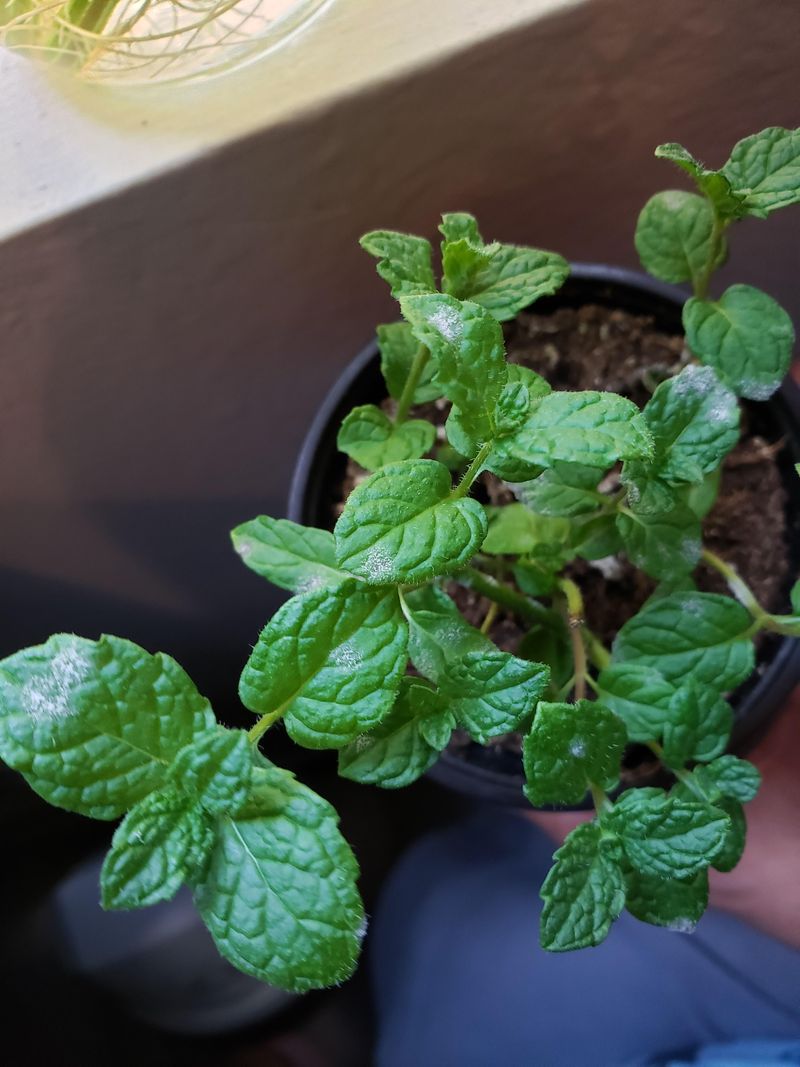
Pests and mold also love soft new growth. All that tender greenery becomes an easy target, which can create even more problems for a plant heading into a season of rest.
The simple fix is to keep the nitrogen away during these weeks. Let your mint focus its energy where it counts, on strong roots and sturdy stems that will carry it through to spring in great shape.
3. New Growth Comes At The Wrong Time
Timing is everything in the garden, and this is where late feeding really trips people up. Fresh growth needs weeks to mature, and late summer simply does not offer enough runway.
Think about how a young plant behaves. New shoots start soft and slowly grow tougher over time as they build up strength. That process cannot be rushed, no matter how much you want it to speed along.
When tender growth appears in late August or September, the clock is already ticking. Cooler nights arrive across North Carolina before those shoots get a chance to harden off properly.
Growth that never matures becomes a weak spot. Instead of helping the plant, all that fresh greenery drains energy that the roots could have stored for the resting season.
Mature stems and leaves handle temperature swings much better. They have had the full season to build tough tissue, which acts like a natural coat against chilly weather.
By pushing new shoots so late, you leave your plant with fragile parts it cannot protect. Those weak spots often fade quickly once the cold sets in, wasting all the effort the plant put into them.
The smarter path is to let the plant follow its own schedule. Growth that started earlier in the year has time on its side, and that makes a real difference.
Respecting the season keeps your mint on track. When you let it grow at the right time, it stays healthy and ready to bounce back strong once spring returns to your yard.
4. Mint Does Not Need Heavy Feeding
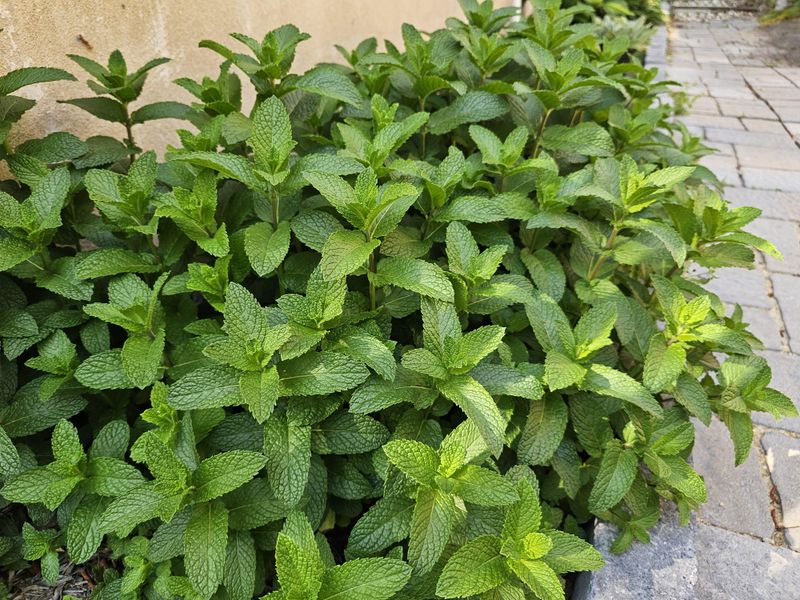
Some plants are hungry, but mint is not one of them. This herb thrives in ordinary soil and asks for very little, which makes heavy feeding pointless.
Mint has a reputation for spreading almost anywhere. Gardeners often joke that the hardest part is keeping it contained, not helping it grow. That tells you a lot about how tough and self-reliant it is.
Herbs in general prefer lean conditions. Rich, heavily fertilized soil can actually water down the flavor of the leaves, leaving you with plants that look big but taste weak.
You grow mint for that bright, cool flavor. Piling on fertilizer trades taste for size, and most people would rather have leaves that pack a punch in their tea or recipes.
A little compost in spring is usually all mint ever needs. From there, the plant handles the rest, pulling what it wants from the soil without any fuss from you.
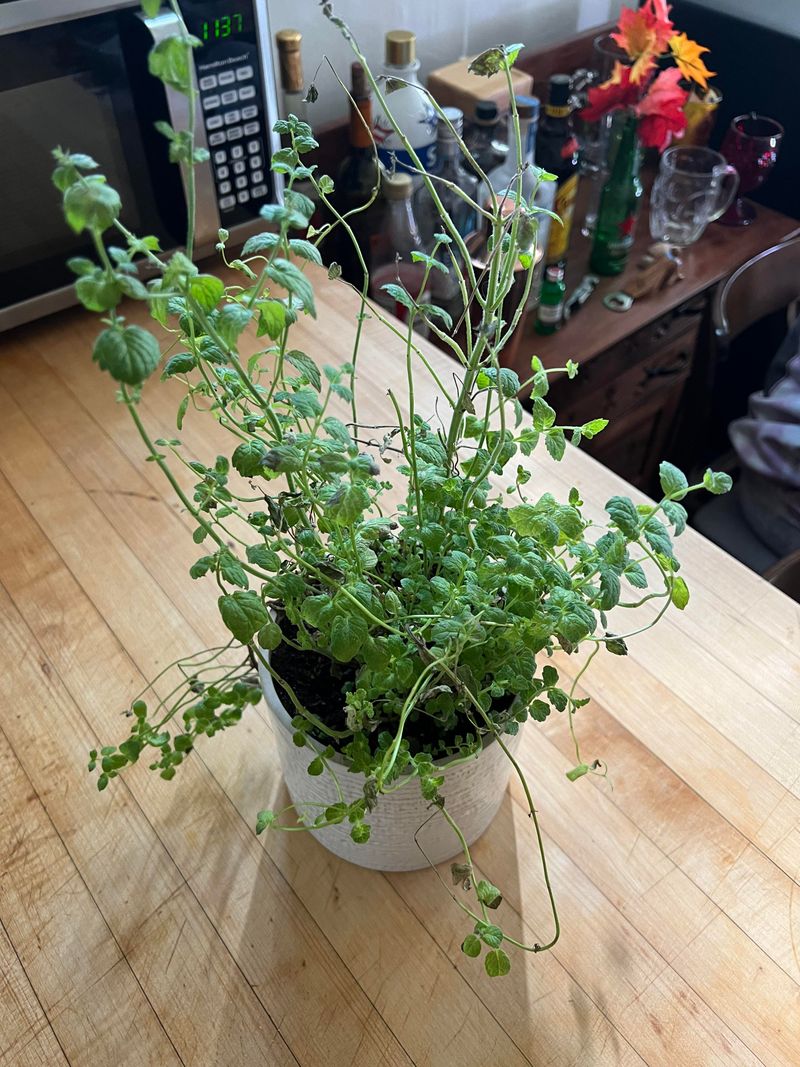
Over-fertilized mint also grows leggy and floppy. Instead of a tidy, bushy plant, you end up with tall weak stems that flop over and lose their charm.
Understanding this saves you both effort and worry. Once you know mint prefers a simple life, you can stop stressing about feeding schedules and enjoy the plant for what it is.
Treat it like the low-maintenance friend it truly is. Give it decent soil, water when things dry out, and let it do its thing. Your mint will thank you with flavorful leaves all season long.
5. Keep The Soil Moist Instead
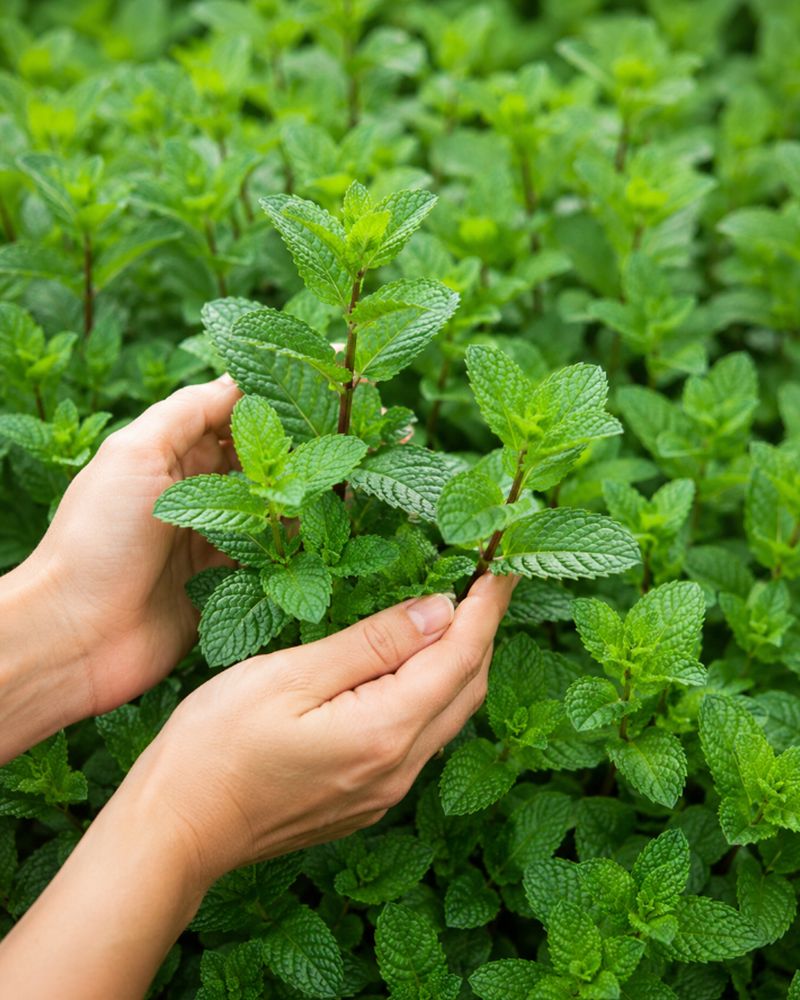
If you want something useful to do for your mint in late summer, reach for the watering can instead of the fertilizer. Moisture matters far more than food during these hot weeks.
North Carolina summers can get dry and toasty. When the soil bakes, mint feels the stress quickly because its shallow roots sit close to the surface where things dry out fast.
Water helps the plant stay cool and steady. A well-hydrated mint keeps its leaves plump and its color rich, even when the afternoon sun beats down hard.
Dry soil, on the other hand, causes wilting and stress. A thirsty plant struggles to hold up, and stressed mint becomes an easy target for pests and problems.
Deep, steady watering works best. Instead of a quick splash every day, give the soil a good soak a few times a week so the water reaches down where the roots can use it.
A layer of mulch also helps a lot. Spreading some over the soil keeps moisture from escaping and protects those shallow roots from the harshest heat.
Morning is a great time to water. The plant drinks up what it needs before the day heats up, and the leaves dry off, which keeps mold from settling in.
Focusing on moisture gives your mint exactly what it craves right now. You skip the risky fertilizer, meet the plant’s real needs, and set it up to stay strong as the season winds down.
6. Light Harvesting Is Still Fine
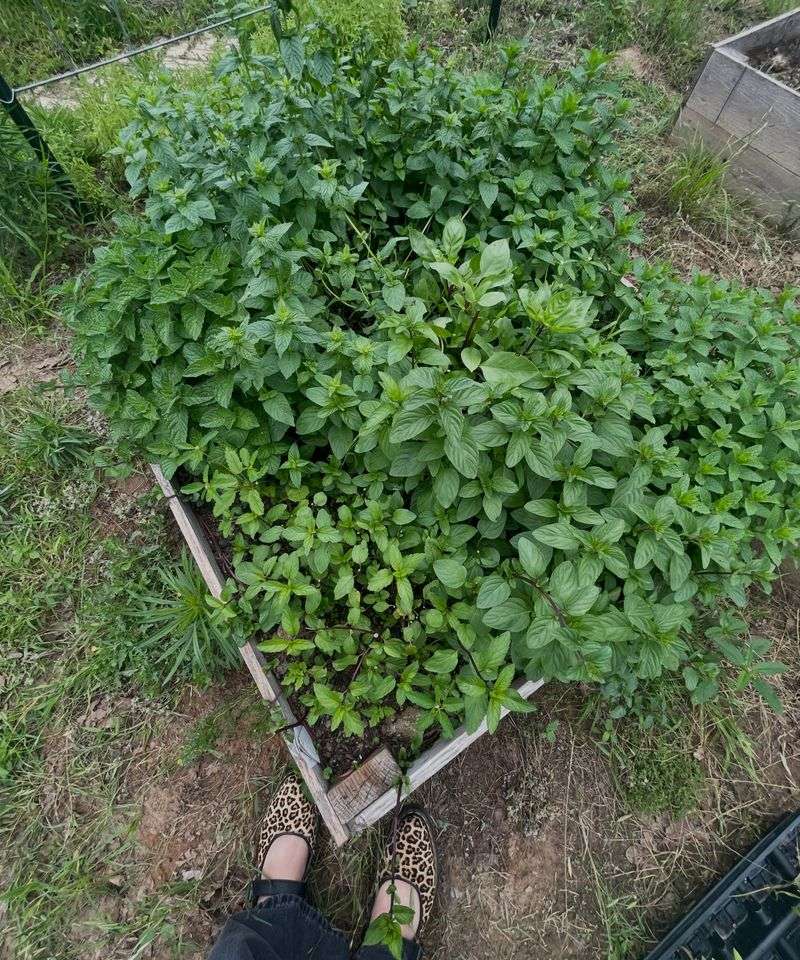
Good news for anyone who loves fresh mint in their kitchen. You do not have to stop picking just because the season is winding down, as long as you keep it light.
Snipping a few sprigs here and there is perfectly fine. A gentle harvest actually encourages the plant to stay tidy without shocking it or forcing big changes.
The key word is light. Taking a handful for tea, salads, or a cool drink does not stress the plant the way a major trim would.
Mint bounces back nicely from small cuts. When you remove just the top few leaves, the plant barely notices and keeps chugging along at its own comfortable pace.
This lets you enjoy your herb right up until cooler weather arrives. There is something satisfying about walking outside and grabbing fresh mint whenever a recipe calls for it.
Try to pick from different spots each time. Spreading out your harvest keeps any single stem from getting overworked and helps the whole plant stay balanced.
Morning picking gives you the best flavor. That is when the leaves hold the most oils, so your mint tastes as bright and fresh as possible.
Just remember the difference between a light pick and a heavy chop. A few sprigs are a treat, while a giant cutback is a whole different story we will get to next.
Keep your harvests small and steady, and both you and your mint stay happy through the last warm weeks of the year.
7. Avoid A Hard Late Cut
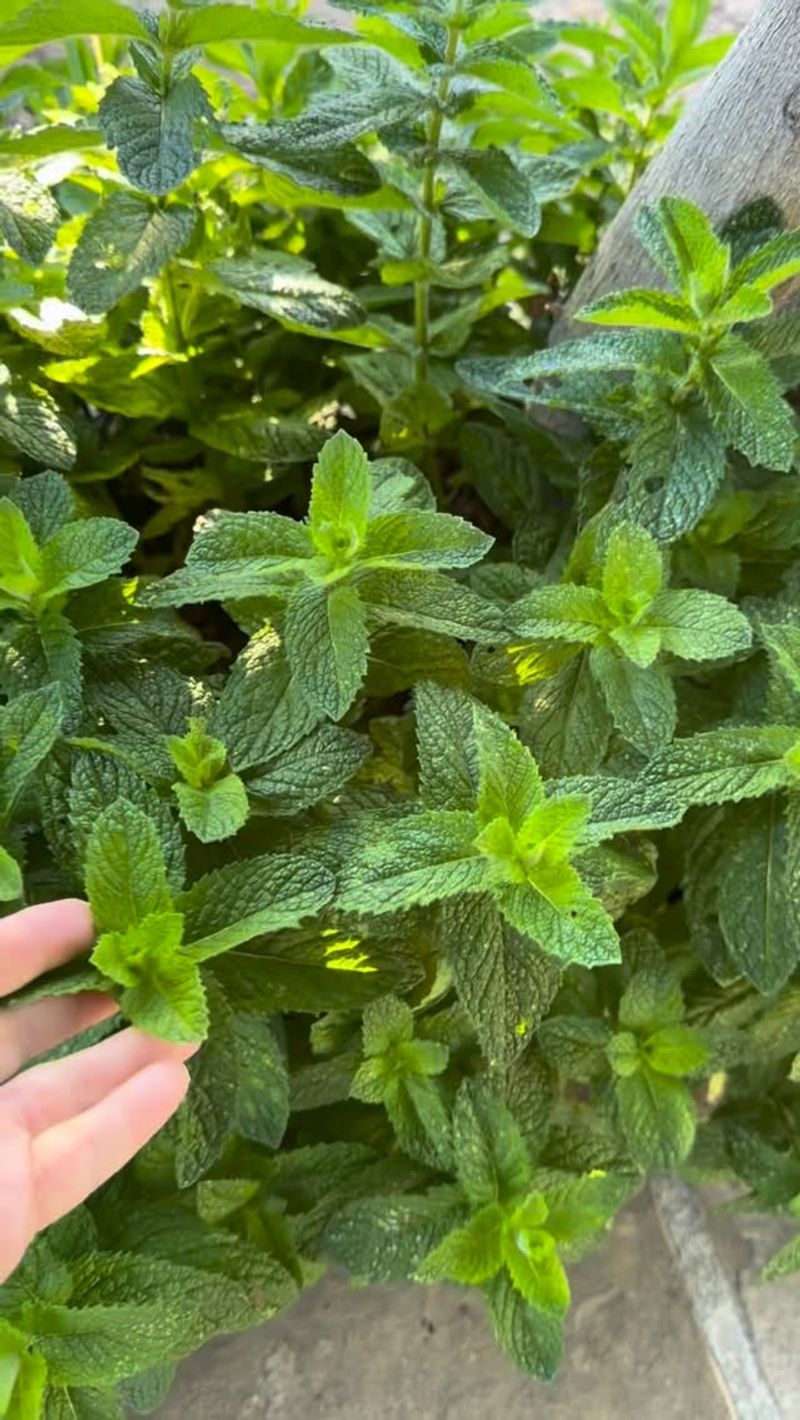
There is a big difference between snipping a few sprigs and giving your mint a major haircut. That heavy trim might feel tidy, but late in the season it causes trouble.
A hard cutback does more than clean things up. It signals the plant to grow back fast, sending out a rush of fresh shoots to replace what was lost.
Sound familiar? That is the same tender new growth problem we talked about with fertilizer. A severe trim triggers the exact reaction you want to avoid this time of year.
All those new stems arrive too late. They stay soft and fragile because there is not enough warm weather left for them to toughen up before things cool down.
The plant also burns through stored energy to regrow. Instead of tucking that energy away for the resting season, it wastes effort on shoots that cannot fully mature.
Spring and early summer are the right times for big trims. During those months, mint has all the time it needs to bounce back and grow strong new growth.
Late summer calls for a gentler touch. Save the heavy pruning for next year and let the plant keep the growth it already worked so hard to build.
If a stem looks messy, trim just that one. There is no need to shear the whole patch when a little spot cleaning does the job.
By holding off on the big cut, you protect your mint’s energy and keep it ready to return full and healthy when the warm days roll back around.
8. Let Mint Slow Down Naturally
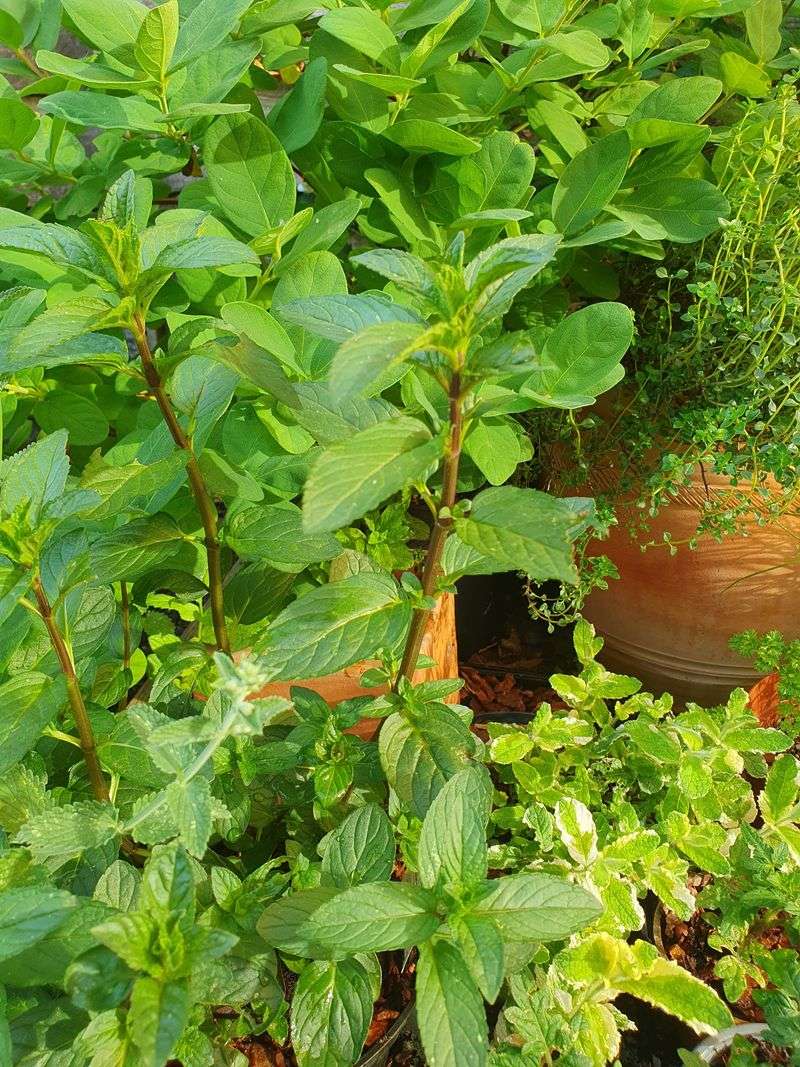
Here is the heart of it all. The best thing you can do for your mint in late summer is simply let it be, allowing the plant to ease toward the cooler season on its own.
Mint is a perennial, which means it comes back year after year. It already knows how to prepare for the change without any fancy help from you.
As the days grow shorter, the plant naturally starts pulling energy down into its roots. That quiet process is exactly what sets it up for a strong comeback next spring.
Your job is to stay out of the way. Skip the fertilizer, hold off on big trims, and let the plant follow the rhythm it has always known.
Simple care still matters, though. Keep the soil moist during dry spells and pull any weeds crowding the patch, and that is really all it takes.
Watching mint slow down can feel strange if you are used to lush spring growth. Trust the process, because this rest is part of a healthy cycle, not a sign of trouble.
North Carolina winters are usually mild, so most mint patches sail through with ease. Come spring, those roots wake up and send out fresh green shoots all over again.
Gardening sometimes rewards patience more than effort. By letting your mint transition naturally, you give it the best shot at thriving for many seasons to come.
Step back, relax, and enjoy the break. Both you and your mint have earned it after a long, productive summer.