The Best California Plants For Gardeners Who Want Less Cleanup In Fall
Some gardens are beautiful right up until they hand you a rake and ruin the relationship. Once leaves, spent flowers, brittle stems, and random plant debris start piling up, that dreamy California yard can suddenly feel like a part-time cleanup job with terrible benefits.
For gardeners who would rather spend more time enjoying the patio and less time filling yard-waste bins, plant choice can make a surprisingly big difference.
Some landscaping favorites demand constant tidying as the seasons change, while others keep things much more manageable. Your rake deserves a vacation too.
California’s huge range of climates makes choosing low-fuss plants especially interesting. What works beautifully in one region may behave very differently somewhere hotter, cooler, drier, or closer to the coast.
That means the smartest choices are not always the most obvious ones sitting front and center at the nursery.
If fall cleanup usually has you questioning every planting decision you have ever made, it may be time to rethink what earns a spot in the yard. The right plants can keep things attractive without leaving you buried in weekend chores.
1. Lemonade Berry Needs Very Little Seasonal Cleanup
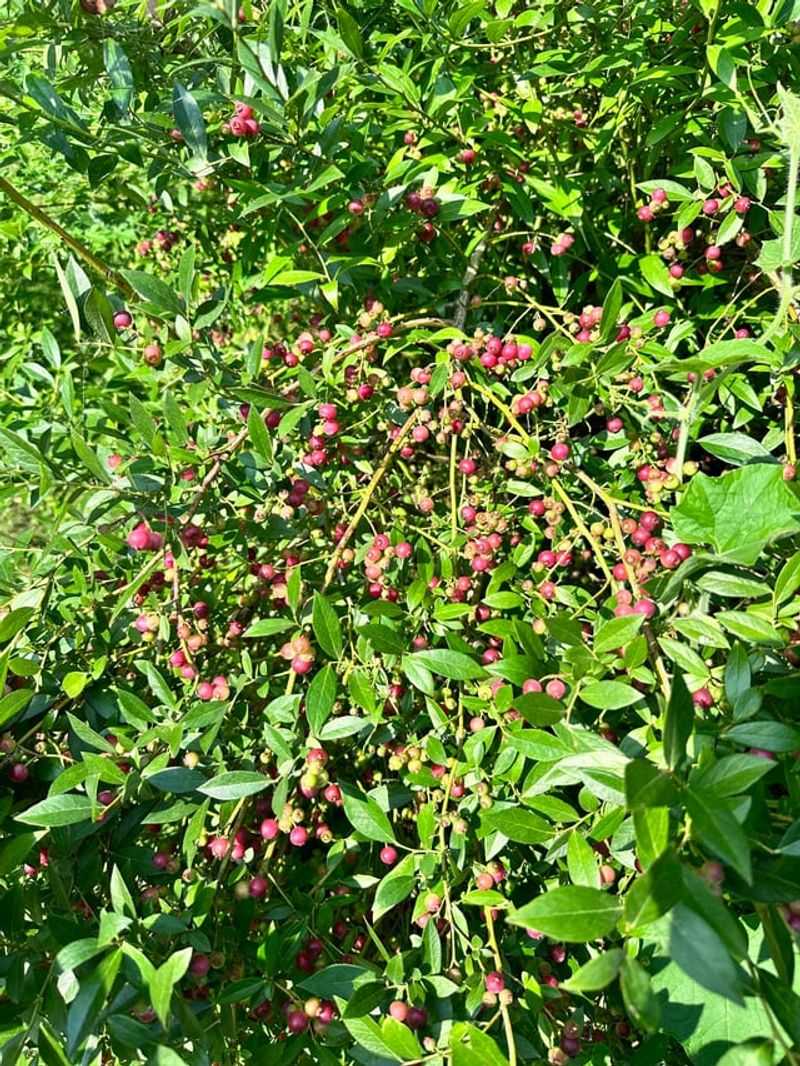
Not every shrub earns its keep in the garden, but lemonade berry is one that truly does. This native shrub is known for its dense, glossy foliage that stays green and attractive through fall and into winter.
It does not drop heavy loads of leaves or create messy piles around the base. That alone makes it a favorite for low-effort landscaping.
Lemonade berry, or Rhus integrifolia, grows naturally along coastal slopes and dry hillsides. It is well adapted to survive without much water once it gets established.
The plant produces small, sticky red berries that wildlife love, and those berries tend to stay on the branches rather than dropping and making a mess on the ground.
Pruning is rarely needed. The shrub naturally maintains a full, rounded shape that looks tidy without any help.
You might do a light trim every couple of years, but that is about it. It handles drought well and does not require fertilizer to look good.
For gardeners who want something that blends beauty with practicality, this plant fits perfectly. Plant it in a sunny spot with well-drained soil, give it some water to get started, and then step back.
Fall will come and go, and your lemonade berry will just keep looking great with almost no effort from you.
2. Island Bush Poppy Stays Tidy In Dry Gardens
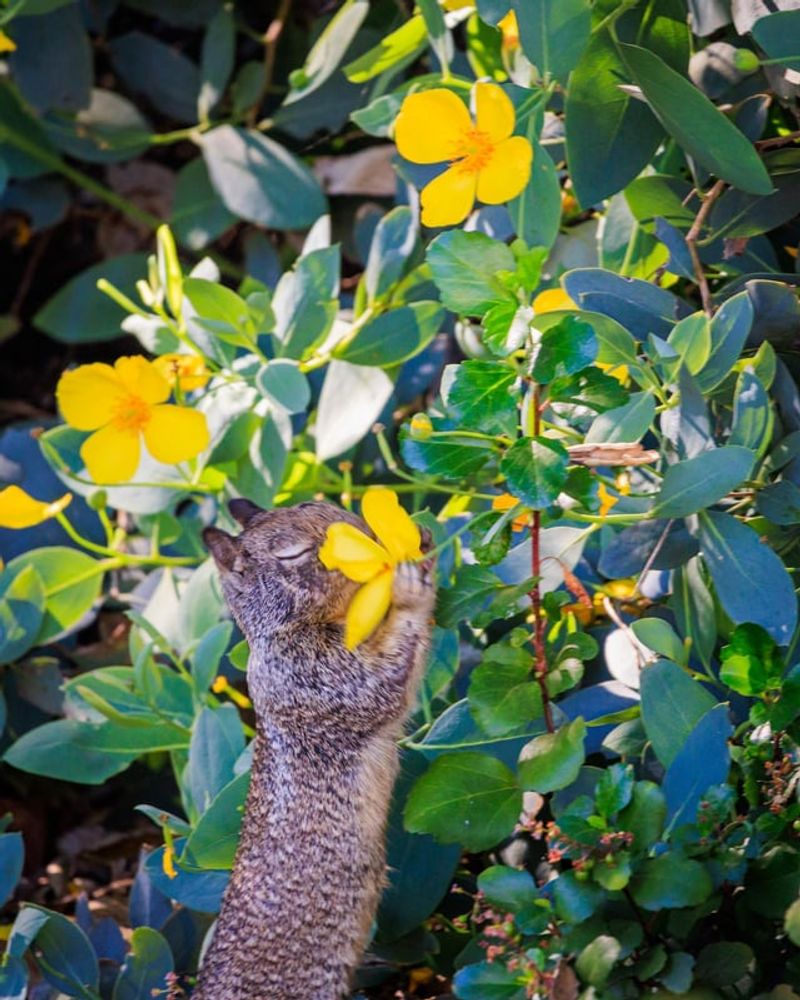
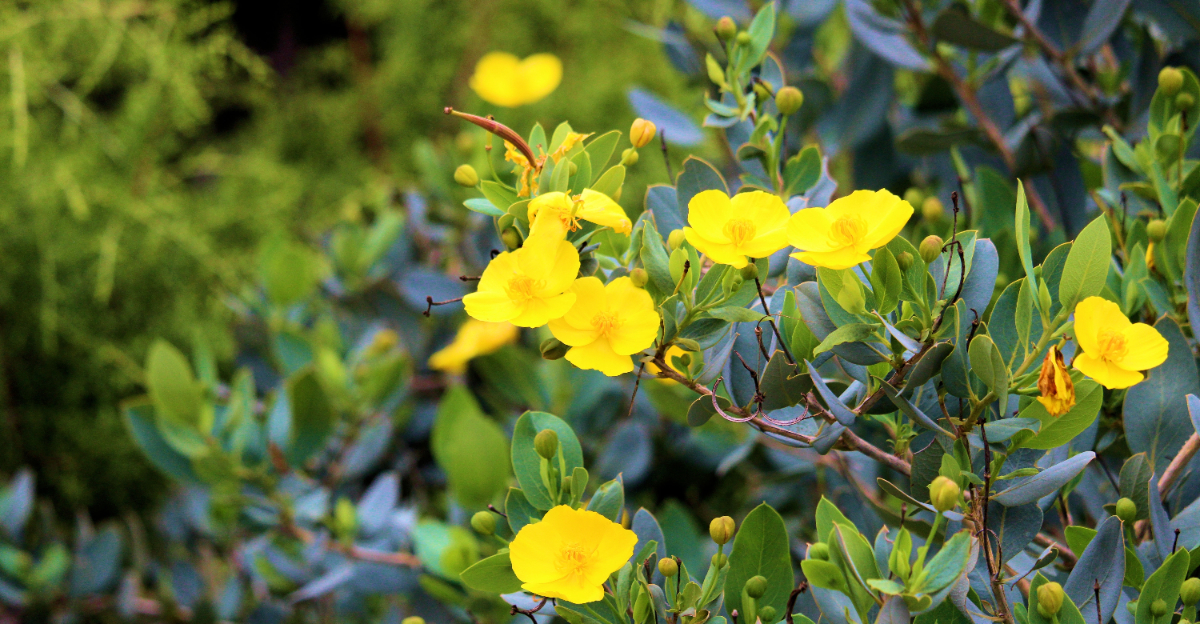
Bright yellow blooms and silvery-gray leaves make island bush poppy one of the most eye-catching plants you can grow in a dry garden. It belongs to the Channel Islands and thrives in warm, sunny spots with little water.
What really sets it apart in fall is how clean it stays when other plants start looking ragged and worn.
Dendromecon harfordii, as it is formally known, does not shed heavy foliage in autumn. Its leaves stay attached and the plant keeps a neat, upright form.
There is no big leaf drop to deal with, no messy seedpods scattering everywhere, and no branches that suddenly go bare and look unattractive.
Your California Garden Changes Every Week. Your Plan Should Too.
Gardening in California changes quickly throughout the season. Every Friday you’ll receive a simple weekly plan showing exactly what to plant, prune, fertilize, harvest, and protect so you never miss the right timing.
One fun fact: this plant can bloom almost year-round in mild climates, which means you may still see cheerful yellow flowers even as fall sets in. That kind of long blooming season is rare and really adds value to a low-maintenance garden.
Watering should be minimal once established. Overwatering is actually the biggest mistake people make with this plant.
It prefers dry summers and good drainage above almost anything else. Plant it against a warm wall or on a slope, and it will reward you with years of tidy, cheerful growth. Fall cleanup around this plant takes just minutes.
3. California Coffee Fern Needs Almost No Seasonal Cleanup
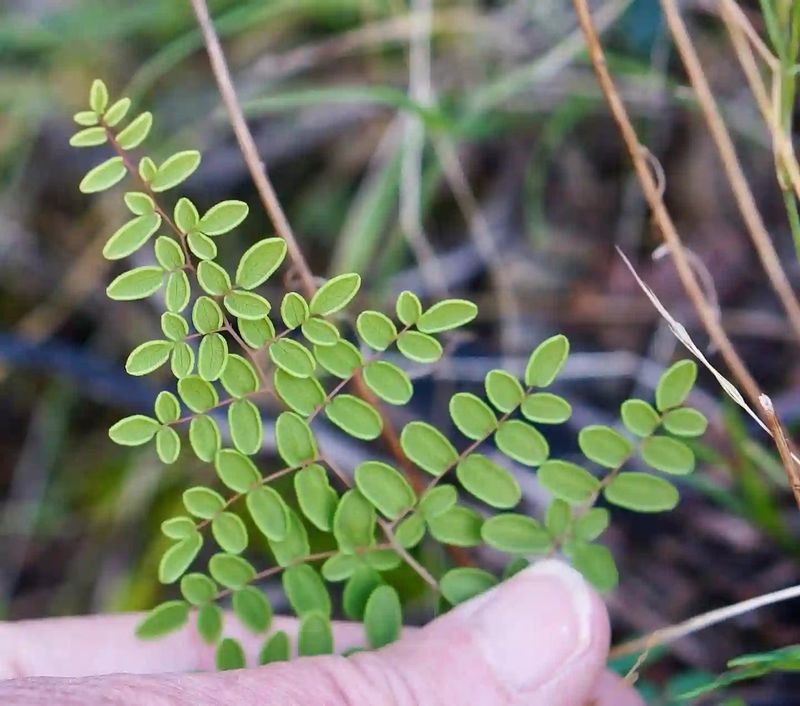
Coffee fern has a quiet kind of charm. Its small, rounded leaflets grow along wiry dark stems, creating a delicate, lacy texture that looks elegant in shaded or partly shaded garden spots.
Unlike many ferns that go completely brown and need cutting back in fall, coffee fern stays relatively tidy through the cooler months.
Pellaea andromedifolia is native to rocky slopes and dry woodlands. It is not a typical moisture-loving fern.
In fact, it handles dry conditions much better than most of its relatives. This makes it a great choice for gardeners who want fern-like texture without the constant watering or the messy seasonal dieback.
In fall, the fronds may look slightly less vibrant, but they do not collapse or turn into a soggy brown mess. A light trim here and there is all it usually needs.
Most gardeners find they spend only a few minutes tidying this plant each season, which is a refreshing change from high-maintenance ferns.
It grows well in rock gardens, under trees, or along dry stream beds. Pair it with boulders or low-growing groundcovers for a natural look.
The dark stems add visual contrast that makes the whole planting feel intentional and polished. For a fern that takes care of itself, coffee fern is a standout choice in any low-mess garden plan.
4. Desert Agave Keeps Beds Neat Year-Round
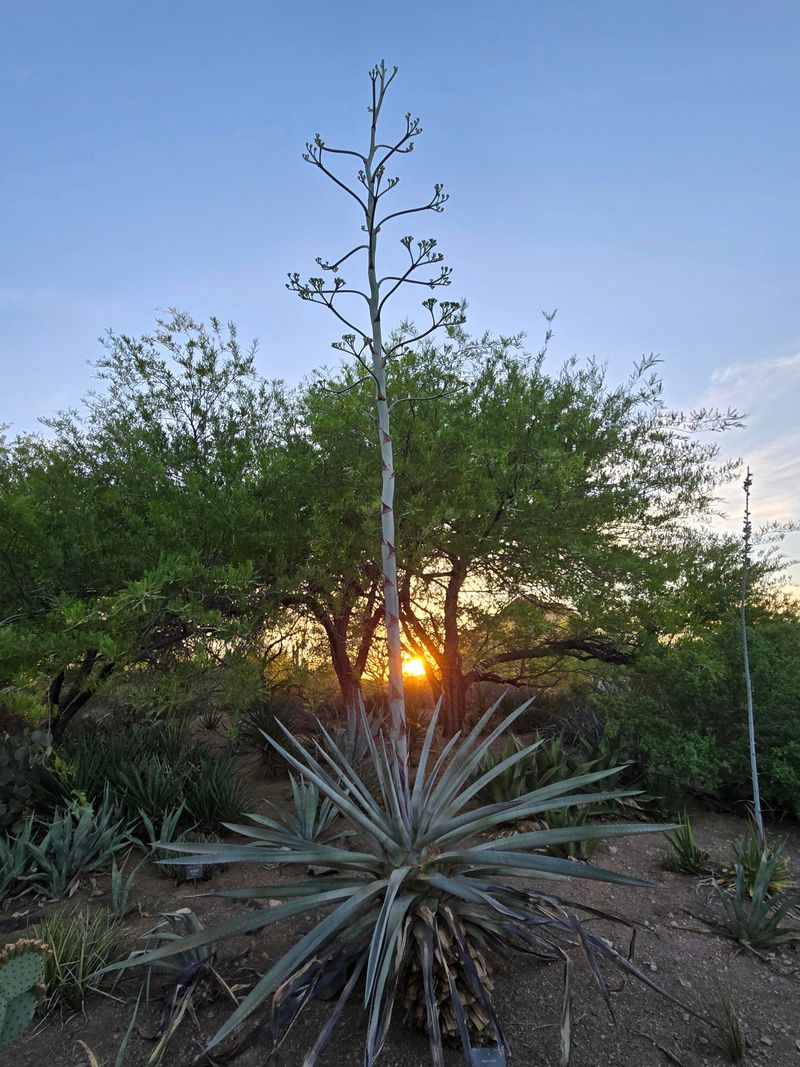
Few plants hold their shape as well as agave does. The thick, pointed leaves form a perfect rosette that looks architectural and sharp no matter what season it is.
While other plants are dropping leaves and looking tired in fall, agave just sits there looking exactly as bold and clean as it did in spring.
Agave species are built for dry, tough conditions. They store water in their fleshy leaves, which means they need very little rainfall or irrigation to survive.
That water storage also means the leaves stay plump and firm through fall and winter, keeping the plant looking full and healthy.
There is almost no cleanup required around agave. Old leaves at the base may occasionally dry out and need to be snapped off, but this takes only a minute or two.
The plant does not shed foliage the way deciduous shrubs or trees do. Your garden beds stay clean and neat with very little effort on your part.
Agave looks stunning when paired with gravel mulch, large boulders, or other drought-tolerant plants. It works beautifully as a focal point in a dry garden or as a border plant along a pathway.
Just be mindful of the sharp leaf tips around high-traffic areas. A little strategic placement goes a long way when growing agave in your yard.
5. California Sotol Adds Structure Without Constant Shedding
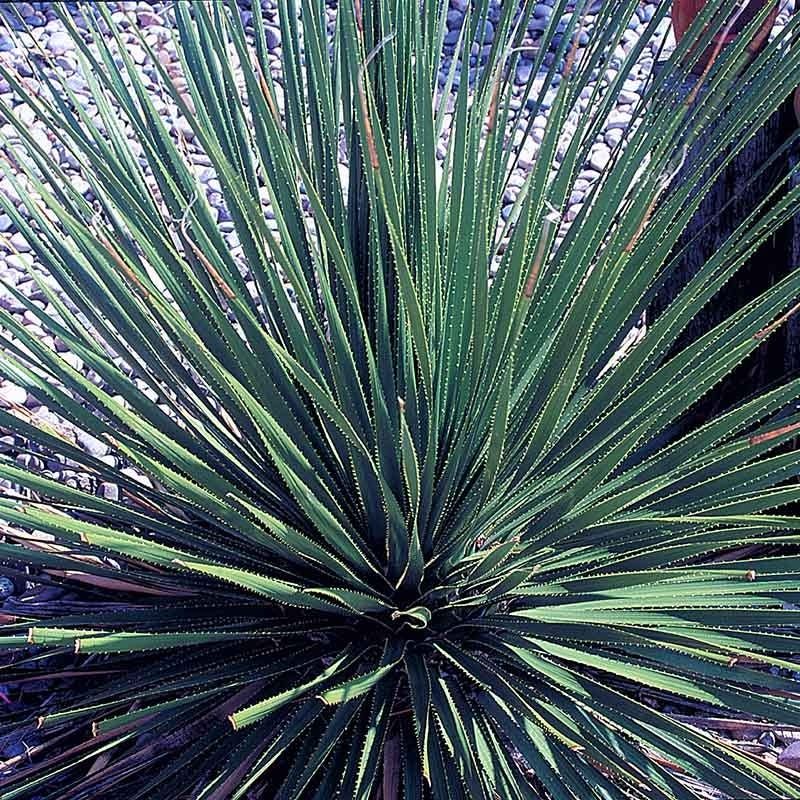
There is something almost sculptural about sotol. Its long, narrow leaves radiate outward from the center in a perfect sphere, creating a dramatic fountain shape that holds up beautifully through every season.
When fall arrives and other plants start to look worn out, sotol just keeps its bold, structured form without any help from you.
Dasylirion wheeleri is native to dry regions and is incredibly tough once established. It handles heat, drought, and poor soil without complaint.
The leaves do not drop in any significant way, and the plant does not go through a messy dormancy period that leaves your garden looking bare and neglected.
Some older leaves at the outer edges may dry out over time, and you can pull them away easily by hand. This takes just a few minutes and needs to happen only occasionally.
Beyond that, sotol requires almost no maintenance through fall or winter. It is one of those rare plants that looks intentional and polished without any regular grooming.
Sotol pairs well with ornamental grasses, agave, and low-growing succulents. Use it as a specimen plant in a gravel garden or as part of a mixed dry border.
The tall flower stalks it occasionally sends up add extra visual interest. For a plant that delivers strong structure with minimal seasonal mess, sotol is a genuinely impressive choice.
6. Island Ironwood Stays Attractive With Minimal Tidying
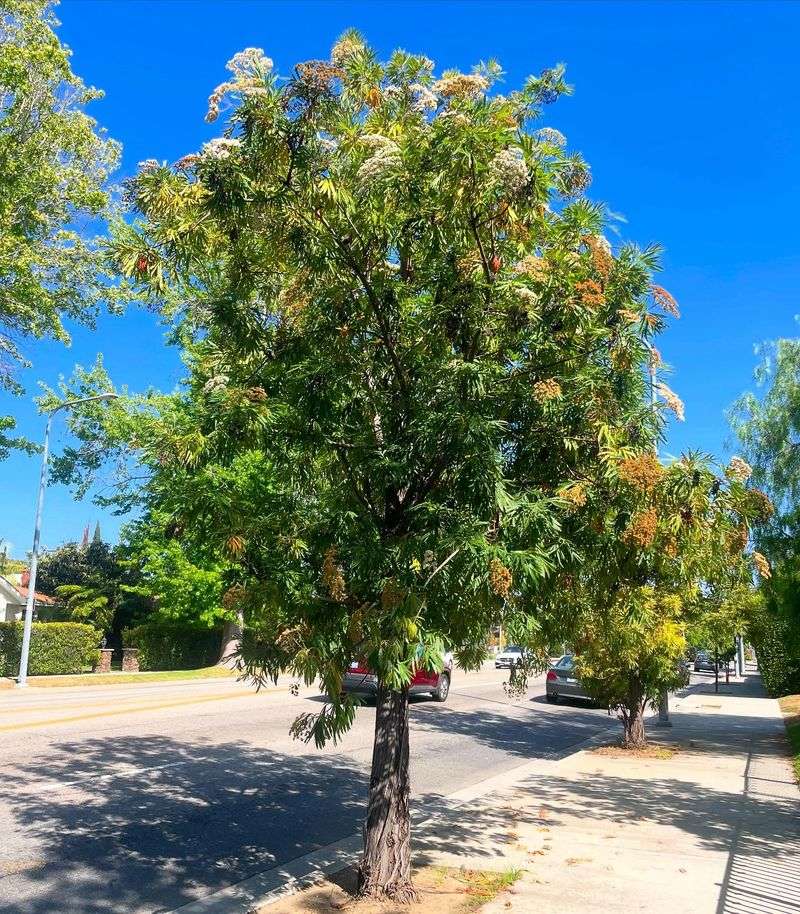
Island ironwood is one of those trees that makes you look like a skilled gardener without requiring much work at all. It has beautiful, ferny foliage that stays on the tree through fall, and its reddish-brown peeling bark adds year-round visual interest.
There is a lot to love here, and very little to clean up. Lyonothamnus floribundus comes from the Channel Islands and grows best in well-drained soil with some summer water.
It is not completely drought-tolerant, but it is far less thirsty than many other ornamental trees.
In fall, it does not shed heavily, which means less raking and more time to actually enjoy your garden.
The tree produces clusters of small white flowers in late spring and early summer. After blooming, the seed clusters may dry and linger on the branches.
Some gardeners find this attractive; others prefer to remove them. Either way, cleanup is minimal and manageable without a big time commitment.
Island ironwood grows at a moderate pace and can reach 20 to 30 feet tall. It works well as a screen, a shade tree, or a focal point in a larger garden.
Pruning is rarely needed beyond shaping when the tree is young. Once it finds its form, it tends to stay neat and attractive on its own.
For a tree that rewards patience with low-effort beauty, this one delivers.
7. Chaparral Yucca Keeps Its Form Long After Summer Ends
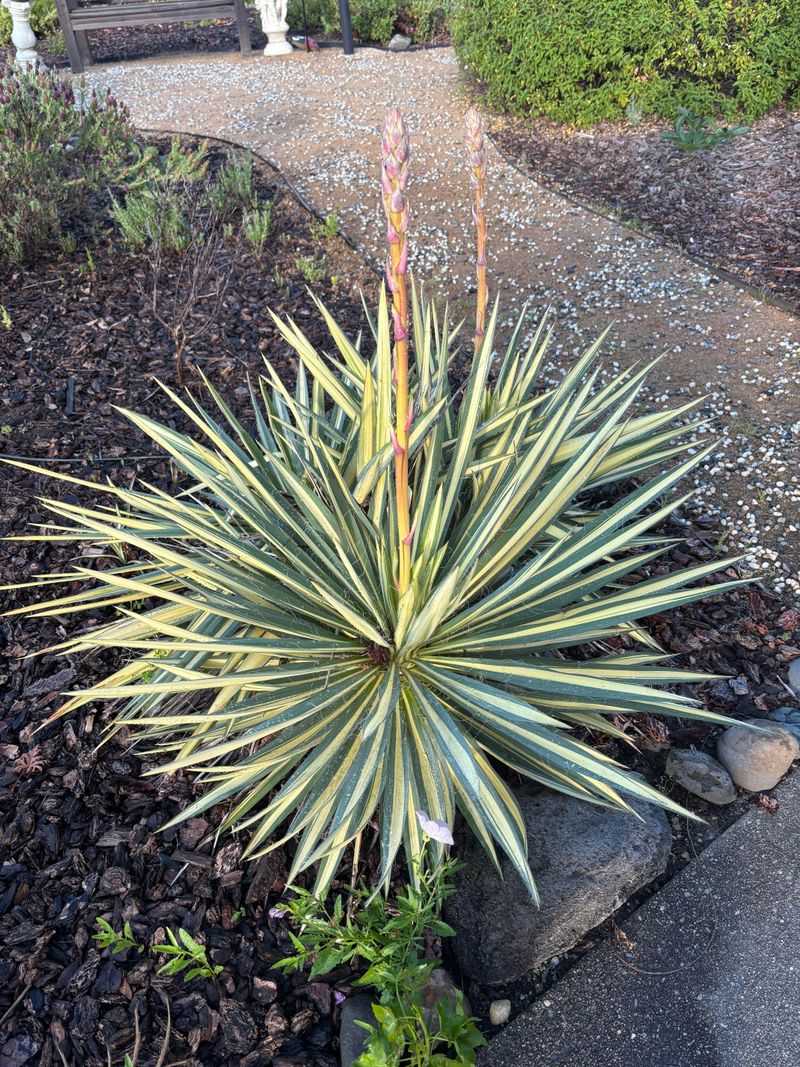
Tough, spiky, and surprisingly graceful, chaparral yucca is a plant that refuses to look messy no matter what the season brings.
Its stiff, blue-gray leaves radiate outward in a tight rosette that holds its shape through heat, drought, and the cooler fall months. You will not find piles of dropped leaves around this plant in autumn.
Hesperoyucca whipplei is native to dry slopes and scrublands. It thrives in poor, rocky soil and needs very little water once established.
This plant is built to survive hard conditions, and that toughness translates directly into low garden maintenance. Fall arrives and the yucca just keeps looking exactly as sharp as it did in July.
One of the most fascinating things about this plant is its blooming habit. It sends up a tall flower stalk, sometimes reaching 10 to 14 feet high, loaded with creamy white blossoms.
After blooming, the rosette that flowered will eventually fade, but new offsets often grow nearby to fill in the space over time.
The dried flower stalk can be left in place as a sculptural element or removed if you prefer a cleaner look. Either way, the surrounding rosettes stay tidy.
Plant chaparral yucca in full sun with excellent drainage. It works beautifully in dry gardens, along rocky slopes, or as a dramatic accent in a mixed native planting.
Seasonal cleanup here is nearly nonexistent.
8. Desert Spoon Makes A Low-Mess Architectural Accent
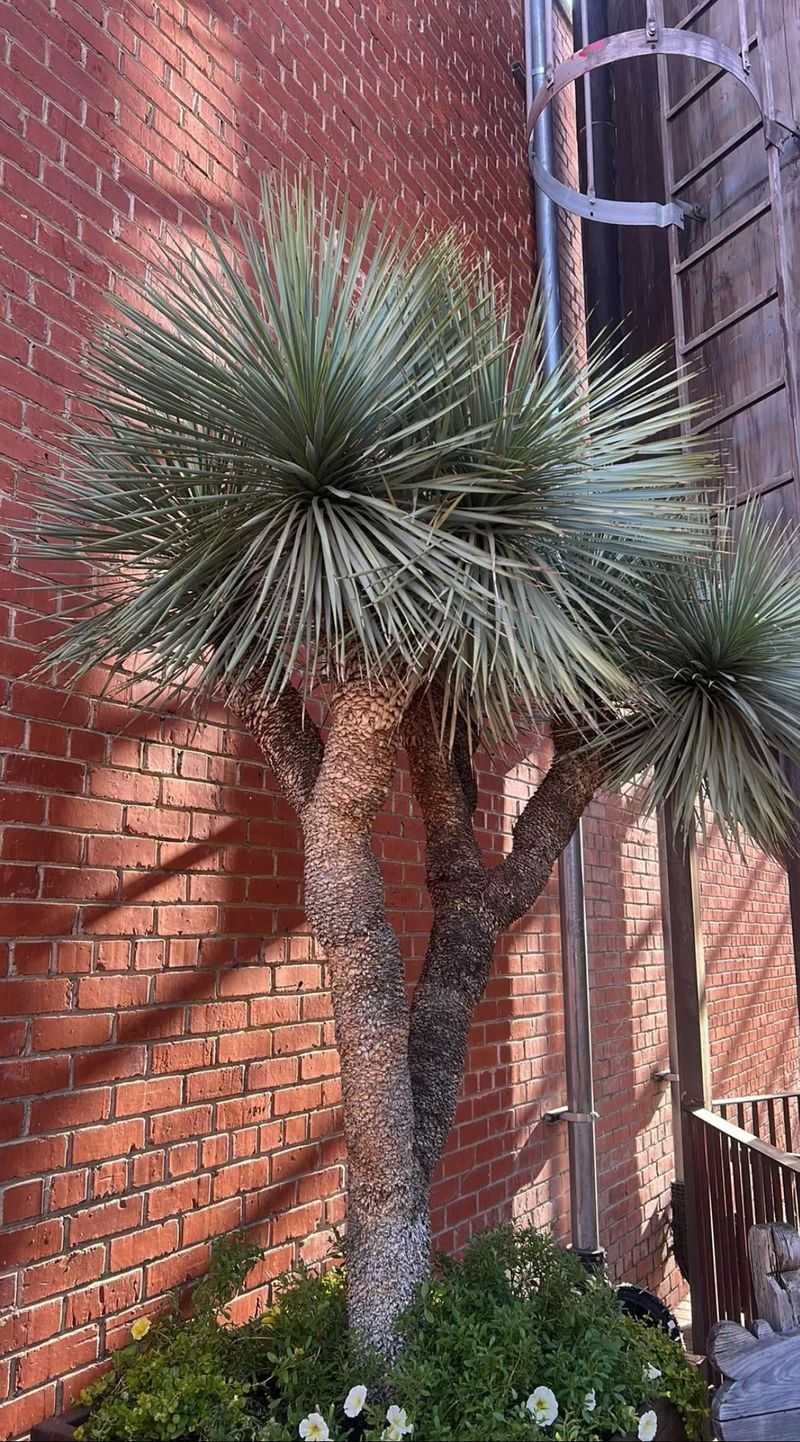
Walk past a desert spoon in fall and you might not even realize the season has changed. This plant looks the same in October as it does in April, holding its full, rounded form with the same confident energy.
That kind of year-round consistency is exactly what low-maintenance gardeners are looking for.
Desert spoon, another common name for Dasylirion wheeleri, gets its name from the spoon-shaped base of each leaf. The leaves are long, narrow, and lined with tiny teeth along the edges, giving the plant a bold, textured look.
Despite its fierce appearance, it is incredibly easy to care for and asks very little from the gardener.
Leaf drop is minimal. Old leaves may brown at the tips over time, but they do not fall in any large quantity.
You can pull away the truly spent ones with a gloved hand in just a few minutes. Beyond that occasional light tidying, desert spoon basically takes care of itself through fall and beyond.
It grows well in full sun and tolerates reflected heat from walls or pavement. Sandy or gravelly soil is ideal. Pair it with agave, penstemon, or ornamental grasses for a layered dry garden look.
The tall bloom stalk it occasionally produces adds seasonal drama without creating a cleanup burden. For a bold, architectural plant that stays neat all year, desert spoon is hard to beat.