Top Texas Plants That Survive August Heat
August in Texas separates the survivors from everything else. The heat is brutal, the sun is relentless, and most garden plants make their limitations very clear by midmonth.
Wilted leaves, scorched edges, plants that have quietly given up on being anything more than technically alive. And then there are the ones that look completely unbothered.
Not just hanging on, but actually growing, blooming, and holding their color through conditions that would defeat a lesser plant. These are the plants that treat August like it’s no big deal, because for them, it genuinely isn’t.
They were built for this climate, and August is when they prove it most convincingly. If your Texas garden has been fading every summer right when you need it most, the problem isn’t the heat. It’s what you’re planting.
1. Texas Lantana
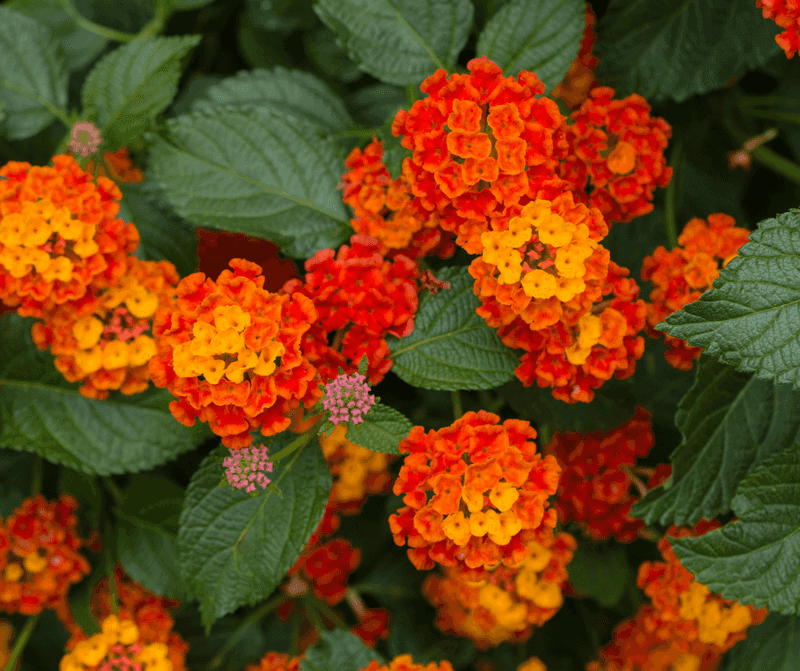
Few plants put on a show quite like Texas Lantana in the middle of summer. While other plants wilt and struggle under the blazing sun, Texas Lantana just keeps going.
It is a tough, cheerful plant that loves full sun and hot, dry conditions, making it one of the most reliable options for Texas gardeners.
Texas Lantana is a native plant, which means it evolved right here and knows how to handle local weather. Once it is established in your yard, it needs very little water.
It can handle long stretches without rain and still produce clusters of bright orange, yellow, and red flowers throughout the hottest months.
Butterflies and bees absolutely love this plant. If you want to add some wildlife activity to your garden, Texas Lantana is a smart pick.
The blooms keep coming from late spring all the way into fall, giving your landscape months of color.
Planting Texas Lantana is pretty straightforward. It does best in well-drained soil and a spot that gets plenty of direct sunlight.
Avoid overwatering, especially once the plant is settled in. Too much water can actually cause more problems than too little.
One fun fact: Texas Lantana is toxic to livestock, so if you have animals roaming your yard, keep that in mind.
For most home gardens, though, it is a low-maintenance, high-reward plant that earns its spot every single summer. It is hard to find a tougher bloomer for Texas conditions.
2. Esperanza
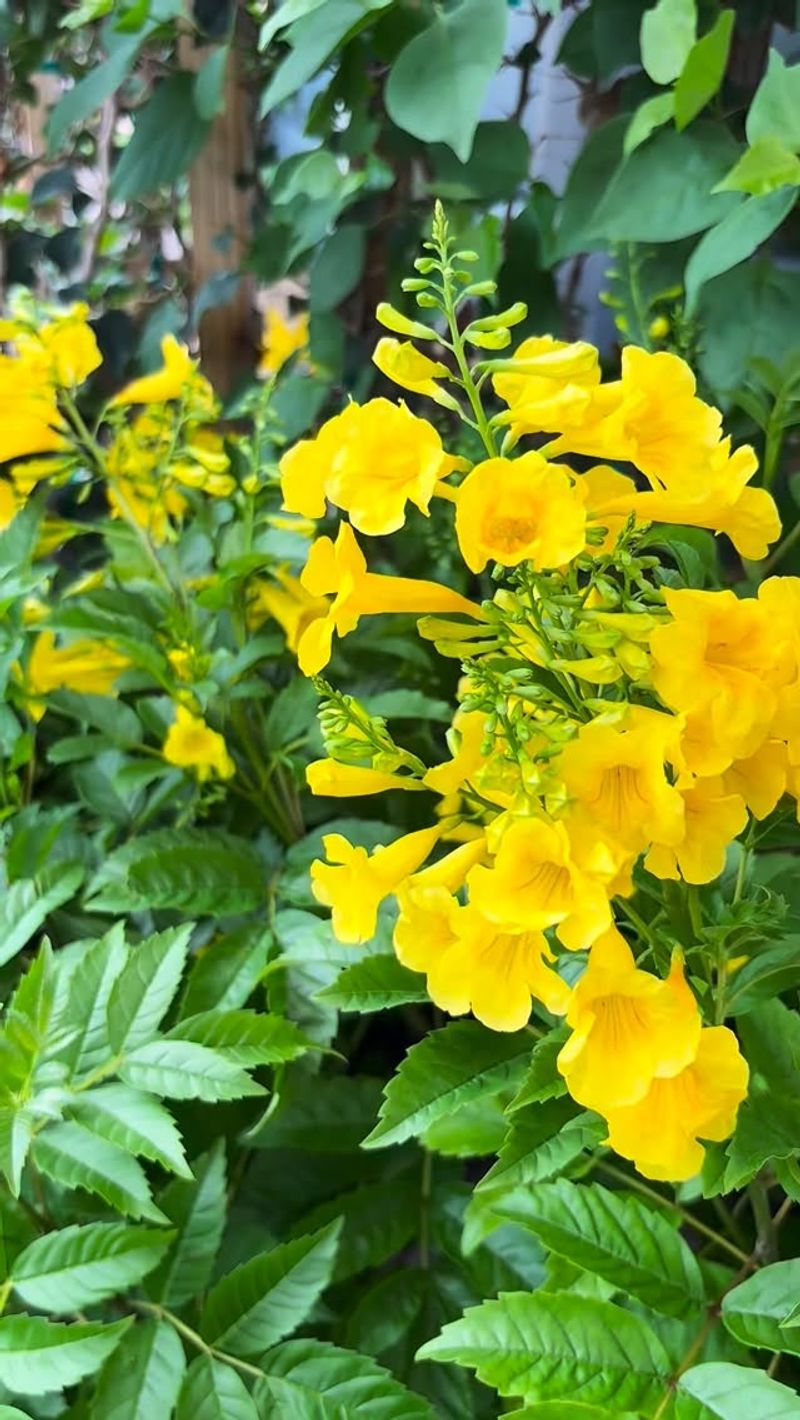
Walk past a blooming Esperanza on a hot August afternoon, and you will stop in your tracks. The bright yellow, trumpet-shaped flowers are bold and cheerful, standing out against the dry summer landscape like little bursts of sunshine.
Esperanza, which means “hope” in Spanish, lives up to its name by delivering color when most other plants have given up.
This plant is a true sun lover. It wants full sun and high temperatures, and it performs best when conditions are at their most intense.
Gardeners in South and Central Texas especially appreciate how well Esperanza handles the brutal summer months. It blooms continuously from early summer all the way until the first frost arrives.
Established Esperanza plants are remarkably drought tolerant. They do not need frequent watering once they have settled into the soil.
Your Texas Garden Changes Every Week. Your Plan Should Too.
Gardening in Texas changes quickly throughout the season. Every Friday you’ll receive a simple weekly plan showing exactly what to plant, prune, fertilize, harvest, and protect so you never miss the right timing.
A deep watering every couple of weeks during dry spells is usually enough to keep them happy and blooming.
Esperanza can grow into a large shrub, sometimes reaching six to eight feet tall in warmer parts of Texas.
In colder regions, it may freeze back in winter but often returns from the roots in spring. Planting it near a south-facing wall can help protect it during colder months.
Hummingbirds are drawn to the trumpet-shaped blooms, so expect some exciting visitors if you plant Esperanza in your yard. It pairs beautifully with other Texas natives and looks stunning in mass plantings along fences or borders.
For a bold, low-care summer showstopper, Esperanza is genuinely hard to beat in any Texas garden.
3. Texas Rock Rose
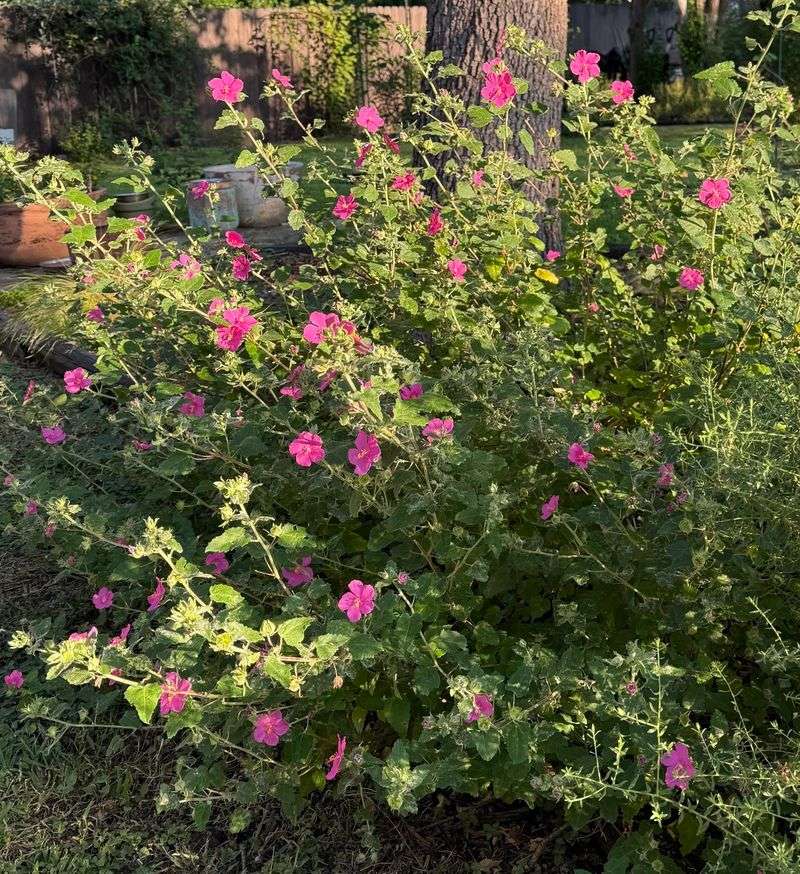
Rocky, dry soil and blazing sun would send most plants into retreat, but Texas Rock Rose actually prefers those conditions. This tough native shrub handles heat, drought, and intense sunlight better than almost anything else you can plant in a Texas yard.
If you have a challenging spot in your garden that nothing seems to love, Texas Rock Rose might be exactly what you need.
The flowers are a soft, papery pink, similar in appearance to a small hollyhock or hibiscus bloom. Each flower only lasts a day, but the plant produces new blooms continuously throughout the hottest months.
On a healthy plant, you can expect to see fresh flowers almost every morning from late spring through fall.
Texas Rock Rose grows into a rounded shrub, usually reaching three to five feet in height. It looks great in naturalized landscapes, rock gardens, and along dry slopes where water runoff is an issue.
The silvery-green foliage also adds texture and interest even when the plant is not in full bloom.
Once established, this plant needs almost no supplemental watering. In fact, overwatering is one of the few ways to cause real problems.
Good drainage is essential, so avoid planting it in low spots where water tends to collect after rain.
Butterflies visit the blooms regularly, adding extra life and movement to your garden. Texas Rock Rose is also deer resistant, which is a big bonus in many parts of the state.
For a plant that practically takes care of itself through the worst of summer, this native gem is an outstanding choice for any Texas landscape.
4. Texas Sage
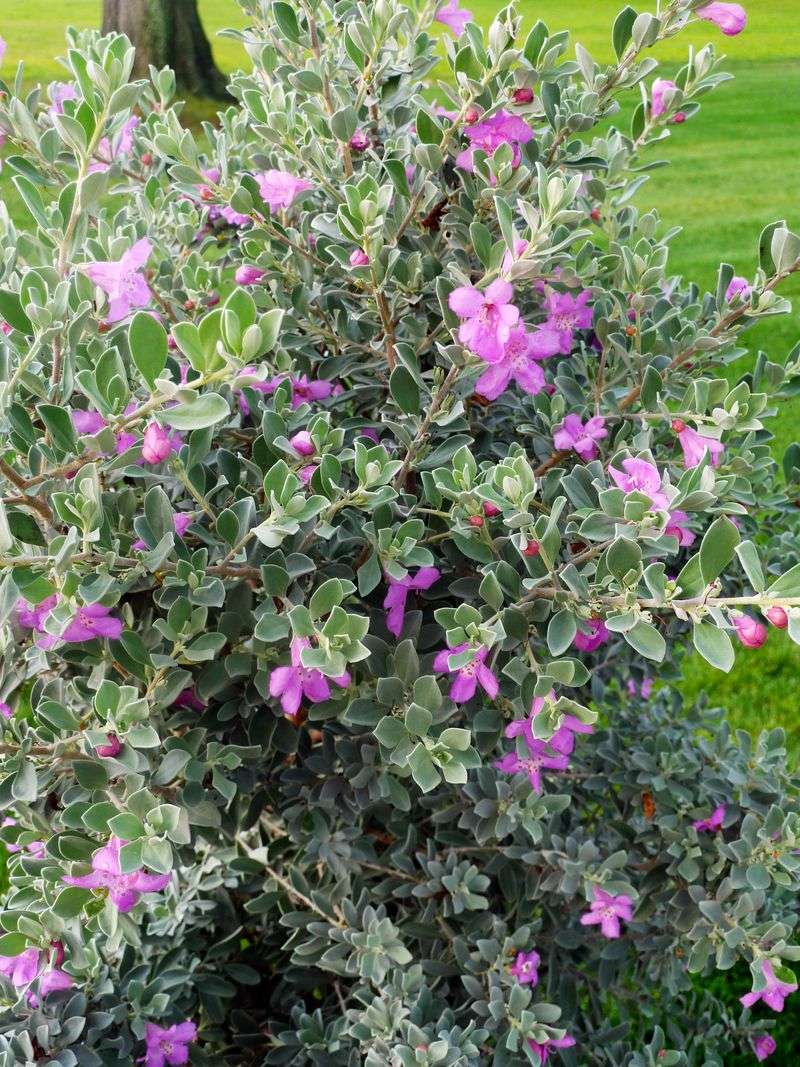
Texas Sage has a nickname that tells you everything: the barometer bush. Locals say it blooms right before or just after a summer rain, almost as if it can sense moisture in the air.
Whether or not that is perfectly accurate, one thing is certain: when the summer rains arrive, Texas Sage puts on a breathtaking display of purple or pink flowers that covers the entire plant.
This shrub is one of the most drought-tolerant plants available for Texas landscapes. Once it is established, it can go weeks without water and still look healthy.
The silvery-green leaves reflect sunlight, helping the plant stay cool even in extreme heat. That natural adaptation makes it one of the smartest choices for hot, dry areas of your yard.
Texas Sage grows slowly but steadily into a rounded shrub, typically reaching four to six feet tall. It works well as a hedge, a foundation plant, or a standalone accent in a dry garden.
The silvery foliage provides a nice contrast when planted alongside darker green plants. Planting is easy. Choose a spot with full sun and well-drained soil.
Avoid clay-heavy areas that hold water, since Texas Sage strongly prefers dry conditions. Once in the ground and established, it rarely needs anything from you beyond occasional pruning to keep its shape tidy.
Butterflies and bees are frequent visitors when the blooms appear. Texas Sage is also highly deer resistant, which makes it especially popular in rural and suburban areas where deer pressure is high.
For reliable beauty with almost zero maintenance, Texas Sage earns a permanent spot in any Texas garden.
5. Flame Acanthus
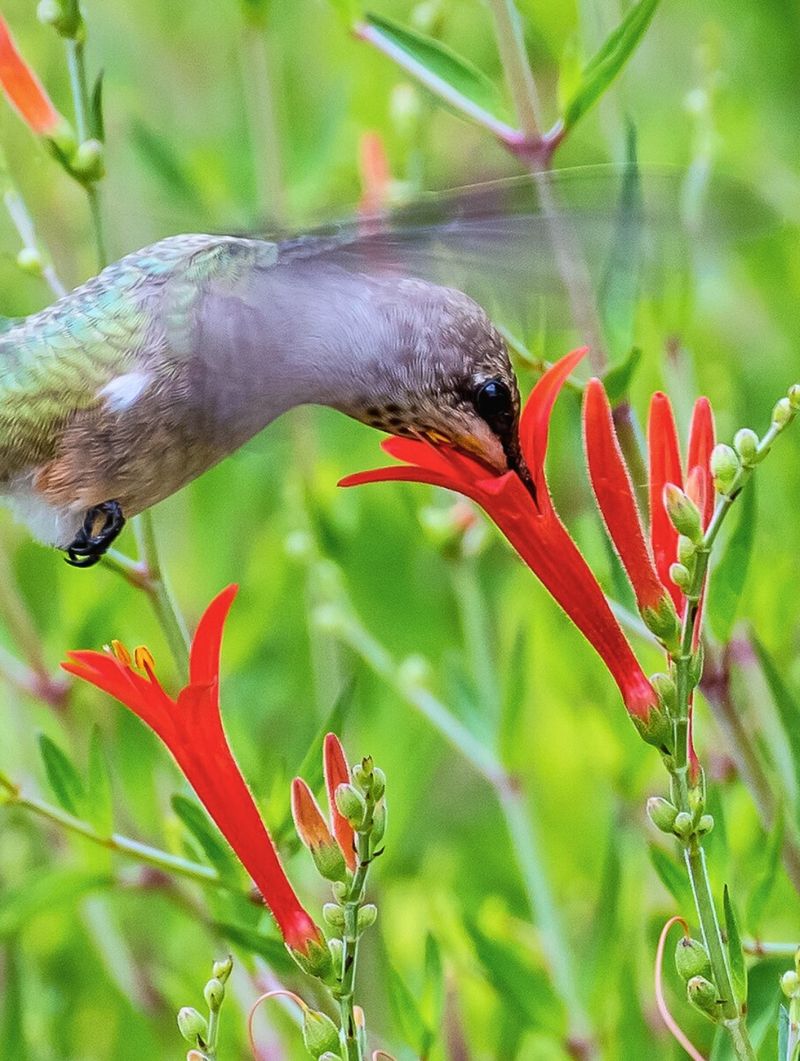
Imagine a plant so tough it can grow in rocky, dry soil with almost no help, and still produce a waterfall of fiery red-orange blooms all summer long. That is Flame Acanthus in a nutshell.
This Texas native is built for the heat, and it thrives in exactly the conditions that send most garden plants into distress.
Flame Acanthus is a medium-sized shrub that spreads over time, forming attractive clumps in the landscape. The tubular flowers are a vivid scarlet-orange color that practically glows in the sun.
They appear from summer through fall, giving you months of reliable color during the hottest stretch of the year.
Hummingbirds are absolutely wild about this plant. If attracting hummingbirds to your yard is on your wish list, Flame Acanthus is one of the best plants you can add.
The long, narrow flower tubes are perfectly shaped for hummingbird feeding, and once they discover your plant, they will return again and again.
Growing Flame Acanthus is simple. Plant it in full sun or partial shade and give it well-drained soil.
It handles rocky or poor soil without complaint. Water it occasionally during the first growing season, and after that, rainfall alone is usually enough to keep it going strong.
In colder parts of Texas, Flame Acanthus may freeze back in winter, but it reliably returns from the roots each spring. It is a plant that rewards patience and minimal fuss.
For a low-maintenance, wildlife-friendly native that genuinely loves Texas summers, Flame Acanthus belongs in more yards than it currently occupies.
6. Turk’s Cap
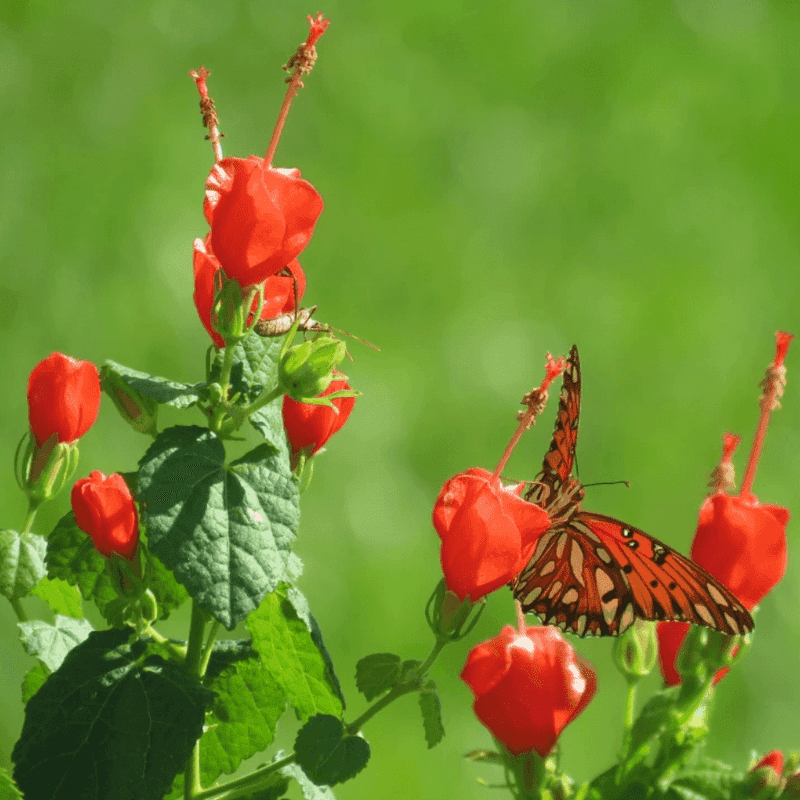
Not every heat-tolerant plant needs full sun to perform well, and Turk’s Cap is proof of that.
While many tough Texas natives demand a sunny spot, Turk’s Cap is one of the few that can handle shade and still deliver reliable blooms throughout the hottest months of the year. That flexibility makes it incredibly useful for tricky spots in the garden.
The flowers are distinctive and fun, bright red with petals that spiral inward like a tiny turban or cap, which is exactly how the plant got its unusual name.
Hummingbirds and butterflies love them, and the blooms appear continuously from summer all the way into fall. Even in partial to full shade, the plant keeps producing flowers with impressive consistency.
Turk’s Cap grows as a large, spreading shrub that can reach six to nine feet tall in ideal conditions. It spreads naturally over time, filling in areas of the garden where other plants struggle.
This makes it a great option for naturalizing shady slopes or filling gaps under trees where sunlight is limited.
Once established, Turk’s Cap handles drought and heat with ease. It does appreciate occasional deep watering during extended dry spells, but it is far less thirsty than most landscape plants.
The roots are strong and help the plant bounce back quickly after periods of stress. After the flowers fade, small red fruits appear that birds find irresistible. So you get wildlife activity from hummingbirds in summer and songbirds in fall.
For a shade-tolerant, heat-tough native that works hard in multiple seasons, Turk’s Cap is a truly versatile and rewarding plant for any Texas yard.
7. Autumn Sage
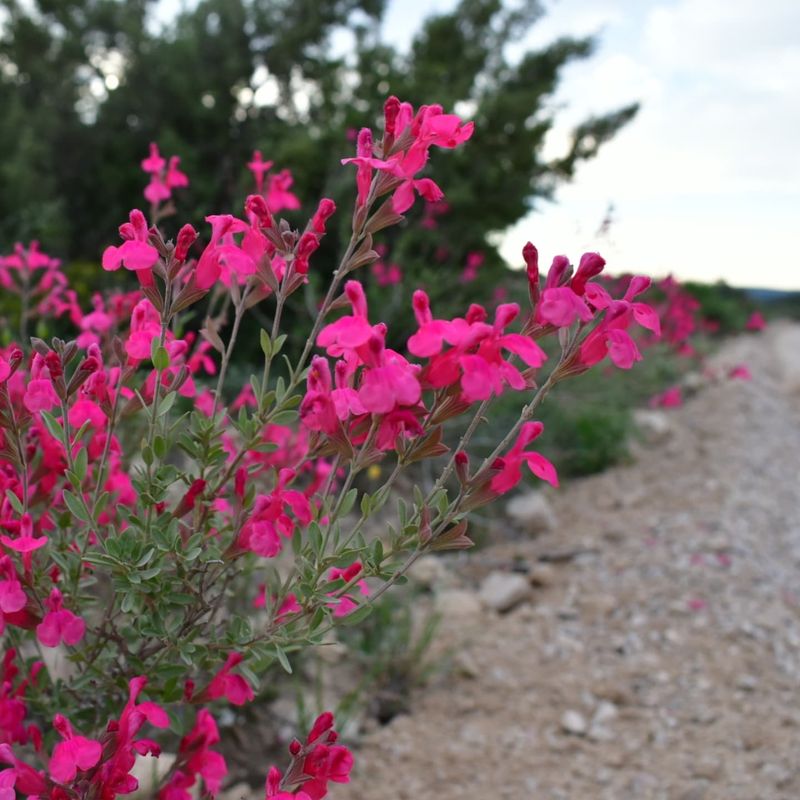
Autumn Sage might have the word autumn in its name, but do not let that fool you. This Texas native starts blooming in spring, keeps going strong through the intense summer heat, and continues well into fall.
It is one of those rare plants that delivers color for a huge portion of the year without demanding much attention from the gardener.
The flowers are typically a vivid scarlet red, though pink and white varieties are also available. They are tubular in shape and absolutely irresistible to hummingbirds.
If you have ever wanted to watch hummingbirds visit your garden regularly, planting a few Autumn Sage shrubs is one of the most effective things you can do.
Autumn Sage loves full sun and well-drained soil. It grows best in spots that do not collect standing water after rain.
Once established, it needs very little supplemental irrigation. In most parts of Texas, natural rainfall during the cooler months is enough to sustain it through the following summer.
The plant stays relatively compact, usually growing two to three feet tall and wide. That manageable size makes it easy to use in borders, along pathways, or mixed into larger landscape beds.
It also pairs beautifully with ornamental grasses and other Texas natives.
Pruning Autumn Sage back by about one-third in late winter encourages fresh growth and more abundant blooming through the warmer months. It is an easy habit to get into, and the plant responds quickly with a burst of new stems and flowers.
For a reliable, hummingbird-friendly native that thrives in Texas sun, Autumn Sage is a fantastic addition to any garden.
8. Red Yucca
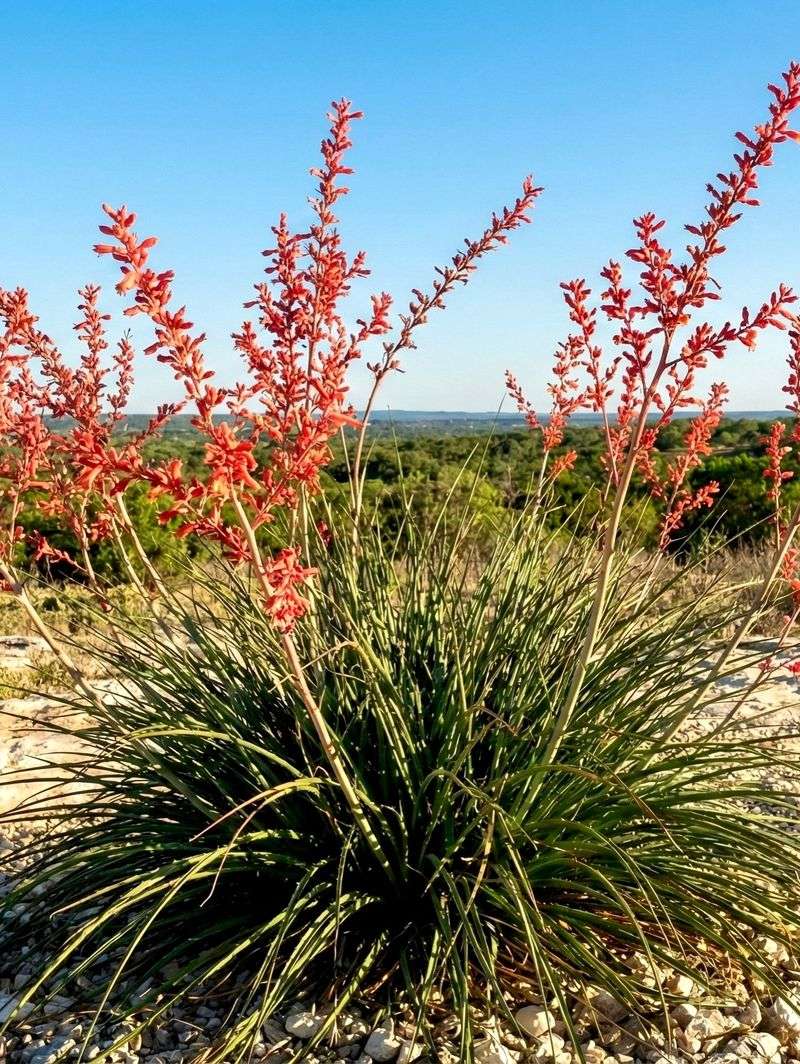
Red Yucca is the kind of plant that makes a statement without asking for anything in return. Tall flower spikes shoot up from a rosette of long, grass-like leaves, reaching four to five feet in the air and covered in coral-pink tubular blooms.
It is dramatic, architectural, and tough as nails, perfectly suited to the most exposed and sun-baked corners of any Texas yard.
Despite the name, Red Yucca is not a true yucca. It is actually related to agaves, and it shares their remarkable tolerance for heat, drought, and reflected heat from walls, driveways, and pavement.
Few plants handle those harsh reflected-heat conditions as gracefully as Red Yucca does. Hummingbirds are the primary pollinators of Red Yucca, and they visit the flower spikes repeatedly throughout the blooming season.
The blooms typically appear in late spring and can persist well into summer, providing a long window of hummingbird activity in your garden. After the flowers fade, seed pods develop that attract other wildlife.
Red Yucca thrives in poor, rocky, or sandy soil with excellent drainage. It does not want rich, amended soil or frequent watering.
Planting it in an area that gets full sun all day is ideal. Once established, it is one of the most self-sufficient plants you can grow in Texas.
The evergreen foliage looks attractive year-round, adding texture and structure to the landscape even in winter. It works beautifully in rock gardens, xeriscape designs, and along sunny slopes.
For a bold, low-water plant that handles Texas August heat without skipping a beat, Red Yucca is an absolute standout choice.