The Hidden Reasons Illinois Tomato Plants Droop During The Hottest Part Of Summer
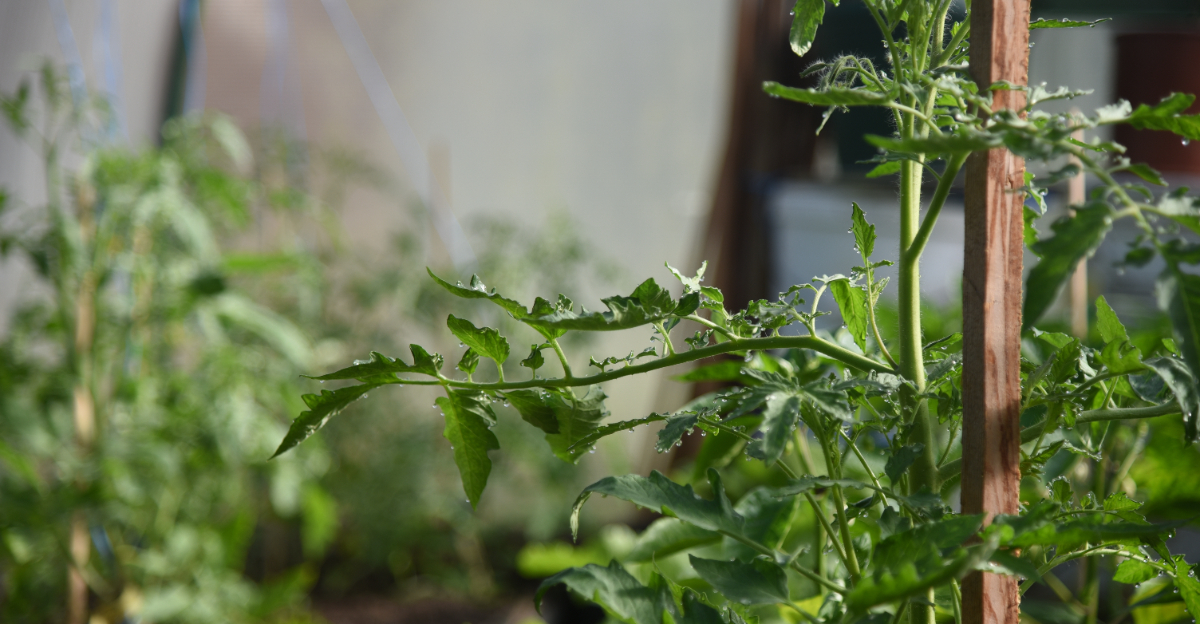
Concern hits the moment you see tomato leaves drooping low. Your plants look finished, yet they keep fighting quietly. Something beneath the soil keeps quietly working toward recovery.
Illinois summers show you this exact scene every July. Heat alone almost never damages a healthy tomato plant. Real trouble begins underground, invisible until it is severe.
Roots struggle silently long before your leaves show stress. Confusion spreads fast when watering does not fix anything. Wilting looks dramatic, but your plant rarely faces real setback.
Every hour of afternoon sun adds extra pressure on roots. Stems weaken under stress you rarely notice happening early. Timing changes everything once real heat settles into July.
Wrong watering habits confuse even seasoned Illinois growers like you. Answers exist, and they are simpler than most assume.
Nothing about this situation is actually random or hopeless. This information decides whether your tomato harvest makes it through summer.
Heat Wilt Causes Temporary Midday Drooping
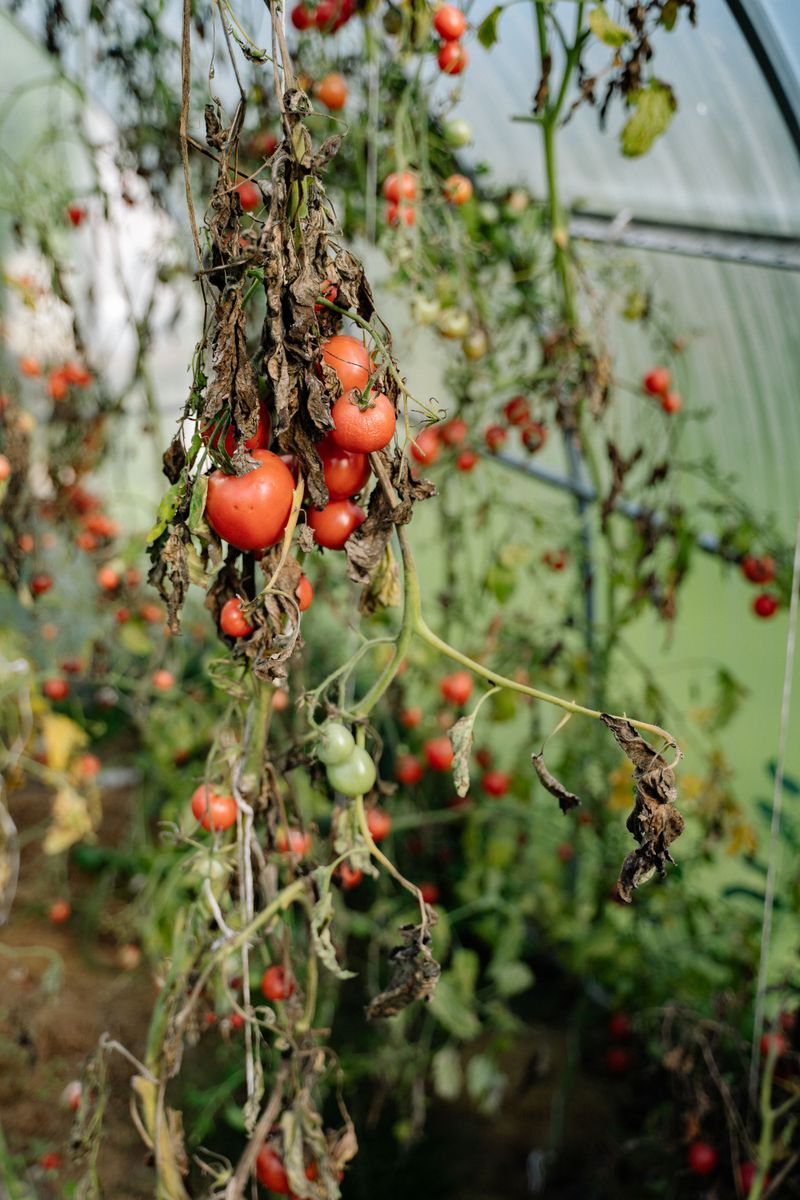
Your tomato plant is not struggling. It is just hot. When temperatures climb into the 90s, tomato plants lose water through their leaves faster than roots can replace it.
The plant responds by wilting. This is called heat wilt, and it is completely normal during the hottest part of summer. Think of it like sweating. Your body cools itself by releasing moisture.
Tomato plants do the same thing through tiny pores called stomata. When heat is intense, those pores release water vapor rapidly.
The telltale sign of heat wilt is timing. Plants droop between noon and 3 p.m., then bounce back by evening. If your plant looks fine by sunset, heat stress was the culprit. No need to panic or overreact.
Mulching around the base of your plant helps a lot. A 3-inch layer of straw or wood chips keeps soil cooler and holds moisture longer. That gives roots a fighting chance during peak heat hours.
You can also use shade cloth during the hottest weeks. A shade cloth that blocks 30 to 40 percent of sunlight can noticeably lower leaf temperature. Many Illinois gardeners rely on this method from late June through August.
Watering deeply in the early morning is another smart move. Roots absorb moisture before the heat peaks. That stored water helps the plant survive the afternoon without collapsing completely.
Heat wilt is your plant asking for help, not waving a white flag. Respond with shade, mulch, and smart watering.
Underwatering Leads To Persistent Wilting
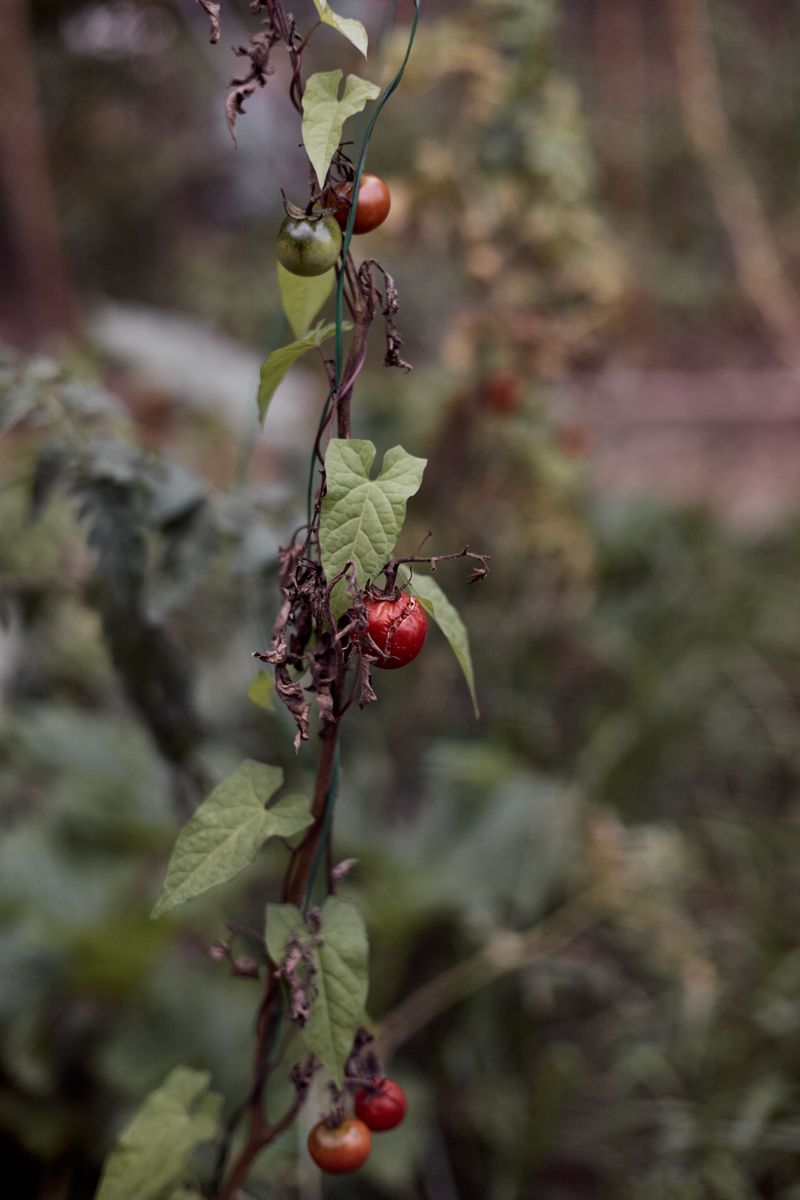
Dry soil is sneaky. It looks fine on the surface but can be bone-dry just two inches down. When tomato plants do not get enough water, wilting does not stop at sunset. Unlike heat wilt, drought stress keeps plants drooping even after temperatures drop.
That is the key difference every gardener needs to know. Tomatoes need about one to two inches of water per week. During a hot Illinois summer, that number can climb even higher.
Sandy soils drain fast, so plants in those beds need water more frequently than plants in clay-heavy ground.
Your Illinois Garden Changes Every Week. Your Plan Should Too.
Gardening in Illinois changes quickly throughout the season. Every Friday you’ll receive a simple weekly plan showing exactly what to plant, prune, fertilize, harvest, and protect so you never miss the right timing.
Stick your finger two inches into the soil near the base of the plant. If it feels dry, your plant is thirsty.
Do not rely on surface appearance alone, because the top layer dries out first and can fool you completely.
Deep, slow watering is far better than quick, shallow sprinkles. Water that soaks six to eight inches down encourages roots to grow deeper. Deep roots are more drought-resistant and better equipped to handle summer heat waves.
A drip irrigation system is an efficient option for busy gardeners. It delivers water directly to the root zone slowly and consistently. Even a basic soaker hose is inexpensive and can reduce plant stress over the season.
Wilting that does not recover overnight is a red flag worth acting on quickly. Check your soil, adjust your watering schedule, and watch your Illinois tomato plants bounce back strong.
Overwatering And Poor Drainage Deprive Roots Of Oxygen
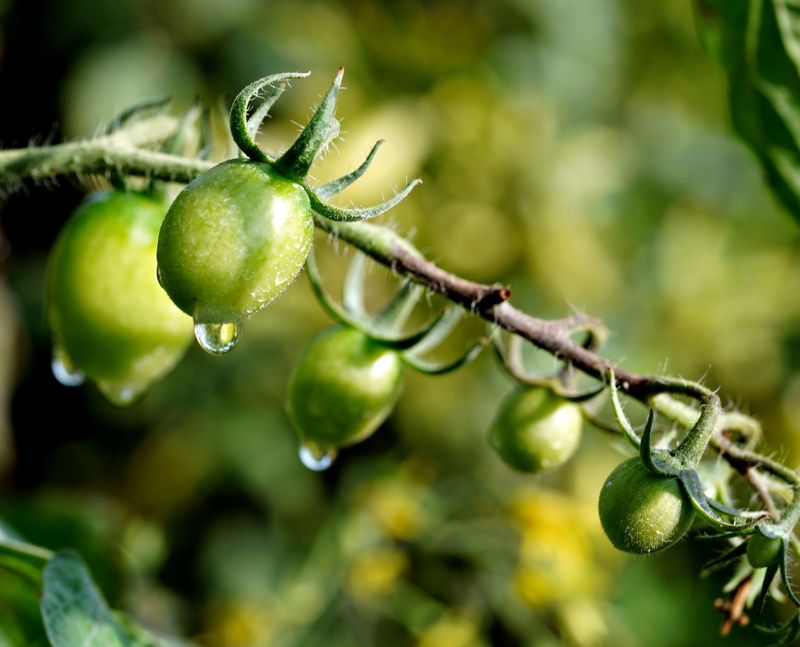
More water does not always mean a happier plant. Sometimes it means the opposite. Overwatered tomato plants can look just as droopy as underwatered ones. The difference is in the soil.
If the ground feels soggy or smells musty, too much moisture is the problem. Roots need oxygen, and waterlogged soil deprives them of it completely.
When roots cannot breathe, they stop functioning properly. Water and nutrients cannot travel up the stem.
The plant wilts even though it is surrounded by moisture. This is a common point of confusion for gardeners every season.
Poor drainage makes this problem worse. Flat garden beds with heavy clay soil hold water like a bathtub.
Raised beds with amended soil drain far better and give roots room to breathe. Adding compost to clay-heavy soil improves drainage significantly over time.
Check how your bed drains after a heavy rain. If standing water sits for more than an hour, drainage is a real issue.
You may need to add organic matter, build raised beds, or install French drains to fix it properly.
Watering schedules need to flex with the weather. If it rained two inches yesterday, skip irrigation today.
A rain gauge in your garden takes much of the guesswork out of watering. It is inexpensive and can help protect your plants over time.
Healthy roots mean healthy plants. Give them air, good drainage, and consistent but not excessive moisture. Your tomatoes will reward you with strong stems and steady growth all summer long.
Fusarium And Verticillium Wilt Block Water Flow
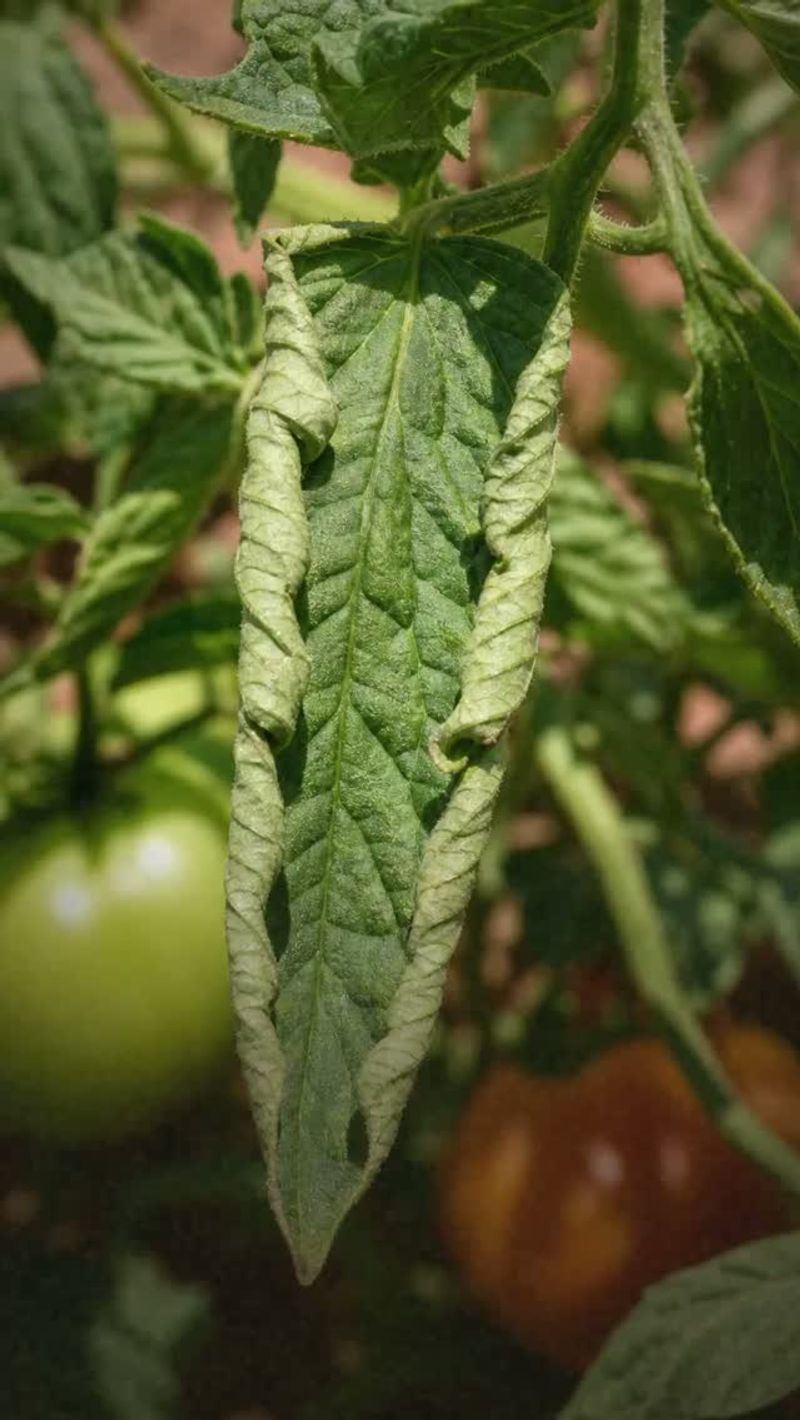
Not all wilting comes from the weather. Some of it starts deep inside the plant itself. Fusarium and verticillium wilt are soil-borne fungal diseases that invade tomato roots and stems. Once inside, they block the vessels that carry water upward.
The plant wilts from the top down, and no amount of watering fixes the problem. This kind of drooping is a symptom of a different underlying problem.
Fusarium wilt is more common in warm soils, making it a frequent problem during the hottest part of summer in the Midwest. Verticillium wilt tends to strike in cooler soil.
Both diseases cause yellowing leaves, brown streaking inside the stem, and a gradual decline of the entire plant.
To check for fungal wilt, cut the main stem near the base with a clean knife. Healthy stems are white or green inside.
Brown or tan discoloration running through the center is a strong sign of fungal infection. This simple test can save you weeks of confusion.
Unfortunately, there is no cure once a plant is infected. Remove and bag the affected plant immediately.
Do not compost it, because the fungus can survive and spread through your garden. Clean your tools thoroughly before touching other plants.
Prevention is the best strategy going forward. Choose tomato varieties labeled F or V on the tag, which means they resist these specific diseases.
Rotating crops each season also reduces fungal buildup in the soil significantly. Spotting fungal wilt early protects the rest of your garden from the same fate.
Transplant Shock Causes Short-Term Drooping
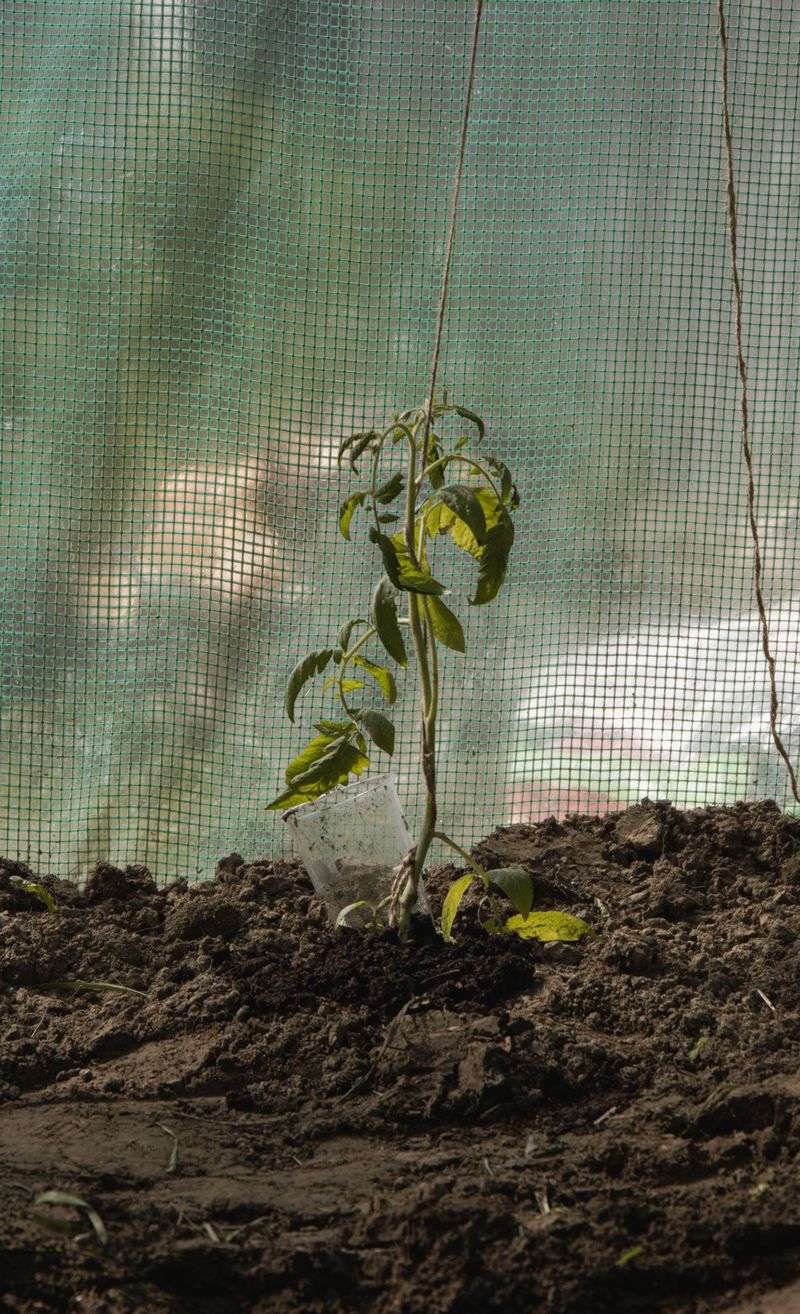
Moving is stressful, even for plants. Tomato seedlings are no different. Transplant shock happens when a young plant is moved from a pot or tray into the garden.
The roots get disturbed, and the plant temporarily loses its ability to absorb water efficiently. Drooping leaves are the first sign that the plant is struggling to adjust. This is completely normal and typically eases within several days to a week.
The shock hits hardest when transplanting happens during hot weather. Afternoon transplanting on a hot summer day increases the risk of plant stress.
Early morning or evening transplanting gives roots time to settle before heat peaks the next day. Timing makes a bigger difference than most gardeners expect.
Watering immediately after transplanting is non-negotiable. Soak the soil thoroughly around the new plant right away.
That first deep drink helps roots make contact with surrounding soil and supports the recovery process.
Shading new transplants for the first few days also speeds recovery. A simple piece of cardboard propped on the sunny side works surprisingly well.
You do not need fancy equipment to protect a vulnerable seedling during its first week in the ground.
Avoid fertilizing right after transplanting. Roots that are already stressed cannot handle the extra chemical push.
Wait roughly two weeks, or until new growth appears, before adding any fertilizer, then start with a gentle, diluted formula to ease the plant into feeding.
Transplant drooping is temporary, but ignoring it can turn a small setback into a plant that fails to recover.
How To Tell Heat Stress From Disease
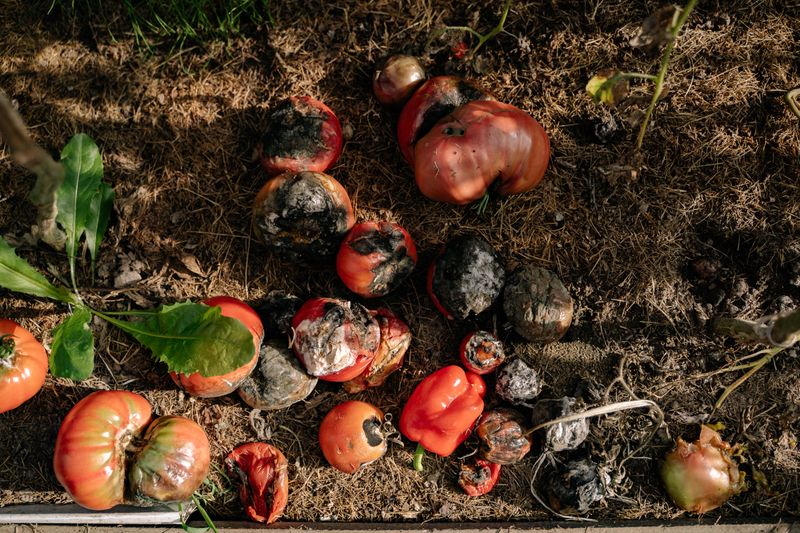
Drooping leaves tell a story. You just need to know how to read them. Heat stress and fungal disease can look almost identical from a few feet away. But the clues are in the details.
Timing, leaf color, stem condition, and soil moisture all point to different causes. Learning to read those signs correctly saves you from treating the wrong problem entirely.
Heat stress wilting follows the sun. Plants droop in the afternoon and recover by evening or early morning.
Leaves stay green and firm once temperatures drop. No browning, no yellowing, no strange spots on the foliage at all.
Disease wilt does not follow that pattern. Affected plants stay droopy even after a cool night.
Leaves may yellow from the bottom up, curl unevenly, or develop dark patches. The decline is gradual but consistent, not tied to the hottest part of the day.
Stem inspection is your most reliable diagnostic tool. Slice the main stem low and look inside.
A healthy stem is white or pale green. Brown, tan, or orange streaking inside the stem points strongly toward fusarium or verticillium infection.
Soil checks help rule out moisture-related causes. Press two fingers into the soil near the base.
Dry soil suggests underwatering. Soggy soil suggests overwatering or poor drainage. Once moisture issues are ruled out, disease becomes the more likely suspect.
Keeping a simple garden journal helps you track patterns over time. Note when drooping starts, what the weather is doing, and how the plant responds.
That record becomes a useful reference for protecting your Illinois tomato plants season after season.