How To Grow Vegetables In Illinois Clay Soil Without The Guesswork
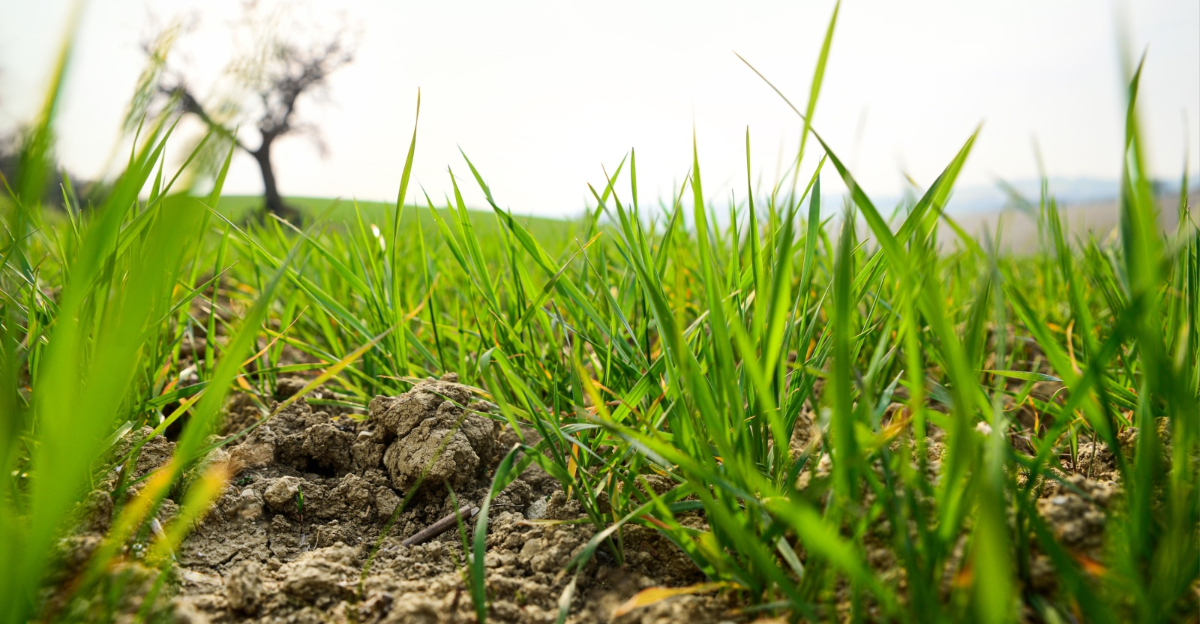
Clay soil has a reputation, and most of it is deserved. It drains slowly, compacts easily, and after a rainstorm, it turns into something that resembles wet cement.
If you’ve tried growing vegetables in Illinois clay soil, you already know the frustration. Seeds rot before they sprout, roots can’t push through, and your garden ends up looking more like a science experiment than a food source.
But here’s the thing: clay soil is not the enemy. It’s actually rich in nutrients, holds moisture better than sandy soil, and responds well when you know how to work with it.
The gardeners who struggle most with clay are usually the ones fighting it instead of understanding it. Stick around.
By the end of this, you’ll know exactly what your soil needs, which vegetables actually thrive in it, and how to stop second-guessing every planting decision you make.
1. Know Your Soil Before You Plant A Single Seed
Most Illinois gardeners skip straight to planting and wonder why nothing works out. The soil comes first, and in Illinois, that usually means clay, heavy, dense, and full of surprises.
Clay soil is not uniform across the state. In some areas it’s dark and rich, in others it’s pale and almost brick-like when it dries out.
Knowing which type you’re dealing with changes everything about how you approach your garden.
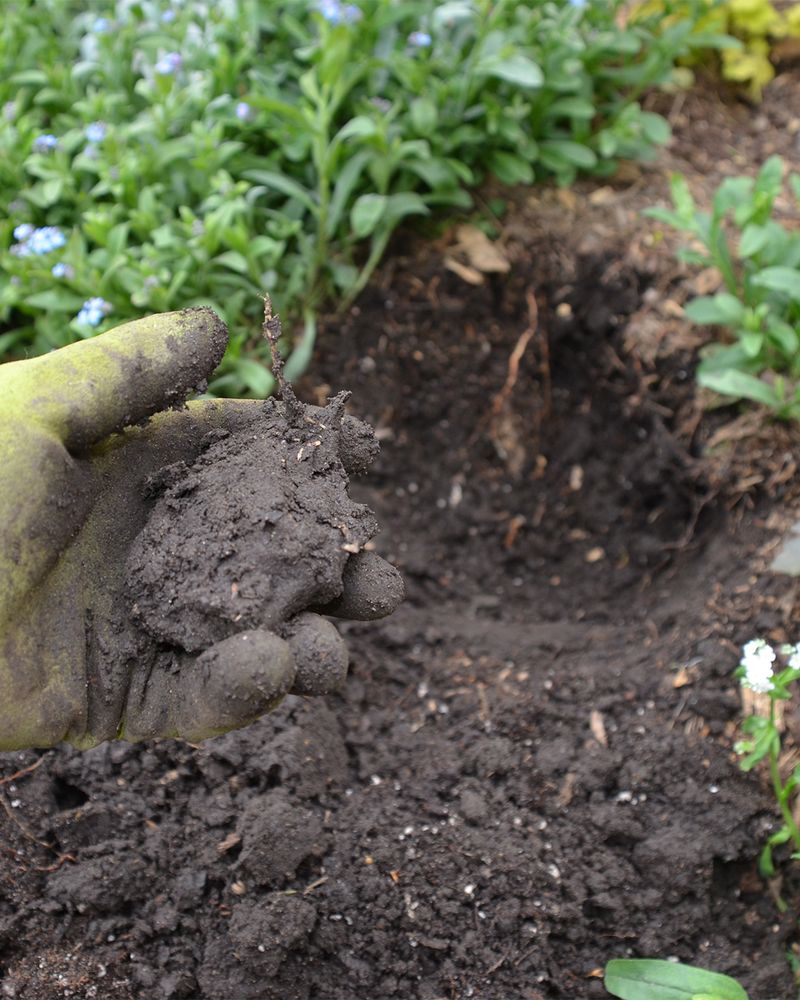
Pick up a handful of moist soil and squeeze it into a ball. If it holds its shape and feels slick when you rub it between your fingers, you’re working with clay-dominant soil.
That’s not necessarily bad news. Clay soil holds nutrients and moisture far better than sandy soil, which means your plants have access to what they need for longer periods.
The challenge is getting those nutrients moving in the right direction.
Compaction is the biggest issue. When clay gets walked on or worked while wet, it presses together and leaves almost no room for roots, water, or air to move through.
Understanding this helps you make smarter decisions from the start. You stop treating clay like a problem to eliminate and start treating it like a material to manage.
Knowing your soil’s baseline gives you a roadmap. Without it, you’re guessing every single step of the way
2. Test Your Illinois Clay Soil The Right Way
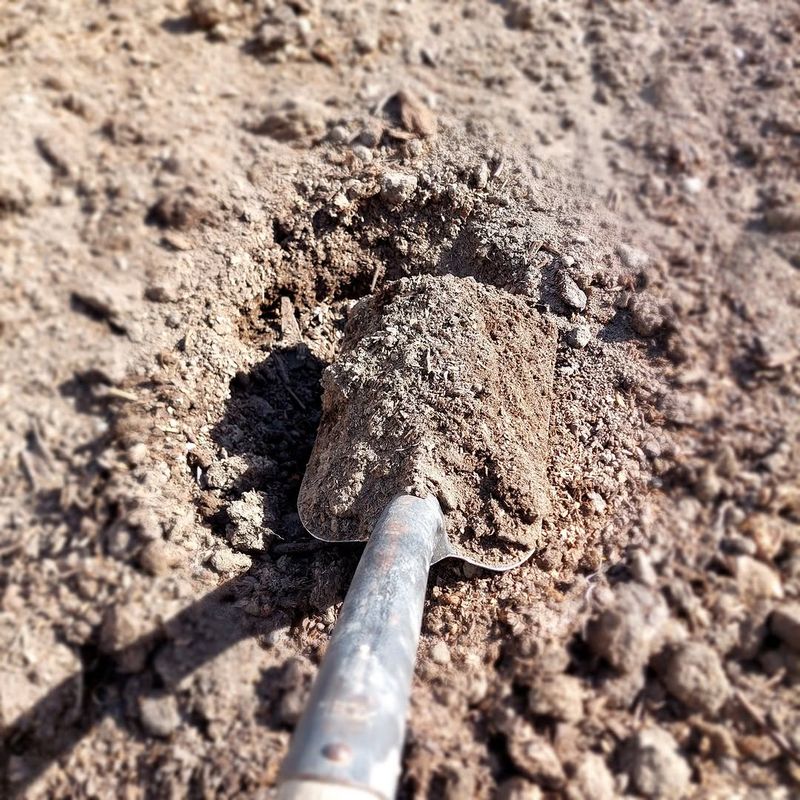
Guessing what your soil needs is one of the most expensive habits a gardener can develop. A simple soil test costs very little and saves you from wasting money on amendments that won’t actually help.
The University of Illinois Extension offers soil testing through local county offices. For a small fee, you get a detailed breakdown of your soil’s pH, nutrient levels, and organic matter content, everything you need to make informed decisions.
At home, the jar test gives you a quick visual read on your soil composition. Fill a jar with soil and water, shake it well, and let it settle for 24 hours.
Your Illinois Garden Changes Every Week. Your Plan Should Too.
Gardening in Illinois changes quickly throughout the season. Every Friday you’ll receive a simple weekly plan showing exactly what to plant, prune, fertilize, harvest, and protect so you never miss the right timing.
Sand drops first, silt settles in the middle, and clay stays suspended at the top.
The ribbon test is even faster. Moisten a small amount of soil and press it between your thumb and forefinger into a ribbon.
The longer the ribbon holds together, the higher your clay content.
Test in the spring before planting or in the fall after your last harvest. Testing at the same time each year gives you consistent data you can actually compare season to season.
Pay close attention to your pH reading. Most vegetables prefer a pH between 6.0 and 7.0, and Illinois clay can lean alkaline in many parts of the state, though soil chemistry varies by region, which is why a soil test matters.
Phosphorus and potassium levels matter too. Clay soil tends to hold these well, but nitrogen moves through more quickly and often needs to be replenished regularly.
Your test results are not just numbers. They’re a starting point for every smart decision you’ll make in that garden.
3. The Best Amendments For Illinois Clay Soil
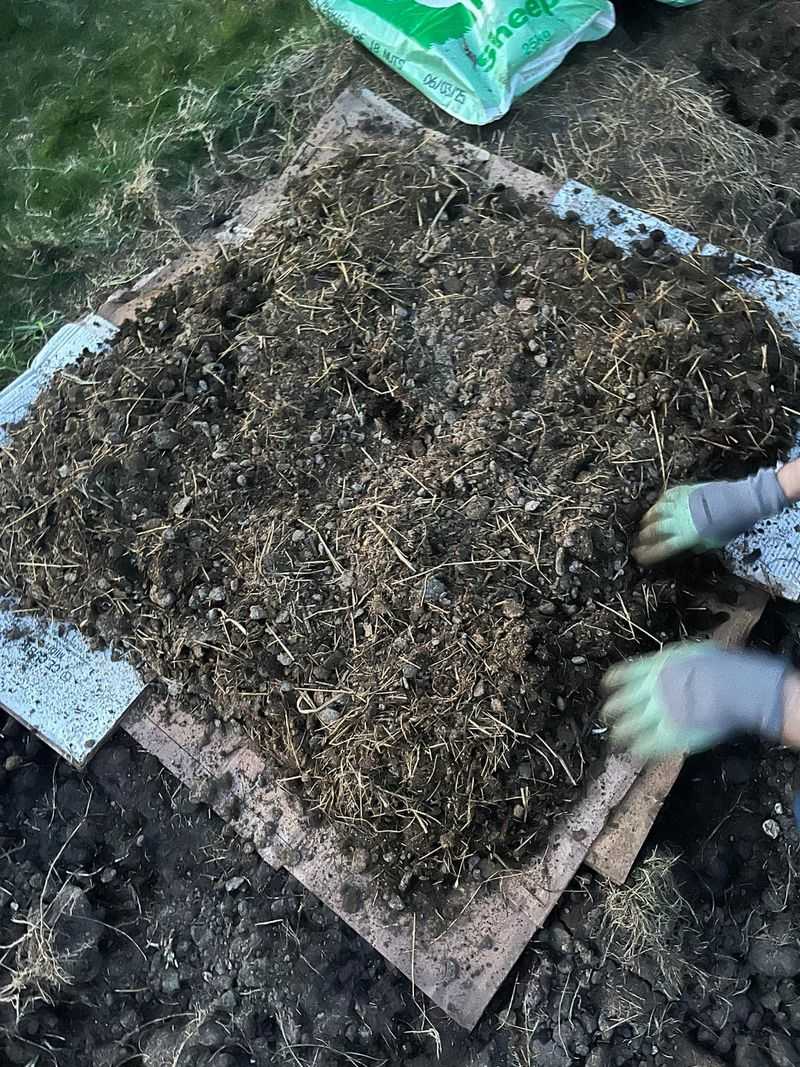
Amending clay soil is not a one-time fix. It’s an ongoing process that gets easier and more rewarding with every season you commit to it.
Compost is the single best amendment you can add to Illinois clay soil. It breaks up compaction, improves drainage, feeds soil microbes, and adds organic matter that clay soil desperately needs to function well.
Aim to work in at least two to three inches of compost each season. Over time, that consistent addition transforms the structure of your soil in ways no single application ever could.
Aged manure is another strong option. Chicken, cow, and horse manure all add nutrients and organic matter, but make sure it’s fully composted before it goes anywhere near your vegetables.
Avoid fresh manure entirely. It can burn plant roots, introduce pathogens, and create more problems than it solves.
One amendment to skip is sand. Adding sand to clay soil without substantial organic matter can create a dense, poorly draining mix that makes things worse, not better.
It’s one of the most persistent myths in gardening and one of the most damaging.
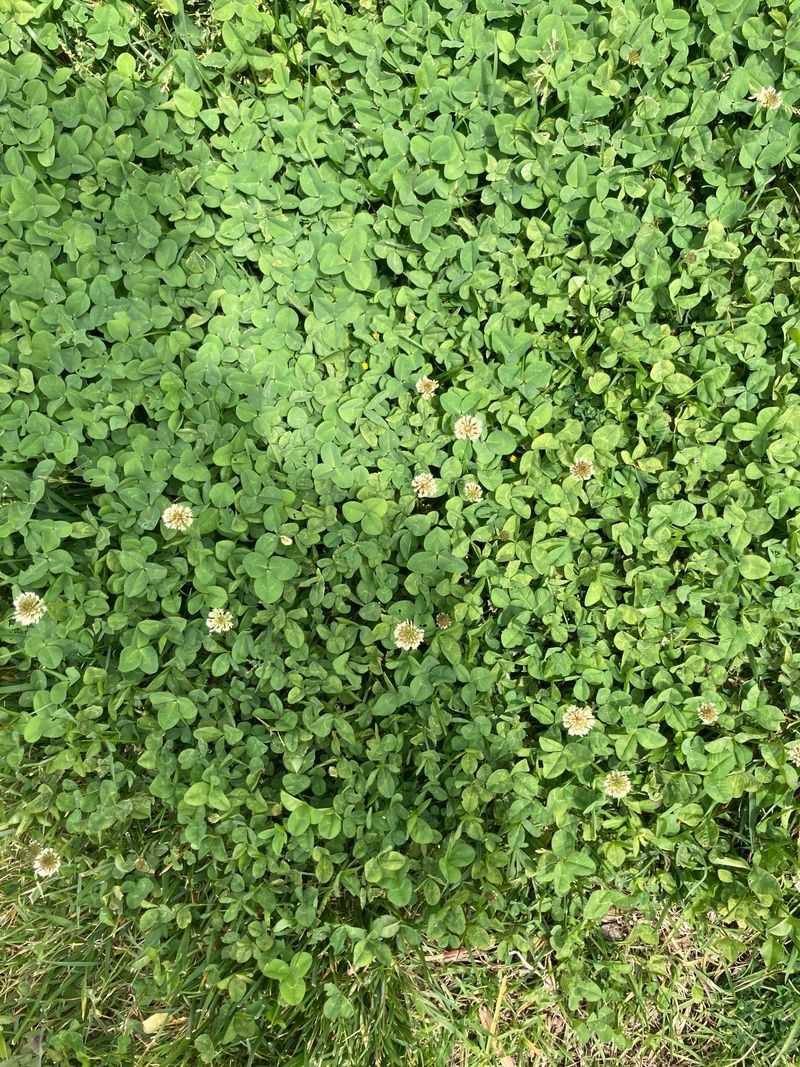
Cover crops like winter rye, clover, and hairy vetch are underused in home gardens. They break up compaction with their roots, add organic matter when turned in, and protect your soil structure through the off-season.
Gypsum can help loosen particularly compacted clay without altering your pH. It works best when used alongside compost rather than as a standalone solution.
Work amendments in when your soil is moist but not wet. Tilling waterlogged clay does more damage than good and can set your progress back by an entire season.
4. The Right Vegetables For Illinois Clay Soil
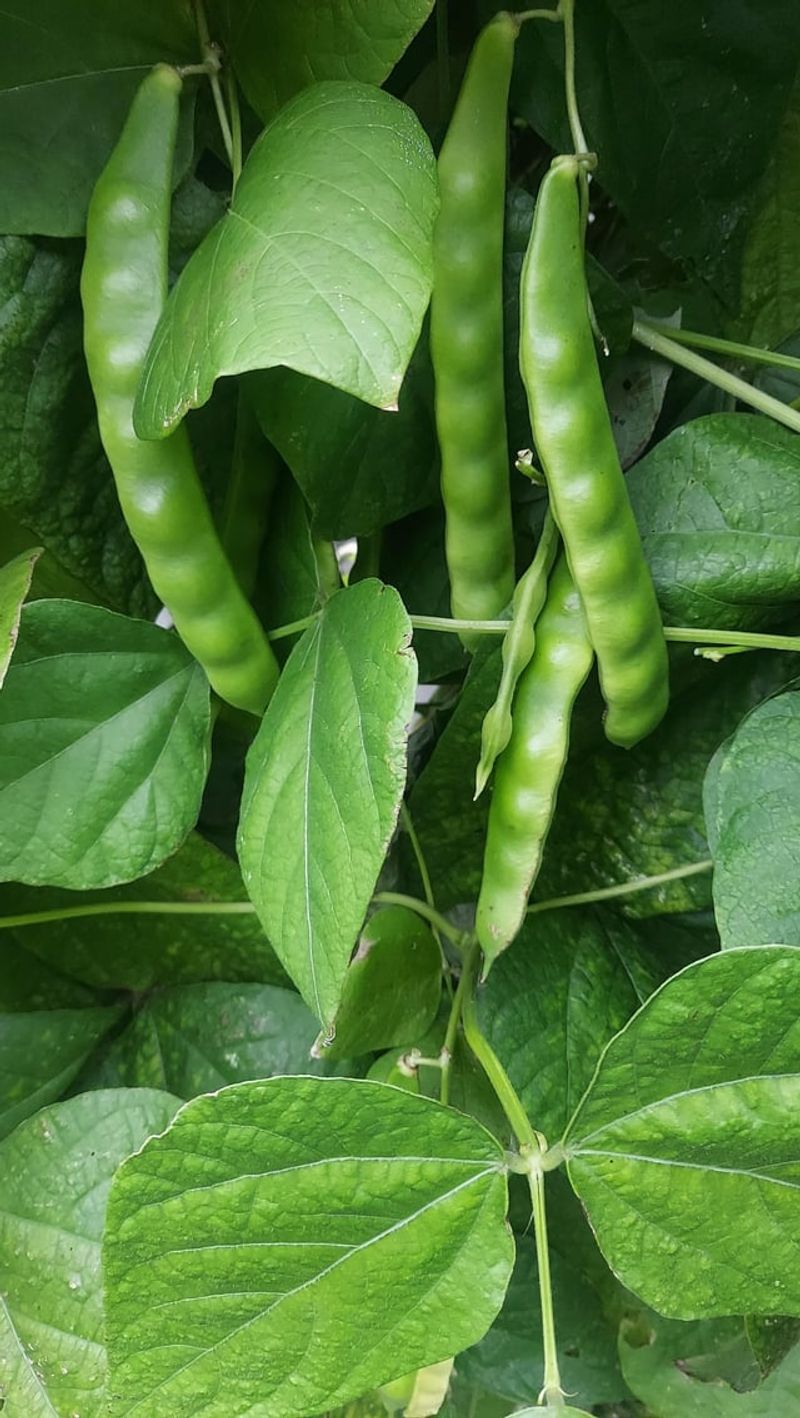
Not every vegetable handles clay soil equally. Choosing the right ones from the start puts you ahead before you’ve turned a single shovelful of ground.
Root vegetables like carrots and parsnips struggle in heavy clay. The resistance stops them from growing straight and deep, and you end up with short, forked, or stunted roots that are difficult to work with.
Brassicas are a different story entirely. Broccoli, cabbage, kale, and Brussels sprouts are well-suited to clay soil because their roots don’t need to penetrate deeply and they benefit from the moisture retention clay naturally provides.
Beans and peas perform reliably in clay as long as drainage is reasonable. They also fix nitrogen in the soil, which makes them a smart choice for improving clay over time while still getting a harvest.
Squash and pumpkins are practically made for Illinois clay. Their wide, shallow root systems spread out rather than down, and they thrive in the moisture-retentive conditions clay creates through dry summer stretches.
Tomatoes can do well in amended clay soil. They need consistent moisture, which clay provides, but they also need good drainage, which means you’ll want to improve your soil structure before relying on them as a main crop.
Peppers and eggplant follow similar rules as tomatoes. Give them well-amended soil and a raised row or slight mound to improve drainage and they’ll reward you consistently through Illinois summers.
Leafy greens like lettuce, spinach, and Swiss chard are surprisingly tolerant of clay. They’re shallow-rooted, fast-growing, and take advantage of the nutrient density clay soil offers without demanding perfect conditions.
Start with the forgiving ones and expand your plant list as your soil improves season by season.
5. Plant Smarter In Clay Soil From The Start
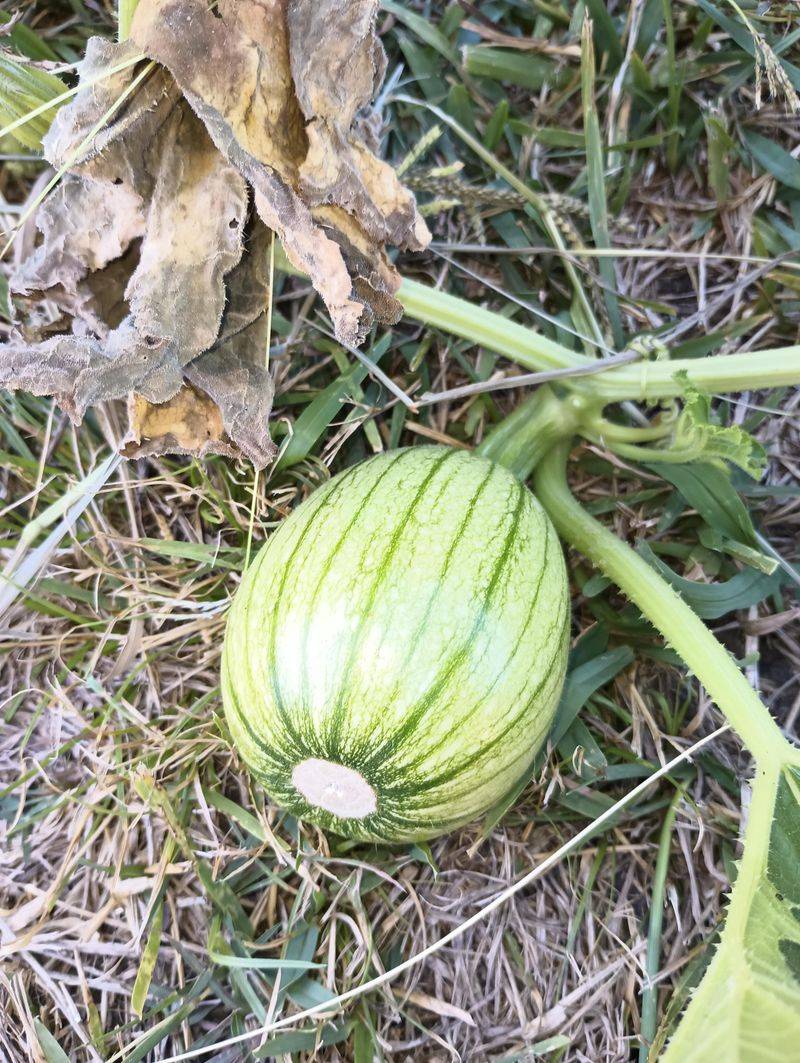
How you plant in clay soil matters just as much as what you plant. Small adjustments to your technique make a significant difference in how well your vegetables establish and grow.
Never work clay soil when it’s wet. Walking on it, digging into it, or even stepping across it while saturated compacts the structure in ways that take months to reverse.
Wait until the soil passes the squeeze test before you start. Grab a handful, squeeze it into a ball, and drop it from waist height.
If it crumbles on impact, it’s ready to work. If it stays in a clump, give it more time.
Plant on raised rows or slight mounds rather than flat ground. Even a few inches of elevation improves drainage around the root zone and gives young plants a better start in heavy soil.
Dig your planting holes wider than you think you need to. In clay soil, roots need room to spread outward before they can establish deeply, and a narrow hole creates a barrier they struggle to push through.
Avoid creating a glazed surface on the inside of your planting hole. When a spade or trowel smooths clay into a slick wall, it becomes almost impenetrable for tender roots.
Rough up the sides before you plant.
Mulch immediately after planting. A two to three inch layer of straw, wood chips, or shredded leaves regulates soil temperature, reduces surface compaction from rain, and keeps moisture levels stable.
Space your plants with airflow in mind. Clay soil stays wetter longer, which creates conditions where fungal problems thrive.
Good spacing reduces that risk significantly.
Plant with patience and your clay soil garden will surprise you faster than you expect.
6. Water Less Often And More Deeply In Clay Soil
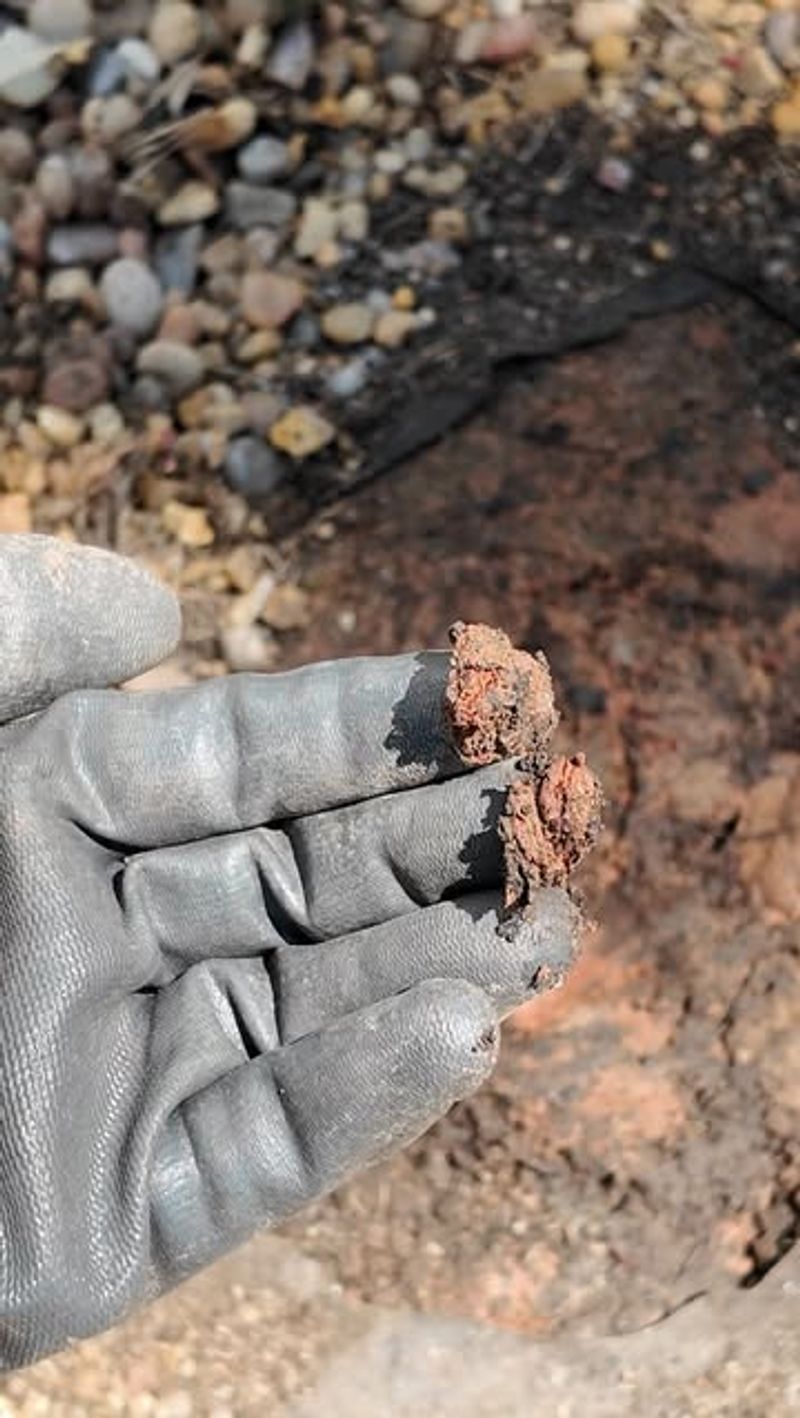
Watering clay soil the wrong way is one of the fastest routes to a struggling garden. The instinct to water frequently and lightly works against you in heavy ground.
Clay soil holds moisture for much longer than sandy or loamy soil. Watering on the same schedule you’d use for other soil types leads to waterlogging, root rot, and a garden that never quite dries out enough to breathe.
Check your soil moisture before you reach for the hose. Push your finger two inches into the ground near your plants.
If it still feels damp at that depth, your soil does not need water yet.
When you do water, water deeply and slowly. A long, slow soak encourages roots to grow downward in search of moisture rather than staying shallow and vulnerable near the surface.
Drip irrigation is the most effective watering method for clay soil gardens. It delivers water slowly at ground level, giving the soil time to absorb it without pooling or runoff.
Overhead watering from a sprinkler or hose creates surface compaction over time. Every impact from a water droplet on bare clay pushes particles closer together and reduces the soil’s ability to absorb future moisture.
Water in the morning rather than the evening. Clay soil that stays wet overnight creates the ideal conditions for fungal disease, which spreads quickly through dense plantings in heavy ground.
After a heavy rainfall, hold off on watering entirely until you’ve done a moisture check. Illinois summers can swing between dry spells and heavy downpours, and clay soil remembers every drop longer than you expect.
Learn your soil’s rhythm and your watering decisions will become second nature within a single growing season.
7. Keep Your Clay Soil Productive Through Every Season
A clay soil garden does not take care of itself between growing seasons. What you do in the off-season determines how easy or difficult the next season will be.
Fall is one of the best times to invest in your soil. Once your final harvest is done, add a thick layer of compost and work it in before the ground freezes.
That organic matter will break down over winter and be ready for your roots come spring.
Plant a cover crop as soon as your beds are clear. Winter rye, crimson clover, and hairy vetch all protect your soil from erosion, prevent compaction from winter rainfall, and add organic matter when you turn them in the following spring.
Avoid leaving clay soil bare through the winter. Exposed clay gets compacted by rain, freezes unevenly, and loses the structure you worked hard to build during the growing season.
In spring, wait longer than you think you need to before working the soil. Illinois springs are wet, and clay that gets tilled too early compacts into a dense layer that takes the entire season to recover from.
Rotate your crops every season without exception. Different vegetables draw different nutrients from the soil, and rotation prevents the kind of depletion that makes clay soil even harder to manage over time.
Top dress your beds with compost mid-season rather than waiting until fall. A light layer worked around your existing plants gives soil microbes something to work with during the peak growing months.
Stay off your beds as much as possible year-round. Permanent paths and defined planting areas protect your soil structure from the compaction that undoes months of careful amendment work.
Consistency is what turns difficult clay into genuinely productive garden soil.