Now Is The Best Time To Refresh And Clean Up Your Michigan Garden
There’s a specific window each year when a little effort in the garden pays off far more than it would at almost any other time. Michigan gardeners who catch this moment often find the rest of their season goes noticeably smoother from here on out.
Miss it, and small problems have a way of quietly snowballing into much bigger headaches by the time cooler weather arrives. The good news is that this refresh doesn’t require a full weekend of backbreaking work to make a real difference.
A handful of targeted tasks, done at exactly the right time, can reset your entire garden’s trajectory for the rest of the season. Many gardeners are surprised by how much better everything looks with just a little attention paid right now.
Timing really is everything here, and this happens to be the moment that matters most.
1. Remove Crops As They Finish
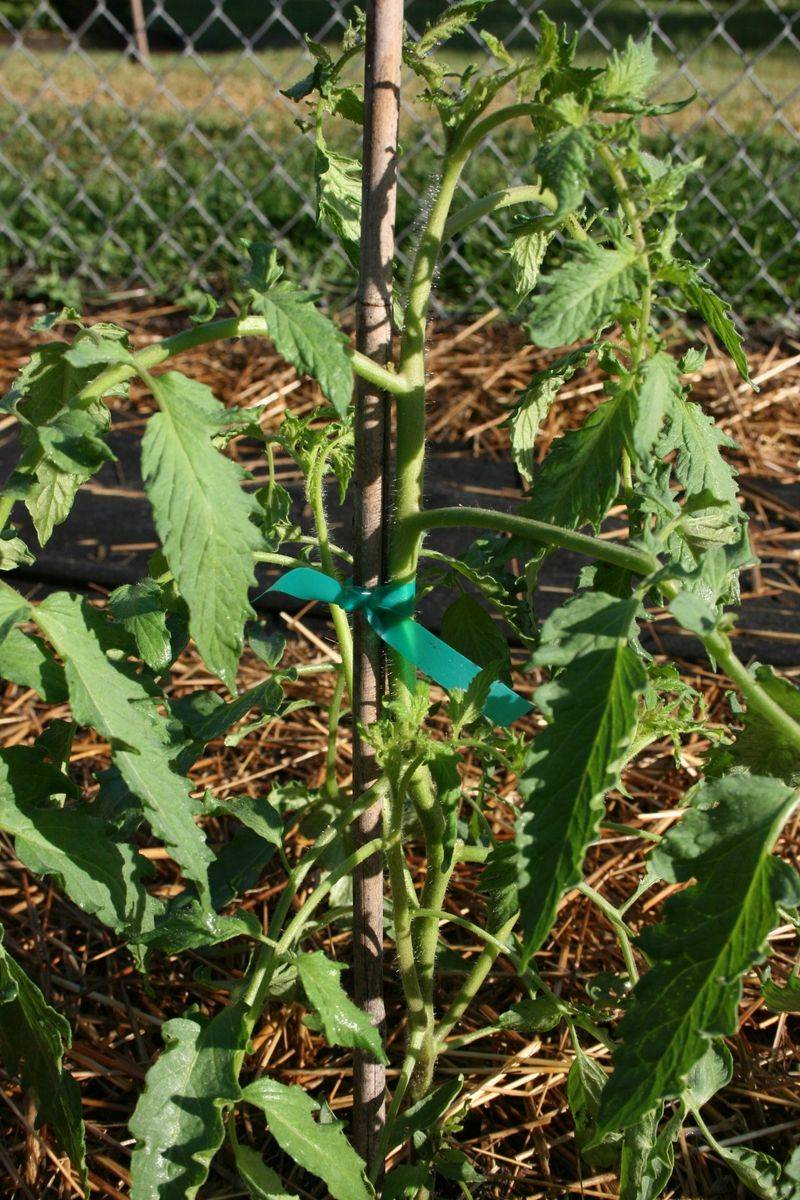
Once your tomatoes stop ripening and your bean plants look tired, it is time to let them go. From late August through October, many warm season crops slow down and stop producing anything useful.
Pulling these fading plants clears space and keeps your beds looking neat. Old, worn out plants can also attract pests and bugs that love hanging around soft, mushy fruit.
When you remove them early, you take away those hiding spots before insects settle in for the season.
Peppers, cucumbers, squash, and beans all reach a point where they simply cannot keep up with cooler temperatures.
Instead of leaving them to slump over and rot, gather them up and toss the healthy leftovers into your compost pile. That way, nothing goes to waste and your soil gets a future boost.
Michigan falls can be unpredictable, with sudden cold snaps arriving before you expect them. Clearing finished crops on a mild day is much easier than fighting frozen stems and slippery ground later on.
While you work, take a quick look at the soil underneath each plant. Loosening it gently and removing old roots helps the ground breathe and drain better.
Think of this step as saying goodbye to one chapter so the next one can begin. A clean, open bed feels full of promise, and it gives you a head start when spring finally rolls around and you are ready to plant fresh seeds again.
2. Leave Fall Crops Growing
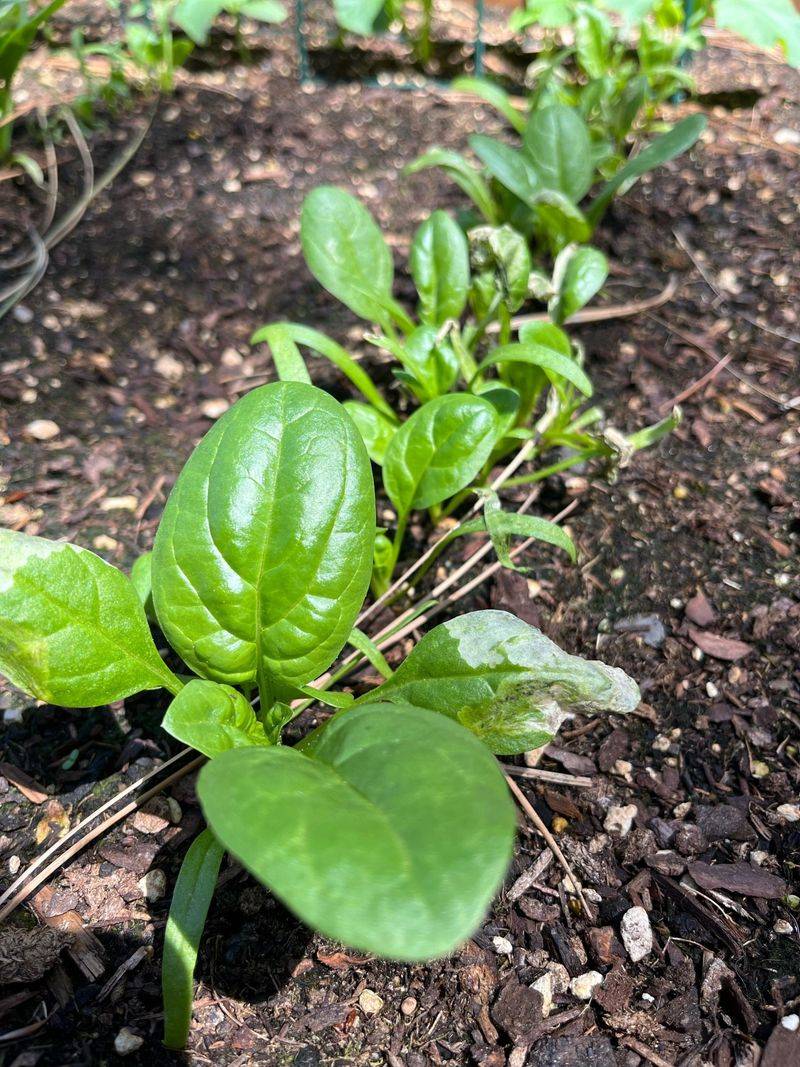
Not every plant needs to come out when the weather cools. Some vegetables actually love the chill and keep producing long after summer crops have quit.
Broccoli, chard, kale, carrots, beets, and other cool season favorites can stay right where they are as long as they keep growing strong. These hardy plants handle light frosts without any trouble, and many taste even sweeter after a cold night.
Carrots and beets store nicely in the ground, so you can pull them as you need them instead of harvesting all at once. That means fresh vegetables from your own backyard well into the fall months.
Michigan gardeners often get a nice surprise when leafy greens keep filling out during October. The cooler air slows down pests and helps leaves stay tender and crisp.
Your Michigan Garden Changes Every Week. Your Plan Should Too.
Gardening in Michigan changes quickly throughout the season. Every Friday you’ll receive a simple weekly plan showing exactly what to plant, prune, fertilize, harvest, and protect so you never miss the right timing.
You may find your fall harvest tastes better than anything you grew during the hot summer.
Keep an eye on the weather reports, though. If a hard freeze is coming, throw a light cover or old sheet over your plants to give them a bit of protection overnight.
Watering is still important, even when the days feel cool. Roots need moisture to keep pushing out new growth, so do not let the soil dry out completely.
Leaving these productive plants in place stretches your gardening season and gives you more meals from the same patch of dirt. It is a simple way to enjoy homegrown food while everyone else has already packed up their tools for winter.
3. Clear Out Diseased Plants
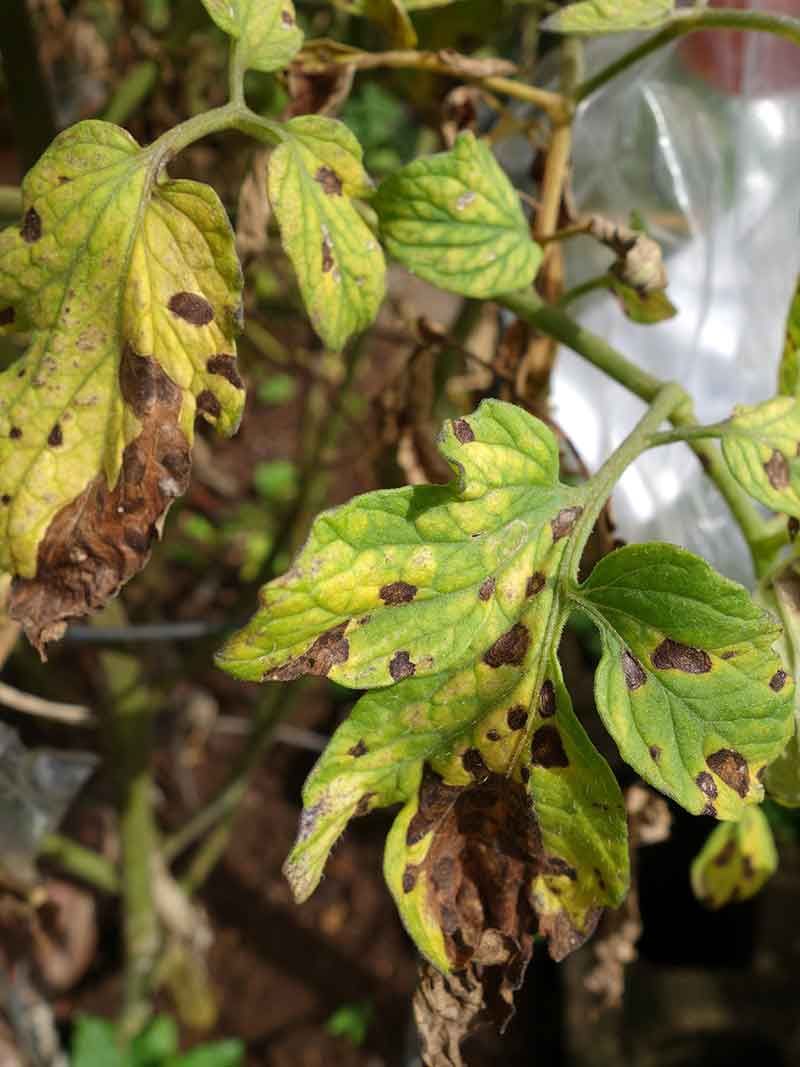
Spotty leaves, mushy stems, and strange fuzzy patches are all warning signs that a plant has picked up a disease. When you see these problems, act fast and get those plants out of your garden.
Leaving sick plants in place over winter is asking for trouble. Many plant illnesses hide in old leaves and stems, waiting quietly until spring to spread to your fresh new crops.
Fungus, mildew, and blight can survive the cold months tucked into fallen debris. By clearing everything out now, you break that cycle and give next year’s plants a much healthier start.
Here is one important tip: do not toss diseased material into your compost pile. Home compost usually does not get hot enough to destroy the germs, so those problems could end up right back in your beds.
Instead, bag it up and throw it in the trash or take it away from your yard.
Michigan’s damp fall weather makes plant diseases spread even faster. Wet leaves and cool nights create the perfect setting for mold and rot, so quick cleanup really matters here.
After you finish, wipe down your pruners and tools with a little rubbing alcohol. Clean tools stop you from accidentally carrying germs from one plant to another.
Taking this step protects the hard work you put in all season long. A garden free of sick plants heading into winter is a garden ready to bounce back strong, giving you healthier vegetables and fewer headaches next spring.
4. Pull Weeds Before They Seed
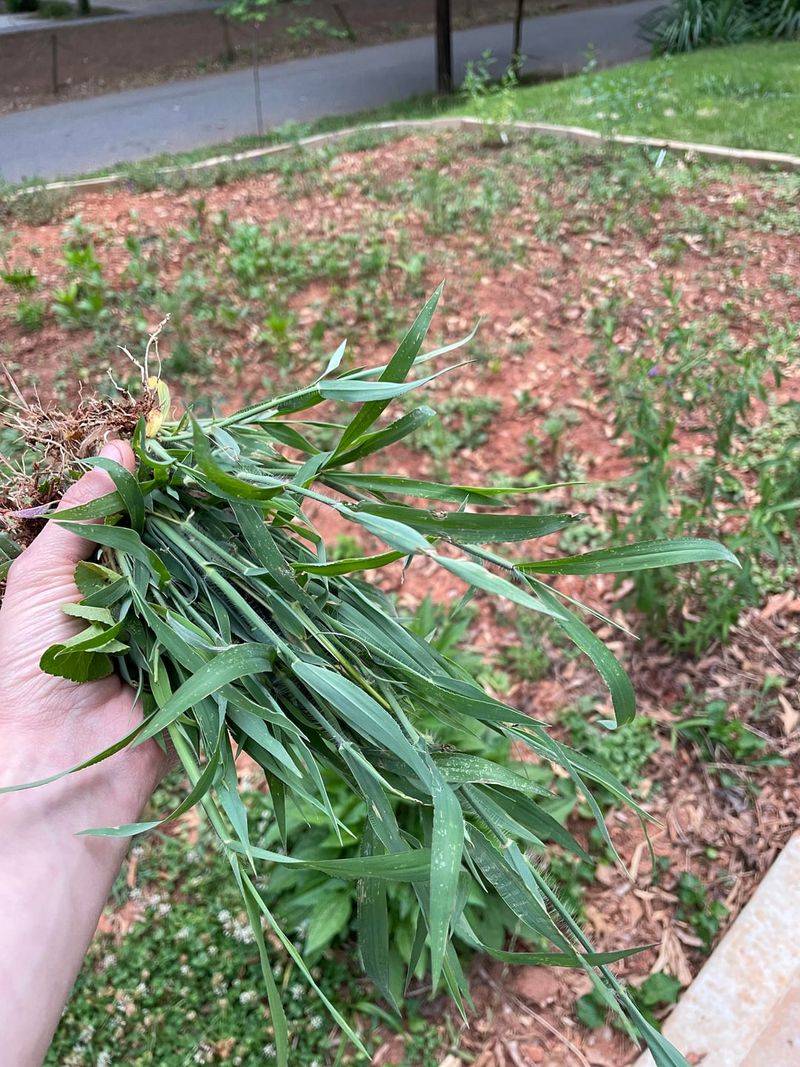
Weeds may look harmless now, but each one is packed with plans for next year. A single mature weed can drop thousands of tiny seeds, and every seed is a future problem waiting to sprout.
Getting them out before they scatter those seeds saves you hours of pulling next season. It is one of the smartest things you can do during fall cleanup.
Look for weeds that have gone to flower or formed little seed heads on top. These are the ones in a hurry to spread, so pull them first and handle them carefully so seeds do not fall off in your beds.
Fall soil is often soft and damp after a rain, which makes weeds slide out roots and all. Grab low near the base and pull slowly so you get the whole thing instead of leaving roots behind.
Michigan gardens can fill up with dandelions, crabgrass, and pigweed if you ignore them. Clearing these troublemakers now means far fewer of them crowding your vegetables come spring.
Try not to shake soil off the roots too much, since that can spread seeds around. Drop the pulled weeds straight into a bag or bucket to keep things tidy.
Once your beds are weed free, the ground looks clean and ready for whatever comes next. Adding a layer of mulch afterward helps block any stragglers from taking hold.
A little effort with weeds today gives you a much calmer, easier garden to manage when the warm weather returns.
5. Map Where Everything Grew
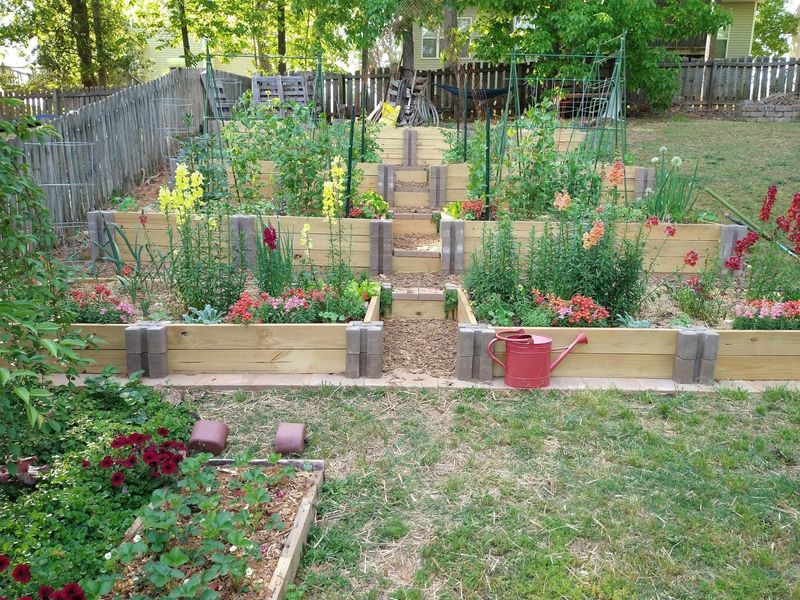
Your memory feels sharp now, but by next spring you will probably forget exactly where each crop lived this year. That is why jotting down a simple garden map is such a handy trick.
Sketch your beds on paper or in a notebook and mark where your tomatoes, peppers, beans, squash, and other crops grew. It only takes a few minutes and pays off big later.
Grouping plants by family matters more than you might think. Tomatoes and peppers belong together, while squash and cucumbers form another group, and beans and peas make their own team.
Knowing these locations helps you avoid planting the same family in the same spot year after year. That single habit cuts down on pests and diseases that build up in the soil when crops repeat.
Michigan gardeners who keep records often notice patterns over time. Maybe one corner grows amazing beans, while another area struggles with squash.
Writing it down turns those observations into useful clues. You can also note what worked well and what flopped. Did a certain tomato variety shine?
Did the peppers need more sun? Little details like these make you a smarter gardener each season.
Snap a few phone photos too, since pictures capture things your notes might miss. Store them in a folder you will actually find again.
A good map is like a treasure guide for your future self. When spring arrives and you are ready to plant, you will thank yourself for taking the time to write everything down this fall.
6. Plan Next Year’s Crop Rotation
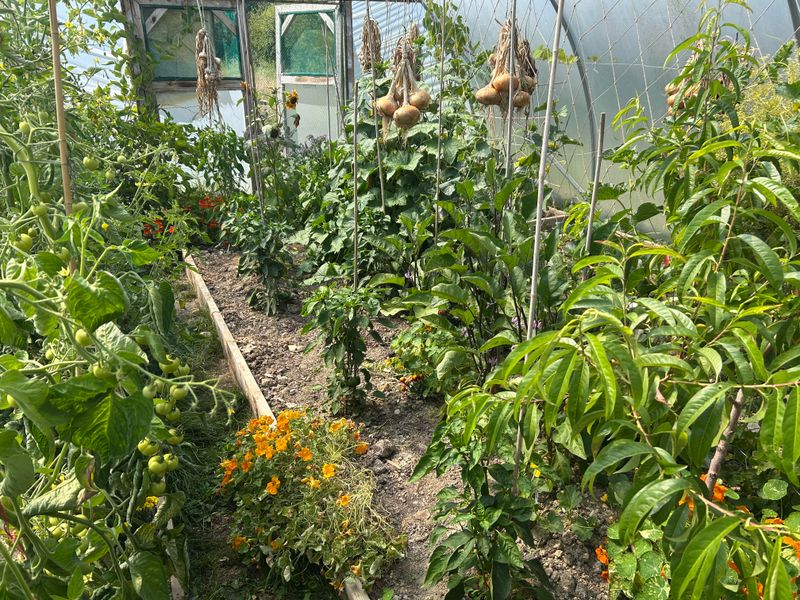
Moving your plants to new spots each year sounds simple, but it works like magic for a healthy garden. This practice is called crop rotation, and it has helped farmers for hundreds of years.
The idea is easy to understand. Pests and diseases that like one plant family tend to hang around in the soil, so if you plant the same crop in the same place, you invite those same problems back.
By switching where each family grows, you leave those pests without their favorite meal. Many of them fade away when they cannot find the plants they depend on.
Use the map you made to plan your moves. Where tomatoes grew this year, try beans next season, since beans actually add nutrients back into the soil that heavy feeders like tomatoes use up.
Michigan’s growing season is short, so smart planning helps you make the most of every bed. A little rotation now leads to stronger, more productive plants later.
Different plant families also use different nutrients and grow roots at different depths. Rotating them keeps your soil balanced instead of drained in one spot.
Try to wait at least three years before planting the same family in the same place again. That gap gives the soil plenty of time to recover and reset.
Think of it as giving each patch of ground a fresh job every season. Your vegetables stay healthier, your soil stays richer, and you spend far less time battling the same old troubles year after year.
7. Add Healthy Organic Material
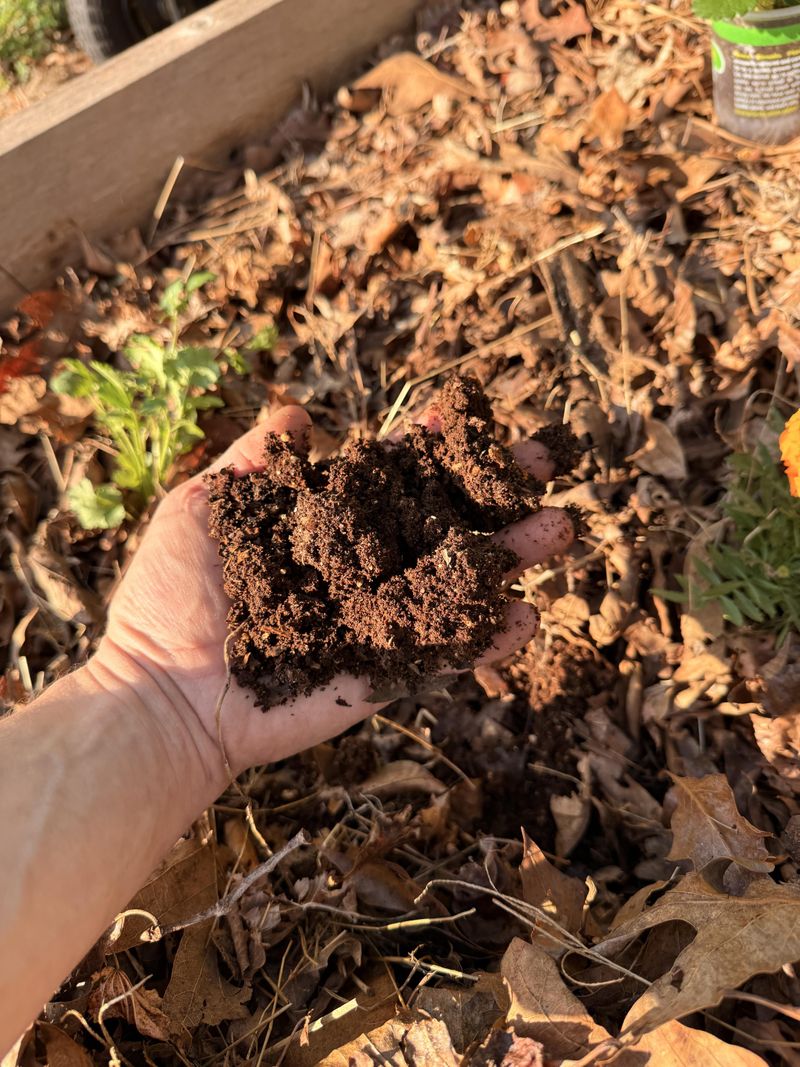
Empty fall beds are the perfect place to build better soil for spring. Adding organic material now gives it plenty of time to break down and enrich the ground before you plant again.
Finished compost is like a superfood for your garden. Spread a nice layer over your beds and let it work its way into the soil naturally over the winter months.
Chopped up leaves are another treasure, and Michigan yards have plenty of them this time of year. Run your mower over a pile to shred them, then scatter the pieces across your beds as a free, nutrient rich blanket.
Aged manure, grass clippings, and straw all make great additions too. These materials feed the tiny creatures and worms in your soil that keep it loose and full of life.
Worms are your quiet helpers underground. As they munch through organic matter, they leave behind rich castings that plants absolutely love.
Spreading this material in fall means you do not have to rush in spring. By the time you are ready to plant, the ground will feel soft, dark, and crumbly.
Try to avoid adding anything diseased or full of weed seeds, since that can create new problems. Stick to clean, healthy material for the best results.
A few inches of organic matter can transform tired dirt into a garden bed bursting with nutrients. Your plants will grow stronger, hold water better, and reward you with a harvest that makes all this effort completely worth it.
8. Start Next Year’s Garden Now
Everything you do this fall becomes a gift to the gardener you will be next spring. Cleanup, records, and rotation plans all come together to make your future work so much easier.
Picture springtime arriving with your beds already clean, your soil already fed, and your plan already written down. Instead of scrambling, you simply grab your seeds and get planting.
All those small tasks add up. Removing finished crops, clearing sick plants, and pulling weeds means fewer pests and diseases waiting to cause trouble when the weather warms.
Your garden map and rotation plan take the guesswork out of where things belong. No more standing in the yard wondering what grew where last year.
Michigan winters can feel long, but a well prepared garden gives you something exciting to look forward to. You might even flip through seed catalogs during the cold months, dreaming up new ideas.
Getting ahead now also protects you from repeating the same mistakes. Those notes about what worked and what did not become your personal gardening guide.
There is a real sense of calm in knowing your garden is ready. When friends are just starting their spring cleanup, you will already be watching your seeds sprout.
Little by little, these fall habits turn you into a better, more confident gardener. Each season builds on the last one, and your harvests keep improving.
So take that extra time this autumn. Your spring self will smile, your plants will flourish, and your garden will feel like it practically runs itself.