What Sudden Overnight Zucchini Growth In Indiana Says About Your Garden Conditions
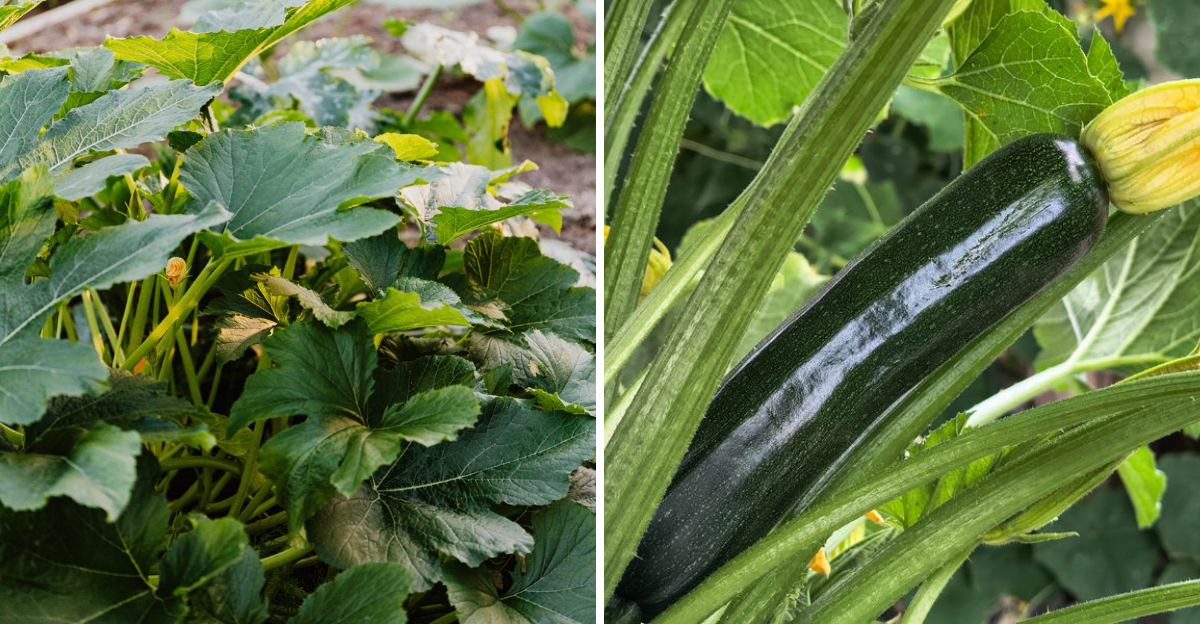
Overnight, your zucchini turned into something unrecognizable. Yesterday it barely poked above the soil.
Today it looks like a small marvel. Indiana gardeners recognize this shift immediately.
Heat, humidity, and heavy rain combine fast here. Nothing about this growth spurt happens randomly.
Rain soaks roots while humidity traps warmth close. Soil temperature quietly controls how fast cells divide.
Roots pull nutrients up the moment moisture arrives. Sunlight fuels the sugar that drives that expansion.
Moisture levels shift overnight across Indiana gardens. Temperature swings push zucchini into rapid growth.
Every inch gained reveals something about your soil. Watering habits shape that outcome more than luck.
Weather patterns decide when growth spurts happen fastest. Timing always matters more than effort ever could.
Your garden reacts to signals you rarely notice. Missing those signals affects flavor and texture.
Understanding this cycle changes how you harvest. You cannot afford to ignore what happens next.
Zucchini Growth Is Exponential Not Linear
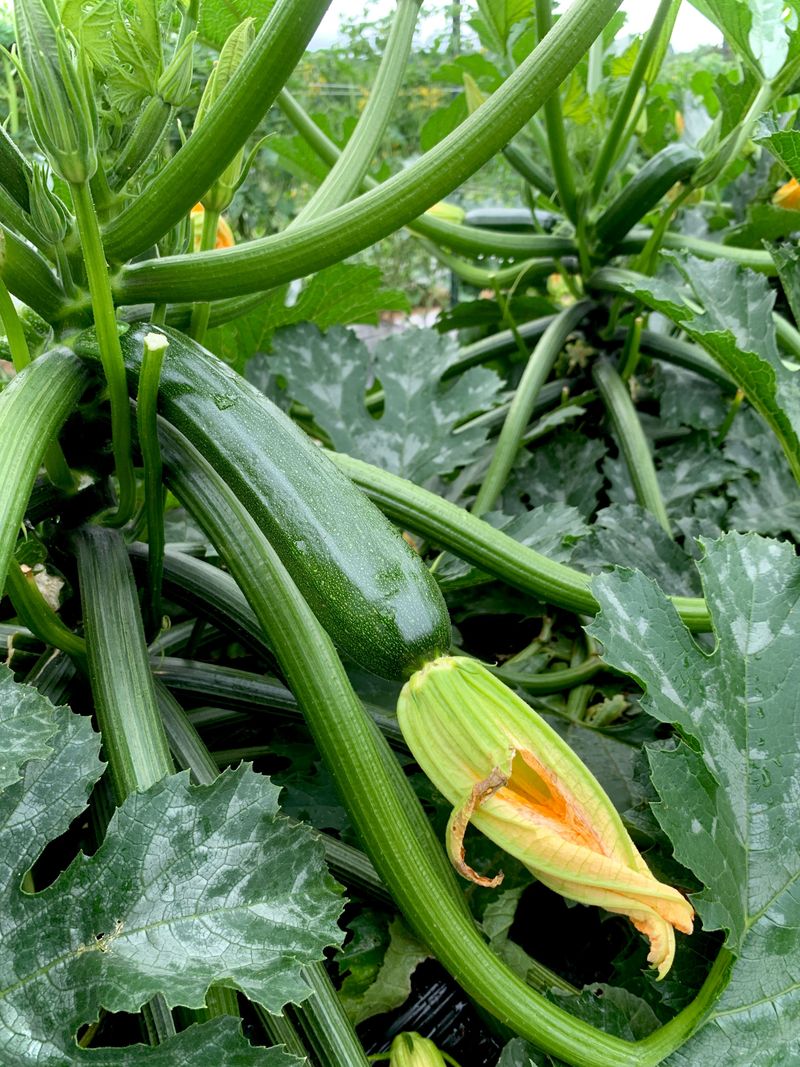
Most people expect plants to grow at a steady, predictable pace. Zucchini growth doesn’t follow that pattern.
Once a zucchini fruit sets, it does not grow a little each day at the same rate. Growth starts slow, then accelerates sharply once the fruit hits a certain size.
This pattern is often described as rapid late-stage growth, and zucchini is a well-known example of it. A fruit that measured two inches yesterday can grow several inches overnight under ideal conditions.
The plant has been storing energy through photosynthesis all day long. At night, when temperatures drop slightly, it redirects that stored energy directly into fruit development.
This is why sudden overnight zucchini growth in Indiana catches so many gardeners off guard. The plant was working hard all day, and you just were not watching.
Understanding this growth pattern changes how you approach your garden schedule. Checking plants every few days is simply not enough once fruits start forming.
Gardeners who know about this growth pattern check their zucchini plants daily without fail. Those who skip days end up with an oversized zucchini past its ideal harvest window.
The good news is that rapid growth is a sign of a healthy, well-fed plant. Your zucchini is not misbehaving, it is thriving exactly the way it should.
Lean into this knowledge and adjust your harvest timing accordingly. A plant growing fast is a plant worth celebrating.
Indiana Heat And Humidity Speed Up Growth

Indiana summers bring intense heat and humidity. The heat rolls in heavy, and the humidity makes everything feel thick and slow.
For zucchini, though, those conditions are highly favorable. Warm nights help keep the plant’s metabolism running efficiently.
When temperatures stay warm overnight, zucchini does not slow down the way it would in a cooler climate. Cell division continues at a rapid rate, and the fruit keeps expanding without pause.
Indiana’s average summer humidity also plays a big role in fast growth. High moisture in the air reduces the plant’s water stress, letting it focus energy on producing fruit instead of surviving.
Your Indiana Garden Changes Every Week. Your Plan Should Too.
Gardening in Indiana changes quickly throughout the season. Every Friday you’ll receive a simple weekly plan showing exactly what to plant, prune, fertilize, harvest, and protect so you never miss the right timing.
A zucchini plant under mild stress from dry air or cool nights will slow its fruit development noticeably. But in Indiana’s humid July heat, growth can accelerate noticeably overnight.
The combination of warm soil temperatures and humid air creates a favorable growing environment for squash. Warmer soil temperatures encourage more active root growth.
Active roots absorb nutrients faster, which feeds the plant more efficiently. More nutrients mean faster cell growth, which means bigger zucchini appearing seemingly out of nowhere.
Gardeners in cooler northern states rarely see this level of overnight growth. Indiana’s climate offers strong conditions for growing summer squash.
Your sweaty summer evenings are actually doing your garden a big favor. Embrace the heat, because your zucchini certainly does.
Hidden Fruit Under Leaves Goes Unnoticed

Zucchini plants can easily conceal their fruit. Large leaves often hide developing fruit from view.
Zucchini leaves can grow quite large, often covering significant ground. That is more than enough coverage to hide a fruit that has been growing for days.
When gardeners only glance at the top of the plant, they miss what is happening down below. Fruit tucked under the canopy of leaves can double in size before anyone notices it is there.
This is one of the most common reasons people find enormous zucchinis in their garden. The fruit was never invisible, it was just hidden from a casual look.
Getting down low and actually lifting leaves is the only reliable way to find every developing fruit. A quick walk past the plant is not an actual inspection.
Younger fruits hiding in shade also tend to grow faster than exposed ones. Shade keeps them cooler and reduces moisture loss through their skin, allowing faster cell expansion.
Once a fruit gets large enough to push through the leaf canopy, it has already been growing for quite some time. By then, it may already be past peak tenderness.
The best zucchinis for eating are harvested young, around six to eight inches long. Anything beyond that starts getting seedy and tough on the inside.
Make lifting leaves a habit every single morning. Your dinner plate will thank you for the extra thirty seconds of effort.
Rain And Fertilizer Trigger Growth Spurts
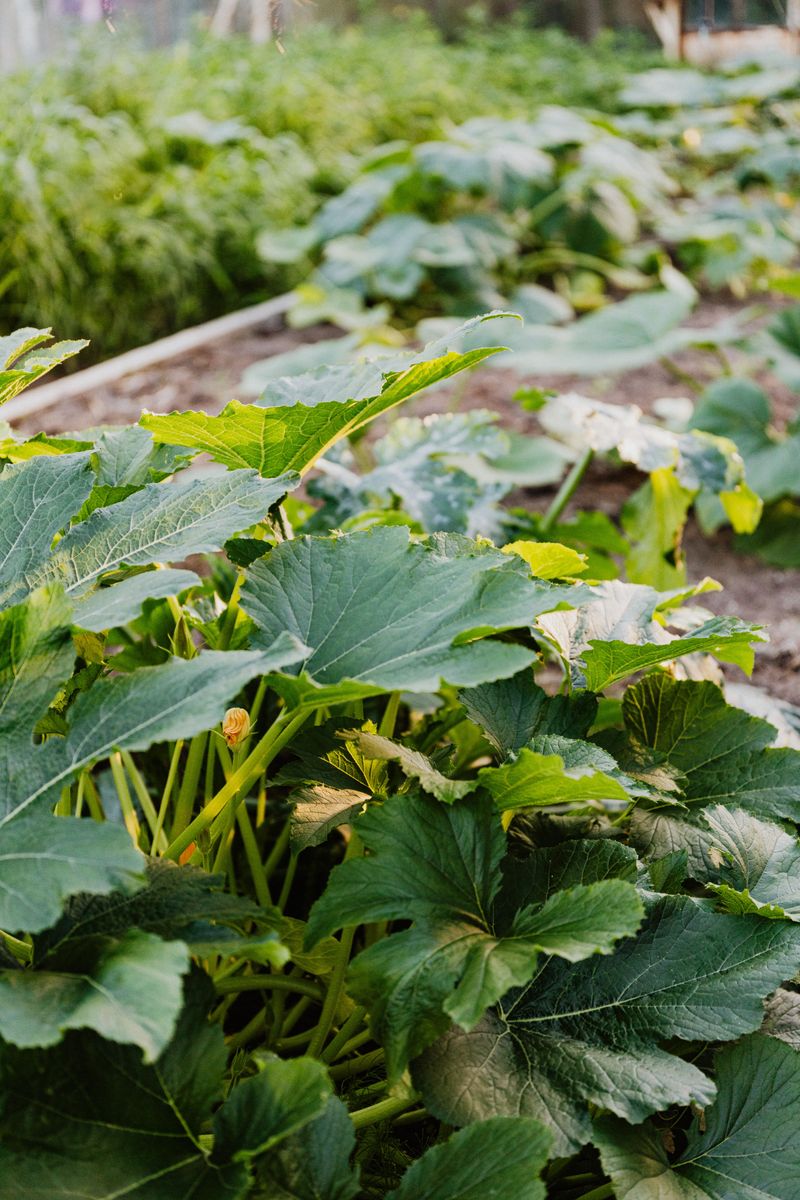
A good soaking rain after a dry stretch noticeably boosts plant activity. The plant responds quickly to added moisture.
Water is the main ingredient in plant cell expansion. When cells absorb water rapidly, they swell and enlarge, which is exactly what makes fruits grow fast overnight.
After a heavy Indiana summer storm, soil moisture levels spike quickly. The plant absorbs that water through its roots within hours, and fruit growth responds almost immediately.
Fertilizer adds another layer to this growth surge. Nitrogen encourages leafy growth, but phosphorus and potassium support faster fruit development.
If you fertilized your garden a few days before a big rainstorm, expect serious overnight growth. The rain helps dissolve and carry nutrients deeper into the root zone, making them more available.
Gardeners who use slow-release granular fertilizers often see timed growth surges after rain events. The water activates the fertilizer, releasing a fresh wave of nutrients all at once.
Liquid fertilizers work even faster when followed by rain. Roots absorb liquid nutrients relatively quickly, and fruit growth often responds soon after.
Paying attention to your fertilizing schedule alongside weather forecasts helps predict growth spurts. If rain is coming after a fertilizer application, plan to check your zucchini the very next morning.
Rapid growth after rain is your garden confirming that nutrients are available and the soil is healthy. That is a garden worth being proud of.
Why Overnight Growth Isn’t A Warning Sign
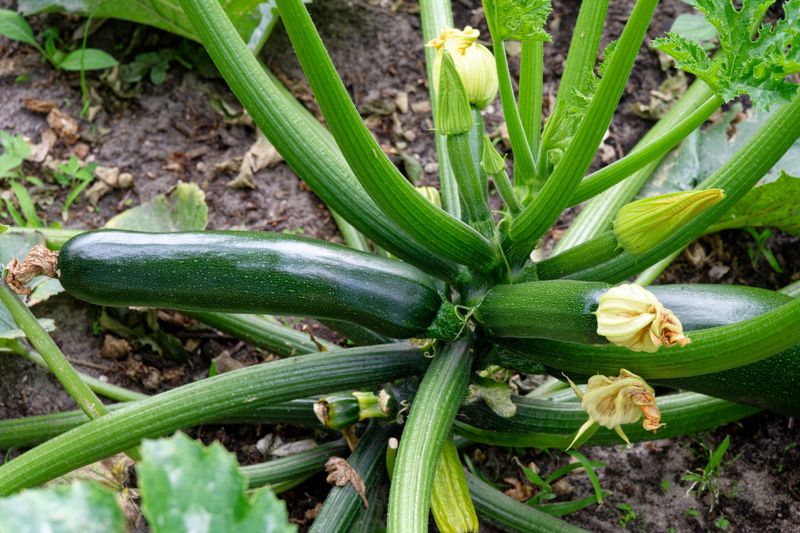
Finding a giant zucchini overnight can feel alarming the first time it happens. It seems like something went wrong, but the opposite is actually true.
Rapid growth is a sign that your plant is healthy, well-watered, and properly fed. A struggling plant does not produce fast-growing fruit, it barely produces at all.
Sudden overnight zucchini growth in Indiana is one of the clearest signals that your garden conditions are working in your favor. Soil structure, drainage, nutrients, and climate are all aligned.
Some gardeners worry that oversized zucchinis mean the plant is going to burn out quickly. In reality, continued harvesting typically encourages more fruit production.
Leaving an oversized fruit on the vine does send the plant a message, though. It signals that reproduction was successful, which slows down new fruit production naturally.
Removing large fruits promptly tells the plant to keep trying. More flowers form, more fruits set, and the growing season extends significantly.
A plant that looks wild and overgrown with huge leaves is actually just well-nourished. Large leaves mean the plant is capturing plenty of sunlight and converting it to energy efficiently.
Yellowing leaves or stunted fruits would be the actual warning signs to watch for. Big, green, fast-growing zucchini is simply a productive plant doing its job well.
Relax and enjoy the abundance your garden is offering. Fast growth is a reward, not a problem.
Daily Checks Prevent Oversized Zucchini

The single best habit any zucchini grower can build is checking the garden every single morning. Not every other day, not twice a week, every morning.
Given how fast sudden overnight zucchini growth in Indiana can happen, a one-day gap is all it takes to miss peak harvest. A six-inch zucchini today can become significantly larger by tomorrow.
Morning checks also let you catch problems early, like pest damage or powdery mildew starting on leaves. Early detection of anything means easier management before it spreads.
Bring a small basket or bag with you on each visit. Having a container ready makes it easier to harvest on the spot without making a second trip.
Check under every leaf, not just the obvious spots. Fruits hiding in the shade of the canopy are often the ones that slip past unnoticed and become oversized.
Harvesting young zucchinis, around six to eight inches, encourages the plant to set new fruits faster. The more frequently you harvest, the more the plant produces throughout the season.
Mark your calendar or set a daily phone reminder if you tend to forget. A thirty-second check each morning saves you from a refrigerator full of zucchinis nobody wants to eat.
Consistent harvesting also keeps the plant from exhausting itself trying to mature one giant fruit. The plant stays energetic and productive far longer into the season.
Consistent attention supports a more productive garden. Daily checks help ensure consistent harvests.