Avoid These Common Mistakes To Get Bigger Strawberry Harvest In Indiana
Your strawberry plants looked full and healthy all spring. Then you went out to pick, and came back with a half-empty bowl and a lot of questions.
It happens to Indiana gardeners more often than you’d think. The plants look healthy. The patch seems fine. But something keeps the harvest from reaching its potential, and it’s rarely obvious from a glance.
Most of the time, the culprit isn’t a disease or a pest. It’s something much quieter, a small decision made early in the season that compounds over time. By the time you notice, the damage is already done.
Each mistake on its own seems minor. Together, they quietly shrink your harvest before it ever starts.
Every one of these mistakes is fixable. Here’s what Indiana gardeners get wrong, and what to do instead.
1. Planting The Wrong Strawberry Variety For Indiana’s Climate
Not all strawberries are built the same, and Indiana’s climate has real opinions about which ones belong here. The Midwest brings cold winters, humid summers, and unpredictable spring frosts. Choosing the wrong variety is like wearing flip-flops in a snowstorm.
June-bearing varieties like Earliglow and Allstar are proven performers in this region. They produce one big, satisfying flush of fruit each early summer. Gardeners across the state swear by them for good reason.
Day-neutral varieties can work, but they tend to struggle more during Indiana’s hottest weeks. Heat stress cuts their production fast. You end up nursing plants instead of picking berries.
Everbearing types like Ozark Beauty offer a middle ground if you want fruit across a longer window. They won’t give you a single massive harvest, but they typically produce a second flush of fruit in late summer or early fall.
That flexibility suits some gardeners just fine.
Check with your local Cooperative Extension office before buying. They track which varieties perform best in your county’s specific conditions. That free advice can save you an entire season of disappointment.
Avoid buying generic berry plants from big-box stores without checking the variety name. Those plants often come without clear labels. You might end up with something bred for the Pacific Northwest instead of the Midwest.
Matching your variety to the local climate is one of the most impactful decisions you can make before the season starts. A bigger strawberry harvest in Indiana starts before you ever put a plant in the ground. Pick smart and the rest gets easier.
2. Burying The Crown Too Deep In The Soil
The crown is the small, knobby center of a strawberry plant where the leaves meet the roots. It looks almost unremarkable, but it controls everything. Bury it too deep and your plant quietly struggles without giving you a single obvious clue why.
When the crown sits below the soil line, it stays too moist. Rot sets in fast, especially during Indiana’s wet springs. The plant might survive but it won’t thrive.
On the flip side, planting too shallow exposes the crown to drying wind and harsh sun. The roots have nowhere to anchor properly. Plants pop right out of the ground after a frost heave.
Your Indiana Garden Changes Every Week. Your Plan Should Too.
Gardening in Indiana changes quickly throughout the season. Every Friday you’ll receive a simple weekly plan showing exactly what to plant, prune, fertilize, harvest, and protect so you never miss the right timing.
The sweet spot is right at the soil surface. Half the crown above, half below. That simple rule solves most planting problems before they start.
Use your finger to feel the crown before backfilling the hole. Press the soil gently around the roots without covering that center nub. It takes about ten extra seconds and makes a real difference.
After planting, check your crowns again after the first good rain. Soil settles and can shift the crown position. A quick adjustment early beats a struggling plant all season long.
New gardeners often press too hard when firming the soil and accidentally push the crown under. Go easy and slow. Treat that little crown like it is the most important part of the plant, because it absolutely is.
Getting this detail right gives your plants a strong start. Strong starts mean healthy runners, bigger fruit, and a harvest worth bragging about to your neighbors.
3. Skipping The First-Year Bloom Removal
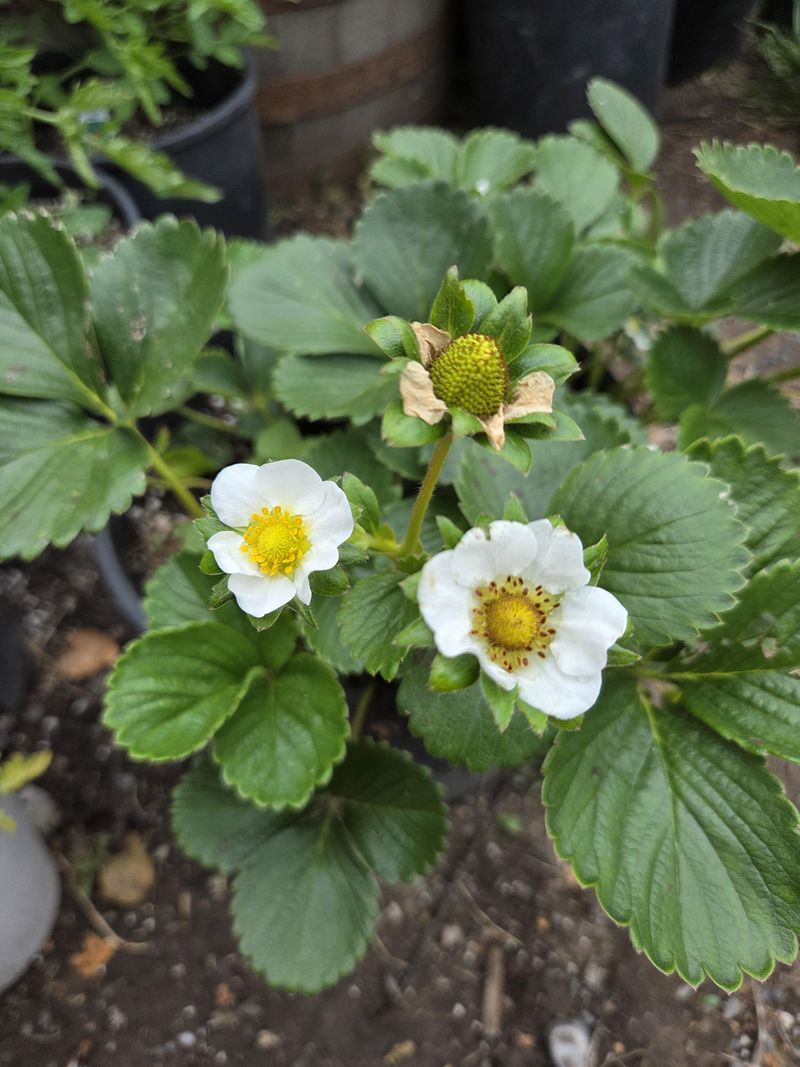
Seeing those first white blossoms pop up on your new strawberry plants feels exciting. Every instinct tells you to leave them alone and let nature do its thing. Resist that urge anyway.
Removing blossoms during the first growing season is one of the best things you can do for long-term production. It redirects the plant’s energy away from making fruit and toward building roots.
Stronger roots mean a much bigger strawberry harvest starting in year two.
A first-year plant that fruits uses up energy it desperately needs for establishment. The berries it produces are usually small and disappointing anyway. You sacrifice a whole future season of abundance for a handful of sad little strawberries.
Pinch off every flower as soon as it appears from early spring through late June. After that point, some growers let late-season blooms go on June-bearing types. By then the plant has built enough of a foundation to handle a small fruit load.
It feels wasteful in the moment, but experienced growers treat it as a non-negotiable step. Think of it like pruning a young fruit tree. Short-term restraint pays off in a big way later.
Keep a close eye on your plants during that first season because blooms can appear quickly. Missing even a few lets the plant start putting energy in the wrong direction. A weekly walk-through of the patch keeps things on track.
This habit alone can make a noticeable difference in how much fruit you bring in by midsummer. Patience in year one is the real secret ingredient.
4. Planting In A Spot With Too Much Shade
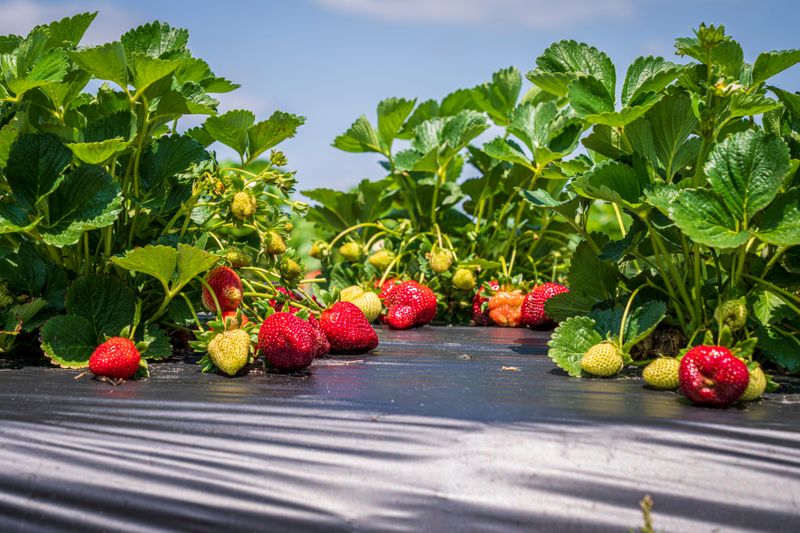
Strawberries are sun lovers, plain and simple. They need at least six to eight hours of direct sunlight most days to produce well. Plant them in the wrong spot and watering or fertilizing can only do so much.
Shade causes plants to grow tall and spindly as they reach for light. That stretching wastes energy that should go toward fruit production. You end up with lots of leaves and very few berries.
Fruit that does form in shady spots tends to stay pale and underdeveloped. The sugars that make strawberries taste amazing need sunlight to develop. A shaded berry is usually a bland berry.
Walk your yard at different times of day before picking your planting spot. Morning shade from a fence is different from afternoon shade from a big oak tree. Track where full sun actually falls for a full day before committing.
South-facing beds are usually the safest bet in Indiana. They catch the most direct light throughout the growing season. Even a few extra hours of sun per day adds up to noticeably more fruit.
If your yard is mostly shaded, consider raised beds placed in the sunniest corner you can find. Containers on a sunny patio work well too. Flexibility with placement beats settling for a shady spot that will never perform well.
Giving your plants the light they crave is a free upgrade with no downside. Sun is the engine that runs the whole operation. Choose your location wisely and your plants will reward you generously.
5. Letting Runners Take Over During The Season
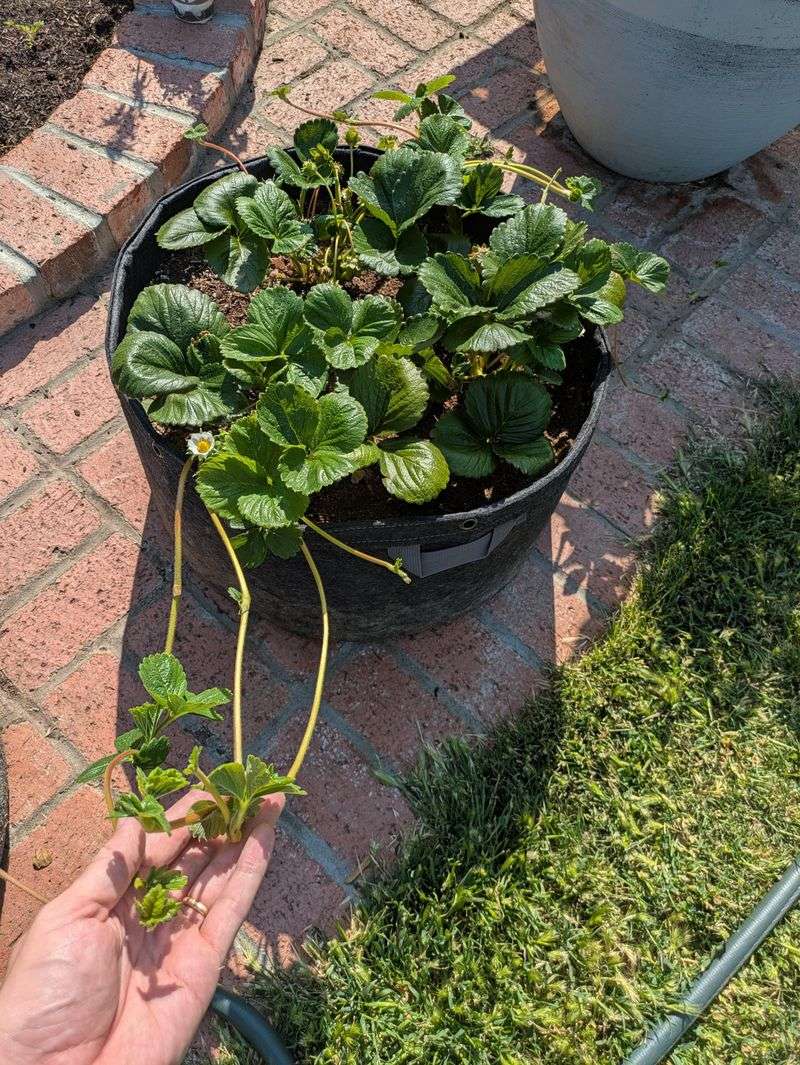
Strawberry runners look innocent at first. They are those long, thin stems that shoot out from the mother plant and creep across the soil like curious little fingers. Left unchecked, they will quietly drain your harvest potential all season long.
Every runner that forms pulls energy from the mother plant. That energy could be going straight into producing bigger, juicier fruit. The more runners you allow, the smaller your berries tend to get.
A bed overrun with runners also becomes a tangled mess fast. Air circulation drops and moisture gets trapped near the crowns. That wet, crowded environment is exactly where fungal problems like gray mold love to start.
During the fruiting season, remove runners as soon as you spot them. Use small garden scissors or just pinch them off with your fingers. Check the bed every week or two because they appear quickly during warm stretches.
After the harvest wraps up in late June, you can selectively allow a few runners to root in prepared spots. This is how you naturally expand your patch for next year. Strategic runner management gives you both great fruit now and new plants for later.
The rule of thumb most experienced growers follow is to allow each mother plant to keep just two or three runners per season for propagation. Any beyond that get removed. Discipline here pays off in berry size and plant health.
Think of runner control as one of the easiest maintenance tasks in the patch. A few minutes every couple of weeks keeps your plants focused on what you actually want from them.
6. Forgetting To Mulch Before Indiana Winters
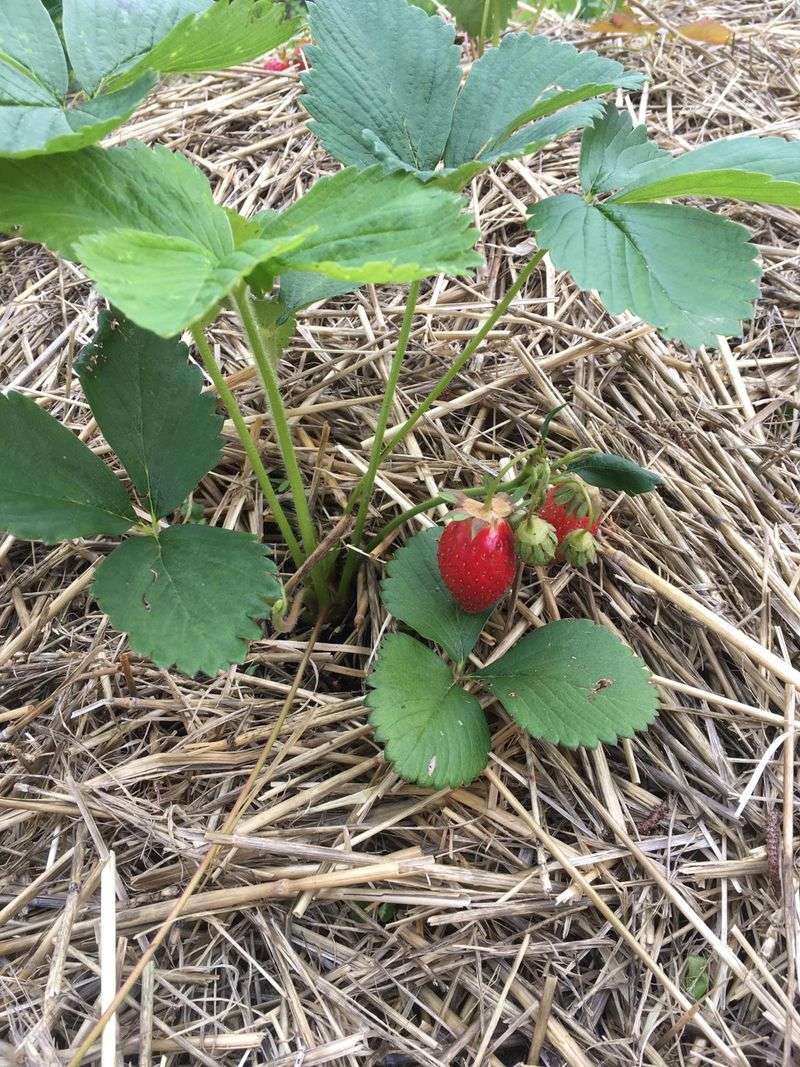
Indiana winters can be brutal, and strawberry plants are not nearly as tough as they look. Bare crowns exposed to repeated freezing and thawing cycles get heaved right out of the soil.
Straw mulch is the traditional solution and it works beautifully. A layer about two to three inches deep insulates the crowns and buffers plants against the wild temperature swings the Midwest is famous for.
Apply your mulch after the plants have experienced a few light frosts in late fall. That timing hardens the plants off naturally before you tuck them in.
Straw is the preferred material because it stays loose and allows some airflow. Leaves mat down and trap too much moisture, and hay carries weed seeds that will sprout right in your berry bed come spring.
In early spring, rake the mulch back gradually as temperatures warm up. Late frosts can still sneak in during March and April, so keep some straw nearby to toss back over plants if needed.
Gardeners who skip mulching often wonder why their established plants seem weak the following year. Winter damage is subtle but real, a bag of straw costs a few dollars and protects an entire season’s worth of effort.
Mulching is one of those small habits that pays back far more than the effort it costs. Protect your plants through the cold months and they will come back strong in spring.
7. Overfertilizing With Nitrogen In Spring
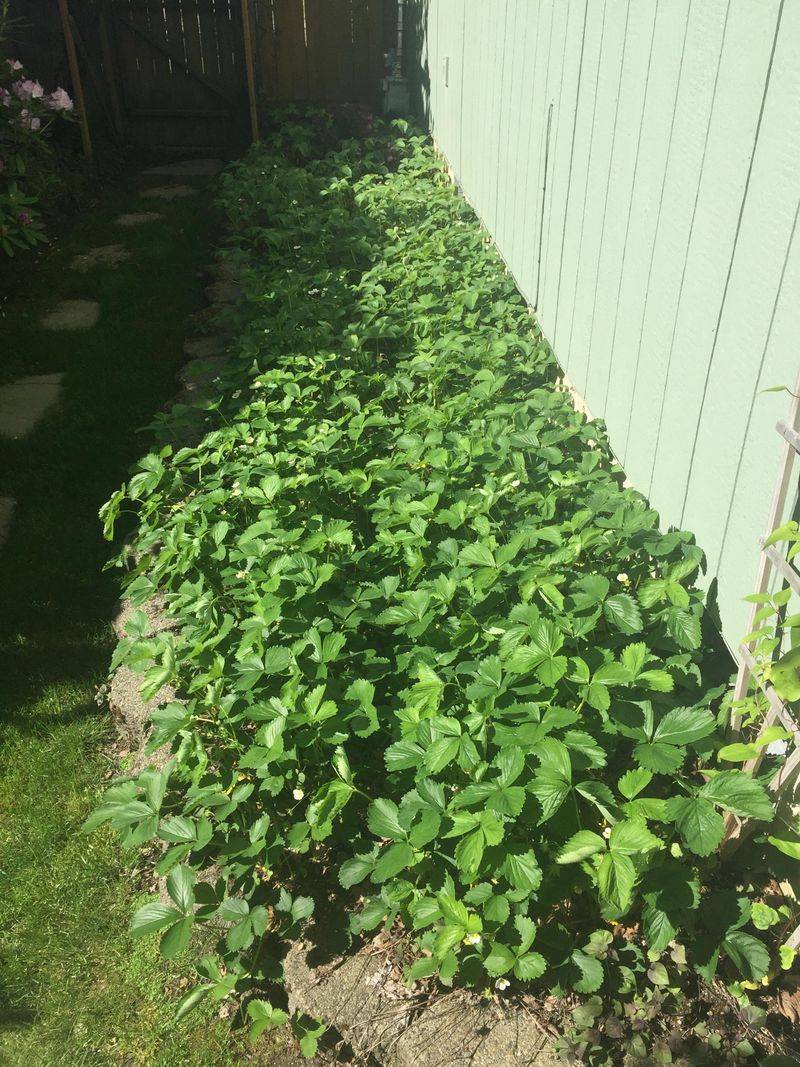
Nitrogen fuels leafy growth, but too much of it during flowering season works against you. Your plants push out lush, dark green foliage that looks impressive and produces almost nothing.
That vegetative surge redirects energy away from flower and fruit development. You end up with a patch that looks like a jungle but delivers a fraction of the harvest you expected. Big leaves and few berries is the classic sign of nitrogen overload.
Strawberries have modest fertilizer needs compared to many garden vegetables. A light application of balanced fertilizer in early spring is usually plenty. Something like a 10-10-10 blend applied according to package directions gives them a gentle push without overdoing it.
Avoid fertilizing once plants start blooming. That timing sends the wrong signal to the plant at exactly the wrong moment. Wait until after the main harvest to apply any additional nutrients if the plants look like they need a boost.
Soil testing is the most reliable way to know what your patch actually needs. Your local extension office offers affordable testing services. Guessing at fertilizer needs is one of the most common and costly garden habits to break.
Compost worked into the bed before planting provides a slow, gentle nutrient release that rarely causes problems. It also improves drainage and soil structure at the same time.
Restraint with nitrogen is a counterintuitive skill that experienced growers develop over time. Feed the soil well, apply fertilizer lightly, and let the plants tell you what they need. Your harvest numbers will reflect that discipline clearly.
8. Harvesting Too Late In The Season
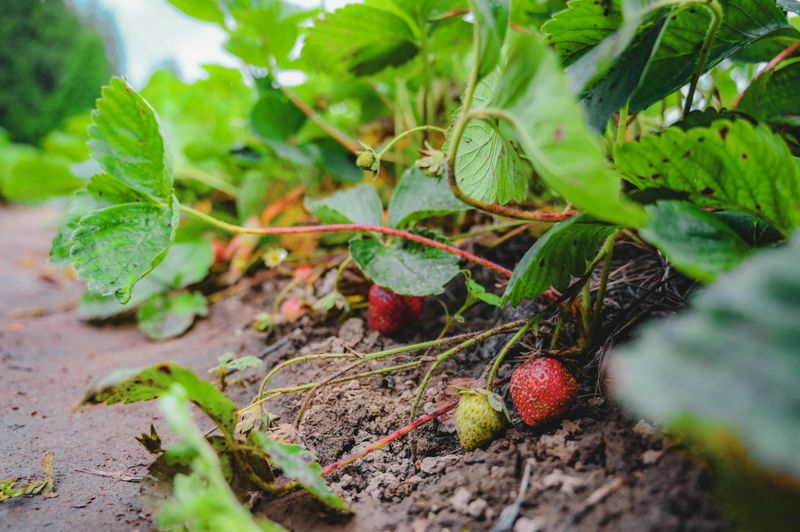
Strawberries do not wait around for you to get around to picking them. Once a berry reaches full color and softness, the clock starts ticking fast. Waiting even a day too long can take a perfect berry to a mushy one fast.
Overripe strawberries attract insects and mold almost immediately. A single rotting berry left on the plant can spread gray mold to its neighbors within a day or two. Staying on top of picking protects the whole patch, not just the individual fruit.
Check your bed every day or every other day during peak harvest. June-bearing varieties produce heavily for a few weeks and then they are done. Miss that window and you miss the season entirely.
Pick in the morning after the dew has dried but before the afternoon heat sets in. Berries are firmest and most flavorful at that time of day. Heat softens them quickly and makes them harder to handle without bruising.
A ripe strawberry pulls away from the stem with almost no effort. If you have to tug hard, give it one more day. The stem should snap cleanly, not stretch or tear.
Harvest with the green cap and a short bit of stem still attached. This keeps the berry fresh longer after picking. Removing the cap before storage causes the fruit to lose moisture and degrade faster.
A bigger strawberry harvest in Indiana is not just about how many berries your plants produce. It is also about how many you actually capture before they pass their prime. Pick often, pick early in the day, and enjoy every single one while they last.