What It Really Means When Trees In Connecticut Shed Leaves Before Fall
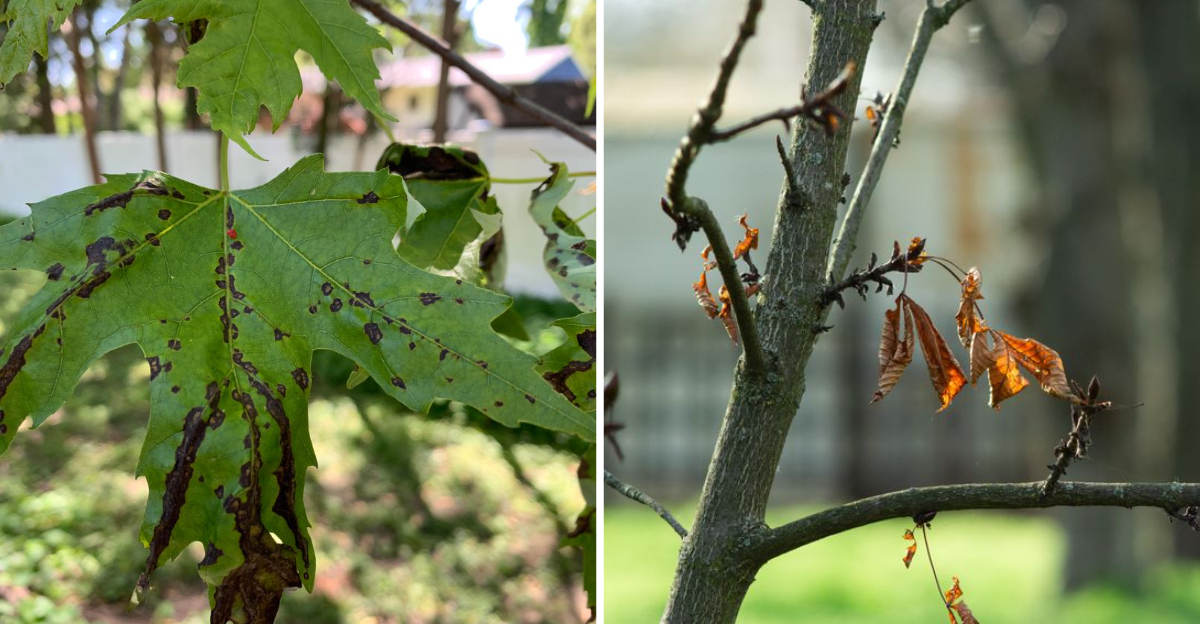
The grass crunches with leaves that have no business falling in August. You count three, then six, then stop counting.
Connecticut summers play tricks like this more than people expect. A tree can look fine one week and start shedding the next, for reasons that have nothing to do with fall.
Some of these reasons barely matter. A little stress, a little heat, nothing your tree can’t shrug off on its own. Others are the kind that quietly lead to costly removal fees if nobody catches them in time.
The Natural Triggers Behind Early Leaf Drop
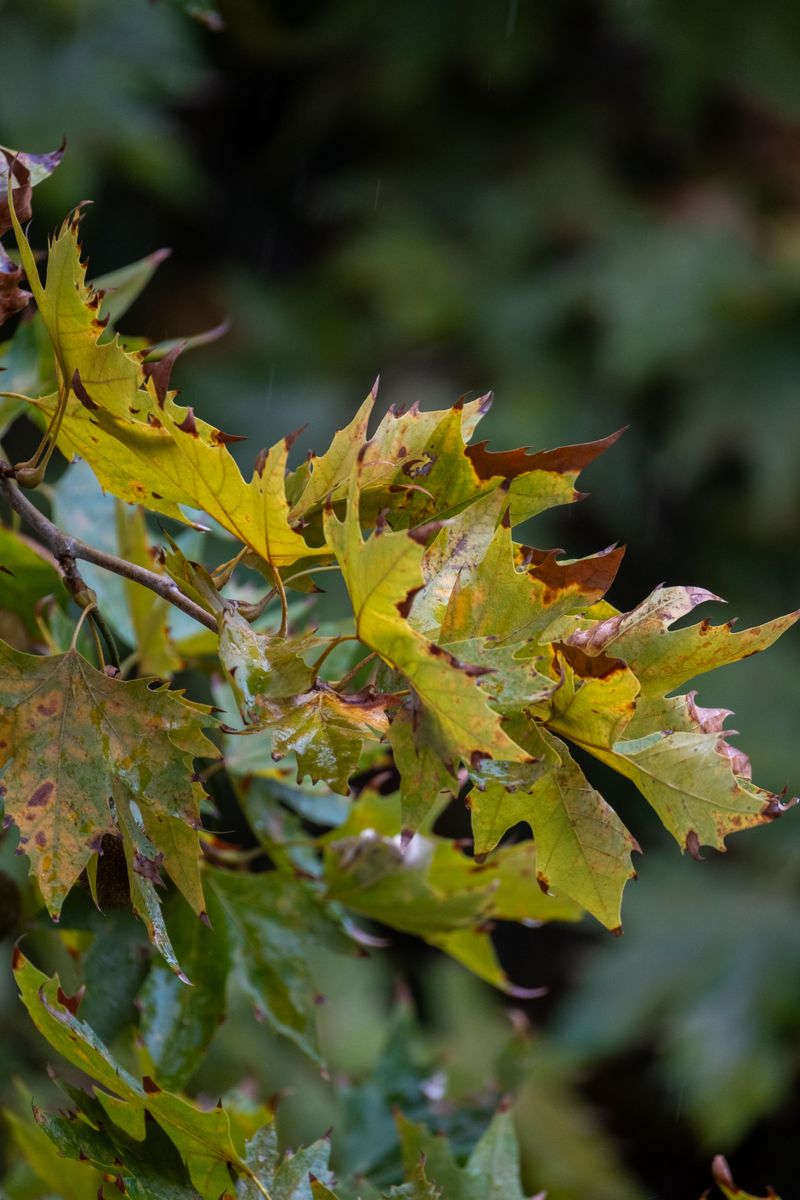
Leaves hitting the ground before October can feel alarming. Trees in Connecticut shed leaves before fall for reasons that are sometimes natural and expected.
One of the biggest natural triggers is photoperiodism. Trees sense shorter days and begin shutting down leaf production, even when temperatures feel like summer.
Some species are hardwired to start this process weeks ahead of schedule. A sugar maple, for example, may begin dropping foliage in late August without any health problems at all.
Drought is another built-in trigger. When soil moisture drops, a tree protects itself by releasing leaves to reduce water loss through its canopy.
Pest pressure from insects like aphids or spider mites can also push a tree to shed early. These tiny bugs stress the leaf tissue until the tree simply lets go.
Fungal spores released during wet spring weather can cause leaf spots that lead to premature drop by midsummer. The tree is not panicking; it is problem-solving.
Root competition from nearby plants or pavement can also limit water uptake. A stressed root system sends a signal upward, and the leaves respond first.
Sudden heat spikes play a role too. When temperatures climb fast after a mild stretch, a tree may drop leaves just to ease the strain on its system.
Natural triggers are the tree’s way of managing resources under pressure. Recognizing these patterns helps you stay calm and make smarter choices about care.
Weather Stress Factors Common In Connecticut Summers
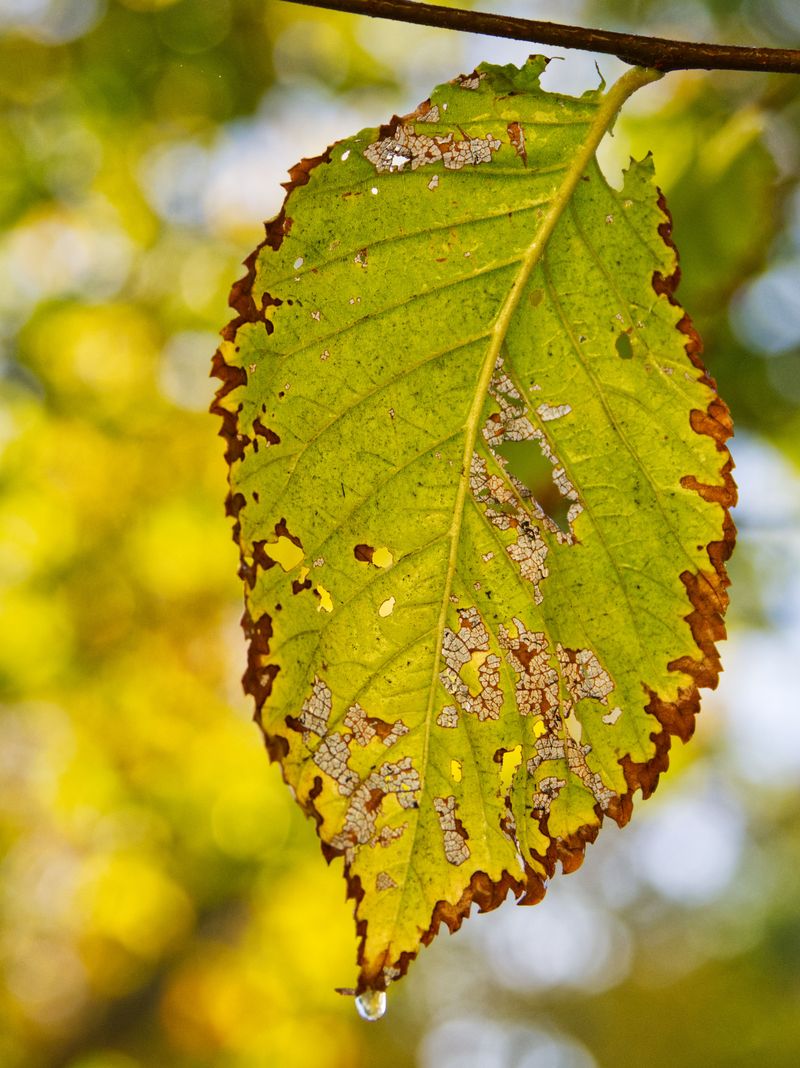
Connecticut summers have gotten unpredictable, and trees feel every shift. Heatwaves, flash droughts, and heavy rainstorms all create stress that can push leaves off branches weeks early.
Extended heat above 90 degrees forces trees to close their pores to save moisture. When those pores stay shut too long, leaves begin to yellow and fall.
Flash droughts are especially tricky in this region. Rainfall can seem adequate one week, then vanish for three weeks, leaving roots scrambling for moisture.
Saturated soil after heavy storms is equally damaging. Roots sitting in waterlogged ground cannot absorb oxygen, and stressed roots mean stressed leaves.
High humidity combined with heat creates a breeding ground for fungal issues. Powdery mildew and anthracnose thrive in these conditions and trigger early leaf drop fast.
Wind events, including strong thunderstorm gusts, physically tear leaf tissue. Damaged leaves cannot photosynthesize efficiently, so the tree drops them to preserve energy.
Rapid humidity drops right after a storm passes can pull moisture straight out of leaf tissue. Roots can’t replace it fast enough, and the tree responds by shedding early.
Your Connecticut Garden Changes Every Week. Your Plan Should Too.
Gardening in Connecticut changes quickly throughout the season. Every Friday you’ll receive a simple weekly plan showing exactly what to plant, prune, fertilize, harvest, and protect so you never miss the right timing.
Late spring frosts, which still happen in Connecticut, can damage new leaf growth early in the season. Those frost-damaged leaves often fall by July or August.
Paying attention to the season’s weather patterns gives you important context. When trees in Connecticut shed leaves before fall, the summer’s conditions are often the first place to look for answers.
Distinguishing Normal Shedding From A Tree Health Issue
Not every pile of fallen leaves means trouble, but knowing the difference is genuinely useful. Normal shedding tends to be gradual, even, and spread across the whole canopy.
A healthy tree drops older interior leaves first, not the young growth at branch tips. If you see yellowing starting from the inside out, that is often a good sign.
A sick tree tells a different story. Leaves may drop from the outer tips inward, or fall from one side of the canopy only.
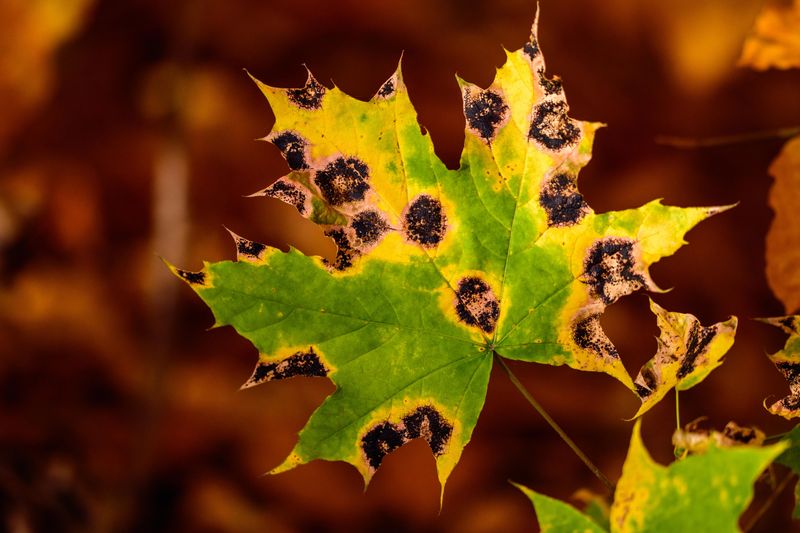
Color matters a lot here. Natural shedding produces yellow or golden tones, while disease or pest damage often creates brown, black, or spotted patterns before leaves fall.
Check the timing, too. A tree losing leaves in June or July is more concerning than one dropping foliage in late August or early September.
Bark condition is another clue. Healthy bark looks firm and intact, while cankers, cracks, or soft spots suggest something more serious is happening beneath the surface.
Branch decline is the clearest warning sign. When entire branches go bare while others stay leafy, the tree may be struggling with a systemic issue.
Grab a fallen leaf and examine it closely before assuming the worst. Most of the time, a simple visual check gives you enough information to decide whether to call an arborist or just rake and relax.
Tree Species Most Likely To Drop Leaves Early
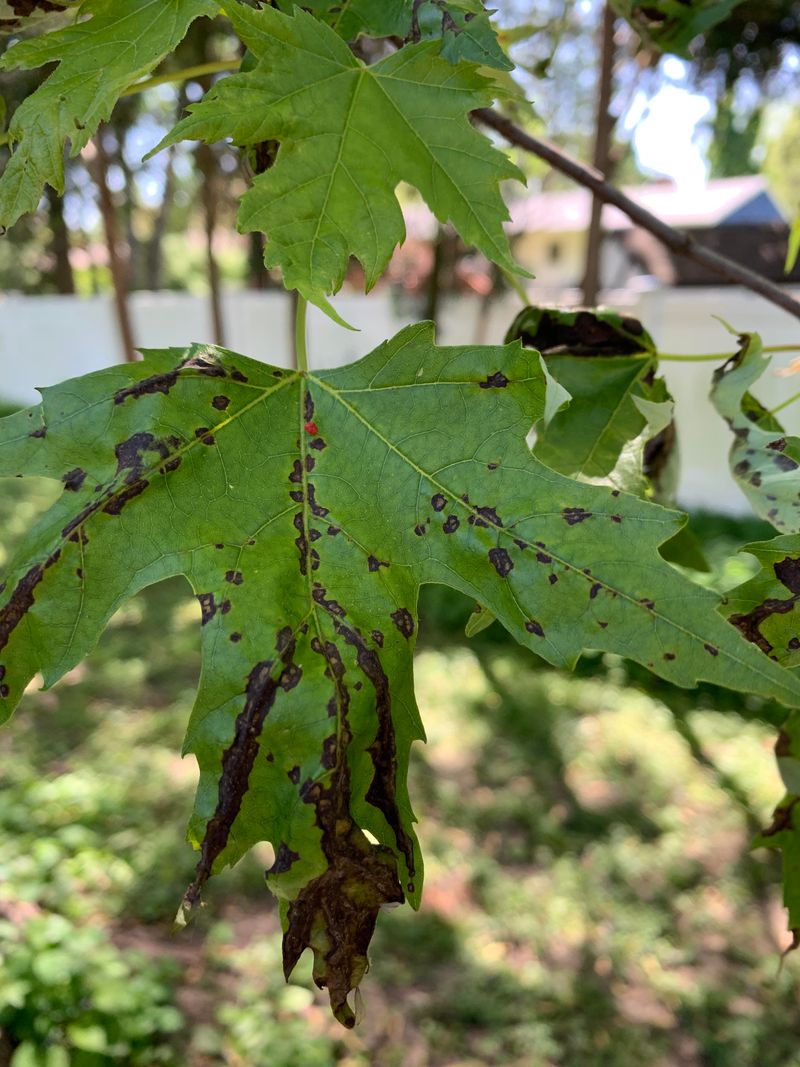
Some trees are just more dramatic than others when summer gets rough. Certain species in Connecticut are known for shedding leaves early, and it happens almost every year.
Silver maples are notorious for this behavior. They are sensitive to drought and heat, and they drop foliage at the first sign of serious stress.
River birches follow a similar pattern. These trees naturally shed some inner leaves in late summer, which surprises many homeowners who have not seen it before.
Horsechestnut trees are another common culprit. A fungal issue called leaf blotch causes them to look nearly bare by August in many Connecticut neighborhoods.
Crabapple trees are prone to apple scab, a fungal disease that causes heavy leaf drop well before autumn arrives. Wet springs make this problem significantly worse.
Black walnuts release leaves early partly due to their own chemistry. They produce a compound called juglone that stresses nearby plants and can contribute to the tree’s own early leaf drop.
White ash trees, already weakened by emerald ash borer damage across the region, drop leaves early as the pest disrupts their vascular system from the inside.
Knowing your tree species helps you set realistic expectations. Some of these early droppers are perfectly fine, while others may need targeted treatment to stay strong through the growing season.
Steps To Support A Stressed Tree’s Recovery
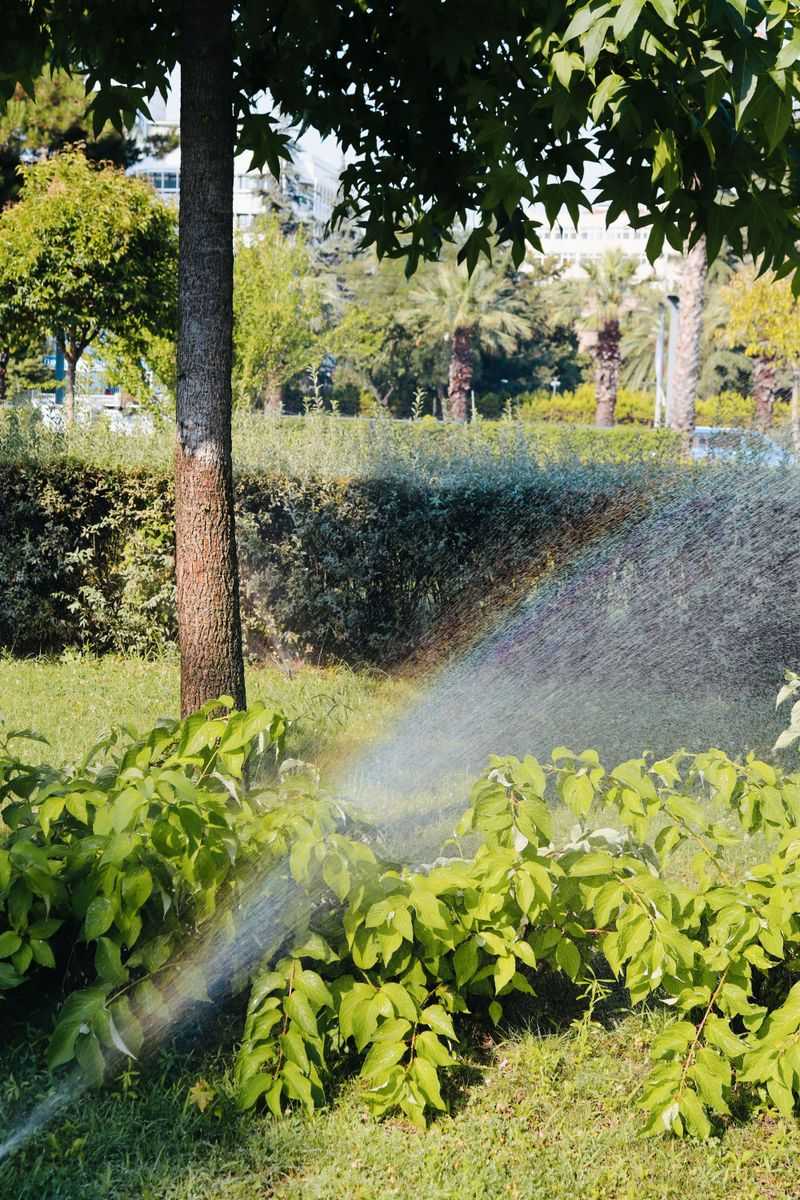
A stressed tree is not a lost cause, and there is plenty you can do right now. The fastest way to help is to focus on the root zone, because that is where recovery begins.
Start by adding a 3-inch layer of organic mulch around the base. Keep it a few inches away from the trunk to avoid moisture buildup against the bark.
Deep watering two times a week is far more effective than daily shallow watering. You want moisture to reach 12 to 18 inches below the surface where roots actually absorb it.
Avoid fertilizing a stressed tree mid-summer. Fertilizer pushes new growth, and new growth demands energy that a struggling tree simply does not have to spare right now.
Prune away any clearly broken branches to reduce the load on the tree. Clean cuts heal faster and lower the risk of disease entering through damaged wood.
Check your soil drainage if waterlogging is a concern. Aerating compacted soil around the root zone can dramatically improve oxygen flow to stressed roots.
Avoid any unnecessary digging, construction, or foot traffic near the root zone. Roots extend well beyond the canopy edge, and compaction makes recovery much harder.
Consistency is the real secret to helping a stressed tree bounce back. Steady care over several weeks does far more good than one dramatic intervention on a single afternoon.
Serious Warning Signs Behind Early Leaf Loss
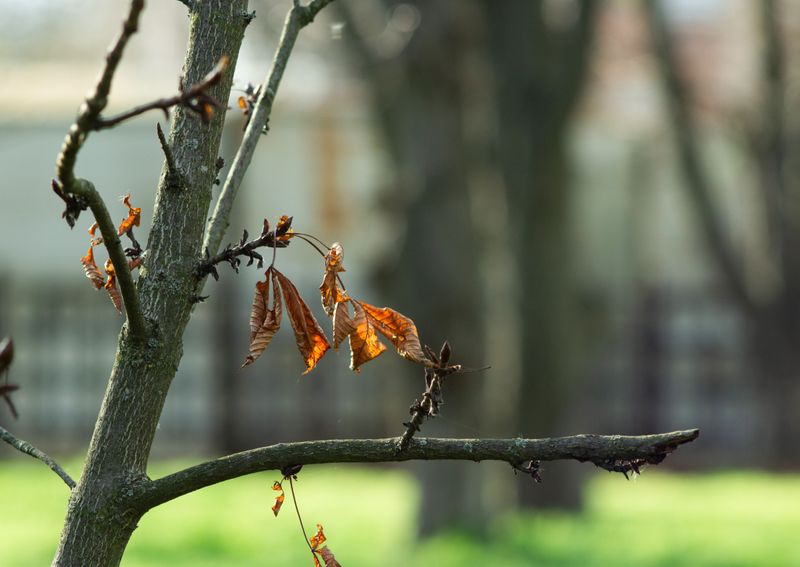
Sometimes early leaf drop is a loud warning, not background noise. Knowing when to call a professional can make the difference between saving a tree and losing it entirely.
Sudden, heavy leaf drop across the whole canopy in a short window is a red flag. This kind of rapid change suggests a root problem, disease, or serious pest infestation.
Look at the trunk carefully. Mushroom-like growths at the base, called conks, often indicate internal wood decay that no amount of watering will fix on its own.
Verticillium wilt is a soil-borne fungal disease that causes sudden wilting and early leaf drop, especially in maples. It blocks the water-conducting tissue inside the tree.
Emerald ash borer damage causes ash trees to shed leaves early as the pest destroys nutrient pathways beneath the bark. This pest is active across much of Connecticut right now.
If a tree has lost a large portion of its canopy by midsummer, structural integrity could already be at risk. A certified arborist can assess the risk quickly.
Root rot from Armillaria fungus is another serious issue that mimics drought stress. The tree looks thirsty no matter how much water you provide.
When trees in Connecticut shed leaves before fall and nothing seems to help, trust your instincts and get a professional opinion. A trained eye catches what a quick glance misses, and early action almost always leads to better outcomes.