The Orange Dust Coming Off Connecticut Lawns Onto Shoes And Mowers
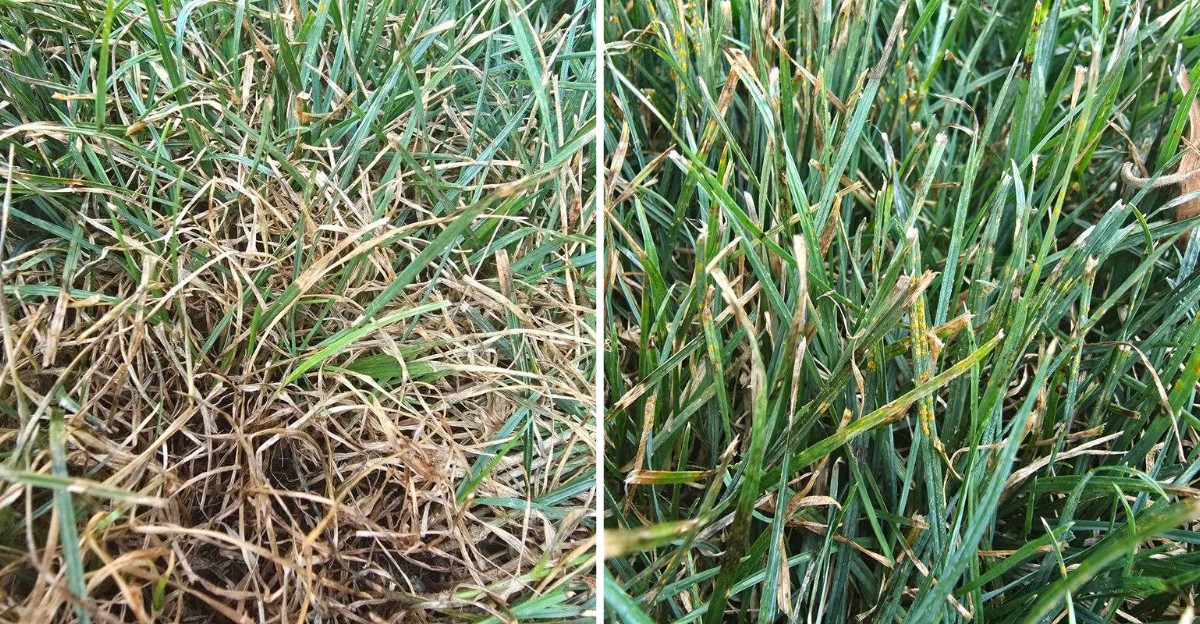
You cross the yard one September morning and come back with sneakers dusted a strange pumpkin orange. Nobody spilled paint, nobody dropped snacks, and the grass still looks perfectly fine from the front porch.
The mower deck wears the same coat, a chalky film that smears the moment you wipe it. Connecticut yards pull this trick most autumns, usually right after everyone quits watering for the season.
Dogs track it across kitchen tile, and jeans pick up a faint orange line below the knee. The stuff brushes off easily, which is exactly why most homeowners shrug and ignore it for weeks.
Your grass is not rusting away like an old bike someone forgot behind the garage. Something much smaller is handling the paint job, and it charges nothing for the service.
The Fungus Behind The Rusty Film On Your Sneakers
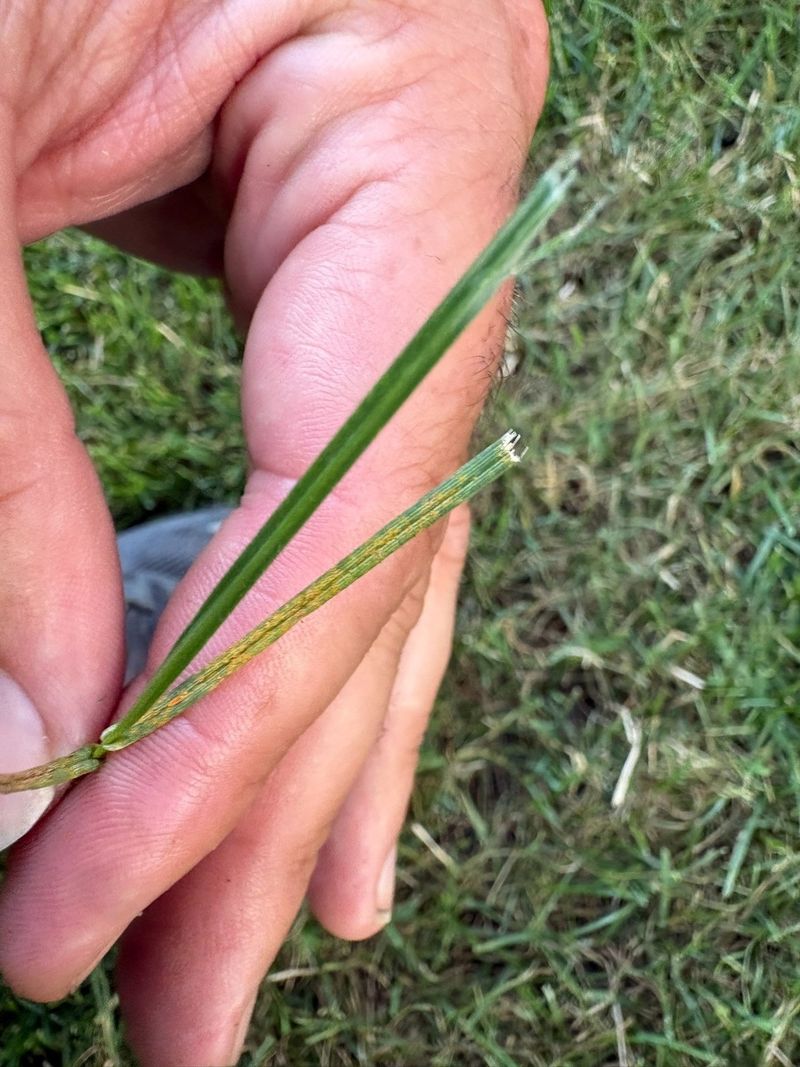
Lawn rust is a fungal disease, and the powder on your laces is pure spore material. Fungi in the Puccinia group cause it on cool season grasses across New England.
Look closely at a single blade and you will spot tiny raised bumps of yellow orange. Those bumps break open, releasing millions of spores that stick to anything brushing past.
A quick test settles it fast, since a white tissue wiped along the grass turns rusty. Healthy blades leave nothing behind, so the stain tells you what is going on.
Perennial ryegrass and Kentucky bluegrass catch it most often, both common in Connecticut seed blends. Tall fescue shows milder symptoms, though most cool season grasses remain somewhat vulnerable.
Spores travel on wind, water, foot traffic, mower tires, and even pet fur. That is the reason one patch near the driveway spreads toward the back fence.
Turf rarely suffers lasting harm from a typical flare-up. Blades look scorched and thin, but crowns and roots usually stay in decent shape.
Pets and people face no real danger, though the powder can irritate sensitive noses. Wiping shoes at the door keeps the mess off carpets and kitchen floors.
Connecticut homeowners see it most on lawns edging sidewalks, fences, and shady side yards. Those spots hold moisture longer, giving spores extra hours to settle and grow.
Think of the orange coating as a message about grass vigor rather than an emergency. Once you read that message correctly, the rest of the response gets much simpler.
Late Summer Weather And The Spore Surge In New England
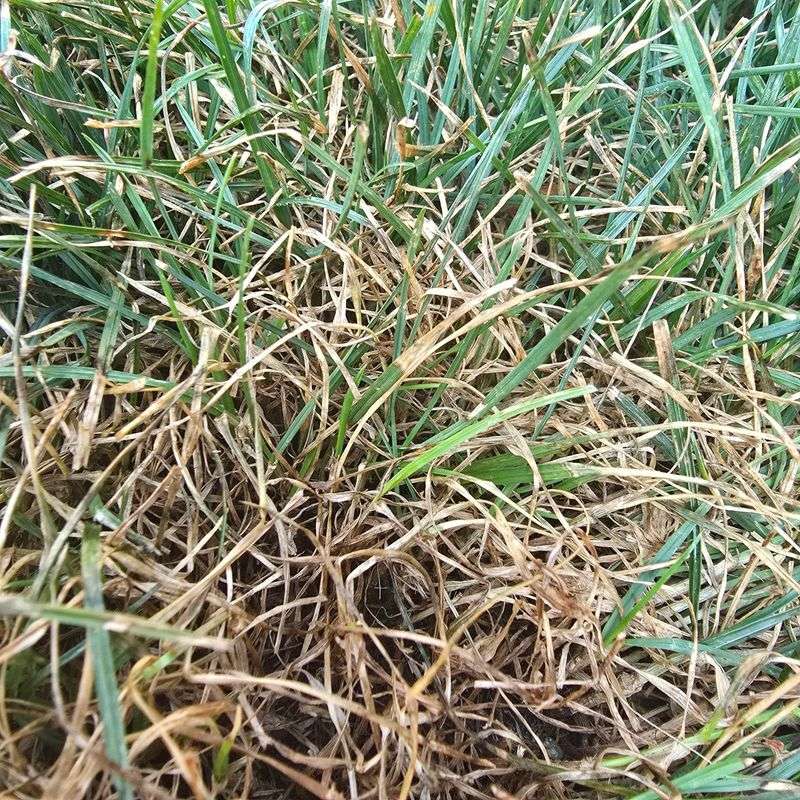
September in Connecticut delivers the exact recipe this fungus wants, almost like clockwork every year. Warm afternoons, cool nights, and heavy dew create long stretches of leaf wetness.
Spores need roughly six to eight hours of moisture on a blade to take hold. Autumn dew often sits from midnight until nine in the morning, easily clearing that bar.
Daytime temperatures between sixty five and eighty five degrees push growth along nicely. Coastal towns like Milford and Branford hold humidity even longer than inland areas.
August droughts set the stage, since stressed grass slows down and stops pushing new blades. Slow growth means infected tissue stays on the plant instead of being mowed away.
Your Connecticut Garden Changes Every Week. Your Plan Should Too.
Gardening in Connecticut changes quickly throughout the season. Every Friday you’ll receive a simple weekly plan showing exactly what to plant, prune, fertilize, harvest, and protect so you never miss the right timing.
A dry stretch followed by damp September mornings is the classic Connecticut trigger. Homeowners who skipped late summer feeding often notice the color change first.
Shade adds another layer, because sun cannot burn dew off before mid morning. North facing yards under maples and oaks stay damp far longer than open turf.
Irrigation timing matters as much as rainfall during these shoulder weeks of the season. Evening sprinklers stretch leaf wetness overnight, handing the fungus hours of free opportunity.
Flare-ups usually fade once nights drop consistently into the forties and growth slows. Many Connecticut lawns clear up naturally by late October without any spray at all.
Tracking the weather helps you predict trouble before the powder reaches your mower deck. A week of fog and dew in September is your early warning sign.
Hungry Turf, Slow Growth, And Thin Nitrogen
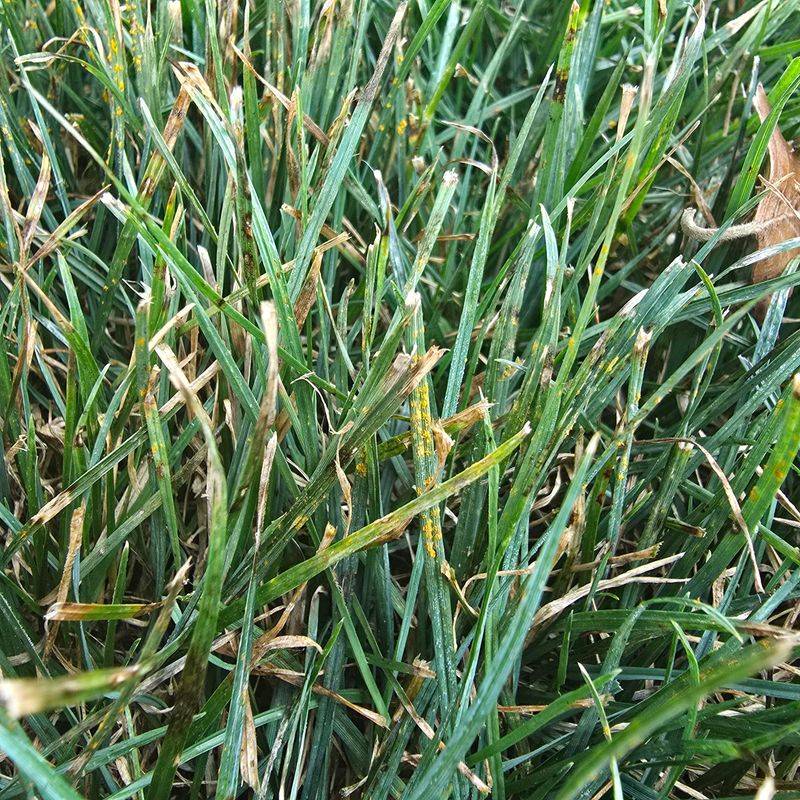
Underfed grass is the single biggest reason this problem shows up on September lawns. Nitrogen fuels leaf growth, and leaf growth is the best defense turf has.
When a blade grows quickly, infected tissue gets clipped off and hauled away weekly. When growth stalls, spores sit on the same tired leaves for weeks.
Many Connecticut homeowners fertilize heavily in spring, then forget the lawn until Halloween. That long gap leaves turf running on empty exactly when the fungus arrives.
Soil compaction plays a supporting role, since packed ground limits root access to nutrients. Heavy clay soils around Hartford and Waterbury compact faster than sandy shoreline ground.
Low soil potassium weakens cell walls, giving spores an easier path into the plant. A basic soil test through UConn Extension costs little and removes the guesswork.
Drought stress compounds everything, because thirsty grass shuts down and conserves energy. Two rainless weeks in August can set up an orange September without warning.
Newly seeded areas are especially vulnerable during their first fall in the ground. Young ryegrass seedlings have thin cuticles and few reserves to fight infection.
Feeding with a half pound of nitrogen per thousand square feet restarts growth. Slow release formulas work better here than quick green up products that fade fast.
Grass that grows steadily through fall outruns the fungus without any chemical help. Think of fertilizer as fuel for the cleanup crew already living in your yard.
Timing that feeding for early September gives roots six good weeks before frost. Connecticut lawns respond quickly once the nutrients reach them.
Common Missteps That Feed The Problem
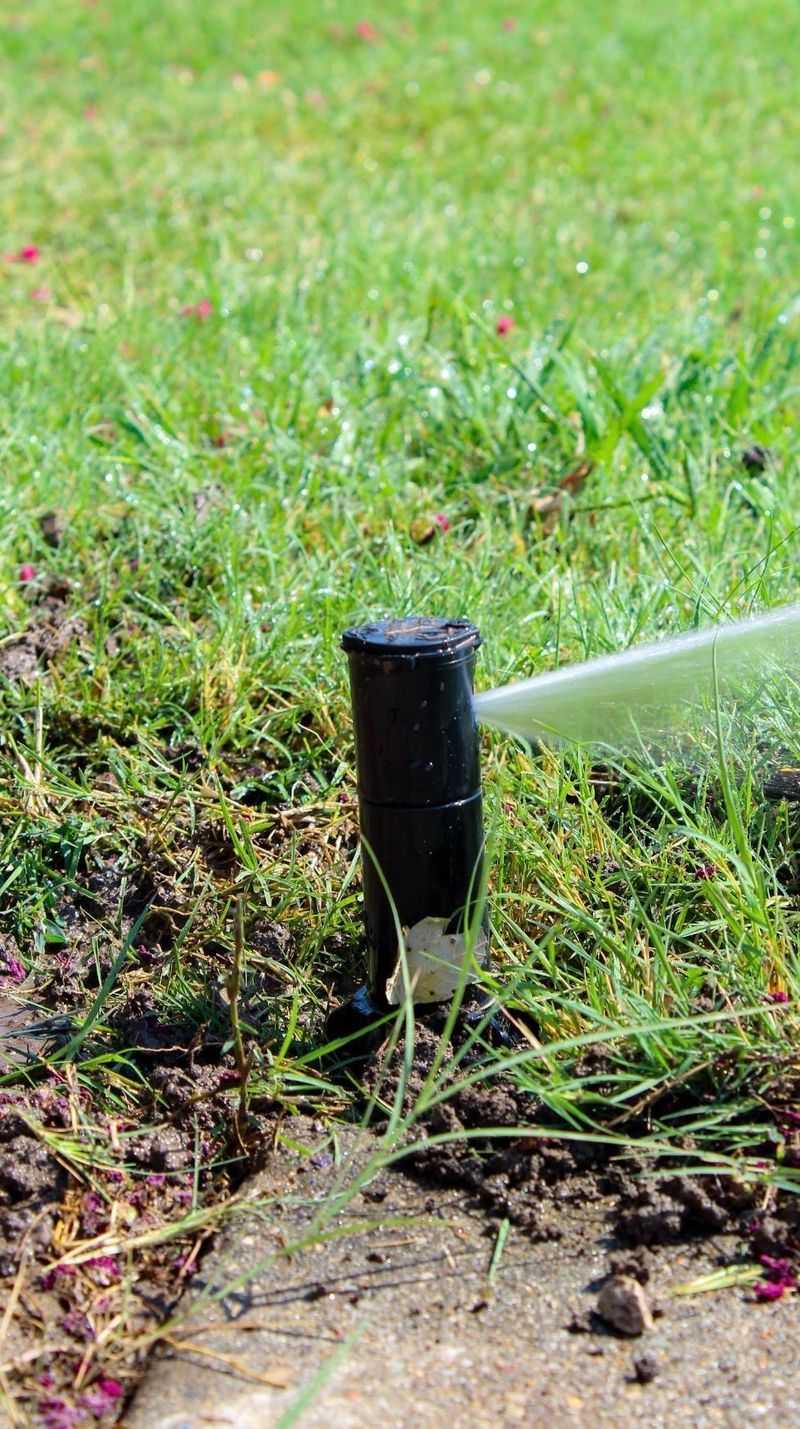
Evening watering ranks as the top mistake homeowners make during a Connecticut September. Sprinklers running at seven at night leave blades soaked until sunrise.
Shift irrigation to the window between four and eight in the morning instead. Dew is already present then, so you add nothing extra to the wetness clock.
Frequent light sprinkles cause more trouble than one deep soaking each week. Shallow watering keeps leaves damp while roots stay short and weak underneath.
Cutting grass too short strips away the leaf area needed for energy production. Three and a half inches is a smarter height for Connecticut turf in fall.
Mowing wet grass in the morning spreads spores across every strip you cross. Wait until afternoon, when blades have dried and the powder travels far less.
Dull mower blades tear grass instead of slicing it, leaving ragged wounds behind. Those torn edges brown quickly and give fungal spores easy entry points.
Panic buying fungicide is another common reaction, and usually an unnecessary expense. Home lawns rarely need chemical treatment for this particular condition.
Skipping the fall feeding while dumping extra nitrogen in spring backfires badly. Lush spring growth burns through reserves long before the damp weeks arrive.
Leaving clippings in thick clumps traps moisture right against the crowns. Spread them thinly or bag them while the orange coating is active.
Ignoring shade problems keeps the cycle going year after year in the same corners. Pruning low branches lets sunlight dry those stubborn patches by mid morning.
Practical Fixes For September Yards
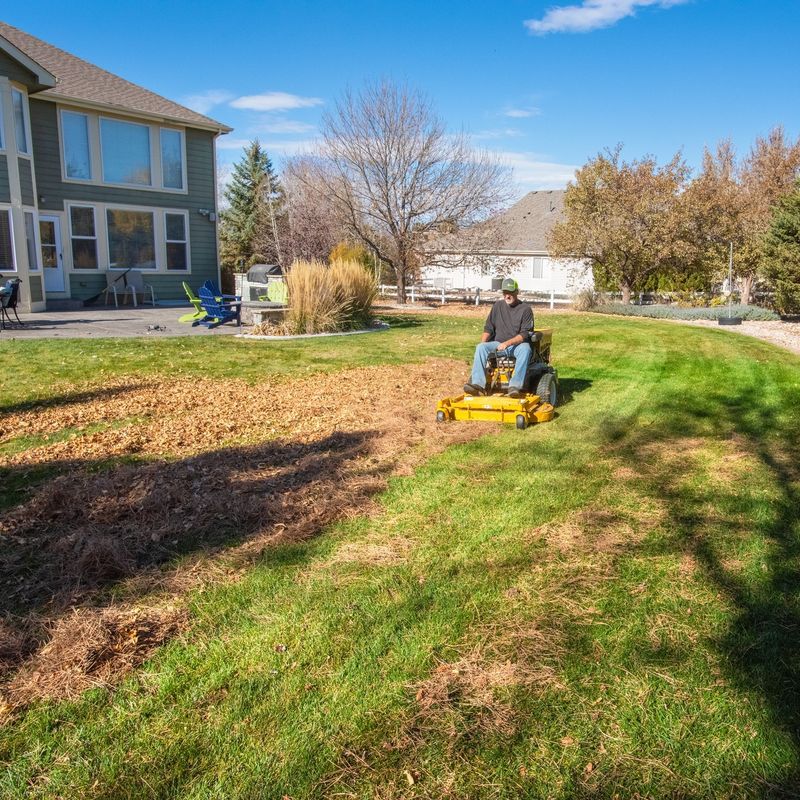
Start with a light nitrogen feeding, since that single step clears up most flare-ups. Aim for roughly half a pound per thousand square feet of turf.
Mow regularly once growth picks up, removing infected blade tips every few days. Bagging clippings during an active flare-up carries spores off the property.
Rinse the mower deck after each cut, because caked powder rides along to clean areas. A garden hose and a plastic scraper handle the job in five minutes.
Keep a boot brush or old towel near the back door for family shoes. That habit saves your entryway rug from a season of stubborn orange smudges.
Water deeply once or twice weekly, delivering about an inch total across the lawn. Deep soakings encourage roots to chase moisture downward instead of lingering near the surface.
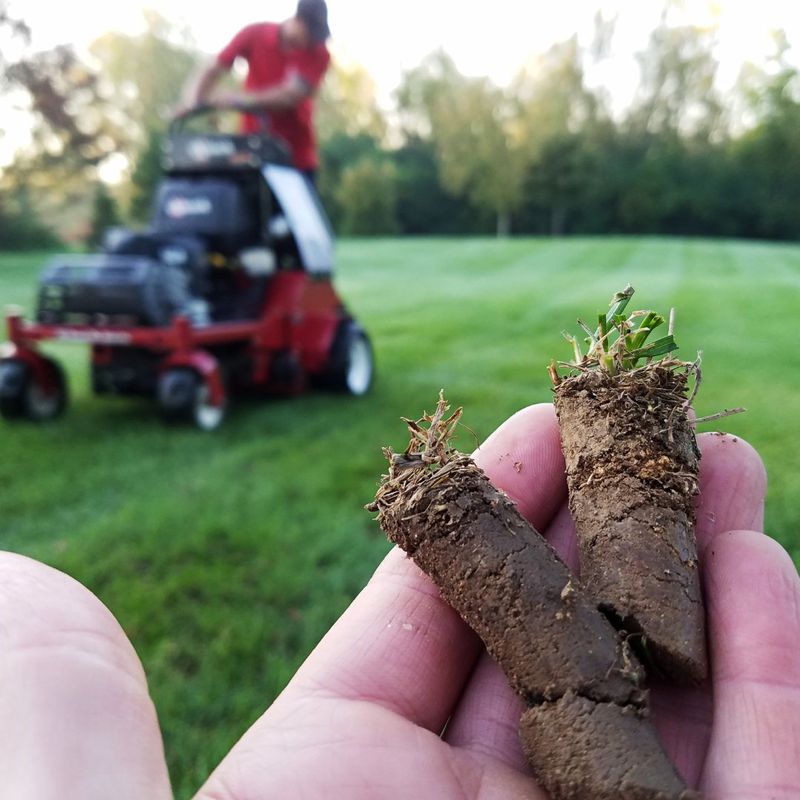
Core aeration in early fall relieves compaction and improves nutrient movement into soil. September and early October are the ideal weeks for that work in Connecticut.
Overseeding after aeration fills thin spots with fresh, vigorous plants. Choose blends listing improved rust tolerance on the label whenever possible.
Fungicides exist, though they make sense mainly for sod farms and golf courses. Homeowners get better results from fertilizer, sharp blades, and smarter watering habits.
Raking fallen leaves promptly keeps damp mats from smothering the recovering turf below. Connecticut maples drop early, and those wet piles undo good work fast.
Patience counts too, because grass needs two or three weeks to push clean growth. The orange fades gradually rather than vanishing overnight.
Long Term Defenses And Grass Choices For Next Year
Lawns that get fed on a regular schedule rarely turn orange in the first place. Four light feedings spread through the year beat one heavy spring application.
Tall fescue deserves serious consideration for Connecticut yards prone to repeat flare-ups. Its deep roots handle summer drought better and shrug off most rust pressure.
Seed labels sometimes list disease ratings from the National Turfgrass Evaluation Program. Picking varieties with strong scores costs nothing extra and pays off for years.
Perennial ryegrass greens up fast, which is exactly why contractors love it. Blending it with fescue and bluegrass reduces the risk carried by any single species.
Airflow matters more than most homeowners expect in tight suburban yards. Thinning dense shrubs along fence lines lets breezes dry the turf each morning.
A soil test every three years keeps pH and potassium in useful ranges. Connecticut soils often run acidic, and lime corrects that slowly over several seasons.
Dethatching when the layer passes half an inch improves water movement into soil. Thick thatch holds moisture against blades and shelters spores through mild winters.
Mark early September on the calendar as your annual prevention reminder. Feed, aerate, overseed, and sharpen the mower blade during that same stretch.
Yards handled this way still collect dew, but shoes stay their original color. That is a fair trade for one busy weekend each autumn.
Neighbors will ask what changed, and the honest answer is steady habits. Grass rewards consistency far more than it rewards expensive rescue products.