What Georgia Gardeners Should Do With Strawberry Plants Before Fall Arrives
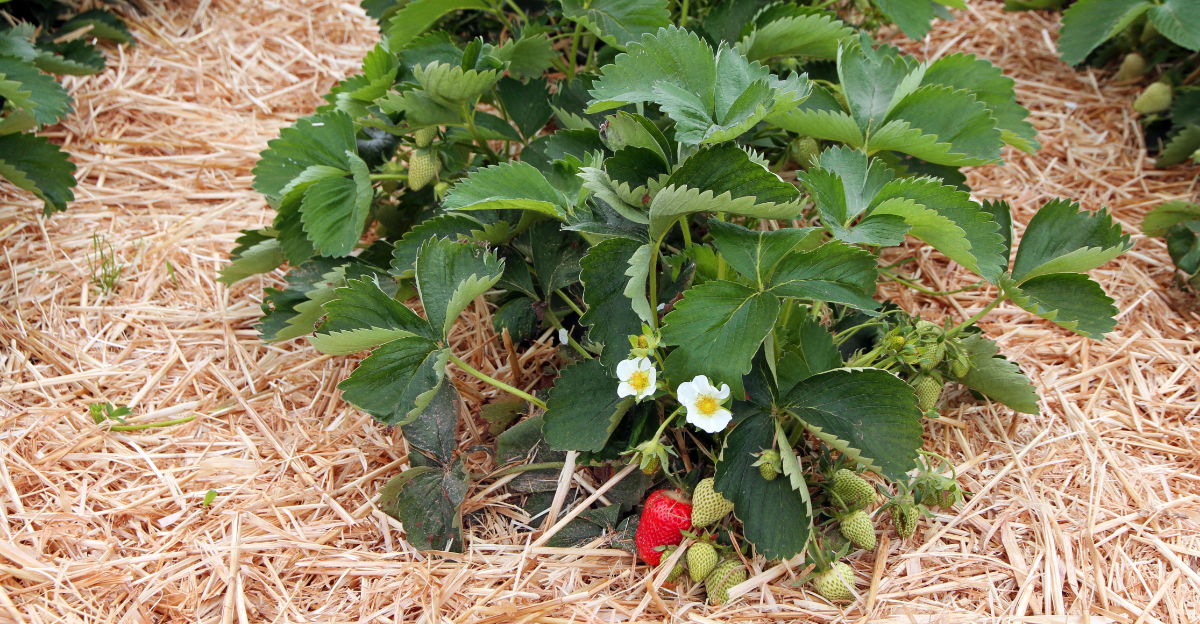
Strawberry plants can look pretty uneventful once their best fruiting days are behind them, but this quiet stretch still matters.
Your patch is not finished for the year. Give it some attention now, and you can head toward fall with stronger plants and fewer headaches.
This seasonal shift gives Georgia gardeners a chance to deal with summer wear before cooler weather changes the pace.
Check how crowded your strawberry bed has become since spring.
Runners may have traveled farther than expected, while older leaves can make the patch look tired. Knowing what deserves attention now helps you avoid unnecessary work later.
Fall preparation does not require tearing everything apart. Smart care during this transition can leave strawberries in better shape for the cooler months ahead.
1. Clear Weeds Before They Crowd The Bed
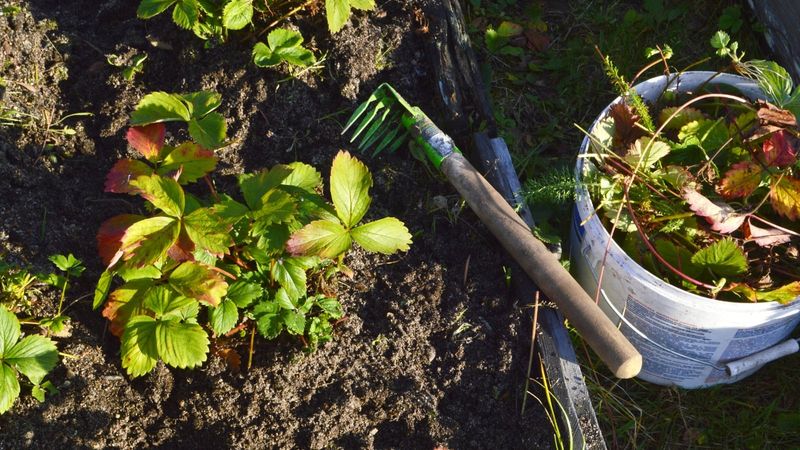
Weeds do not wait for an invitation. By late summer, they can move fast and crowd out strawberry plants before you even notice the problem.
Weeds compete for water, nutrients, and sunlight. Strawberry plants are low-growing, which puts them at a real disadvantage when taller weeds take over nearby space.
Pull weeds by hand when the soil is slightly moist. Dry soil makes roots stubborn and breaks stems before the root comes out cleanly.
Focus on the edges of the bed first. Weeds along borders often seed inward, so stopping them at the edges slows the spread toward the center of your patch.
Avoid hoeing too close to crowns. Strawberry roots sit shallow, and aggressive hoeing near the plant base can cause damage that slows recovery before winter.
After clearing, lay a thin layer of straw mulch between rows. Mulch slows new weed germination and keeps the soil from drying out too fast between waterings.
Check the bed again every week or two. Staying consistent with weed removal in late summer makes the fall transition smoother and reduces the workload once cooler weather arrives.
Keeping the bed clear also improves airflow around the strawberry foliage as humid summer weather continues.
Less competition gives each plant more room to strengthen before temperatures begin to cool.
Clearing small weeds regularly also prevents them from becoming firmly established around the shallow strawberry root system.
2. Let Healthy Runners Fill Bare Spots
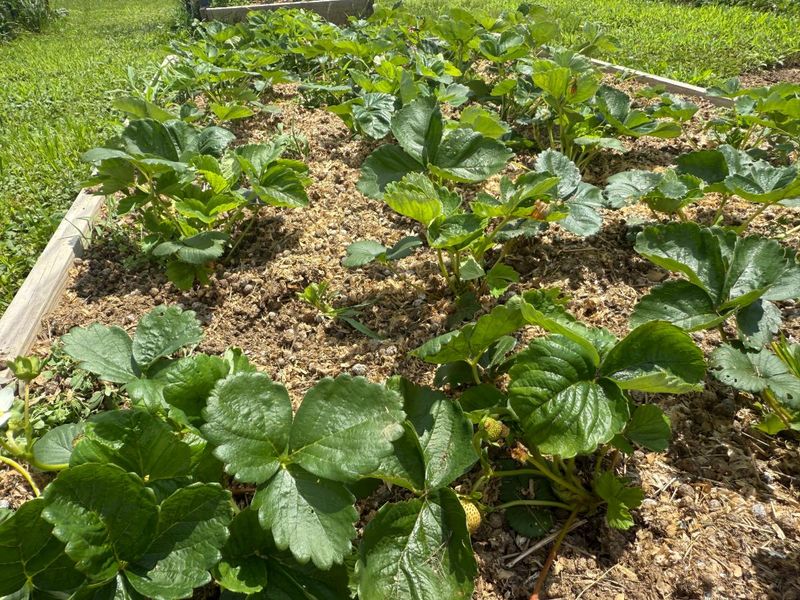
Bare spots in a strawberry bed are not wasted space. They are an opportunity your plants are already trying to fill on their own.
Strawberry plants send out runners, which are long stems that travel across the soil and form new plantlets at the tips. Healthy runners can root into bare areas and strengthen your overall patch.
Not every runner is worth keeping. Choose runners from your strongest, most productive plants.
Weak or struggling parent plants tend to pass those same traits to their offshoots.
Pin runners gently into the soil using a small U-shaped wire or even a bent paperclip. Keeping the tip in firm contact with soil helps the new plant root more reliably.
Once a runner has rooted and shows new leaf growth, you can snip the connecting stem. Cutting it frees the young plant to grow independently without drawing energy from the parent.
Your Georgia Garden Changes Every Week. Your Plan Should Too.
Gardening in Georgia changes quickly throughout the season. Every Friday you’ll receive a simple weekly plan showing exactly what to plant, prune, fertilize, harvest, and protect so you never miss the right timing.
Avoid letting too many runners spread at once. Overcrowding can reduce fruit production next season by spreading plant energy too thin across too many new plants.
Aim to fill gaps rather than expand the bed randomly. A well-spaced, filled-in bed tends to produce better than one that sprawls without a clear plan behind it.
Good spacing also makes it easier to reach each plant for watering, weeding, and harvesting when growth picks up again.
3. Keep Plants From Spreading Into Walkways
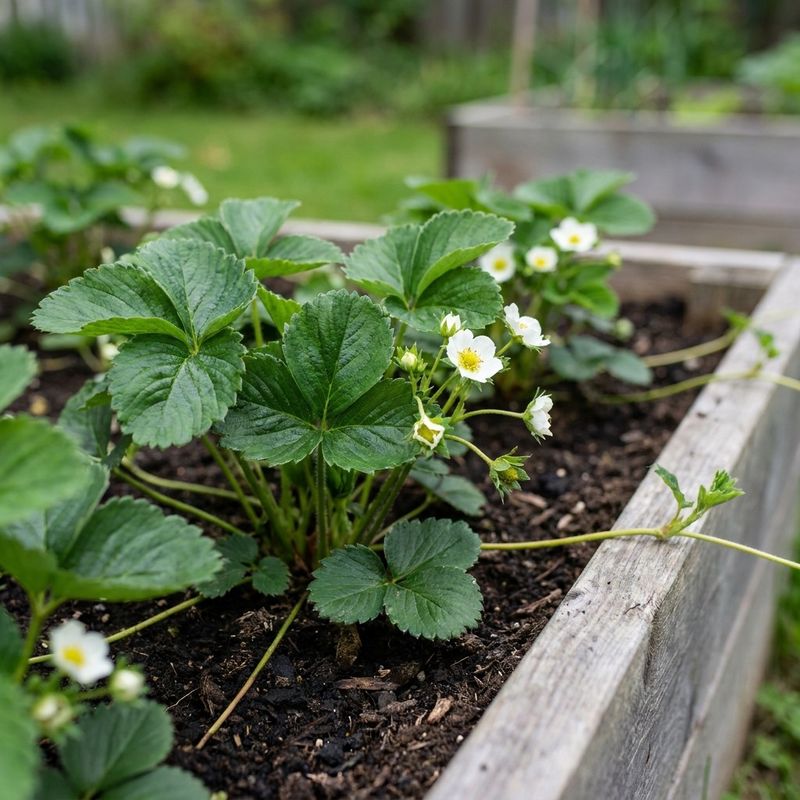
Strawberry plants have no sense of boundaries. Left unchecked, runners creep into paths, gravel, and neighboring beds with surprising speed.
Runners that root into walkways rarely thrive. Foot traffic compacts the soil around them, and plants in high-traffic areas tend to struggle more than those in a proper bed.
Trim back any runners heading toward walkways using clean garden scissors or small pruning shears. A clean cut is better than tearing, which can stress the parent plant unnecessarily.
Check the outer edges of your bed carefully. Runners often hide under leaves, and by the time you spot them in the path, they may have already started to root into the gravel or packed soil.
If you want to save some of those edge runners, pot them up instead. Small containers work well for this, and potted plants make great additions to other garden spots or giveaways to neighbors.
Installing a simple border around the bed can help redirect runners. Plastic edging, landscape timbers, or even buried boards create a physical barrier that slows spreading without harming the plants.
Keeping the bed tidy before fall sets the stage for a cleaner, more manageable patch going into winter and early spring when new growth picks back up again.
Regular edge checks also prevent young plants from becoming established in spots where they will eventually need to be removed.
4. Water The Bed When Rain Is Not Enough
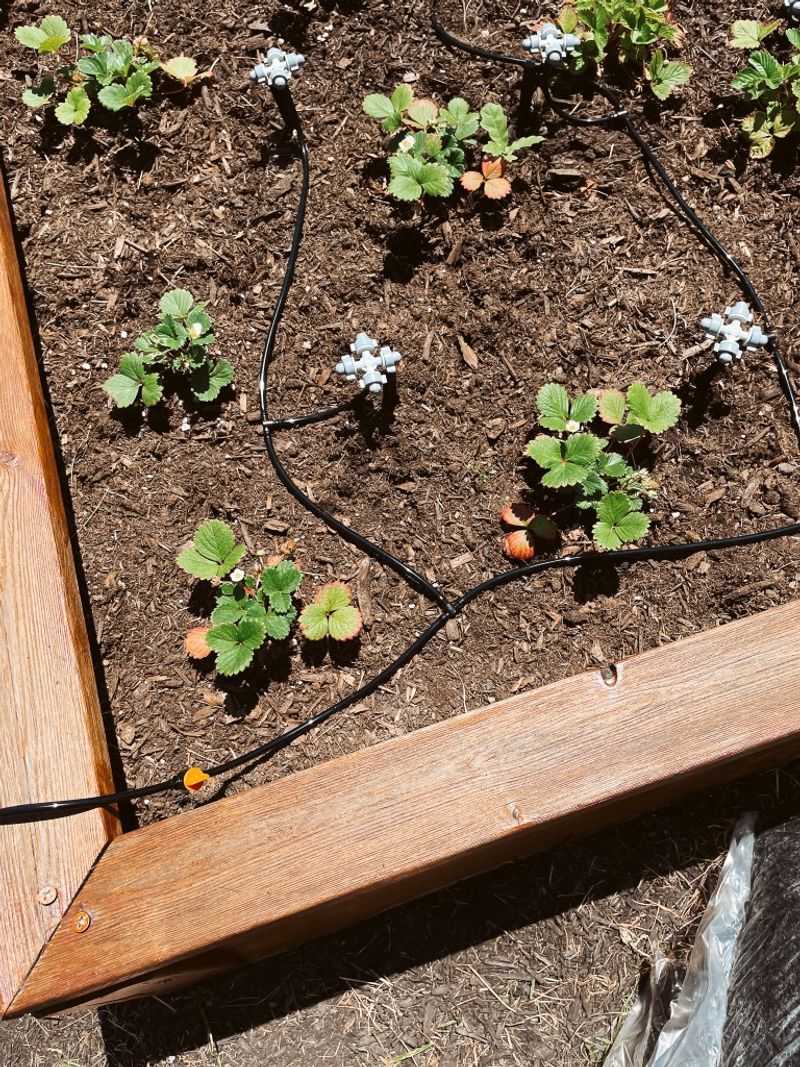
Rain in late summer can be unpredictable across much of the South. Some weeks bring heavy showers, and others pass without a drop.
Strawberry plants need consistent moisture to stay healthy heading into fall. Drought stress during this period can weaken crowns and reduce how well plants recover once cooler temperatures arrive.
A general target is about one inch of water per week, though sandy soils may need more frequent watering than heavier clay-based soils. Checking the top two inches of soil for dryness is a practical way to judge when watering is needed.
Water at the base of the plant rather than overhead. Wet foliage invites fungal issues, and strawberry leaves are especially prone to problems when they stay damp for extended periods.
Drip irrigation works well for strawberry beds because it delivers moisture directly to the root zone. Soaker hoses are another affordable option that keeps water where it matters most.
Morning is the best time to water if you are using any overhead method. Moisture on leaves has time to dry before evening, which lowers the chance of fungal development overnight.
Skip watering after heavy rain. Overwatering is just as problematic as underwatering, and soggy soil for extended periods can lead to root issues that are hard to reverse.
Consistent moisture also helps crowns and roots stay active as the plants prepare for cooler fall conditions.
5. Check Leaves And Crowns For Disease
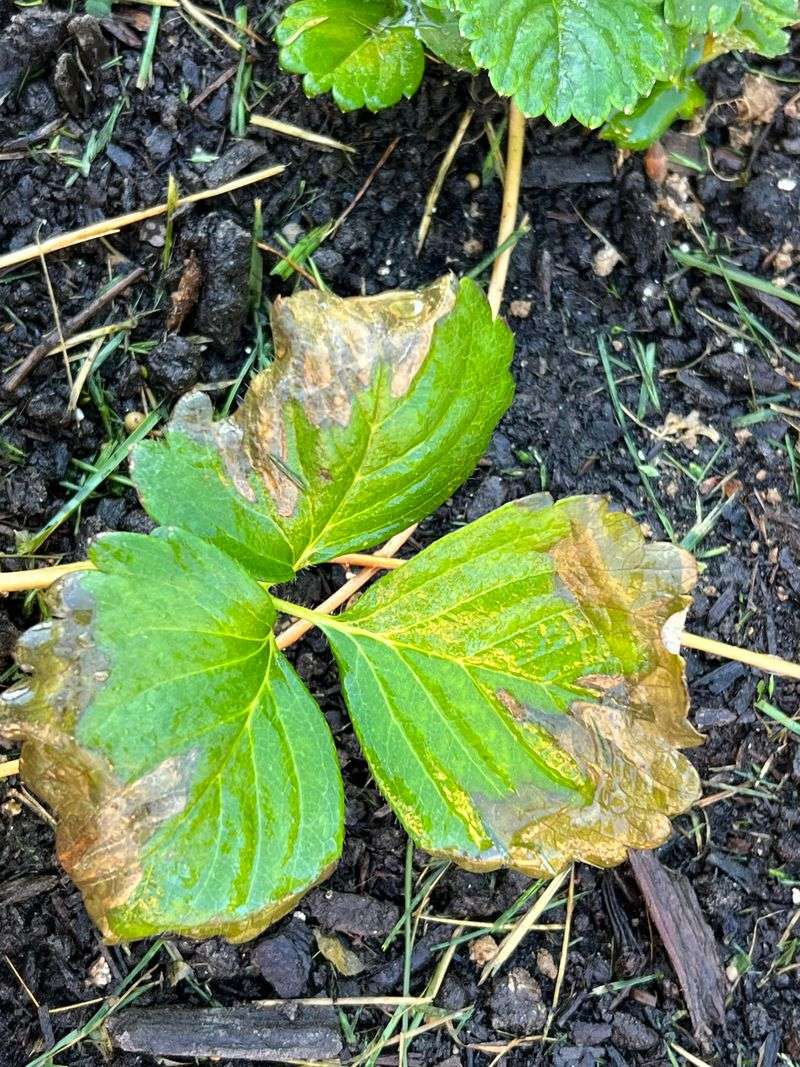
Spotting trouble early makes a real difference. Late summer heat and humidity create the kind of conditions where fungal diseases can spread fast through a strawberry bed.
Leaf spot is one of the more common issues in southeastern gardens. Look for small, circular spots with darker borders on the upper surface of leaves.
Catching it early gives you better options for managing the spread.
Gray mold, sometimes called botrytis, is another concern during humid stretches. Soft, water-soaked patches on leaves or crowns that turn gray and fuzzy are a sign this pathogen may be present.
Remove affected leaves by hand and dispose of them away from the garden. Leaving infected material in the bed allows spores to spread to nearby plants, especially during wet or windy periods.
Check the crowns closely while you inspect leaves. A healthy crown is firm and light in color at the center.
Soft, brown, or discolored crown tissue can signal a deeper problem that may need more attention.
Improving airflow around plants helps reduce fungal pressure. Thinning out overcrowded areas and removing old, yellowing leaves opens up space for air to move through the canopy.
Avoid overhead watering when disease pressure is high. Keeping foliage dry is one of the most practical ways to slow the spread of common strawberry fungal issues before fall arrives.
6. Keep The Soil Draining Well After Rain
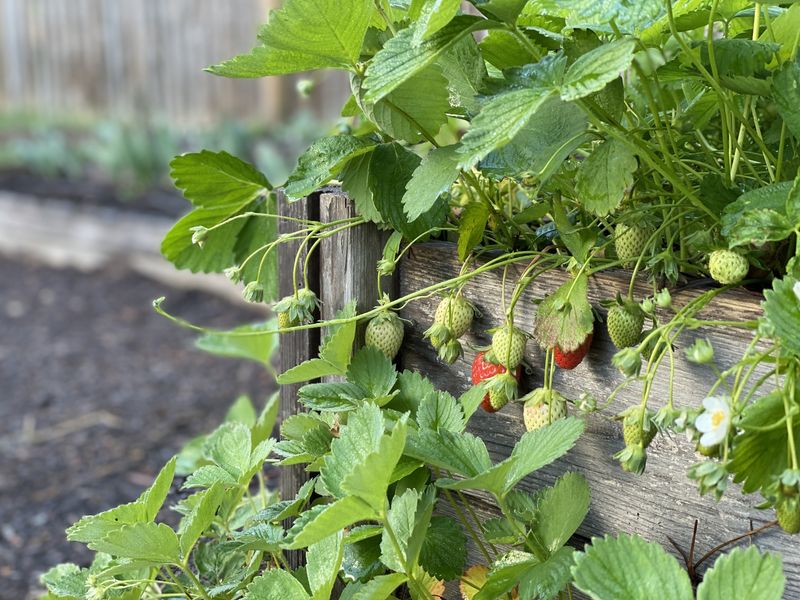
Standing water in a strawberry bed is a problem worth taking seriously. Roots sitting in waterlogged soil for too long can develop rot, and recovering from that kind of damage is difficult.
Georgia soils vary widely. Some areas have sandy soil that drains quickly, while others have red clay that holds water much longer than strawberry plants prefer.
After a heavy rain, walk your bed and look for puddles or areas where water pools. If the same spots stay wet for more than a day, drainage there needs attention before fall rains become more frequent.
Working compost into clay-heavy soil can help improve drainage over time. It loosens the structure and creates more space for water to move through rather than sitting on top.
Raised beds solve drainage problems more directly. If your in-ground bed consistently stays soggy, transitioning to a raised setup gives you more control over soil mix and drainage from the start.
Mulch plays a supporting role here too. A good layer of straw between rows reduces soil compaction from rain impact, which helps water absorb more evenly rather than running off or pooling.
Check that bed edges are not trapping water. Sometimes a slight slope away from the center helps water move out of the bed naturally without any major changes to your setup.
Better drainage also helps the soil maintain a healthier balance of moisture and air around the shallow strawberry roots.
7. Make Room Around Crowded Young Plants
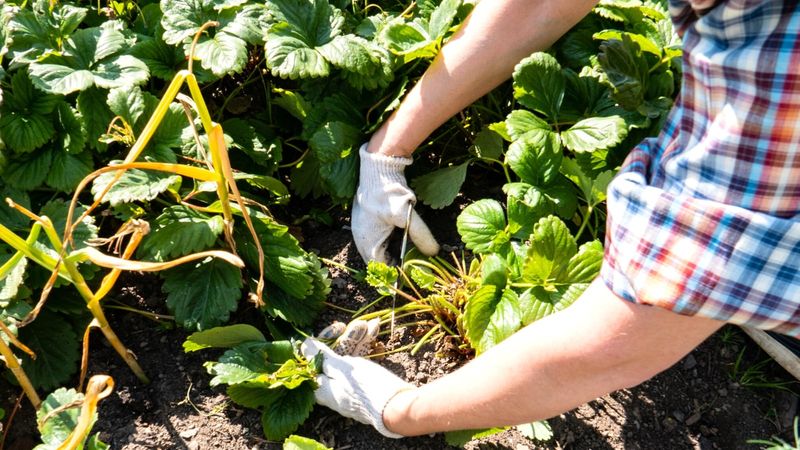
Crowding is one of the quieter problems in a strawberry bed. Plants squeezed too close together compete for the same resources and rarely perform as well as properly spaced ones.
Young plants that rooted from runners earlier in the season are often the culprits. They root quickly and fill in fast, which looks promising at first but can create real congestion by late summer.
A spacing of about twelve inches between plants is a reasonable target for most strawberry varieties. That gap allows each plant enough room to develop a strong crown and root system before winter sets in.
Thinning does not have to mean removing plants permanently. Healthy extras can be transplanted to a new area, potted up, or shared with other gardeners who want to start or expand their own beds.
Use a hand trowel to lift crowded plants carefully. Strawberry roots are not deeply anchored, so they lift without much resistance when the soil has a bit of moisture in it.
After thinning, press remaining plants firmly into place and water them in. Loose crowns that sit too high or too low in the soil can struggle with temperature swings as fall approaches.
A well-thinned bed going into fall is easier to manage, less prone to fungal issues, and usually more productive when spring strawberry season comes back around.
8. Get Ready For Late September Feeding
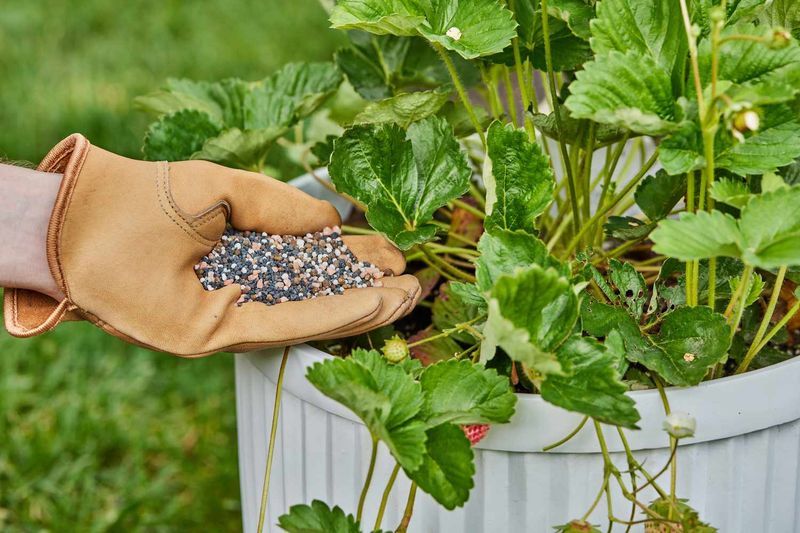
Feeding strawberry plants in late September gives them a meaningful boost heading into dormancy. Roots stay active longer than most people expect, and a well-timed feed supports that root development through fall.
A balanced fertilizer with moderate nitrogen works well at this stage. Too much nitrogen late in the season can push leafy growth when the plant should be storing energy instead.
Look for fertilizers labeled for strawberries or small fruits. These tend to have nutrient ratios suited to what the plants actually need at different stages of their growth cycle.
Apply fertilizer according to package directions. More is not better here, and over-fertilizing can cause problems that show up in spring rather than immediately, making them harder to connect to the original cause.
Granular fertilizers work well for in-ground beds. Sprinkle them around the base of plants and water them in lightly so nutrients begin moving into the root zone rather than sitting on the surface.
Avoid feeding too late into fall. Once temperatures consistently drop below 50 degrees Fahrenheit at night, plant activity slows considerably and fertilizer applied then offers little practical benefit.
Timing this feeding right, somewhere between mid and late September in most parts of the state, gives plants a solid foundation for surviving winter and bouncing back strongly when spring warmth returns.
Strong roots developed during this period can also help plants handle winter temperature swings and support vigorous growth the following spring.