Georgia Gardeners Who Prune These Plants In Summer Often Regret It By Fall
Georgia gardeners are no strangers to making quick decisions in the middle of summer. A shrub starts looking overgrown, a perennial begins spreading beyond its space, or fresh growth makes part of the garden seem a little untidy.
Grabbing the pruners can feel like the easiest solution.
The problem is that appearances can be misleading this time of year. A plant that seems like it needs trimming right now may be preparing for something important later in the season.
Cutting it back at the wrong moment can affect future growth, flowering, or overall appearance in ways that are not immediately obvious.
That is why some pruning jobs lead to disappointment months later. Everything may look neat and controlled at first, but the results become much more noticeable as the season continues.
Knowing which plants should be left alone during summer can help prevent frustration and keep the garden looking its best by the time fall arrives.
1. Oakleaf Hydrangeas Lose Next Year’s Flower Buds
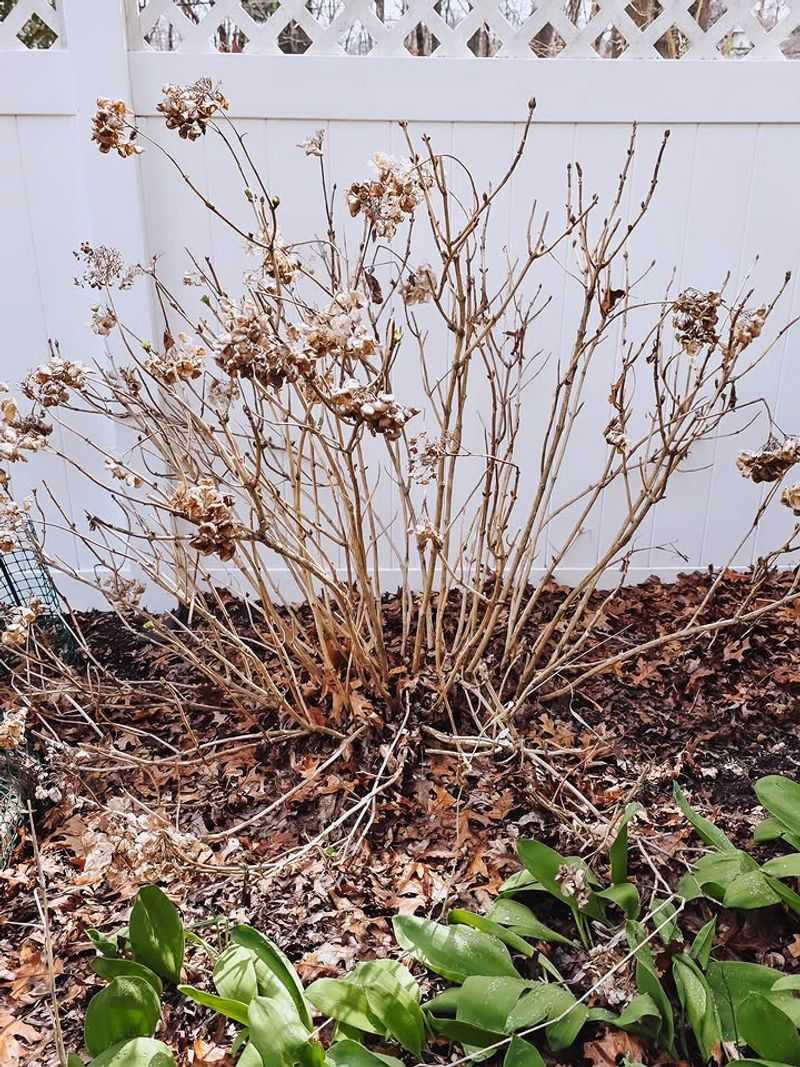
Oakleaf hydrangeas are one of the most rewarding shrubs you can grow in the South. Large cone-shaped blooms, peeling cinnamon bark, and stunning fall color make them a standout.
But prune one in summer and you will likely pay for it next spring.
Oakleaf hydrangeas bloom on old wood. That means the buds forming for next year start developing on existing stems right after the current flowers fade.
Cut those stems back in July or August and the buds go with them.
Come spring, the plant will still leaf out. It will look healthy and green.
But the flower display will be sparse or completely absent. That is the part that catches gardeners off guard.
If you need to shape or reduce the size of an oakleaf hydrangea, do it right after the flowers fade in late spring. That window is short but it gives the plant enough time to set new buds before winter arrives.
Avoid heavy pruning altogether if possible. Oakleaf hydrangeas have a naturally graceful shape and rarely need aggressive cutting.
Light cleanup of crossing branches or damaged wood is usually all that is needed. Summer is absolutely the wrong time to start hacking into one of these shrubs.
Give it space, leave the stems alone, and the blooms will reward you every single season.
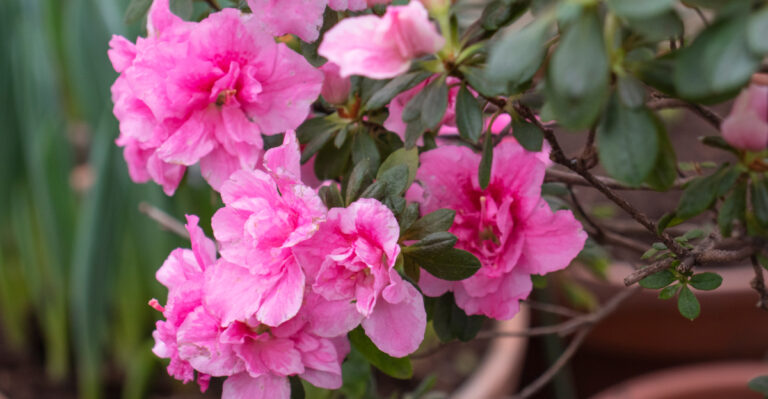
2. Azaleas Miss Their Chance To Set New Buds
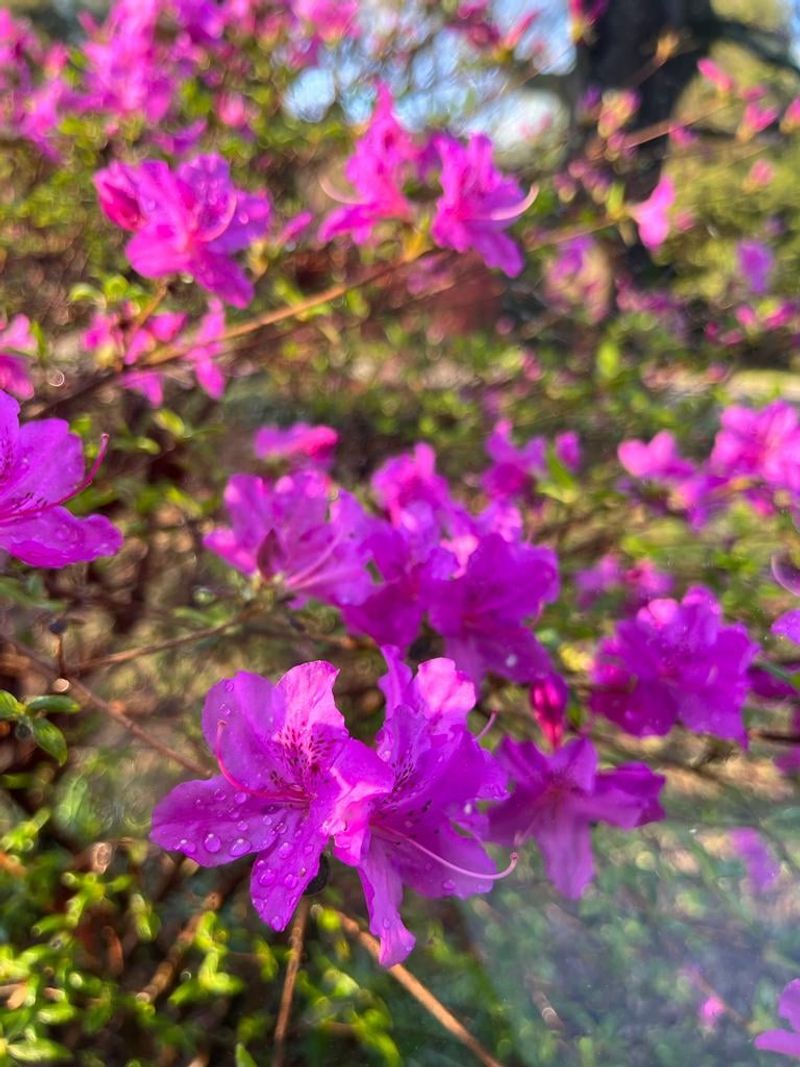
Few plants are as closely tied to Southern spring gardens as azaleas. Entire neighborhoods come alive with color when they bloom.
Mess with the timing of your pruning, though, and that color show gets cut in half.
Azaleas set their flower buds for the following spring during summer, typically from June through August. Pruning during that stretch removes the buds before they ever get a chance to open.
You will not notice anything wrong immediately.
By the time late winter arrives, you will see why timing matters. A pruned azalea may push out a few scattered blooms at best.
In some cases, the flowering is so reduced it barely registers.
Your Georgia Garden Changes Every Week. Your Plan Should Too.
Gardening in Georgia changes quickly throughout the season. Every Friday you’ll receive a simple weekly plan showing exactly what to plant, prune, fertilize, harvest, and protect so you never miss the right timing.
The right time to prune azaleas is within about four to six weeks after they finish blooming in spring. That gives the plant enough recovery time to set strong buds before summer heat kicks in.
Avoid trimming in fall too. Even well-meaning fall cleanup can clip off buds that are already formed and waiting for spring.
Azaleas are low-maintenance shrubs in most ways, but pruning timing is one area where mistakes show up clearly. A little patience in summer protects months of natural bud development.
Skip the shears from June through August and your azaleas will put on a much stronger show when it counts most in the following season.
3. Camellias May Have A Weaker Bloom Season
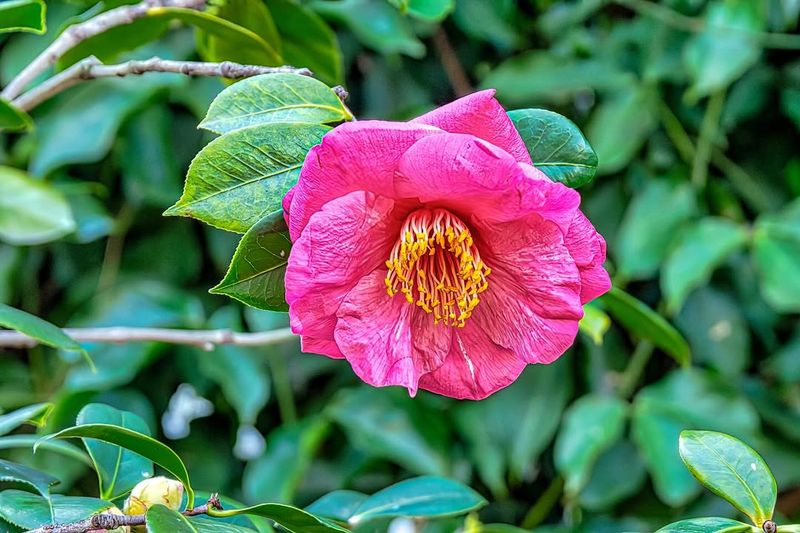
Camellias are slow growers with a long memory. Prune them at the wrong time and they will remind you of it for an entire bloom season.
Summer cuts are particularly damaging because of how camellias develop their buds.
Most camellias set their flower buds between late spring and midsummer. Those buds sit quietly on the plant through fall and then open in winter or early spring depending on the variety.
Cut back the branches in summer and those developing buds come right off.
What makes this especially frustrating is how long camellias take to recover. A fast-growing shrub might bounce back quickly.
Camellias put their energy into quality, not speed, so a setback from summer pruning can linger for more than one season.
Prune camellias right after they finish blooming. For fall and winter bloomers, that window falls in late winter or very early spring.
For spring bloomers, prune once the flowers drop. Either way, you avoid cutting into developing buds.
Light shaping is usually enough. Camellias rarely need heavy pruning and respond best to selective trimming rather than hard cutting.
Removing damaged branches, crossing growth, or awkward stems is fine at any time of year. More extensive shaping, however, is best done soon after the plant finishes blooming.
Summer pruning on camellias is one of those quiet mistakes that only reveals itself months down the road when the blooms fail to show up in full force.
4. Gardenias Can Set Fewer Flowers Later On
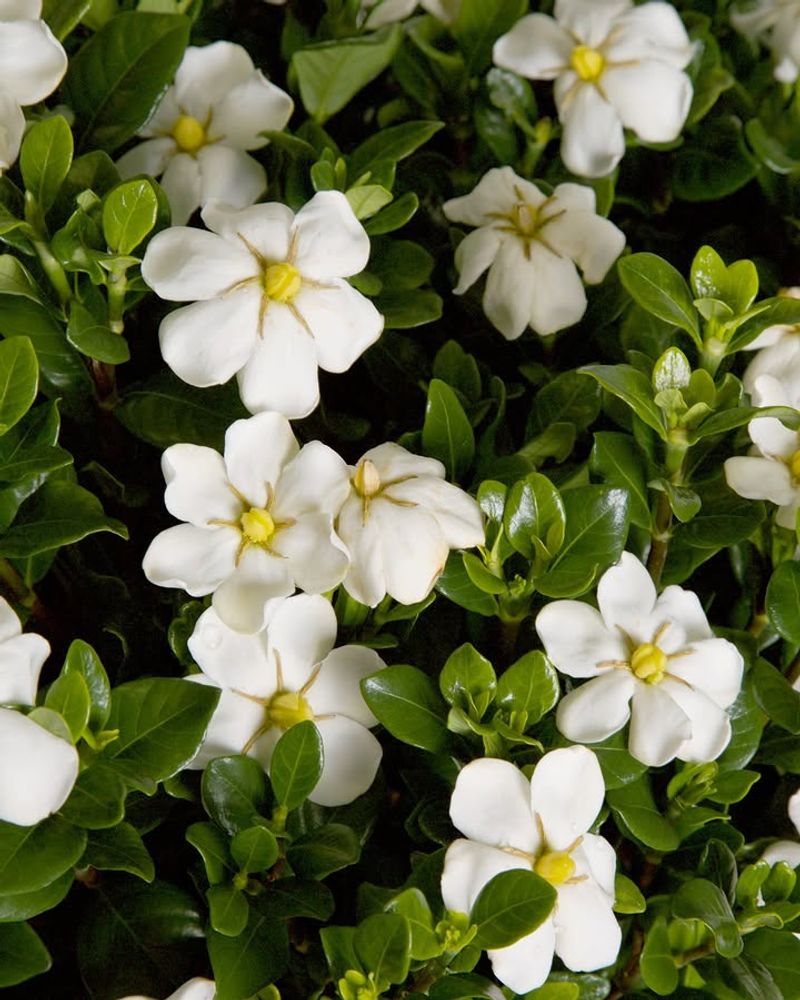
Walk past a gardenia in full bloom and the scent stops you cold. There is nothing quite like it.
But that incredible fragrance depends entirely on whether the plant was allowed to set buds without interruption during the summer months.
Gardenias bloom in late spring through early summer, and immediately after that flush of flowers, the plant begins forming buds for the following year. That process runs through summer.
Prune during that stretch and bud count drops sharply.
Gardenias are already particular about their growing conditions. They want acidic soil, consistent moisture, and the right amount of light.
Add poorly timed pruning to the mix and you stack the odds against a strong bloom season.
If shaping is needed, do it right after the main bloom period ends, typically no later than mid-July in most parts of the South. After that point, bud development is well underway and any cutting risks removing what has already formed.
Gardenias do not need heavy pruning to stay healthy. Removing faded flowers, trimming leggy stems, and cleaning up the overall shape after bloom time is usually enough.
Avoid cutting into the plant during August and September. Those months are critical for next season.
A gardenia that gets left alone through summer will almost always reward you with a fuller, more fragrant bloom display the following spring. Patience with these shrubs is genuinely worth it.
5. Bigleaf Hydrangeas Risk Sparse Flowering
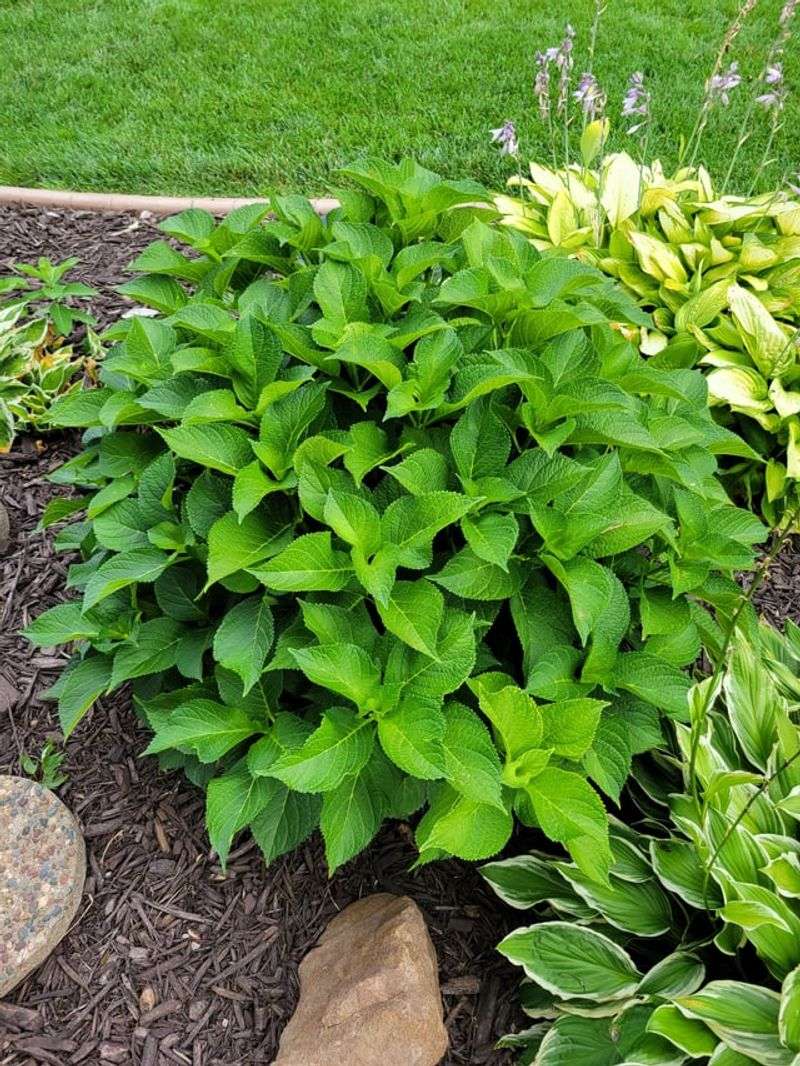
Bigleaf hydrangeas have fooled more gardeners than almost any other shrub. They look sturdy.
They bounce back fast from stress. But cut them back in summer and next year’s bloom display can disappear almost entirely.
Most traditional bigleaf hydrangea varieties bloom on old wood, meaning the flower buds form on stems that grew during the previous season. By midsummer, those buds are already developing on the current year’s stems for next spring.
Pruning in July or August removes them cleanly.
Newer reblooming varieties like Endless Summer are more forgiving since they can bloom on both old and new wood. Even so, summer pruning reduces overall bud count and weakens the display.
It is not a risk worth taking without good reason.
Prune bigleaf hydrangeas right after flowering ends if shaping is needed. That typically means late spring or very early summer before bud formation picks up steam.
Keep cuts light and avoid removing more than a third of the plant at once.
In Georgia and across the Southeast, late freezes in late winter already cause problems for bigleaf hydrangeas by damaging existing buds on old wood. Adding summer pruning on top of that creates a double setback.
Protect the old wood through winter by avoiding heavy fall cleanup, and skip summer pruning entirely. That combination gives these shrubs the best shot at delivering a full, colorful bloom season year after year.
6. Spring Flowering Spireas Lose Developing Buds
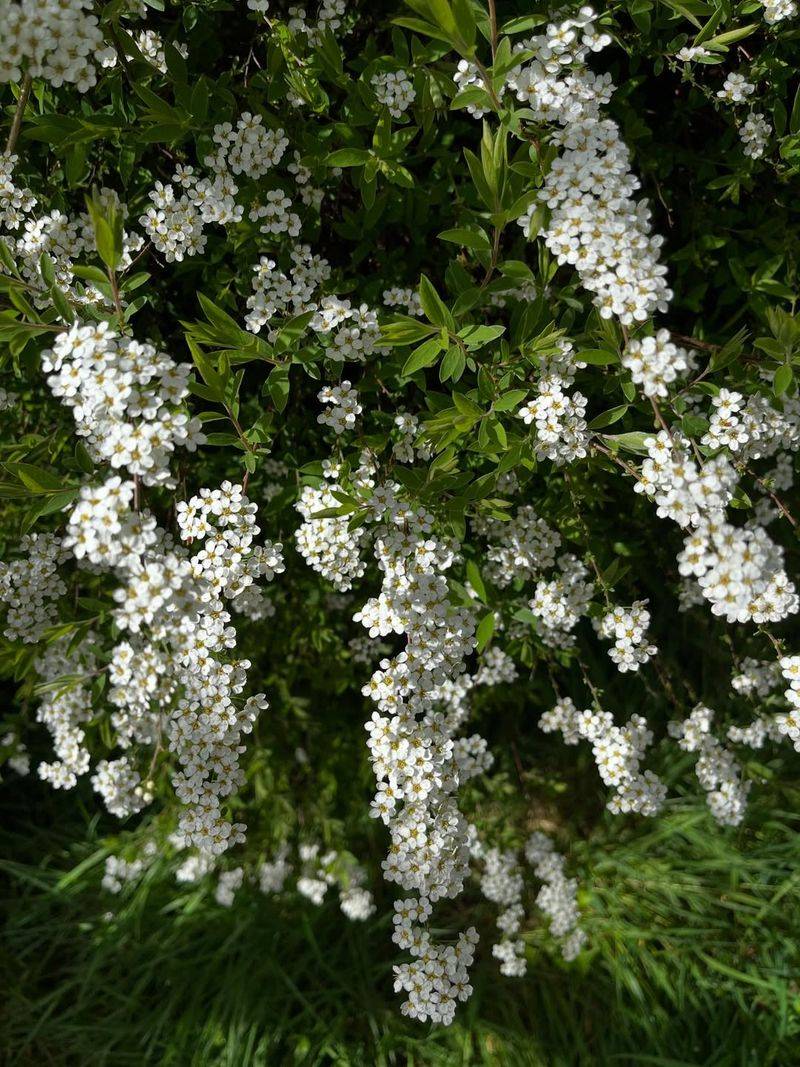
Spireas look so tough that gardeners often treat them like they can handle anything. They root easily, fill in fast, and rarely complain about heat.
But spring-flowering varieties have one real vulnerability, and it is summer pruning.
Bridal wreath spirea and other spring bloomers set their flower buds on old wood during summer. Those buds sit on the stems through fall and winter, waiting to burst open in spring.
Trim the plant back hard in July and you pull off every bud that was quietly forming.
Come spring, the plant will still push out leaves and look fine. But the arching branches will be bare of flowers.
It is a quiet loss that takes an entire season to fully understand.
Summer-blooming spireas like Anthony Waterer work differently. They bloom on new wood and can be cut back in late winter or early spring without any bloom loss.
Knowing which type you have changes everything about when you should prune.
For spring-blooming types, the safe window is right after the flowers fade, usually in late spring. A light trim at that point shapes the plant and still leaves plenty of time for new bud development.
Avoid touching these shrubs from June through fall. Spireas are low-maintenance plants in most ways, but respecting their bud cycle is one habit worth building early.
One mistimed cut can cost you a full season of those beautiful cascading spring blooms.
7. Forsythias May Look Less Colorful Next Spring
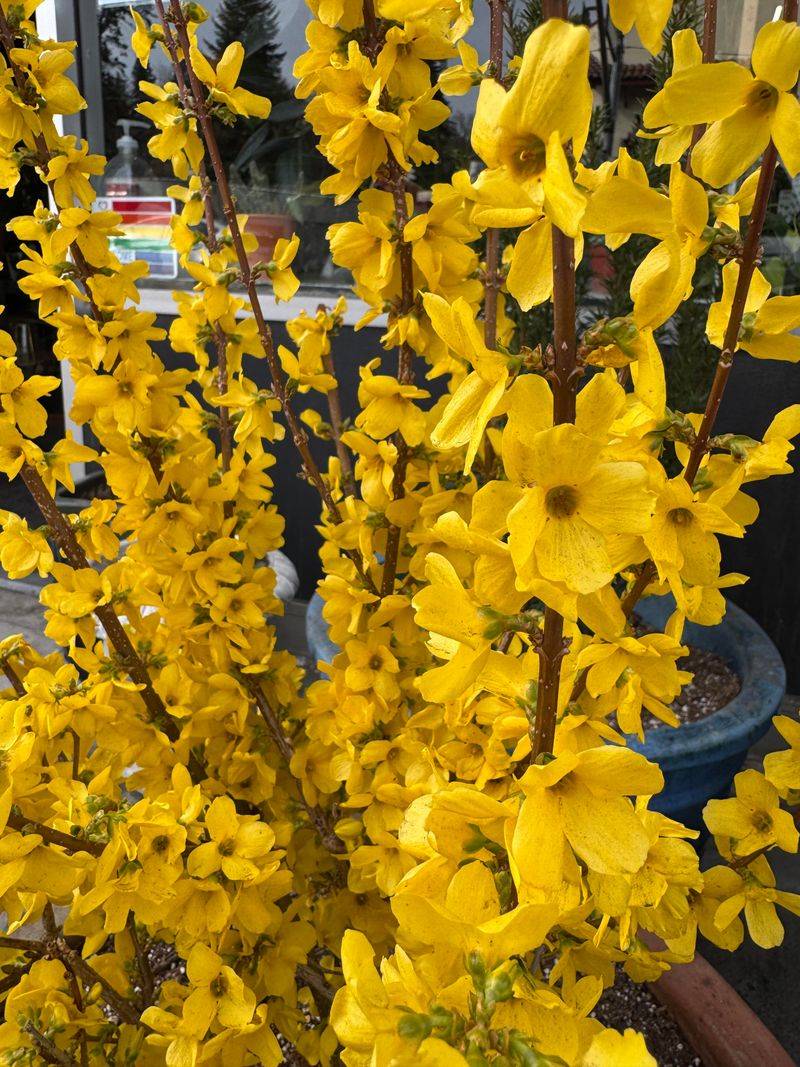
Forsythia is one of the first plants to remind you that spring is actually coming. Those bright yellow blooms on bare branches are a genuine mood shift after a long winter.
Prune at the wrong time and that early color show gets noticeably thinner.
Forsythias bloom on old wood. Right after the flowers fade in early spring, the plant starts growing new stems and setting buds for the following year.
By summer, bud formation is in full swing. Cutting back in July or August removes a large portion of those developing buds.
A forsythia pruned hard in summer will still survive. It is a tough, adaptable shrub.
But the spring color display will be reduced, sometimes dramatically, depending on how much was cut and when.
Prune forsythia right after it finishes blooming in early spring. That timing gives you the longest possible window for new growth and bud development before the following winter.
Hard renewal pruning, where you cut old stems down to the base, should also happen at that same time.
Avoid fall pruning too. By September and October, buds on forsythia are already formed and visible on the stems.
Any trimming at that point removes what is already there. Summer and fall are both the wrong seasons for forsythia work.
Keep the shears away from late spring through winter and these shrubs will consistently reward you with that bold early-season color display that makes them worth growing in the first place.
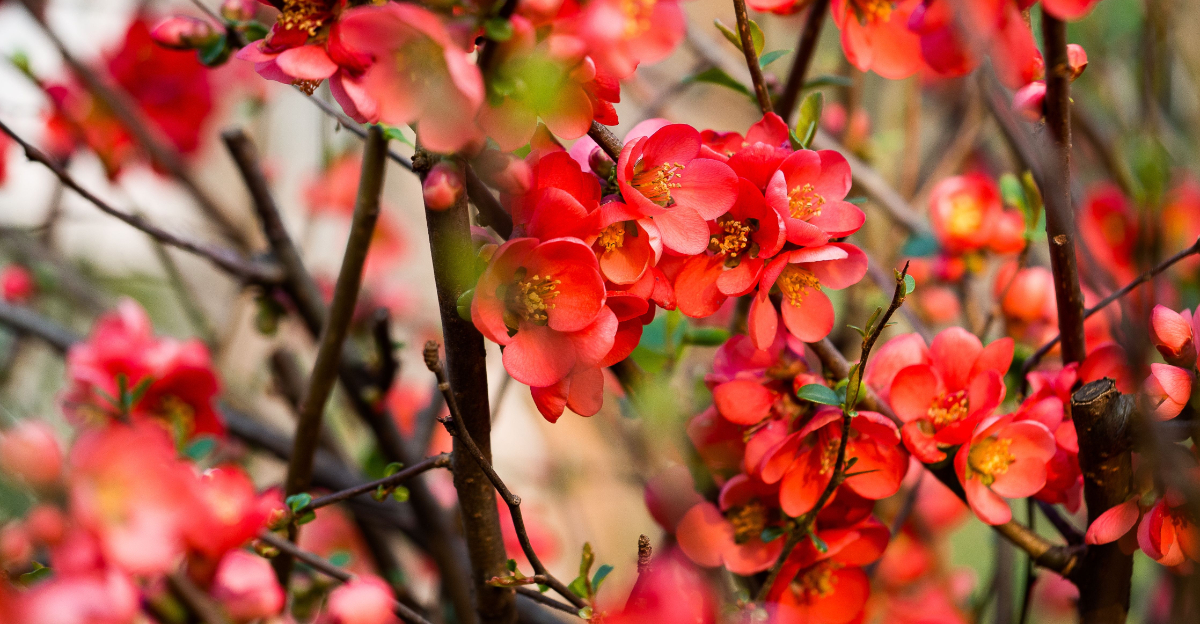
8. Flowering Quince Can Have A Lighter Floral Display
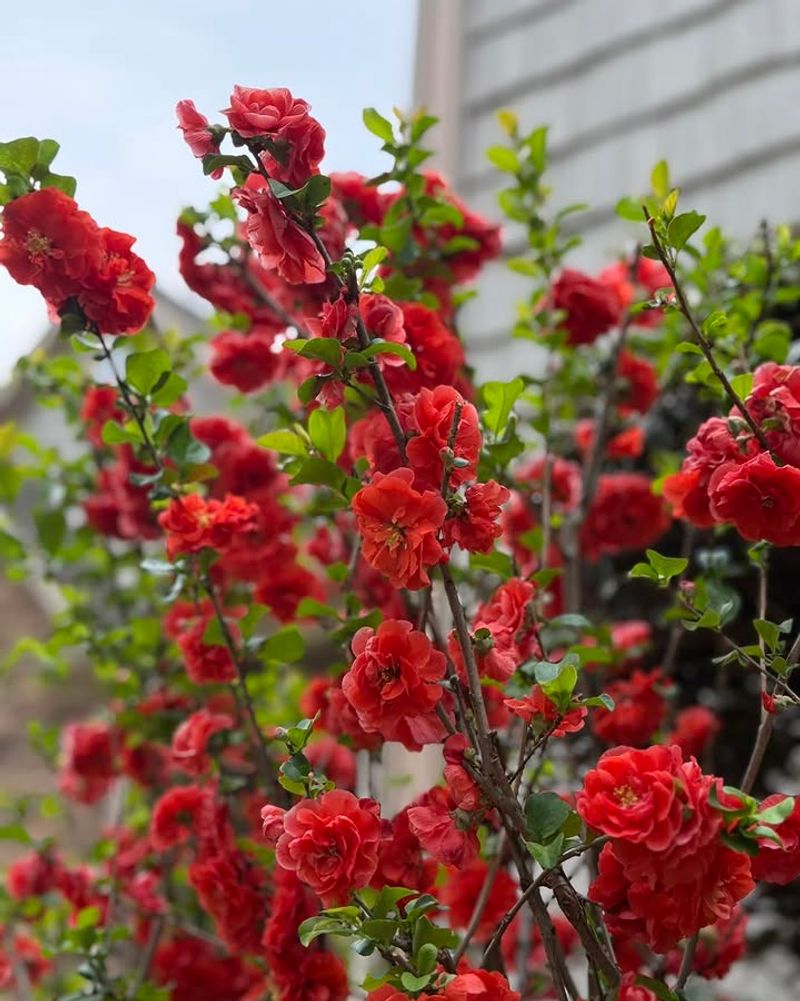
Flowering quince is one of those plants that earns serious respect once you understand what it can do. Vivid red, orange, or pink blooms appear in late winter or very early spring, sometimes before the leaves even emerge.
Summer pruning puts all of that at risk.
Quince blooms on old wood, setting its flower buds during summer on stems that have already matured. Those buds develop quietly through fall and winter, then open at the first hint of warmth.
Cut into the plant during summer and you remove the very stems carrying those future flowers.
Unlike some shrubs where the bloom reduction is subtle, quince can show a very noticeable difference. A plant that normally puts on a dense, colorful display may produce only scattered blooms after a poorly timed summer trim.
Prune flowering quince right after it finishes blooming in early spring. Remove old, unproductive canes at the base, thin crowded growth, and shape lightly.
That approach refreshes the plant without touching bud development for the following season.
Flowering quince is naturally thorny and dense, so it does benefit from regular pruning. The key is timing.
Across the South, late spring pruning keeps these shrubs in great shape without sacrificing next year’s color. Avoid touching them from June onward.
The buds are forming and every stem you remove is one less branch covered in blooms when late winter finally arrives.