9 Things That Attract Brown Recluse Spiders To Georgia Homes In Fall
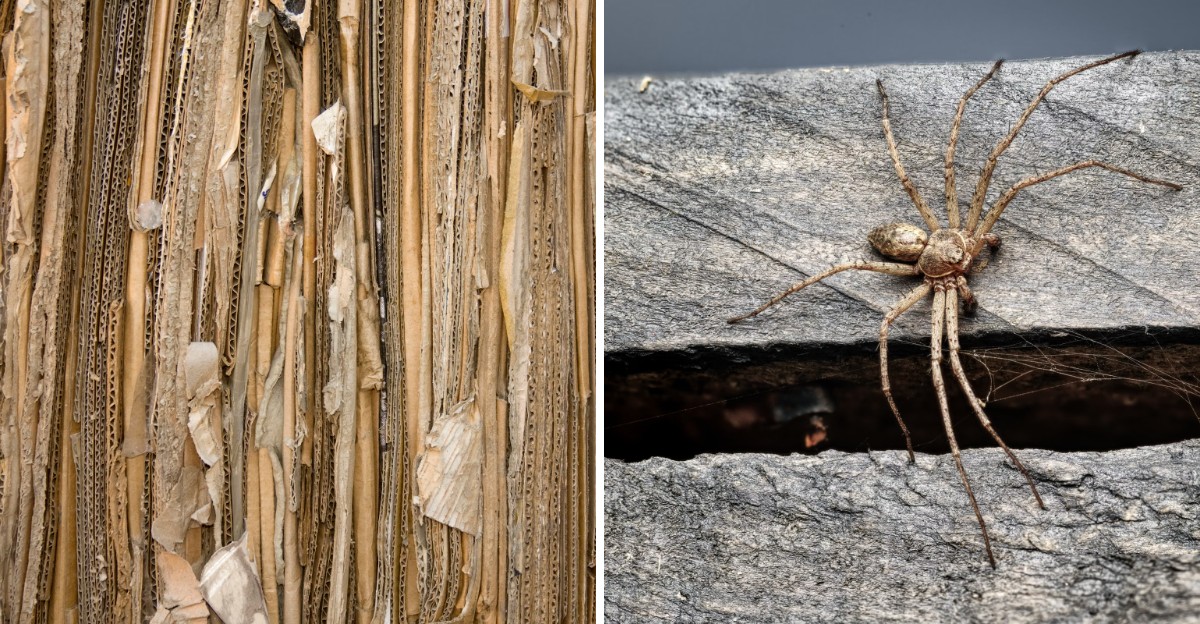
Your garage shoebox might be housing a tiny tenant that pays no rent and prefers to stay out of sight. Cooler October nights in Georgia push plenty of small creatures toward walls, closets, and forgotten storage corners.
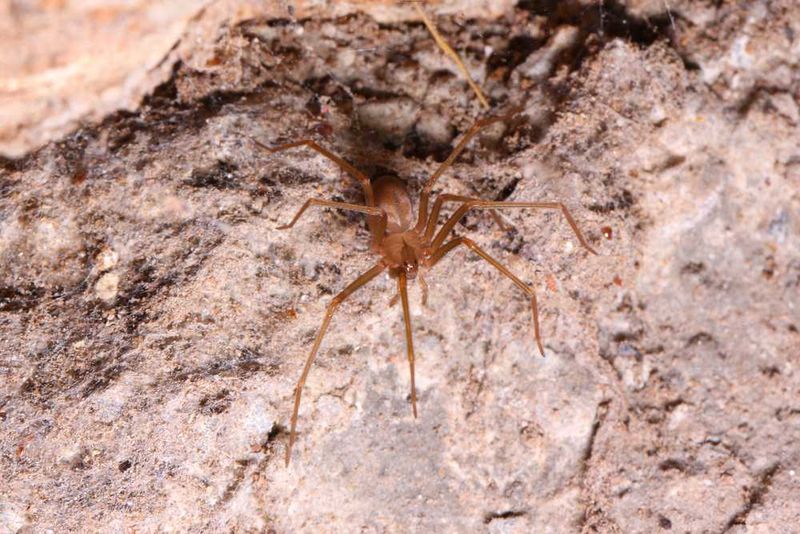
This particular visitor is shy and brownish, with a violin-shaped mark sitting just behind its six eyes. It hunts after dark and can go several months without a single meal tucked inside your quiet home.
I believe most of us accidentally roll out a welcome mat without realizing what our cluttered spaces are offering. Old boxes and stacked firewood might sound harmless, yet both send a quiet invitation to the wrong houseguest.
Sightings in Georgia cluster mostly in the northern counties, and many suspected cases turn out to be harmless lookalikes.
Still, learning what draws them indoors helps you sleep easier when the leaves start falling outside your window.
1. Quiet Corners Nobody Ever Visits
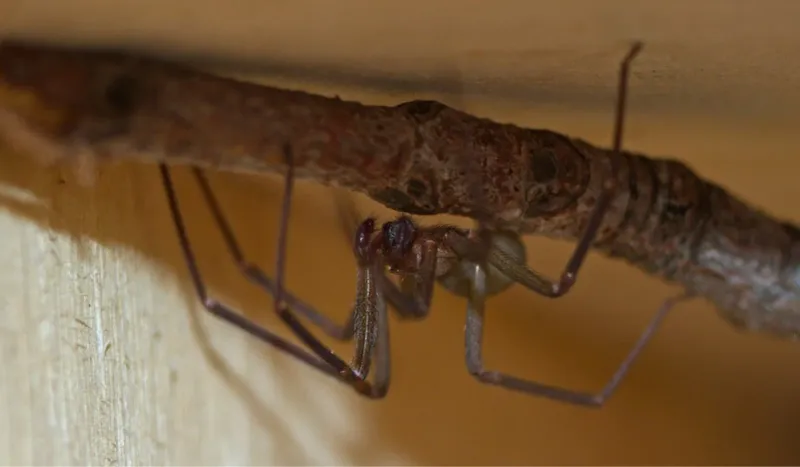
That spare bedroom you only open for holiday guests might be the most popular spot in your house. Brown recluse spiders earned their name honestly, and they adore rooms where footsteps rarely interrupt their peaceful days.
Entomologists at university extension offices describe these spiders as secretive hunters that avoid open, busy spaces whenever possible. They spend daylight hours tucked away and wander out at night to search for small insects to eat.
Back corners of closets, guest rooms, and storage areas offer exactly the kind of silence they crave. When nobody moves things around for weeks, a single spider can settle in and start a small family.
I can’t imagine anyone enjoys surprise roommates, so a simple routine of regular visits makes a real difference. Walk through quiet rooms weekly, open the closet doors, and shift a few items to break the calm.
Vacuuming along baseboards and under beds removes webs, egg sacs, and the tiny insects these spiders like to hunt. Empty the vacuum bag or canister outside afterward, so any captured spiders cannot crawl back into the room.
Sticky glue traps placed flat against walls in quiet rooms work like little detectives for curious homeowners. They catch wandering spiders at night and show you which areas need the most attention this fall season.
October is a smart time to start, since many families begin pulling out stored blankets and seasonal decorations. Giving those quiet spaces a little life now means fewer unwelcome discoveries when the holidays arrive later.
2. Buffets Of Tiny Insect Snacks
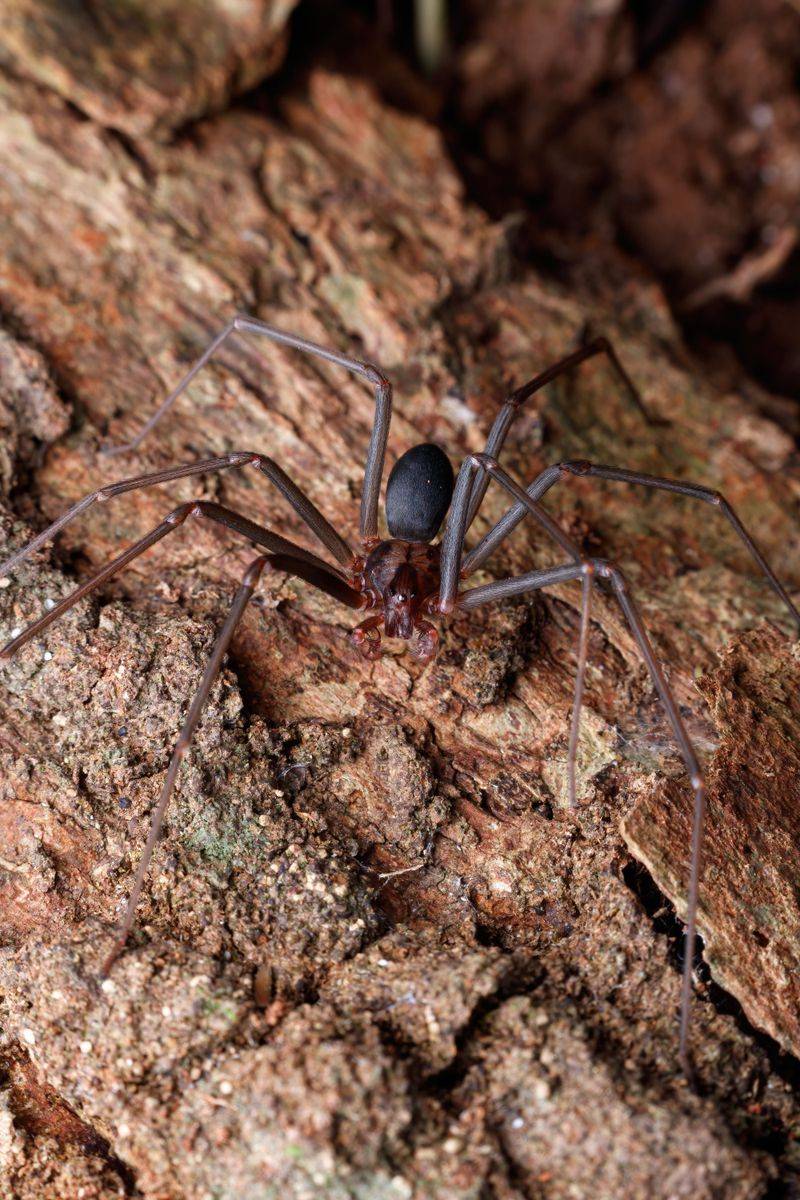
Every cricket hopping across your garage floor is basically a free dinner delivery for a hungry brown recluse. These spiders do not spin big catching webs, so they roam at night and grab whatever small prey appears.
Their menu includes cockroaches, crickets, silverfish, and small moths that find their way indoors as weather cools. Research from Kentucky and Texas extension programs notes that they will even scavenge insects that are no longer moving.
That scavenging habit surprises many people, because it means a home with leftover bugs offers easy pickings. A pile of lifeless flies on a windowsill can feed a spider for quite a while without effort.
Your Georgia Garden Changes Every Week. Your Plan Should Too.
Gardening in Georgia changes quickly throughout the season. Every Friday you’ll receive a simple weekly plan showing exactly what to plant, prune, fertilize, harvest, and protect so you never miss the right timing.
I’m sure nobody wants to run a spider cafe, so controlling the insect population is your smartest first step. Fewer crickets and roaches mean fewer reasons for brown recluses to stick around your basement or garage.
Sweep up insect remains from windowsills, light fixtures, and corners where bugs tend to collect in the fall. Fix leaky pipes and dripping faucets, since moisture draws silverfish and roaches that later become spider food.
Outdoor lights also pull moths and flying insects toward your doors on cool October evenings in the yard. Switching to yellow bug lights or motion sensors can noticeably reduce the crowd gathering near your entryways.
Did you know a brown recluse can survive several months without eating a single meal inside a quiet home? Cutting the food supply helps, but pairing it with cleanup and sealing gives you much better long-term results.
3. Sneaky Gaps Around Doors And Windows
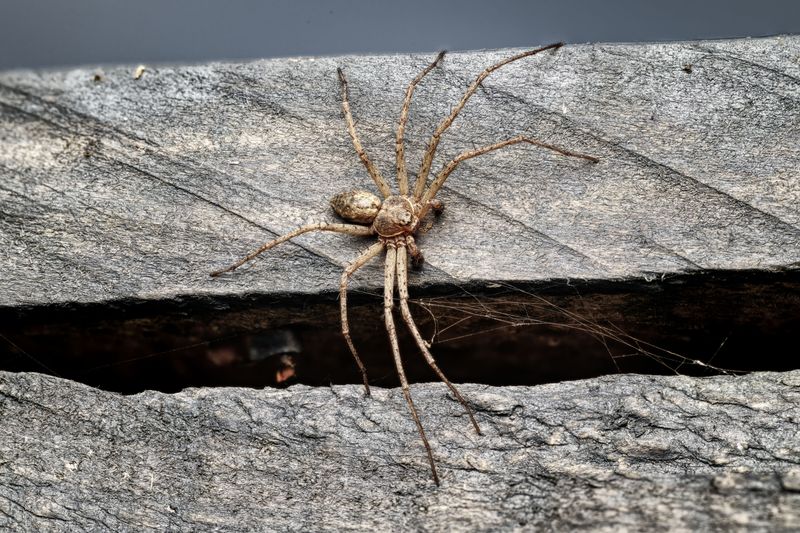
A gap as thin as a credit card can work like an open front door for a wandering spider. Brown recluses are flat-bodied and flexible, which helps them slip through cracks most of us barely notice.
Pest experts point to openings around doors, windows, foundations, and utility pipes as common entry routes into homes. Worn weatherstripping and missing door sweeps are frequent culprits, especially on older houses with shifting frames.
You definitely need to grab a flashlight one evening and check where daylight or drafts sneak through. Start at the garage door, since its bottom seal often cracks or warps after a long hot season.
Silicone caulk works well for small cracks around window frames, siding joints, and spots where cables enter walls. Larger openings around pipes can be packed with copper mesh or expanding foam made for exterior use.
Door sweeps are inexpensive, easy to install, and surprisingly effective at blocking crawlers from sliding under thresholds. Check that each sweep touches the floor evenly, because even a small gap on one side lets spiders through.
Torn window screens and loose vent covers deserve attention too, since they offer handy shortcuts into attics. A quick patch kit from the hardware store can fix most screen tears in a matter of minutes.
Sealing will not stop every single spider, because many brown recluses already live indoors year-round in established homes. Still, closing entry points this fall keeps new arrivals from joining the ones you might already be hosting.
4. Chilly Nights That Send Spiders Searching
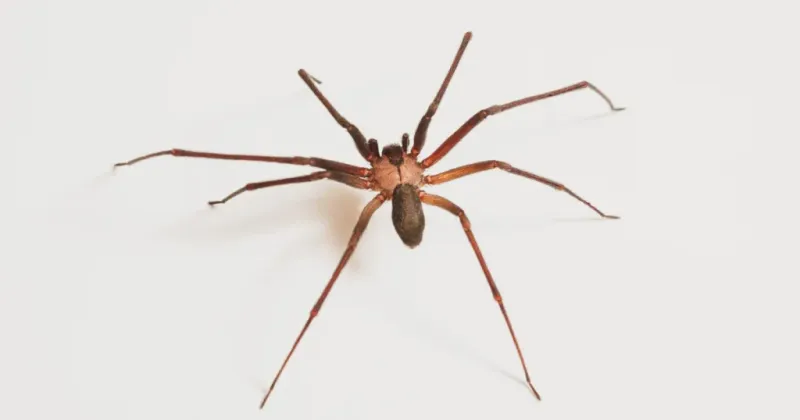
Something shifts when crisp October air finally replaces the sticky heat across Georgia backyards and front porches. Many spiders and insects respond to cooler nights by looking for warmer, steadier shelter near or inside houses.
Pest control companies often describe fall as a busy season for spider sightings throughout the Southeast region. Part of that bump comes from people spending more time indoors and opening closets they ignored for months.
I wonder how many of those fall encounters involve spiders that were already living quietly inside all along. University of Kentucky entomologists note that brown recluses often live indoors year-round, rather than migrating in each autumn.
So the seasonal story has some truth, though it is mostly about habits shifting on both sides. Outdoor populations near the foundation may push closer to warm walls, and people stir up old hiding spots.
Brown recluses become less active when temperatures drop, and they tend to settle into sheltered, stable spaces for winter. That makes early fall a smart window to inspect your home before spiders tuck themselves deep into storage.
Check basements and attics on a cool afternoon, using a flashlight to scan corners, rafters, and box edges. Look for small irregular webs, shed skins, or round off-white egg sacs tucked into protected nooks.
Keeping indoor temperatures consistent will not repel spiders, but reducing clutter near warm spots like water heaters helps. Those cozy utility corners attract plenty of critters once the first chilly mornings settle over the neighborhood.
5. Woodpiles And Leaf Heaps Hugging The Foundation
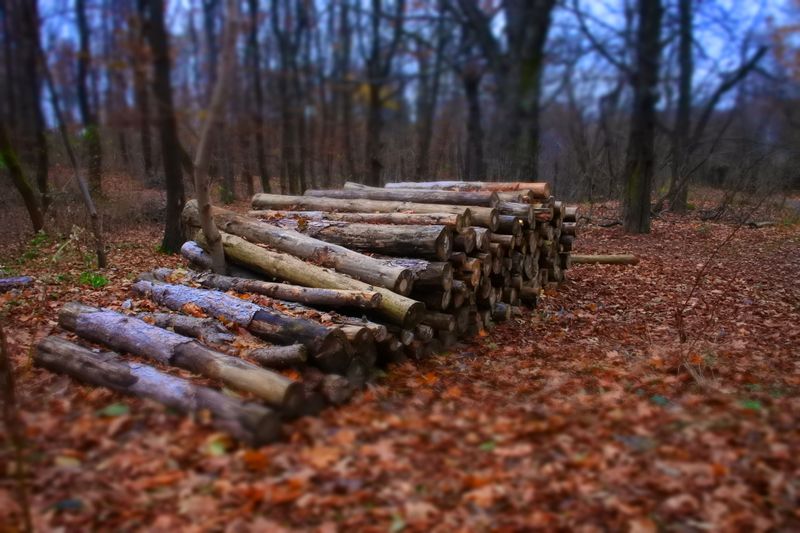
That neat stack of firewood leaning against your house looks cozy, but spiders view it as a luxury apartment. Outdoors, brown recluses shelter under bark, rocks, and debris, so piles near the walls feel just like home.
Leaf litter, rock piles, lumber scraps, and overgrown weeds all provide shady cover right beside your foundation. When those hiding spots touch the house, spiders only need a short walk to find a gap inside.
Fall makes this trickier, because leaves pile up quickly and many families start stacking firewood for winter evenings. Move woodpiles at least twenty feet from the house and raise them off the ground on a sturdy rack.
Bring firewood indoors only when you plan to burn it, and knock each log gently before carrying it. Spiders sometimes hitch rides on split logs, so a quick inspection saves you from an unpleasant fireside surprise.
Rake leaves away from the foundation and avoid letting thick mulch beds climb up against the siding. A strip of gravel or bare soil between plants and walls makes it harder for crawlers to sneak closer.
Trim shrubs and vines so they do not brush against windows, gutters, or the roofline of your home. Branches touching the house act like little bridges, giving spiders and insects an easy path toward upper openings.
Wear sturdy gloves whenever you clear debris, since brown recluses can bite when pressed against bare skin. Most bites happen when people accidentally trap a spider, so careful hands make yard cleanup much safer this season.
6. Cardboard Boxes That Feel Like Tree Bark
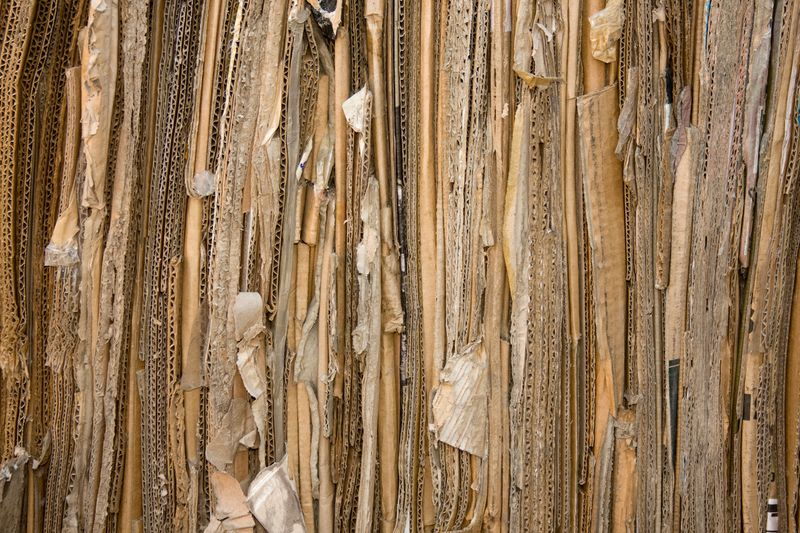
Cardboard might be the single most charming item in your house, at least from a brown recluse perspective. Its layered folds mimic loose tree bark, offering tight dark crevices where these spiders feel safe and hidden.
Extension specialists frequently find brown recluses living inside stored boxes, paper stacks, and old shipping cartons in garages. Females even use these snug retreats to lay egg sacs, which can each hold dozens of tiny spiderlings.
I believe the attic box of holiday decorations deserves extra caution when you pull it down this fall. Lift boxes slowly, wear gloves, and carry them into a bright area before opening the flaps fully.
Switching to sealed plastic bins with tight-fitting lids is one of the easiest upgrades for safer storage. Tape any seams or gaps, because spiders can squeeze through surprisingly narrow openings around poorly fitted lids.
Keep stored bins off the floor when possible, using shelves that leave a little space from the walls. That small gap removes easy contact points and makes it simpler to spot webs during quick weekly checks.
Recycle empty shipping boxes promptly rather than letting them stack up in the garage or a back closet. Online orders tend to increase heading into the holidays, so a growing cardboard pile can sneak up quickly.
Sticky traps tucked beside storage shelves can reveal whether spiders have already moved into your boxes this year. Catching one or two is a helpful clue, while catching many suggests it may be time to call professionals.
7. Forgotten Shoes And Clothing Piles
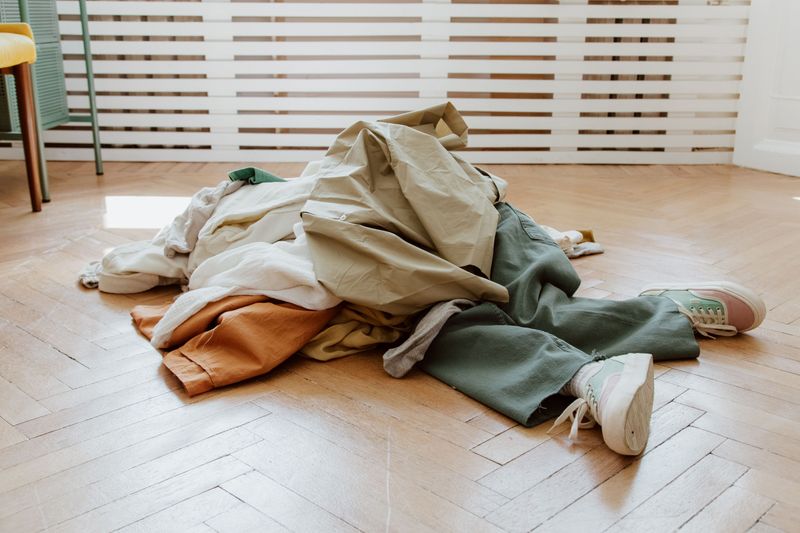
Your favorite winter boots might hold more than memories after sitting untouched in the closet for months. Brown recluses love the dark, snug interior of shoes, and a heap of clothes feels like a perfect cave.
Many reported bites happen when someone slips on a jacket or pair of gloves that a spider claimed. The spider is not hunting you, but it may bite in defense when squeezed against warm skin suddenly.
Fall is exactly when people pull sweaters, coats, and boots out of storage for the first cool mornings. Shake each item firmly outdoors or over a bathtub before wearing it, especially pieces stored in boxes.
You definitely need to make a habit of tapping shoes upside down before slipping your feet inside them. It takes two seconds and could spare you a nasty surprise on a sleepy morning before school or work.
Towels and laundry left on bathroom or bedroom floors create similar hideaways, especially in quiet guest spaces. Hang towels on hooks and keep laundry in hampers with lids instead of letting piles linger for days.
Store out-of-season clothes in sealed plastic bags or bins rather than open shelves and cardboard boxes. Shoe racks that lift footwear off the floor also make it harder for wandering spiders to crawl inside.
Beds deserve a quick look too, since blankets dragging on the floor can give spiders an easy climbing route. Tuck bedding in neatly and move beds slightly away from walls, so nighttime visits become far less likely.
8. Hidden Wall Voids And Crawl Spaces
Some of the busiest spider neighborhoods in a home sit behind drywall, where nobody ever looks or dusts. Wall voids and crawl spaces offer steady darkness and stable temperatures that brown recluses find wonderfully comfortable.
Because these spaces are rarely disturbed, populations can grow quietly for years before anyone notices a problem. One Kansas family collected over two thousand brown recluses from their home over six months, with nobody bitten.
That famous case, published in a medical journal, shows how shy these spiders truly are around people. It also proves that hidden spaces can support big populations when food and shelter stay plentiful indoors.
Crawl spaces in older homes often have damp soil, insulation gaps, and plenty of insects for spiders to hunt. A vapor barrier and proper ventilation can reduce moisture, which in turn lowers the bug population below floors.
Seal gaps where pipes and wires pass through walls, since these openings connect voids to living spaces. Outlet covers and switch plates with loose edges can also serve as tiny doorways between rooms and walls.
Treating wall voids often requires specialized dusts and equipment that most homeowners do not keep around the house. Licensed pest professionals can apply products safely into these spaces and inspect areas you cannot easily reach.
If you live in northern Georgia and spot several recluses, a professional inspection this fall is worth considering. Bring a captured spider in a sealed jar, because experts at your county extension office can confirm identification.
9. Secondhand Furniture And Moving Day Hitchhikers
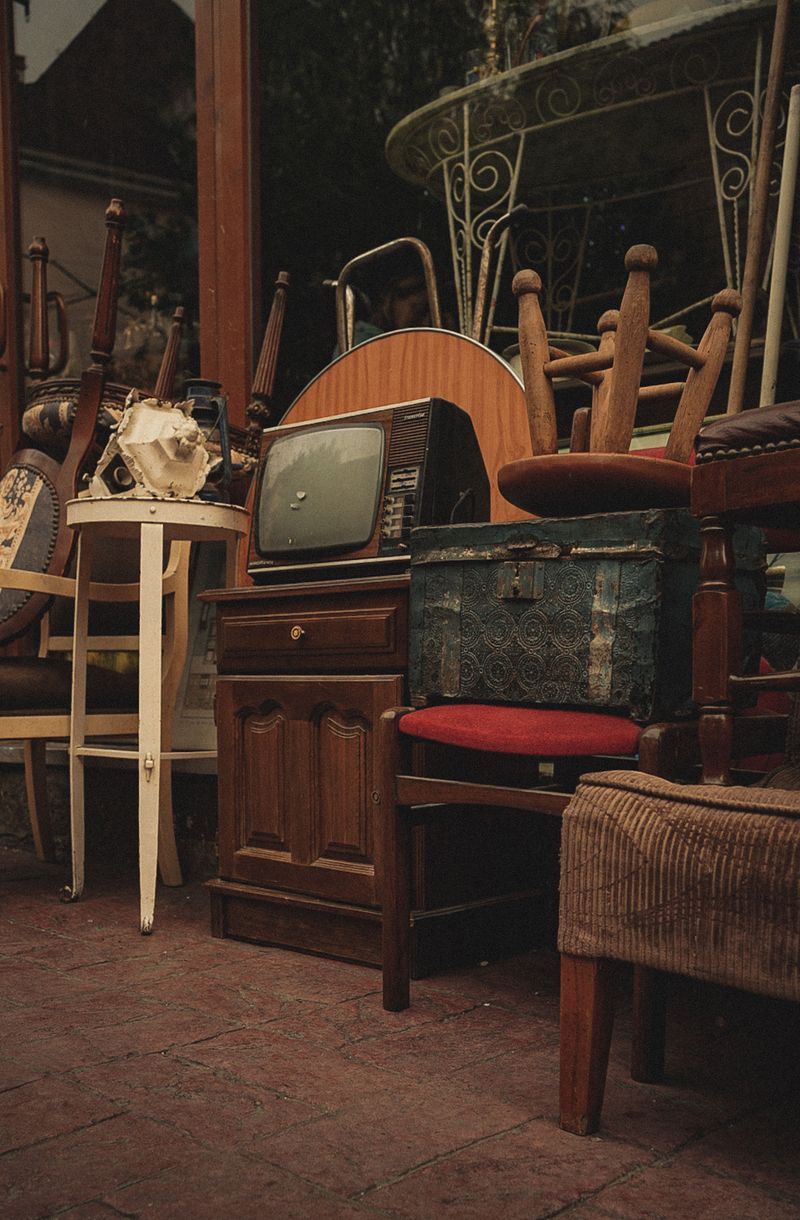
That bargain dresser from a yard sale could arrive with a tiny passenger tucked inside its back panel. Brown recluses spread between homes mostly by riding along on furniture, boxes, and stored belongings rather than walking.
These spiders are poor long-distance travelers on their own, so people often move them without realizing it. That explains why scattered populations sometimes appear far from where the species normally lives in larger numbers.
In Georgia, brown recluses are mostly reported in the northwest corner, while many southern sightings turn out mistaken. University of Georgia entomologists note that wolf spiders and other brown species frequently get confused with recluses.
Fall yard sales and moving season bring plenty of secondhand treasures through front doors across the region. Inspect drawers, undersides, and joints outdoors before carrying anything inside, using a flashlight to check dark seams.
I’m sure a quick vacuum of crevices feels like extra work, yet it removes hidden egg sacs easily. Wipe down boxes from storage units too, since they often sit undisturbed for long stretches in dim conditions.
A true brown recluse has six eyes arranged in three pairs, unlike most spiders, which have eight eyes. Its legs are uniformly colored without bands or spines, and the violin marking points backward toward its abdomen.
Honestly, confirming identification matters more than panicking over every brown spider that scurries across the kitchen floor. Snap a clear photo or capture the spider, then ask your county extension office for a friendly expert opinion.