These Invasive Shrubs Are Being Banned In More Florida Counties This Fall
A Florida shrub can look harmless right up until somebody mentions the word ordinance.
Maybe it came with the house. Maybe you planted it years ago because every nursery seemed to carry it. Now fall landscaping season is approaching, and suddenly the plant beside your fence feels like a legal question.
So is your county actually banning it?
That answer is more complicated than a viral post makes it sound. Florida has state noxious weed rules, local landscape codes, and university invasive assessments, and those lists do not always mean the same thing.
A county may prohibit new planting. Another may require removal during redevelopment. An existing residential property may even fall under an exemption.
That is why the scientific name matters almost as much as the shrub itself.
Before you grab a saw or assume your old hedge gets a free pass, check what rule actually applies where you live.
Some familiar Florida landscape plants carry far more legal baggage than their innocent leaves suggest.
Especially this coming fall.
1. Check Brazilian Pepper Against Current Rules
Brazilian pepper is one of those plants that does not need a new county ordinance to become a legal concern.
Schinus terebinthifolia already appears on Florida’s noxious weed list.
State guidance says possession with the intent to sell or plant is illegal without a special permit, and UF/IFAS treats the species as prohibited across Florida. Local rules can add another layer on top of that.
That is where homeowners need to slow down and check the actual county code.
Collier County, for example, includes Brazilian pepper among prohibited exotic vegetation and requires removal under its land development rules.
Pinellas County also lists it as a Tier 1 undesirable species. New planting is not allowed there, and removal can be required during development or new-house construction, although certain existing residential properties are exempt from that local requirement.
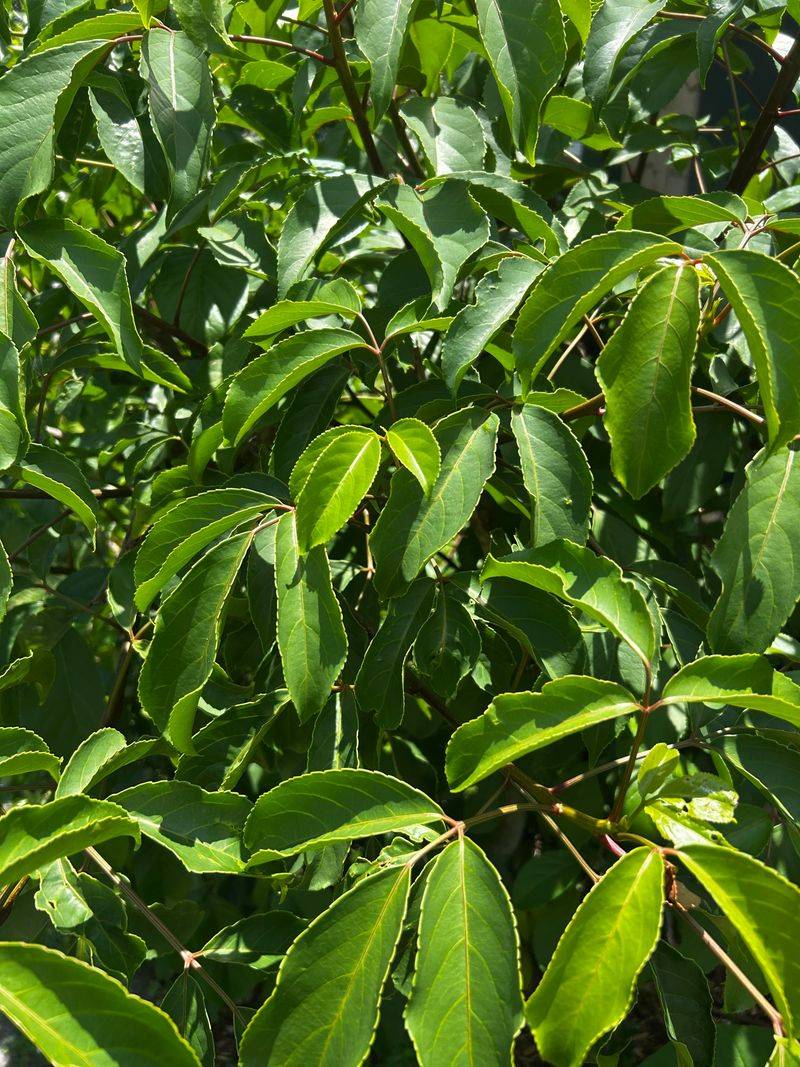
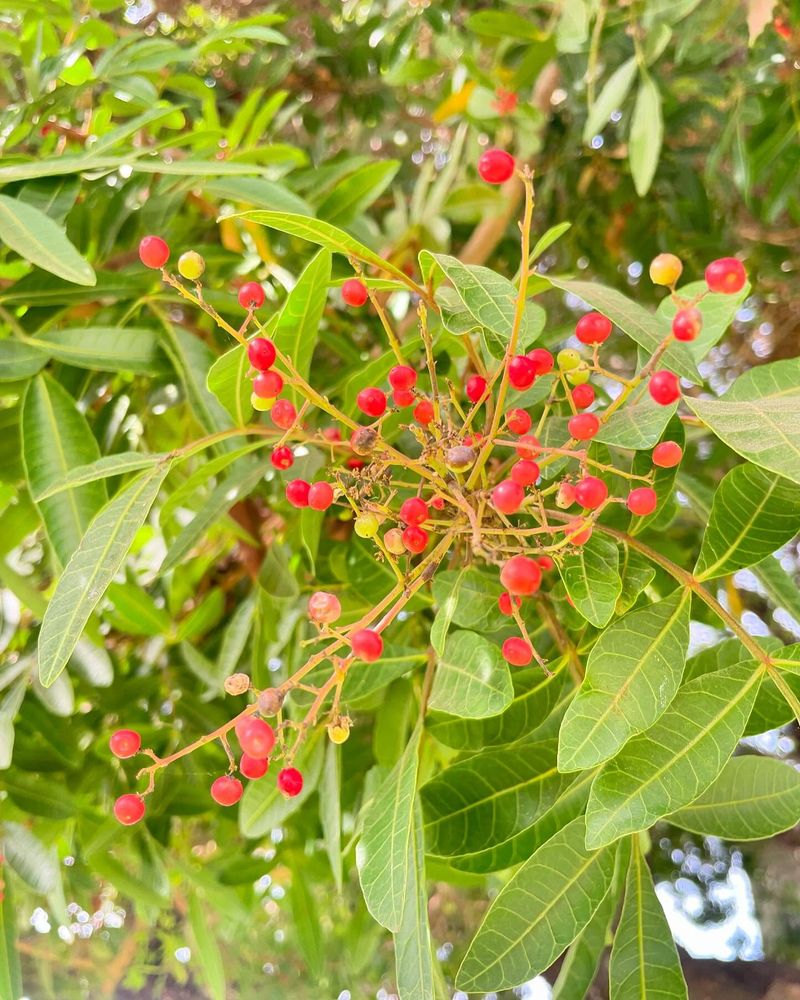
Identification matters before anybody starts cutting. Brazilian pepper has glossy compound leaves, reddish stems, and clusters of red berries. The sap can also irritate people who react to plants in the poison ivy family.
So do not treat every red-berried shrub as guilty by association.
Confirm the scientific name first, then check state and local rules separately. Brazilian pepper already carries serious restrictions. The real question this fall is what your county expects you to do with the one already standing in the yard.
2. Watch Carrotwood On Local Plant Lists
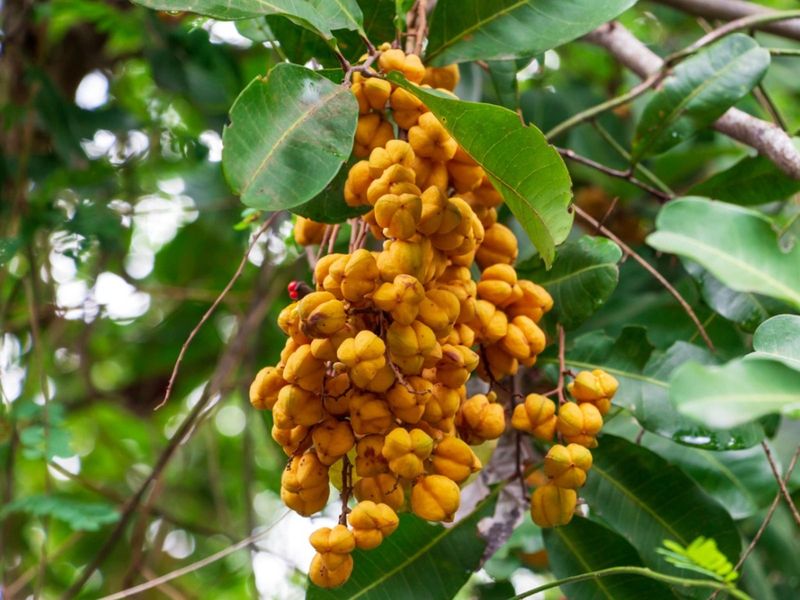
Carrotwood can fool homeowners because it still looks like the kind of tidy evergreen tree that belongs beside a driveway.
The legal status tells a different story.
Cupaniopsis anacardioides appears on Florida’s noxious weed list, and UF/IFAS currently classifies it as prohibited statewide.
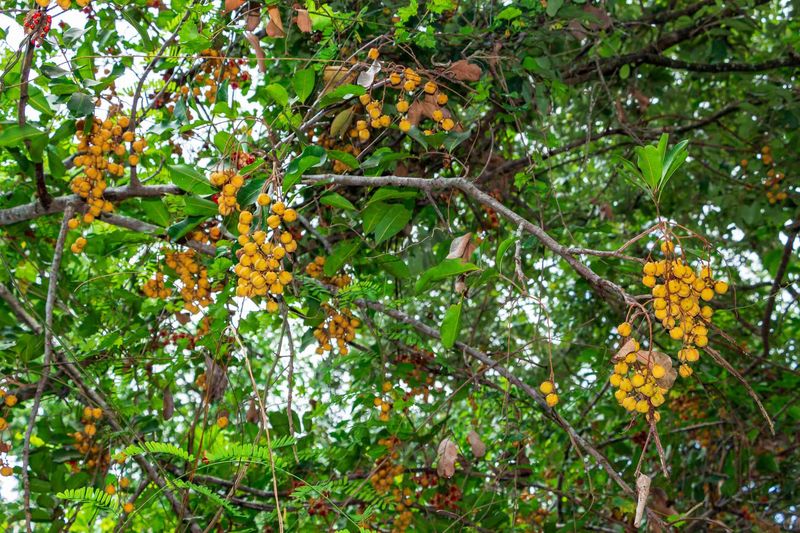
Birds spread the seeds readily, which helped the species move from ornamental landscapes into coastal and natural areas across central and southern Florida.
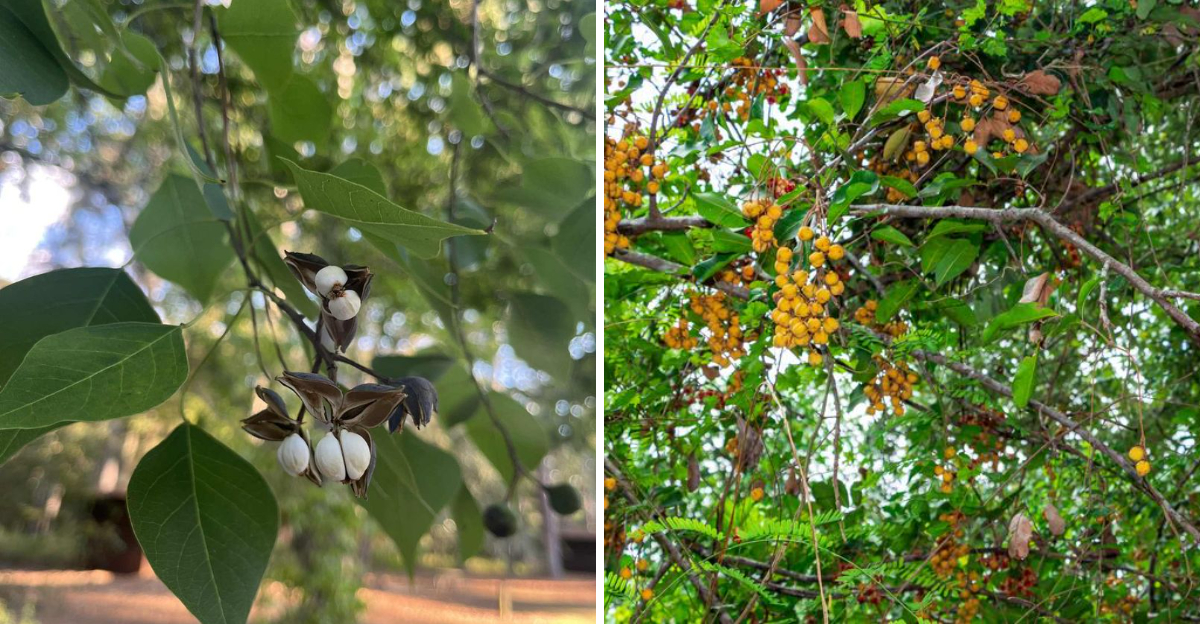
A quick identification clue hides under the bark. Carrotwood usually has gray outer bark with orange inner bark, along with glossy compound leaves and yellow-orange fruit capsules that split open as they mature.
Your Florida Garden Changes Every Week. Your Plan Should Too.
Gardening in Florida changes quickly throughout the season. Every Friday you’ll receive a simple weekly plan showing exactly what to plant, prune, fertilize, harvest, and protect so you never miss the right timing.
Local codes can become even more specific.
Collier County includes carrotwood among prohibited exotic vegetation subject to local removal requirements.
Pinellas County places it in its Tier 1 undesirable category, where new planting is prohibited and removal can be triggered by development or new residential construction.
Existing residential exemptions mean the rule does not land exactly the same way on every property.
That distinction is important.
Finding carrotwood on a prohibited list does not automatically tell you when a mature specimen must come out of your particular yard. Check the parcel type, local ordinance, and any development trigger before scheduling removal.
Carrotwood may look like an ordinary landscape tree. Legally, it comes with much more paperwork than the canopy suggests.
3. Check Chinese Privet Before Keeping It
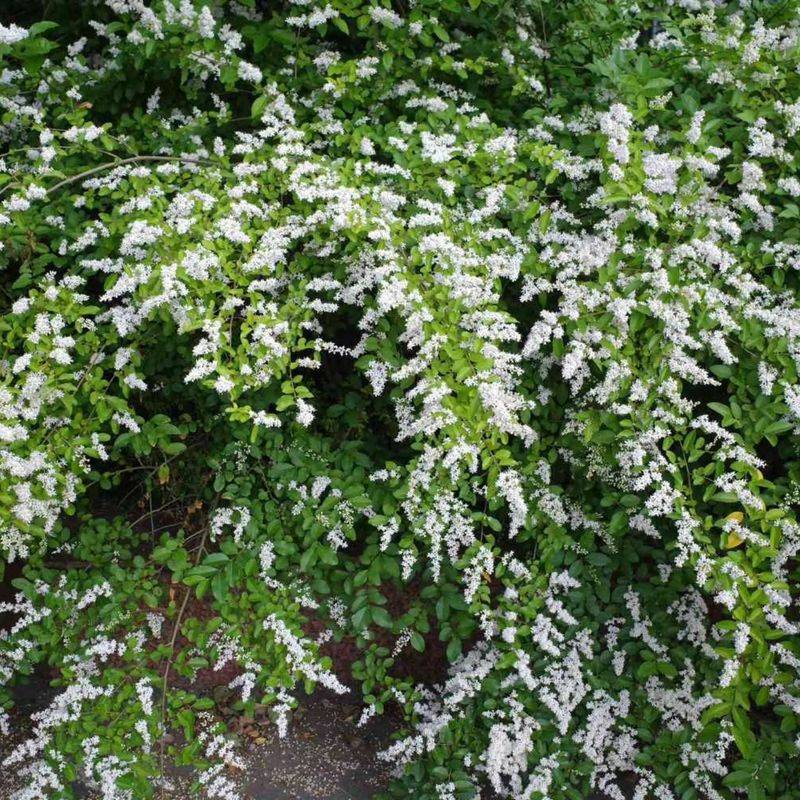
Chinese privet creates extra confusion because the word privet covers several different shrubs.
Ligustrum sinense is the one to identify carefully.
Florida’s current noxious weed rule lists Chinese privet, with named exemptions for the cultivars ‘Variegatum’ and ‘Sunshine.’
That small line in the rule matters a lot when homeowners start comparing a hedge in the yard with a general article about invasive privets.
Local governments can still go further.
Leon County prohibits the importation, transportation, sale, propagation, or planting of Chinese privet. Pinellas County also places the species in its Tier 1 undesirable category, while specifically noting cultivar exceptions in its local list.
So a hedge labeled only “privet” is not enough information.
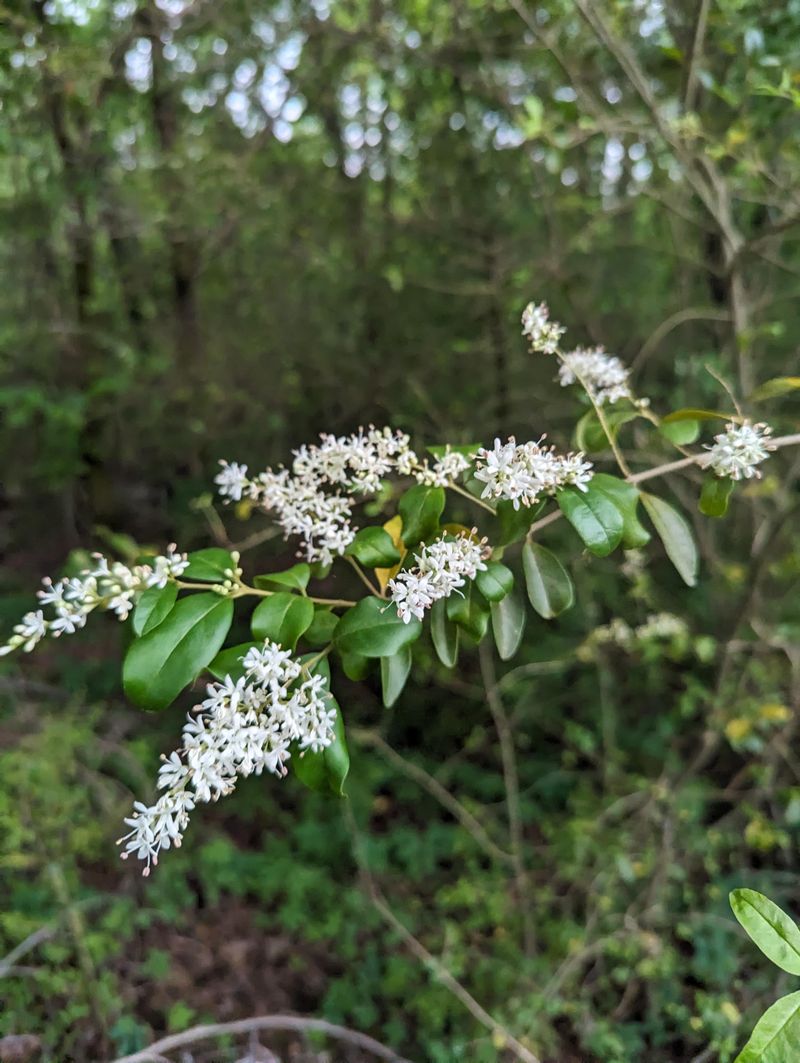
Look for the scientific name on an old nursery tag when one exists. Chinese privet tends to have smaller opposite leaves, fine hairs on young twigs, and clusters of white flowers followed by dark fruit.
Other Ligustrum species can look similar enough to make casual identification risky.
A county extension office or knowledgeable arborist can help confirm the species before you make a major removal decision.
This is exactly why common names can get homeowners into trouble. “Privet” sounds simple. Florida law is reading the Latin.
Before the hedge loses a single branch, make sure both you and the ordinance are talking about the same plant.
4. Review Chinese Tallow Rules Carefully
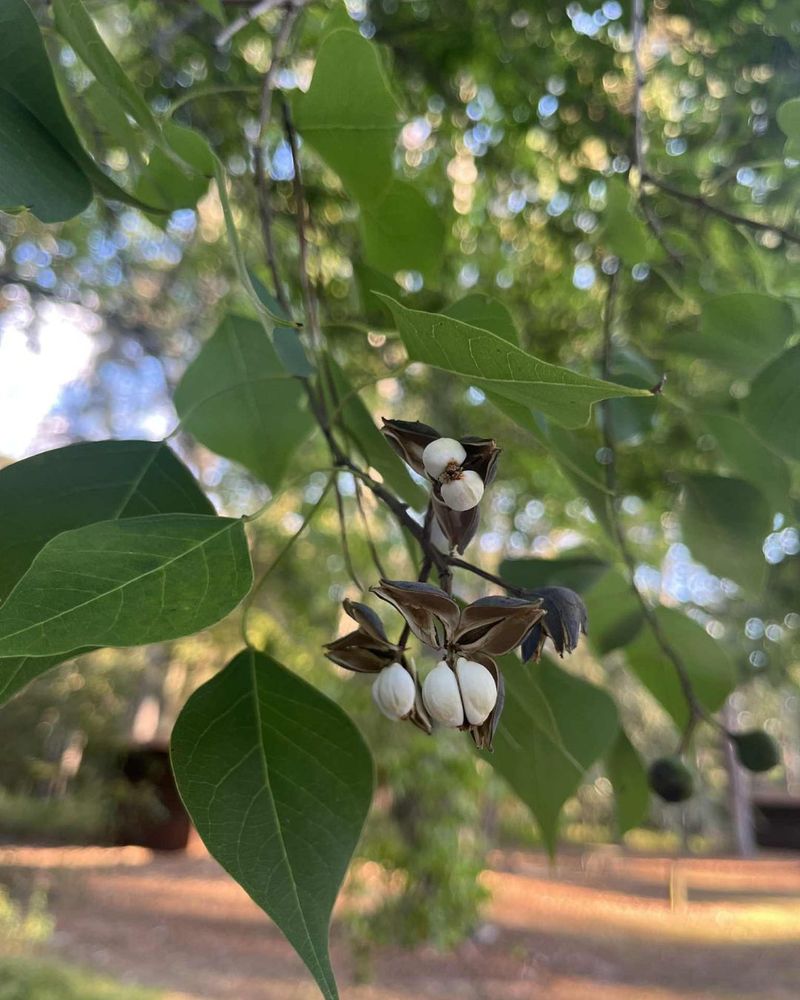
Chinese tallow has one of the friendliest nicknames on an invasive plant list.
“Popcorn tree” sounds charming. The legal status is not.
Triadica sebifera, also listed under the older name Sapium sebiferum in Florida’s rule, is a state-designated noxious weed. UF/IFAS classifies it as prohibited throughout Florida.
The tree spreads through abundant seed and root suckers, and birds can carry those white, waxy seeds well beyond the original planting.
Identification becomes easier in fall.
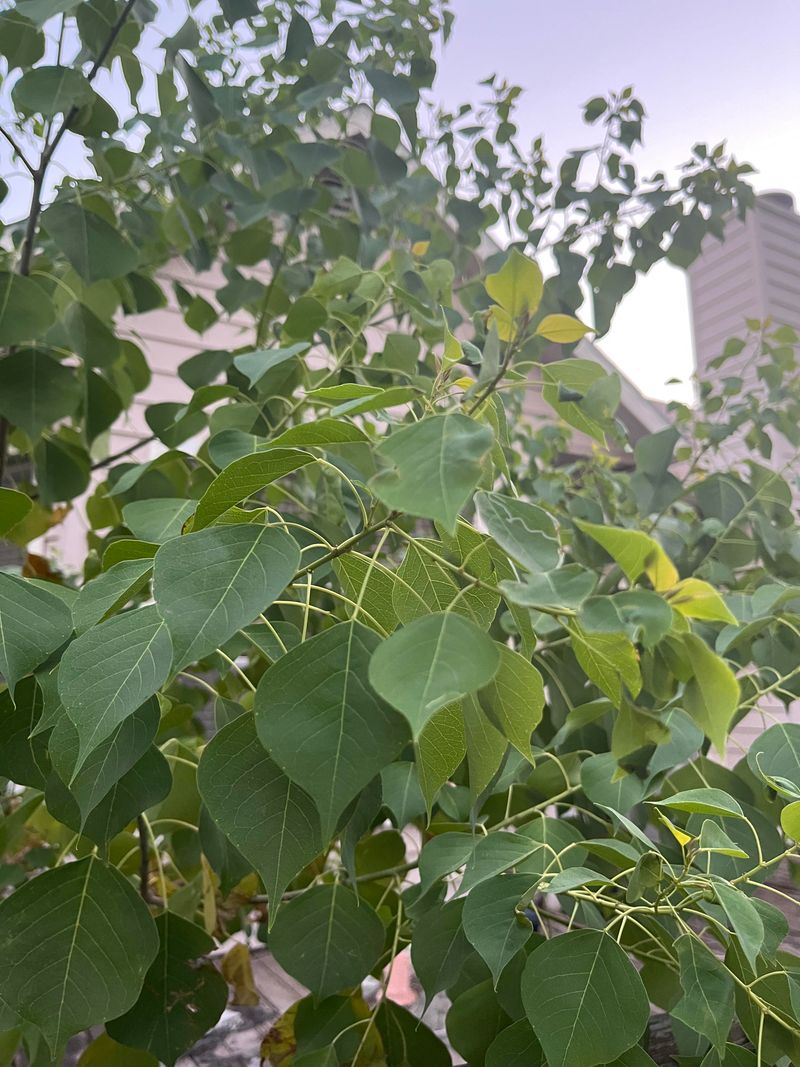
The leaves are broadly diamond-shaped with pointed tips, and they can turn red or orange. Mature seed capsules split to expose white seeds that really do resemble pieces of popcorn sitting along the branches.
County rules may add another layer. Leon County specifically prohibits planting, selling, propagating, transporting, and importing Chinese tallow.
Pinellas County includes it among Tier 1 undesirable plants, while other local codes list it among prohibited landscape species.
Do not assume every local rule requires immediate removal from every existing home.
Some codes focus on new planting. Others connect removal to development, permits, or property changes. Existing residential exemptions can change the answer again.
That means the first job is not grabbing the chainsaw.
Confirm the species, read the current county language, and check for triggers or exemptions.
The nickname may sound like fairground food. The ordinance definitely does not treat this tree like a snack.
5. Separate Invasive Ratings From Legal Bans
One phrase causes more confusion than almost anything else in Florida invasive plant discussions: “listed as invasive.”
That does not always mean “illegal in your yard.”
UF/IFAS maintains a research-based assessment system that evaluates how nonnative plants affect Florida natural areas.
Some plants receive an invasive recommendation because of ecological impacts. Other assessment pages say “prohibited” because the species also appears on a federal or state regulatory list.
Those categories need to stay separate in your head.
A scientific assessment can tell you that a shrub spreads aggressively or damages native communities. A state noxious weed rule creates legal restrictions.
A county landscape code can create another set of requirements for planting, development, or removal.
One plant can appear in all three places.
Another may appear only in the research assessment.
That is why screenshots of plant lists cause so much unnecessary panic online. Somebody sees an invasive designation, assumes a county ban arrived yesterday, and suddenly half the neighborhood thinks code enforcement is coming for the hedge.
Use each source for the job it actually does.
Check Florida’s noxious weed rule for state regulatory status. Read your county or city code for local requirements. Use UF/IFAS to understand ecological risk and current identification.
Three sources, three purposes.
Once you separate them, Florida’s invasive plant rules become much less mysterious and much harder to misreport.
6. Read Your County Code Before Removing Anything
County code is where the answer becomes personal.
A statewide list can tell you that a plant is regulated, but the local ordinance tells you what may happen on your specific property.
Start with the county’s official code or land development regulations. Search the scientific name first. Common names can change, contain spelling variations, or cover several species that receive different treatment.
Then read beyond the plant list.
Look for words such as prohibited, undesirable, removal, development, redevelopment, landscaping permit, exemption, and grandfathered.
Those little sections often decide whether an existing shrub can stay temporarily or must be removed during a future project.
Pinellas County is a good example. Its Tier 1 list prohibits planting several invasive species and can require their removal during site development or new-house construction.
The same page also provides an exemption for certain existing residential properties.
Collier County takes its own approach and maintains requirements for prohibited exotic vegetation.
That is why a friend two counties away cannot reliably interpret your landscaping obligations.
Save the ordinance section once you find the relevant language. Then call local code enforcement or planning staff when the wording still feels fuzzy.
Ask for the ordinance number and current effective language.
Five careful minutes with the actual code beats five hours removing the wrong shrub because a neighborhood Facebook comment sounded confident.
7. Confirm Effective Dates Before Fall Changes
Fall rumors deserve one extra check before they become garden plans.
A public meeting, proposed rule, staff recommendation, or commission agenda item is not automatically an enacted ban.
Florida’s state noxious weed rule offers a useful example. The official rule history shows public meetings in 2025 and 2026 about possible plant-list changes, including a June 2026 discussion involving Nandina domestica.
The currently posted final adopted version still carries an effective date of September 28, 2020.
That difference matters.
A proposal can change before adoption. An ordinance may pass with a later effective date. A rule can also include a compliance period that gives property owners months before a requirement begins.
So when somebody says a shrub is “being banned this fall,” ask for the ordinance number.
Then look for the adoption date, effective date, affected properties, and any phase-in language. Meeting minutes alone do not answer all four questions.
This is also where the original headline needs caution. Current Florida and county restrictions on several invasive shrubs are easy to verify. A broad new wave of Florida counties adding these four plants to banned lists specifically in fall 2026 is not.
That does not make the issue unimportant.
It makes precision more important.
Garden gossip moves fast. Local law prefers paperwork, dates, and section numbers, which is far less exciting and much more useful.
8. Replace Restricted Shrubs With Better Florida Fits
Removing a problem shrub feels much better when the empty space already has a replacement waiting.
Start with the job the old plant performed.
A privacy screen needs height and density. A foundation shrub needs a manageable mature size. A bird-friendly corner needs flowers, fruit, or cover.
Matching that function keeps the replacement from feeling like an ecological consolation prize.
Florida natives offer plenty of options.
Simpson’s stopper can form an attractive screen and produces fruit used by birds. Walter’s viburnum works as a shrub or small tree in many landscapes.
Firebush brings tubular flowers that attract hummingbirds and butterflies, especially in warmer parts of Florida.
Site conditions still get the final vote.
Check sunlight, drainage, salt exposure, mature width, and your region before buying. A plant that thrives in Miami may not respond the same way to Panhandle winter temperatures. A shrub that loves moist soil can struggle beside a hot driveway.
Plan the replacement before removal when possible. That keeps bare ground from sitting open for weeds and gives you a clear reason for the change.
Your county extension office and Florida-Friendly Landscaping resources can help narrow the choices for your area.
The goal is not simply to remove something labeled invasive.
It is to trade a troublesome plant for one that fits the yard better and creates far less drama with the rulebook.