The Oregon Yard Cleanup Mistake That Removes Next Spring’s Native Bee Nests
Fall cleanup can make an Oregon yard look impressively finished.
Beds get clipped. Leaves disappear. Brown stems vanish into bags. By sunset, everything looks neat enough for a catalog photo.
The problem is that some of those “finished” stems were not finished at all.
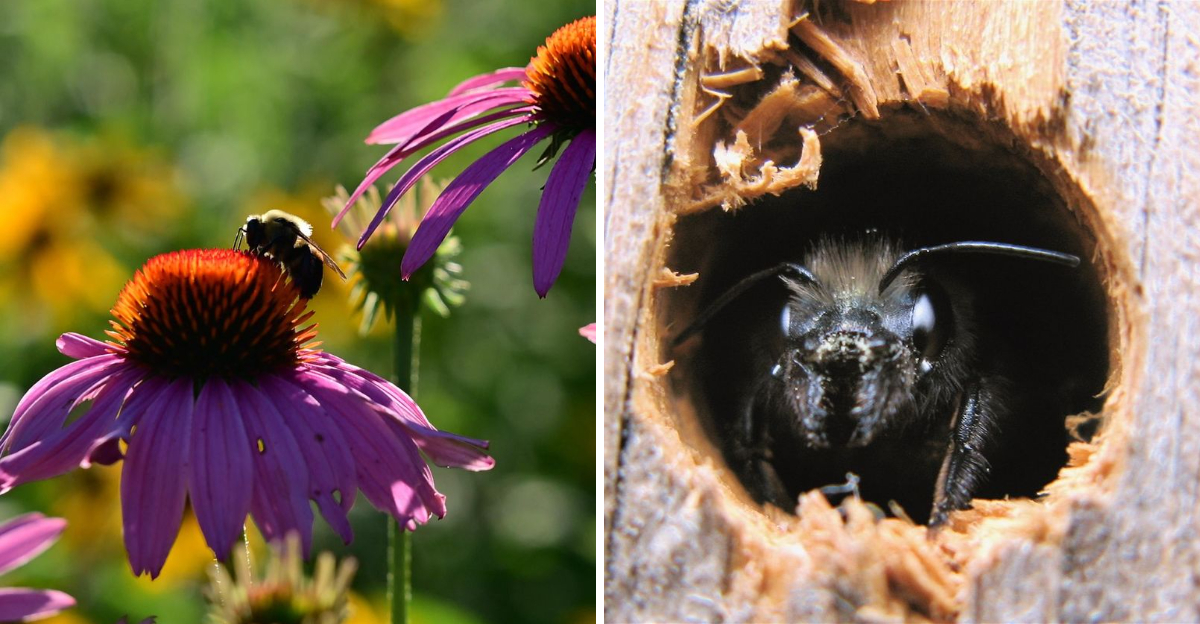
Tiny native bees may spend winter inside pithy canes, hollow stalks, or protected soil pockets that look like ordinary garden debris to us. One thorough cleanup can erase those shelters before spring ever arrives.
So what should stay?
The answer is not a yard abandoned until June. Diseased material still belongs out. Floppy growth can come down. Paths can stay tidy.
The smarter move is selective restraint.
Leave the stems that offer usable cavities. Protect a little bare ground. Save some leaf litter in sheltered corners. Delay the final trim until the garden starts showing signs of spring activity.
A slightly less polished winter yard can support far more life than a spotless one.
And next spring, the buzz may be your proof.
Right at home.
Cutting Pithy Stems To The Ground Removes Bee Nesting Sites
A row of dry stalks poking through an Oregon winter bed can look like unfinished business.
For small carpenter bees and other cavity nesters, those stems may be valuable shelter.
Pithy or hollow growth from plants such as Joe Pye weed, goldenrod, and cup plant can provide places where bees excavate narrow tunnels and create nest cells.
Cut every stem flush with the soil in fall and that potential habitat disappears in one afternoon.
Leave the strongest stems standing instead.
Aim for sections roughly eight to twelve inches tall or taller, especially when the stems stay firm and upright.
The goal is not to save every brown stalk in the yard. Diseased, collapsed, or badly damaged material can still come out.
That selective approach keeps the bed manageable while preserving the structures certain bees may use.
Most Oregon native bees do not nest in stems, so this is only one part of the habitat puzzle. Many mining bees and sweat bees use the ground instead.
Still, stem-nesting species need suitable cavities somewhere, and a perennial border can provide them for free.
Wait until late winter or spring for the main cutback.
Those stems may look empty from the patio.
Inside, they can be doing a very small but very important job while the rest of the garden sleeps.
Clearing Every Perennial Stem Takes Away Winter Habitat
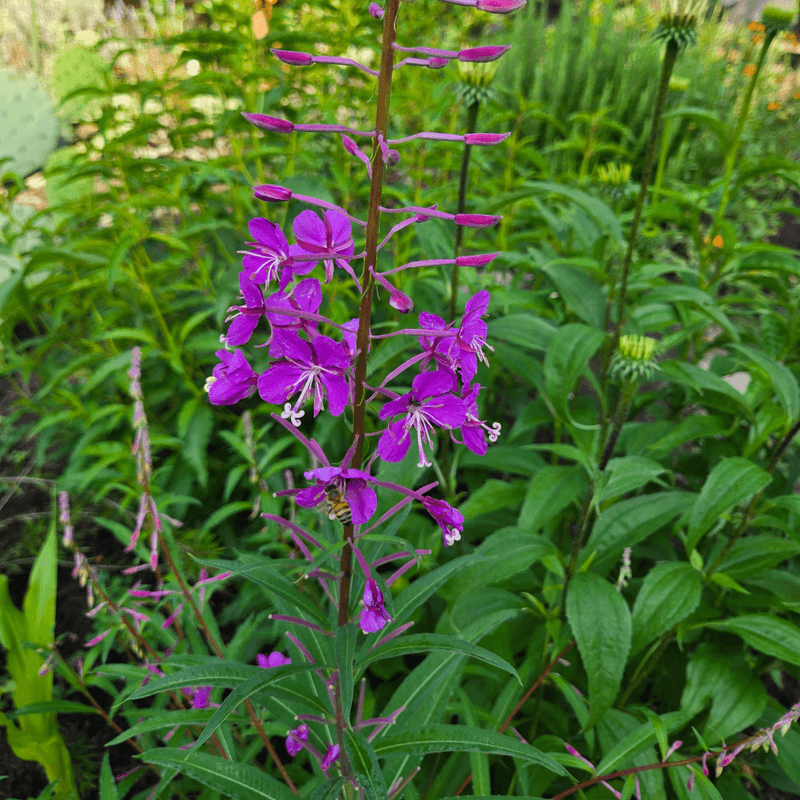
A perfectly level row of freshly cut perennials feels satisfying in October.
Native bees do not care about symmetry.
Healthy stems that stay stiff after flowering can remain useful through winter, while diseased or collapsing growth is better removed. That means the smartest cleanup is selective rather than total.
Start with the obvious problem material. Stems affected by rust, powdery mildew, or other disease should leave the bed so those issues are less likely to carry into the next growing season.
Then look at what remains.
Strong, upright stems can stay at knee height or taller. You can trim some plants and leave others alone, creating a border that still looks intentional without wiping every potential nesting cavity from the yard.
Your Oregon Garden Changes Every Week. Your Plan Should Too.
Gardening in Oregon changes quickly throughout the season. Every Friday you’ll receive a simple weekly plan showing exactly what to plant, prune, fertilize, harvest, and protect so you never miss the right timing.
That compromise works especially well near paths and patios, where gardeners often want a cleaner appearance. Keep edges neat, remove fallen debris from walkways, and let selected stems stand deeper in the bed.
You do not need to turn the whole landscape into a tangle.
A few retained clusters can provide useful structure through winter and give cavity-nesting bees more options once spring activity begins.
The difference comes down to one habit: stop treating every brown stem as trash.
Some are finished flowers.
Some are future nest sites.
The pruners can still come out. They just do not need to win every argument.
Tossing Raspberry And Elderberry Canes Removes Useful Nesting Cavities
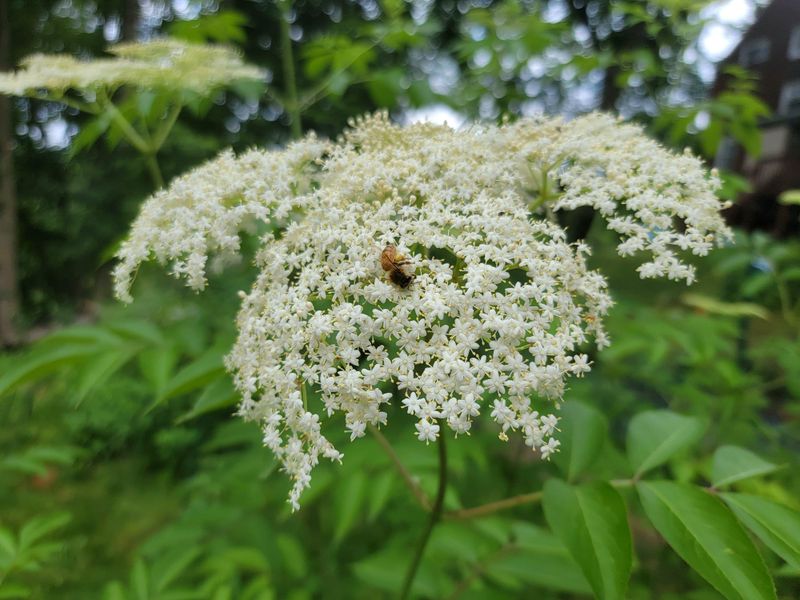
A berry patch can keep helping pollinators long after the last fruit bowl leaves the kitchen.
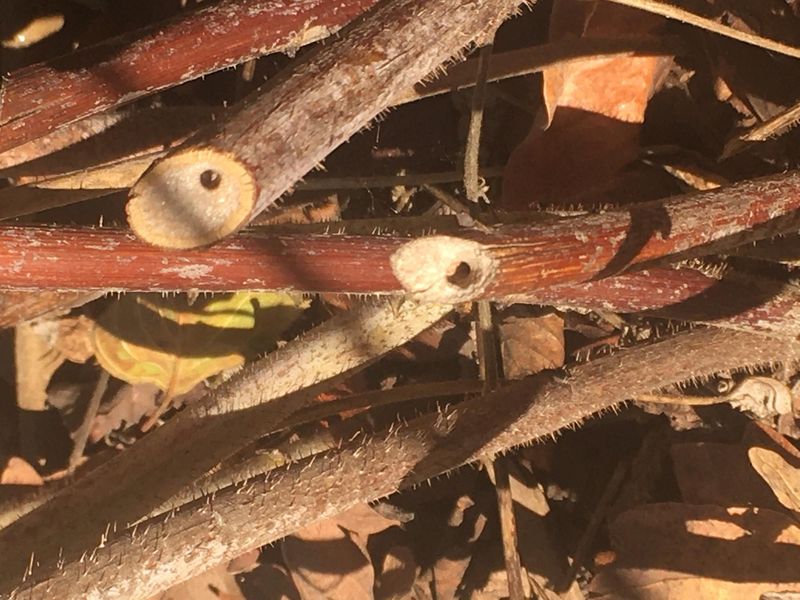
Raspberry and elderberry canes often contain soft pith that certain small native bees can excavate for nests. That makes pruning technique more important than simply deciding what stays and what goes.
When older raspberry canes come out, leave selected sections about eight to twelve inches long with a clean, exposed end. That open pith gives a female bee an easier starting point for a nest tunnel.
Elderberry can offer the same advantage.
You can leave suitable canes attached to the plant or save trimmed sections for a sheltered nesting bundle. Keep those pieces dry and secure them where rain will not soak the pith for long periods.
A fence post, covered garden structure, or protected wall can work better than tossing cut canes into a damp pile.
The important part is access.
A sealed end, buried cane, or constantly wet section does little good as nesting material.
Normal pruning can still happen. Remove weak growth, manage crowded canes, and keep berry plants productive. Just save a few useful sections instead of sending every pithy stem to the curb.
That tiny adjustment costs almost nothing.
Next spring, the same berry patch that needs bees for pollination may already be offering some of them a place to start a family.
Cutting Coneflower And Aster Stems Too Early Removes Bee Habitat
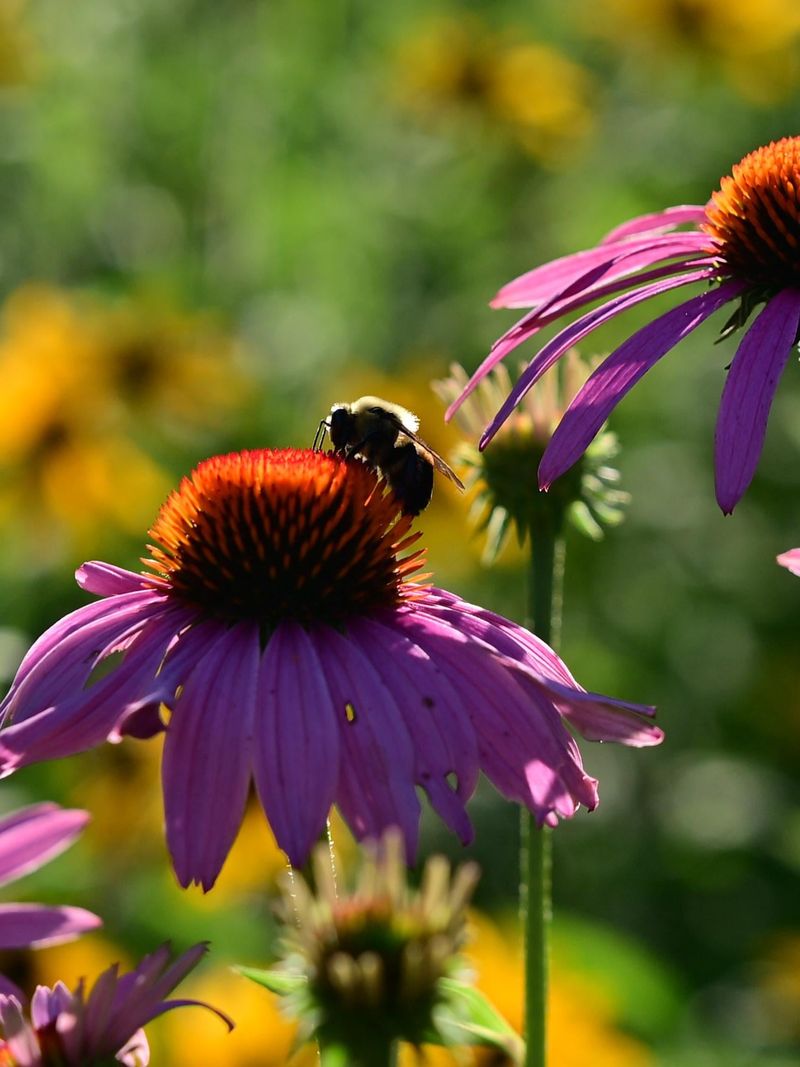
A dried seedhead can serve more than one purpose after the flowers are gone.
Coneflowers and asters prove it.
Their standing stems add winter structure, while coneflower seedheads can feed birds such as goldfinches. The stems themselves may also provide future nesting opportunities for small cavity-nesting bees once spring arrives.
That makes an autumn cutback easy to postpone.
Leave healthy stems upright through winter, then make your cuts in late winter or early spring. Instead of trimming everything to the soil line, leave sections roughly eight to twelve inches tall.
Freshly cut ends expose the interior and make the stems easier for bees to investigate.
The same approach works with sturdy aster stems. They may be thinner than coneflower stalks, but leaving some in place still creates more variety in the sizes of cavities available around the garden.
There is a bonus for gardeners who like volunteers.
Coneflower seedheads can drop seed through winter, which may lead to new seedlings in spring. That can mean more flowers and more pollen without another nursery trip.
You can still remove damaged stems or anything sprawled across a walkway.
The goal is not neglect.
It is letting useful plant structure stay useful for a little longer.
One stem may feed a bird in January and offer a bee a nesting site months later. That is excellent value from something you nearly composted.
Clearing Every Leaf And Bare Patch Leaves Ground Nesters Exposed
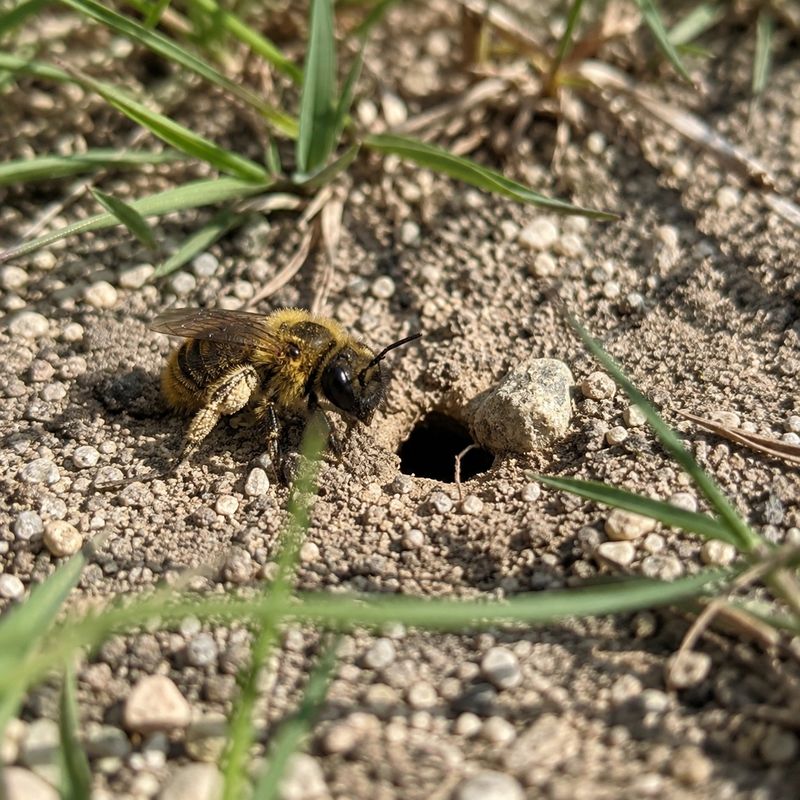
A quiet corner under shrubs can hold more winter life than a spotless bed ever shows.
Leaf litter, loose soil, and undisturbed edges create shelter for insects that never use hollow stems at all. Bumble bee queens may spend winter close to the soil surface, while many mining bees and sweat bees nest directly in the ground.
That makes total coverage a problem.
Thick landscape fabric, deep bark mulch, and constant digging can block access to the soil those bees need. Instead, leave a few small patches of bare or lightly covered ground in sunny, well-drained spots.
Nearby leaf litter can stay in selected areas too.
You do not need piles across the lawn. A strip along a fence, the back of a border, or a quiet patch beneath shrubs can provide shelter without making the yard look abandoned.
Keep diseased leaves and pest-ridden debris out of those habitat areas. Healthy fallen material is useful. Problem material still belongs elsewhere.
The best setup offers variety.
Standing stems help one group of bees. Open soil helps another. Leaf litter gives other insects a protected winter layer.
A few square feet can do more than a perfectly mulched acre with nowhere to nest.
The garden still looks cared for.
It just has a couple of corners where the rake is politely asked to mind its own business.
Doing The Final Cleanup Too Early Can Disturb Emerging Bees
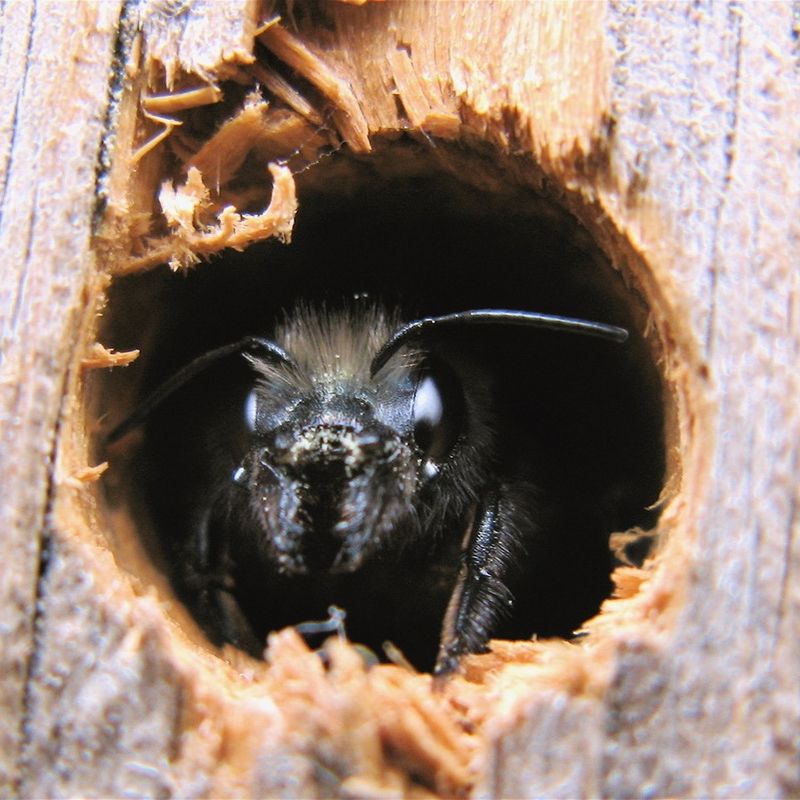
One warm March afternoon can make spring feel official in western Oregon.
Then another cold spell arrives three days later.
That is why a single temperature rule is a shaky guide for final garden cleanup. Native bee species emerge at different times, and Oregon weather rarely follows one neat schedule from year to year.
Use several clues instead.
Watch early bloomers such as Oregon grape and red flowering currant. Notice the first native bees moving through the yard. Look for steady activity rather than one unusually warm afternoon.
Those signs tell you the garden is beginning to wake up.
Even then, cleanup can happen gradually. Cut back one section first and leave another standing a little longer. That spreads the disturbance out and gives insects more time to emerge from stems or sheltered debris.
Mason bees may become active relatively early in western Oregon, while other species appear later. A one-day cleanup blitz cannot account for all of them.
There is no need to wait until the garden becomes completely overgrown.
The goal is simply to stop treating the first mild weekend as a mandatory deadline.
Spring will still arrive without your rake supervising it.
Let the plants, flowers, and insects give you the signal, then tidy the beds in stages instead of clearing every winter refuge at once.
Making The Yard Too Spotless Leaves Bees With Nowhere To Settle
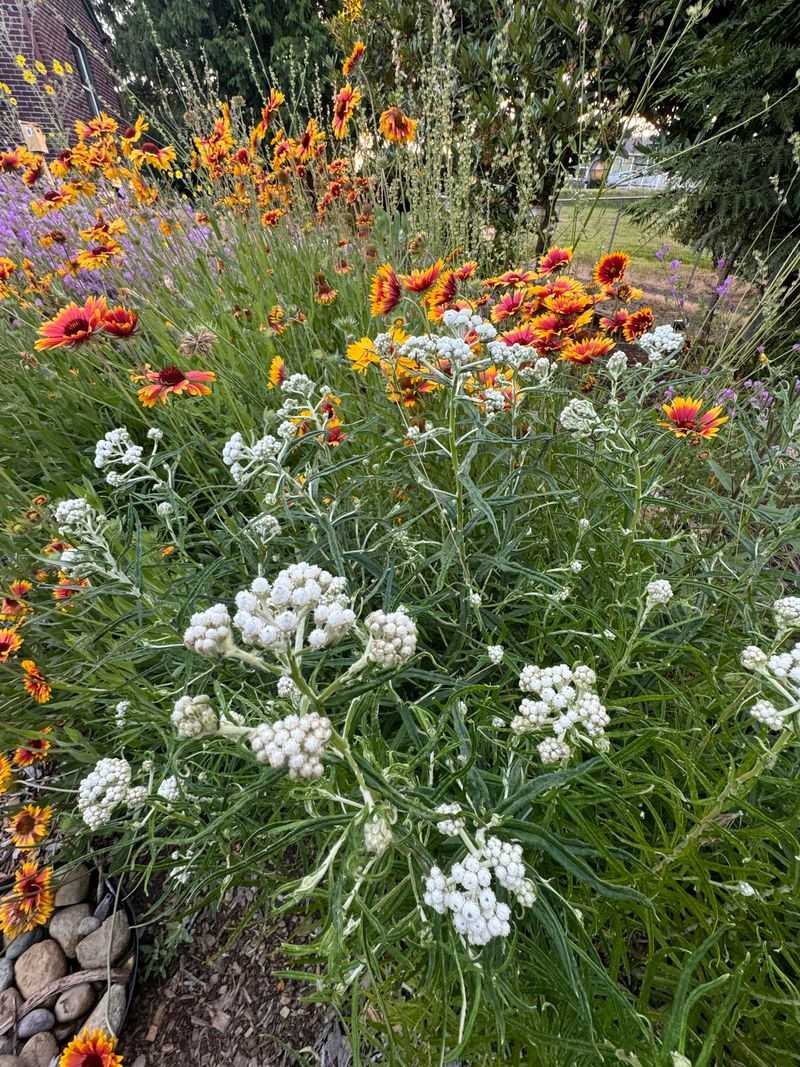
A bee-friendly yard does not need to look like cleanup day was permanently canceled.
Good design can make retained habitat look deliberate.
Group standing stems in defined clusters instead of scattering them everywhere. Keep path edges crisp. Leave one sunny patch of bare soil near a border rather than exposing random holes across the lawn.
Trimmed raspberry or elderberry canes can also become a tidy nesting feature. Bundle dry sections securely and place them in a sheltered location where the cut ends stay visible and rain does not soak them constantly.
Then surround those nesting opportunities with food.
Oregon sunshine, yarrow, native asters, and other regionally appropriate flowers can provide pollen and nectar through the growing season. The combination matters because a nest without nearby food is only half a habitat.
Avoid turning the whole project into decoration.
Natural stems in the ground often work perfectly well, and ground-nesting bees need actual soil rather than a manufactured structure.
The goal is a yard with useful layers.
Flowers feed adults. Stems offer cavities. Bare ground supports soil nesters. Leaf litter protects other overwintering insects.
You can still mow, edge, prune, and keep the patio clear.
Just reserve a few places where nature gets slightly more control.
The neighbors see a designed garden.
The bees get something much more important: a place that still exists when spring arrives.