These 10 Gardening Myths Waste Money In Oregon Every Season
Gardening advice gets passed around fast, but not all of it earns a place in an Oregon yard. A tip that sounds clever may lead to wasted money, weak plants, or extra work you did not need.
That is especially true when myths ignore the way Oregon gardens actually behave through wet springs and dry summer stretches. Some habits feel helpful because they have been repeated for years.
Others come from products that promise quick fixes but do not solve the real problem. The tricky part is that bad advice often sounds practical at first.
Before spending more on soil boosters, sprays, or miracle shortcuts, it helps to know which claims are worth questioning. Clear out the myths, and your garden budget can go toward things that truly help.
1. You Need To Fertilize Before You Know What Your Soil Lacks
Grabbing a bag of fertilizer and tossing it around your garden before doing any testing is one of the most expensive habits a gardener can fall into. It feels productive, but you could be adding nutrients your soil already has in excess.
Too much phosphorus, for example, can actually block your plants from absorbing zinc and iron.
Soil in western Oregon tends to be naturally low in certain nutrients but surprisingly rich in others. Without a soil test, you are just guessing.
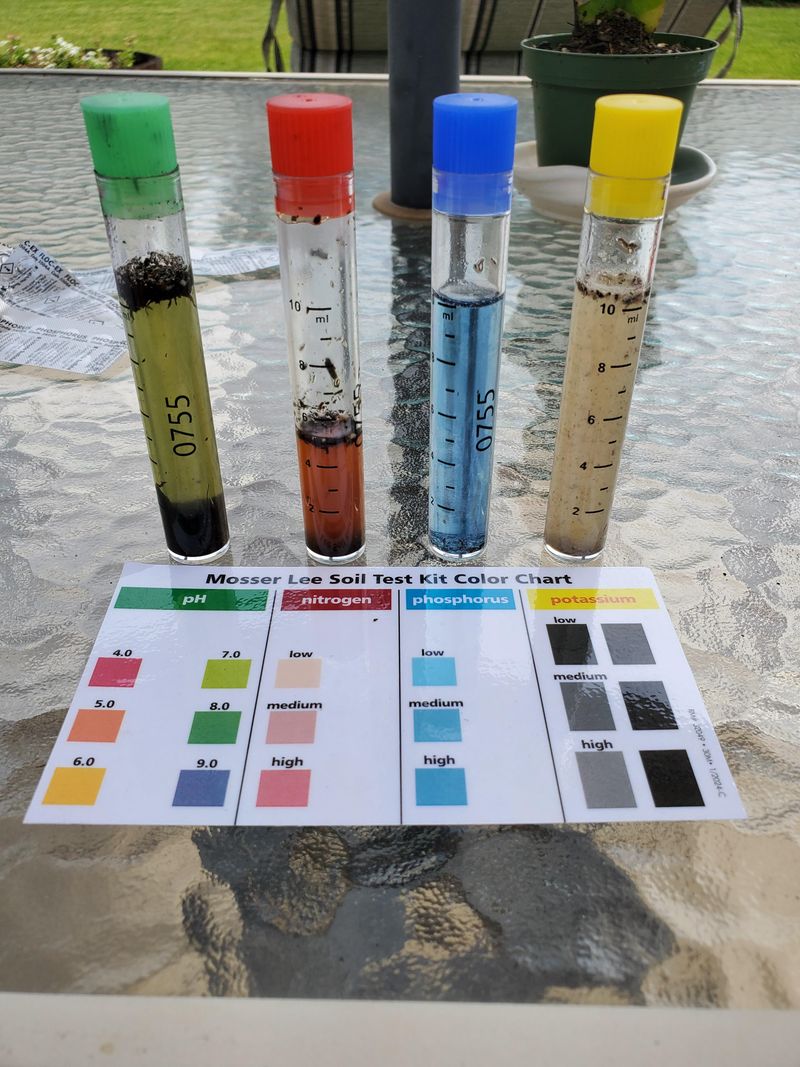
A basic test from your local cooperative extension office costs very little and tells you exactly what your garden needs.
Over-fertilizing does not just waste money on the product itself. It can also burn plant roots, cause leafy growth with little fruit, and even wash excess nutrients into local waterways.
That is a problem for your garden and for the environment around you.
Getting a soil test once every two or three years is a smart investment. You will know whether you need to raise or lower your pH, which nutrients to add, and how much organic matter your soil contains.
Armed with that knowledge, every dollar you spend on amendments goes toward something your garden actually needs.
Skipping the test and fertilizing blindly is a bit like taking medicine without knowing what is wrong. It might help, but it could also make things worse.
2. More Compost Is Always Better
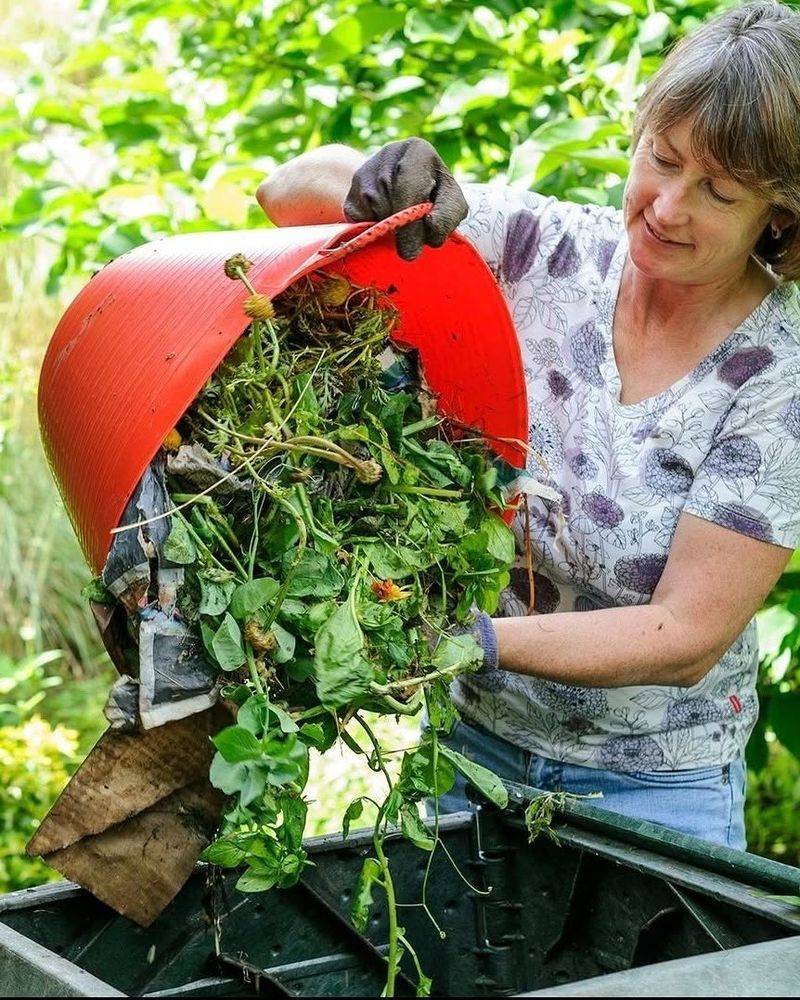
Compost is genuinely wonderful stuff. It improves drainage in clay soils, adds beneficial microbes, and slowly feeds plants over time.
But the idea that you can never add too much of it is a myth that trips up even experienced gardeners every single year.
When you pile on thick layers of compost season after season without testing your soil, nitrogen levels can creep up way too high.
Plants start producing tons of lush green leaves but very little fruit or flowers. Tomatoes, peppers, and squash are especially prone to this problem.
Extremely high organic matter can also cause waterlogging in beds that already drain poorly. Our rainy winters make this especially risky.
Roots sitting in soggy, over-amended soil become stressed and vulnerable to rot.
A two-to-three-inch layer of compost worked into your beds once a year is usually plenty for most Oregon gardens. If you have been amending heavily for several years in a row, take a break and test your soil first.
Your Oregon Garden Changes Every Week. Your Plan Should Too.
Gardening in Oregon changes quickly throughout the season. Every Friday you’ll receive a simple weekly plan showing exactly what to plant, prune, fertilize, harvest, and protect so you never miss the right timing.
You might be surprised to find that your garden does not need any additions at all this season.
Spending money on bag after bag of compost when your soil is already rich is simply not necessary.
Save that cash for seeds, new tools, or plants that will actually make a difference. Moderation with compost is just as important as using it in the first place.
3. Daily Shallow Watering Helps Plants Through Summer
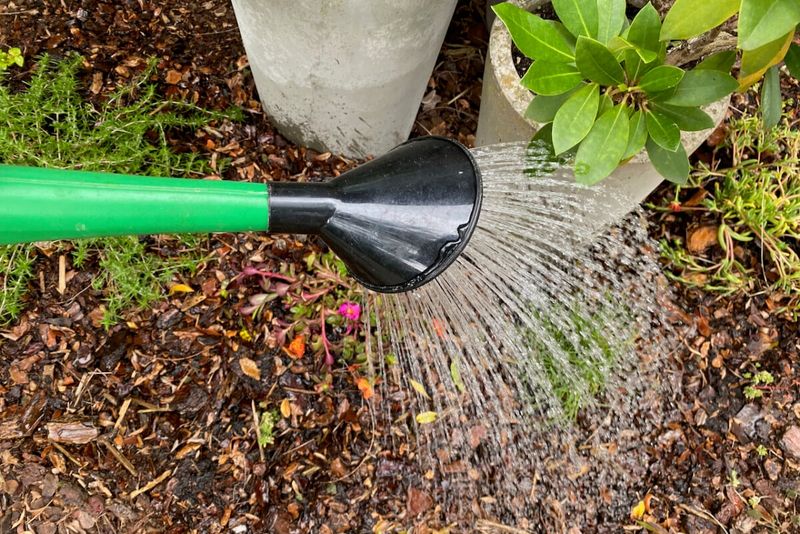
Every summer, gardeners across this state set their sprinklers to run for ten or fifteen minutes every single morning. It feels responsible.
The soil looks damp on the surface, and the plants seem okay at first glance. But this habit is doing more harm than good.
Shallow, frequent watering trains plant roots to stay near the surface where the moisture is. When a heat wave hits, that shallow layer of soil dries out fast.
Plants with surface roots have nowhere to go and suffer much more than deeply rooted ones.
Deep, infrequent watering encourages roots to grow down into cooler, moister soil. Watering deeply two or three times per week is almost always better than a daily sprinkle.
The goal is to wet the soil six to eight inches down, which is where strong roots want to be.
Daily shallow watering also increases evaporation loss. Much of that water never even reaches the roots.
It just disappears into the dry summer air. You end up spending more on your water bill while actually delivering less moisture to your plants.
A simple way to check your watering depth is to push a wooden skewer or stick into the soil after watering. If it only comes out damp an inch or two down, your plants are not getting enough.
Adjust your schedule and watch your garden respond with stronger, healthier growth throughout the warm months.
4. Wilting Plants Always Need More Water
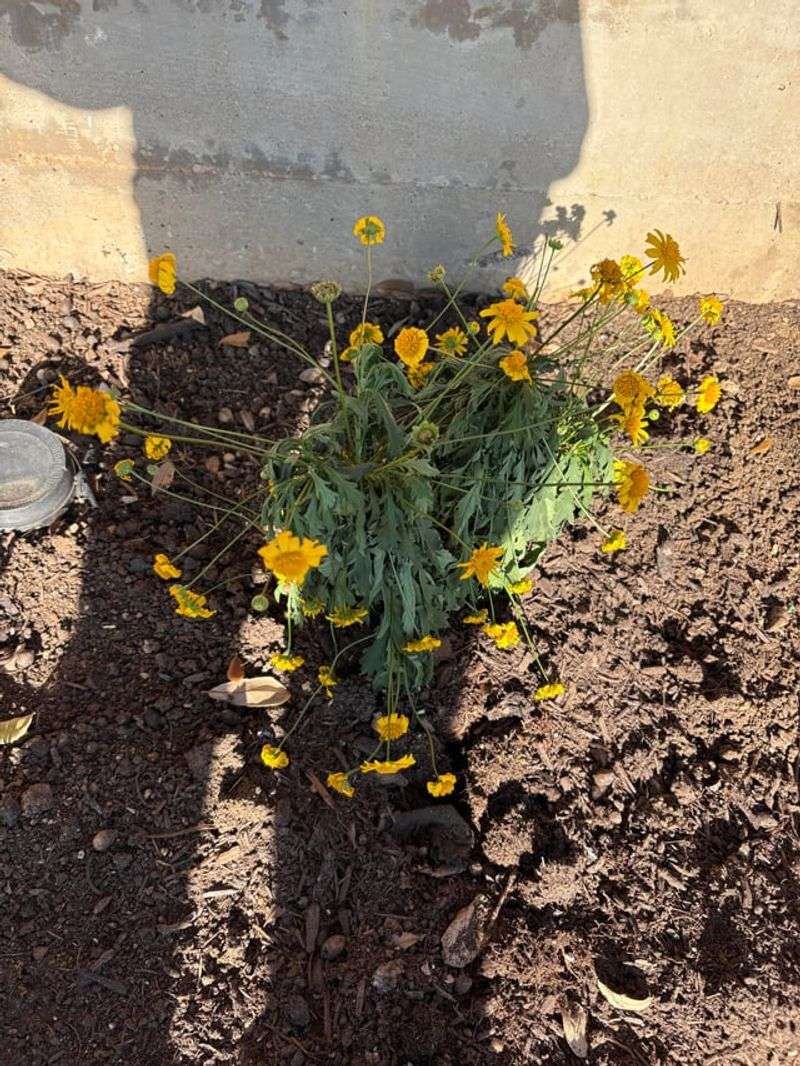
Wilting is one of those plant signals that almost everyone misreads the same way. You see drooping leaves, and the first instinct is to grab the hose.
But wilting does not always mean a plant is thirsty. Sometimes it means exactly the opposite.
Overwatered plants wilt too. When roots sit in soggy soil for too long, they lose their ability to absorb oxygen.
Without oxygen, the roots start to break down, and the plant cannot take up water even when there is plenty available. The result looks just like drought stress.
Before you water a wilting plant, check the soil first. Push your finger two inches into the ground near the base of the plant.
If the soil feels moist or wet, hold off on the water. If it feels dry and crumbly, then go ahead and water deeply.
Some plants also wilt naturally during the hottest part of the afternoon, even when soil moisture is perfectly fine. Squash, cucumbers, and large-leafed plants often do this as a way to reduce water loss.
They usually perk back up in the evening once temperatures drop. Automatically watering every time you see a droop can lead to root rot, fungal diseases, and wasted water.
Learning to read your soil instead of just your plants is one of the most valuable skills a Pacific Northwest gardener can develop. It saves money and keeps plants genuinely healthy.
5. Brown Summer Lawns Are Gone Lawns
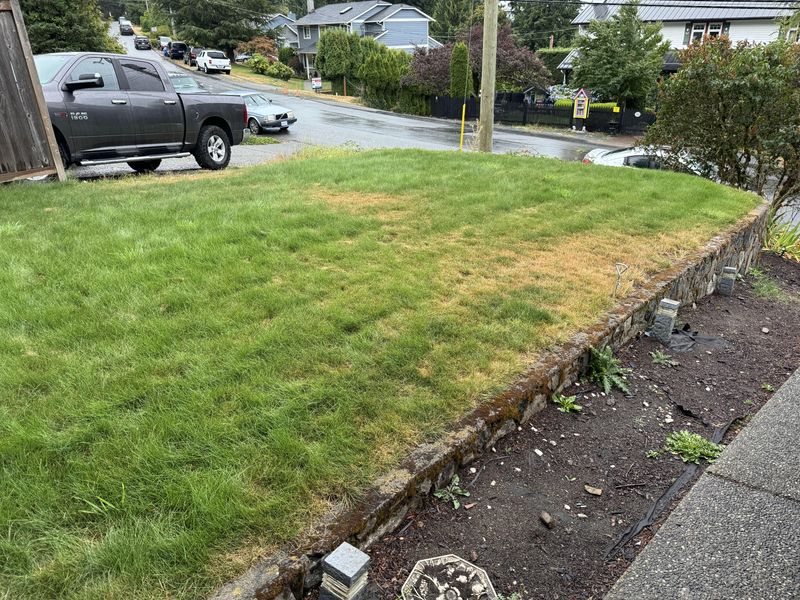
Every July, worried homeowners start calling nurseries and lawn care services because their grass has turned brown.
They are convinced something has gone terribly wrong and that their lawn needs immediate help. But most of the time, that brown lawn is doing exactly what nature intended.
Cool-season grasses, which are the most common type found across this state, go dormant during hot, dry summers. Going dormant is a survival strategy.
The grass slows down all activity, conserves moisture, and waits for cooler, wetter weather to return in fall.
A dormant lawn is not a lost cause. Most lawns can stay brown and dormant for six to eight weeks without permanent damage.
Once fall rains arrive, the grass greens back up on its own. No reseeding, no expensive treatments, no panic needed.
The real money-waster is trying to keep a lawn green all summer long in a region that naturally dries out. Running sprinklers daily during a dry summer can cost hundreds of dollars in water bills.
In areas with water restrictions, it may not even be allowed.
Accepting summer dormancy is both eco-friendly and budget-friendly. If a fully green summer lawn is important to you, consider switching to a drought-tolerant grass variety or replacing part of your lawn with native groundcovers.
Either option will save you money and reduce your water use significantly over the long run.
6. Pine Needle Mulch Makes Soil Too Acidic
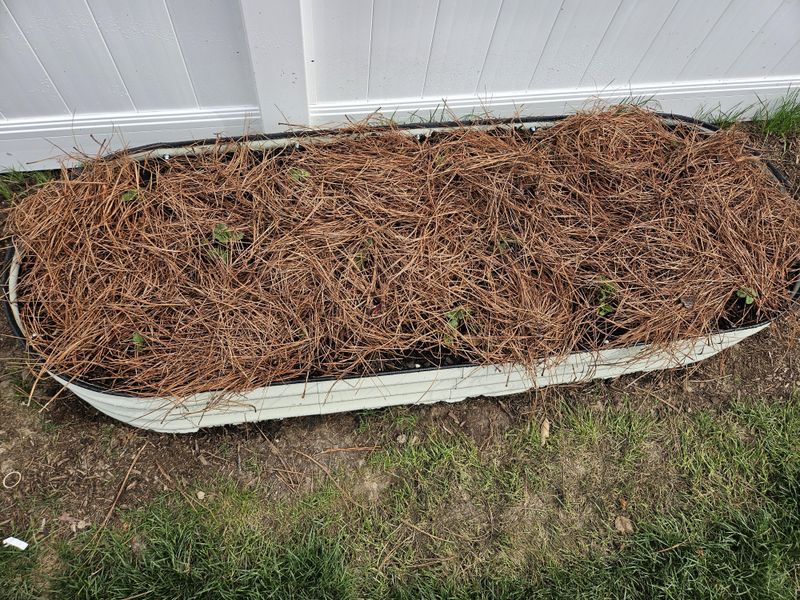
Walk through almost any neighborhood in western Oregon and you will find pine trees dropping needles everywhere.
Many gardeners rake them up and toss them out, convinced that using pine needles as mulch will turn their soil into something too acidic for plants to survive. Science tells a different story.
Fresh pine needles do have a slightly acidic pH, somewhere around 3.5 to 4.5. But as they break down in the garden, they do not significantly lower soil pH.
Multiple university studies have tested this over and over, and the results consistently show that pine needle mulch has very little effect on soil acidity.
What pine needles actually do is work beautifully as a lightweight, long-lasting mulch. They suppress weeds, retain moisture, allow rain to pass through easily, and break down slowly.
For acid-loving plants like blueberries, azaleas, and rhododendrons, they are a natural match.
Tossing out free, locally available pine needles and buying bags of wood chip mulch instead is a waste of money.
If you have pine trees on your property, you are sitting on a free mulching resource every single season. Use it.
If you genuinely want to lower your soil pH for blueberries or other acid-lovers, use sulfur or acidic fertilizer instead. Those products actually move the needle.
Pine needle mulch is a great garden resource, but it is not the pH-shifter most people assume it to be.
7. Every Bug Needs A Spray
Spotting a bug on your tomato plant can send some gardeners straight to the garage for a spray bottle.
The instinct to eliminate every insect in the garden is understandable, but it is also one of the most damaging and expensive habits you can develop.
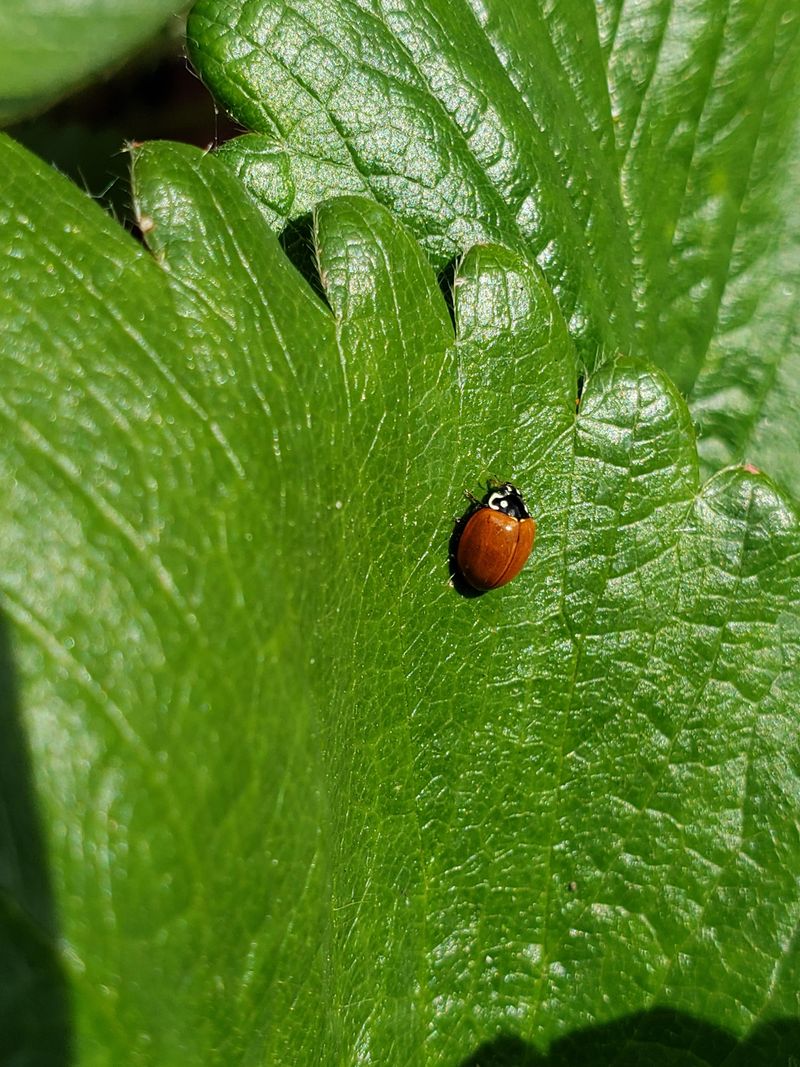
The vast majority of insects found in a garden are either harmless or actively helpful. Ladybugs and their larvae eat aphids by the hundreds.
Ground beetles hunt slugs and other pests at night. Parasitic wasps lay eggs inside caterpillars that would otherwise munch your cabbage.
Bees and hoverflies pollinate your vegetables and flowers. Spraying pesticides broadly destroys all of these beneficial insects along with the pests.
Once you remove the predators, pest populations often explode even worse the following season.
You end up spending more on sprays and dealing with bigger problems than before.
Learning to identify insects before reaching for a spray is a skill that pays off enormously. Many university extension programs in this state offer free insect identification guides online.
Take a photo of the bug and look it up before doing anything.
If a true pest is confirmed, start with the least aggressive option first. Hand-picking, water sprays, or targeted organic treatments are often enough.
Reaching for broad-spectrum pesticides should be a last resort, not a first reaction. Your wallet, your garden, and the local ecosystem will all benefit from a more thoughtful approach.
8. Heat-Stressed Plants Need Fertilizer To Recover
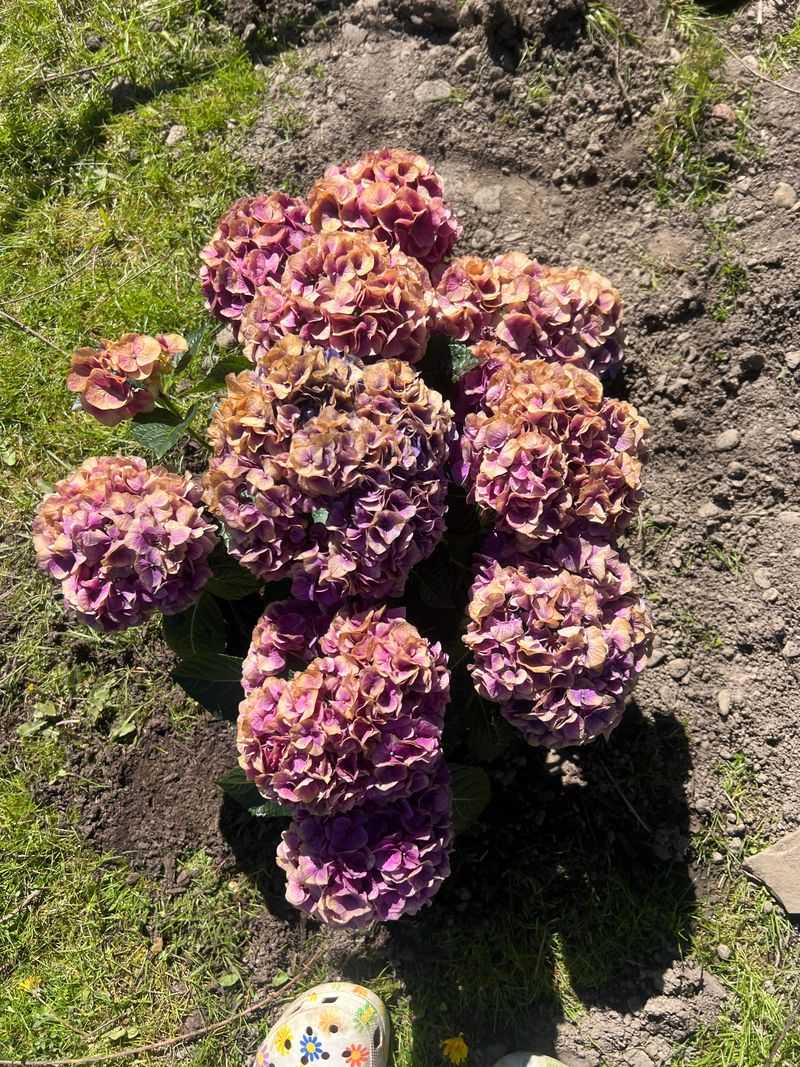
When plants look stressed and sad during a summer heat wave, the urge to do something is completely natural. Fertilizer feels like a logical solution.
If the plant looks weak, maybe it just needs a nutrient boost, right? Actually, applying fertilizer to a heat-stressed plant can make things significantly worse.
During periods of extreme heat, plants slow down or stop most of their normal functions. They are not actively growing.
They are not absorbing nutrients efficiently. Roots under heat stress become fragile and sensitive.
Fertilizer, especially high-nitrogen formulas, pushes plants to grow and produce new tissue.
When a plant is already struggling to survive the heat, forcing new growth is like asking someone to run a marathon when they have a fever.
The extra demand overwhelms the plant instead of helping it.
Excess fertilizer salts in dry soil can also pull moisture away from roots through a process called osmotic stress. This makes dehydration worse, not better.
You may see even more wilting and leaf scorch after fertilizing than before.
The right response to a heat-stressed plant is to water it deeply during the cooler parts of the day, add a layer of mulch to keep roots cool, and wait.
Once temperatures drop back to normal levels, the plant will usually recover on its own. Save the fertilizer for the active growing seasons of spring and fall, when your plants can actually use it.
9. New Drought-Tolerant Plants Can Be Ignored Right Away
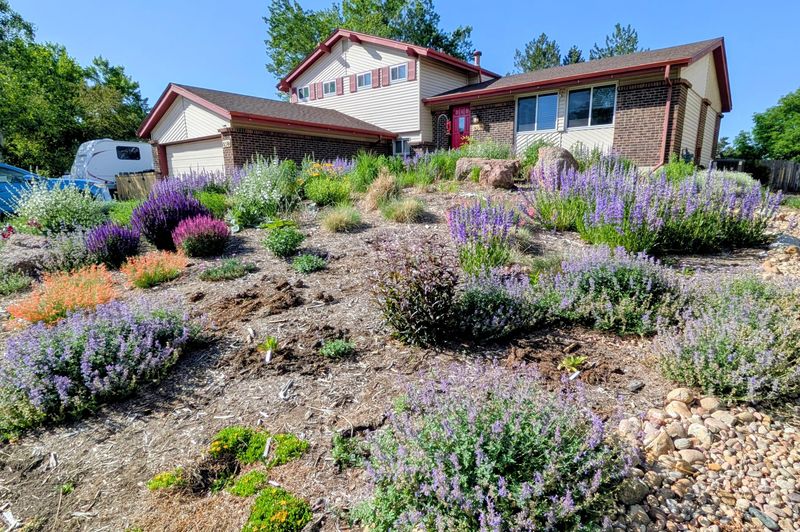
Drought-tolerant plants have a reputation that can get them into trouble the moment they leave the nursery.
People buy them, plant them in summer, and immediately assume that the label means zero watering required. That assumption costs gardeners a lot of plants every year.
The term drought-tolerant describes a plant that, once fully established, can handle dry conditions without supplemental water. The key phrase is once established.
Most perennials and shrubs need one to two full growing seasons before their root systems are deep and wide enough to survive on rainfall alone.
During that first summer after planting, drought-tolerant natives and ornamentals still need regular watering. The roots have not yet spread beyond the original root ball.
The plant is working hard to anchor itself in new soil while also dealing with the stress of transplanting.
Neglecting newly planted drought-tolerant plants through a dry Oregon summer is one of the most common reasons for plant loss in low-water gardens.
Homeowners spend money on plants promoted as low-maintenance, skip the watering, and then wonder why the plants look terrible by August.
A good rule of thumb is to water new drought-tolerant plantings deeply once or twice a week for the first summer. In the second year, taper off gradually.
By the third year, most established plants genuinely will need little to no supplemental water.
Patience during those early seasons protects your investment and sets the garden up for long-term success.
10. All Struggling Plants Should Be Replaced Immediately
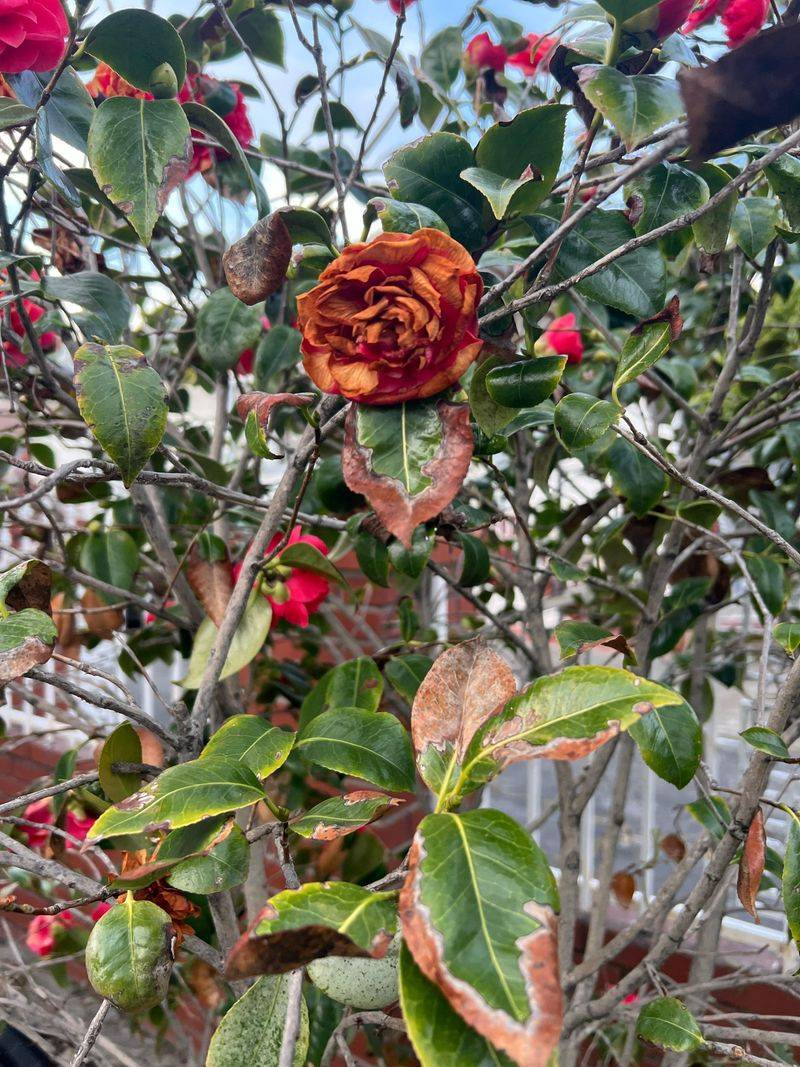
There is a certain satisfaction in ripping out a struggling plant and replacing it with something fresh and green. It feels decisive and productive.
But replacing plants at the first sign of trouble is one of the most expensive habits in gardening, and most of the time it is completely unnecessary.
Plants go through rough patches for all kinds of reasons. Transplant shock, seasonal stress, pest damage, or a temporary nutrient imbalance can all cause a plant to look rough for a few weeks.
Most of the time, with a little attention and patience, they bounce back completely.
Before pulling anything out, spend some time diagnosing the actual problem. Check the soil moisture.
Look for insects on the undersides of leaves. Examine the roots if the plant is small enough to gently lift.
A yellow leaf or two is rarely a sign of serious trouble.
Replacing a struggling plant without fixing the underlying issue is also a recipe for the same problem repeating itself.
If poor drainage caused the first plant to fail, a new plant in the same spot will face the same challenge. The problem is the location, not the plant.
Sometimes a struggling plant just needs better placement, improved soil, or a trim to redirect its energy.
Giving a plant a fair chance before replacing it saves money, reduces waste, and teaches you something valuable about your garden.
Observation and patience are always cheaper than a new plant from the nursery.