Smells Squirrels And Chipmunks Hate In Oregon Yards
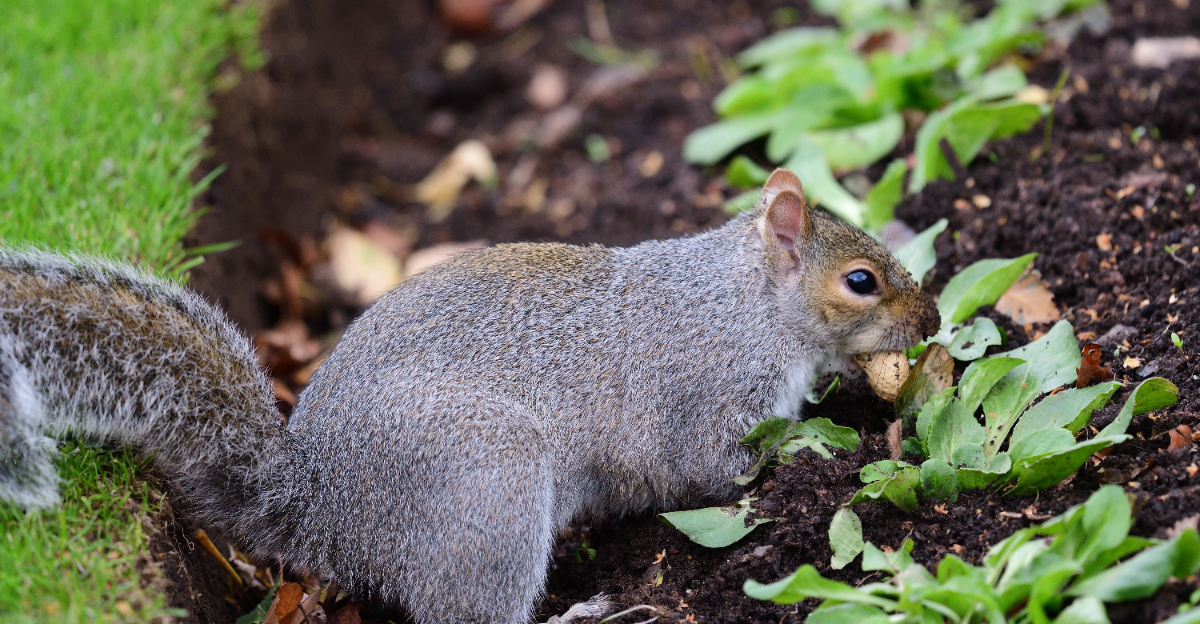
Squirrels and chipmunks may look adorable right up until they start digging through flower beds and treating the yard like their personal snack bar. One minute, everything looks tidy.
The next, soil is flying and bulbs have mysteriously vanished. Tiny paws, major attitude.
Strong scents can make certain areas far less appealing to these curious visitors. The trick is knowing which smells may encourage them to move along without turning the whole yard into an unpleasant place for everyone else.
Some options are easy to use around gardens. Others require a little more care, especially near pets or delicate plants.
That makes placement just as important as the scent itself. A few strategic choices can help protect favorite spots while keeping the yard comfortable.
The goal is not to start a backyard feud. It is simply to make your garden much less interesting to uninvited furry guests.
1. Peppermint Oil Makes Pots Less Inviting
Few things send small rodents scrambling faster than a strong whiff of peppermint oil. Squirrels and chipmunks have incredibly sensitive noses, and the sharp, cool scent of peppermint is simply too overwhelming for them.
When applied correctly, it can make potted plants and container gardens far less tempting to explore.
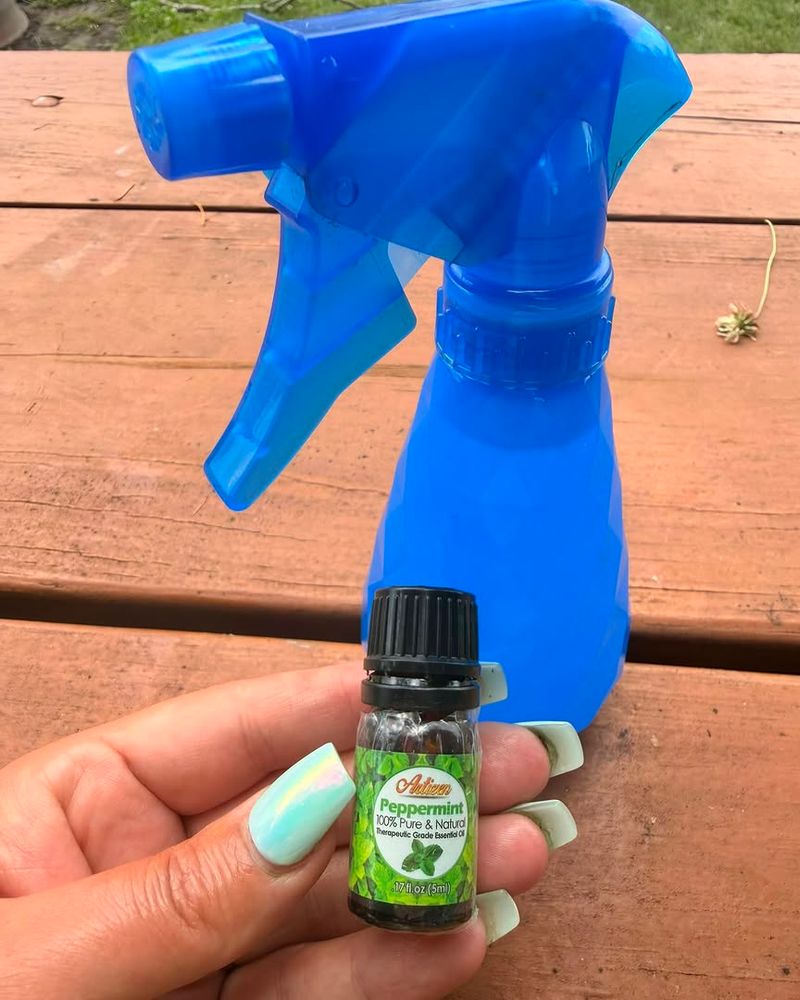
To use peppermint oil, soak a few cotton balls and place them near the base of your pots or along garden edges.
You can also mix about 10 to 15 drops of pure peppermint essential oil with water in a spray bottle and apply it directly to the soil surface.
Reapply every few days, especially after rain, since moisture breaks down the scent quickly.
One thing worth knowing is that peppermint oil works best as a short-term deterrent rather than a permanent fix. It needs consistent reapplication to stay effective.
Some gardeners in wetter parts of Oregon find they need to refresh it almost every other day during rainy seasons. Combining it with physical barriers like wire mesh can improve your results significantly.
Peppermint oil is safe around most plants, pets, and children when used in reasonable amounts. It is also inexpensive and easy to find at most grocery or health food stores.
Starting with pots near entryways or high-traffic areas gives you the best chance of noticing a real difference quickly.
2. Clove Oil Has A Sharp Repellent Scent
Clove oil packs a punch that most small rodents want nothing to do with. The active compound in clove oil, called eugenol, produces an intense, spicy aroma that irritates the sensitive nasal passages of squirrels and chipmunks.
Even a small amount can send them looking elsewhere for food and shelter.
You can apply clove oil the same way you would peppermint oil. Soak cotton balls and tuck them into areas where you have noticed the most activity.
Garden beds, around the base of trees, and near bird feeders are all good starting points. Some people mix clove oil with water and spray it along fence lines or garden borders for broader coverage.
One advantage clove oil has over some other scent-based repellents is that its smell tends to linger a bit longer, especially in drier conditions. That said, it still needs regular reapplication after heavy rainfall.
Your Oregon Garden Changes Every Week. Your Plan Should Too.
Gardening in Oregon changes quickly throughout the season. Every Friday you’ll receive a simple weekly plan showing exactly what to plant, prune, fertilize, harvest, and protect so you never miss the right timing.
Be a little careful when using clove oil directly on plant leaves, as high concentrations can sometimes cause minor leaf irritation. Stick to applying it to the soil or nearby surfaces instead.
Clove oil is widely available in health food stores and online. It is a smart addition to any scent-based rodent control plan, especially when paired with other deterrents.
Many gardeners in Oregon have had solid results using it around raised beds and vegetable gardens throughout the growing season.
3. Cedarwood Oil Shows Up In Rodent Repellents
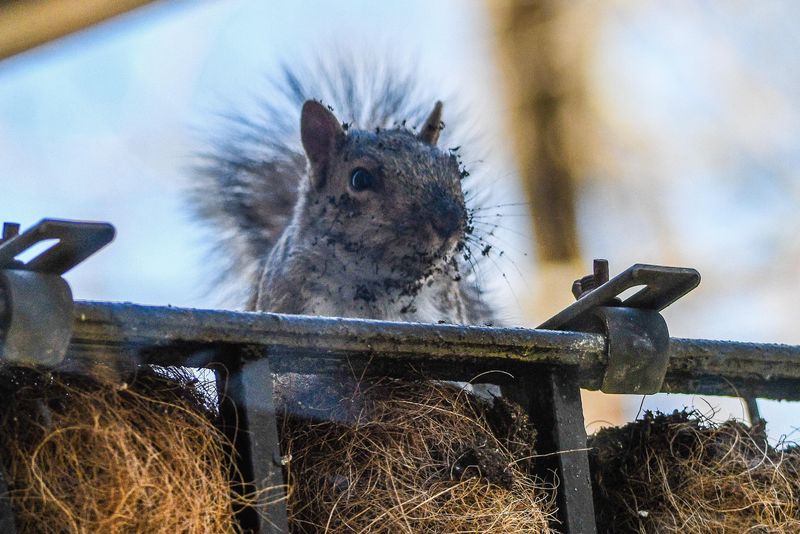
Walk through a cedar forest and you immediately notice that rich, woody aroma. Turns out, squirrels and chipmunks are not big fans of it.
Cedarwood oil is a common ingredient in many commercial rodent repellent sprays, and for good reason. The natural compounds in cedar create a scent that small rodents find deeply uncomfortable.
Beyond bottled repellents, you can use cedarwood oil in several practical ways around your yard. Add a few drops to cotton balls and place them in areas where rodents like to burrow or forage.
Cedar mulch is another great option. Spreading cedar mulch around garden beds not only adds visual appeal but also releases a slow, steady scent that discourages digging and nesting.
Cedar chips or shavings can be placed inside planters, along fence lines, or near the base of shrubs. The scent is pleasant to most humans but genuinely off-putting to small rodents.
One thing to keep in mind is that cedarwood oil loses its potency over time as it dries out. Refreshing it every week or two keeps it working well.
In wetter regions of Oregon, you may need to replace cedar mulch more frequently since rain can wash away the oils faster. Cedarwood-based repellents are widely available at garden centers and hardware stores.
They are a reliable, low-effort option for homeowners who want a more natural approach to keeping their yards rodent-free.
4. Castor Oil Can Help In Labeled Products
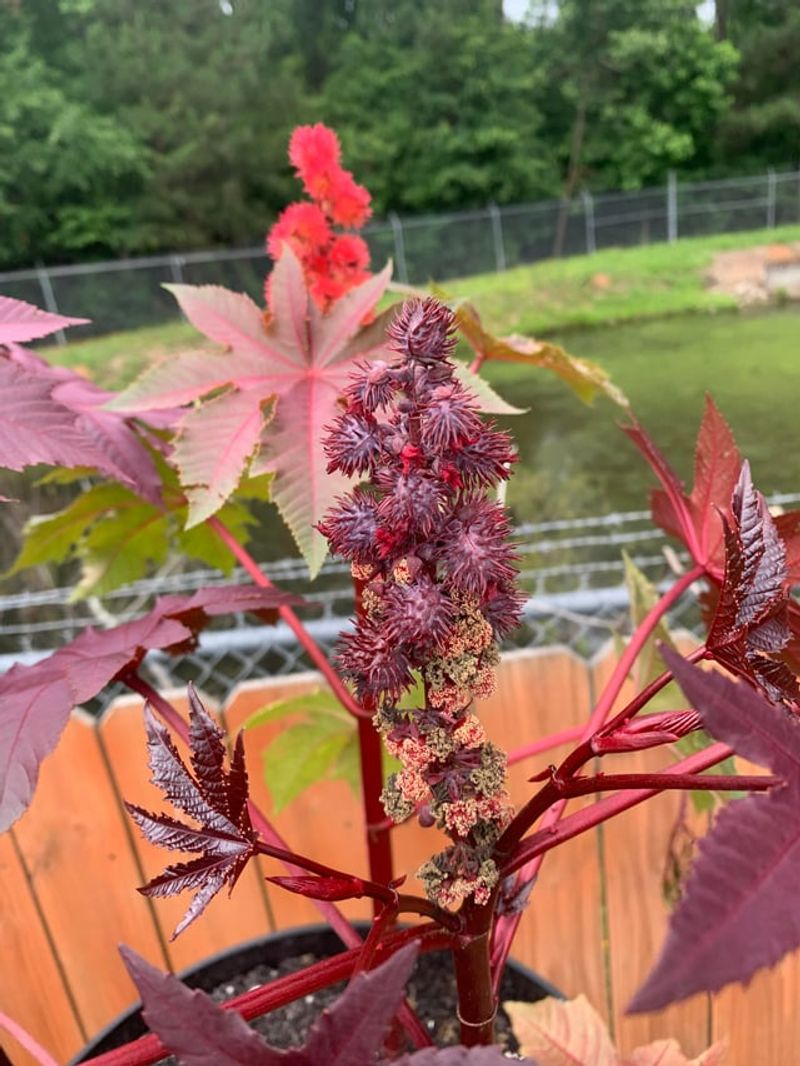
Castor oil has a long history as a natural pest deterrent, and it earns its reputation for a reason.
When applied to soil, it creates an unpleasant taste and smell that makes the ground far less appealing to burrowing and foraging animals, including squirrels and chipmunks. The key is using products that are specifically labeled for this purpose.
Many lawn and garden stores carry castor oil-based repellent granules or liquid concentrates designed for yard use.
These products are typically mixed with water and applied using a garden hose sprayer or watering can.
Following the label directions carefully is important because the concentration and application method can vary between brands.
One reason castor oil works well is that it affects the soil itself, not just the surface. Animals that dig into treated soil quickly find the experience unpleasant and tend to move on.
It is especially useful in lawns where squirrels and chipmunks like to bury food caches during fall.
In Oregon, timing your application before the fall foraging season can make a noticeable difference.
Castor oil repellents are generally considered safe for people, pets, and most plants when used as directed. They break down naturally in the soil without leaving harmful residues.
Keep in mind that heavy rain may require a repeat application sooner than expected. Consistent use throughout the season gives you the best long-term results against persistent diggers.
5. Garlic Smell Fades After Rain
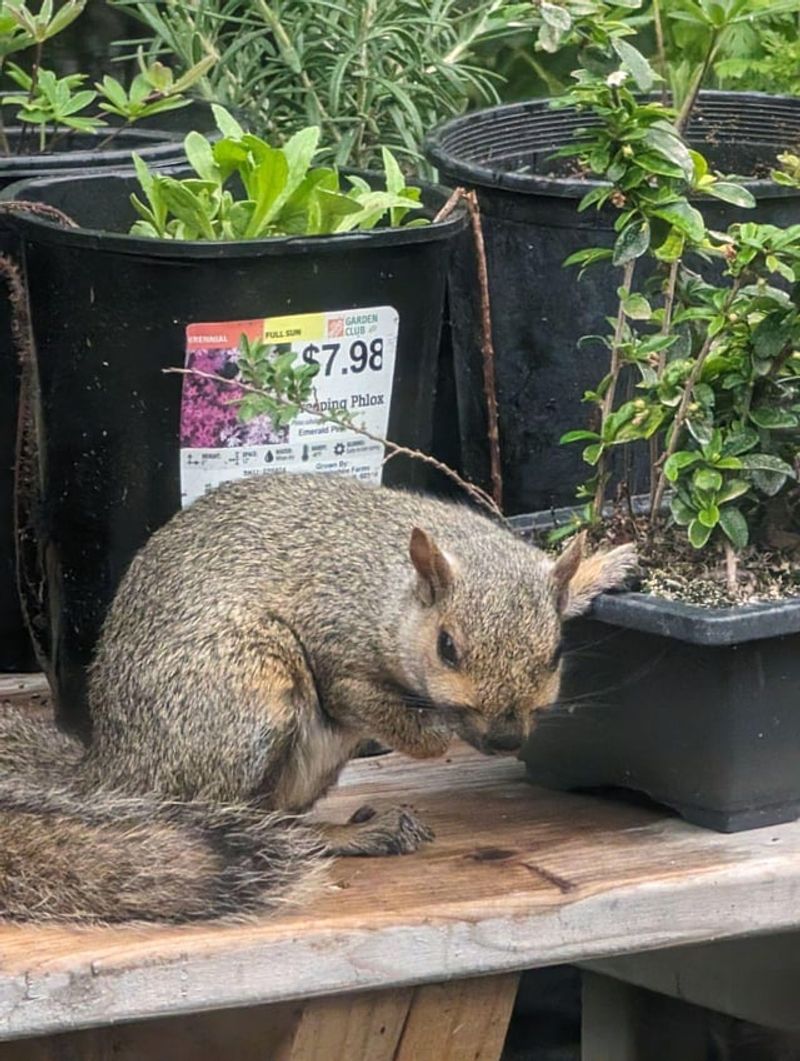
Garlic is a classic kitchen staple, but it also doubles as a surprisingly effective short-term rodent deterrent.
The sulfur compounds that give garlic its sharp, pungent smell are the same ones that make squirrels and chipmunks want to stay far away.
Crushed garlic cloves, garlic powder, or homemade garlic sprays can all be used around garden beds and planters.
Making a garlic spray at home is simple. Blend several cloves of garlic with water, let it steep overnight, then strain and pour it into a spray bottle.
Apply it around the perimeter of your garden beds, near bulbs, or along pathways where you have noticed rodent activity. It is inexpensive and uses ingredients most people already have at home.
The biggest drawback with garlic is how quickly the smell fades, especially in rainy weather. Oregon gets plenty of rainfall, which means garlic-based deterrents need very frequent reapplication to stay effective.
After even a moderate rain shower, much of the scent is washed away. This makes garlic a better option during drier summer months rather than the wet season.
It works well as a temporary fix or as part of a broader strategy that includes longer-lasting repellents.
Garlic is completely safe around children, pets, and edible plants, which makes it a popular first choice for organic gardeners.
Just be realistic about how often you will need to reapply it to see consistent results throughout the season.
6. Hot Pepper Discourages Chewing, Not Digging
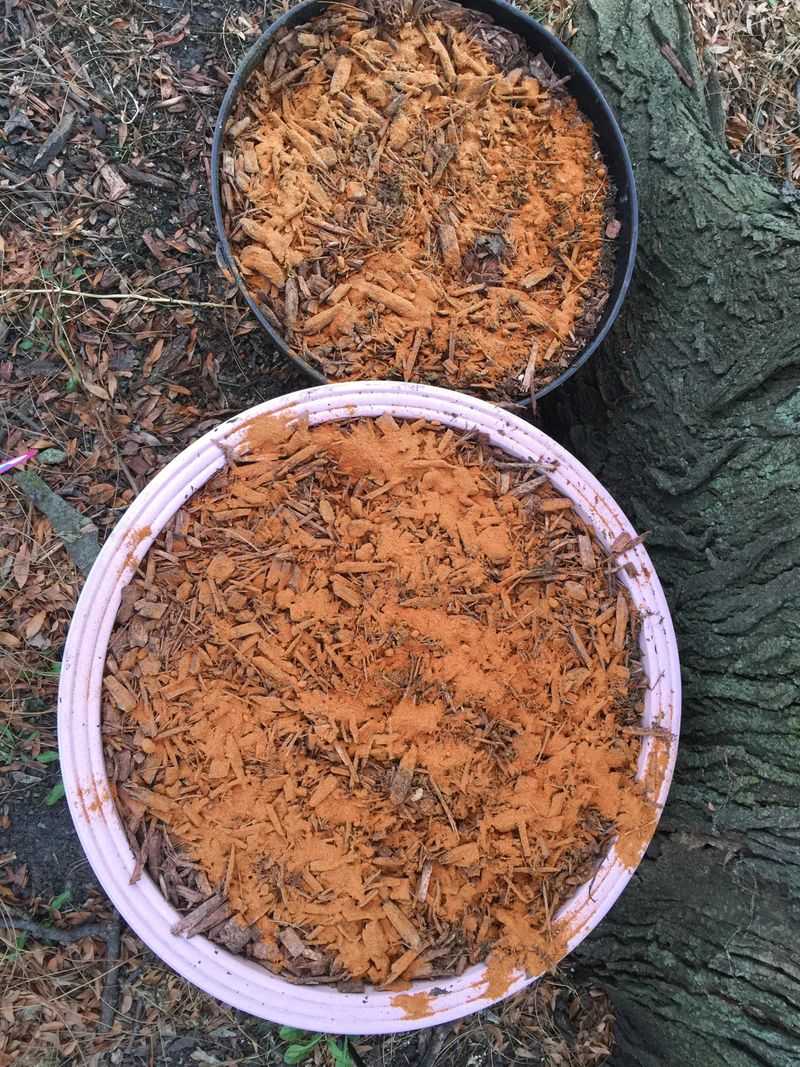
Hot pepper is one of the most talked-about home remedies for keeping squirrels and chipmunks away, and it does have real merit. Capsaicin, the compound that makes peppers spicy, irritates the mouths and noses of small rodents.
Sprinkling cayenne pepper or crushed red pepper flakes around plants, bird feeders, and garden borders can reduce chewing and gnawing behavior noticeably.
You can apply hot pepper in several ways. Dusting cayenne directly onto soil surfaces, mixing it into bird seed, or creating a capsaicin spray by steeping hot peppers in water are all common approaches.
Some gardeners also rub cayenne onto tree trunks or wooden fence posts where squirrels tend to gnaw.
Here is the catch though: hot pepper works mainly as a surface deterrent. It discourages squirrels and chipmunks from chewing on things they can smell or taste directly.
It does very little to stop them from digging, since they do not need to put their nose right into the soil to find buried food. Rain also washes away capsaicin quickly, requiring frequent reapplication.
For bird feeder poles and above-ground surfaces, it tends to perform much better than it does at the soil level.
Birds, interestingly, cannot taste capsaicin at all, so adding it to bird seed keeps squirrels away without bothering your feathered visitors one bit.
Hot pepper is a solid part of a layered repellent strategy when used in the right spots.
7. Predator Scent Makes Beds Feel Riskier
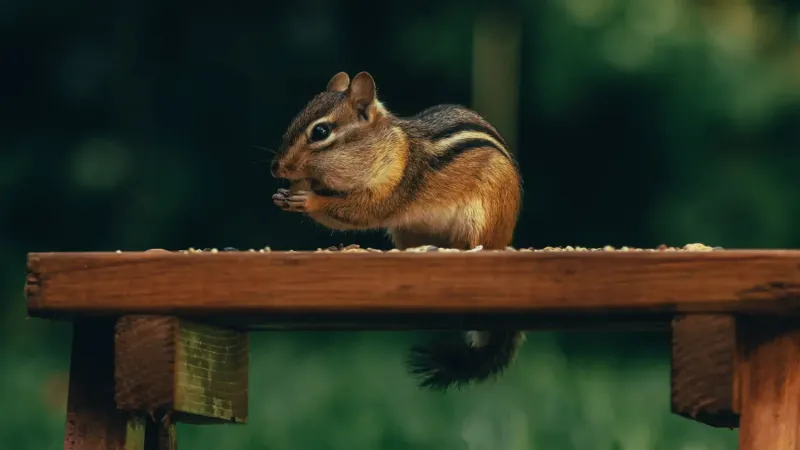
Few things trigger a survival response in small rodents faster than the scent of a predator. Squirrels and chipmunks are prey animals, and their instincts are finely tuned to detect danger.
Products made from predator urine, such as fox or coyote urine, tap directly into that fear response and can make your garden beds feel genuinely threatening to visit.
Predator urine products are available at many garden centers and outdoor supply stores. They typically come in liquid form or as granules that you sprinkle around the perimeter of your garden.
Applying them along fence lines, near raised beds, and around areas where you have noticed heavy rodent activity tends to produce the best results.
One thing that makes predator scent stand out from other repellents is that it works on a deeply instinctual level. It does not just smell bad to squirrels and chipmunks; it signals real danger.
However, like most scent-based products, it needs regular reapplication, especially after rain. Oregon sees enough wet weather that staying on a consistent schedule is important.
Some gardeners report that rotating between different predator scents, such as switching between fox and coyote urine, prevents rodents from getting used to a single smell over time.
Predator urine is safe for plants and soil but should be kept away from areas where children and pets play regularly.
Used consistently, it can make a meaningful difference in how often rodents visit your garden beds.
8. Commercial Repellents Beat Kitchen Hacks
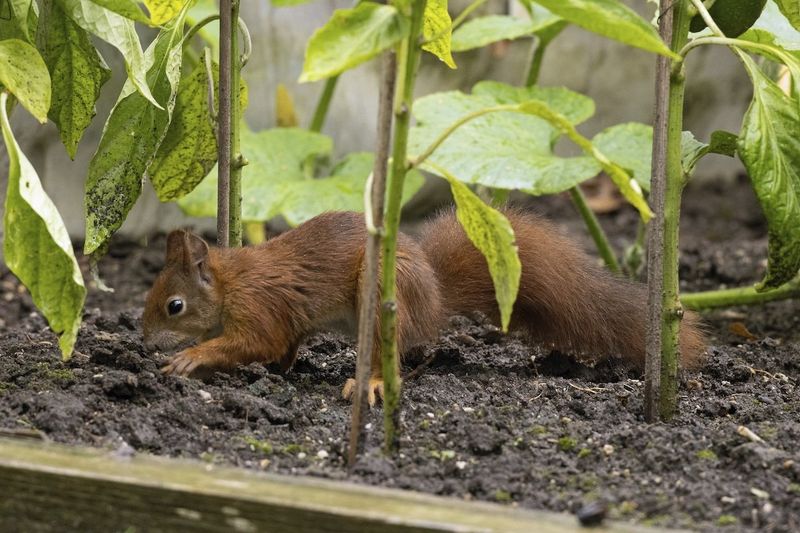
Homemade remedies like garlic sprays and cayenne pepper have their place, but commercial repellents are generally more reliable for consistent, long-term results.
Products designed specifically for squirrel and chipmunk control are formulated to last longer, adhere better to surfaces, and deliver active ingredients at effective concentrations that kitchen ingredients simply cannot match.
Many commercial repellents combine multiple active ingredients, such as putrescent egg solids, capsaicin, and essential oils, into a single product.
This multi-scent approach makes it harder for rodents to simply avoid one smell while continuing to dig or forage nearby.
Look for products that are labeled for use against squirrels and chipmunks specifically, and always follow the application instructions on the label.
Another advantage commercial products offer is that many are designed to be weather-resistant, meaning they hold up better through rain and moisture than a homemade spray would.
In our state, where wet seasons can stretch for months, that durability matters a great deal.
Cost is sometimes a concern, but when you factor in how often you would need to reapply a homemade solution, commercial options can actually be more economical over a full season.
Many are also available in ready-to-use spray bottles or hose-end attachments that make application quick and easy.
For homeowners dealing with persistent rodent pressure in their yards, investing in a quality commercial repellent is often the most practical and effective choice available.