How To Keep Your Texas Garden Alive During 100°F+ Heat
Triple digit heat in Texas is not a weather anomaly. It’s a season.
And if you’ve been gardening here for more than one summer, you already know that the difference between a garden that comes through the heat intact and one that doesn’t has very little to do with luck.
It has everything to do with preparation, timing, and knowing which actions actually make a difference when temperatures push past one hundred degrees and refuse to come back down.
Most gardening advice was not written for Texas summers. What works in milder climates can actively harm plants when heat is this sustained and this intense.
The rules change above one hundred degrees. Watering schedules that seemed right start working against you.
Well intentioned interventions compound the stress rather than relieving it. And the margin for error shrinks to almost nothing when every day brings another round of punishing heat.
Keeping a Texas garden alive through the worst of it requires a specific approach. Here’s exactly what works.
1. Water Deeply In The Morning
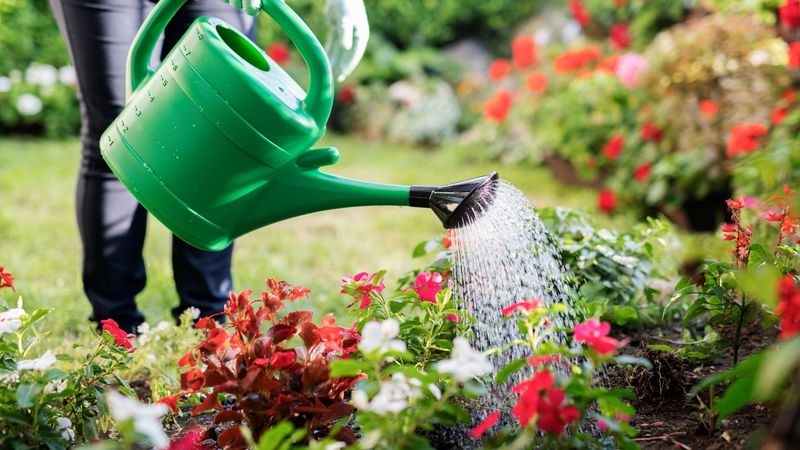
Most gardeners make the mistake of watering their plants a little bit every day, but shallow watering does not actually help your plants survive extreme heat.
The real trick is to water deeply and less often, soaking the root zone so plants can pull moisture from deeper in the soil. Roots that grow deeper are much better at handling hot, dry conditions.
Watering in the early morning, ideally before 9 a.m., is one of the smartest things you can do for your Texas garden. When you water early, the soil can absorb the moisture before the sun gets intense.
Evaporation is much lower in the morning, so more water actually reaches the roots where it is needed most.
If you water in the afternoon or evening, you run into problems. Afternoon water evaporates almost instantly in 100°F heat, wasting your effort.
Evening watering can leave leaves wet overnight, which encourages fungal diseases and other issues.
Aim to water at the base of your plants rather than sprinkling from above. Drip irrigation systems and soaker hoses are excellent tools for deep, targeted watering.
They deliver water slowly right to the root zone, which is exactly what stressed plants need.
A good rule of thumb is to water until the soil is moist at least six to eight inches deep. You can check this by poking a finger or a wooden dowel into the soil after watering.
If it comes out dry below a couple of inches, your plants need more water delivered more slowly.
2. Keep The Soil Covered With Mulch
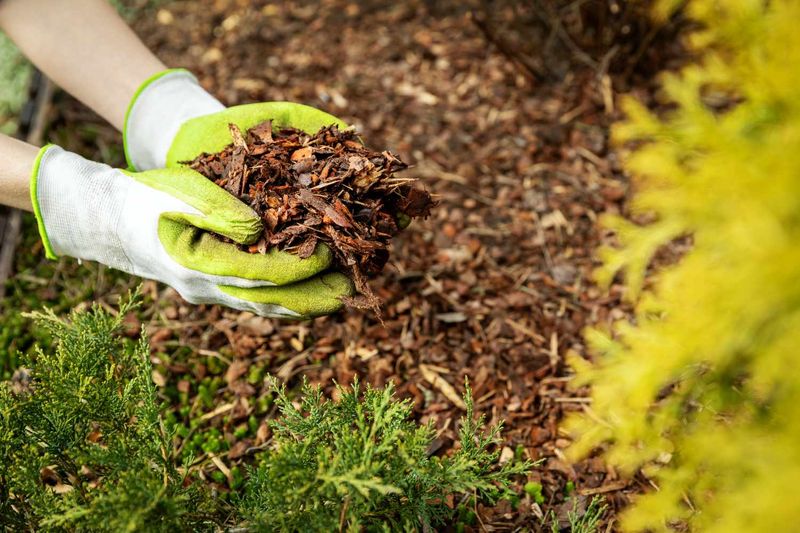
Bare soil in a Texas summer is like a pan left on a hot stove. It heats up fast, loses moisture quickly, and creates a harsh environment for plant roots.
Mulch is one of the simplest and most effective tools you have to fight back against the heat. A few inches of mulch on top of your soil can make a dramatic difference in how well your plants hold up.
Your Texas Garden Changes Every Week. Your Plan Should Too.
Gardening in Texas changes quickly throughout the season. Every Friday you’ll receive a simple weekly plan showing exactly what to plant, prune, fertilize, harvest, and protect so you never miss the right timing.
Mulch works by acting as an insulating layer between the hot sun and the soil beneath. It slows down evaporation, which means the water you put in stays in the ground longer.
It also keeps soil temperatures several degrees cooler than bare ground, which helps roots function properly even when the air above is blazing hot.
You have several good mulch options to choose from. Wood chips, straw, shredded leaves, and pine bark all work well in garden beds.
Aim for a layer about three to four inches thick around your plants. Make sure to keep the mulch a couple of inches away from the base of each plant stem to prevent rot and pest problems.
Organic mulches like straw and shredded leaves also break down over time, adding nutrients back into the soil. This is a bonus because heat-stressed plants need all the support they can get.
Recheck your mulch layer every few weeks during summer. It can break down or shift around, leaving gaps where the soil is exposed.
A fresh top-up of mulch is a quick, inexpensive way to keep your garden protected through the hottest months of the year.
3. Give Sensitive Plants Afternoon Shade
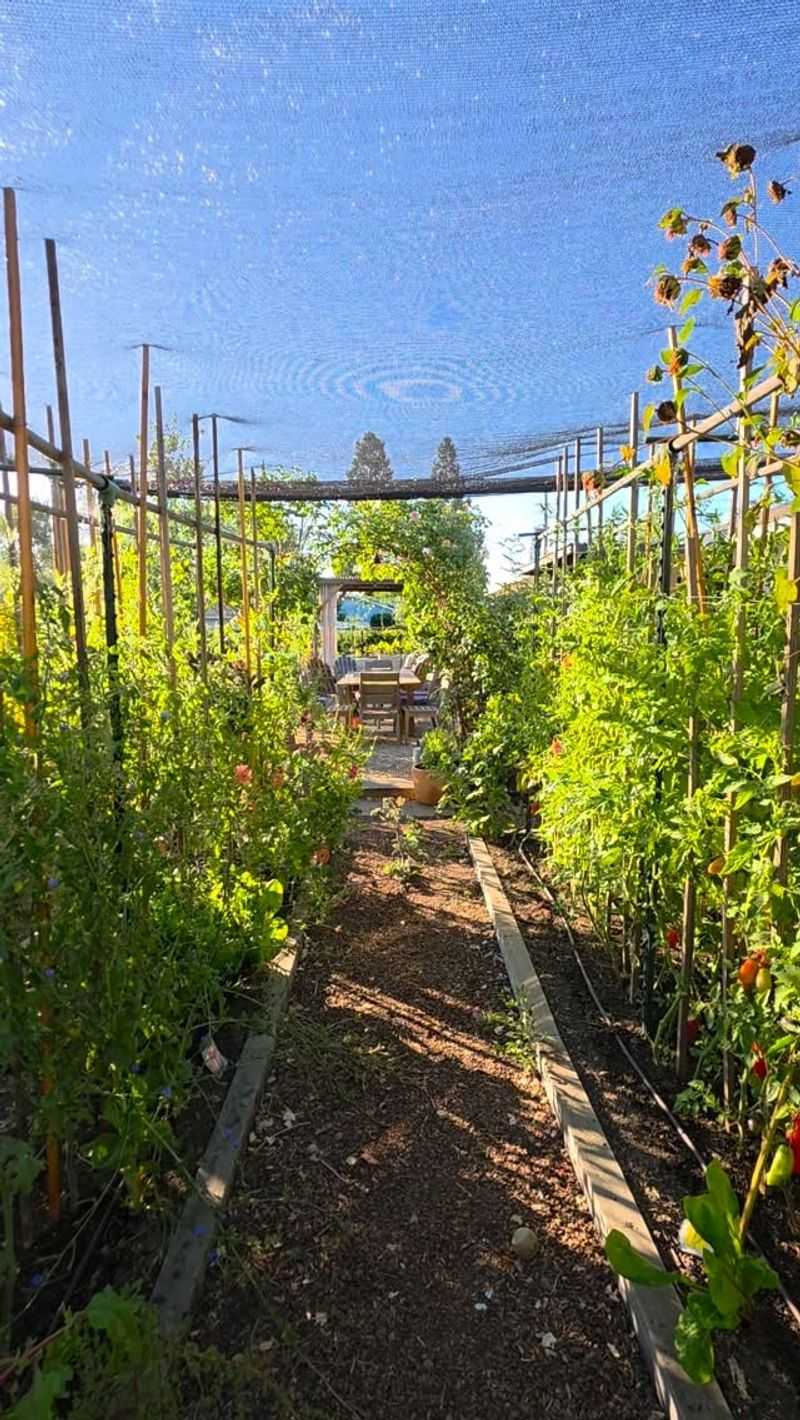
When the afternoon sun is beating down and temperatures are well over 100°F, even sun-loving plants can hit their limit. Vegetables like lettuce, spinach, and even tomatoes can stop producing fruit or start to wilt when heat gets too intense.
Giving sensitive plants a break from the afternoon sun can be the difference between a struggling garden and a productive one.
Shade cloth is one of the most practical tools for summer gardening in Texas. You can find it at most garden centers or online, and it comes in different percentages.
A 30 to 50 percent shade cloth is a good starting point for most vegetables. It blocks enough sunlight to lower temperatures under the cloth while still letting in plenty of light for photosynthesis.
Setting up shade cloth does not have to be complicated. Simple PVC hoops, wooden stakes, or a basic frame can hold the cloth over your garden beds.
The goal is to block direct sun from about noon to around 5 p.m., which is when heat is at its worst. You can remove the cloth in the evening so plants get good airflow overnight.
Natural shade from trees or structures can also help. If you have a fence, a pergola, or a large tree that casts afternoon shade, try positioning heat-sensitive plants in those spots.
Just make sure they still get morning sun, which is gentler and helps plants build energy for the day.
Even a few hours of afternoon shade can reduce plant stress significantly. Cooler leaves mean less water loss and a happier, more resilient plant overall during brutal Texas summers.
4. Check Containers Every Day
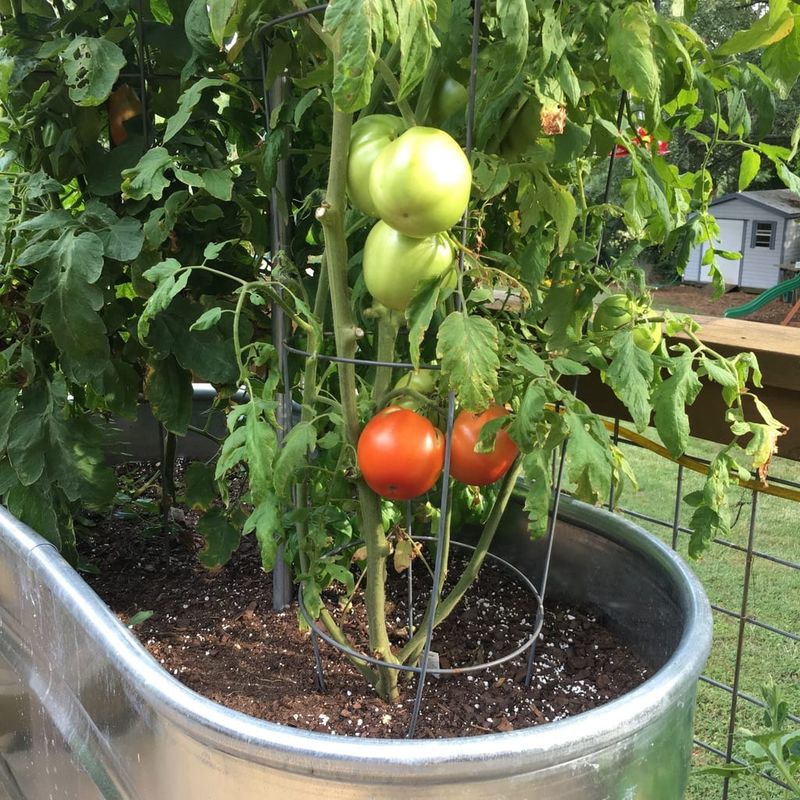
Container gardening is popular in Texas because it gives you flexibility and control. But during a heat wave, pots become one of the most vulnerable spots in your garden.
Unlike garden beds, containers have a limited amount of soil, which means they heat up fast and dry out even faster. On a 100°F day, a small pot in direct sun can dry out completely in just a few hours.
Checking your containers every single day during extreme heat is not optional, it is essential. Press your finger about an inch into the soil.
If it feels dry, it is time to water. Do not wait for plants to start drooping before you act. By the time a container plant looks wilted, it is already under serious stress and may take days to fully recover.
Pot color and material matter more than most people realize. Dark-colored pots absorb more heat and can actually cook roots from the outside in.
Light-colored pots or containers made from materials like fabric or glazed ceramic tend to stay cooler. If you have dark pots, try wrapping them with a light-colored cloth or moving them to a shadier spot during the hottest part of the day.
Grouping containers together can also help. When pots are clustered, they shade each other and create a slightly cooler microclimate. This small trick can reduce how often you need to water.
Self-watering containers are another great investment for Texas summers. They hold a water reservoir at the bottom that plants can draw from as needed, reducing the risk of pots drying out between your daily checks.
5. Avoid Heavy Fertilizing During Extreme Heat
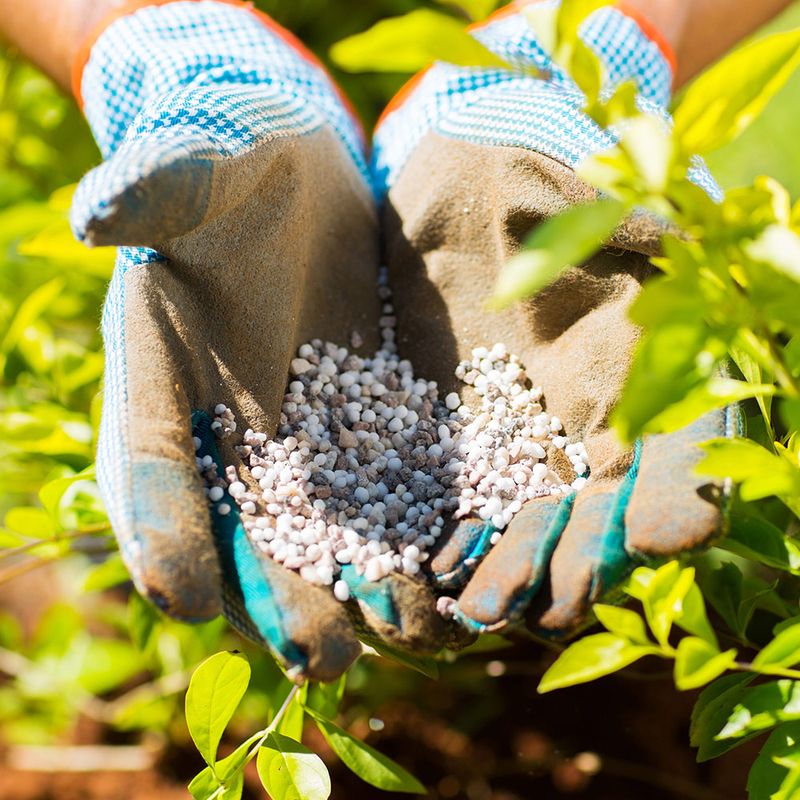
Fertilizer can feel like a quick fix when your garden is struggling in the heat, but applying too much during a heat wave can actually make things worse. Most fertilizers work by stimulating new plant growth.
When a plant is already stressed from high temperatures, pushing it to grow faster puts even more strain on its system. Tender new growth is especially vulnerable to heat and can scorch quickly in direct sun.
Think of it this way: a plant dealing with extreme heat is in survival mode. It is focused on keeping its existing leaves and roots alive, not on producing new shoots and leaves.
Giving it a heavy dose of fertilizer during this time is like asking someone to run a marathon when they are already exhausted. The results are usually not good.
Hold off on fertilizing until temperatures drop to more manageable levels, ideally below 90°F. Once the heat breaks, even temporarily, your plants will be in a much better position to use the nutrients effectively.
A light application of a balanced, slow-release fertilizer at that point can help them bounce back quickly.
During the heat itself, focus on moisture and overall plant health. Make sure your watering schedule is consistent and your mulch is in place. These two things will do more for your garden during a heat wave than any fertilizer can.
If you feel you must feed your plants during extreme heat, opt for a diluted liquid fertilizer applied to the soil, not the leaves. Foliar feeding in intense heat can burn leaves and cause additional stress to already struggling plants.
6. Check Your Irrigation Before Plants Wilt
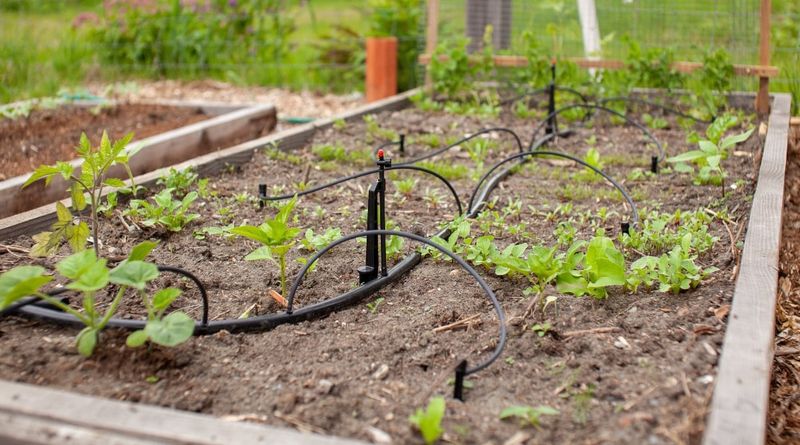
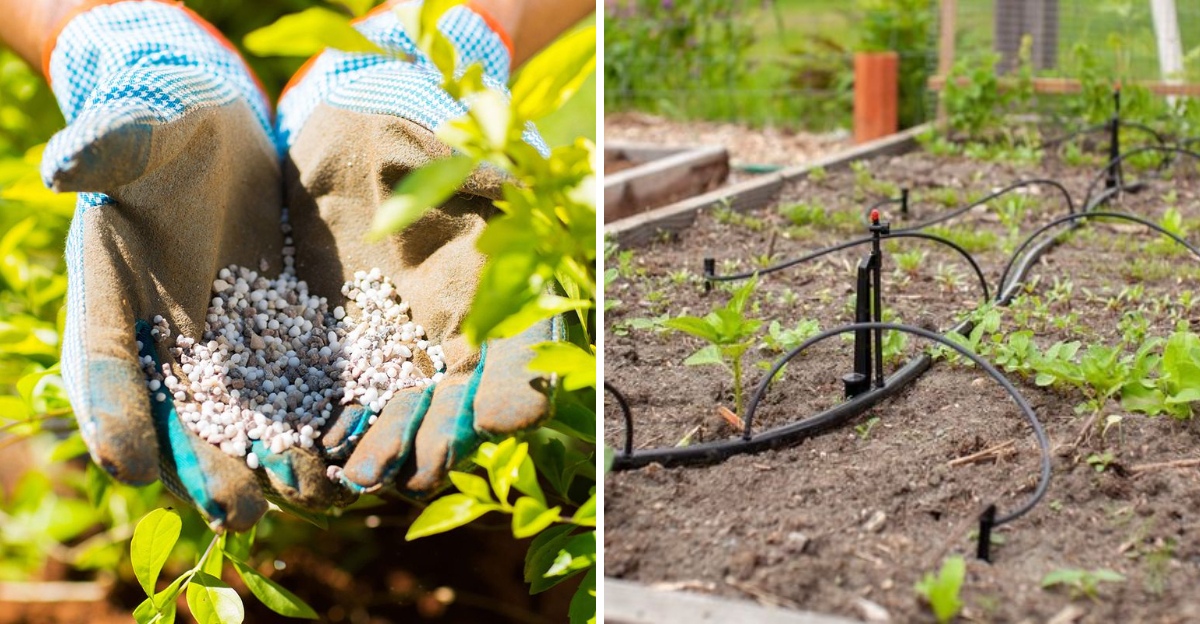
There is nothing more frustrating than thinking your garden is getting enough water, only to find out your irrigation system has not been working properly.
A clogged drip emitter, a kinked hose, or a broken sprinkler head can leave plants high and dry without you even knowing it. During a Texas heat wave, even one missed watering can push plants to the edge.
Make it a habit to inspect your irrigation system at least once a week during summer, and more often during the hottest stretches. Walk through your garden and check each drip line or emitter.
Look for signs of poor coverage, like dry patches in the soil or plants that look more stressed than their neighbors. A quick visual check takes only a few minutes but can save your plants from serious trouble.
Drip emitters can clog with mineral deposits or debris, especially in areas with hard water. A simple way to test them is to run your system and then feel the soil around each emitter after a few minutes.
If the soil is still dry, the emitter is likely clogged and needs to be cleaned or replaced. Hoses can develop small leaks or kinks that reduce water pressure and coverage. Check the connections at both ends and along the length of the hose.
Even a small leak can rob distant plants of the water they need. Consistent irrigation is especially important during long stretches of extreme heat.
Automated timers are a great investment because they remove the chance of forgetting to water. Set them to run during early morning hours for the best results and least evaporation.
7. Watch For Heat-Loving Pests
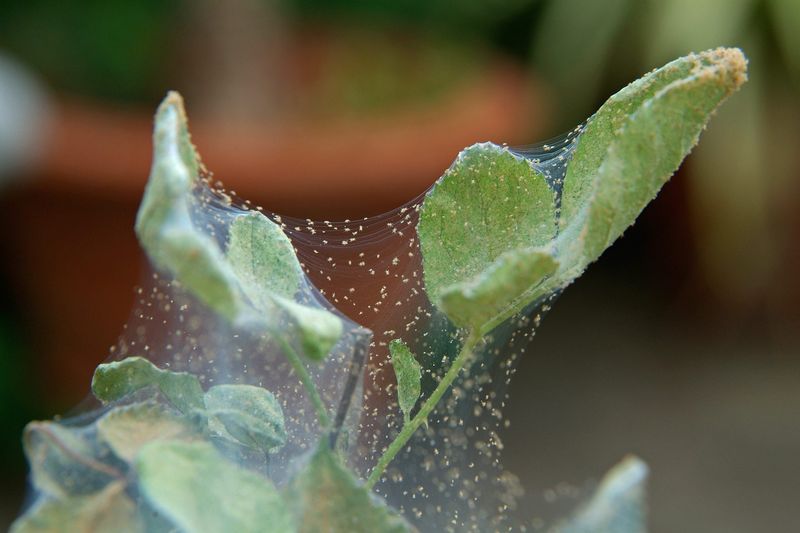
Hot, dry weather does not just stress your plants. It also creates perfect conditions for certain pests that thrive when temperatures soar and humidity drops.
Spider mites are one of the biggest troublemakers during Texas heat waves. These tiny bugs are barely visible to the naked eye, but they can do serious damage to your plants in a short amount of time.
Spider mites love hot, dry conditions because they reproduce rapidly in that environment. A small infestation can explode into a major problem within just a week or two if left unchecked.
They feed on plant juices by piercing leaf cells, which causes leaves to look stippled, yellowed, or bronzed. You might also notice fine webbing on the undersides of leaves or between stems.
Make checking the undersides of leaves a regular part of your garden routine. Use a magnifying glass if needed to spot tiny mites or their eggs.
Catching an infestation early makes it much easier to manage before it spreads to other plants.
A strong spray of water can knock mites off leaves and reduce their numbers quickly. For more serious infestations, insecticidal soap or neem oil applied in the early morning or late evening works well without adding extra heat stress to your plants.
Avoid spraying anything on leaves during the hottest part of the day. Other pests like whiteflies and aphids also tend to build up during summer heat. Keeping your plants well-watered and healthy gives them a better chance of resisting pest pressure.
Stressed plants are much more attractive to insects looking for an easy meal, so plant health is your first line of defense.