7 Native Michigan Vines That Cover Fast Without The Problems Of Wisteria
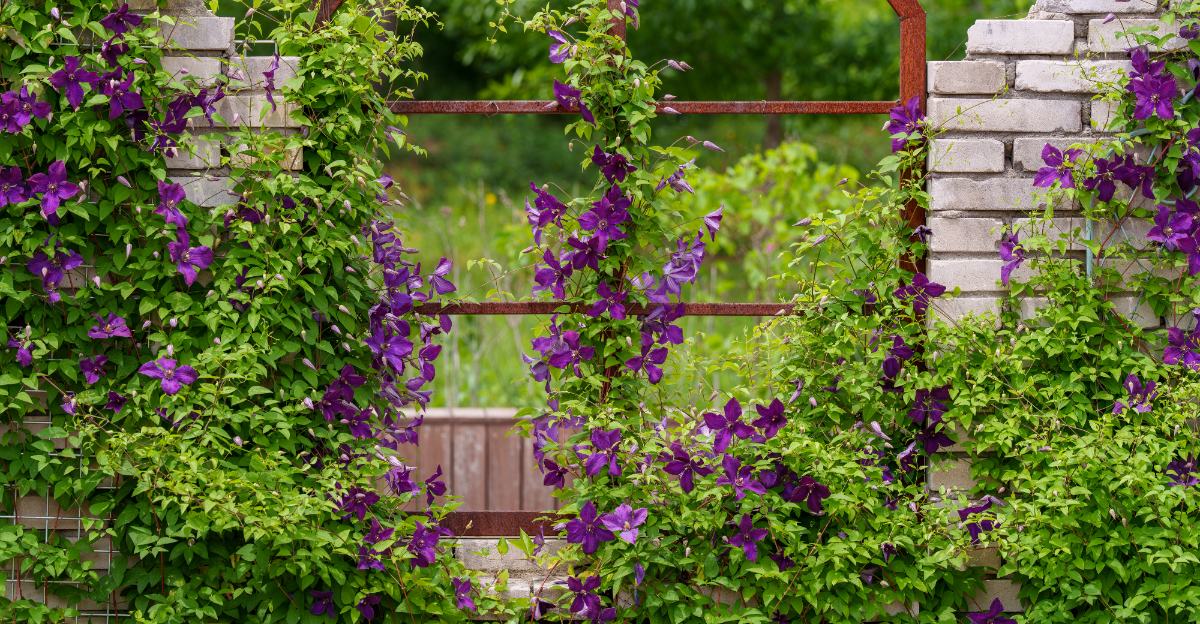
Wisteria might be one of the most requested vines for covering fences and arbors, but its reputation comes with a serious downside most Michigan gardeners discover too late.
Once established, this aggressive climber can take over structures, damage siding, and spread far beyond its intended space within just a few seasons.
The good news is that several native vines offer that same fast, lush coverage without dragging along the same list of headaches.
These alternatives bring their own unique blooms, textures, and wildlife benefits that wisteria simply cannot match. Many gardeners assume there’s no real substitute for that dramatic wisteria look, until they actually see these natives in action.
Switching now could save you years of fighting an increasingly unmanageable vine down the road. Once you know what’s available, wisteria starts to look like a much riskier choice than it first seemed.
1. Virgin’s Bower
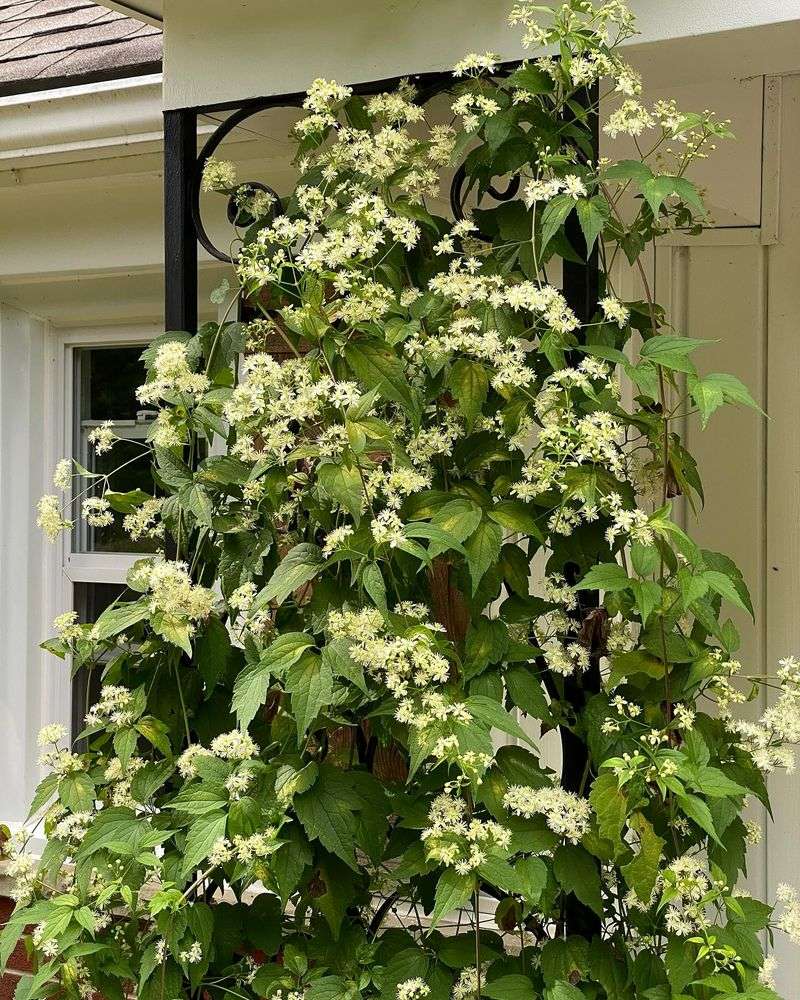
Picture a fence or trellis disappearing under a blanket of tiny white blooms, and you have Virgin’s Bower at its best. This Michigan native climbs up to about 15 feet, using twisting leaf stems to grab onto anything nearby.
From late summer into September, it bursts into masses of fragrant white flowers. The sweet smell draws in bees and butterflies, turning a quiet corner of your yard into a busy little hangout for pollinators.
What makes this vine so handy is how fast it fills space without becoming a bully. Unlike wisteria, it will not crush your fence or strangle nearby trees. A yearly trim keeps it neat and pointed in the direction you want.
After the flowers fade, fluffy silver seed heads appear that look like little puffs of cotton. Many gardeners love this second show because it adds texture and shine well into fall.
Virgin’s Bower is happiest in full sun to part shade and likes soil that stays a bit moist. Once its roots settle in, it handles Michigan winters like a champ and returns stronger each spring.
Give it a sturdy support such as an arbor, chain link fence, or old shed wall. Within a season or two, you will have quick, leafy coverage plus a cloud of blooms.
One friendly tip: wear gloves when pruning, since the sap can bother sensitive skin. Beyond that small note, this cheerful climber asks for very little and rewards you with tons of beauty.
2. Allegheny Vine
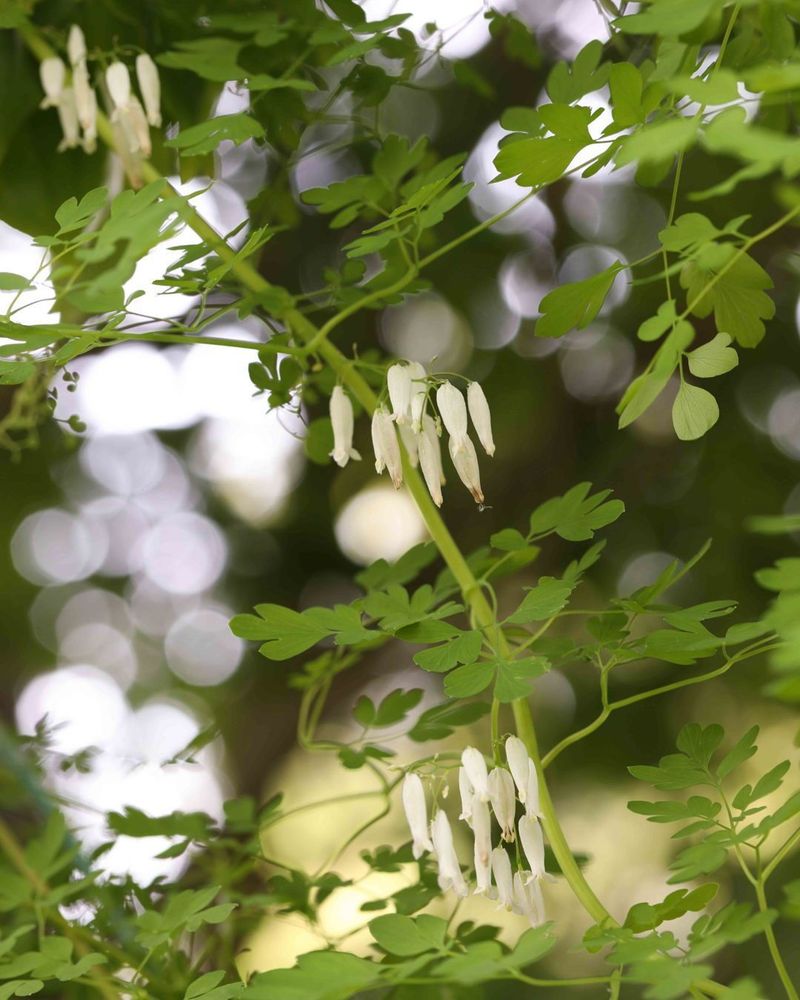
Some vines put on one big show and then rest, but Allegheny vine keeps the party going all summer long. This gentle native climbs about 10 to 13 feet, reaching up with slim, curling tendrils.
Its flowers are soft and dainty, colored in shades of white blending into pink and light purple. They dangle in loose clusters and keep coming for weeks, which means steady color when many other plants take a break.
Because it grows lightly instead of heavily, Allegheny vine works great on delicate supports like thin trellises or garden netting. It will not snap fragile structures the way heavier climbers can, so you get coverage without worry.
Your Michigan Garden Changes Every Week. Your Plan Should Too.
Gardening in Michigan changes quickly throughout the season. Every Friday you’ll receive a simple weekly plan showing exactly what to plant, prune, fertilize, harvest, and protect so you never miss the right timing.
The lacy, fern-like leaves add another layer of charm. Even when the vine is not flowering, that feathery green look brings a soft, airy feel to walls and posts.
This plant enjoys cooler, shadier spots with rich, moist soil, making it a smart choice for that damp edge of your yard where sun-loving vines struggle. Think along a fence near trees or beside a shaded porch.
Pollinators adore the steady supply of blooms, so expect friendly visits from bees throughout the warm months. That makes it both pretty and helpful for your local ecosystem.
Here is a fun bit: Allegheny vine is sometimes called climbing fumitory, a name that hints at its old-fashioned garden charm. Plant it once, and its easygoing habit will keep you smiling all season without demanding much attention in return.
3. American Groundnut
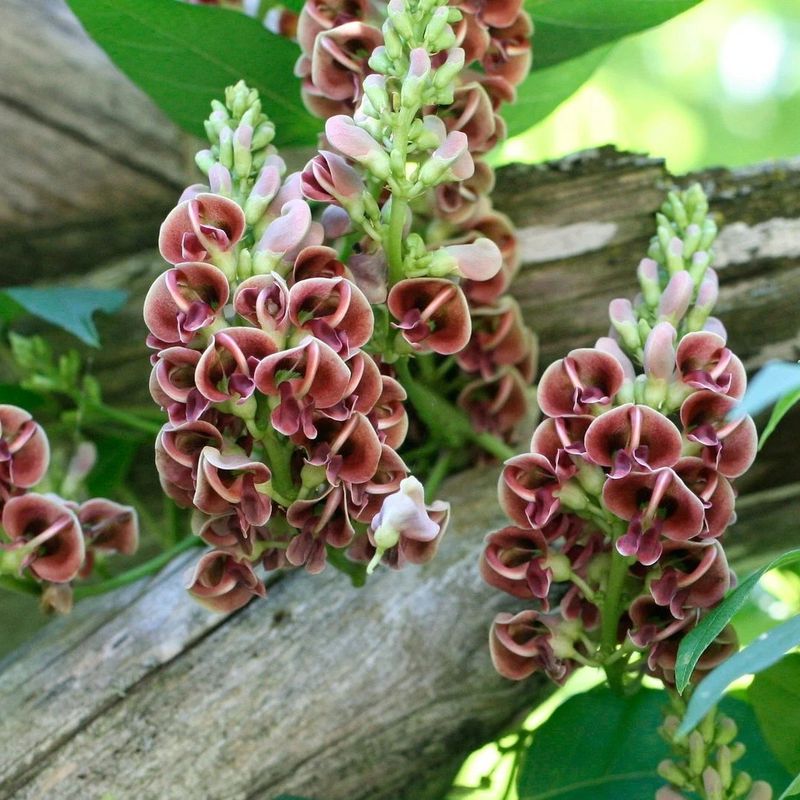
If you want a vine that surprises people, American groundnut is a real conversation starter. It scrambles up to about 16 feet and covers supports fast with lush, leafy growth.
The flowers are the showstopper here. In summer, clusters of purple-brown, pea-shaped blooms appear, and they carry a rich, spicy scent that many gardeners find hard to resist.
Long ago, Native peoples valued this plant for its underground tubers, which are edible and nutty tasting. That bit of history makes it more than just a pretty climber, it is a piece of the land’s story.
Since it belongs to the bean family, American groundnut actually helps the soil by adding nitrogen. That means it can improve the ground around it while it climbs, which is a nice bonus.
This vine loves moist soil and does well near ponds, streams, or damp fence lines. Give it full sun to part shade, and it will reward you with quick, thick coverage.
Keep in mind that it spreads through those tubers, so plant it where a little roaming is welcome. A spot along a wild edge or a rain garden suits it perfectly.
Butterflies and bees stop by often, drawn to the unusual blooms. Watching them work the flowers adds life and movement to your yard.
For gardeners who like plants with purpose, this one delivers beauty, food value, and soil help all in a single package. Give it room and a support, then enjoy the fast, fragrant results.
4. Purple Clematis
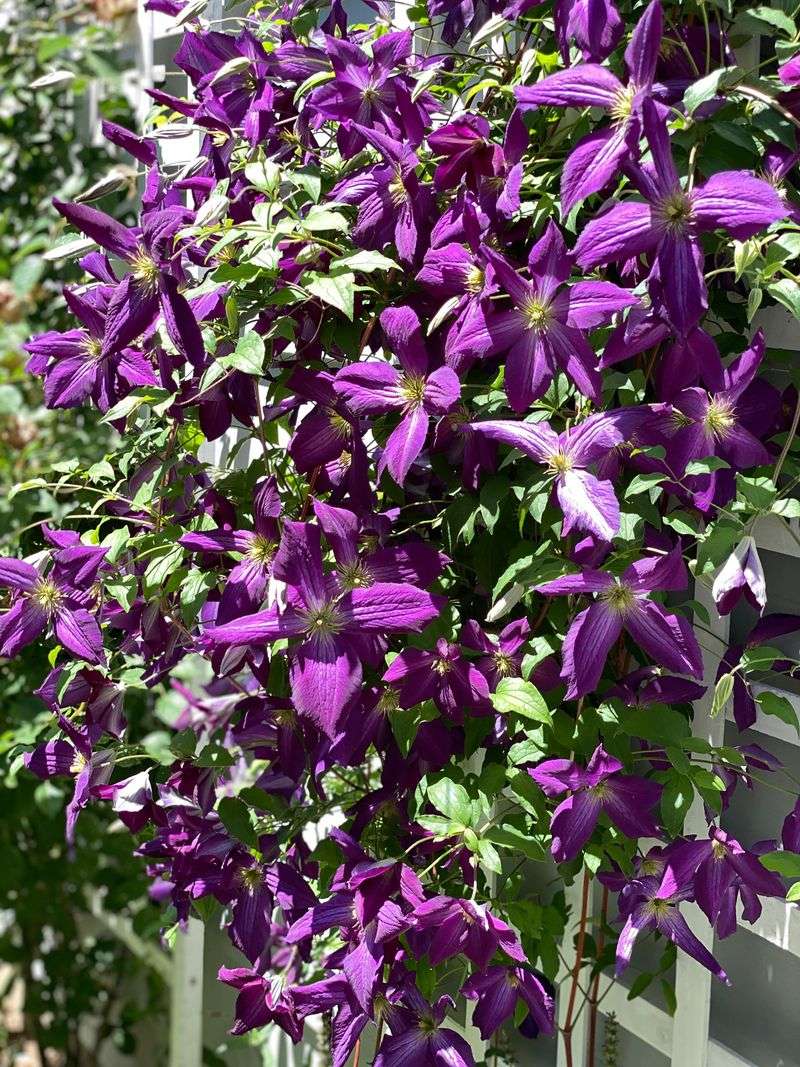
For gardeners chasing big, bold blooms, Purple Clematis steals the spotlight. Native to Michigan’s Upper Peninsula, this climber produces large flowers in dreamy shades of blue to reddish purple.
The blooms hang like little nodding bells, and their size makes them stand out from a distance. Reaching about 11 feet, the vine covers arbors and trellises with graceful, eye-catching color.
Unlike wisteria, which grows heavy and pushy, this clematis climbs politely using its curling leaf stalks. It leans on supports rather than crushing them, so your structures stay safe.
This plant comes from cooler northern woods, so it handles chilly Michigan weather without complaint. It likes its roots kept cool and shaded while its top reaches toward the light.
A classic trick is to mulch the base or tuck low plants around it, keeping the soil cool and moist. Do that, and the vine will thank you with stronger, brighter blooms.
After flowering, fluffy seed heads form and catch the light beautifully, giving you a bonus display through late summer and fall. That second act keeps the vine interesting long after petals drop.
Bees and other pollinators visit the flowers, adding gentle buzz to your garden. The vine’s tidy size makes it easy to fit near patios, entryways, or shaded fences.
Here is a neat fact: this species is also called purple virgin’s bower, a nod to its softer cousin. For big color without big trouble, this northern native is a wonderful pick that feels a little bit magical.
5. Limber Honeysuckle
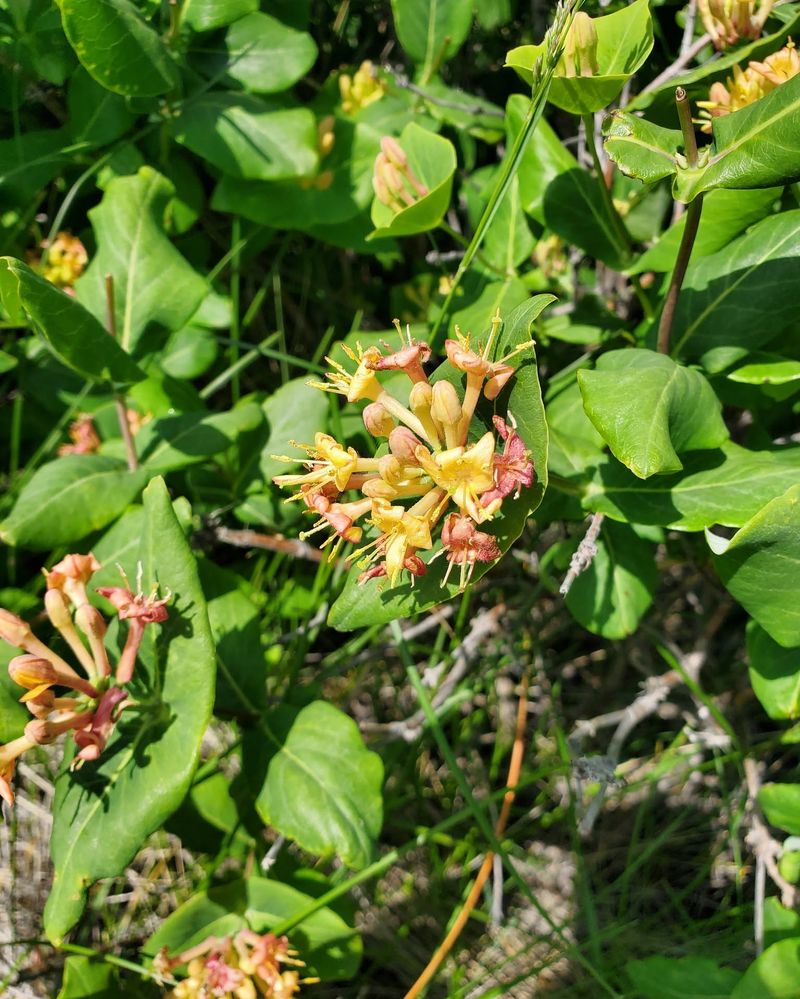
Hummingbirds seem to have this vine on speed dial, and once you see its blooms, you will understand why. Limber honeysuckle produces tubular flowers that shift from sunny yellow to deep maroon.
The vine twines around supports in a loose, relaxed way, wrapping posts and trellises with gentle coils. It gives good coverage while staying easy to manage.
Those trumpet-shaped blooms are built for hummingbirds, whose long beaks reach the sweet nectar inside. Watching these tiny fliers zip between the red and gold flowers is a summer treat.
Unlike the aggressive bush honeysuckles that cause trouble in Michigan, this native climber behaves itself. It will not smother your yard or shove out other plants, which makes it a responsible choice.
After the flowers finish, bright red berries appear, and birds happily snack on them. That means your garden keeps feeding wildlife well beyond the blooming weeks.
This vine grows well in full sun to part shade and likes soil that drains nicely. Once established, it needs little fuss and returns faithfully each year.
Because it climbs politely, it fits beautifully on mailbox posts, small arbors, or garden gates. A quick trim now and then keeps it shaped just how you like.
The warm color mix makes it feel cheerful and inviting, almost like a splash of sunset in plant form. For anyone hoping to draw hummingbirds while enjoying fast, friendly coverage, limber honeysuckle checks every box with charm to spare.
6. Hairy Honeysuckle
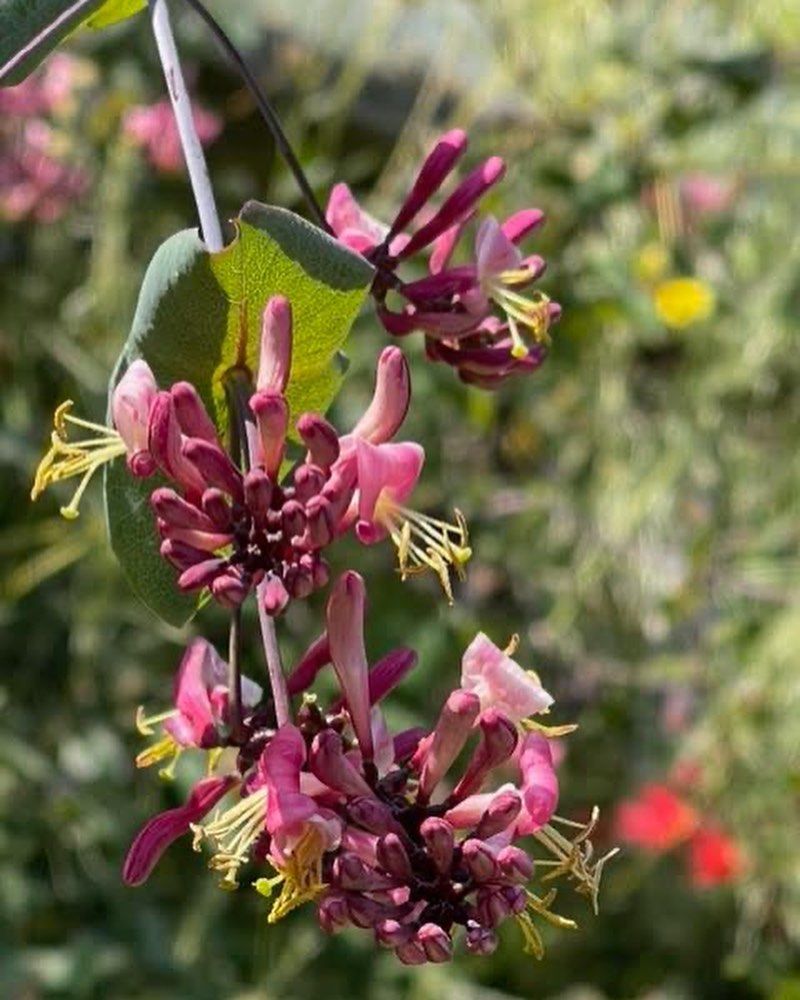
There is something warm and glowing about hairy honeysuckle, like little flames climbing your fence. This northern Michigan native reaches about 8 to 10 feet, filling supports with color and greenery.
Its flowers open in bright orange and yellow tones that can deepen toward red as they age. The blend gives the vine a lit-up look, especially when the sun hits it just right.
The name comes from the soft, fuzzy hairs along its leaves and stems, giving the plant a slightly velvety feel. That gentle texture sets it apart from smoother climbers.
Hummingbirds and bees flock to the tubular blooms, sipping nectar throughout the warm season. Their busy visits turn your garden into a lively, buzzing spot.
This vine likes cooler climates, which makes it a natural fit for the northern parts of the state. It handles chilly nights and short summers with ease.
Plant it in full sun to light shade with soil that drains well, and it will settle in quickly. After its first year, it needs very little care to keep thriving.
Because it stays a modest size, hairy honeysuckle works nicely on smaller trellises, porch rails, and cozy garden corners. It gives fast coverage without ever feeling out of control.
Later in the season, small berries form that birds enjoy, extending the plant’s value well into fall. For gardeners who want glowing color, wildlife visits, and an easygoing habit, this fuzzy-leaved climber is a bright and cheerful winner.
7. Purple Vetchling
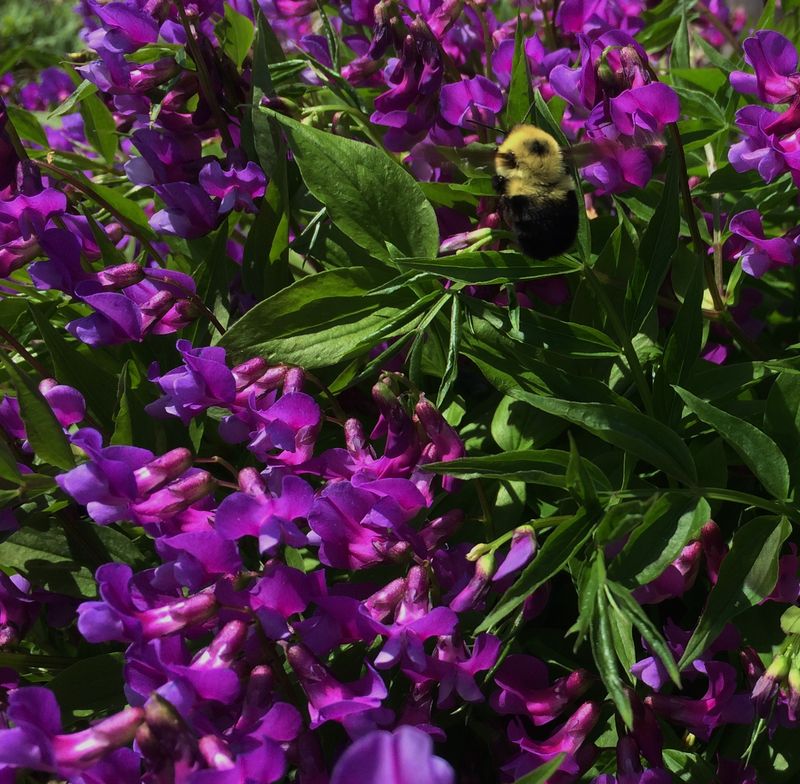
Imagine soft clouds of purple drifting across a fence, and you have captured the charm of purple vetchling. This climbing plant uses slender tendrils to grip supports, pulling itself upward with ease.
The blooms come in dense clusters of purple and pale pink, shaped like tiny sweet peas. Grouped together, they create a full, romantic look that softens any hard edge or bare fence.
Since it climbs with tendrils instead of heavy twisting stems, this vine stays light on its supports. It will not bend or break fragile trellises, making it a gentle helper in the garden.
As a member of the pea family, purple vetchling adds nitrogen to the soil, quietly improving the ground as it grows. That hidden benefit makes it useful as well as pretty.
Pollinators love the flower clusters, so bees and butterflies visit often during the blooming weeks. Their steady traffic brings buzz and motion to sunny corners.
This plant enjoys full sun and does fine in average soil, tolerating spots where fussier plants might sulk. Once it takes hold, it fills space fast and returns each year.
It looks especially lovely along wild fences, meadow edges, or cottage-style gardens where a relaxed feel is welcome. A light trim keeps it from wandering too far.
The airy, ruffled bloom clusters give a soft, dreamy texture that pairs well with bolder flowers nearby. For fast coverage with a gentle, cloud-like beauty, purple vetchling is a delightful and low-effort choice.