Why Florida Lawns Get Chinch Bugs Worse in August Than Any Other Month
August in Florida is not exactly a relaxing month for lawns. The heat stays intense, the humidity refuses to budge, and the conditions that fuel chinch bug activity through early summer do not simply switch off when July ends.
Southern chinch bugs tend to peak around early July, but warm, stressed turf in August is still very much on the menu for these insects, and the damage they leave behind can spread quickly when nobody is paying close attention.
Small patches that looked manageable a few weeks ago have a way of turning into much larger problems by the time August afternoons are done with them.
Understanding why Florida lawns stay vulnerable this deep into summer is really the first step toward catching trouble early and making smarter lawn care decisions before things get out of hand.
1. Warm Summer Weather Keeps Chinch Bugs Highly Active
August heat does not give lawns much of a break, and southern chinch bugs take full advantage of that. These tiny insects thrive when temperatures stay consistently warm, and Florida’s summer weather provides exactly those conditions.
While current guidance identifies early July as the typical peak period for southern chinch bug infestations, the warm temperatures that drive activity during July do not disappear as August arrives.
Populations that built up through June and July can remain large and active well into August, continuing to feed on St. Augustinegrass and expanding into new areas of the lawn.
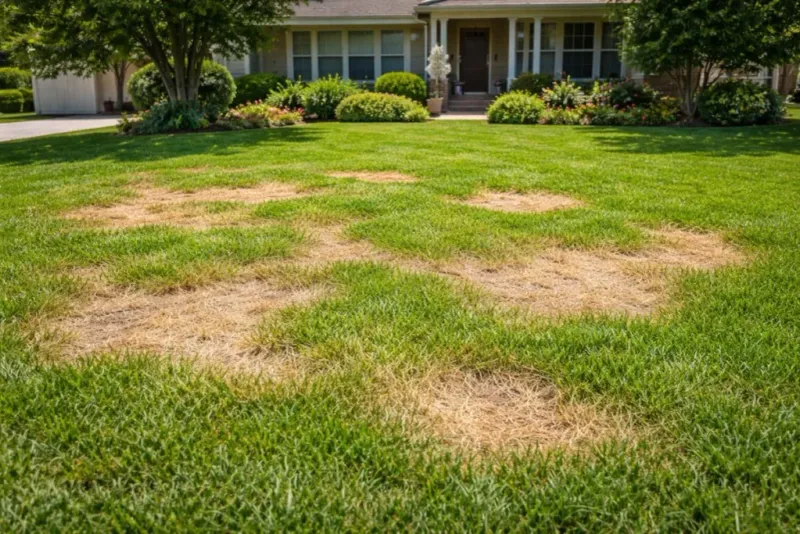
Homeowners may actually notice more visible damage in August simply because feeding injury accumulates over time and eventually becomes impossible to miss.
A lawn that looked stressed in late July may show large brown patches by mid-August.
Warm soil temperatures also support continued insect development and movement through the turf. Southern chinch bugs can stay mobile during hot weather, spreading outward from established feeding sites into surrounding grass.
Florida’s reliably warm August nights prevent the kind of temperature drop that might slow their activity in other regions.
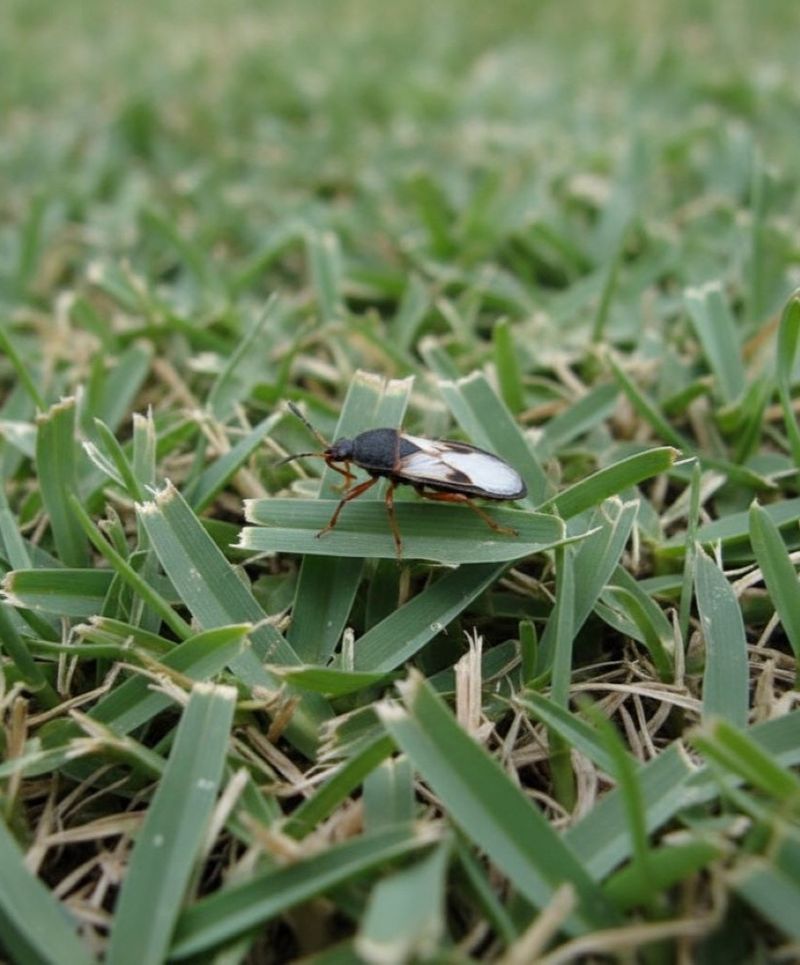
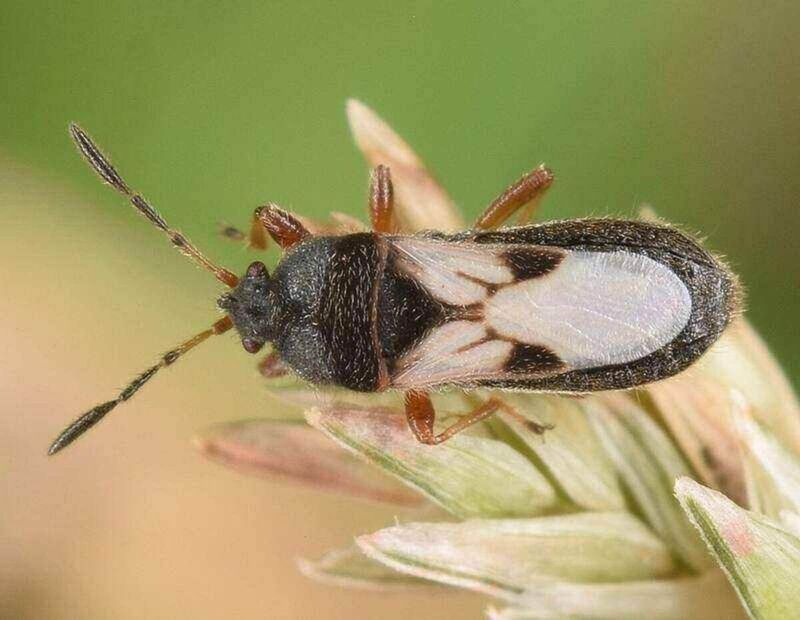
Staying aware of what chinch bugs look like and checking the lawn regularly during August can make a real difference in catching problems before they spread too far.
2. Summer Eggs Can Hatch In Less Than Two Weeks
One reason chinch bug pressure can stay strong through August is how quickly eggs develop during warm Florida summers. Temperature plays a major role in how fast southern chinch bug eggs hatch, and summer heat speeds the process up considerably.
Under warm summer conditions, eggs can hatch in roughly six to thirteen days, with an average of about eleven days according to current information on southern chinch bug development.
That relatively short window means new generations of nymphs can appear on a steady basis throughout the warm season.
A female that lays eggs in late July may produce hatching nymphs well into August, adding fresh feeding pressure to turf that may already be stressed from earlier infestations.
Cooler winter temperatures slow development substantially by comparison, but August weather keeps the cycle moving at a much faster pace.
Your Florida Garden Changes Every Week. Your Plan Should Too.
Gardening in Florida changes quickly throughout the season. Every Friday you’ll receive a simple weekly plan showing exactly what to plant, prune, fertilize, harvest, and protect so you never miss the right timing.
Not every egg hatches on exactly the same schedule, since individual conditions within the lawn can vary. Thatch depth, moisture levels, and local temperature differences can all influence timing to some degree.
Still, the general pattern of rapid summer development means that chinch bug populations in Florida lawns do not simply stop growing once July ends.
Homeowners who assume the problem is winding down in August may be caught off guard when fresh nymphs begin feeding on turf that is already under pressure from heat and drought stress.
3. St. Augustinegrass Gives Chinch Bugs Their Preferred Host
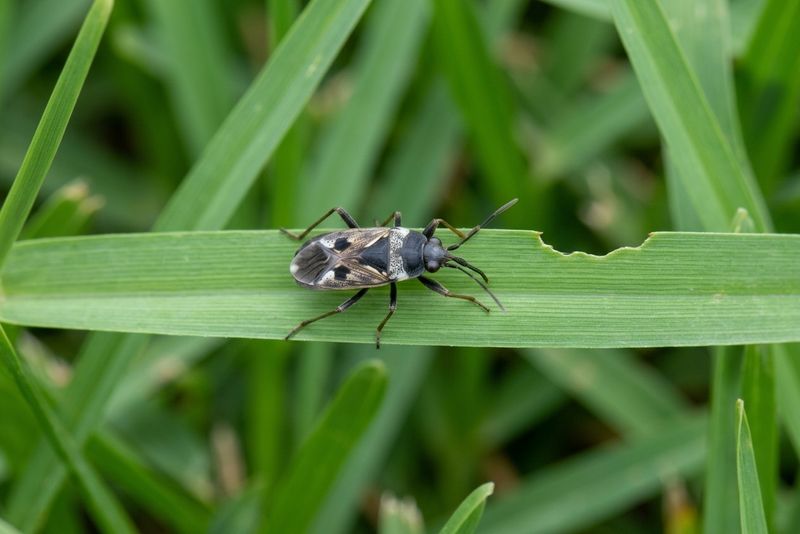
St. Augustinegrass is one of the most widely used lawn grasses across Florida, and it happens to be the grass that southern chinch bugs strongly prefer.
That combination creates real vulnerability for homeowners, since so many residential lawns across the state are planted with the very turf species these insects target most aggressively.
Southern chinch bugs are considered one of the most significant insect pests of St. Augustinegrass, and that reputation is well-earned.
The broad, flat blades and dense growth habit of St. Augustinegrass create an environment where chinch bugs can feed and move with relative ease.
Not every St. Augustinegrass lawn will develop a serious infestation, and other turf species can occasionally be affected as well.
However, the strong association between southern chinch bugs and St. Augustinegrass means that homeowners with this grass type should be especially watchful during warm summer months.
Variety selection can matter too, since some St. Augustinegrass cultivars have shown better tolerance to chinch bug feeding than others.
Floratam, for example, was once widely promoted for chinch bug resistance, though resistance has broken down in some chinch bug populations over time.
Checking which cultivar is growing in a Florida lawn and understanding its relative tolerance level can be a useful starting point for long-term management.
Still, no variety provides complete protection, so regular monitoring remains an important habit regardless of which cultivar is planted.
4. Moisture-Stressed Turf Is Especially Vulnerable
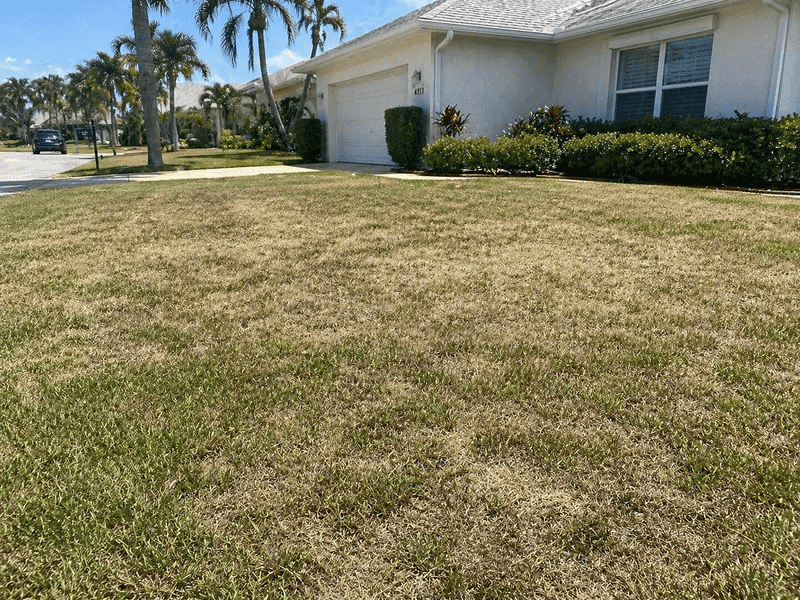
Turf that is running short on water during Florida’s summer heat becomes noticeably more vulnerable to chinch bug injury. Moisture-stressed St. Augustinegrass is identified as particularly susceptible, and the reasons are fairly straightforward.
A well-hydrated plant has more resources to maintain its tissue and tolerate insect feeding, while a stressed plant is already struggling and can decline quickly when chinch bugs begin feeding on it.
Uneven irrigation coverage is a common source of moisture stress in Florida lawns. Sprinkler heads that are tilted, blocked by overgrown plants, or simply covering an uneven pattern can leave sections of turf consistently drier than the rest.
Those dry spots often correspond with the areas where chinch bug damage shows up first. Prolonged dry stretches between rain events can have a similar effect, especially in parts of the lawn that receive less natural shade or more reflected heat from pavement.
The solution is not to keep the lawn constantly wet, since soggy soil creates its own set of problems including disease pressure and shallow root development.
Irrigation should respond to actual turf needs, local watering restrictions, and current recommendations for St. Augustinegrass in Florida.
Checking the lawn for signs of wilt before watering, and making sure sprinkler coverage is even and functioning properly, can reduce unnecessary moisture stress without overwatering.
A lawn that is neither too dry nor too wet is better positioned to tolerate the feeding pressure that August can bring.
5. Sunny Lawn Areas Often Show Trouble First
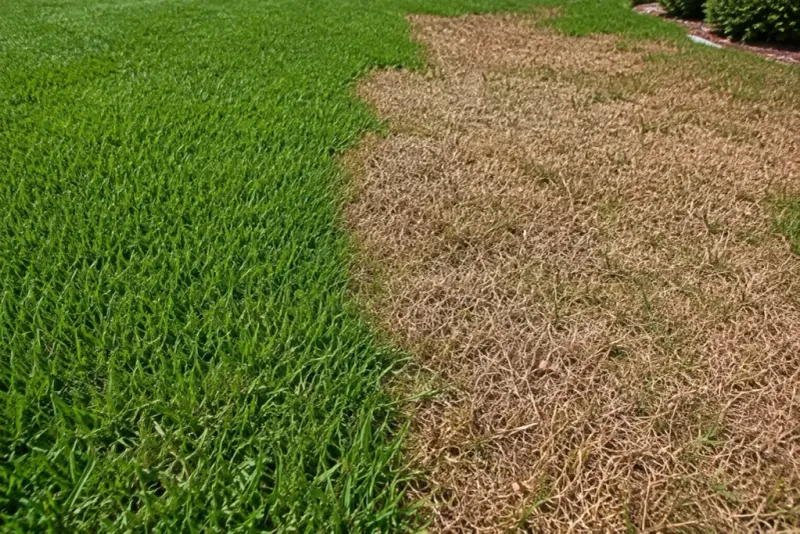
Walk across a Florida lawn in August and the first signs of chinch bug trouble are often found right where the sun hits hardest.
Areas of turf growing in full sun, especially near sidewalks, driveways, building foundations, and other heat-absorbing surfaces, tend to show feeding injury earlier and more severely than grass growing in partially shaded spots.
The combination of intense sunlight and radiated heat from nearby pavement puts St. Augustinegrass under extra stress, which can make it less capable of tolerating chinch bug feeding.
These hot, exposed locations are also where chinch bugs tend to concentrate during warm weather. The insects are drawn to warm, dry conditions within the thatch layer, and sunny sections of the lawn provide exactly that kind of environment.
Damage in these areas can spread outward from the edges of driveways or sidewalks in a pattern that homeowners sometimes mistake for drought stress or fertilizer burn.
Shade does not provide complete protection, and chinch bugs can certainly be found in less exposed areas of a lawn.
However, the pattern of injury starting in the sunniest, hottest parts of the yard is common enough that it can serve as a useful early warning sign.
Before assuming the cause is drought or some other problem, it is worth getting down and actually looking for the insects at the base of the grass. Finding live chinch bugs confirms the diagnosis rather than relying on symptoms alone.
6. Sandy And Shell Soils Can Increase Turf Vulnerability
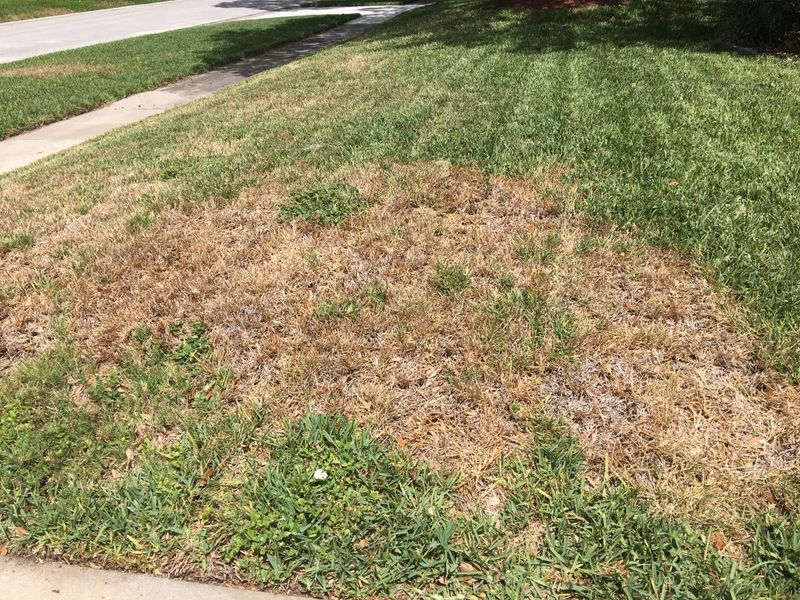
Florida’s soils are famously sandy in many parts of the state, and that soil type can play a role in how vulnerable a lawn becomes to chinch bug injury.
St. Augustinegrass growing on high, dry, sandy, or shell soils is specifically identified as particularly susceptible to chinch bug damage.
Sandy soils drain quickly and hold moisture poorly, which means turf growing in these conditions can experience moisture stress more rapidly than grass growing in heavier soils.
When soil dries out fast between rain events or irrigation cycles, the turf above it can wilt and weaken sooner than expected.
A stressed lawn growing in sandy soil may be less capable of recovering from chinch bug feeding, and damage can spread more quickly through turf that is already under pressure.
Shell soils, which are common in certain coastal and inland areas of Florida, share some of the same drainage characteristics and can create similar challenges for maintaining consistent soil moisture.
Sandy soil itself does not create chinch bugs or cause infestations to appear from nowhere. The relationship is more indirect: poor moisture retention leads to stressed turf, and stressed turf is more vulnerable to visible injury from feeding insects.
Improving soil organic matter over time through appropriate lawn-care practices and avoiding unnecessary turf stress during hot weather can help reduce vulnerability.
Homeowners with very sandy soil should pay close attention to irrigation scheduling and watch for early signs of chinch bug activity during warm summer months.
7. Excess Nitrogen Can Increase Chinch Bug Susceptibility
Reaching for the fertilizer bag when a lawn looks thin or yellowish during summer might seem like a reasonable response, but applying large amounts of nitrogen can actually make a St. Augustinegrass lawn more susceptible to southern chinch bugs.
Large applications of inorganic nitrogen encourage rapid, lush turf growth, and that kind of soft, fast-growing tissue can be more appealing to feeding insects.
Overfertilized lawns may also develop excessive thatch more quickly, creating additional habitat for chinch bugs to live and reproduce.
Florida has fertilizer blackout periods in many counties, particularly during the summer rainy season, and those restrictions exist for good environmental reasons.
Applying nitrogen during periods of heavy rainfall increases the risk of nutrient runoff into Florida’s waterways.
Beyond the environmental concern, summer overfertilization can push turf growth in ways that increase pest pressure rather than reduce it.
A lawn that looks yellow or thin during August may be dealing with chinch bug feeding, drought stress, disease, nematodes, or a combination of problems. Applying more fertilizer without identifying the actual cause is unlikely to help and may make things worse.
Soil testing before fertilizing gives a clearer picture of what the lawn actually needs.
Following current recommendations for St. Augustinegrass fertilization, rather than applying fertilizer on a guessed schedule or in response to visual symptoms, is a more reliable approach to keeping turf healthy without increasing its vulnerability to summer pests.
8. Heavy Thatch Creates Favorable Chinch Bug Habitat
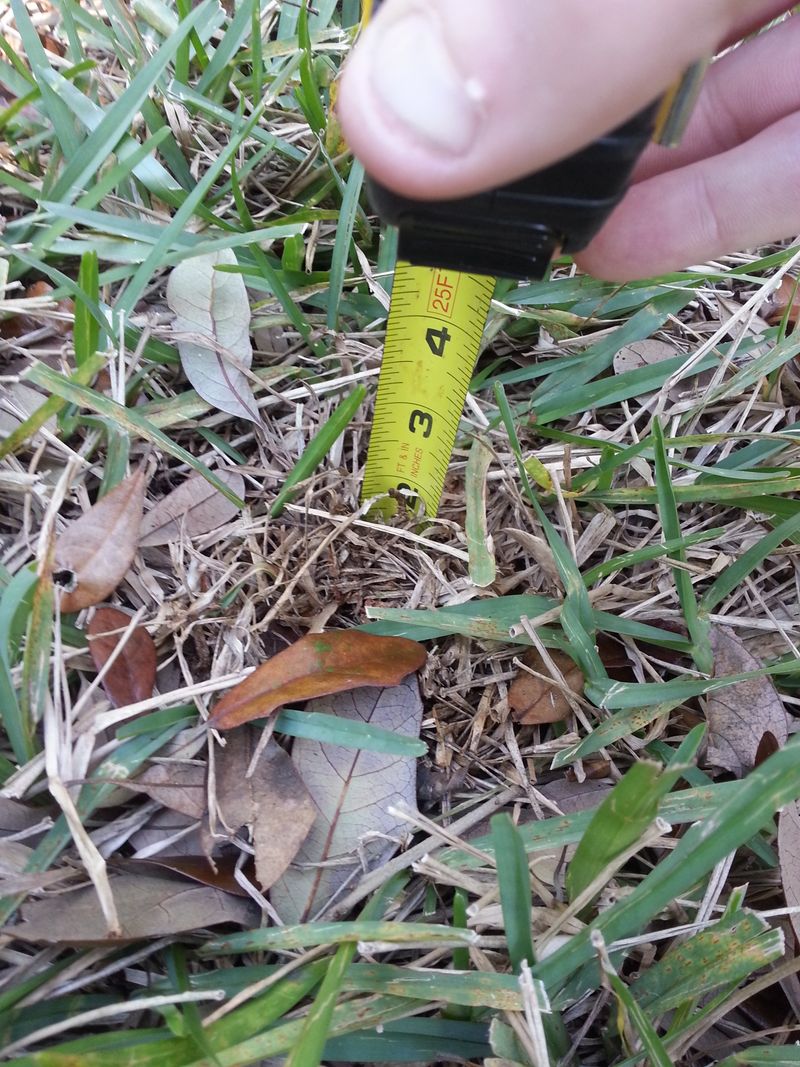
Tucked down near the soil surface, southern chinch bugs spend much of their time in the thatch layer of a lawn. Thatch is the spongy layer of partially decomposed stems, roots, and organic material that builds up between the green grass blades and the soil.
When that layer becomes excessively thick, it creates a warm, sheltered environment where chinch bugs can feed, hide from predators, and lay eggs with relative ease.
Excessive thatch is often a product of how a lawn is managed over time. Heavy fertilization that pushes rapid turf growth and overwatering that keeps the thatch layer consistently moist can both contribute to thatch accumulation in St. Augustinegrass.
Florida lawns that have been heavily fertilized or irrigated for years sometimes develop thatch layers thick enough to interfere with water and nutrient movement into the soil, which stresses the turf and makes it even more vulnerable to pest pressure.
Some organic material at the soil surface is completely normal and does not indicate a problem. Homeowners should not assume their lawn needs dethatching simply because some plant debris is visible at the base of the grass.
Excessive thatch, generally considered to be more than about half an inch thick in St. Augustinegrass, is where problems can develop.
Moderating fertilization and irrigation, rather than applying aggressive dethatching treatments unnecessarily, is usually the more sensible starting point for managing thatch in Florida lawns and reducing conditions that favor chinch bug activity.