Native Georgia Shrubs That Shrug Off Wind And Heavy Rain
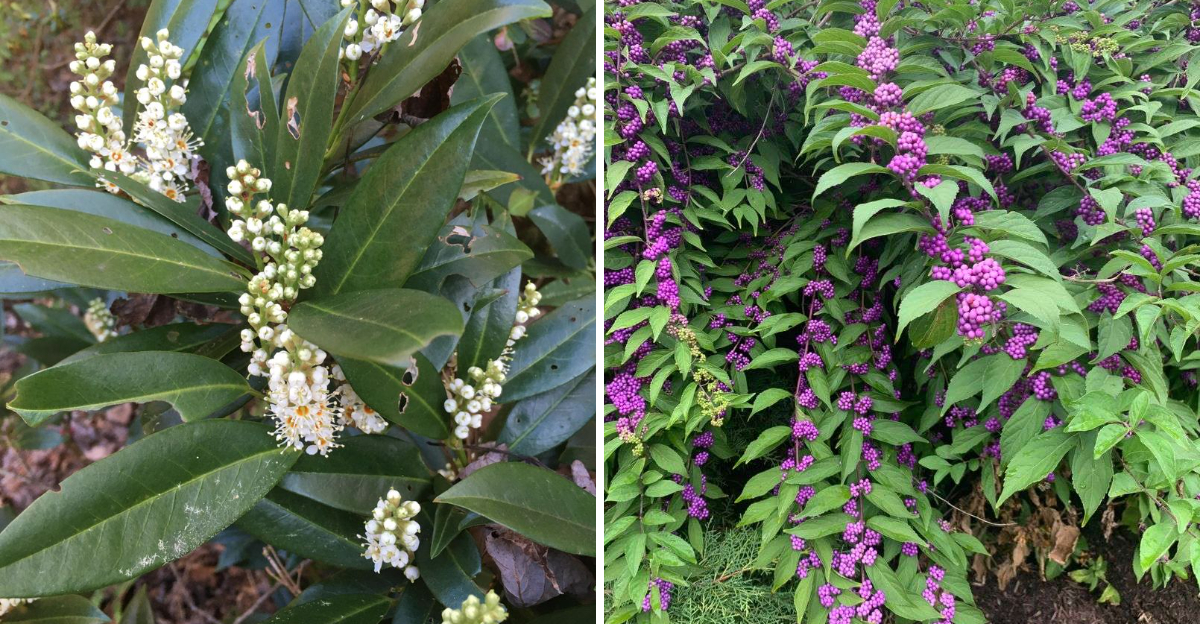
A Georgia storm can expose every weak decision in the yard within an hour.
Rain pounds the beds. Wind bends branches. Water gathers in low spots that looked perfectly harmless yesterday.
Then the clouds move on, and suddenly some shrubs look completely unfazed while others seem personally offended by the weather.
That difference is not always about toughness.
Often, it comes down to putting the right plant in the right patch of ground before the storm ever arrives.
So which native shrubs actually make sense for Georgia yards that swing from soaked to steamy?
Some naturally grow beside creeks. Others handle moisture without demanding swamp conditions. A few earn their place because flexible growth and adaptable roots suit landscapes where summer weather rarely behaves politely.
None comes with a stormproof guarantee. Young roots still need time, and poor placement can make even a tough native struggle.
But match the shrub to the site, and the next downpour may leave you with much less explaining to do after the clouds clear.
1. Plant Buttonbush Where Water Collects
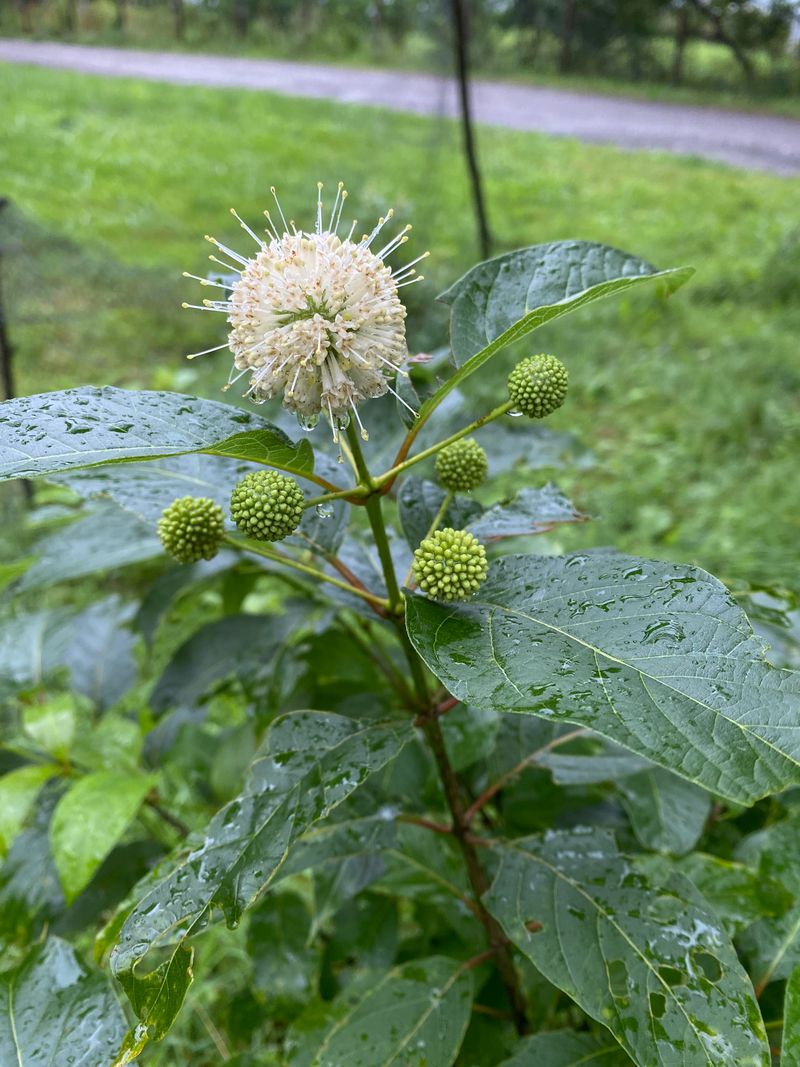
Buttonbush does not panic when the low corner of the yard turns into a temporary pond.
That is exactly why this Georgia native fits rain gardens, creek edges, and other places where runoff collects after a hard storm.
It naturally grows around wetland margins and can tolerate periodic flooding far better than many ordinary landscape shrubs.
Give it full sun or partial shade and enough room to spread. A mature plant can reach roughly six to twelve feet tall and wide, so this is not a shrub to squeeze between the air conditioner and the fence.
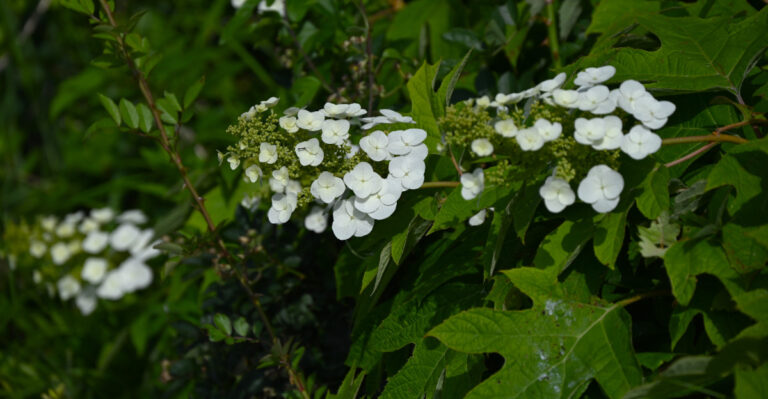
Summer adds another reward. Round white flower clusters cover the branches and attract bees, butterflies, and hummingbirds. They look a little like tiny botanical satellites, which gives a soggy corner far more personality.
Buttonbush still needs sensible placement. Wet soil suits it, but permanently stagnant water with no movement or drainage is a different situation. Young plants also need time to build the root system that helps them handle rough weather later.
Keep newly planted shrubs watered during dry stretches and avoid assuming one rainy week means establishment is complete.
Once settled, buttonbush can turn a troublesome drainage spot into one of the liveliest parts of the yard.
The puddle may still show up after a storm. At least now it has better landscaping.
2. Use Dwarf Palmetto In Moist Ground
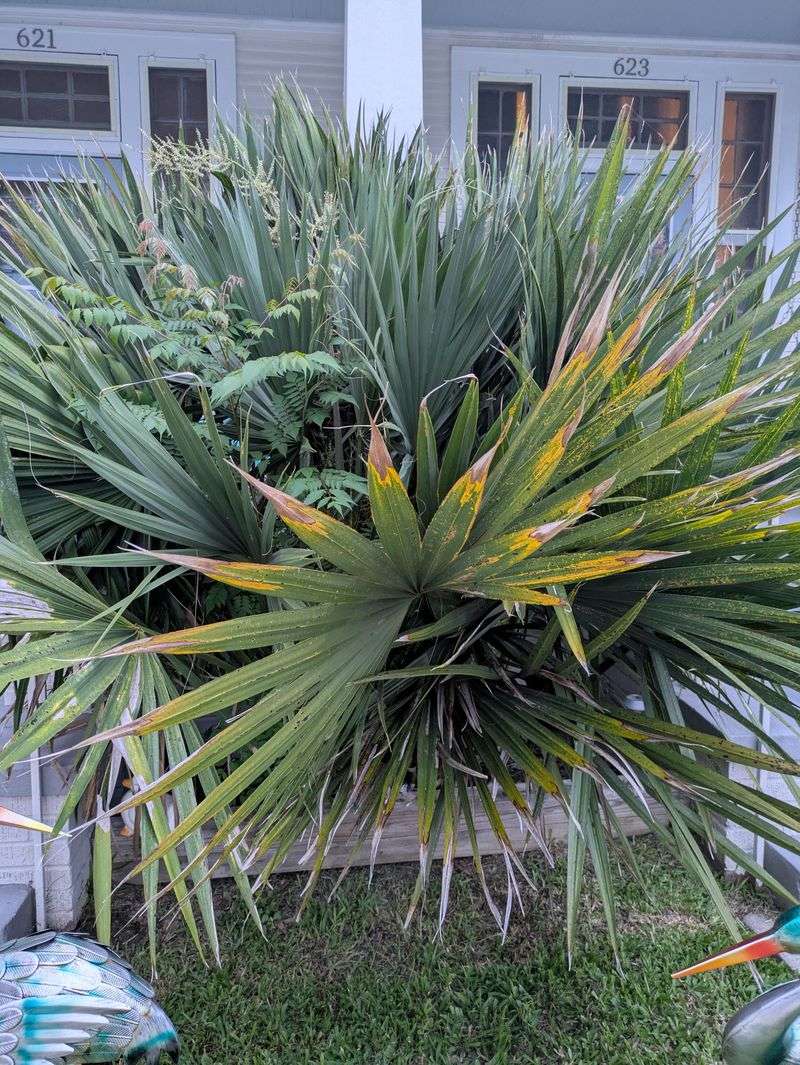
Dwarf palmetto looks tropical enough to fool visitors, but it is right at home in parts of Georgia.
Sabal minor grows naturally in moist, shaded woods and along stream edges, especially in the Coastal Plain. Its fan-shaped evergreen leaves bring bold structure to places where many flowering shrubs look thin or awkward.
Its low form also works in its favor during rough weather. Most plants stay around three to six feet tall, so there is less height for wind to push around compared with a tall, narrow shrub.
Plant it in partial to full shade with moist soil that still drains between wet periods. A woodland edge, shaded rain-garden margin, or low border beneath taller trees can suit it well.
Your Georgia Garden Changes Every Week. Your Plan Should Too.
Gardening in Georgia changes quickly throughout the season. Every Friday you’ll receive a simple weekly plan showing exactly what to plant, prune, fertilize, harvest, and protect so you never miss the right timing.
This is not a one-size-fits-all Georgia plant, though. Gardeners farther north should pay attention to regional suitability before buying. Dwarf palmetto is most naturally at home in southern parts of the state and into the lower Piedmont.
Patience matters too. It can establish slowly, so the first season may feel more like a long introduction than a grand performance.
Give the roots time. Once the plant settles, the evergreen fans provide year-round cover and birds may visit for the fruit.
The whole shrub stays pleasantly grounded.
In a windy, wet corner, that low profile can be a very useful personality trait.
3. Grow Fetterbush In Damp Partial Shade
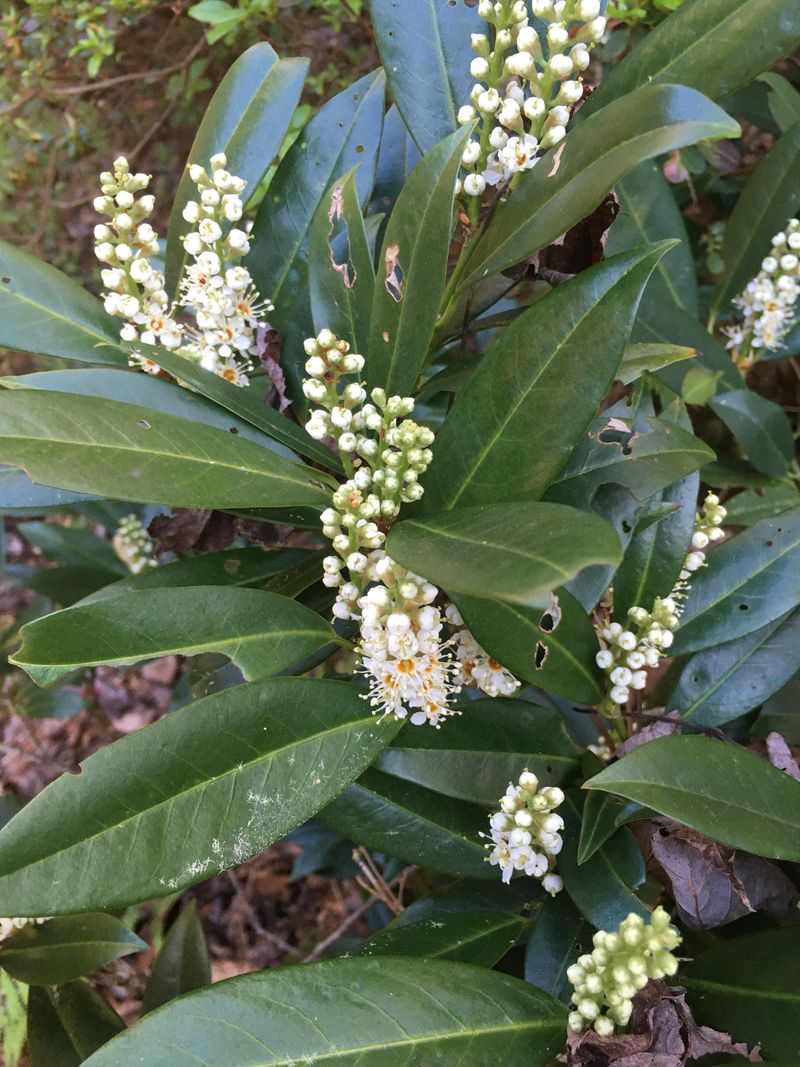
Fetterbush earns its spot in the kind of Georgia corner that stays damp, shaded, and slightly forgotten.
Shining fetterbush, Lyonia lucida, naturally grows in moist, acidic habitats, especially through the Coastal Plain.
Its glossy evergreen leaves keep the garden looking full through winter, while small white, urn-shaped flowers add spring interest.
This shrub does not want the brightest, driest spot in the yard. Give it partial to full shade, acidic soil, and steady moisture. A protected woodland edge or damp border can suit it far better than a hot bed beside concrete.
The plant usually reaches about four to six feet tall and may spread gradually by suckers. That colony-forming habit can help fill a moist area without forcing you to repeat the same shrub every few feet.
The important part is matching the site.
Fetterbush can look wonderfully composed after heavy rain when the soil conditions already suit it. Put the same plant in dry, alkaline ground and the relationship gets much less charming.
Gardeners outside the Coastal Plain should also check regional suitability and buy from a nursery that clearly labels the species. The common name can be used for more than one related plant.
This is not the flashy shrub that steals every photo.
It is the dependable one quietly holding the damp corner together while the weather makes a scene.
4. Add Drooping Leucothoe Along Shaded Edges
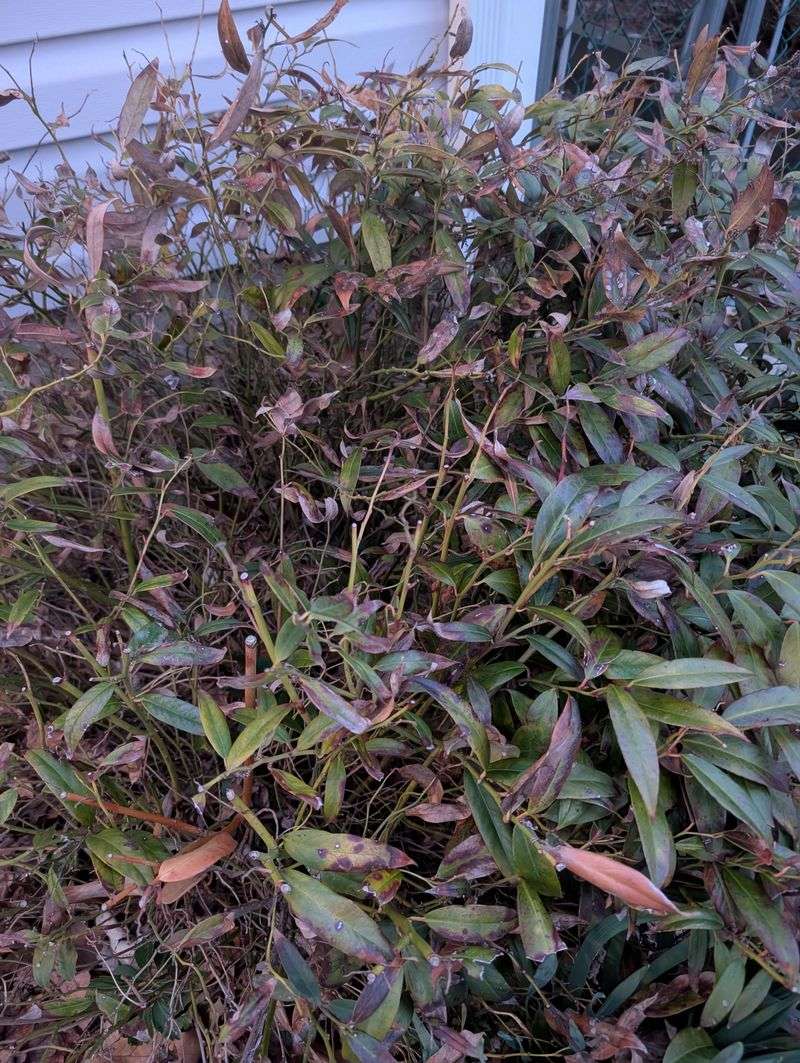
Drooping leucothoe looks almost as if a Georgia rain shower arranged the branches for you.
Leucothoe fontanesiana develops long, arching stems that suit shaded borders and woodland edges. It occurs naturally in the mountains and upper Piedmont, often near streams where the soil stays moist and acidic.
Give it partial to full shade and ground that holds moisture without remaining waterlogged for long stretches.
Brief wet periods after storms can suit an established plant, but heavy clay that stays saturated week after week is asking too much.
Mature shrubs usually reach about three to six feet tall and four to six feet wide. That broad, layered shape gives rain room to move through the plant without turning it into a stiff green wall.
The foliage stays evergreen and may pick up bronze or burgundy tones during winter. Spring brings small white flowers along the stems, adding another reason to use it near a path or shady sitting area.
Mulch can help keep the root zone evenly moist between Georgia downpours. Just keep the mulch away from direct contact with the stems.
This shrub works best when you let the natural shape stay natural. Too much clipping can erase the graceful habit that makes it useful in the first place.
Give it shade, moisture, and elbow room.
The branches already know how to make stormy weather look stylish.
5. Plant Virginia Sweetspire Near Wet Ground
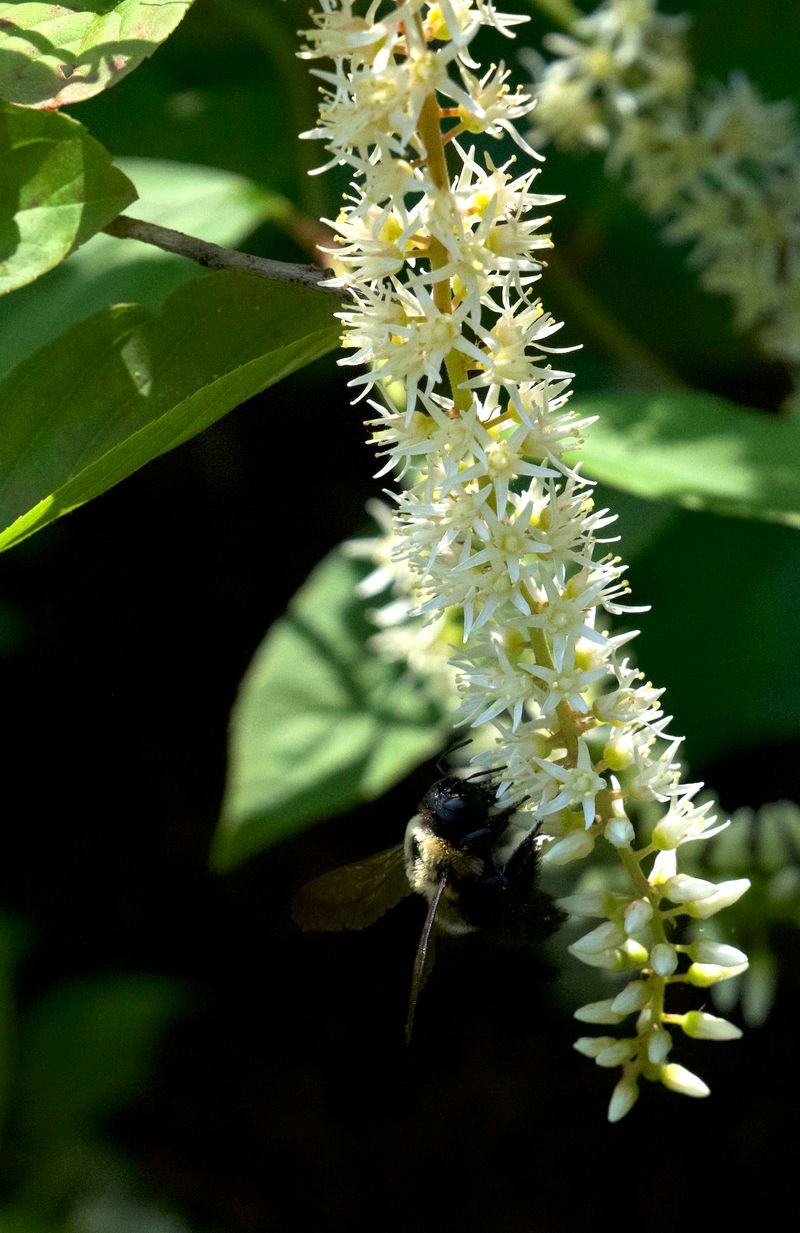
Virginia sweetspire handles the messy middle ground between damp soil and ordinary garden conditions surprisingly well.
Itea virginica grows naturally around moist woods, stream banks, and swamp edges across Georgia.
That background makes it a strong candidate for rain-garden margins, swales, and low borders that collect moisture after storms but do not stay permanently flooded.
It also gives gardeners unusual flexibility with light. Full sun can encourage heavier flowering and stronger fall color, while partial shade still suits the plant nicely.
Expect a mature shrub around three to five feet tall and four to six feet wide. It spreads by suckers, so one plant can gradually become a wider colony.
In a broad wet border, that can be useful. In a tiny formal bed, you may want to keep the expansion in check.
Early summer brings fragrant white flower spikes that draw pollinators. Autumn follows with red and orange foliage, so the shrub refuses to be a one-season act.
After heavy rain, established sweetspire usually looks far more comfortable than plants that dislike wet roots.
Do not place it in stagnant water and forget about it, though. Moist soil with some drainage is the better target.
Give the colony room and tidy it after flowering when needed.
This is one shrub that can make a low, soggy patch look less like a drainage problem and more like part of the plan.
6. Use American Beautyberry Across Variable Sites
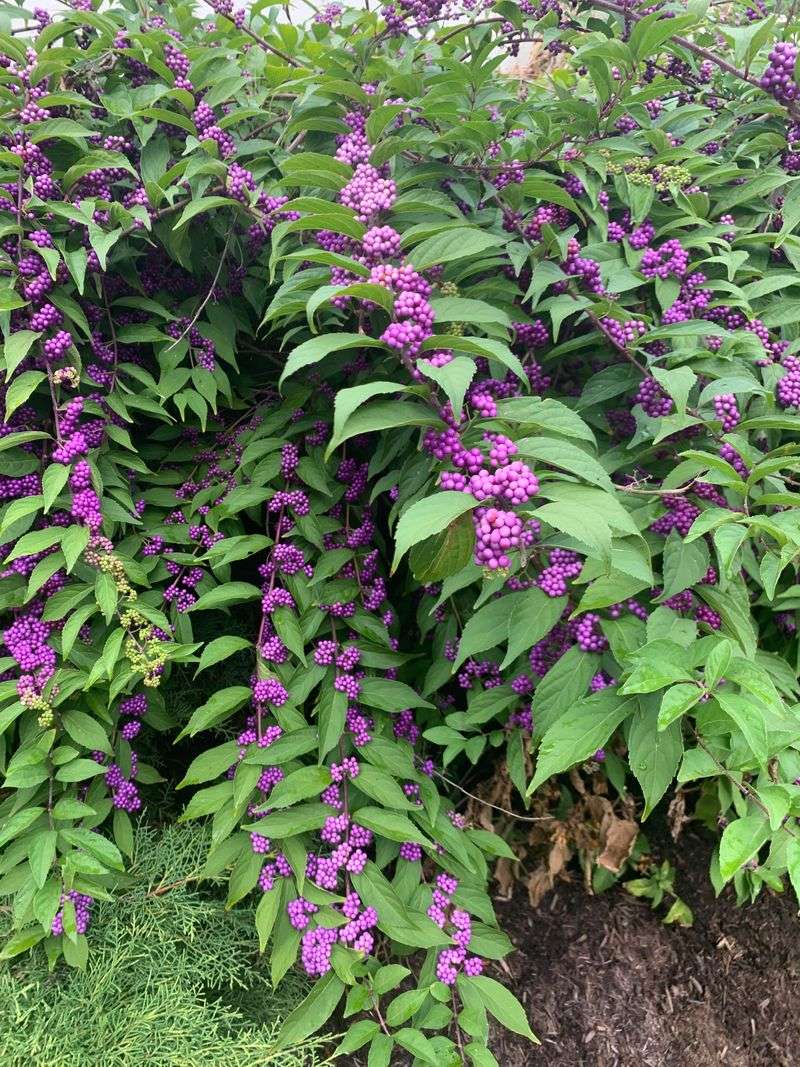
American beautyberry brings a different kind of toughness to a storm-prone Georgia yard.
Callicarpa americana is not a wetland specialist. Its strength comes from flexibility. It can handle moderately dry ground, moist soil, full sun, and partial shade, which makes it useful in places where moisture changes sharply between one week and the next.
That matters in Georgia, where a bed can go from dusty to soaked after one summer storm.
The shrub typically reaches four to eight feet tall and wide, with long arching stems that move naturally instead of forming a rigid block. Give those stems room rather than squeezing the plant into a narrow formal hedge.
Then comes the part nobody ignores.
By autumn, bright purple berry clusters line the stems and turn the shrub into a wildlife magnet. Birds use the fruit, and the plant adds color after many summer flowers have faded.
Late-winter pruning can encourage strong new shoots and keep an older plant from becoming too tangled. Just avoid forcing every stem into a stiff shape during the growing season.
Beautyberry fits best in a mixed border, woodland edge, or informal area where variable moisture is normal.
It may bend, arch, and look relaxed after rough weather.
That is not bad posture. That is beautyberry refusing to dress formally for a Georgia storm.
7. Grow Blackhaw Viburnum In Mixed Borders
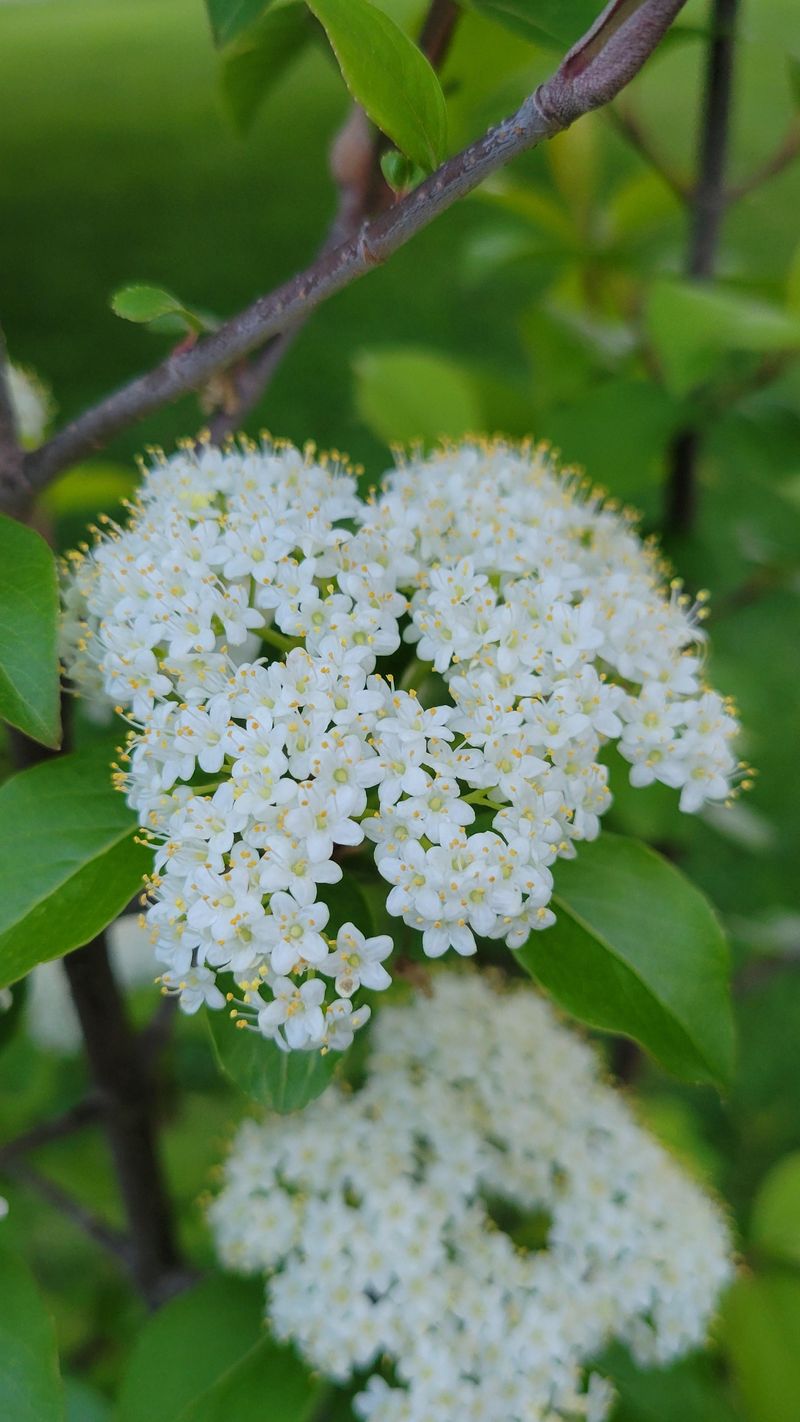
Blackhaw viburnum belongs in this list for a different reason than buttonbush or summersweet.
Viburnum prunifolium does not want a soggy low spot. It prefers well-drained to moderately moist soil, which makes it a better choice for the higher side of a storm-prone landscape where water moves through instead of sitting around the roots.
That distinction matters.
A shrub can be native to Georgia and still dislike constant saturation. Blackhaw performs best when the site gives it moisture without turning the root zone into a bathtub after every thunderstorm.
It can reach roughly eight to fifteen feet tall and develop the presence of a small tree. Give it full sun or partial shade and enough horizontal room for a mature spread that may reach six to twelve feet.
Spring brings clusters of white flowers. Blue-black fruit follows later and attracts wildlife, while fall foliage can shift toward rich red and purple tones.
Use blackhaw as a structural anchor in a mixed border, especially on slightly higher ground above wetter-loving shrubs.
Established roots help any shrub handle rough weather better, so give a new plant time before expecting maximum resilience.
This is the shrub for gardeners who need to stop treating every stormy spot like a swamp.
Put blackhaw where the water leaves after the party, and it can look much happier.
8. Plant Summersweet For Moist Low Spots
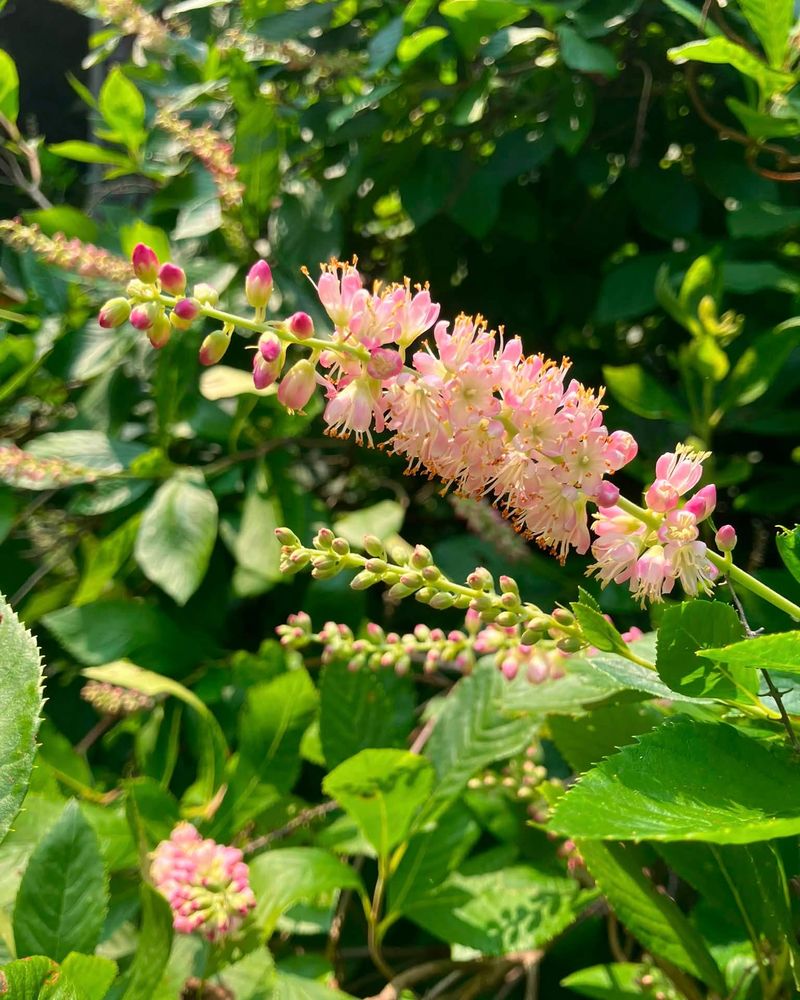
Summersweet is the shrub to remember when a low Georgia bed stays moist long after the clouds move on.
Clethra alnifolia naturally grows around moist woods, bogs, and stream edges. That makes it well suited to rain-garden edges and other places where the soil stays damp through much of the growing season.
Give it moist to wet, acidic soil and partial shade or sun. More light can encourage heavier flowering, while some shade can help in hotter sites.
Mature size varies, but many plants reach around three to eight feet tall and three to six feet wide. The shrub can spread by suckers, gradually filling a larger patch instead of staying in one neat little circle.
That habit becomes useful where you want broader coverage across moist ground.
Summer flowers are the bonus. Fragrant white spikes draw bees and butterflies and can perfume the area during warm weather. The scent gives a low, storm-soaked corner a much better reputation.
Mulch helps hold moisture between rain events, especially during dry stretches. Keep young plants consistently watered until the roots establish.
Summersweet handles moisture well, but it still benefits from thoughtful placement rather than neglect.
Use it where the ground naturally stays damp and let the colony develop at a manageable pace.
The next downpour may leave puddles behind.
At least this shrub will not look offended by them.