The Texas Groundcover Worth Growing Instead Of Heat-Radiating Gravel
Gravel has become a go to solution for Texas landscaping, and the appeal is easy to understand.
It’s low maintenance, it suppresses weeds, and it holds up through drought without any watering. But there’s a significant downside that tends to be left out of the conversation.
In a Texas summer, gravel absorbs heat aggressively through the day and radiates it back into the surrounding space long after the sun has moved on, turning already hot outdoor areas into something genuinely uncomfortable.
There’s a better option. And it stays cool. A Texas groundcover exists that handles the same landscaping jobs gravel does, suppressing weeds, covering bare soil, surviving drought without supplemental irrigation, while staying measurably cooler than any inorganic surface during extreme heat.
It creates a living layer that moderates temperature rather than amplifying it, making the areas around it noticeably more pleasant during the worst of summer.
For Texas homeowners who have been using gravel out of habit rather than genuine preference, this groundcover is worth knowing about.
Silver Ponyfoot Creates A Living Carpet Instead Of Bare Gravel
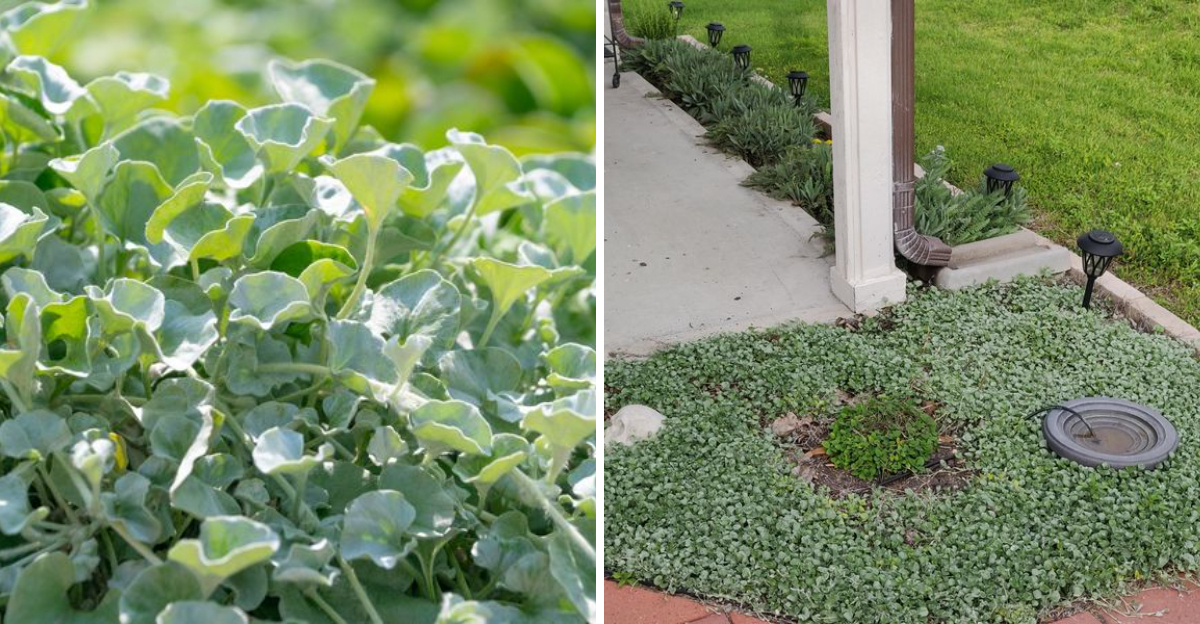
Picture a shimmering silver blanket rolling across your yard, filling every gap where bare dirt or gravel used to sit. That is exactly what silver ponyfoot does.
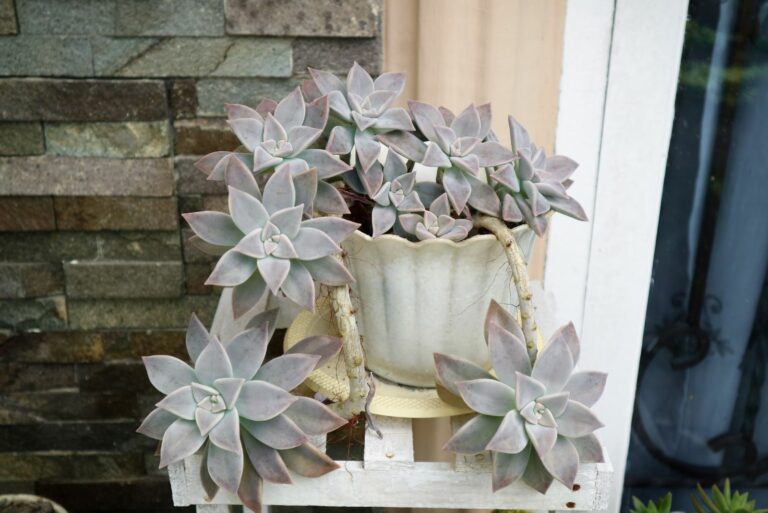
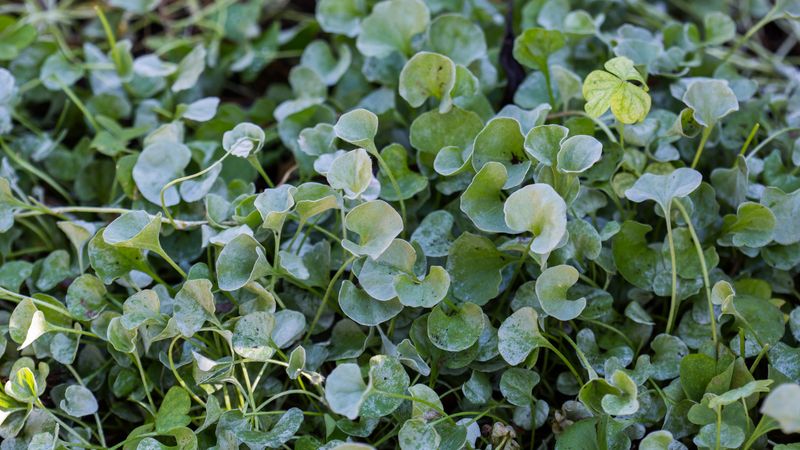
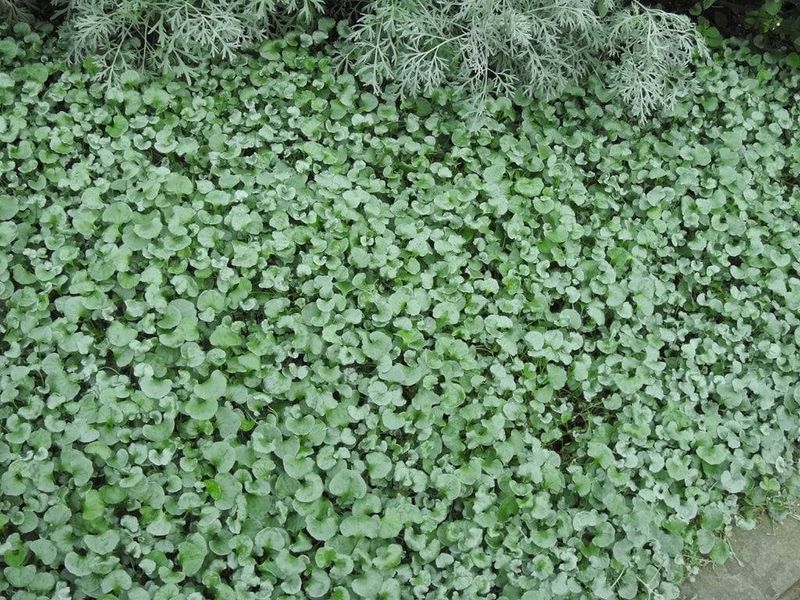
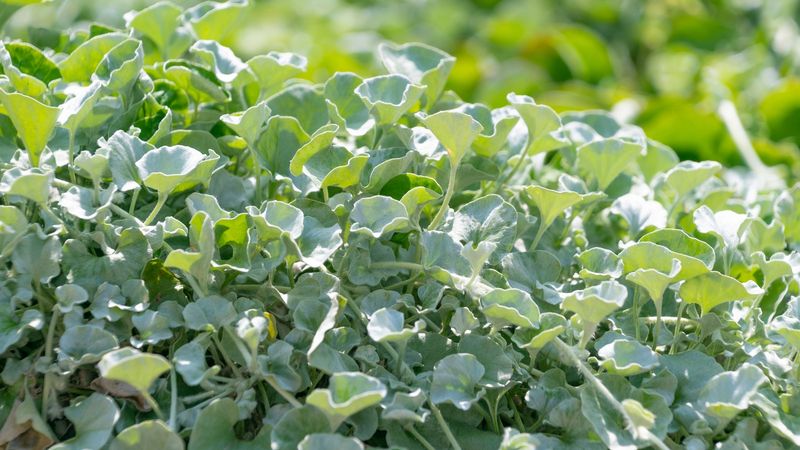
Dichondra argentea is a low-growing Texas native that spreads outward rather than upward, creating a soft, dense mat of silvery-green leaves that catch the light beautifully.
Unlike gravel, which just sits there baking in the sun, silver ponyfoot is alive and actively working for your landscape. Its small, rounded leaves fan out in overlapping layers, giving your yard a lush, full look without needing the constant mowing that grass demands.
The plant stays low, usually only a few inches tall, so it never blocks views or crowds out nearby shrubs.
Many Texas gardeners have discovered that this plant fills difficult spots where nothing else seems to grow well. Rocky slopes, sunny strips along driveways, and dry patches near sidewalks are all places where silver ponyfoot shines.
It roots as it spreads, slowly anchoring itself and holding soil in place. Gravel can shift, wash away, or get scattered by foot traffic and wind. Silver ponyfoot stays put once established and keeps filling in over time.
It creates a natural, organic look that gravel simply cannot match. You do not need a green thumb to enjoy this plant. It is forgiving, adaptable, and genuinely suited to the Texas climate.
Swapping out a patch of hot, lifeless gravel for silver ponyfoot can transform a dull corner of your yard into something that actually looks and feels like a real garden space worth spending time in.
It Handles Texas Heat And Strong Sun
Texas summers are no joke. Temperatures regularly climb past 100 degrees, the sun beats down hard, and the air feels like standing next to an open oven.
Most plants struggle badly under those conditions, but silver ponyfoot was practically built for them.
Native to the Chihuahuan Desert region and naturally found across dry parts of Texas, this plant evolved in tough, hot environments. Its silvery leaf color is not just for looks.
Your Texas Garden Changes Every Week. Your Plan Should Too.
Gardening in Texas changes quickly throughout the season. Every Friday you’ll receive a simple weekly plan showing exactly what to plant, prune, fertilize, harvest, and protect so you never miss the right timing.
That pale, reflective surface actually helps the plant bounce back excess sunlight and stay cooler than darker-leaved plants would in the same spot. It is a clever natural adaptation that makes a real difference during heat waves.
Once silver ponyfoot gets settled in, it becomes remarkably drought-tolerant. You will not need to run sprinklers every other day just to keep it alive.
Established plants can go through dry stretches that would leave other groundcovers looking crispy and sad. That kind of toughness saves water, time, and frustration.
Strong afternoon sun does not bleach it out or cause leaf burn the way it does with many shade-loving plants accidentally placed in full sun. Silver ponyfoot actually prefers full sun exposure.
Give it the hottest, brightest spot in your yard and it will reward you by spreading enthusiastically.
For Texas gardeners tired of replacing plants that cannot handle the heat, this is a welcome change. You stop fighting the climate and start working with it.
Silver ponyfoot does not need you to recreate a cooler environment. It simply thrives in the one Texas already provides, making your gardening life noticeably easier every season.
Living Plants Help Soften Hot Landscapes
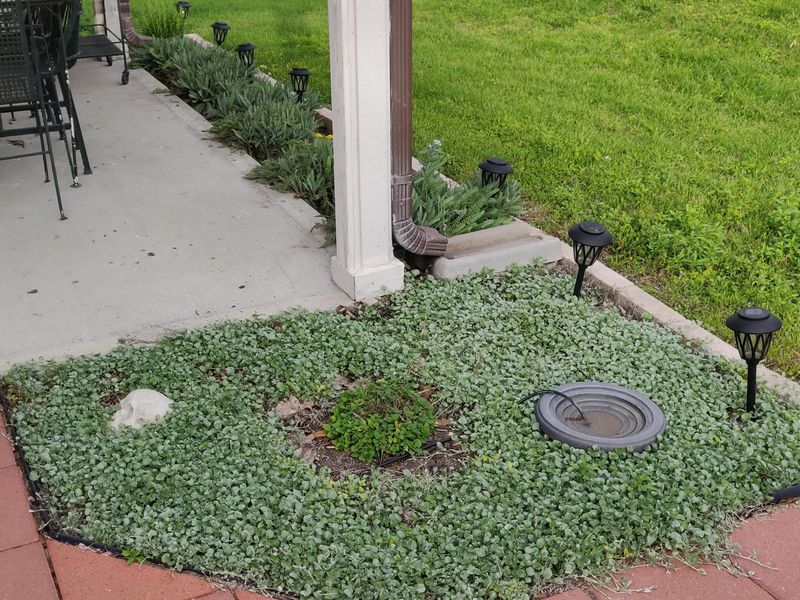
Gravel looks clean and low-maintenance at first glance, but it comes with a hidden cost. Rock and gravel surfaces absorb heat during the day and then radiate that stored heat back out into the surrounding air well into the evening.
If you have ever walked barefoot across a gravel path in July, you already know how intense that heat can get.
Living groundcovers like silver ponyfoot work the opposite way. Plants use a process called transpiration, which is basically how they release moisture through their leaves.
That moisture release has a natural cooling effect on the surrounding air. It is similar to how a lawn feels cooler than a parking lot on a hot afternoon, just on a smaller scale.
Beyond temperature, plant cover also shades the soil underneath it. Shaded soil stays cooler, holds moisture longer, and supports a healthier population of soil microbes and beneficial insects.
Gravel does none of that. It just sits there, getting hotter and reflecting heat upward. Silver ponyfoot creates a soft visual texture that gravel cannot replicate.
The silvery foliage catches breezes and moves slightly in the wind, giving the landscape a sense of life and energy. Gravel just reflects glare.
Replacing even a small section of gravel with silver ponyfoot can noticeably change how a space feels. Patios, garden beds, and pathways surrounded by living plants feel more comfortable and inviting.
Your yard becomes a place you actually want to sit in rather than just look at through a window. That shift in comfort is one of the most underrated benefits of choosing plants over pavement or rock.
Give It Fast-Draining Soil
Here is something a lot of new gardeners learn the hard way: even drought-tolerant plants can run into serious trouble if they sit in waterlogged soil. Silver ponyfoot is no exception.
It loves heat and dry conditions, but it absolutely needs soil that drains quickly after rain or irrigation.
In heavy clay soils that hold water for days, the roots of silver ponyfoot can rot. The plant may start looking patchy, yellowed, or just plain unhappy.
That is not a sign the plant needs more water. It is usually a sign it is getting too much, or that water is not moving away from the roots fast enough.
Sandy or loamy soils work best for this plant. If your yard has dense clay, you can improve drainage by mixing in coarse sand, decomposed granite, or native gravel before planting.
Raised beds and sloped areas also work well because gravity helps move water away naturally.
One of the great things about silver ponyfoot is that it actually performs well in poor, rocky, or nutrient-thin soils. You do not need to load up the planting area with rich compost or fertilizer.
In fact, overly fertile soil can sometimes cause the plant to grow too fast and become leggy rather than forming that tight, attractive mat.
Think of silver ponyfoot as a plant that prefers lean conditions. Less water, less fertilizer, and well-drained soil are the three basics it needs to look its best.
Get those right and the plant will take care of itself, spreading steadily and staying healthy through even the toughest Texas summers without much help from you.
Use It Between Beds, Borders And Hardscape
One of the most practical things about silver ponyfoot is how well it fills in the awkward spaces that other plants ignore.
Those narrow strips between a garden bed and a sidewalk, the gap between a retaining wall and a lawn edge, the dry patch at the base of a fence, silver ponyfoot handles all of them with ease.
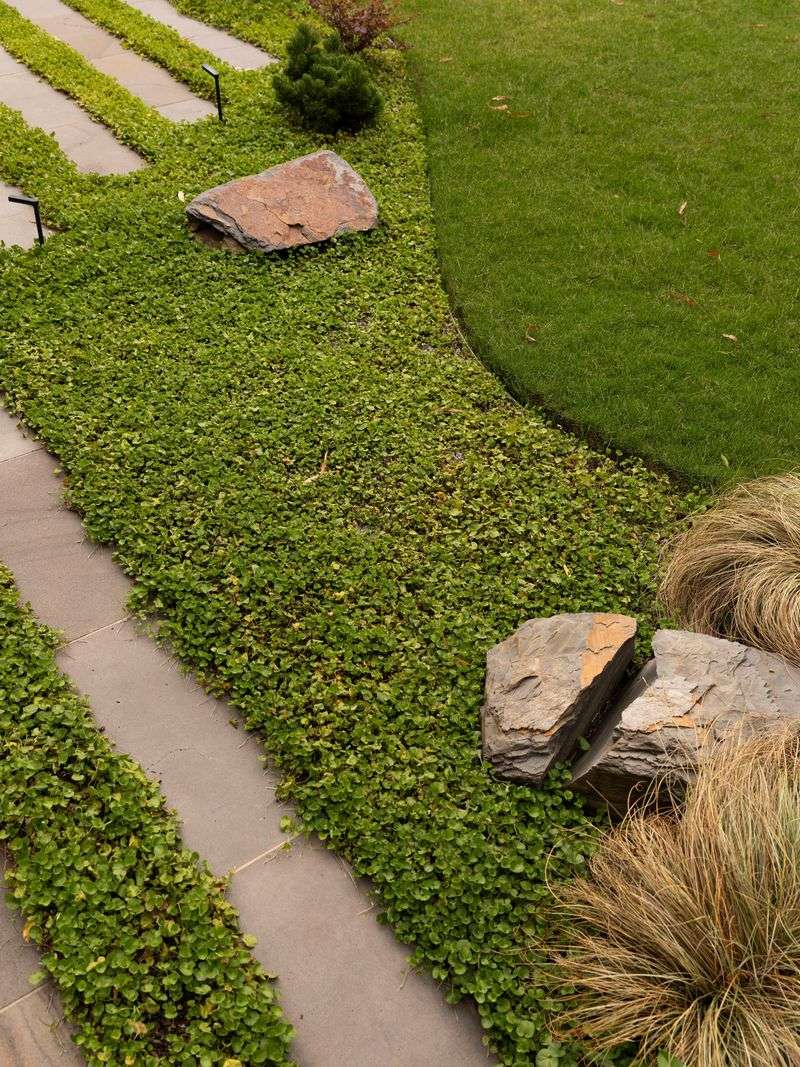
Its trailing growth habit makes it especially useful along pathways. As it spreads, it softens the hard edges of stone or concrete borders without actually invading the walkway itself.
The effect is a more natural, relaxed look that makes a landscape feel less rigid and more welcoming. Many landscape designers use it intentionally to blur the line between hardscape and planted areas.
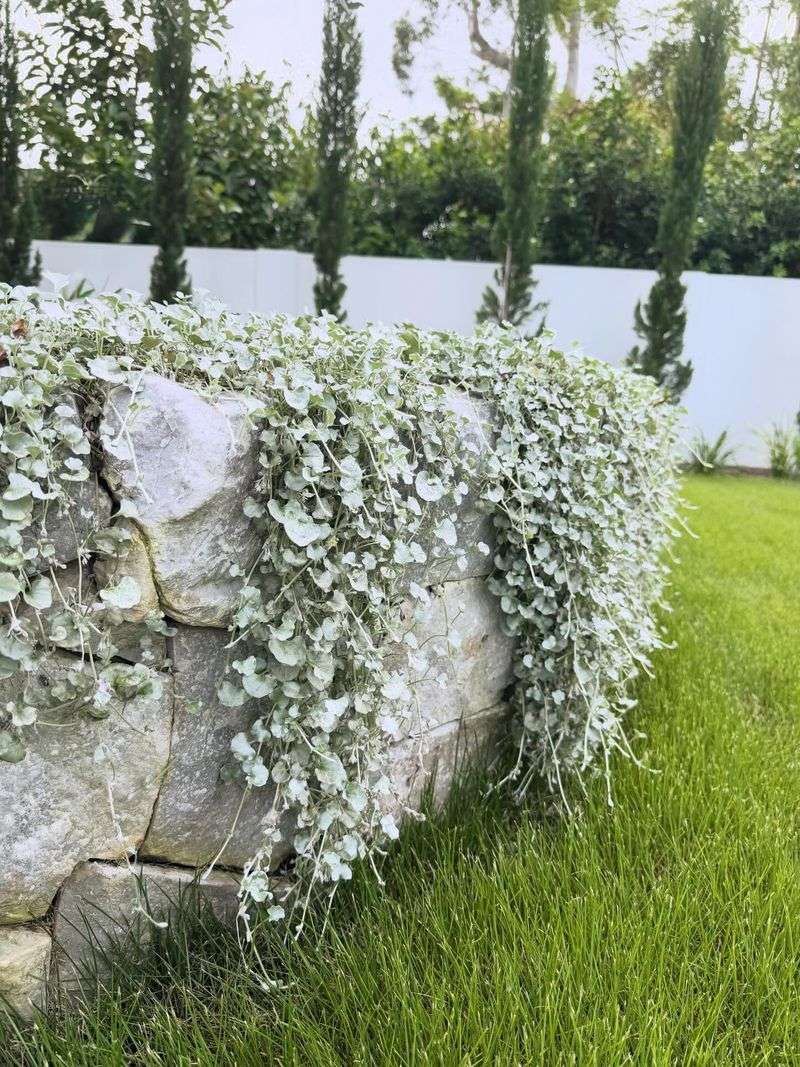
Retaining walls are another spot where silver ponyfoot earns its keep. It can cascade gently over the edge of a low wall, breaking up the flat face of the stone and adding movement and texture.
That cascading effect looks intentional and polished without requiring any special training or pruning.
In areas currently covered with plain rock or gravel, silver ponyfoot can be planted in patches and allowed to spread. Over a season or two, it will weave through and around the rock, softening the overall look while still letting some of the stone show through for contrast.
You can also use it to connect separate garden beds, creating a visual flow across the landscape. Instead of bare mulch or gravel between beds, a ribbon of silver ponyfoot ties everything together.
The result is a yard that looks thoughtfully designed rather than just thrown together, and that kind of polish makes a big difference in curb appeal.
Expect A Groundcover, Not A Heavy-Traffic Lawn
Silver ponyfoot is genuinely impressive, but it does have one clear limitation worth knowing before you plant it everywhere. It is not built for constant foot traffic.
Regular walking, running, or heavy use will break down the stems and thin out the mat over time. Think of it as a display plant, not a replacement for turf in high-traffic zones.
That does not mean people cannot cross areas covered with silver ponyfoot. It just means those crossings should be occasional rather than constant.
If a spot gets walked on every single day, you will want to place stepping stones through the planting to protect the plant and give people a stable surface to walk on.
Stepping stones work beautifully with silver ponyfoot. The contrast between the flat, solid stone and the soft, silvery foliage looks intentional and attractive.
You can space the stones at a natural walking stride and let the plant fill in around and between them. The result is both functional and visually appealing.
Paths made this way feel much more inviting than plain gravel walkways. Gravel shifts underfoot, gets scattered, and can be uncomfortable to walk on in bare feet.
Stepping stones through silver ponyfoot stay stable and give you a clear, comfortable route through the garden.
For areas where foot traffic is truly heavy, consider keeping a traditional path material and bordering it with silver ponyfoot on either side.
That arrangement gives you the practical durability you need in the center while still letting the plant do its job of softening and beautifying the edges.
Matching the right plant to the right spot is the key to making silver ponyfoot work well for years in your Texas landscape.