Why Are Snakes Showing Up In Texas Yards Right Now
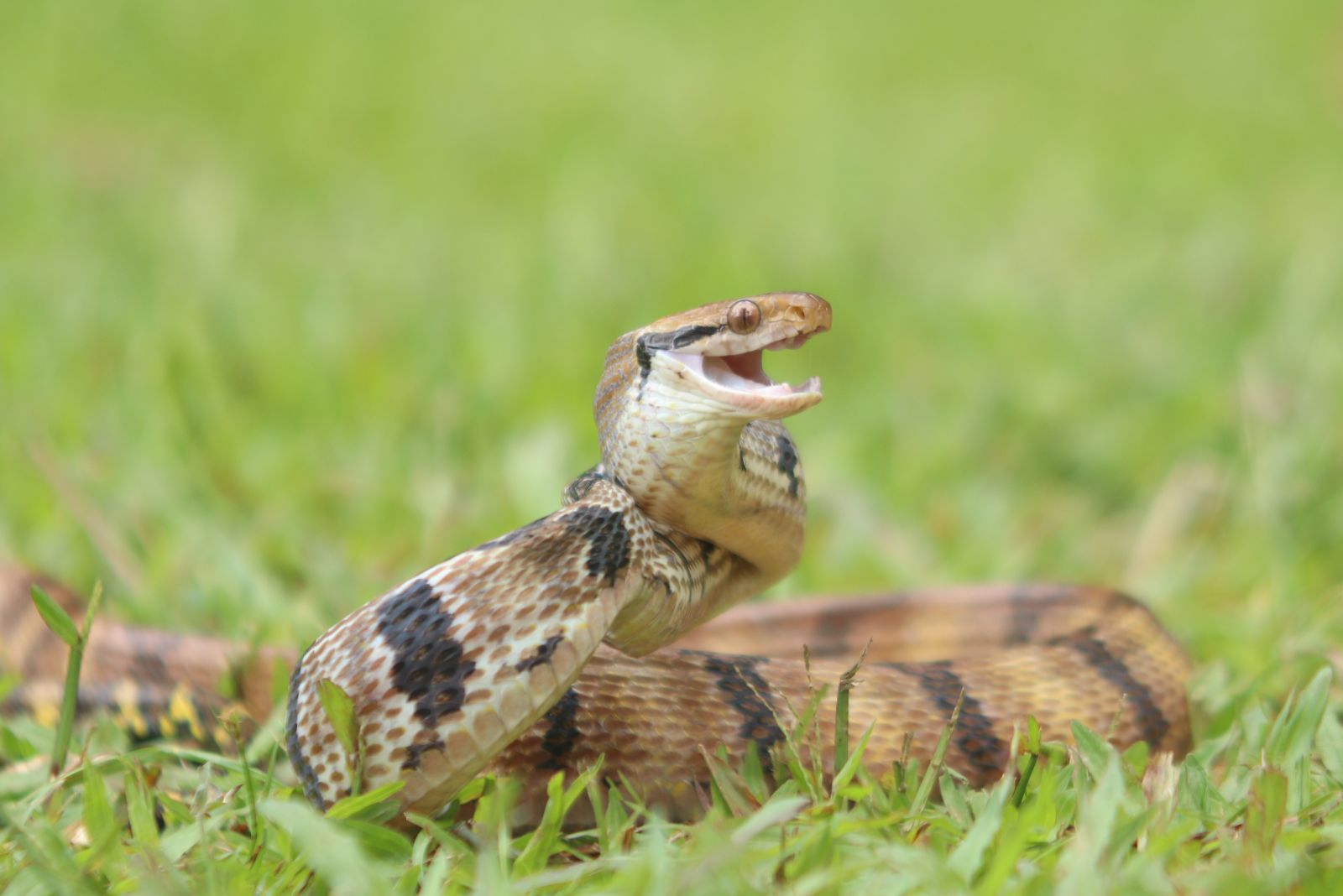
If snakes have been showing up in your Texas yard more frequently lately, you’re not alone. Reports of snake encounters in residential yards spike at this time of year across the state, and for most homeowners the reaction is the same.
Alarm, questions, and a strong desire to understand what’s going on and whether it’s going to keep happening.
The short answer is that there are very specific reasons snakes are moving through yards right now, and most of them have everything to do with conditions that August in Texas reliably creates.
Snakes don’t wander into residential areas randomly. They follow heat, prey, water, and shelter with a purposeful efficiency that makes their presence in your yard less about bad luck and more about what your property is currently offering compared to the landscape around it.
Understanding why they’re there changes how you respond and what you can reasonably do about it.
1. Extreme Heat Is Changing When They Move
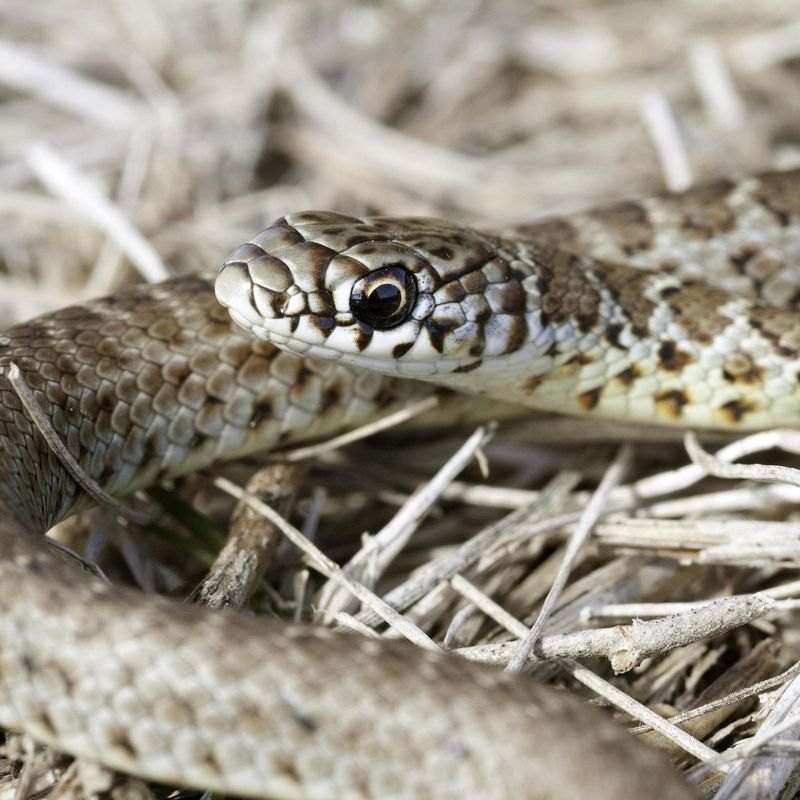
Most people picture snakes as midday creatures, but Texas summers have a way of flipping that idea on its head. When temperatures soar above 90 or even 100 degrees, snakes cannot safely move around during the hottest part of the day.
They are cold-blooded, which means the environment controls their body temperature. Extreme heat can actually overheat them just as fast as it can overheat a person.
Because of this, snakes shift their activity to cooler windows of time. Early mornings, evenings, and even nighttime become their prime hours for hunting, traveling, and exploring.
This is exactly why so many Texas residents are stumbling across snakes near their driveways, patios, or garden beds during those times.
If you are heading outside before sunrise to water your plants or walking your dog after sunset, keep a flashlight handy. Snakes are not out to bother you.
They are simply working around the heat just like everyone else. Wearing closed-toe shoes during these hours is a smart and simple habit to build.
Checking your surroundings before stepping off the porch at night can also go a long way toward avoiding a startling surprise.
The heat is not going away anytime soon, so learning to coexist with this shift in snake behavior is genuinely useful knowledge for any Texas homeowner.
2. They May Be Searching For Water
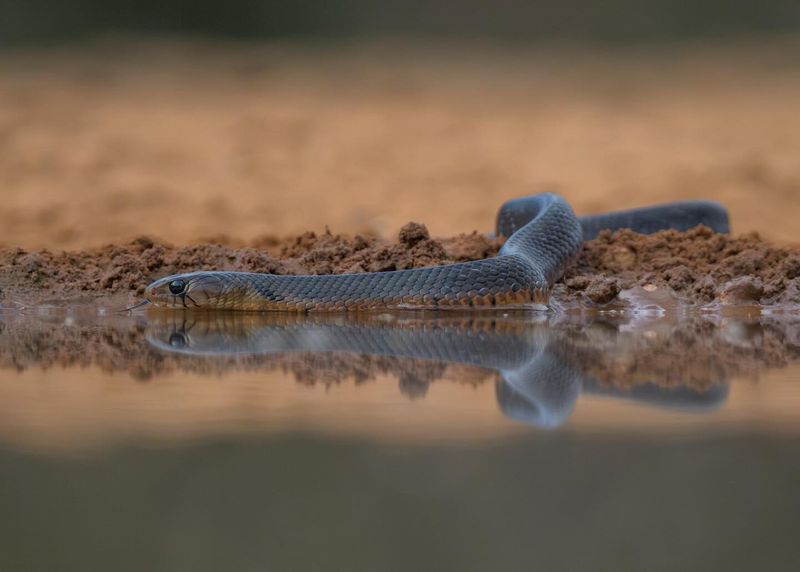
Water is one of the biggest draws for wildlife during a Texas drought, and snakes are no exception.
When creeks dry up, ponds shrink, and natural water sources disappear, animals start looking for moisture wherever they can find it. Your yard might have exactly what a thirsty snake is looking for.
Bird baths, garden hoses left dripping, irrigation systems, pet water bowls left outside, and even damp soil near flower beds can all attract snakes. They are not trying to move into your home.
They are simply following the same survival instincts that every other creature follows when things get dry and hot.
One of the easiest things you can do is reduce standing water around your property. Empty and refresh bird baths regularly. Fix any leaky outdoor faucets. Do not leave pet water bowls outside overnight.
Your Texas Garden Changes Every Week. Your Plan Should Too.
Gardening in Texas changes quickly throughout the season. Every Friday you’ll receive a simple weekly plan showing exactly what to plant, prune, fertilize, harvest, and protect so you never miss the right timing.
These small steps can make your yard less appealing to snakes without harming them or disrupting your garden routine. If you have a pool or a pond, understand that snakes may visit those areas occasionally.
Keeping vegetation trimmed back near water features makes it easier to spot any visitors before you accidentally step near one. Water is life for every creature in Texas, and snakes are just doing what nature programmed them to do when the land gets dry.
3. Your Yard May Be Cooler Than The Surrounding Area
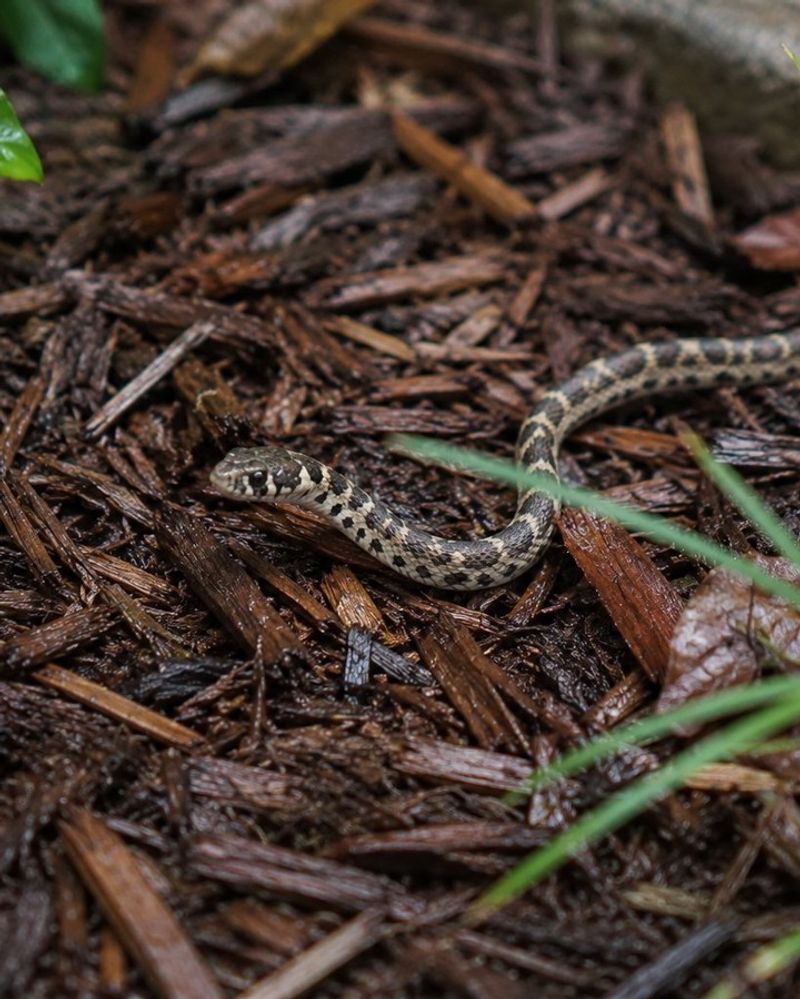
Here is something most people do not think about: a nicely landscaped yard can actually feel like a cool retreat to a snake on a blazing Texas afternoon.
Thick shrubs, dense mulch, shaded garden beds, and damp soil under trees all create pockets of relief from the scorching sun.
Snakes are drawn to those cooler spots the same way you might gravitate toward an air-conditioned room.
Crawl spaces under decks, gaps beneath porches, and areas under outdoor furniture can also stay surprisingly cool even when the rest of the yard is baking. Snakes are excellent at finding these little microclimates.
Once they discover a comfortable, shaded spot, they will rest there until the temperature drops enough for them to move again.
You do not have to sacrifice your beautiful landscaping to reduce snake visits, but a few adjustments can help. Keep mulch layers thinner near the edges of your yard.
Trim back low-hanging shrubs that touch the ground. Make sure there are no open gaps under your porch or deck where a snake could easily slide in and settle.
Sealing those entry points with mesh or hardware cloth is a practical fix. A well-maintained yard that removes obvious hiding spots tends to see fewer lingering snakes.
Think of it as making your yard less of a five-star snake hotel and more of a quick pit stop they pass through without sticking around.
4. Rodents And Insects Are Giving Them Food
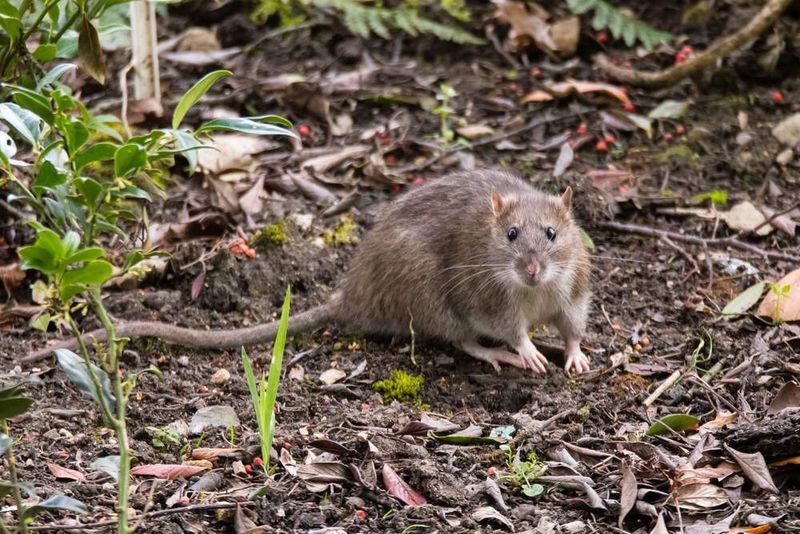
Snakes do not wander into yards randomly. They follow food, and Texas yards can be surprisingly well-stocked buffets for a hungry snake.
Mice, rats, frogs, lizards, and large insects are all on the menu. If your yard has any of these in good supply, you may be unknowingly sending an open invitation.
Bird feeders are one of the biggest culprits. Seed that falls to the ground attracts mice and rats, which then attract snakes looking for an easy meal.
Compost piles, unsecured trash cans, and pet food left outside can all draw rodents in, and where rodents go, snakes often follow. It is a simple food chain playing out right in your backyard.
Addressing a rodent problem is one of the most effective ways to make your yard less attractive to snakes over time. Store birdseed in sealed containers. Use rodent-proof trash cans. Bring pet food indoors at night.
If you already have a noticeable mouse or rat issue, consider contacting a pest control service. Keeping your yard free of rodent activity removes the main reason many snakes visit in the first place.
Interestingly, snakes like rat snakes actually do homeowners a favor by controlling rodent populations naturally. So while finding one near your shed might be alarming, it could also mean your rodent problem is being handled for free by nature itself.
5. Tall Grass And Yard Clutter Give Them Cover
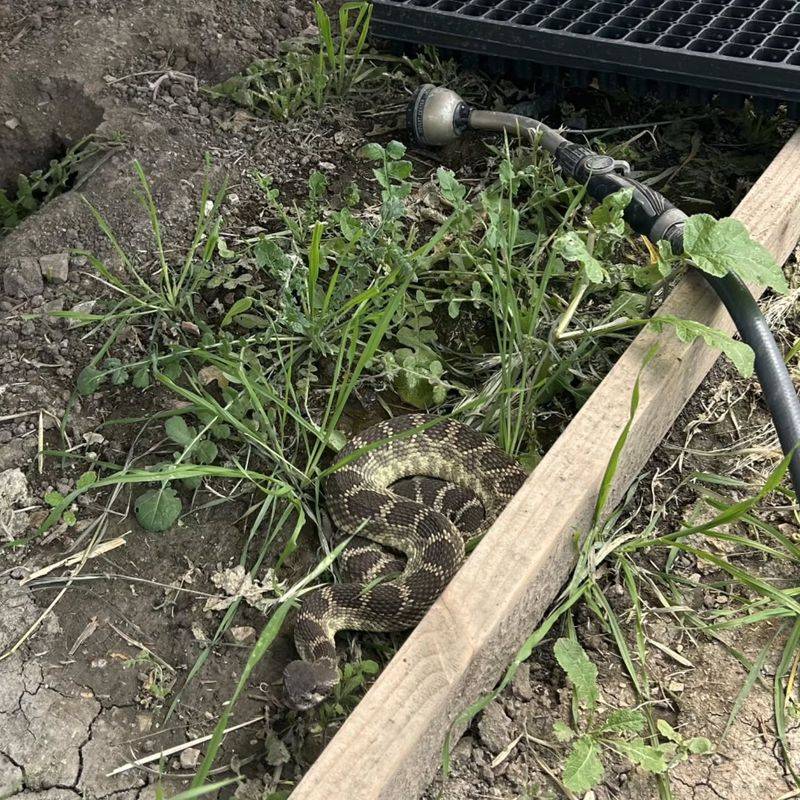
Snakes are shy by nature. They prefer to stay hidden, and a cluttered yard gives them plenty of places to do exactly that.
Woodpiles, rock stacks, brush piles, old lumber, and overgrown grass are all ideal cover for a snake trying to stay out of sight. If your yard has any of these, you have likely created a very welcoming environment without even realizing it.
Tall, unmowed grass is especially inviting. It hides snakes from predators and from human eyes alike.
A snake can travel across an overgrown yard without ever being noticed. Low ground cover plants, thick leaf piles, and stacked garden materials serve the same purpose.
Snakes feel safe in cluttered spaces, and they will use them whenever available. The good news is that tidying up your yard is one of the simplest and most effective ways to reduce snake encounters. Mow your lawn regularly.
Stack firewood away from your home and elevate it off the ground if possible. Clear out old brush piles and debris.
Move rocks and boards that have been sitting in one spot for a long time. Each of these actions removes a potential hiding spot and makes your yard feel less like a safe haven for snakes.
You do not have to go overboard. Even small changes in yard maintenance can make a noticeable difference.
A neat, open yard is much less appealing to a snake searching for a cozy place to hide during the day.
6. Some Young Snakes Begin Appearing In Late Summer
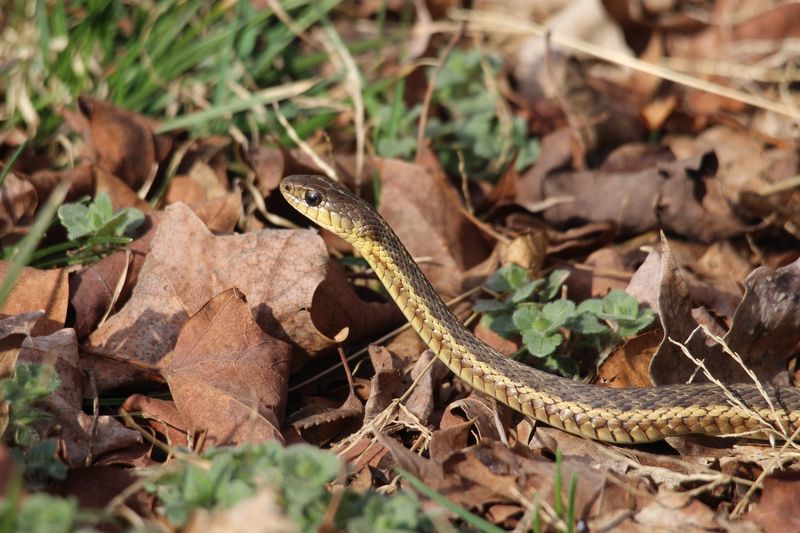
Late summer brings a wave of new arrivals to Texas yards, and many of them are tiny snakes that hatched or were born just weeks earlier.
Several snake species common to Texas, including rat snakes, hognose snakes, and copperheads, give birth or lay eggs during late summer. When those young snakes emerge, they begin exploring on their own almost immediately.
Baby snakes are smaller and easier to miss until you almost step on one. They tend to show up in unexpected places like garden beds, under porch steps, near water features, and along the edges of lawns.
Many people mistake small snakes for worms or sticks at first glance, which can lead to some very startling close encounters.
It helps to know that most young snakes in Texas are non-venomous and are simply trying to figure out how to survive on their own. They are not aggressive, and they will almost always try to escape rather than confront a person.
Still, it is always smart to give any snake space and avoid trying to handle it, especially if you cannot identify the species. If you notice several small snakes appearing in your yard during August or September, it likely means a female nested somewhere nearby.
Checking around dense vegetation, compost areas, and warm mulch beds can help you locate and address nesting spots before the next season rolls around.
7. They May Simply Be Passing Through
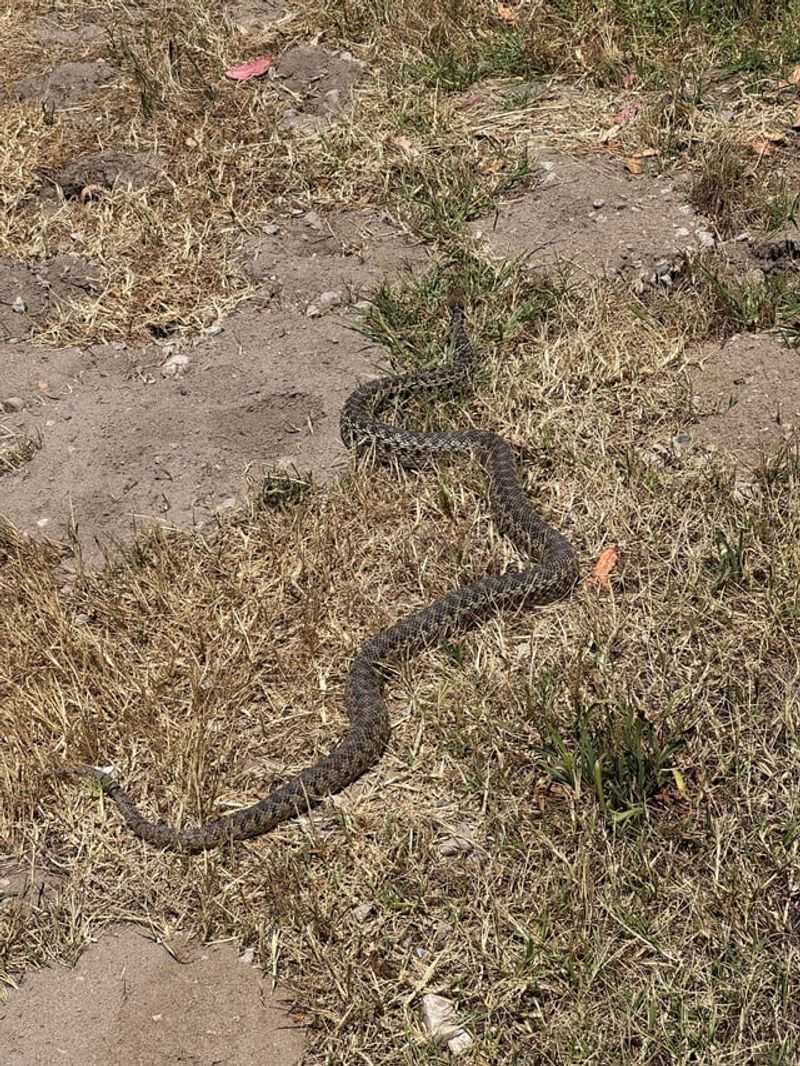
Not every snake sighting means you have a permanent resident in your yard. In fact, most snakes spotted in Texas yards are just passing through.
Snakes move between different areas regularly as they search for food, cooler spots, water, and shelter. Your yard might just happen to be on their route that day.
Texas is home to a large and diverse snake population, and they are always on the move. A snake that crosses your patio on a Tuesday morning may never return.
Snakes do not have fixed territories the way some other animals do. They roam based on what they need at any given time, and their routes can shift depending on the season, the weather, and the availability of resources nearby.
Before panicking or assuming you have a serious snake problem, take a breath and observe. Did you see just one snake, one time?
That is very likely a passing visitor. If you are seeing snakes repeatedly in the same spot, that is when it makes sense to look more closely at what might be attracting them, whether it is food, water, or shelter.
Most encounters are brief and harmless. Giving the snake space and allowing it to move on naturally is always the best first response.
If a snake appears to be stuck, injured, or is venomous and in a dangerous location, contacting a local wildlife removal professional is a safe and responsible choice for everyone involved.