How Texas Homeowners Keep Armadillos From Turning Yards Into Digging Zones
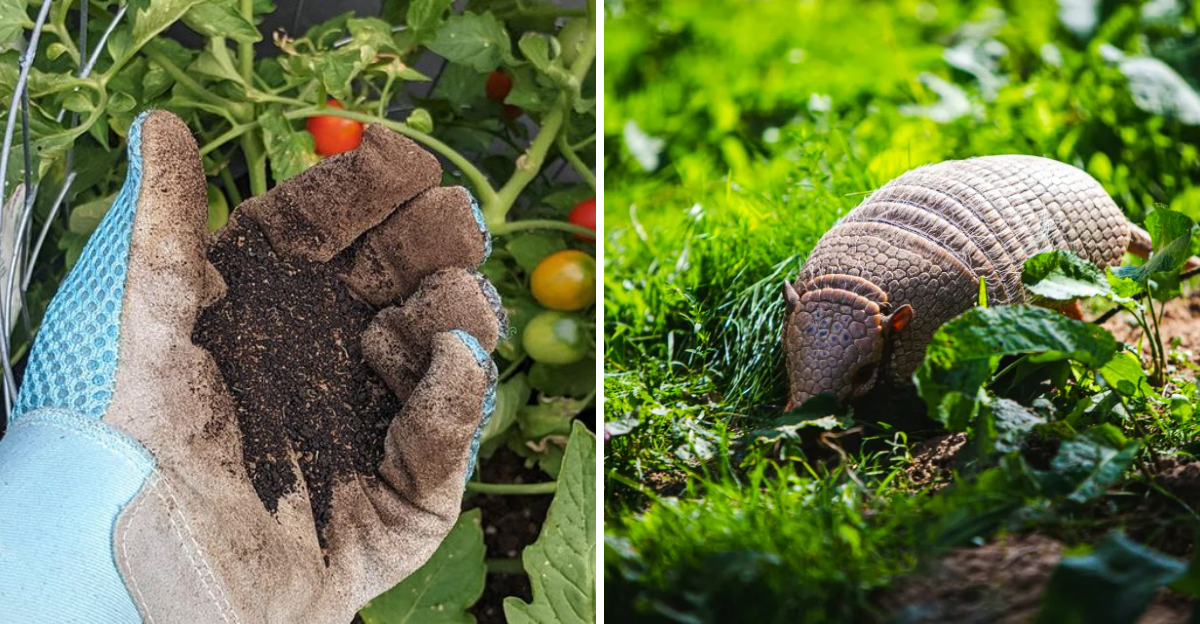
You wake up one morning, step outside with your coffee, and get the shock of your life. Your yard looks like something was digging for buried treasure all night long.
Holes everywhere, soil turned up, plants disrupted. And if you live in Texas, there’s a pretty good chance you already know exactly who the culprit is.
Armadillos. These armored little diggers are a fact of life for a lot of Texas homeowners, and once they discover your yard, they tend to come back night after night.
They’re not being destructive on purpose. They’re just doing what armadillos do, hunting for grubs and insects just below the surface of your soil.
But that explanation doesn’t make the damage any less frustrating when it’s your lawn on the receiving end. The good news is that there are real, practical ways to discourage armadillos from turning your yard into their personal buffet.
And most of them don’t require traps, chemicals, or anything complicated. Whether they’ve already found your yard or you want to get ahead of the problem before they do, here’s what actually works.
1. Install Physical Barriers

One of the most reliable ways to stop armadillos from wrecking your yard is to build a physical barrier they simply cannot get past.
Buried fencing or wire mesh placed around gardens, flower beds, and lawns creates a wall that armadillos cannot easily dig through or climb over. It takes a little work upfront, but the results are worth every bit of effort.
The key detail most people miss is that the fence must go underground. Armadillos are surprisingly strong diggers, so a fence that only sits on top of the soil will not slow them down for long.
Experts recommend burying the fence at least 8 to 12 inches below the surface to stop them from tunneling underneath.
Hardware cloth or welded wire mesh with small openings works best for this purpose. You can find both options at most home improvement stores, and they are fairly affordable.
A fence that stands about 24 inches above ground and curves outward at the top adds even more protection.
Many Texas homeowners who try this method say it works especially well around raised garden beds and flower borders.
Once the barrier is in place, armadillos tend to move on and look for easier ground elsewhere. You do not need to cover your entire yard, just the areas you care about most.
Pro tip: Check the barrier a few times each year for gaps or rust spots. A small opening is all an armadillo needs to sneak through and start causing damage again.
Regular maintenance keeps your barrier strong and your yard safe from unwanted visitors season after season.
2. Remove Attractive Food Sources
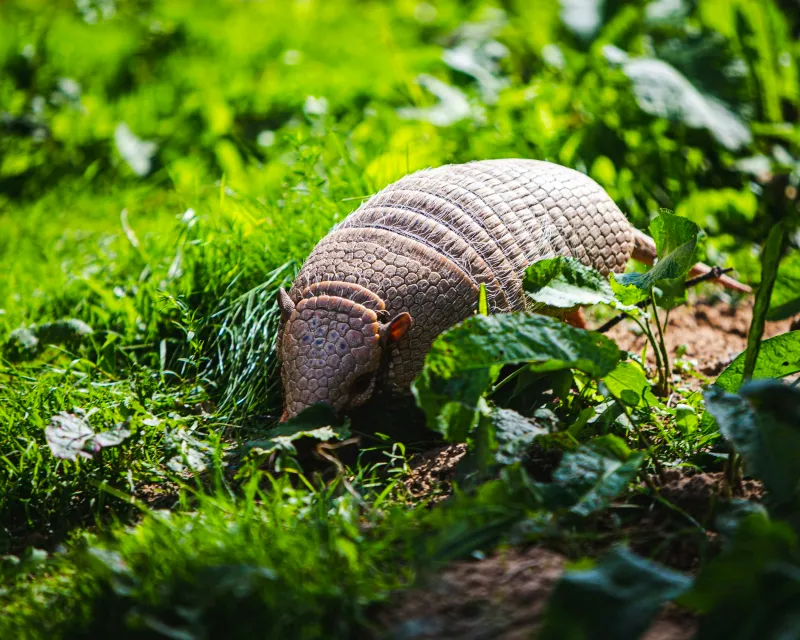
Armadillos are not coming into your yard because they like the scenery. They are there for one reason: food.
Grubs, beetles, earthworms, and other insects living just below the surface of your lawn are exactly what armadillos crave. If you can reduce those food sources, you make your yard far less appealing to these nighttime diggers.
Your Texas Garden Changes Every Week. Your Plan Should Too.
Gardening in Texas changes quickly throughout the season. Every Friday you’ll receive a simple weekly plan showing exactly what to plant, prune, fertilize, harvest, and protect so you never miss the right timing.
Start by treating your lawn for grubs. There are grub control products available at most garden centers that are safe for pets and kids when used as directed.
Applying a grub killer in late spring or early summer, when grubs are young and close to the surface, gives you the best results. Fewer grubs underground means fewer reasons for armadillos to visit.
Another smart move is to avoid overwatering your lawn. Moist soil brings worms and insects closer to the surface, which is practically an open invitation for armadillos.
Watering your lawn deeply but less frequently encourages grass roots to grow deeper and keeps the top layer of soil drier and less attractive to insects.
Composting is great for your garden, but an open compost pile full of food scraps can also attract armadillos. Use a sealed compost bin instead of an open pile to cut down on smells that lure wildlife in.
Reducing the insect population in your lawn does not happen overnight, but with consistent effort, you will notice fewer signs of armadillo activity within a few weeks. Think of it like cutting off the snack supply.
Once the food is gone, armadillos will search for a more rewarding location and leave your lawn in peace.
3. Keep Yards Clean And Tidy

A messy yard is basically a welcome sign for armadillos. Piles of brush, tall grass, fallen fruit, and scattered debris give these animals both food and shelter.
Keeping your outdoor space clean and well-maintained is one of the easiest and most affordable ways to make armadillos feel unwelcome.
Start with fallen fruit. If you have fruit trees in your yard, pick up any fruit that drops to the ground regularly.
Rotting fruit attracts insects, and insects attract armadillos. The same goes for birdseed that spills from feeders. Sweep up fallen seed often, or switch to a feeder style that reduces waste on the ground.
Pet food left outside overnight is another common problem. Many Texas homeowners leave food bowls outside for dogs or cats, not realizing that the smell draws in all kinds of wildlife, including armadillos. Bring pet food inside each evening to remove that temptation entirely.
Tall grass and thick brush are prime hiding spots for armadillos during the day. Mow your lawn regularly and trim back overgrown shrubs along fence lines and garden edges.
The less cover available, the less comfortable armadillos will feel hanging around your property.
Wood piles and stacked debris near your home can also serve as shelter. Keep firewood elevated off the ground and stored away from the house if possible. Even small changes like these add up quickly.
A tidy yard does not just look better, it sends a clear signal to armadillos that your space is not a great place to settle in. Consistency is key here. Make yard cleanup a weekly habit and you will see a real difference over time.
4. Use Natural Repellents
Not everyone wants to put up fencing or overhaul their entire lawn care routine. For those homeowners, natural repellents offer a simpler, less invasive solution.
Several scent-based products can discourage armadillos from entering your yard without causing them any harm.
Castor oil-based repellents are among the most popular options. These products come in liquid or granule form and work by making the soil smell and taste unpleasant to armadillos.
When they dig into treated ground and encounter that smell, they quickly lose interest and move on. Apply the repellent around the edges of your lawn, garden beds, and any areas where you have noticed digging activity.
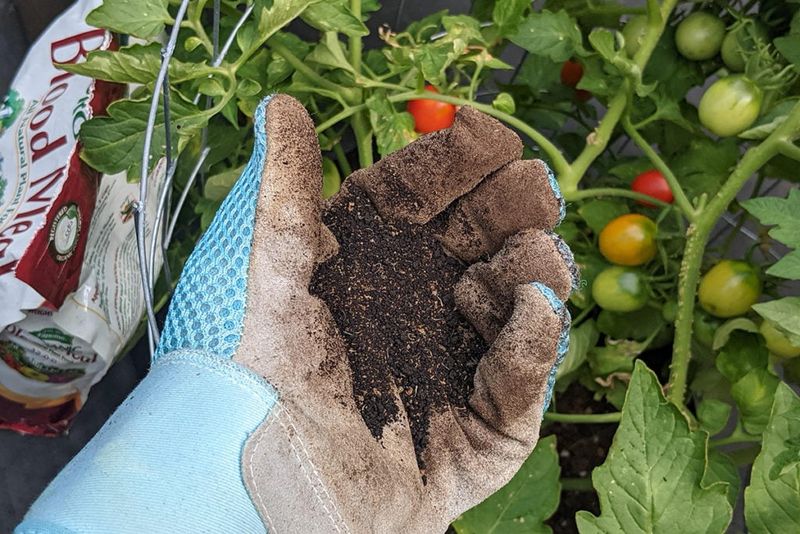
Blood meal is another option that works surprisingly well. It is a dry fertilizer made from animal blood, and its strong scent signals danger to armadillos.
Sprinkle it along garden borders and near entry points. As a bonus, blood meal also adds nitrogen to your soil, which helps your plants grow stronger.
Predator urine, such as coyote urine, is sold at many garden and farm supply stores. The smell tricks armadillos into thinking a predator is nearby, which makes them nervous enough to avoid the area.
Spray it around the perimeter of your yard for the best effect. Keep in mind that rain and irrigation will wash these repellents away over time. Reapply them every two to four weeks, or after heavy rainfall, to maintain their effectiveness.
Rotating between different types of repellents can also help, since armadillos may eventually get used to one scent if it is used too often. Natural repellents work best as part of a broader yard protection plan rather than as a standalone fix.
5. Motion-Activated Lights Or Sprinklers
Armadillos are creatures of the night. They do almost all of their foraging after dark, which is why most homeowners wake up to find their yard damaged without ever seeing the culprit.
That nocturnal habit also happens to be their biggest weakness, and motion-activated devices take full advantage of it.
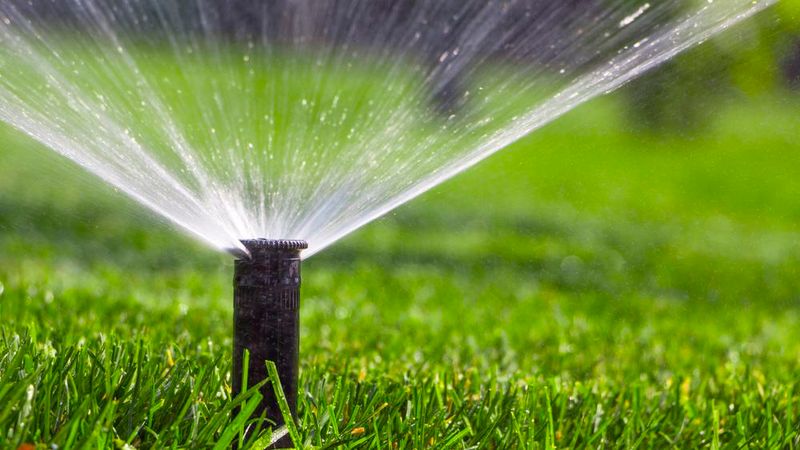
Motion-activated sprinklers are one of the most effective tools available for keeping armadillos away. When the sensor detects movement, it releases a sudden burst of water that startles the animal and sends it running.
Armadillos are easily spooked, and after a few surprise soakings, they tend to find a different yard to explore. These sprinklers are safe, humane, and also help water your lawn at the same time.
Motion-activated lights work on a similar principle. Armadillos prefer to move through dark, quiet spaces.
A bright floodlight that snaps on the moment they enter your yard disrupts their comfort zone and makes them feel exposed. Many homeowners combine lights with sprinklers for even better results.
You can find both types of devices at home improvement stores and online retailers. They are generally easy to install and do not require professional help.
Place them along fence lines, near garden beds, and at common entry points around your property.
One thing to keep in mind is that armadillos can sometimes get used to the same stimulus if it fires repeatedly without anything actually happening.
To keep them on edge, try repositioning the devices every few weeks or combining them with other deterrents from this list.
Variety keeps the surprise factor alive and makes your yard a place armadillos would rather avoid than visit again.
6. Plant Armadillo-Resistant Landscaping
Here is something most people do not think about: the way you design your yard can either invite armadillos in or make them want to move on.
Soft, loose soil in raised beds and freshly tilled garden plots are basically perfect digging conditions for armadillos. Smart landscaping choices can make your yard much harder for them to work through.
Start by thinking about ground cover. Dense plantings of native groundcovers, tough ornamental grasses, and thick low-growing shrubs create a physical challenge for armadillos.
When the ground is covered tightly with roots and plant matter, it is harder to dig through and less likely to harbor the grubs armadillos are searching for.
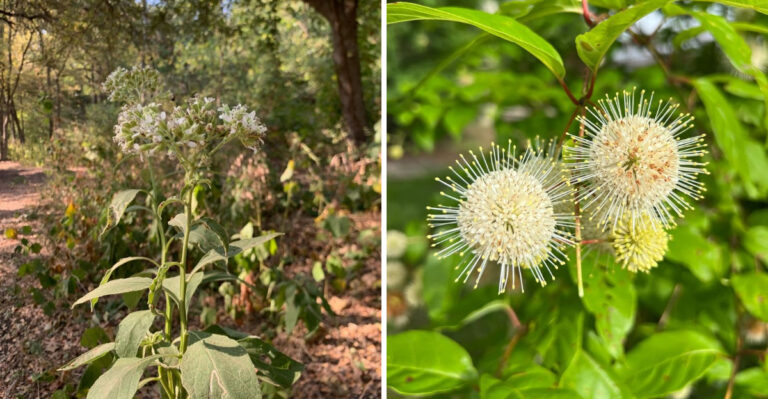
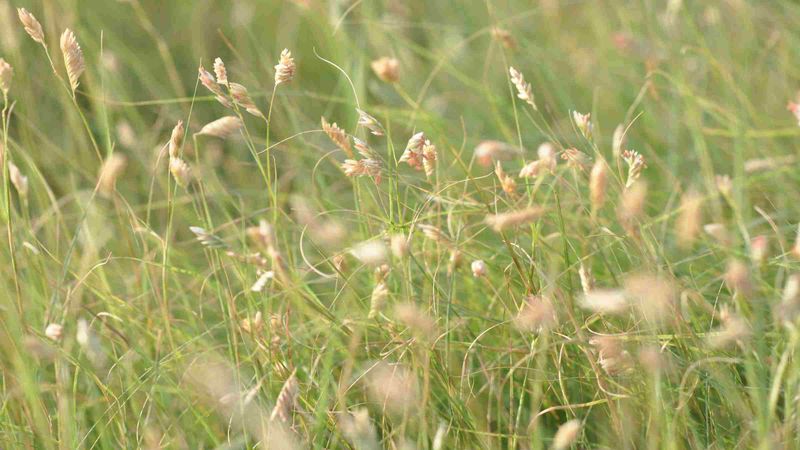
Native Texas plants like buffalo grass, turk’s cap, and Mexican feathergrass are great options. They grow thick and hearty, hold soil firmly in place, and require less water than many traditional garden plants.
That lower moisture level also means fewer insects close to the surface, which reduces the food supply armadillos depend on.
Avoid leaving large sections of bare, freshly turned soil exposed for long periods. If you are working on a new garden bed, lay down mulch or a ground cover plant as soon as possible. Bare soil is an open invitation to any armadillo passing through your neighborhood.
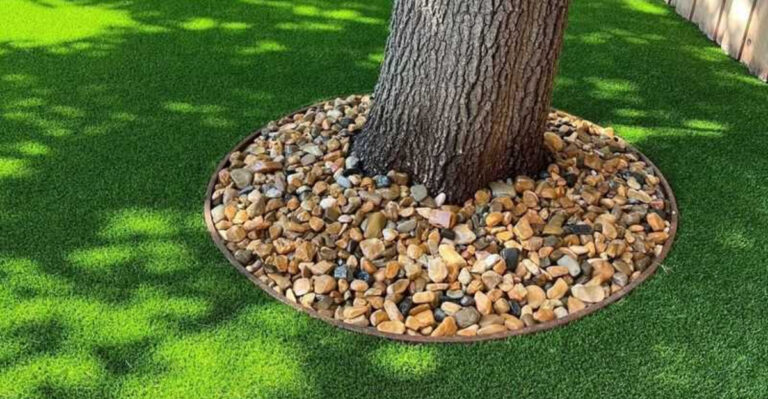
Adding decorative gravel or river rock borders around garden beds is another smart trick. These materials are uncomfortable to dig through and do not harbor the moist conditions insects love.
Combining tough plantings with rock borders creates a double layer of resistance that most armadillos will simply choose to skip. Thoughtful landscaping is a long-term investment that protects your yard for years to come.