The Fruit Tree Habit That Keeps Rats Coming Back To California Yards
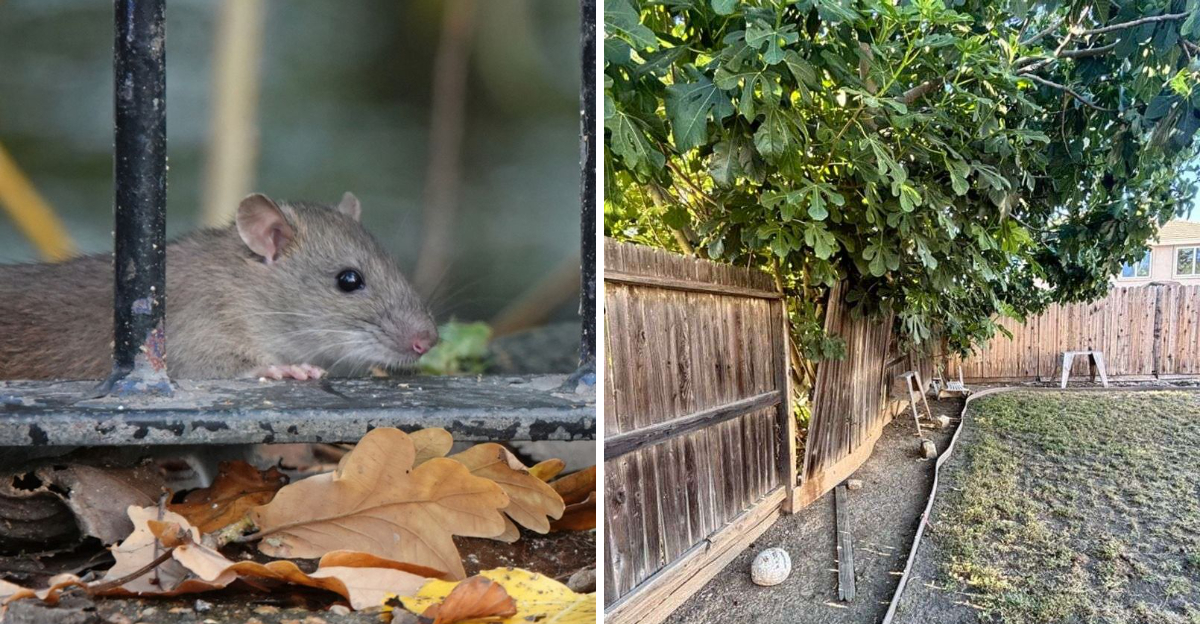
A California fruit tree can look generous right up until something else starts harvesting it first.
One morning, an orange has a neat hole in the side. Another sits hollow beneath the branches. By the next night, more fruit disappears, and the backyard suddenly feels much busier after dark.
The tree may not be the whole problem.
Roof rats are excellent climbers, and a yard can quietly provide food, cover, and easy travel routes all at once.
Ripe citrus left hanging too long is useful. Fallen figs are even easier. A branch touching the roof can turn dinner into an attic tour.
So what keeps them coming back?
Usually, it is consistency. One dependable food source can become part of a regular nighttime route, especially when nearby fences, vines, pet bowls, or compost make the trip worthwhile.
The fix starts with changing those habits before reaching for control measures.
Take away the easy rewards, break up the travel routes, and your fruit trees become much less attractive after sunset too.
1. Leaving Ripe Fruit Hanging Keeps The Nightly Buffet Open
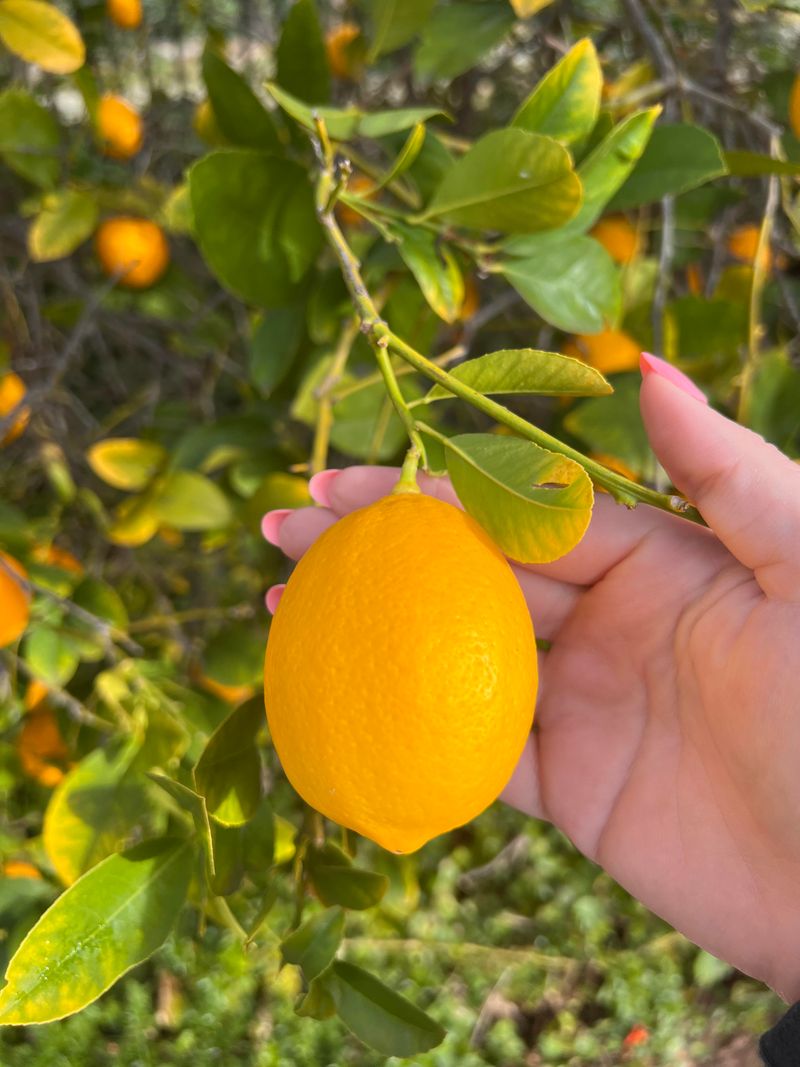
A perfectly ripe orange hanging untouched for days is doing more than waiting for you.
Roof rats are opportunistic feeders, and backyard fruit gives them a dependable reason to revisit the same tree. Citrus, figs, avocados, and stone fruits can all become attractive once they are mature enough to eat.
That makes delayed harvesting one of the easiest habits to change.
Walk the yard every couple of days during peak ripening and pick fruit as soon as it is ready. Do not wait for the entire tree to reach the same stage.
Many fruit trees ripen unevenly, so regular small harvests work better than one giant weekend session.
Use the surplus instead of leaving it as decoration.
Share extra fruit with neighbors, preserve it, donate it where local programs accept backyard produce, or arrange a community gleaning pickup when one operates in your area.
The goal is not to strip an underripe tree bare.
It is to stop leaving a predictable supply of sweet, accessible food hanging night after night. Rats learn where reliable meals are, and a tree that stays loaded can become part of that routine.
You planted the fruit for your kitchen, not the midnight shift.
Picking it on time keeps more of the harvest in your hands and gives nighttime visitors one less reason to memorize your address.
2. Letting Fallen Fruit Sit Overnight Makes Dinner Too Easy
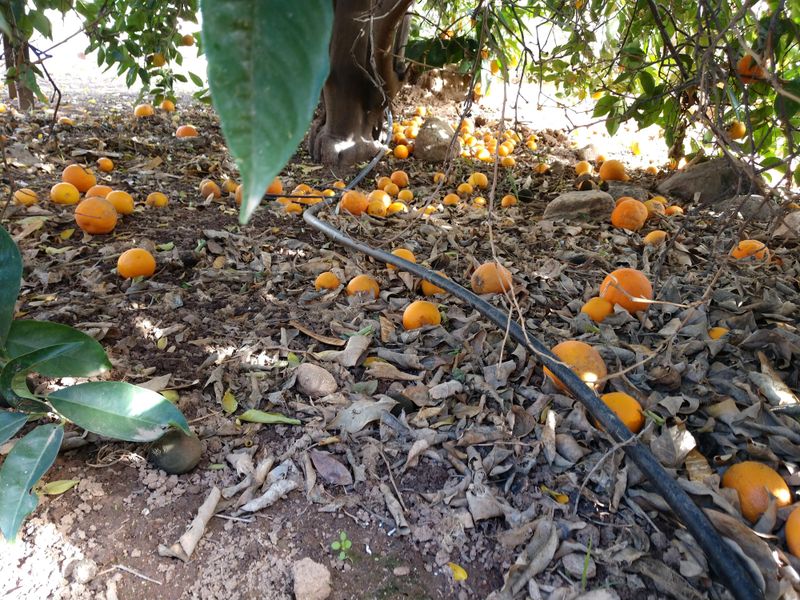
The easiest meal in the yard may already be lying under your shoes.
Dropped fruit gives rats access without climbing, balancing, or working through the canopy. One soft fig or split orange beneath the tree can turn into an effortless nighttime snack.
During heavy production, check the ground daily.
A mature tree can shed more fruit than you notice from the patio, especially after wind, heat, irrigation, or simple overripening. Pick up anything that has fallen before evening whenever possible.
Do not move the problem five feet away.
Your California Garden Changes Every Week. Your Plan Should Too.
Gardening in California changes quickly throughout the season. Every Friday you’ll receive a simple weekly plan showing exactly what to plant, prune, fertilize, harvest, and protect so you never miss the right timing.
An open heap of spoiled fruit beside the fence is still food. Put unusable fruit into a secure waste container or a compost system that rodents cannot easily enter.
Follow whatever composting rules apply in your area, especially when municipal organics collection is available.
Morning damage can offer useful clues too.
Hollow citrus rinds, gnawed fruit, and fresh feeding debris under the canopy suggest something has been active overnight. Those signs deserve attention before they become normal scenery.
Daily cleanup sounds tedious until you actually do it.
A quick pass with a bucket usually takes only a few minutes, and it removes one of the safest food sources a roof rat can find.
The branch may require climbing.
The fallen orange requires absolutely no effort.
Do not make dinner that convenient.
3. Allowing Branches Near The Roof Creates An Easy Rat Bridge
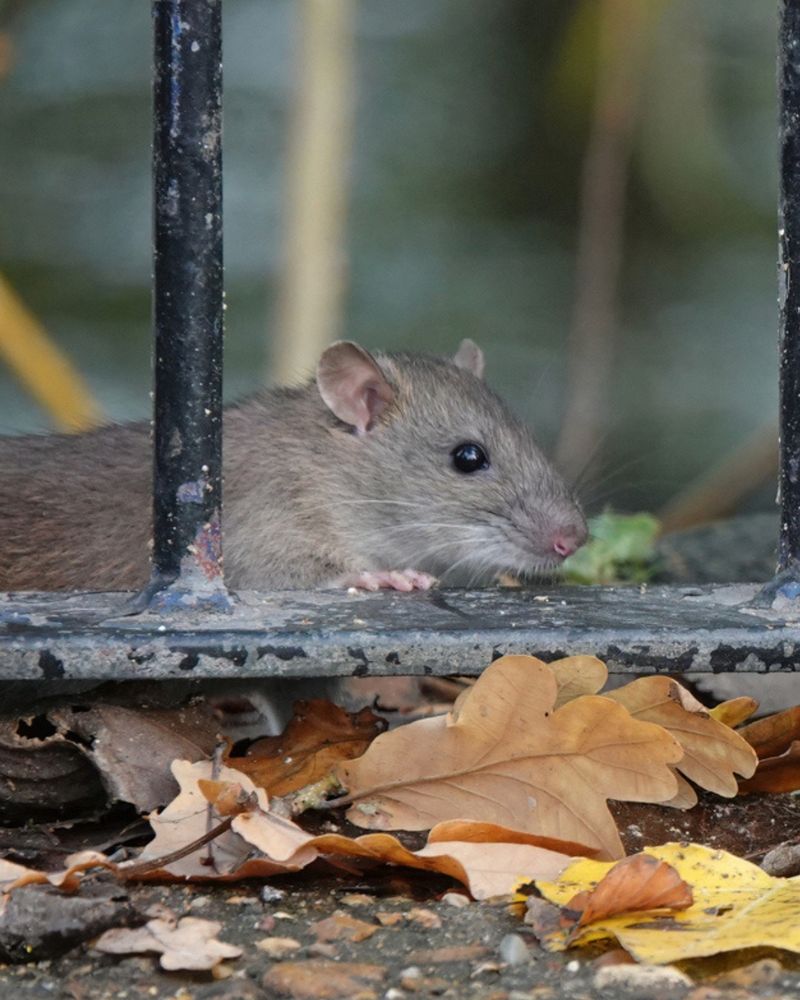
A branch brushing the roof can function like a private walkway after dark.
Roof rats climb extremely well, and fruit trees positioned close to houses can connect feeding areas with eaves, roofs, or other sheltered structures. That makes canopy clearance part of rodent prevention, not just tree shaping.
Look at the tree from the rat’s point of view.
Branches touching the house are obvious routes, but nearby limbs can matter too. Roof rats can jump gaps, so creating several feet of separation between vegetation and structures reduces easy access.
Prune with the tree’s health in mind.
Different California fruit trees respond best to different pruning seasons and amounts, so do not remove large portions of canopy simply to create instant clearance. Heavy cuts can stress a tree, expose branches to sunburn, or reduce future production.
A qualified arborist can help when major limbs need attention.
After pruning, check neighboring shrubs, vines, fences, and small trees. Clearing one citrus branch does little good when a dense bougainvillea still touches the garage roof three feet away.
The goal is not to create an empty yard.
It is to remove the obvious bridges between food and shelter.
Your fruit tree can keep its useful shape and still stop functioning like an elevated on-ramp.
For roof rats, convenience matters.
A little distance can make the nightly commute much less appealing.
4. Keeping Fence And Vine Connections Gives Rats A Highway
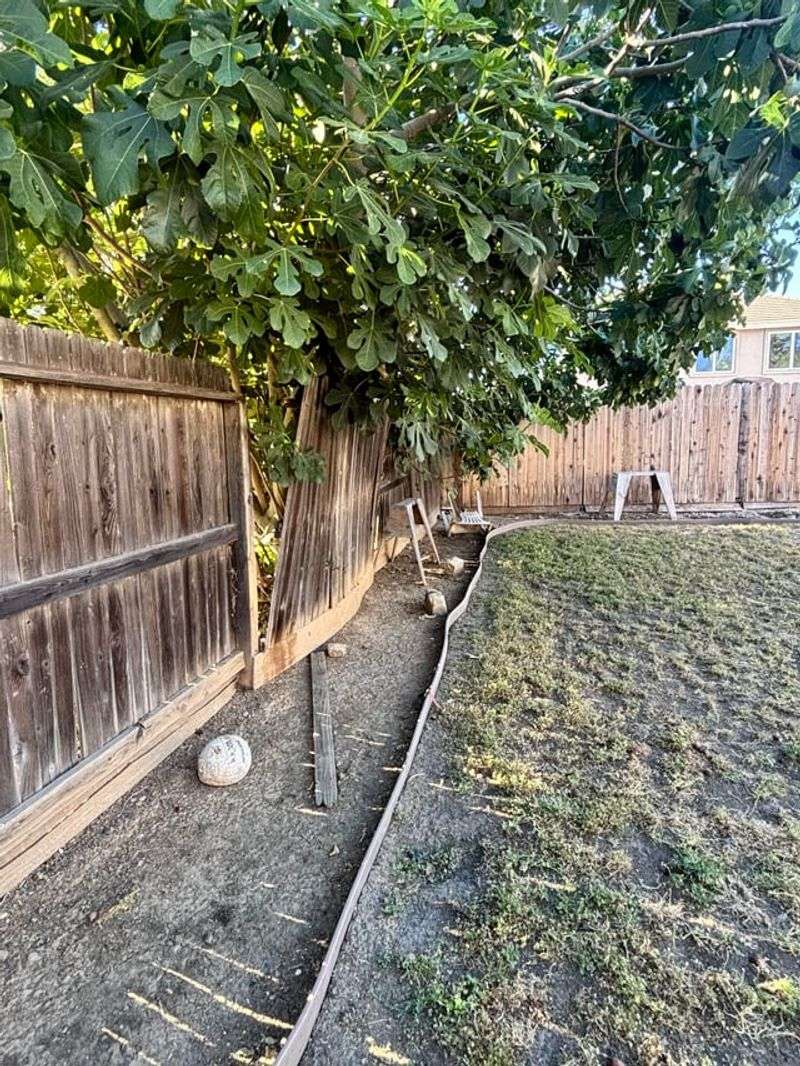
A wooden fence can connect half a neighborhood without a rat ever needing to cross open ground.
Add dense vines, overhanging fruit-tree branches, and nearby utility structures, and that route becomes even more useful. Roof rats prefer protected travel paths, so breaking those connections can make a yard less convenient.
Start with the fence line.
Thin heavy vine growth that creates continuous cover across the top or sides. Ivy and other dense plants can provide both shelter and concealed movement, especially where they connect several yards.
Then inspect the canopy.
A fruit-tree branch resting over the fence can link the tree directly to neighboring vegetation. Pulling that growth back interrupts the route and makes access less automatic.
Utility wires require a different approach.
Do not attempt to prune branches around energized lines yourself. Contact the utility when vegetation is interfering with electrical infrastructure and let trained crews handle work within their required clearance zone.
This is not about making the yard impossible for any animal to cross.
That would be unrealistic.
The goal is to stop providing one continuous, sheltered circuit from fence to fruit tree to roof. Rats are much more comfortable traveling along established routes than exposing themselves repeatedly on open ground.
Break enough of those connections and the property becomes less efficient to use.
Even a determined rat appreciates good transportation.
There is no reason your fence needs to provide the express lane.
5. Letting Dense Growth Build Up Gives Rats Better Cover
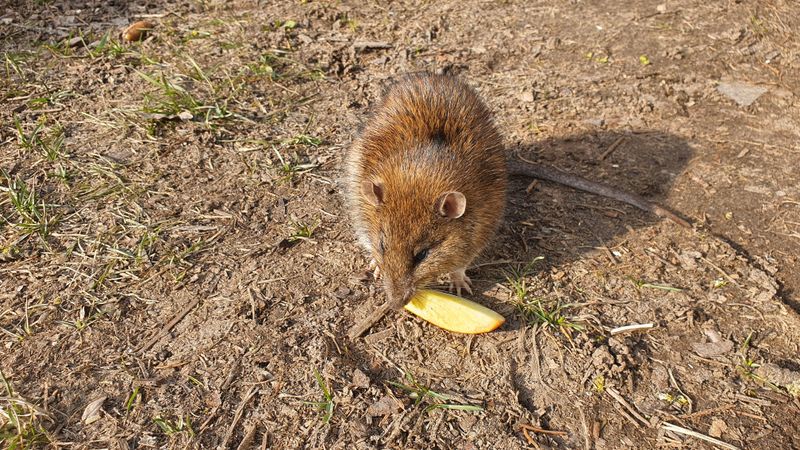
The darkest patch under the fruit tree may be doing more than hiding a few weeds.
Dense ground cover, tangled shrubs, fallen debris, and very low branches can give rodents protected places to move and pause without crossing exposed ground. That shelter can make a food-rich yard feel even safer.
Open the area gradually.
Pull weeds, remove piles of dead plant material, and thin crowded growth that creates continuous cover beneath or around the canopy. Keep mulch useful but avoid deep mounds against trunks or structures.
Nearby shrubs can get a little lift too.
Removing selected low growth can create visible space underneath without turning every plant into a lollipop. The aim is better visibility and fewer concealed travel routes, not bare soil.
A cleaner understory has another advantage.
Droppings, gnawed fruit, burrow clues, and feeding debris become much easier to notice when they are not buried beneath a jungle of leaves.
Do not overcorrect.
Organic mulch still protects roots, reduces evaporation, and supports soil health. Birds, beneficial insects, and other wildlife use planted areas too.
Habitat modification works best when it removes excessive concealment without stripping the landscape of everything useful.
Think visibility rather than emptiness.
Your fruit tree should have room to breathe, and you should be able to see what is happening underneath it.
Rats prefer cover.
Making the commute a little more public can reduce the appeal.
6. Leaving Other Food Outside Keeps Rats Around After Harvest
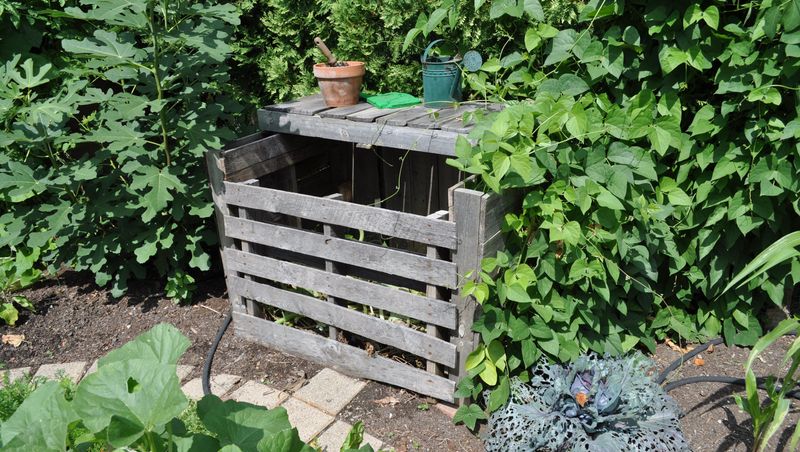
Picking every orange will not solve much when dinner is still waiting beside the back door.
Pet food, spilled birdseed, unsecured garbage, and accessible compost can keep roof rats returning after the fruit season ends. A yard with several dependable food sources gives them very little reason to move elsewhere.
Start with anything left outside overnight.
Bring pet-food bowls indoors after feeding and store dry food in sturdy containers with tight-fitting lids. Paper sacks and thin plastic bags are easy targets once rodents discover them.
Check beneath bird feeders as well.
Seed scattered onto the soil can become a nightly feeding station. Clean up spills regularly or adjust the feeder setup to reduce what reaches the ground.
Compost deserves attention too.
Use a secure system rather than an open pile of kitchen scraps near a fence or dense planting. Keep lids fitted and manage the contents properly so the pile breaks down instead of becoming a feeding site.
This is where fruit-tree management becomes whole-yard management.
One cleaned-up citrus tree cannot compete with four other food sources sitting ten yards away.
Removing those extras also makes any later trapping effort more effective because the rats have fewer alternative meals.
A roof rat does not care which part of the yard stocked the buffet.
It only cares that dinner keeps appearing.
Make the entire property less predictable, and the fruit tree stops carrying the whole blame.