This Louisiana Iris Blooms In Just One Secret Swamp, And Nowhere Else On Earth
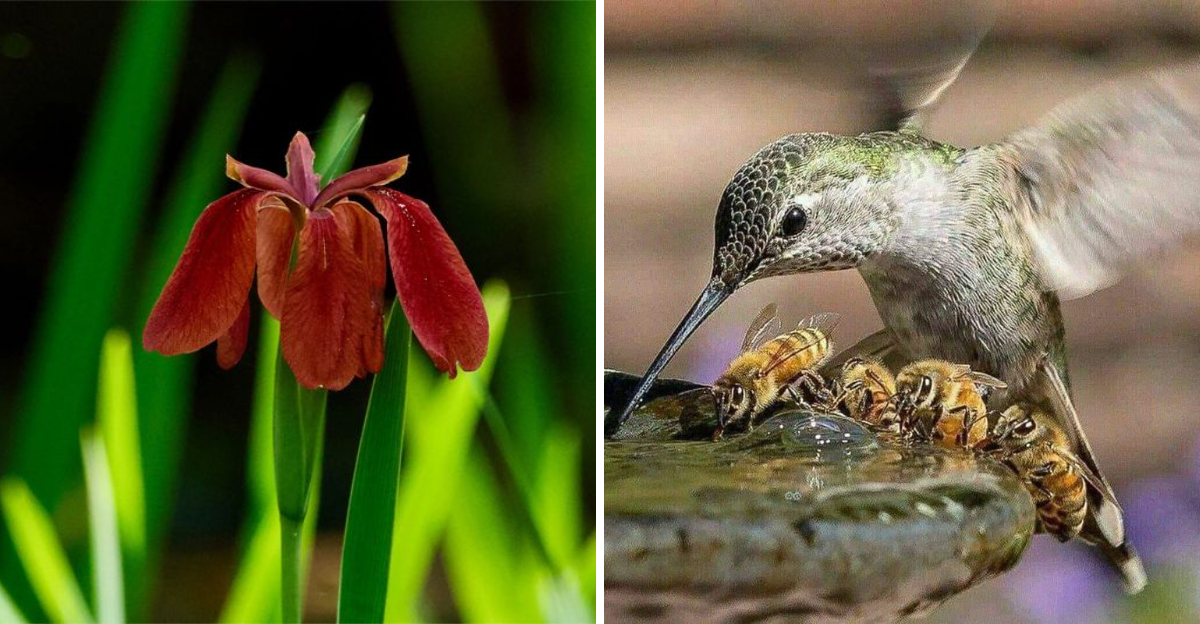
You won’t believe how this rare flower nearly disappeared before science named it. Louisiana hides a secret you probably drove straight past. Somewhere out there, a crimson iris waits for you to notice.
This bloom pulled you into decades of botanical infighting. Gardeners chased it, hoping to claim it before you could. Rivalry followed this flower through swamps, courtrooms, and quiet greenhouses.
Bulldozers threatened its only home, though you would not know it. Luck and a stubborn landowner saved it just for you. Deep within Louisiana, this original patch still waits for you. Nowhere else can you find this exact bloom growing wild.
Scientists still argue about where you should trace its origin. Uncovering why this flower matters will not take you long. Its brilliant color alone will stop you mid-step. Answers you need are waiting just past this paragraph. Turning back now isn’t a choice you get to make.
A Crimson Surprise In The Marsh Grass
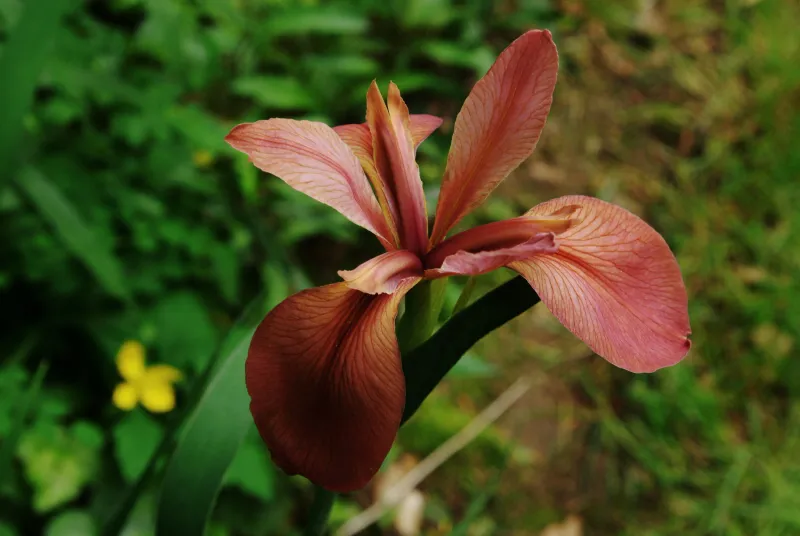
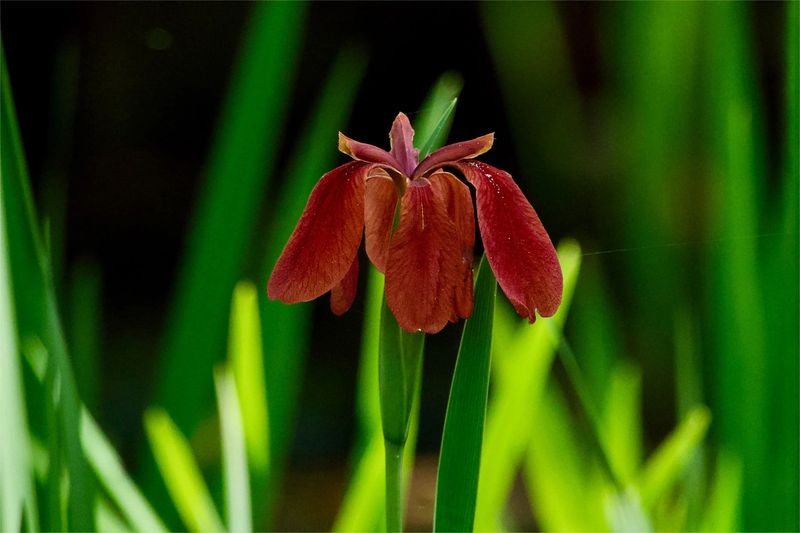
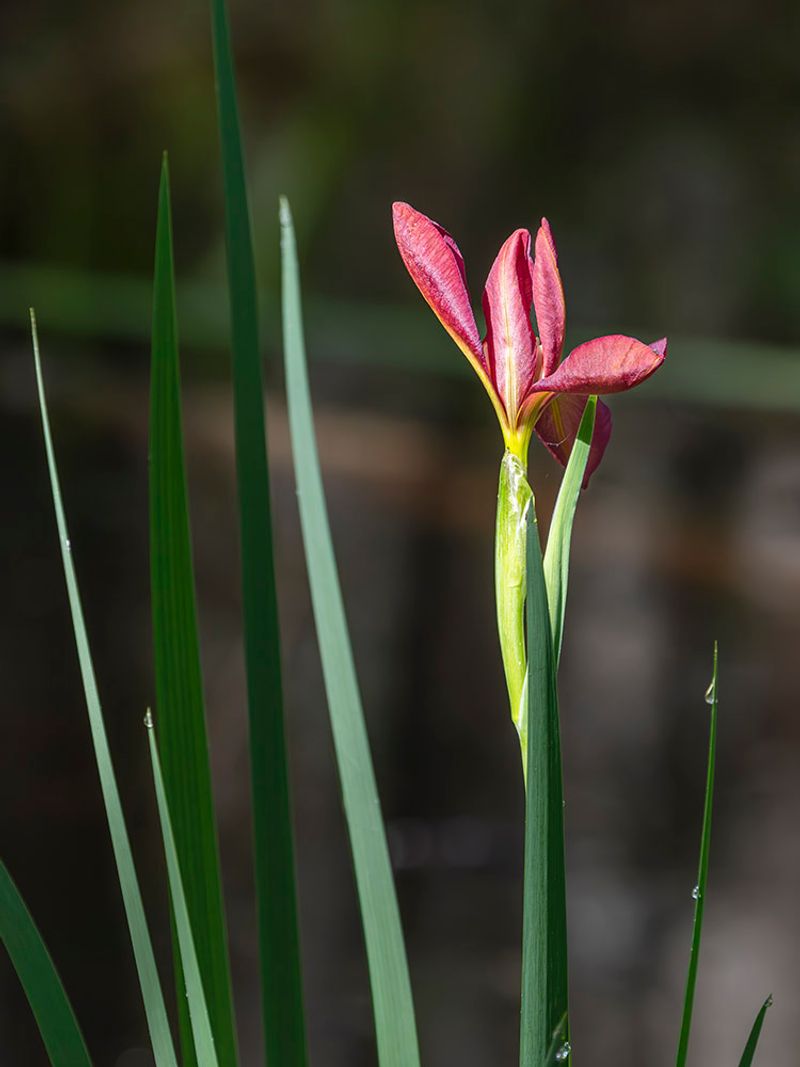
Most wild irises lean blue, purple, or buttery yellow. The Abbeville Red breaks that habit with petals in shades of brick, rust, and deep copper red.
Botanists first noticed these unusual blooms in the wetlands near Abbeville, Louisiana, in the 1930s. Interest likely grew among plant lovers, since a truly red iris was rare in North America.
The flowers sit on tall stalks, sometimes rising four or five feet above the water line. Each bloom has three arching upper petals and three drooping lower ones called falls, marked with a small yellow or greenish signal patch that guides insects toward nectar.
Size is part of the charm. Individual flowers can stretch six inches across, which makes them easy to spot from a boat or a levee road.
Color varies more than you might expect. Some plants lean toward orange-red, others toward wine, and a few show a soft salmon tone that fades in strong sun.
Gardeners often describe the shade as warm rather than fire-engine bright. Under morning light the petals glow, while at midday they can look almost brown.
What makes the color scientifically interesting is its pigment. Instead of the anthocyanins that give most irises their blue tones, these blooms rely on different pigment chemistry, which is why the red reads so unusual to trained eyes.
If you ever see one in person, look closely at the veining. Fine darker lines run through the falls like brushstrokes, a detail photographs rarely capture well.
Why Scientists Call It Iris Nelsonii
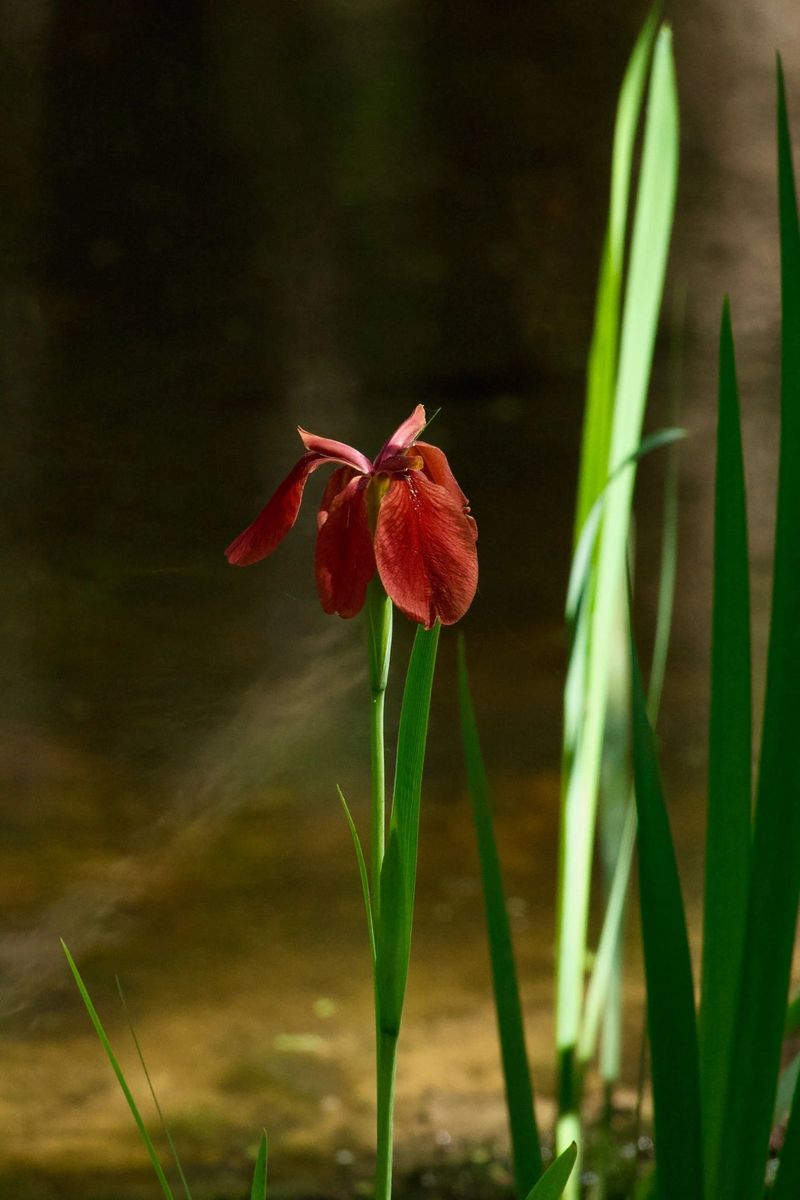
W. B. MacMillan first spotted these unusual plants growing wild in the late 1930s. The species name itself, nelsonii, honors Ira S.
Nelson, a horticulture professor at what is now the University of Louisiana at Lafayette. Nelson worked for years to bring the population scientific recognition.
Nelson spent years studying Louisiana irises and helped bring the Abbeville population to wider attention. In 1966, botanist Lowell Fitz Randolph formally described it as Iris nelsonii, giving the swamp flower its own place in the record books.
Your Louisiana Garden Changes Every Week. Your Plan Should Too.
Gardening in Louisiana changes quickly throughout the season. Every Friday you’ll receive a simple weekly plan showing exactly what to plant, prune, fertilize, harvest, and protect so you never miss the right timing.
Getting there took real detective work. Early observers argued about whether these reds were a separate species or simply odd forms of the giant blue flag iris already growing nearby.
Later genetic studies helped clarify much of the debate, though the exact scope of consensus should be verified.
Evidence points to Iris nelsonii being a stabilized hybrid, meaning it formed long ago when three related irises crossed and their offspring settled into a consistent new form.
The three parent species usually named are Iris fulva, Iris hexagona (or giganticaerulea), and Iris brevicaulis. Each contributed traits, from the coppery color to the tall stems and branching flower stalks.
Scientists find that origin story valuable. It offers a living example of how new plant species can arise through hybridization rather than slow, isolated change.
For students, the lesson is a handy one. Species lines are not always neat, and nature sometimes builds something new by mixing what already exists.
Herbarium sheets from that era still exist in university collections, pressed proof of a botanical argument finally resolved.
One Swamp, One Population, No Wild Backup
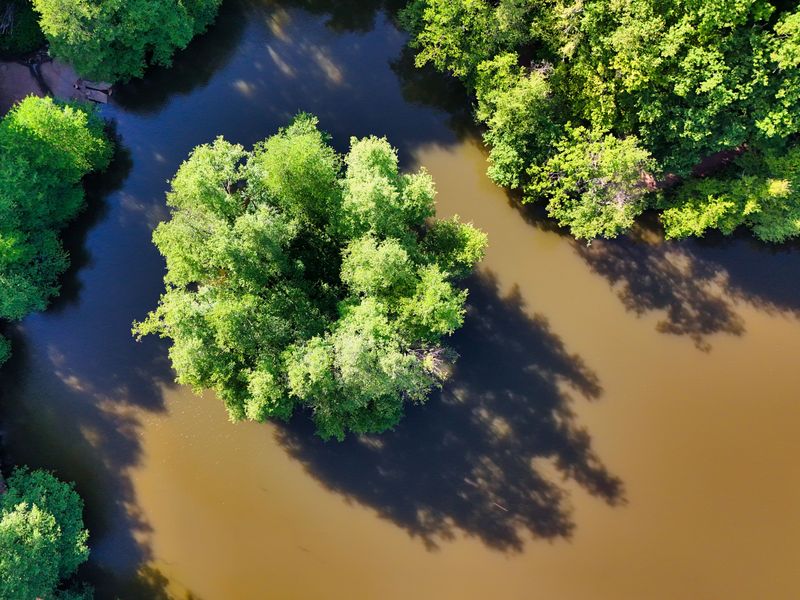
Here is the part that surprises people most. Every naturally occurring Abbeville Red Iris on the planet grows within a small stretch of wetland in Vermilion Parish, Louisiana.
Scientists call that kind of tiny range endemic. When a species lives in one spot and nowhere else, a single bad season or drainage project can significantly reduce its numbers.
The habitat sits in a swampy corridor sometimes described as a shaded slough, with tupelo and cypress overhead and slow, tea-colored water below. Conditions there stay moist most of the year, which suits the iris perfectly.
Partial shade turns out to matter. Unlike its sun-loving relatives in open marsh, this iris tolerates and even prefers dappled light beneath a tree canopy.
Estimates of the wild population have varied over the decades, and numbers have dipped when land use changed. Roadwork, clearing, and shifting water levels all left marks.
Collectors also affected wild numbers. Once the flower became known, some enthusiasts removed clumps for home gardens.
Today conservation groups and native plant societies keep watch, and portions of the habitat receive protection. Botanical gardens also grow backup collections so the genetics survive outside the swamp.
If you plan a visit, respect matters more than curiosity. Photograph the blooms, stay on public paths, and leave the rhizomes in the mud where they belong. Seeing something rare comes with responsibility attached.
The Bees And Birds That Keep It Going
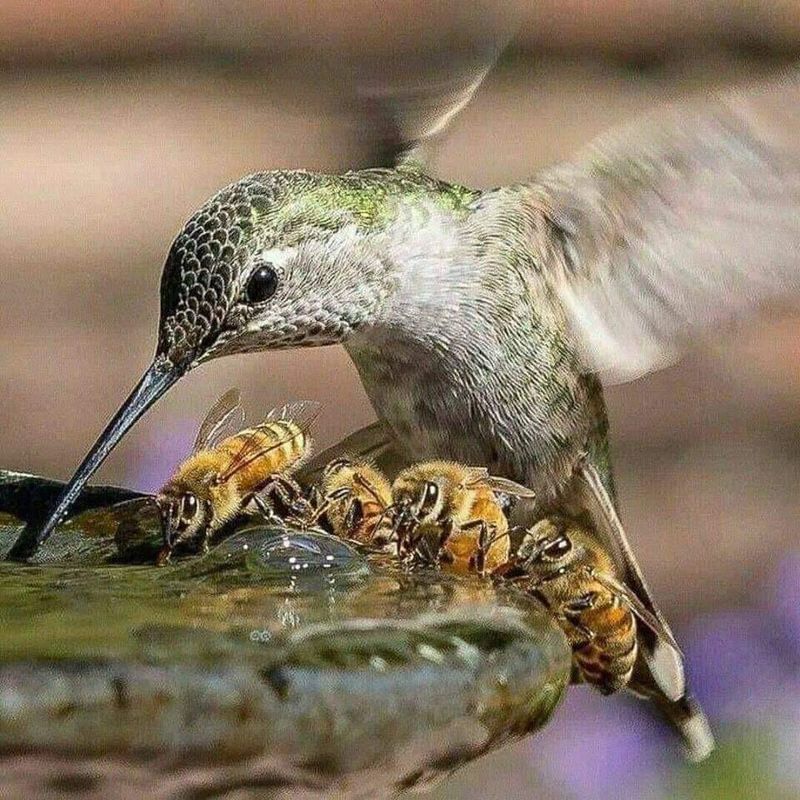
Red flowers usually mean one thing in the plant world: hummingbirds are invited. Ruby-throated hummingbirds pass through Louisiana wetlands during spring migration, right when these irises open.
The bloom shape helps too. Nectar sits deep in the flower tube, tucked where a long bill or tongue can reach it while pollen brushes onto feathers.
Bumblebees visit as well, especially the larger native species strong enough to push past the petals. Their fuzzy bodies pick up pollen and carry it to the next stalk.
Researchers studying Louisiana irises have used these plants to explore how pollinators shape hybrid zones. Because different iris species attract different visitors, pollinator choice partly controls which crosses happen and which do not.
Seed dispersal follows its own watery route. Iris seeds develop in ribbed pods, and many float, drifting to new mudbanks when water rises.
Rhizomes matter even more for local spread. Thick underground stems creep sideways through soft soil, forming dense clumps that can persist for many years.
Small creatures rely on the patches too. Frogs shelter among the leaf blades, and crawfish burrow in the surrounding muck.
Gardeners can borrow the idea at home. Planting native Louisiana irises near a pond edge gives hummingbirds an early-season nectar stop and gives you flowers without much fuss.
Skip the pesticides in that zone, though. The whole point of a pollinator planting is welcoming the visitors, not chasing them off.
From Wild Swamp To Backyard Beds
Plenty of gardeners grow descendants of this swamp flower without realizing it. Breeders crossed the Abbeville Red with other Louisiana irises for decades, and its genes show up in countless modern cultivars.
Names like Ann Chowning and other classic reds trace back to that hybrid vigor. Anytime you see a Louisiana iris in copper, garnet, or true red, this species likely had a hand in it.
Growing the pure species takes patience but is not out of reach. Nursery-propagated plants show up at native plant sales and specialty growers, which is the ethical way to get one.
Soil should stay damp and slightly acidic. Rich clay works fine, and standing water for part of the year is welcome rather than a problem.
Plant rhizomes in late summer or early fall, setting them just below the surface. Mulch helps hold moisture through the hot months and keeps the shallow roots cooler.
Light preference sets it apart from cousins. Filtered shade for part of the day suits this one better than blazing all-day sun, especially in hotter climates.
Feeding is simple. A dose of balanced fertilizer in late winter and again after flowering keeps foliage strong.
Divide clumps every three or four years to prevent crowding. Toss the woody centers and replant the plump, healthy sections.
One caution worth remembering: iris rhizomes are not edible, so keep curious pets and toddlers away from freshly dug pieces.
Protecting A Flower With Nowhere Else To Go
Conservation for a one-location species looks different from saving a widespread plant. There is no second population to fall back on, so every acre counts.
Groups including the Louisiana Iris Society, the Society for Louisiana Irises, and local land trusts have worked to document and safeguard the remaining habitat. Surveys track plant counts, flowering dates, and water conditions year after year.
Botanical gardens play a quiet but important role. Living collections at universities and public gardens preserve genetic diversity in case the wild site faces a setback.
Threats are mostly human-made. Ditching, road widening, herbicide drift, and altered drainage change the moisture balance the iris depends on.
Invasive plants add another layer. Aggressive species can crowd the shady slough and shade out young iris seedlings before they establish.
Saltwater intrusion from coastal erosion is a documented concern in coastal wetland studies. Louisiana has lost wetland acreage in many recent years, and freshwater habitats near the coast face rising salinity.
Ordinary people can help in practical ways. Buy native irises only from reputable nurseries, support wetland restoration groups, and report unusual populations to local botanists instead of digging them up.
Teachers sometimes use this flower as a case study, and it works beautifully. A single swamp holding a species found nowhere else makes the idea of biodiversity feel concrete.
Next spring, if you find yourself driving through south Louisiana, slow down near the wet woods. Something remarkable might be blooming just past the tree line.