How To Tell If Your California Plants Are Wind-Stressed Instead Of Heat-Stressed
A gardener in Livermore spent all of August blaming a heat wave for her crispy pittosporum hedge, assuming the summer sun explained everything she was seeing.
Then she noticed something odd. Every brown, ragged leaf sat on the west side of the shrub, while the east side stayed green and glossy the whole time.
That west side faces the afternoon delta breeze that rips through her yard like clockwork around three o’clock every single day.
Heat does not play favorites that way, but wind absolutely does. Most gardeners never think to check which side of a plant is actually damaged.
Sorting them out matters, because the fixes are completely different, and getting it wrong wastes both time and money on the wrong solution entirely.
1. One Sided Damage Points To Wind
Walk a full circle around the struggling plant before you touch a hose or reach for any fertilizer sitting in the shed waiting to be used.
If the damage hugs one side and the opposite side looks fine, wind is your prime suspect in this whole scenario worth investigating further before assuming heat is to blame.
UC IPM notes that wind damage in landscape plants shows a directional pattern, with foliage pushed away from the prevailing breeze consistently across the whole affected side of the plant.
California’s most famous example stands on the Monterey coast. Those sculpted cypress trees lean inland with all their branches streaming one direction permanently, shaped over decades by the same steady ocean gusts.
Look for bare or thin growth on the windward face, while the leeward side stays full and bushy without much visible stress showing up there at all.
Young shoots on the exposed side often brown off before they harden, so the plant quits investing there over time, redirecting its energy toward the sheltered side instead.
Heat rarely produces that kind of lopsided map across a whole plant sitting in one spot. Sun exposure can burn a west-facing side too, which confuses gardeners trying to sort out the real cause.
Stand outside during your yard’s windiest hour and note the direction carefully, watching how leaves and branches respond to the moving air passing through.
Match the damage to the direction you observed, and half your diagnosis is finished before you even kneel down to examine the individual leaves up close.
2. Tattered Torn Leaves Are A Wind Signature
Shredded foliage tells a story heat cannot write on its own, no matter how hot the surrounding air gets during a summer afternoon.
Wind physically whips leaves against stems, against each other, and against fences until the tissue itself begins to split apart under that repeated mechanical stress.
UC IPM lists tearing and tattering among the classic mechanical symptoms of wind injury showing up on plants across the state, particularly in exposed locations facing prevailing gusts.
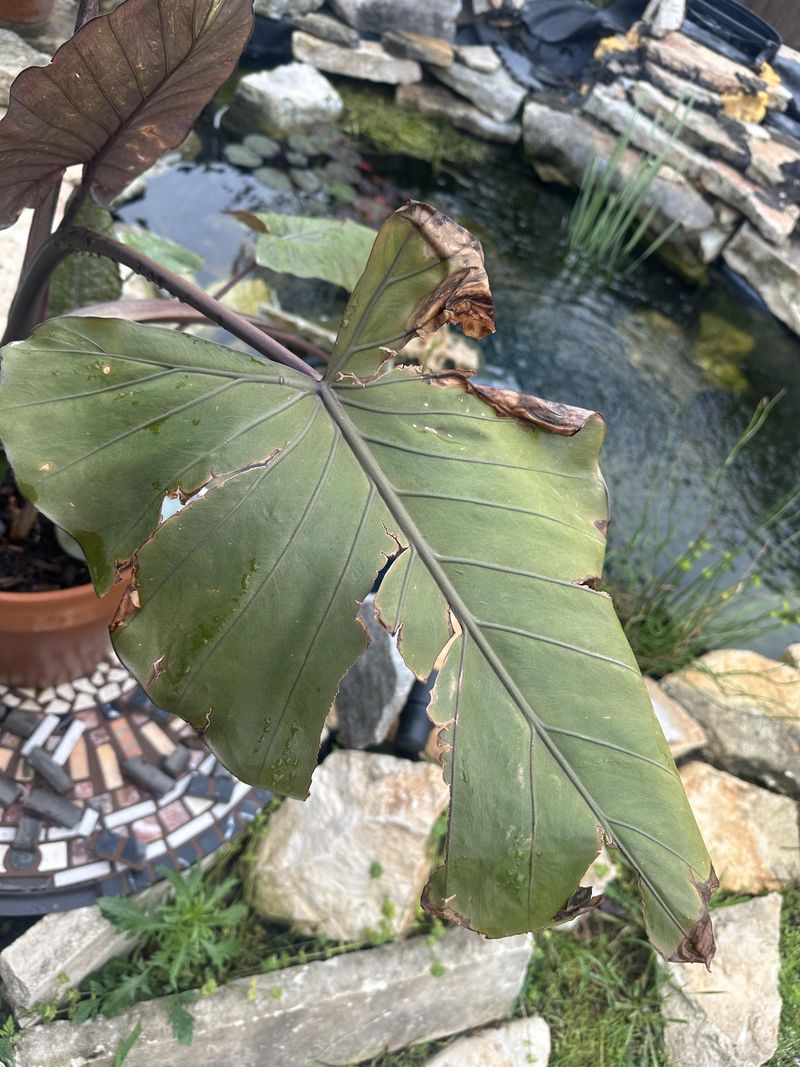
Big, thin, floppy leaves suffer worst under these conditions. Banana, canna, and elephant ear leaves tear along their veins into ribbons after a gusty stretch lasting just a day or two.
Your California Garden Changes Every Week. Your Plan Should Too.
Gardening in California changes quickly throughout the season. Every Friday you’ll receive a simple weekly plan showing exactly what to plant, prune, fertilize, harvest, and protect so you never miss the right timing.
The plant is not sick in this case, despite how alarming the damage might look to an unfamiliar gardener walking past it. It has simply been through a blender of sorts, courtesy of the local wind patterns.
Examine the ragged edges carefully when checking for this pattern. Fresh tears look pale and slightly wet at first, then the exposed margin browns and hardens into a dry, necrotic rim over the following days.
Heat damage never produces clean rips like this at all. Scorch from high temperatures starts as discoloration along intact margins and creeps inward, leaving the leaf whole but browned rather than shredded.
Run a finger along the edge to test the difference between the two types of damage. Smooth and brown suggests heat. Jagged and torn suggests wind damage instead.
Give tender broadleaf plants a lee spot behind a fence or tougher shrub nearby to shield them. A temporary burlap screen through spring gust season costs little and saves considerable foliage.
3. Heat Stress Shows Up More Evenly
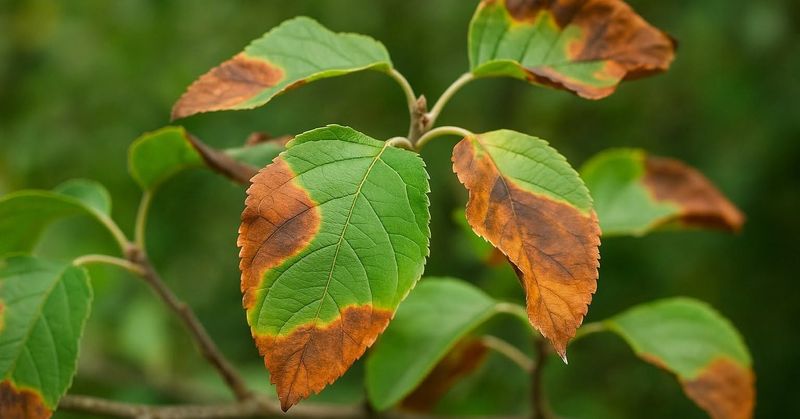
Symmetry is the tell here worth checking for first when trying to sort out what actually happened to a struggling plant sitting in the yard.
A plant cooked by a triple-digit stretch usually looks equally unhappy from every angle around it, since hot air surrounds the whole canopy rather than hitting one side.
UC ANR materials describe heat stress producing wilting, marginal scorch, and leaf drop across the plant, with the worst symptoms showing up on the newest and most exposed growth available.
Container plants show this most clearly of all the examples available to home gardeners. A nursery pot on a hot patio bakes from all directions at once, cooking roots right along with leaves.
Check timing as another clue worth considering carefully when making your diagnosis. Heat symptoms bloom within a day or two of a documented heat wave passing through the region.
Wind damage builds slowly across weeks instead and picks on the exposed plants while sheltered neighbors stay pristine throughout that same stretch of time without much visible change.
Scorch from heat typically begins right at the leaf margin and moves toward the midrib, leaving a band of brown with a green center still intact in the middle.
Tips brown first on long, narrow leaves like Japanese maple during a heat event affecting the whole yard at once, hitting multiple species simultaneously rather than just one exposed shrub.
Shade cloth rated around thirty to forty percent, applied during the hottest hours of the afternoon, can prevent most of this damage from occurring at all if put up in time.
4. Curling Rolling Leaves Suggest Heat
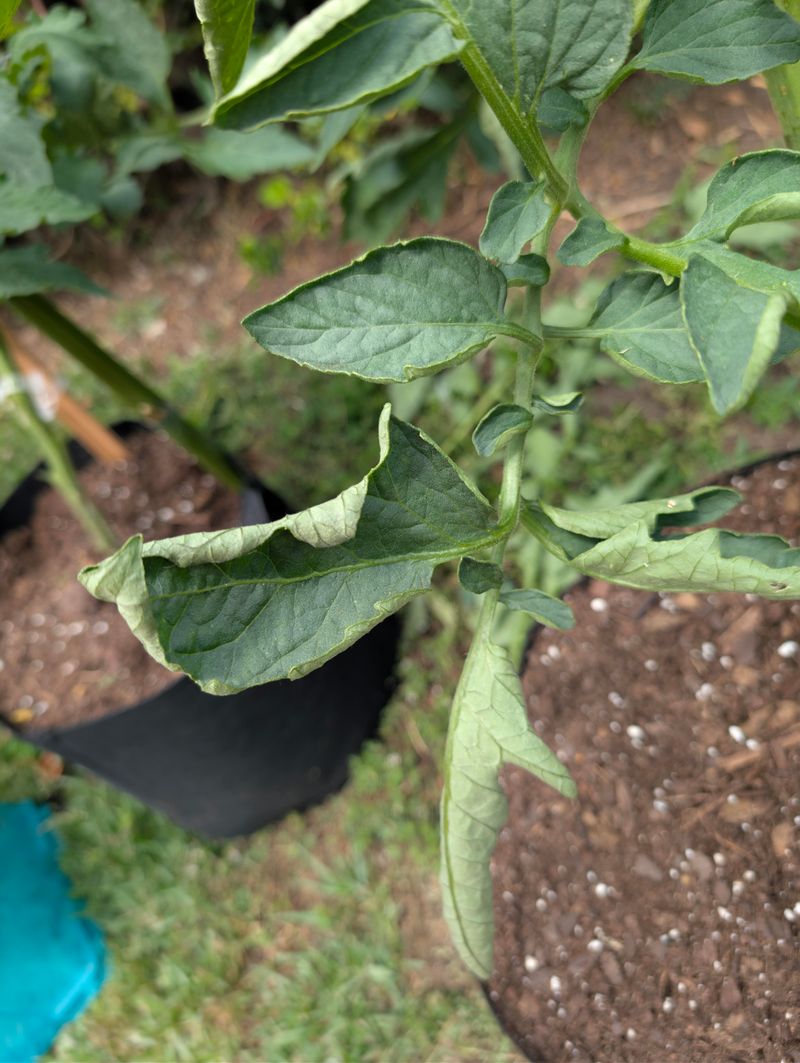
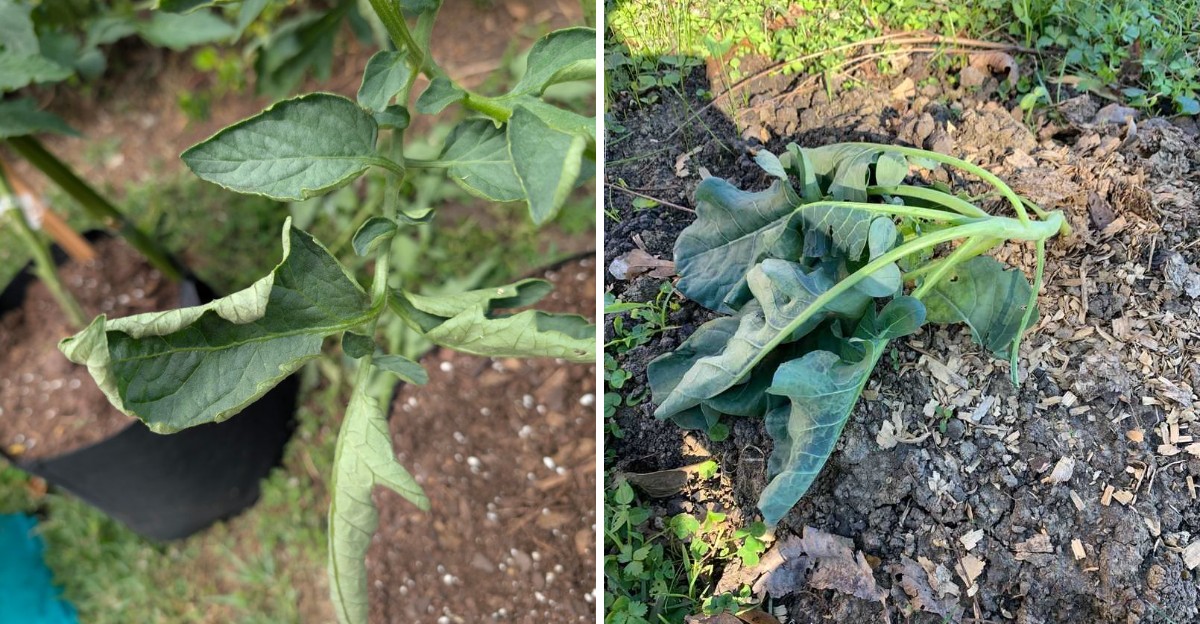
Tomato growers know the look well from years of experience watching their plants through hot summer afternoons. Leaves roll up along their edges like little tacos, then flatten out again overnight.
Rolling is a defensive move on the plant’s part, not an injury at all, despite how alarming it might look at first glance to someone unfamiliar with the behavior.
Plants curl foliage to shrink the surface area exposed to sun and moving air, which cuts water loss through the stomata directly and helps the plant conserve moisture during peak heat.
Wind does not trigger this response in the same way at all. Gusts bend, flatten, and tear leaves rather than making them roll neatly along their own veins the way heat stress does.
Take note of when the curling appears throughout the day, since timing offers a real clue here. Heat-driven rolling intensifies between noon and five o’clock, then relaxes overnight as temperatures drop.
Curling that stays locked in place around the clock points elsewhere instead, possibly toward root problems or other issues worth investigating separately rather than assuming heat is the only factor involved.
Curling alone is not an emergency in most cases worth panicking over. A rolled leaf is a plant conserving itself, which is smart behavior overall rather than a sign of serious trouble.
Deep, infrequent watering in the early morning helps more than daily sprinkles ever could manage on their own during a heat event, since it builds a real moisture reserve underground.
Adding compost improves water-holding capacity in sandy California soils considerably, particularly across the Central Valley and desert regions where drainage runs fast and moisture disappears quickly.
5. Sandblasted Texture Means Wind
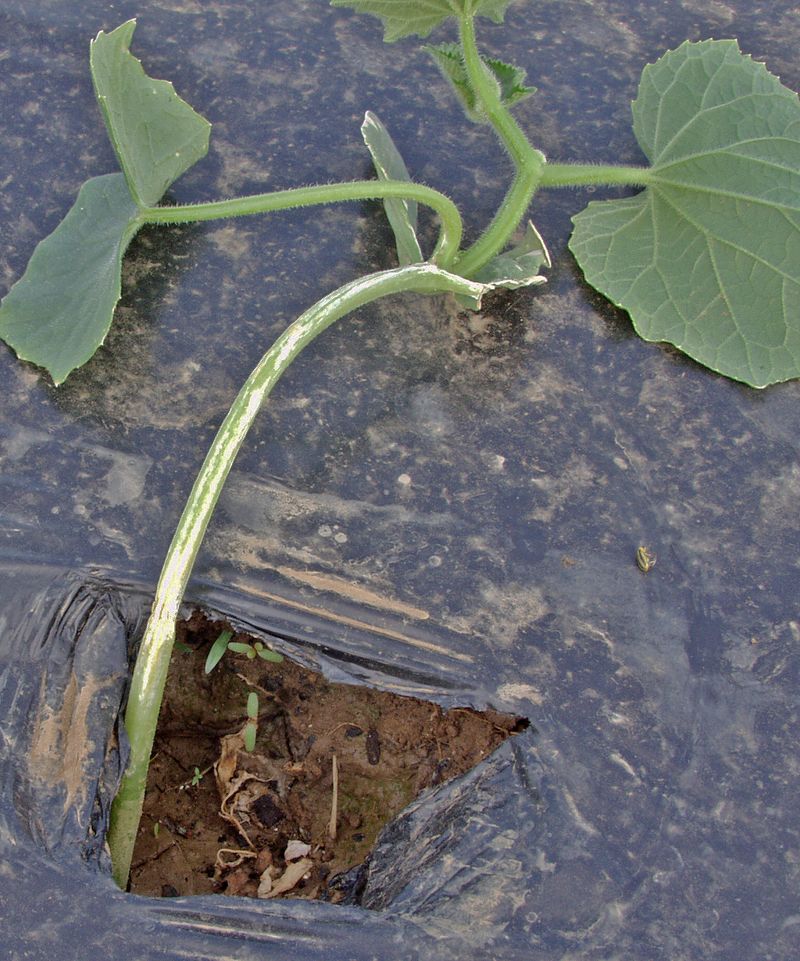
Run your fingertips across a suspicious leaf carefully to check its texture. If the surface feels rough, dull, and pitted instead of smooth, windborne grit has scoured it repeatedly over time.
Gardens near beaches, dry lake beds, and desert edges get the worst of it during particularly windy stretches throughout the year, especially in exposed locations without much natural shelter nearby.
Damage starts microscopically in these cases, invisible at first to a casual glance. Sand and dust strip away the waxy cuticle that seals moisture inside the leaf tissue itself over repeated exposure.
Once that protective layer is gone, water escapes faster and pathogens find easier entry points into the plant’s internal structure, compounding the original wind damage with secondary problems later.
Visually, sandblasted foliage looks faded or silvery gray, sometimes with tiny brown speckles scattered across the upper surface of each affected leaf throughout the exposed portion of the plant.
People often mistake it for spider mite stippling or ordinary dust buildup sitting on the surface without doing any real damage. Rinse a leaf with water to check which problem you are actually facing.
Mite damage and abrasion stay put after rinsing thoroughly with clean water. Ordinary dust washes off easily though, telling you which problem you are actually dealing with fairly quickly.
Solid walls are not the answer here, since they create turbulence on the far side that can sometimes make wind damage worse rather than better for plants positioned nearby.
Permeable barriers work better at filtering wind speed instead, cutting it down gradually rather than blocking it outright and creating that turbulent problem zone just past the wall.
6. Evening Recovery Points To Heat Stress
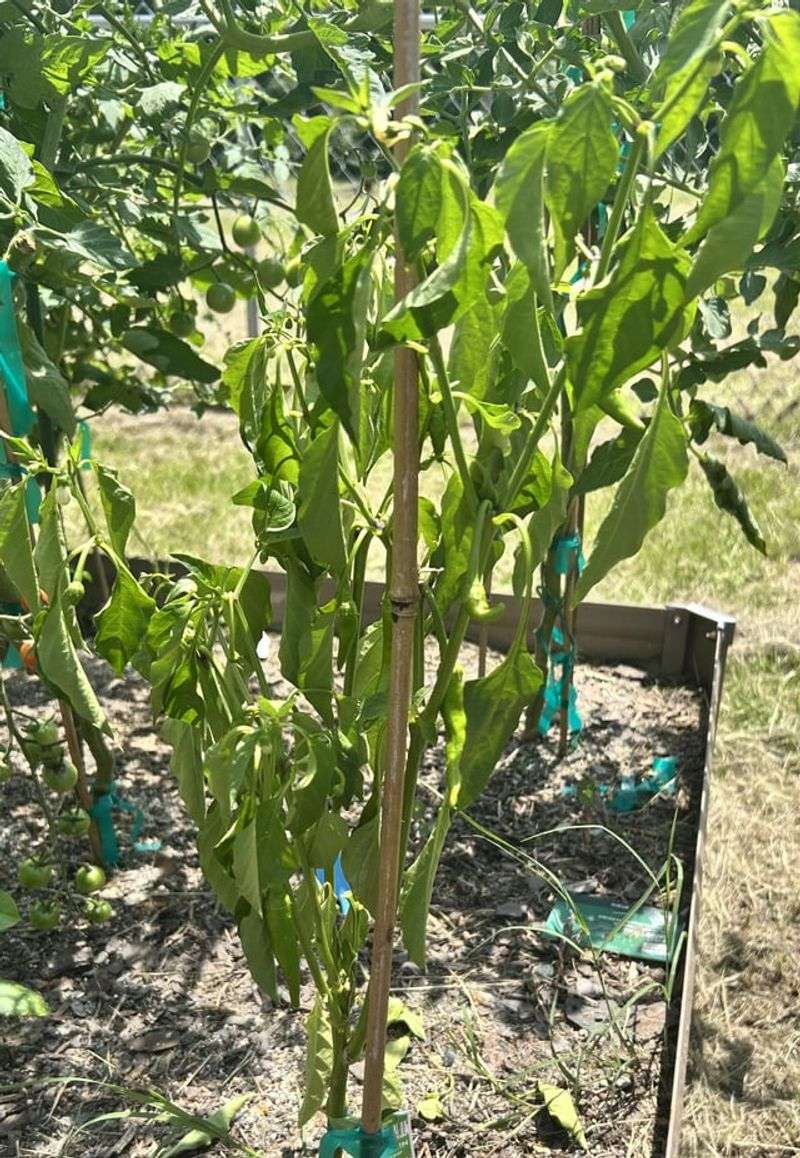
Sunset is your free diagnostic tool for sorting out this whole puzzle without spending any money on tests or consultations. Visit the same plant twice, once at four in the afternoon and again later.
A heat-stressed plant that flopped in the heat often stands back up as temperatures fall during the evening hours that follow sunset, recovering its normal shape within an hour or two.
Transient wilting happens because leaves lose water faster than roots can pull it up, even in moist soil sitting right there ready to be absorbed by the thirsty root system.
Wind damage does not reverse itself though, unlike heat stress recovery. Torn tissue stays torn, and browned margins stay brown permanently once the mechanical damage has already occurred on the leaf surface.
Keep a simple log if you want certainty about what you’re actually observing over several days rather than relying on memory alone to track the pattern.
Snap a phone photo at the same two times for three days running, comparing the images side by side to spot patterns that might otherwise be easy to miss.
One caution worth keeping in mind here involves plants that never seem to recover at all. A plant that stays wilted into the evening is telling you something more serious is going on beneath the surface.
Root rot, severe drought, or vascular disease can all prevent recovery entirely, masking themselves as simple heat stress until you check more carefully for other underlying causes.
Check soil moisture four inches down before assuming the worst outcome, since a quick check can rule out simple dehydration before you start worrying about more serious problems.
7. Check Which Side Faces The Wind
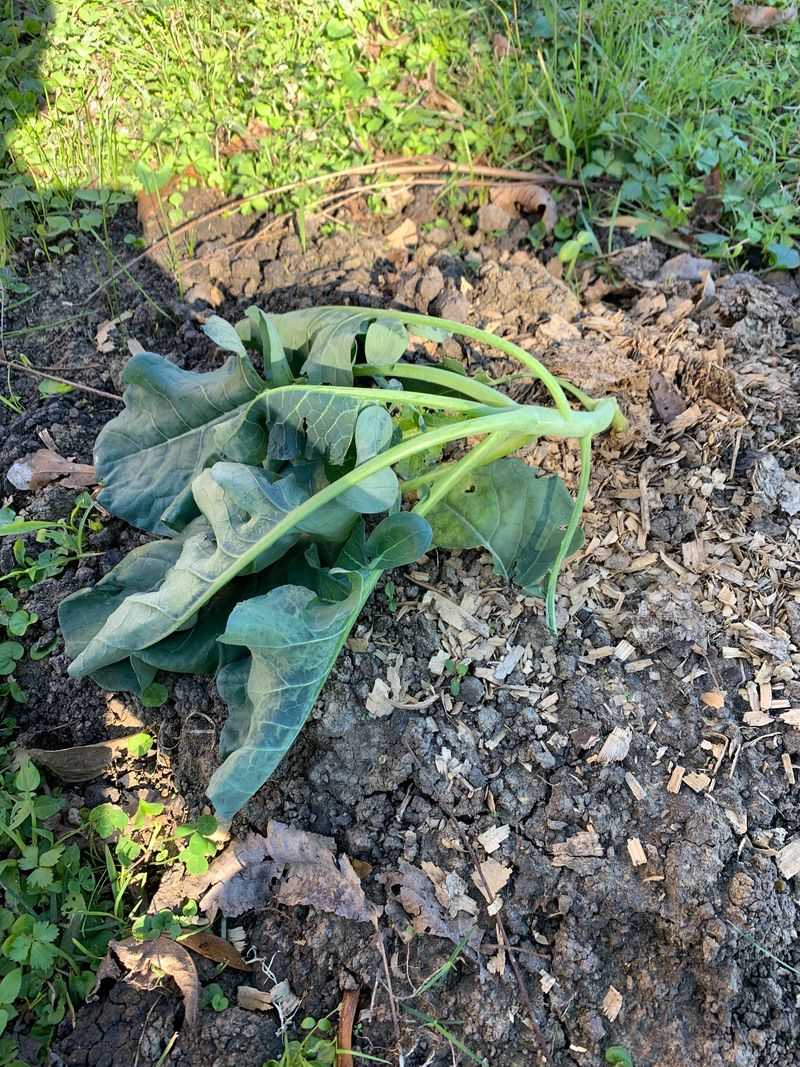
Tie a strip of surveyor tape or an old ribbon to a stake near the troubled plant for a simple, cheap diagnostic tool that costs almost nothing to set up.
Check it for a week at different hours throughout each day to get a real sense of the pattern developing around your specific yard and its unique layout.
Whichever way it streams most often is your prevailing wind direction, and that single piece of information reorganizes everything else you have observed about the damage pattern so far.
Compare that direction to the damage map you have built up through careful observation over the past several days of checking the plant from every angle.
Local wind patterns vary wildly across the state depending on where exactly you happen to be gardening this particular season, since geography shapes airflow in surprisingly specific ways.
Coastal towns get steady onshore afternoon flow consistently, arriving like clockwork each day around the same general time window regardless of the broader weather pattern.
Inland valleys near the delta catch strong westerlies moving through on a predictable schedule too, often peaking in the afternoon just as temperatures climb toward their daily maximum.
Remember that the two stressors feed each other throughout a typical California season, compounding rather than staying separate. Moving air strips moisture from leaves faster than still air would under the same temperature.
Treat accordingly based on what you find during your investigation. Wind calls for permeable screens and sturdier species suited to exposed conditions. Heat calls for deeper irrigation and afternoon shade during extreme events.