What It Means When You Keep Seeing Rabbits In Your Texas Garden
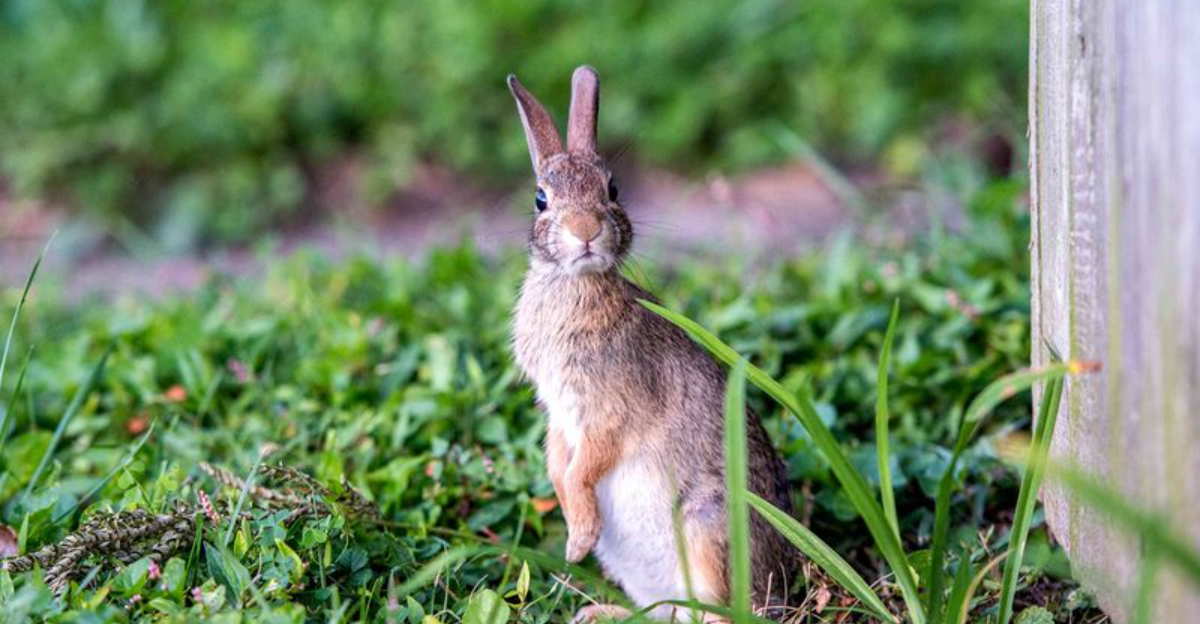
Rabbits in a Texas garden start out charming and then, for most gardeners, stop being charming with impressive speed. The first sighting near the bed is a pleasant moment.
The morning you find your lettuce gone, your young pepper plants nipped off at the base, and several weeks of careful work undone overnight, the relationship changes considerably.
But if you keep seeing rabbits in your Texas garden with regularity, they’re not showing up by accident.
Something specific is bringing them back, and understanding what that is gives you a genuine advantage in managing the situation rather than just reacting to the damage after the fact.
Rabbits are selective foragers that return to the same locations when those locations consistently provide what they need.
A garden that keeps attracting them is offering specific resources that the surrounding landscape apparently isn’t providing with the same reliability.
Beyond the practical, rabbits carry rich symbolic meaning across many of the cultural traditions that run deep in Texas life, and a rabbit that keeps returning prompts a reflection that goes beyond pest management for a lot of gardeners.
1. Your Garden Has Become A Reliable Food Source
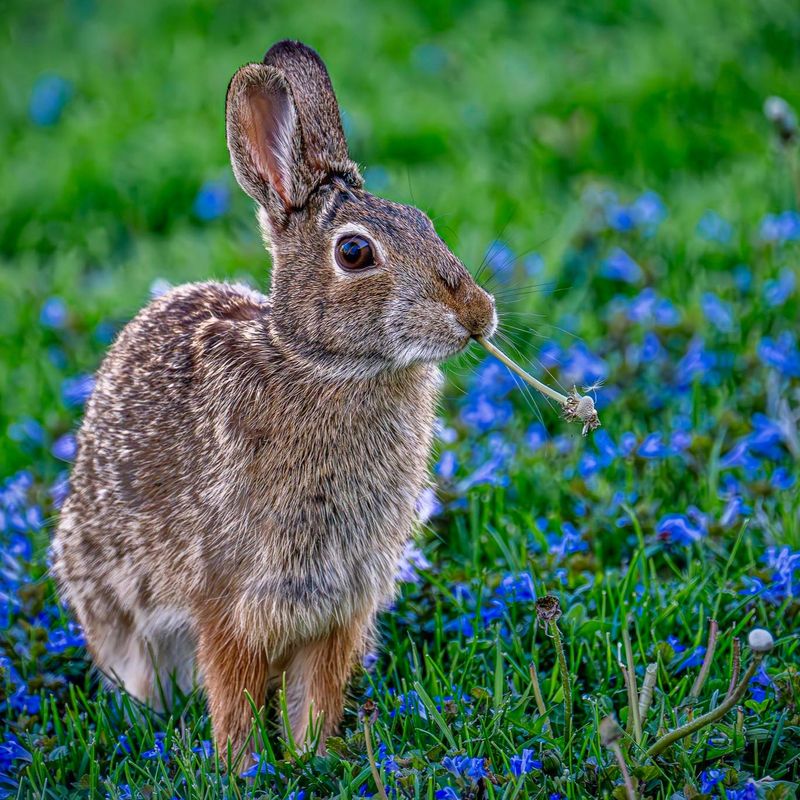
Picture this: a fluffy cottontail crouching low between your tomato plants, happily chewing away before you even finish your morning coffee. If rabbits are visiting your garden over and over again, food is almost always the main reason.
Texas cottontails are not picky eaters, and your garden is basically a buffet. Rabbits love tender greens more than almost anything else. They go after young vegetable seedlings, leafy herbs, clover, grasses, and soft flower stems.
Newly planted gardens are especially attractive because the plants are young, low to the ground, and easy to reach. A rabbit that finds food once will absolutely come back again.
Repeated visits usually mean the rabbit has figured out your garden is a reliable spot. Animals are creatures of habit, and once a food source is discovered, they return on a schedule.
You might notice them showing up around the same time each day, especially in the early morning or evening hours.
Keeping your garden less appealing starts with removing easy food access. Try harvesting vegetables as soon as they are ready.
Pull weeds and clover from the edges of your garden beds. Remove fallen fruit or leftover plant debris from the ground quickly.
These simple habits make your garden a less attractive stop on a rabbit’s daily route.
You do not have to give up gardening to deal with rabbits. Small changes in how you manage your space can make a real difference. The goal is to reduce the reward they get from visiting, which naturally discourages them from returning so often.
2. There Is Good Cover Nearby
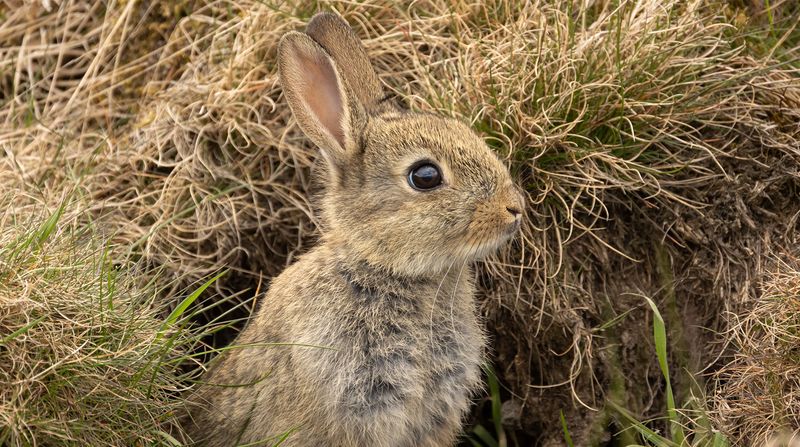
Rabbits are prey animals, which means they spend most of their lives watching out for something bigger that might want to catch them. Because of that, they never stray too far from a hiding spot.
If you keep seeing rabbits near your garden, there is a good chance excellent cover is close by.
Your Texas Garden Changes Every Week. Your Plan Should Too.
Gardening in Texas changes quickly throughout the season. Every Friday you’ll receive a simple weekly plan showing exactly what to plant, prune, fertilize, harvest, and protect so you never miss the right timing.
In Texas yards, common hiding spots include thick shrubs, overgrown fence lines, brush piles, ornamental grasses, and low-growing ground cover plants. Even a small patch of dense vegetation can give a rabbit enough confidence to feed nearby.
They feel safe when they can dart into cover within just a few seconds. This behavior is deeply wired into their instincts. A rabbit in an open space is a nervous rabbit.
But a rabbit near thick shrubs? That one will stick around and eat at a comfortable pace. Your garden sitting close to a dense hedge or bushy corner of the yard is practically an invitation.
You can use this knowledge to your advantage. Trimming back overgrown shrubs and keeping the edges of your yard tidier reduces the number of hiding spots available.
When rabbits feel exposed near your garden, they are less likely to linger. Clearing brush piles and keeping grass mowed short around garden beds also helps.
That said, completely clearing all vegetation from your yard is neither practical nor necessary. Focus on the areas directly surrounding your garden.
Creating a small buffer of open space around your beds gives rabbits less confidence and fewer reasons to treat your garden like their personal dining room.
3. A Nest May Be Close To The Garden
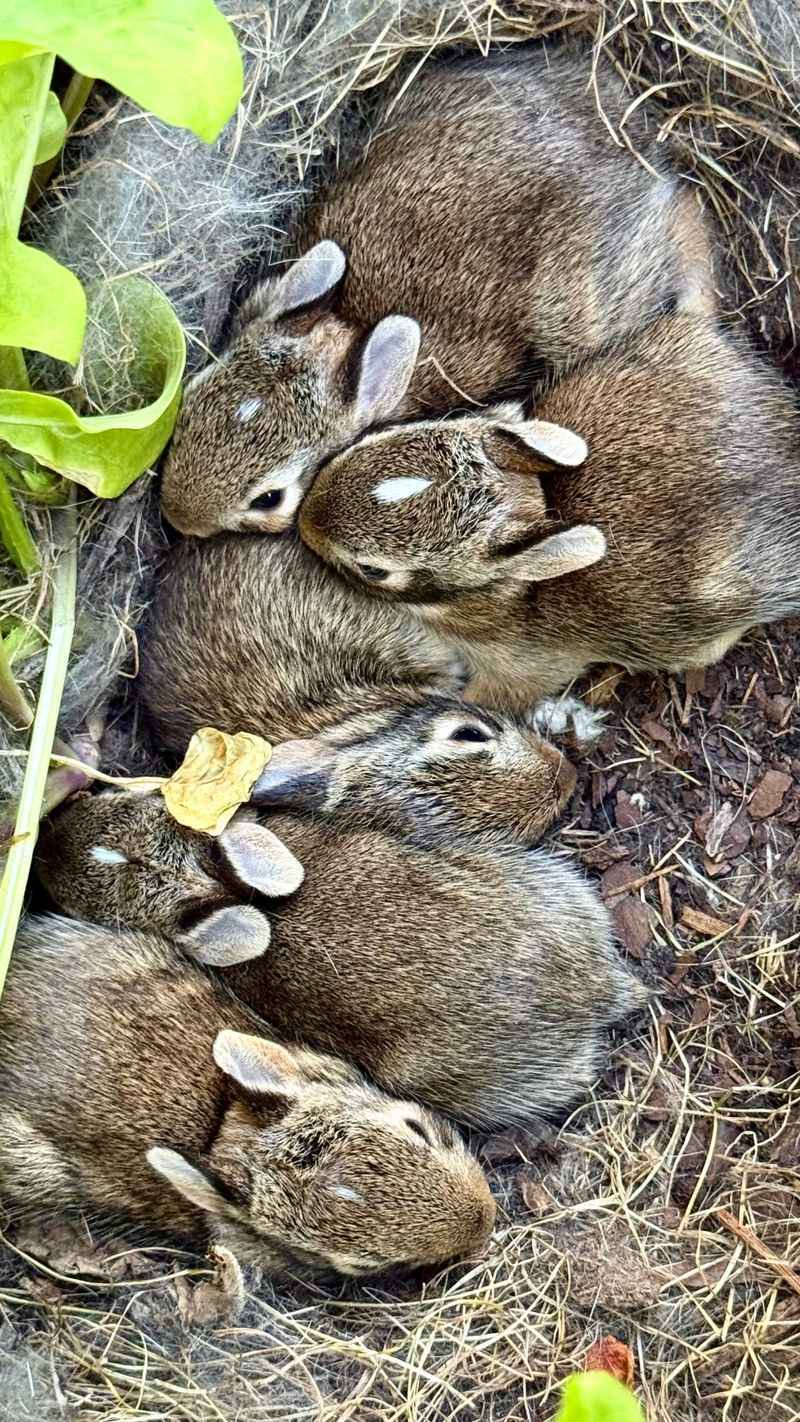
Here is something most gardeners do not realize: if you keep seeing the same rabbit in roughly the same area day after day, there might be babies nearby. Eastern cottontails nest surprisingly close to human activity, and Texas yards are a common nursery spot.
The mother rabbit does not stray far from her nest. Cottontail nests are easy to overlook. They are shallow depressions in the ground, often lined with dry grass and soft fur.
The mother covers the nest with plant material to hide it from view. You could walk right past one and never notice it.
Common spots include the base of shrubs, along fence lines, under garden beds, or in patches of tall grass.
A mother rabbit visits her nest only a few times a day, usually at dawn and dusk, to avoid drawing attention to its location.
So seeing one rabbit repeatedly near a specific spot is worth paying attention to. She is not just wandering; she has a reason to stay close.
If you suspect a nest is nearby, move carefully through your yard and watch where you step. Avoid mowing in areas where you have seen repeated rabbit activity until you have checked for a nest.
Young cottontails grow fast and typically leave the nest within three to four weeks, so the situation usually resolves on its own quickly.
Nesting rabbits are harmless to people and pets when left alone. Giving them a little space for a few weeks is usually all that is needed.
Most gardeners find the experience surprisingly sweet once they realize what is happening right in their own backyard.
4. Morning And Evening Activity Is Normal
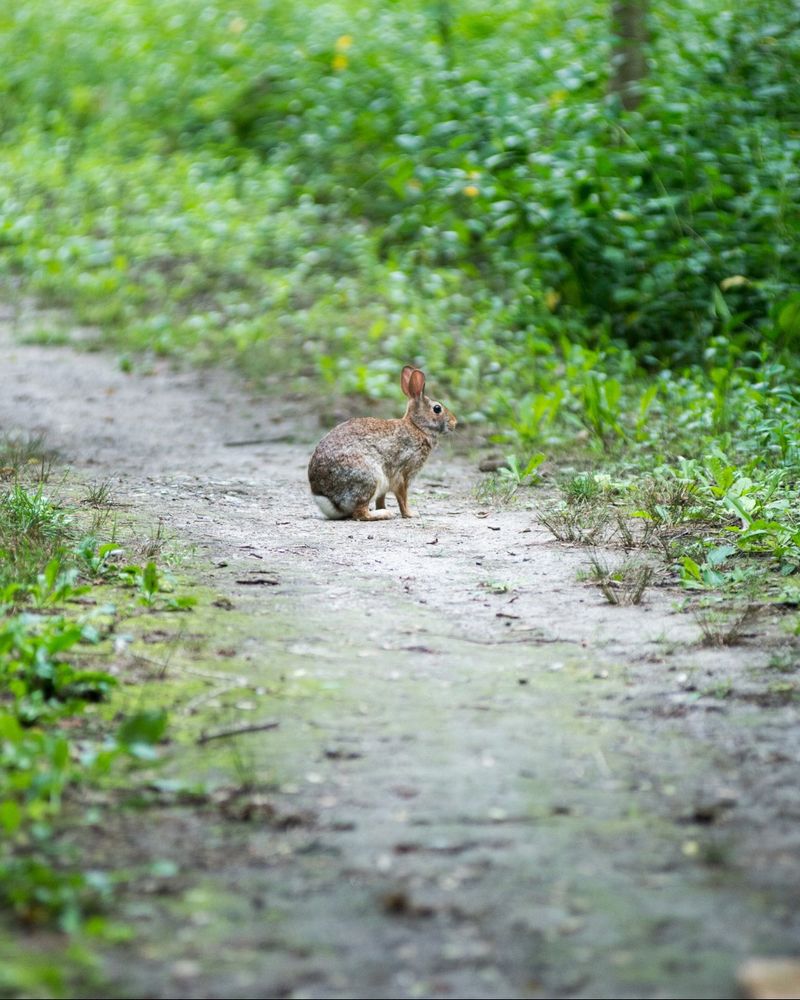
Ever notice that rabbits seem to appear out of nowhere right after sunrise or just before dark? That is not a coincidence.
Cottontails are crepuscular animals, which is a fancy word for animals most active during twilight hours. If your rabbit sightings happen at those times, you are simply witnessing normal rabbit behavior.
During the hottest parts of a Texas day, rabbits rest in shaded spots or shallow depressions in the ground called forms. They tuck themselves under shrubs or into dense vegetation to stay cool and safe.
As temperatures drop in the late afternoon, they become active again and start feeding. Texas summers make this pattern even more pronounced because midday heat is intense.
Seeing a rabbit at 7 a.m. or 7 p.m. is not a sign that something unusual is going on. Many gardeners worry when they start noticing a rabbit at the same time every day, thinking the animal has somehow claimed their yard.
In reality, that regular schedule is just how rabbits naturally operate. This timing information is actually useful for gardeners. If you want to observe rabbit activity without disturbing the animals, step outside during those early and late hours.
You will get a much better sense of how many rabbits are visiting and which parts of your garden they prefer. That knowledge helps you decide where to focus your protection efforts.
Regular sightings at dawn and dusk are not automatically a cause for concern. Pay more attention to the condition of your plants than the time of day you spot a rabbit. Plant damage is the real signal that action might be needed, not the sightings themselves.
5. Your Yard May Be Part Of Their Home Range
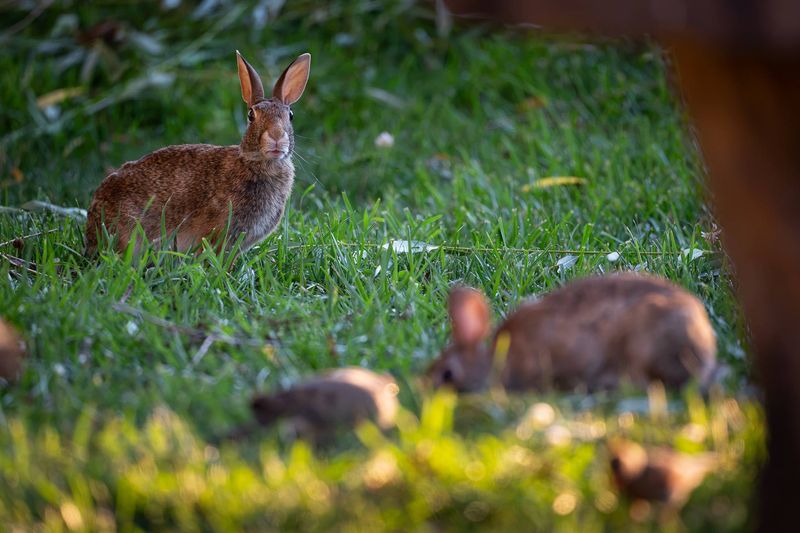
Rabbits are creatures of routine in a way that might surprise you. Eastern cottontails do not wander randomly across large territories.
Instead, they use a relatively small home range and stick to familiar paths, feeding spots, and resting areas. If one rabbit keeps showing up in your yard, your property is likely part of its established routine.
A typical cottontail home range in a suburban Texas neighborhood covers only a few acres. Within that space, the rabbit learns exactly where the good food is, where the safe hiding spots are, and which routes offer the quickest escape from danger.
Your garden may be just one stop on a daily loop the rabbit has been running for weeks or even months.
This is why the same rabbit seems to appear over and over. It is not dozens of different rabbits passing through; it is often just one or two individuals who have claimed your yard as part of their regular territory.
Cottontails are not territorial in an aggressive way, but they do form strong habits around familiar spaces.
Knowing this helps set realistic expectations. Removing one rabbit from the area does not necessarily solve the problem long-term, because the habitat that attracted it in the first place is still there.
Another rabbit will likely discover the same resources eventually. The more effective approach is modifying the environment itself.
Reducing food access, cutting back cover vegetation near garden beds, and adding physical barriers are all strategies that address the root cause.
Making your yard less rewarding breaks the habit loop and discourages rabbits from including your garden in their regular rounds.
6. Your Plants May Need Protection Soon
Clean, angled cuts on plant stems near the ground are one of the clearest signs a rabbit has been at work in your garden. Unlike insects that chew ragged holes in leaves, rabbits bite through stems cleanly, almost like scissors.
If your seedlings are vanishing overnight or your young plants look like they were trimmed with a sharp tool, a rabbit is the likely culprit.
Common targets in Texas gardens include lettuce, spinach, beet greens, young pepper plants, bean seedlings, and soft herbs like basil and parsley.
Rabbits also go after marigolds and other flowering annuals, which frustrates a lot of gardeners who plant flowers to brighten up their beds.
The damage often appears suddenly and can wipe out a whole row of seedlings in just one or two nights.
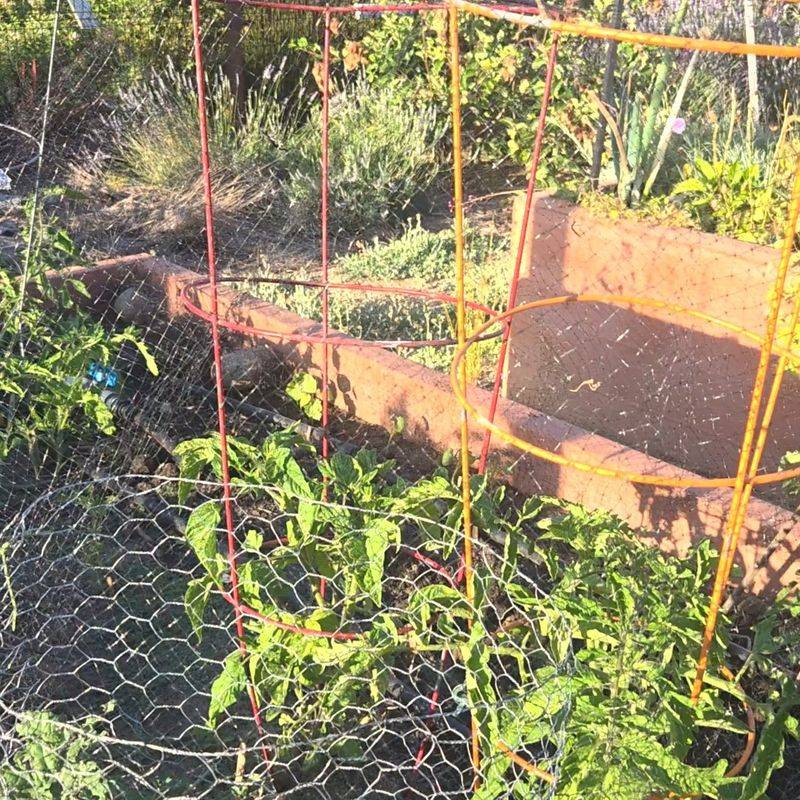
The good news is that protecting your plants does not have to be complicated or expensive. Low fencing made of chicken wire or hardware cloth is one of the most reliable solutions available.
A fence only two feet tall is enough to keep most cottontails out, because they prefer to go around barriers rather than jump over them. Make sure the bottom edge is buried a few inches into the soil so they cannot push under it.
Individual wire cages placed over transplants and seedlings also work very well. They are easy to move, reusable season after season, and allow sunlight and rain to reach your plants without any problem.
Repellent sprays are available but tend to wash off after rain and need frequent reapplication. Physical barriers are simpler, longer-lasting, and more dependable for consistent plant protection throughout the growing season.