The Summer Annual Grass Quietly Overtaking Pennsylvania Garden Beds Every August
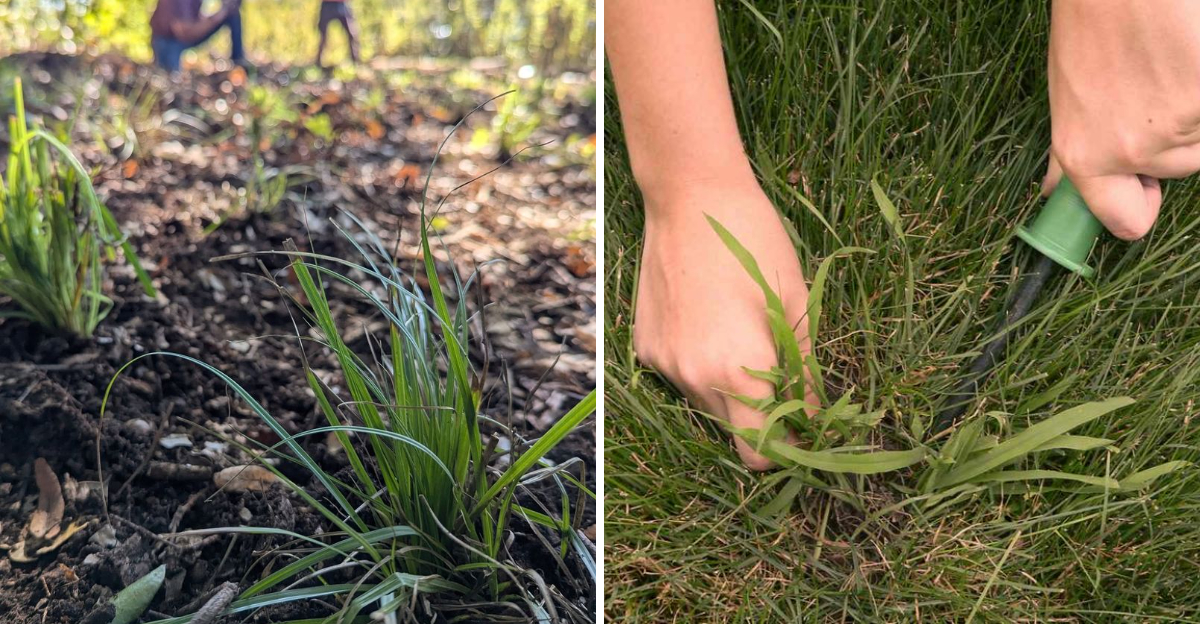
Every August, an uninvited grass begins showing up in Pennsylvania garden beds across the state. It starts at the edges, works its way under established plants, and spreads with a quiet efficiency that most gardeners don’t fully register until it’s well ahead of them.
By the time it becomes unmistakable, it has usually been there longer than anyone realized, and removal has become a considerably bigger project than it needed to be. It blends in at first. That’s exactly what makes it so effective.
The fine texture and upright growth can make this grass easy to overlook in the early stages, especially when it’s threading through the base of ornamentals and perennials where close inspection doesn’t always happen.
But let it go through August without addressing it and the root system it builds makes late season removal genuinely frustrating.
Understanding what this grass is, how it spreads, and why August is its strongest month gives Pennsylvania gardeners a real advantage in stopping it before it takes over.
Crabgrass Becomes Hard To Miss By August
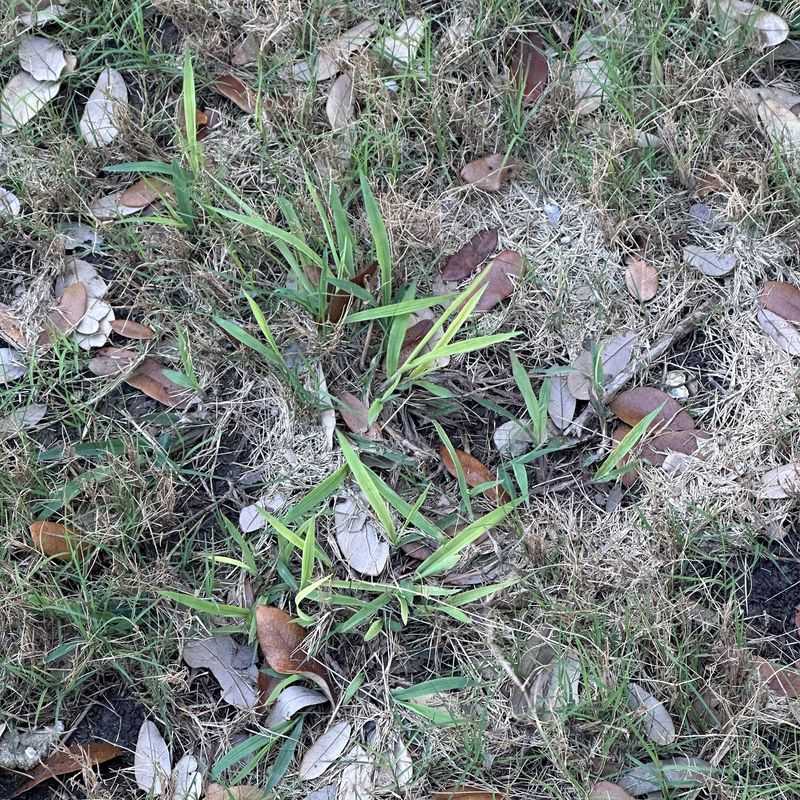
Walk through any Pennsylvania garden bed in August and you will probably spot it right away. Crabgrass grows flat and wide, with thick stems that stretch outward from a central point.
It looks almost like a star shape pressed against the ground. By midsummer, it can be big enough to crowd out flowers, vegetables, and even small shrubs.
Crabgrass is a warm-season annual grass, which means it sprouts from seed each year and grows most aggressively when temperatures are high. Unlike cool-season grasses that slow down in summer heat, crabgrass loves it.
The hotter and sunnier the days, the faster it grows. That is why August is when it really stands out in garden beds across the state.
One thing that surprises many gardeners is just how large a single crabgrass plant can get. A mature plant can spread up to two feet wide in open soil.
It roots at the nodes along its stems, which helps it anchor itself firmly into the ground. Pulling it out once it reaches this size takes real effort.
Recognizing crabgrass early is helpful, but even late-summer identification gives you useful options. Look for coarse, light-green leaves that are wider than typical lawn grass.
The stems tend to be thick and slightly hairy. Seed heads appear at the tips of the stems, looking like small fingers spread outward.
Once you know what you are looking for, you will start spotting it everywhere in late summer. Getting familiar with how it looks is your first step toward managing it better next season.
It Starts Earlier Than Most Gardeners Realize
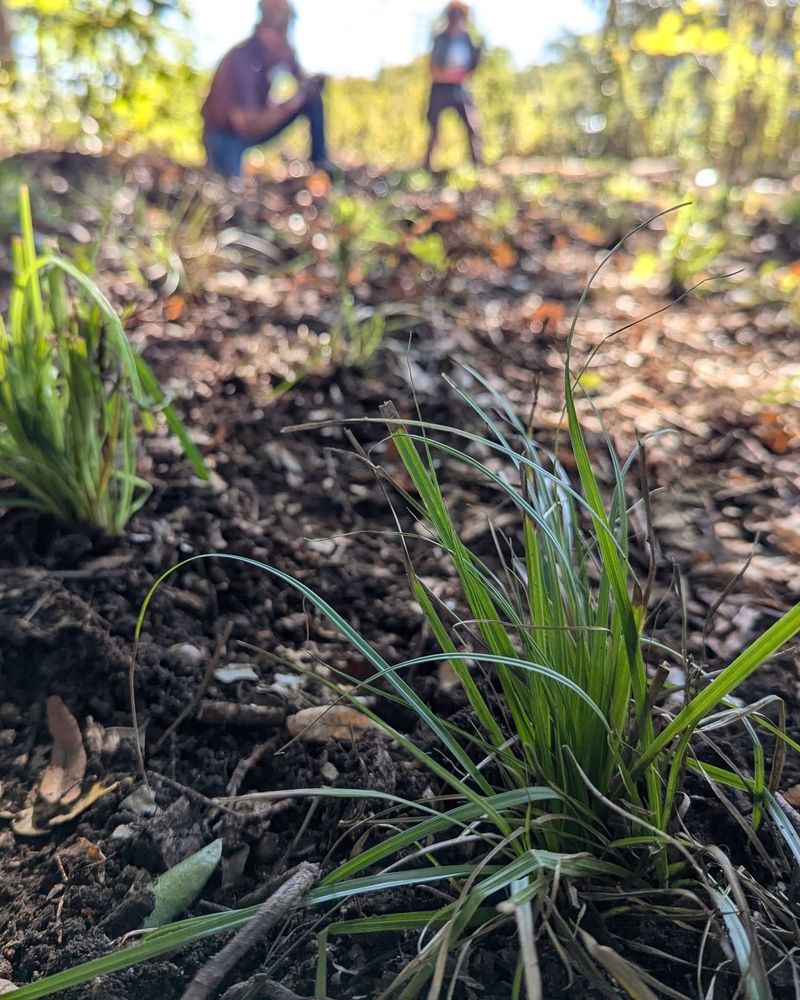
By the time crabgrass looks big and obvious in August, it has actually been growing for months. Most people do not realize that the problem starts back in spring.
Crabgrass seeds begin to germinate when soil temperatures reach around 55 to 60 degrees Fahrenheit consistently. In Pennsylvania, that usually happens sometime between late April and early June, depending on the year.
Your Pennsylvania Garden Changes Every Week. Your Plan Should Too.
Gardening in Pennsylvania changes quickly throughout the season. Every Friday you’ll receive a simple weekly plan showing exactly what to plant, prune, fertilize, harvest, and protect so you never miss the right timing.
Those tiny seedlings are easy to miss. They start out small and blend in with other young plants and soil debris.
Without a close look, most gardeners walk right past them. By the time the plants get noticeable, they have already built strong root systems and are preparing to produce seed.
Understanding this timeline changes how you approach the problem. If you wait until August to act, you are already dealing with established plants.
That makes removal harder and less effective. Catching seedlings early in spring, when they are still small and shallow-rooted, is much easier.
A quick hand-pull or a light hoe passes over the soil can remove dozens of young plants before they get a foothold.
Keeping a close eye on your garden beds starting in May is a smart habit. Check bare spots and recently disturbed soil first, since those areas are prime germination zones.
Early action in spring pays off big in summer. Even removing half the young plants before they mature means fewer seeds dropping into your soil come fall.
That directly reduces how bad the problem will be next August. Timing really is everything when it comes to managing this persistent warm-season grass in Pennsylvania gardens.
Bare Soil Gives It An Easy Opening
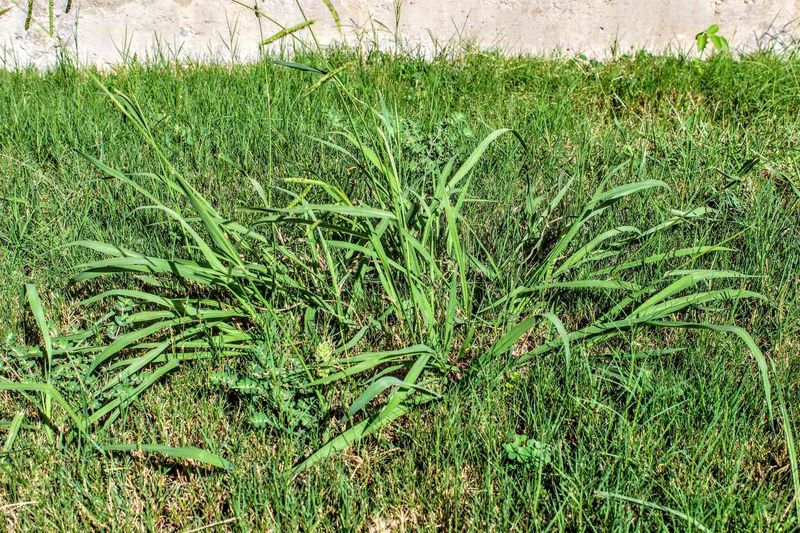
Crabgrass is an opportunist. Give it bare soil, a little warmth, and some sunlight, and it will move right in.
That is why garden beds with thin mulch or recently disturbed ground tend to have the worst crabgrass problems. Any time soil gets exposed, whether from digging, planting, or just mulch breaking down, it becomes an open invitation.
Disturbed soil is especially vulnerable. When you dig to plant new flowers or vegetables, you bring buried seeds up closer to the surface where they can sprout.
Crabgrass seeds can remain in the soil for years, just waiting for the right conditions. Tilling or turning soil in warm weather often makes crabgrass problems worse rather than better.
Dense planting helps close the gaps that crabgrass loves. When garden plants are spaced close enough to shade the soil between them, it becomes harder for weed seeds to get the light they need to sprout.
Ground covers, low-growing perennials, and thick annuals all help block sunlight from reaching the soil surface. This is a simple but effective way to make your beds less welcoming to crabgrass.
Covered soil is protected soil. A good layer of mulch, about two to three inches deep, keeps the ground cooler and darker, which slows down crabgrass germination.
Organic mulches like shredded bark, wood chips, or straw all work well. Make sure to check your mulch depth regularly throughout the season, especially in areas where foot traffic or heavy rain has thinned it out.
Filling in thin spots quickly keeps your garden beds much better protected against new crabgrass seedlings taking hold.
Pull It Before It Produces More Seed
Here is a number worth knowing: a single crabgrass plant can produce up to 150,000 seeds before the season ends. That is not a typo.
One plant, left to mature fully, can load your garden soil with enough seeds to cause problems for years to come. Getting plants out of the ground before those seeds mature is one of the most effective things you can do right now.
Timing matters a lot here. Crabgrass seed heads typically appear in late summer, usually July through September in Pennsylvania.
Once you see those finger-like seed heads forming at the tips of the stems, the clock is ticking. Seeds can drop into the soil even while you are pulling the plant, so handle mature plants carefully.
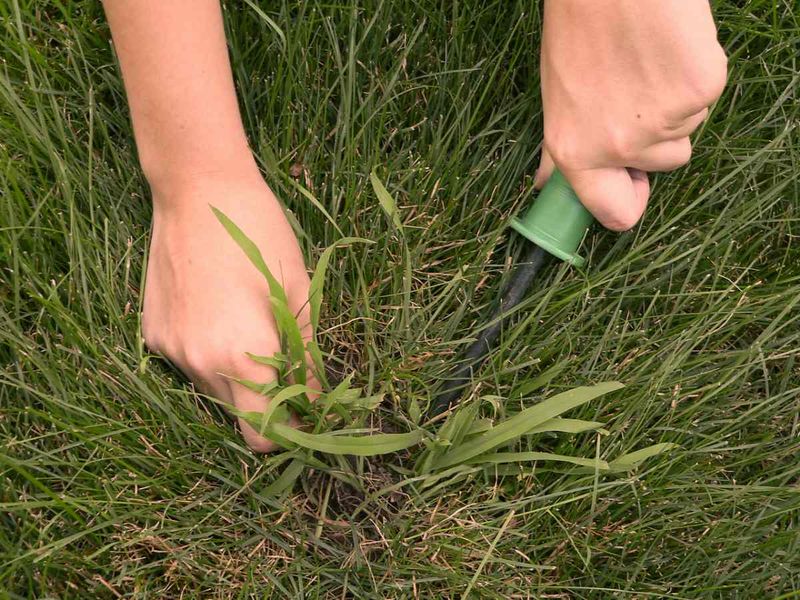
Place them directly into a bag rather than shaking them around. Younger plants are much easier to remove than older ones. Small seedlings pull out cleanly with their roots intact.
Larger plants have rooted at multiple nodes along their stems, making them harder to get out in one piece. Use a hand fork or weeding tool to loosen the soil around the base before pulling.
Getting the root out matters because stems left in the ground can sometimes re-root. After pulling, fill in the bare spot left behind with mulch right away. An empty hole in the soil is just another opening for the next round of seeds to settle into.
You can also fill gaps with a fast-growing ground cover or a new plant to close up the space. Consistent removal throughout the season, even if it feels like a lot of work, genuinely reduces your crabgrass load over time.
Mulch Can Help Slow New Seedlings
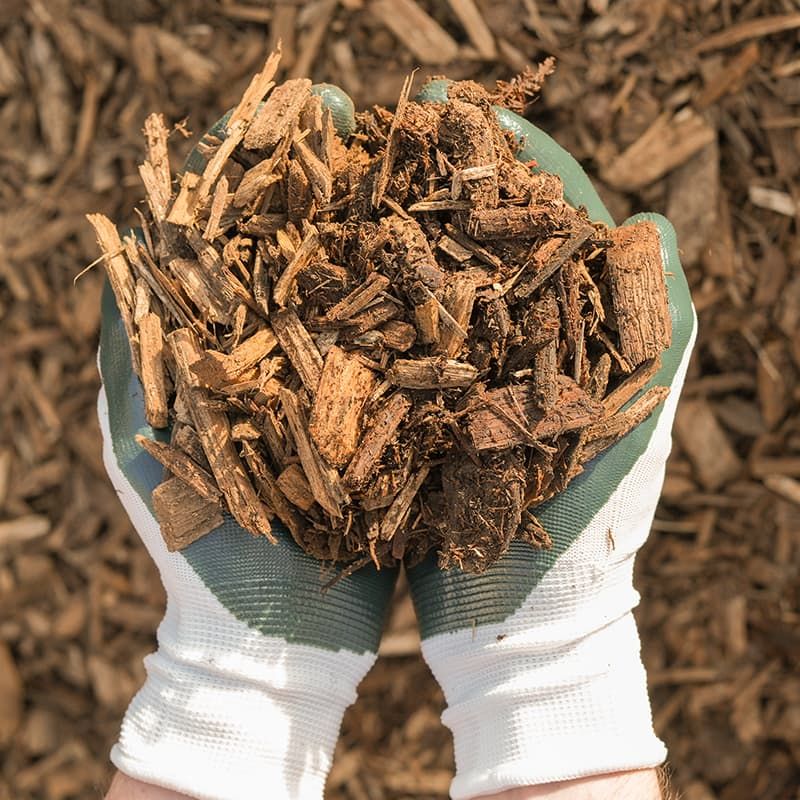
Mulch might be the most underrated tool in the fight against crabgrass. A solid layer of organic mulch does something simple but powerful: it blocks light from reaching the soil surface.
Crabgrass seeds need light to germinate. Without that light, many seeds just sit in the soil and never sprout. That alone can make a noticeable difference in how many new plants appear each season.
The key is keeping that mulch layer consistent and thick enough to actually work. A thin half-inch of mulch will not cut it.
Aim for two to three inches of coverage across your entire garden bed. Shredded bark, wood chips, and pine straw are all good choices.
They break down slowly and stay in place better than lighter materials like dried leaves, which can blow or wash away easily.
Summer heat and rain can break down mulch faster than you might expect. By August, areas that started the season with good coverage may have thinned out considerably.
Walk through your beds and look for spots where the soil is visible. Those are the areas where new crabgrass seedlings are most likely to appear. Reapplying mulch to those thin patches is a quick fix that pays off fast.
Keep mulch a couple of inches away from the base of your plants and any woody stems. Piling mulch directly against plant stems can trap moisture and lead to rot.
Done correctly, a fresh layer of mulch applied now can slow down late-season crabgrass sprouting and also help your garden retain moisture during the remaining hot weeks of summer. It is a small effort with a solid payoff for your garden beds.
Prevention Matters More Than Late-Summer Rescue
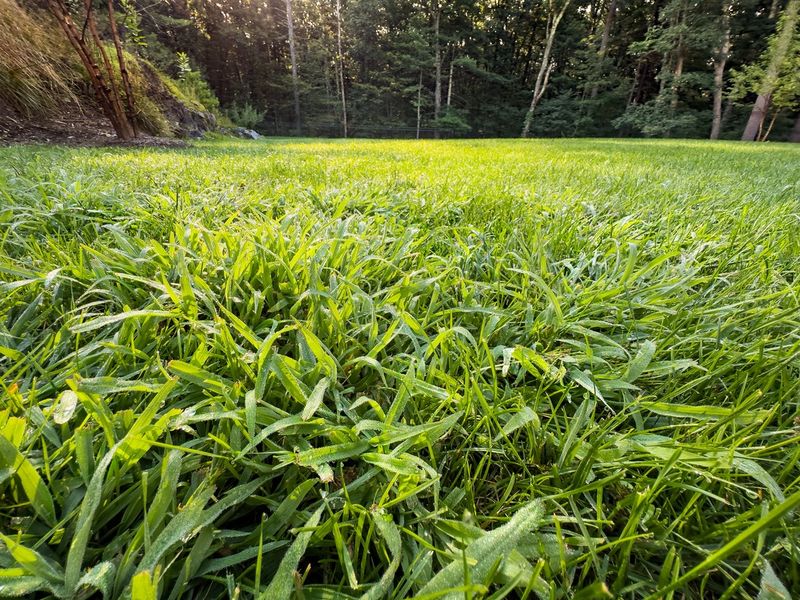
Late August is a tough time to get the upper hand on crabgrass. By now, plants are large, seeds are forming, and hand removal gets harder with every passing week.
That does not mean you should give up, but it does mean the most important work happens before this point. Shifting your focus to prevention is the smartest long-term move you can make.
Pre-emergent herbicides are one tool that many gardeners use in spring. These products do not remove existing plants.
Instead, they create a barrier in the soil that stops seeds from germinating. Applied at the right time in spring, before soil temperatures climb above 55 degrees, they can significantly reduce how many crabgrass seedlings appear.
Always read the label carefully and follow the directions for safe and effective use. Beyond herbicides, the best prevention comes from making your garden beds less friendly to crabgrass in the first place.
Dense plantings, thick mulch, and healthy soil all work together to close off the open spaces that crabgrass exploits.
A garden bed that is full, well-mulched, and actively managed gives crabgrass very little room to get started.
Right now, even in late summer, you can start setting yourself up for a better next season. Remove as many mature plants as possible before seeds drop.
Refresh your mulch where it has thinned. Note the spots in your beds where crabgrass was worst this year, since those same spots will be vulnerable again next spring.
Planning ahead and acting early in the new season will make August much easier to manage. Small steps taken now build a stronger, cleaner garden for the year ahead.