The Watering Mistake That Stresses Arizona Lawns During Late Summer Humidity
Arizona lawns don’t fail quietly in July. They fail in August, right when the air turns thick and homeowners assume their grass finally caught a break. That assumption is where the trouble starts.
Monsoon humidity changes the rules underground, and most sprinkler schedules never adjust. Roots built for dry summer heat suddenly find themselves sitting in moisture they can’t process.
Weeks pass before yellow patches even appear. By then, the watering schedule that looked perfectly reasonable on paper has already done the damage.
One small adjustment separates a lawn that bounces back from one that spends the rest of the season trying to recover.
Midday Watering Sessions Are Doing More Harm Than Good
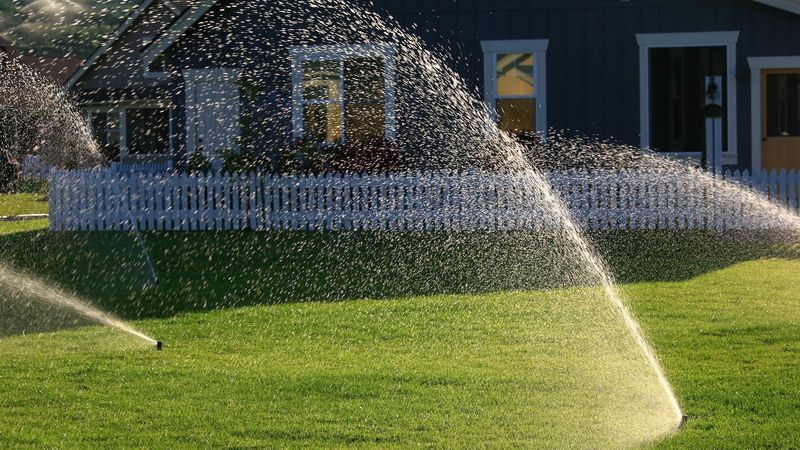
Picture this: it is 1 p.m., the sun is blazing, and your sprinklers kick on right on schedule. Feels responsible, right? Wrong.
Watering at midday during late summer is one of the worst things you can do for your grass. The water evaporates before roots can absorb it.
High temperatures cause moisture to vanish from the soil surface almost instantly. Your grass ends up thirsty, stressed, and working harder just to survive.
But here is where late summer gets more complicated in the Southwest. Humidity from monsoon storms changes how fast evaporation happens, making the timing problem even more complicated.
Wet blades baking under an intense afternoon sun create a perfect setup for fungal growth. The grass canopy holds heat and moisture at the same time.
Shifting your watering window away from midday is the single fastest fix you can make. Early morning, before 8 a.m., gives water time to soak in without sitting on wet blades all night.
Lawns that get watered at the right time show noticeably better color within just a few days. The adjustment costs nothing and pays off immediately.
Midday watering is not just inefficient, it actively works against your lawn’s natural recovery cycle. Once you break this habit, everything else gets easier.
Why Humidity Changes How Grass Handles Water
Most people treat their watering schedule like it never needs to change. Set it, forget it, done. That approach breaks down fast when humidity arrives.
During late summer monsoon season, the air already carries a heavy amount of moisture. Grass blades absorb some of that atmospheric water on their own.
When the soil stays moist from both rain and irrigation, roots sit in soggy conditions longer than they should. Oxygen gets pushed out of the soil, and roots start to suffer.
Grass in dry desert climates is actually adapted to short wet periods followed by dry-out time. Constant moisture from over-irrigation during humid stretches disrupts that natural rhythm.
Bermuda grass, the most common turf across Arizona lawns, needs soil to partially dry between watering cycles. Keeping it perpetually wet during monsoon weeks weakens the root system quietly.
Humidity also slows the rate at which water moves through the soil profile. That means puddles, compaction, and shallow roots all become bigger risks at the same time.
Checking soil moisture before running sprinklers is a simple habit that makes a huge difference. A basic soil probe or even a screwdriver can tell you if the ground is already wet enough.
Your Arizona Garden Changes Every Week. Your Plan Should Too.
Gardening in Arizona changes quickly throughout the season. Every Friday you’ll receive a simple weekly plan showing exactly what to plant, prune, fertilize, harvest, and protect so you never miss the right timing.
Most Arizona lawns take this kind of stress before anyone notices, simply because homeowners ignore what the air is already providing. Nature is doing part of the job, so let it.
Signs Your Lawn Is Already Reacting To This
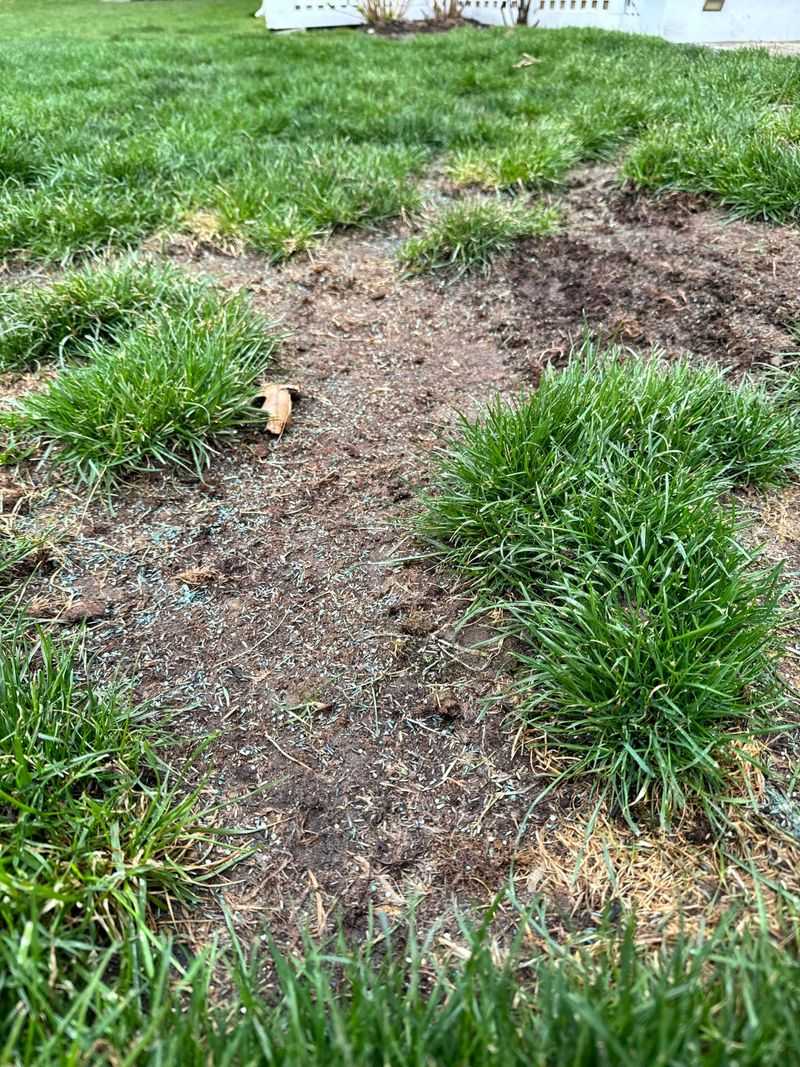
Your lawn is trying to tell you something, and most homeowners miss the signals entirely. Knowing what to look for can stop damage before it spreads.
One of the earliest signs of watering stress is a spongy feel underfoot. If the ground squishes when you walk on it, the soil is holding too much water.
Yellow patches that appear in circular or irregular shapes are often a sign of fungal activity. Fungi love warm, wet conditions, which late summer provides in abundance.
Grass that looks wilted even after watering is another red flag. Overwatered roots cannot take up water efficiently, so the blades droop despite the soil being soaked.
Dark, greasy-looking spots on the lawn, especially in the morning, point to a disease called gray leaf spot. This fungus spreads quickly in humid, moist conditions.
Thatch buildup can also accelerate during this period. A thick layer of dry material traps moisture close to the soil surface, creating a warm breeding ground for pathogens.
Look at the edges of your lawn near sidewalks and curbs. Runoff pooling in those areas signals that water is being applied faster than the soil can absorb it.
Catching these signs early gives you a real chance to turn things around before the damage becomes severe. A few small adjustments to your routine can stop a minor problem from becoming a major lawn renovation project.
Adjusting Your Schedule For Humid Late-Summer Days
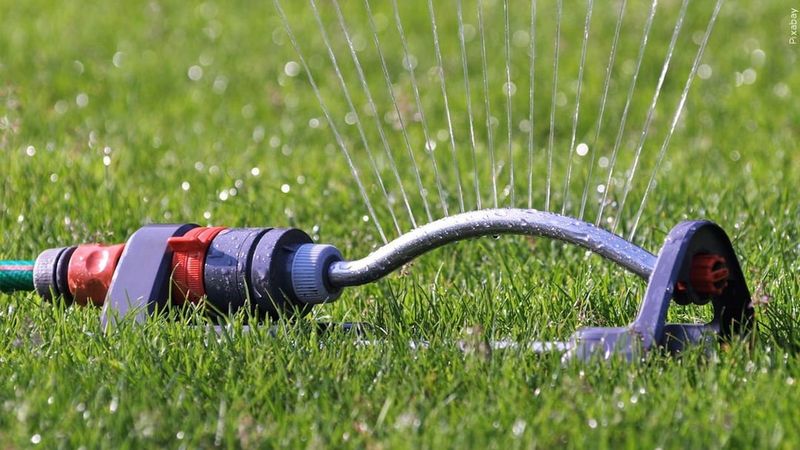
Changing your watering schedule does not have to feel overwhelming. Small shifts in timing and frequency make a big difference without requiring a complete system overhaul.
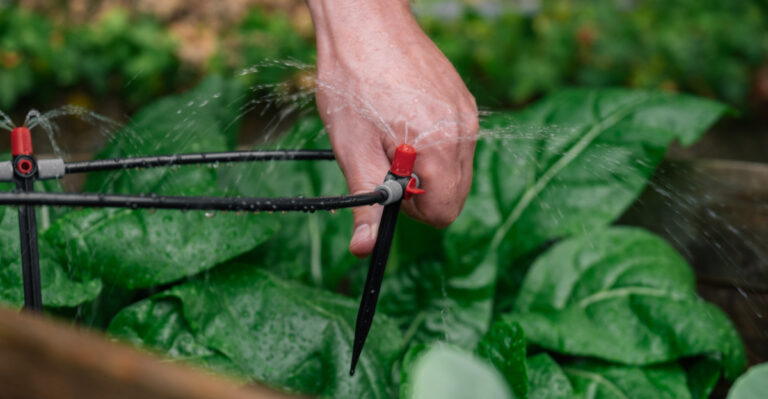
Start by cutting your watering frequency during weeks when monsoon storms are active. If rain has fallen in the past 24 hours, skip your next scheduled watering cycle.
Move your irrigation start time to between 4 a.m. and 7 a.m. Grass blades dry out by mid-morning, reducing the window for fungal spores to take hold.
Reduce your run time per zone by about 20 to 25 percent during humid stretches. The goal is deep, infrequent watering rather than light, frequent cycles that keep the surface perpetually damp.
Smart irrigation controllers with weather sensors can automatically skip cycles after rainfall. Investing in one of these devices pays for itself quickly in both water savings and lawn health.
Water deeply enough to reach 6 inches into the soil, then let the top few inches dry out before watering again. This encourages roots to grow downward rather than staying shallow and vulnerable.
Group your watering zones by sun exposure and soil type. Shaded areas need significantly less water than full-sun zones, especially when humidity is already high.
A well-timed schedule during late summer is one of the most powerful tools you have. Stick with it consistently, and your turf will reward you with stronger, more resilient growth through the rest of the season.
Mistakes That Make Fungus Risk Even Higher
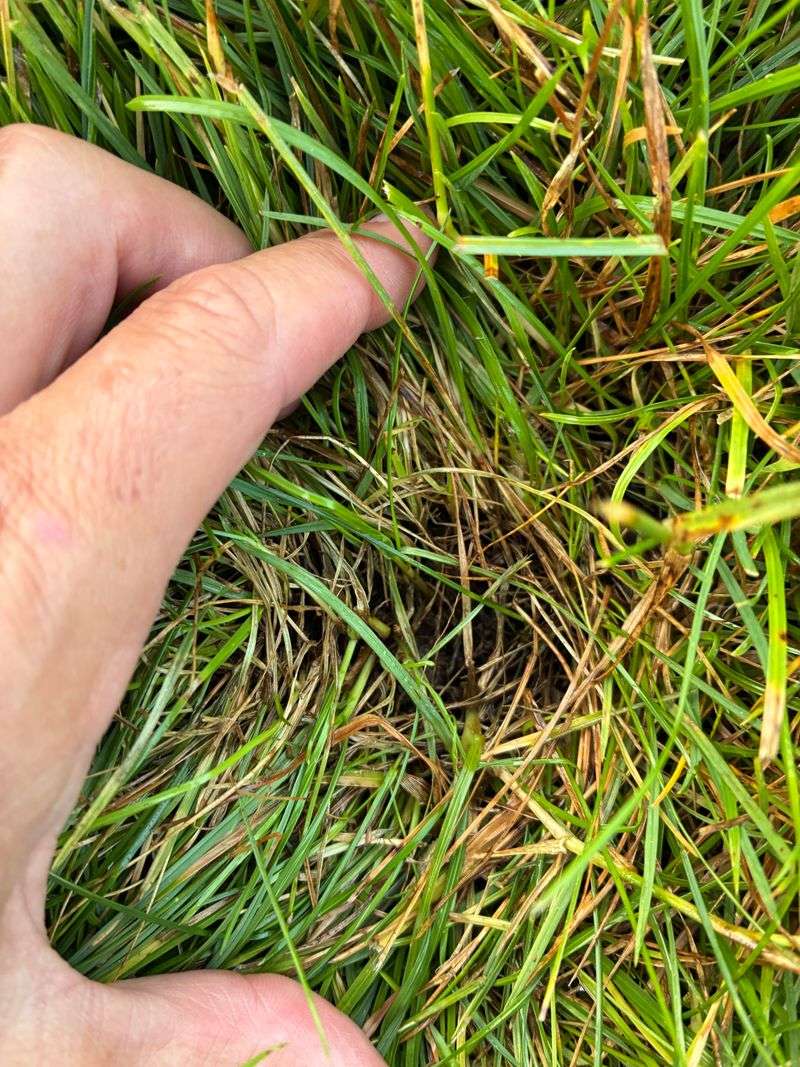
Fungus does not show up randomly. Specific habits invite it in, and most homeowners are unknowingly rolling out the welcome mat every single day.
Watering at night is one of the biggest culprits. Wet grass sitting in warm, still air overnight creates ideal conditions for spores to germinate and spread.
Mowing wet grass is another common error. Mower blades spread fungal spores from one section of the lawn to another with every pass you make.
Cutting grass too short stresses the plants and reduces their ability to fight off pathogens naturally. Bermuda grass should stay between one and two inches tall during the growing season.
Leaving grass clippings in thick clumps on the surface traps moisture and accelerates thatch buildup. Bagging clippings during a suspected outbreak is a smart protective move.
Fertilizing heavily during late summer is also a mistake many homeowners make. A flush of new, tender growth is highly susceptible to fungal infection, especially in humid conditions.
Compacted soil prevents water from draining properly, creating pooling zones where disease thrives. Core aeration in the fall helps correct this problem before the next humid season hits.
Overhead sprinkler systems that wet the foliage rather than targeting the soil base increase foliar disease risk significantly. Drip irrigation or rotary heads that throw water low to the ground are better options.
Every one of these mistakes stacks the odds against your lawn. Eliminating even two or three of them dramatically reduces your fungus risk this season.
Getting Your Lawn Back On Track
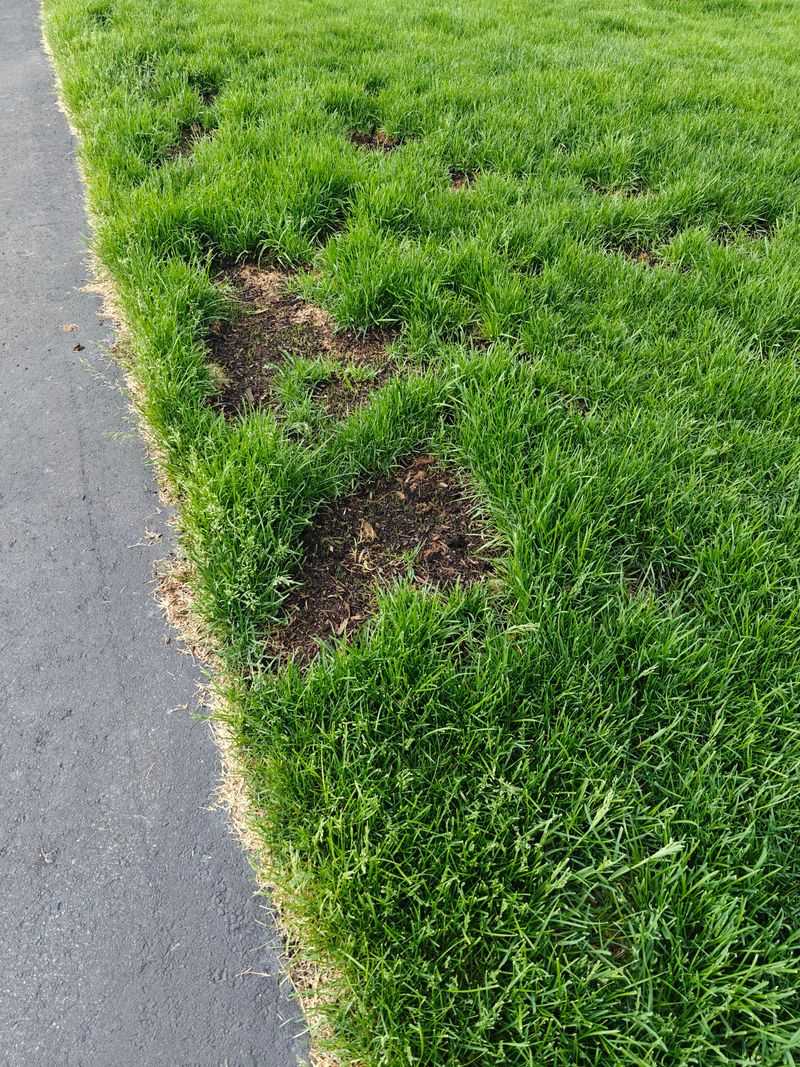
Recovery is possible, even if your lawn is already showing stress. The key is acting quickly and making smart, targeted changes right away.
Start by letting the soil dry out for a couple of days before resuming irrigation. This pause alone can stop fungal spread and give stressed roots a chance to breathe.
Apply a fungicide labeled for residential turf if you notice circular yellow patches or gray lesions. Follow the label directions carefully and repeat the application as recommended.
Rake out any dry or matted grass to improve air circulation at the soil level. Better airflow reduces the humid microclimate that fungi need to thrive.
After the lawn stabilizes, return to a corrected watering schedule using the early morning window. Consistency in timing is just as important as the amount of water you apply.
A light topdressing of compost can help restore soil structure and support beneficial microbial activity. Healthy soil biology naturally suppresses some fungal pathogens over time.
Overseeding thin or bare spots in early fall gives the lawn a fresh start before cooler weather arrives. Choose a variety suited to your specific yard conditions and sun exposure.
This kind of stress is fixable with patience and the right information. Arizona lawns have survived desert summers before, and with a few smart adjustments, they’ll come back stronger than you might expect.