The Ground Cover Oregon Gardeners Use Instead Of Thirsty Summer Lawn
There comes a point in every Oregon summer when a lawn starts feeling less like landscaping and more like a needy roommate.
It wants water, attention, regular mowing, and somehow still manages to look tired when the weather turns dry.
For gardeners ready to rethink all that upkeep, ground cover can suddenly become very appealing.
Swapping out stretches of grass does not have to mean giving up on a soft, green, welcoming yard. The right planting can still make a space feel finished while bringing in a completely different texture and personality.
It can also change how much time you spend dragging hoses around the yard, which is hardly a heartbreaking loss.
Of course, replacing lawn is not as simple as tossing in any low-growing plant and hoping for the best. Oregon’s climate, soil, sun exposure, and seasonal moisture all shape what works well in a particular space.
For gardeners tired of watching summer grass demand constant attention, there is another way to keep the yard looking intentional. And it might make that mower feel surprisingly unnecessary.
1. Yarrow Handles Dry Summer Conditions Better Than Traditional Lawn
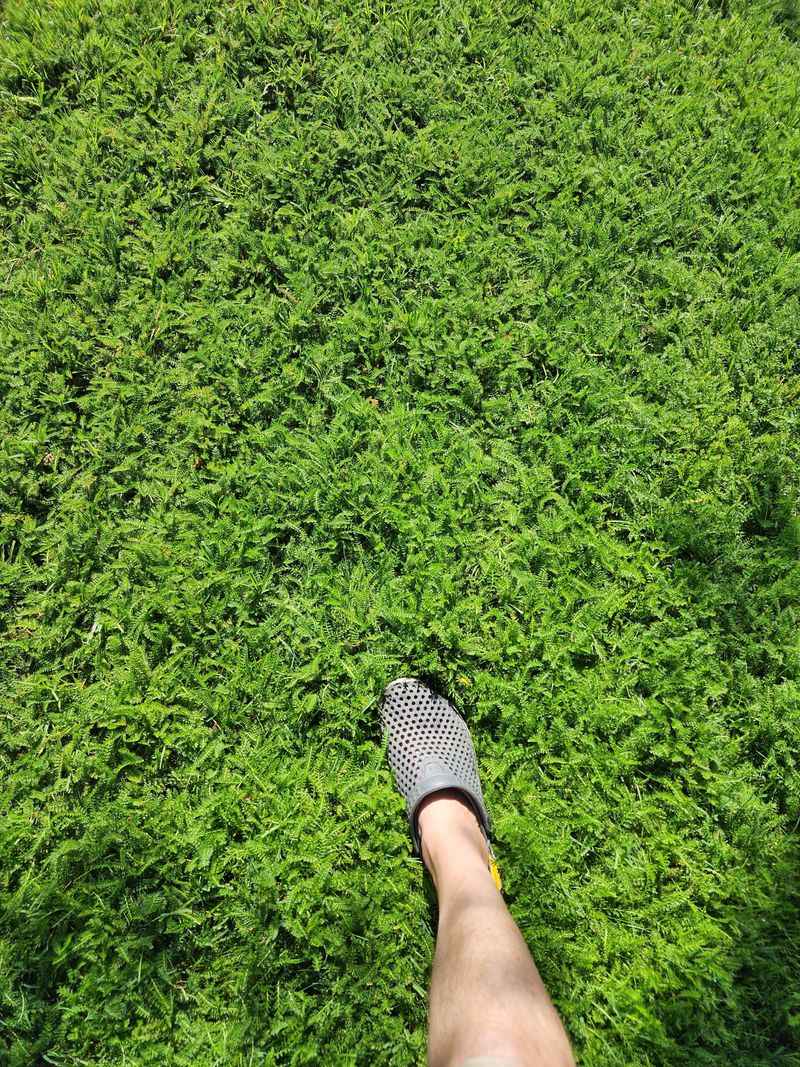
Most lawn grasses need water every few days during summer heat to stay green and alive. Yarrow takes a completely different approach.
Its root system goes deep into the soil, pulling up moisture that shallow grass roots simply cannot reach.
That deep-rooting habit is what makes yarrow such a reliable performer when the sun is blazing and the sky stays dry for weeks. While neighbors are running sprinklers to keep their turf from turning crispy, a yarrow ground cover stays green and even keeps flowering.
The plant evolved in dry, rocky hillsides across Europe and Asia, so summer drought feels like home to it.
Switching from traditional lawn to yarrow can cut your outdoor water use dramatically. Some gardeners report using up to 75 percent less water after making the switch.
That saves money and reduces pressure on local water supplies during the hottest months. Yarrow also handles the intense reflected heat from driveways and patios better than most grasses do.
It does not scorch or wilt when temperatures spike. For anyone who has spent summers watching their lawn go from green to brown and back again, yarrow offers a refreshing change.
It stays presentable with far less effort, and it does it naturally, without needing you to hover over it with a hose every few days.
2. Its Low Growth Can Create A Soft Meadow-Like Carpet
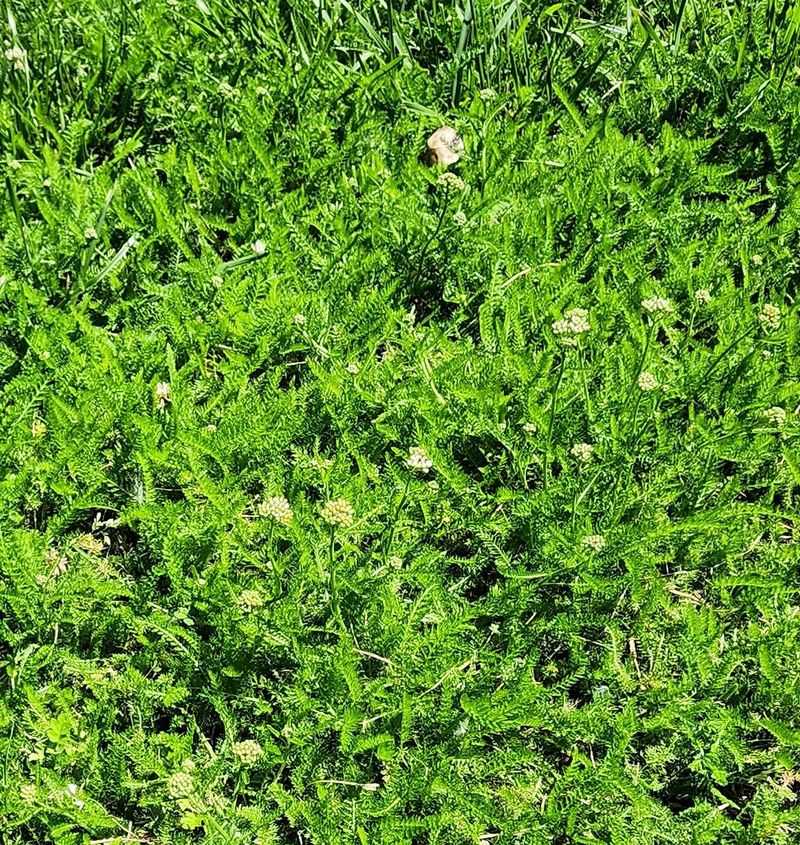
There is something genuinely beautiful about a yard that looks like a wildflower meadow rather than a clipped green carpet.
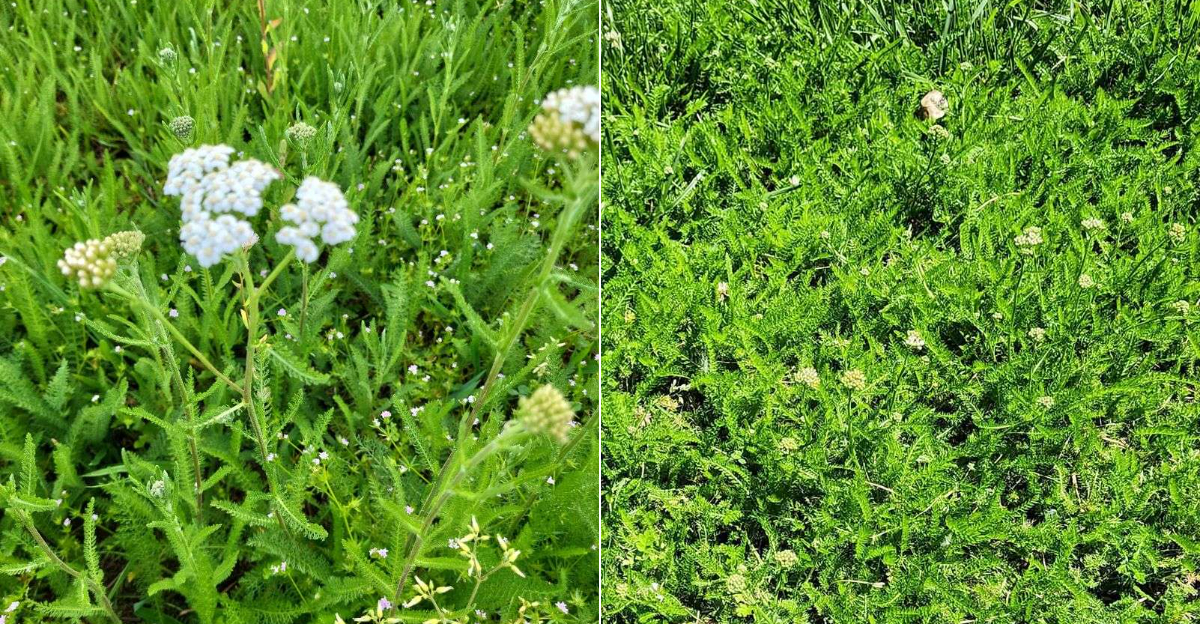
Yarrow can give you exactly that kind of look, and it does it without constant maintenance. Left to grow naturally, it stays low to the ground and spreads outward in a dense, soft mat.
The feathery leaves of yarrow are finely divided and almost fern-like in texture. Running your hand across them feels surprisingly soft.
When the plant spreads across a large area, it creates a layered, living carpet that shifts slightly in the breeze and catches light in a way that flat grass simply cannot match.
Your Oregon Garden Changes Every Week. Your Plan Should Too.
Gardening in Oregon changes quickly throughout the season. Every Friday you’ll receive a simple weekly plan showing exactly what to plant, prune, fertilize, harvest, and protect so you never miss the right timing.
For front yards, side strips, or sloped areas that are hard to mow, this meadow look works especially well. It softens hard edges around pathways and rocks.
It blends naturally with native wildflowers and ornamental grasses nearby. The overall effect feels relaxed and intentional at the same time, which is a hard combination to pull off without a lot of work.
Yarrow typically stays between four and twelve inches tall when not mowed, depending on the variety. That height creates a gentle visual texture across the ground.
The plant fills space without looking overgrown or messy. For gardeners who want a yard that feels natural and easy, this meadow-style ground cover hits all the right notes.
3. Established Yarrow Needs Much Less Frequent Watering

Getting yarrow through its first season takes a little patience and consistent watering. During that first year, the roots are still spreading and getting anchored into the soil.
Weekly watering helps the plant settle in and build the strong root system it will rely on later.
Once yarrow reaches its second year, everything changes. The roots are deep, the plant is anchored, and it no longer needs regular watering to stay healthy.
At that point, most gardeners in drier climates can water their yarrow just once or twice a month during summer, or even skip irrigation entirely in areas that get occasional rainfall.
That shift from regular watering to almost no watering is one of the biggest reasons people love this plant. You put in the effort early, and the plant rewards you with years of low-maintenance beauty.
There is no need to set up an irrigation system or drag hoses across the yard during hot spells.
Overwatering established yarrow is actually more of a problem than underwatering. Too much moisture can lead to root rot or encourage the plant to flop over and look messy.
Letting the soil dry out between waterings keeps yarrow compact, upright, and healthy. For busy gardeners or anyone who travels during summer, this kind of drought tolerance makes yarrow one of the most reliable plants you can put in the ground.
4. It Fills Bare Areas Without Constant Mowing
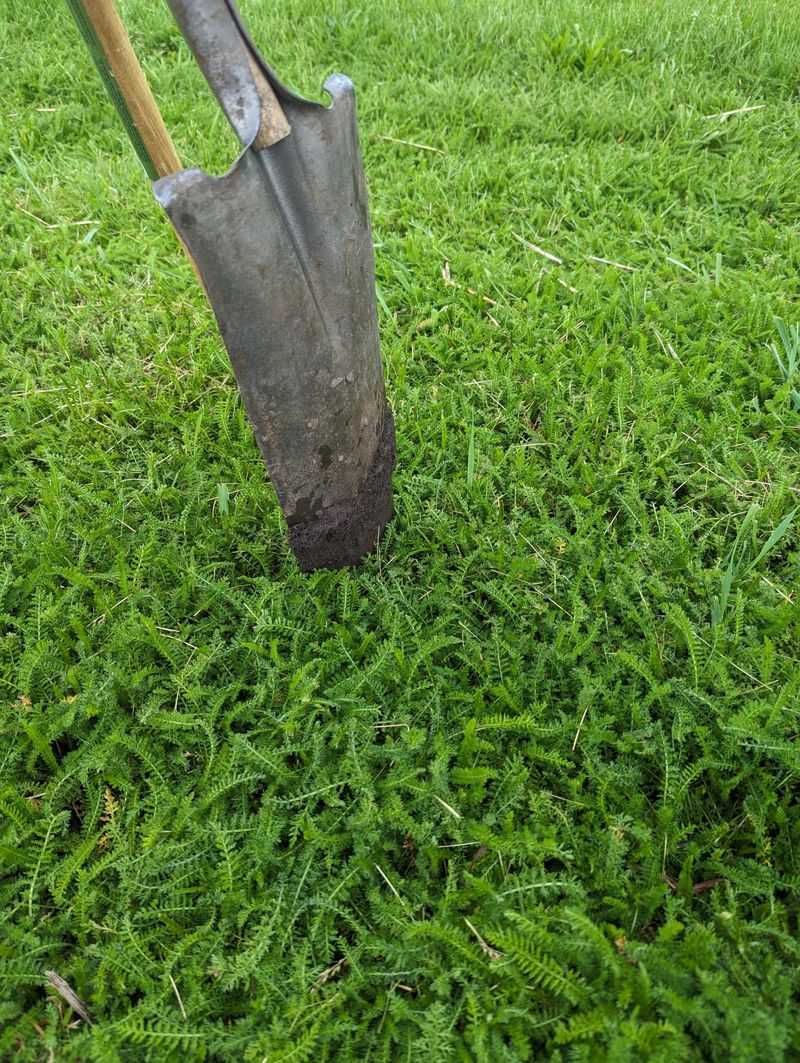
Bare patches in a yard are a constant frustration. Grass seed washes away, mulch blows off, and weeds move in fast.
Yarrow solves this problem differently. It spreads on its own through underground stems called rhizomes, slowly filling in open ground without any help from you.
Once yarrow gets a foothold, it expands outward season by season. The spreading is gradual and controlled, not aggressive like some ground covers.
You do not need to replant or reseed bare spots because the plant does that work itself over time. This makes it especially useful for large areas, slopes, and awkward corners that are hard to reach with a mower.
Unlike grass, yarrow does not demand weekly mowing to look presentable. It grows at a relaxed pace and stays relatively tidy on its own.
Some gardeners choose never to mow their yarrow at all, letting it bloom freely and attract pollinators throughout the season. Others mow it once or twice a year to refresh the look and encourage fresh growth.
The time savings compared to maintaining a traditional lawn are significant. Swapping even a small section of lawn for yarrow can cut your mowing time noticeably.
For large yards or properties with challenging terrain, the difference is even greater. Yarrow fills space beautifully and holds it without the weekly commitment that grass demands from every homeowner.
5. Small Flowers Bring Pollinators Into The Yard
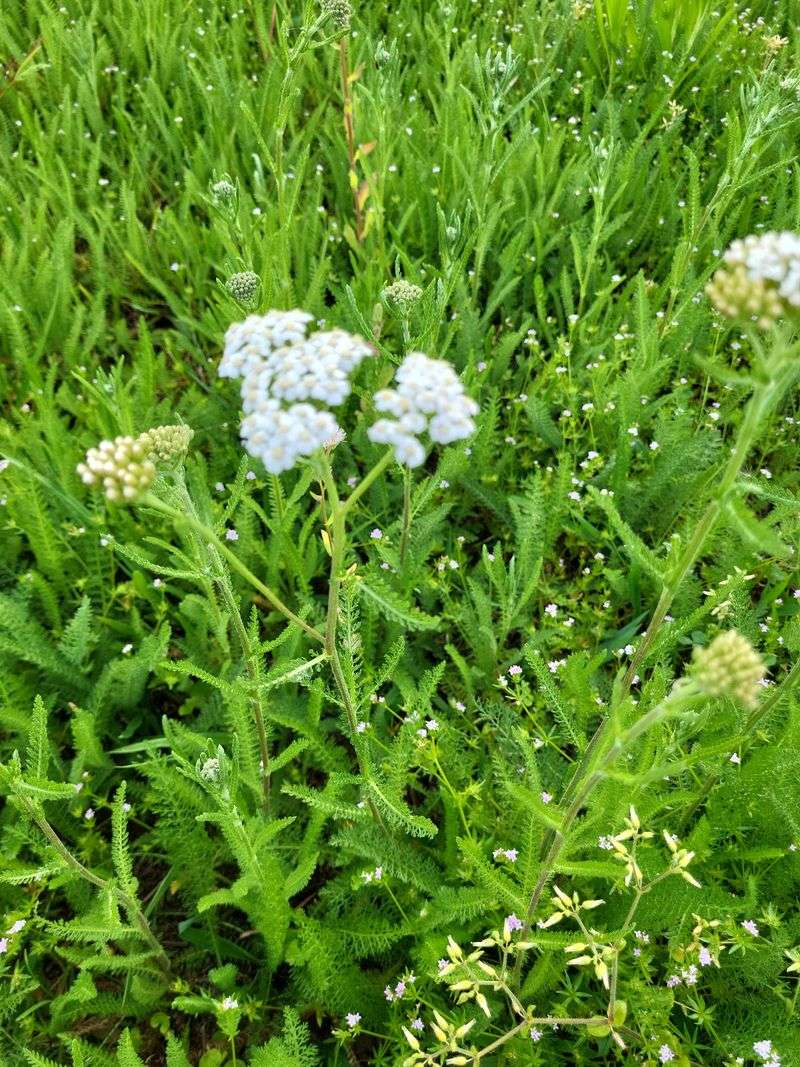
Watch a patch of blooming yarrow for just a few minutes and you will see why gardeners love it for wildlife. Bees, butterflies, and hoverflies land on the flat-topped flower clusters constantly during summer.
The tiny flowers are perfectly shaped for small pollinators to access, making yarrow one of the best pollinator plants you can grow.
Yarrow blooms from late spring through early fall, depending on the variety and your local climate. That long blooming window means your yard becomes a reliable food source for pollinators for months at a time.
Native bees especially appreciate yarrow because it flowers during times when other garden plants may have already finished blooming.
Beyond bees and butterflies, yarrow also draws beneficial insects that feed on common garden pests. Ladybugs, lacewings, and parasitic wasps are all attracted to yarrow flowers.
Having these insects in your yard means fewer aphids and caterpillars damaging your other plants. It is a natural form of pest control that costs nothing and requires no spraying.
Oregon gardeners who grow yarrow often notice a broader range of wildlife visiting their yards overall. When pollinators are active, birds follow to feed on them.
The whole garden ecosystem becomes more lively and balanced. Choosing yarrow as a ground cover is not just a practical water-saving decision.
It is also a small but meaningful way to support local wildlife every single season.
6. Yarrow Works Best In Sunny Open Spaces
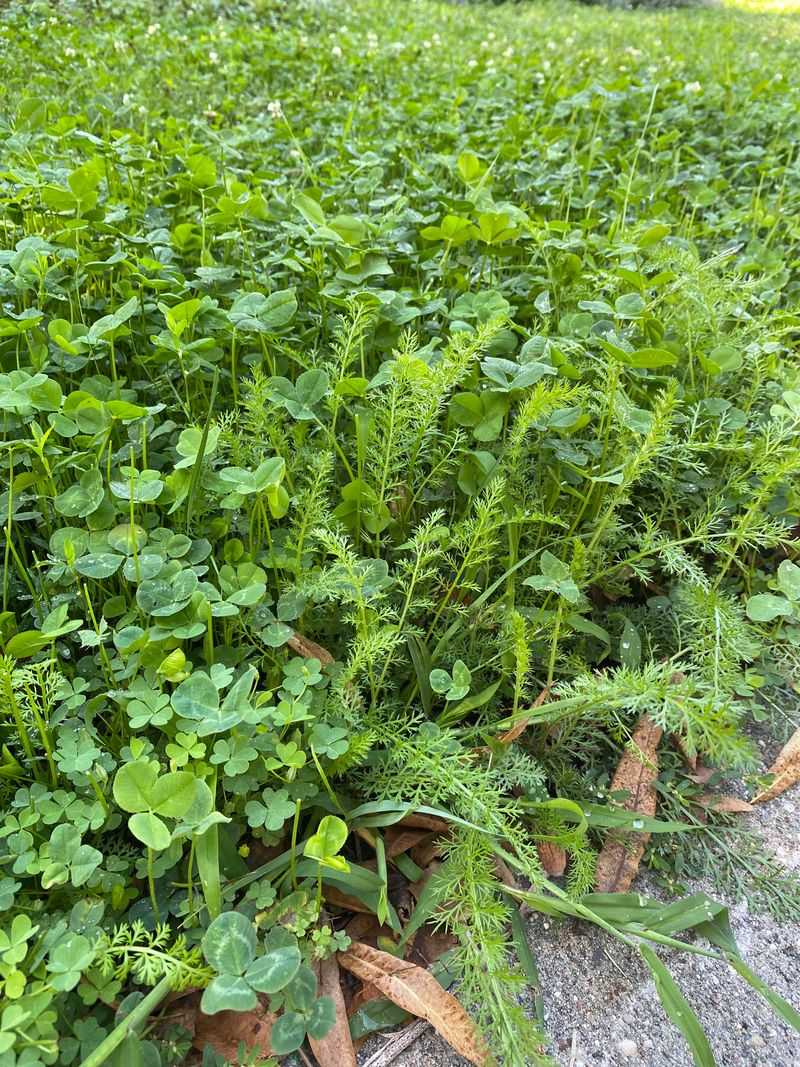
Full sun is where yarrow truly shines. Give it six or more hours of direct sunlight each day and it will reward you with dense growth, abundant flowers, and a strong, spreading habit.
Yarrow planted in full sun stays compact and upright rather than leggy and floppy. Open spaces like front yards, sunny hillsides, parking strips, and south-facing slopes are ideal spots for yarrow.
These are often the areas where grass struggles the most during summer, baking in the heat and drying out quickly.
Yarrow treats those same conditions as an opportunity to thrive rather than a challenge to survive.
Partial shade is tolerable for yarrow, but the results are noticeably different. In shadier spots, the plant tends to grow taller and lean toward the light.
It may flower less and spread more slowly. For best results, save yarrow for the parts of your yard that get the most sun and use shade-tolerant plants elsewhere.
Many Pacific Northwest yards have large open areas that face south or west and get intense afternoon sun. Those spots can be brutal for traditional lawns and most ornamental plants.
Yarrow was practically designed for conditions like that. It handles the heat, handles the reflected light from pavement, and keeps growing steadily through conditions that would stress most other ground covers.
Matching the right plant to the right spot makes all the difference, and yarrow matched to full sun is a combination that consistently delivers.
7. Poorer Soil Usually Does Not Slow It Down Much
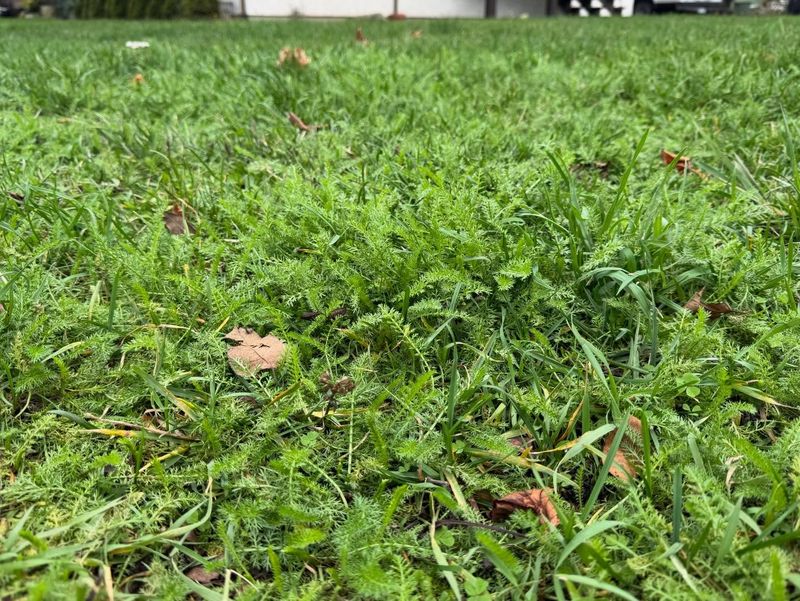
Rich, amended soil is something most garden plants want. Yarrow is different. It actually performs better in leaner, less fertile soil than in heavily enriched garden beds.
Too much nitrogen makes yarrow grow tall and floppy, reducing its effectiveness as a tidy ground cover.
Rocky soil, sandy soil, and clay soil that drains reasonably well are all acceptable to yarrow. The plant developed in tough conditions across Europe and Central Asia, growing on hillsides and roadsides where soil quality was poor and rainfall was inconsistent.
Those origins gave yarrow a tolerance for difficult conditions that most cultivated plants simply do not have.
For gardeners dealing with compacted, rocky, or nutrient-depleted areas, yarrow is one of the few attractive options that does not require significant soil preparation. You do not need to add bags of compost or fertilizer before planting.
Loosening the soil a bit and ensuring basic drainage is usually enough to get yarrow started successfully.
Avoid heavy fertilizing once yarrow is established. Adding too much fertilizer encourages weak, floppy growth and can actually reduce flowering.
The plant is naturally efficient at pulling what it needs from the soil without any extra help.
This low-input approach makes yarrow an especially appealing choice for gardeners who want great results without spending a lot of time or money improving their soil before planting.
8. Occasional Mowing Can Keep It Looking Neater
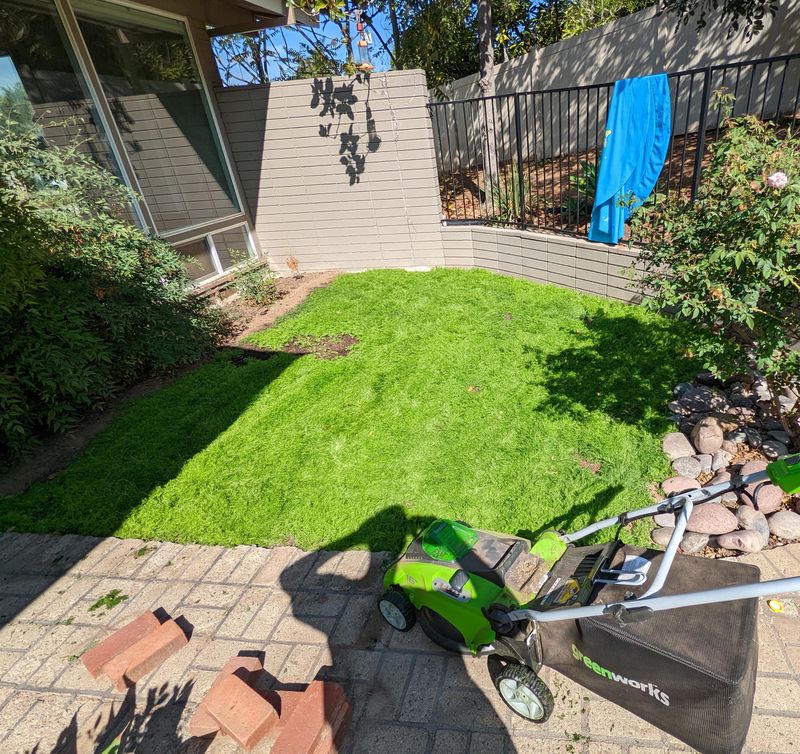
One of the nicest things about yarrow as a ground cover is how flexible it is when it comes to maintenance.
You can let it grow freely for a wild, meadow-style look, or you can mow it occasionally to keep things tidy and uniform. Both approaches work well depending on your style and your neighborhood.
Mowing yarrow once in late spring, before it starts flowering, keeps the plant low and encourages dense, spreading growth close to the ground.
A second light mowing in midsummer after the first flush of flowers fades can trigger a fresh round of blooming. That second bloom often brings in even more pollinators than the first.
Set your mower blade higher than you would for grass, around three to four inches, when trimming yarrow. Cutting it too short can stress the plant and slow its recovery.
A light, high pass with the mower is all it takes to refresh the look without harming the plant.
For Oregon gardeners in neighborhoods with tidy lawn standards, occasional mowing keeps yarrow looking intentional rather than neglected. It signals to neighbors that the yard is cared for, even if the maintenance routine is minimal.
Many people in the Pacific Northwest who have made the switch to yarrow find that a couple of mowing sessions per year is all they need to maintain a yard that looks great and holds up beautifully through every dry summer season.